“Architecture” is a big word with almost 12 letters! A big one. The letter counts and the exposure and impact it has on the user, the people in the surrounding, and mainly on the creator. Architecture has a huge diameter covering a standalone picturesque bungalow to the ideally planned city with almost no traffic, from that aesthetic interior we all dream of to the quintessential coffee table for our living room. The architecture is affected by the architecture around, from the person who uses an oral-b toothbrush comfortably sitting in his bathroom to the person walking on the street dreaming about buying a flat in that lane and decorating it as his signature. But the person most affected in and by this process is the creator, and to be more specific, we call him the Architect. This process crafts a pathway to being an architect, to experience the mesmerising designs created by the human mind, because architecture can change your perspective towards residential buildings, skyscrapers, public spaces and everything.
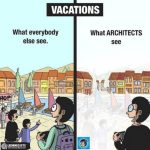
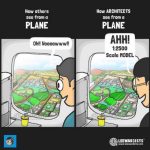
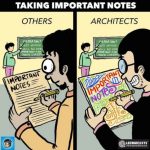
Before | Architecture | After
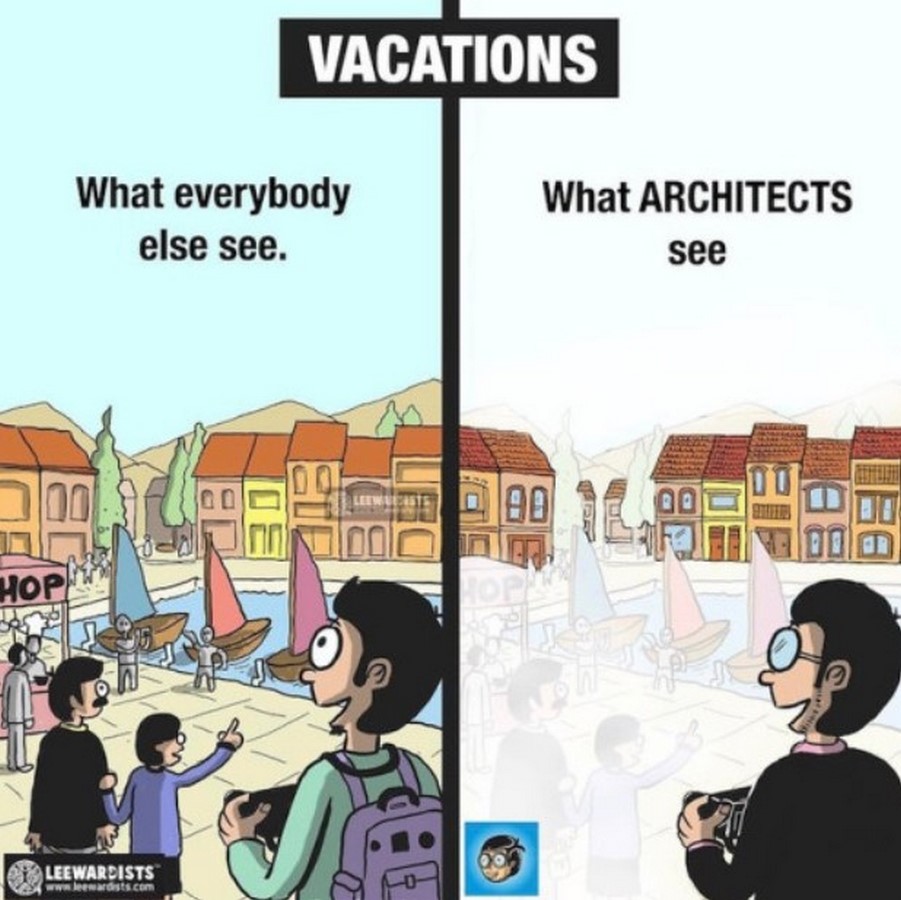
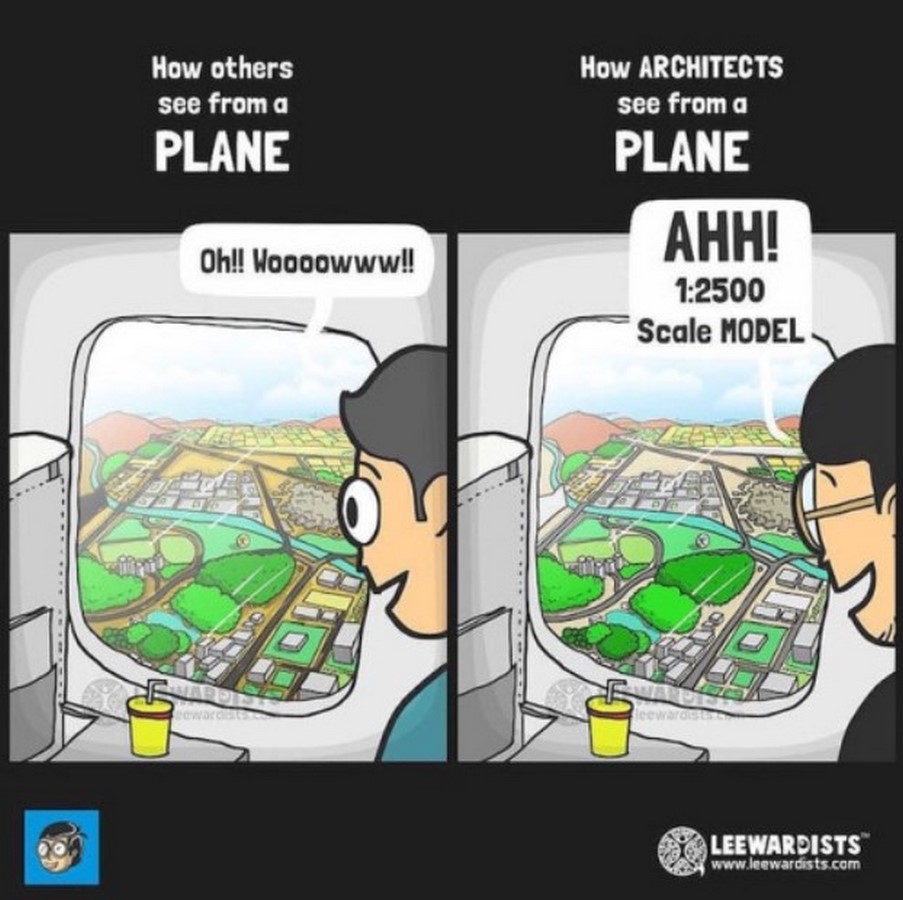
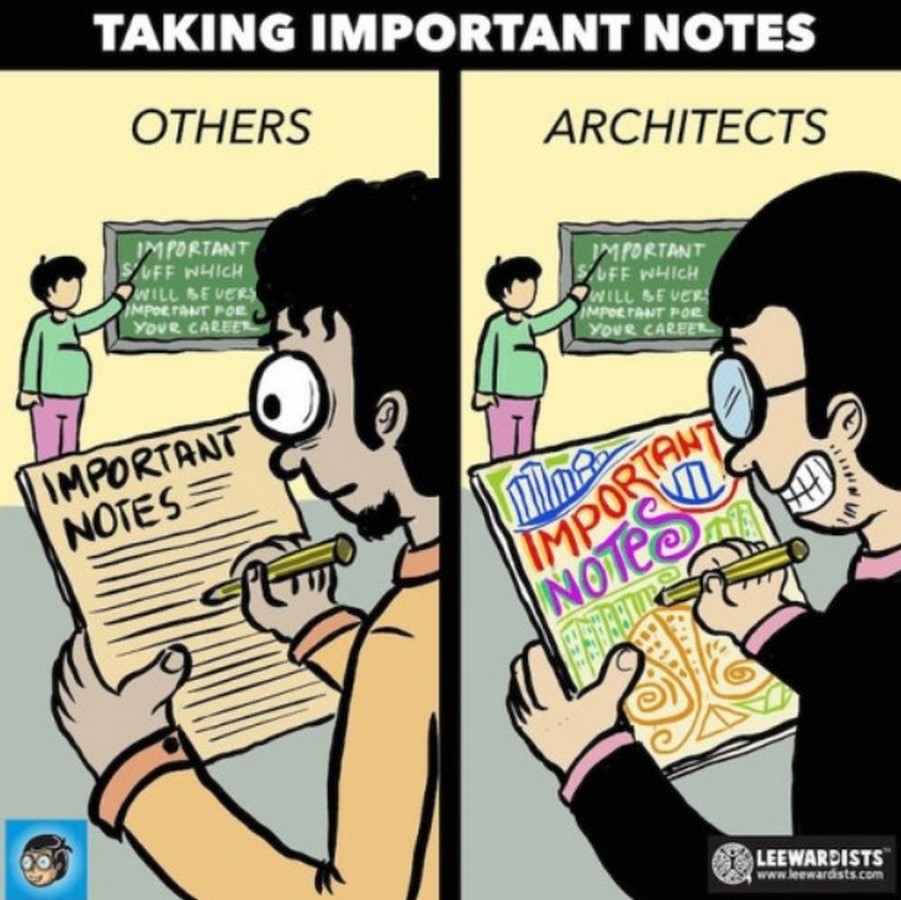
An individual when he steps into the field of architecture, he has to go through a series of events that carves his mind from being a negligent and ignorant person who never even thought of the depth that architecture holds to the “Architect“who dedicates his whole life in breathing and absorbing architecture, who then creates an impact on the society by his creation. This all starts from
- Being curious about what is design
- Relishing what is architecture
- Left amazed
- Understanding the effect on user
- Becoming a logical designer
At first, the individual finds a tingling curiosity in his mind about design i.e. how to design, what to design, when to design, where to design, but most importantly, ‘what is design’. He then starts to explore the use of colours, shapes, patterns, elements etc. and then the term design thinking comes up, which teaches the way to think – what to consider and the parameters. It gives the true motive to the design and is majorly responsible for the change in perspective towards everything in the surrounding.
The next step is Case studies. To create a great design, one needs to study and understand many great designs is very well understood by the designer’s community. Performing case studies are the true method and the only way to learn about architecture, what it is, what it can be and the power it holds within to change the lives of many to great extents with even small details that are put together. This is indeed the step towards realising what architecture is.
The art to understand and learn from a case study has always been a game changer. While practising it the individual comes across philosophies and designing styles of many master architects, which leaves the person mesmerised by the extent of their designs and their design thinking ability with at most knowledge and thought processes brought together for a larger motive that can affect and impact lives. This thought can leave a person in amazement at how a single structure can create an impression, which can be considered the pioneer towards the change in perspective.
Every master architect who has been there in history had their style, philosophies, expertise, and techniques, all different from the others, but one thing in common – the sense to work towards the greater motive and change lives, which is only possible by keeping the users in mind. Keeping ourselves in users’ shoes gets you a design that satisfies the user’s needs and the urge to feel safe and comfortable in some space. This term is coined as environmental psychology in architecture, which means user analysis.
While practising and experiencing all these steps, passing through the process, and absorbing the change and growth in the environment surrounding us, our mind starts to become logical while designing. It begins to come up with methods and techniques that can be sustainable, economical and safe for the environment. These logical considerations and even small details can help solve the larger problem of society. And at this stage, the person has completely transformed himself into a logical designer or an “Architect” to have an entirely new perspective and vision of looking towards the residences, streets, public spaces etc., in the surrounding.
The process from being a negligent person to a logical one is full of ups and downs, granting excitement and adrenaline rush, demanding passion and hard work, lots of patience and, most important, providing the feeling of satisfaction of seeing the work in person, not in any 3D modelling software or any sketch and the ability to create a difference and change lives. This is what all designers crave, and hence their design becomes their signature and their lives.
References:
For Fig 1 –
School, L. (ed.) (2022) Architecture before after, Leewardists School. Available at: www.leewardists.com (Accessed: 16 June 2023).
For Fig 2 –
School, L. (ed.) (2022) Architecture before after, Leewardists School. Available at: www.leewardists.com (Accessed: 16 June 2023).
For Fig 3 –
School, L. (ed.) (2022) Architecture before after, Leewardists School. Available at: www.leewardists.com (Accessed: 16 June 2023).