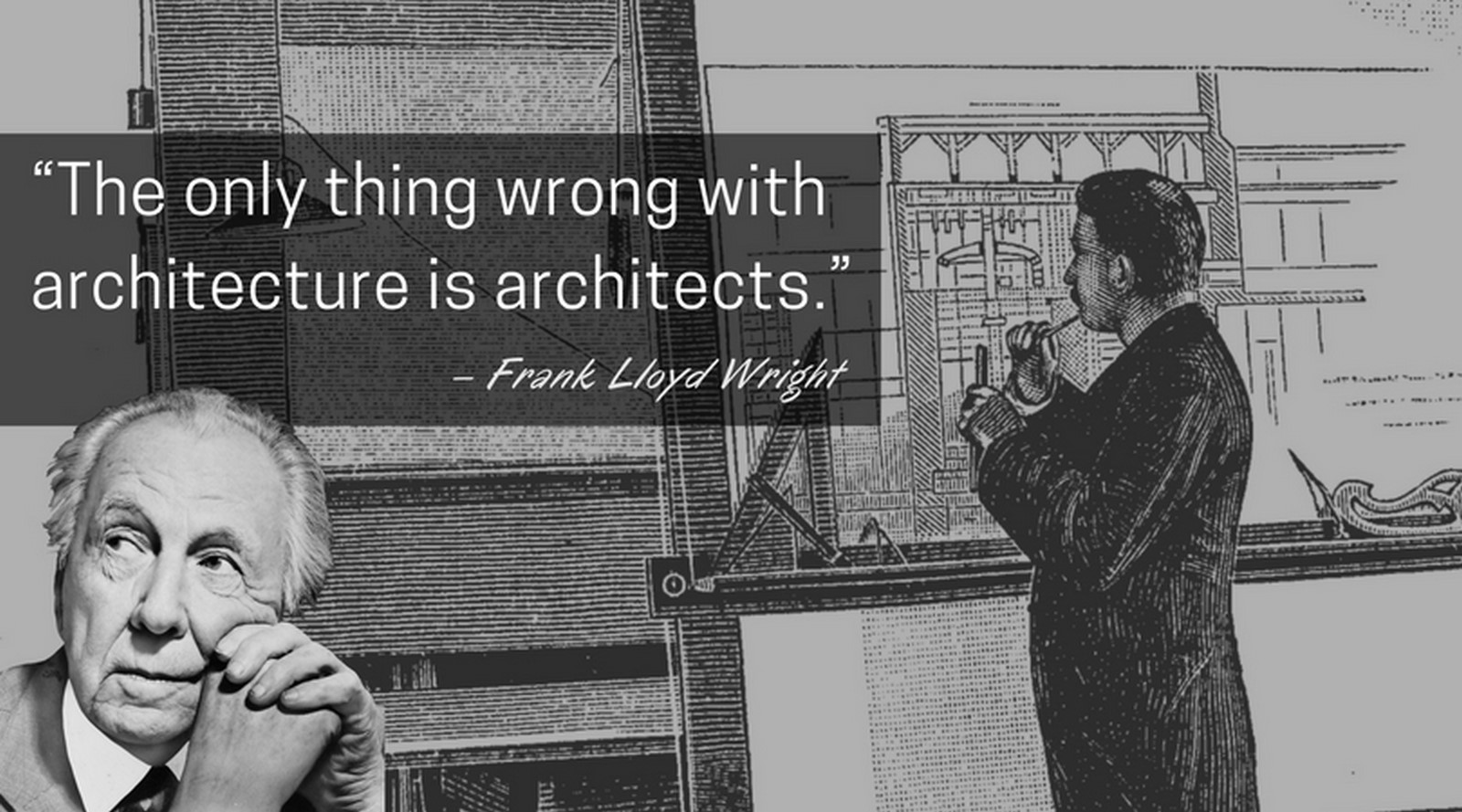
Ever think about this quote? I think about it a lot and try to understand what he meant when he said this. “The only thing wrong with Architecture is Architects.” Funny as it sounds, it might be partially correct. Nobody ever becomes an Architect, just by receiving an Architecture Degree. Architects finally become architects when they come out in the professional field and starts putting all their technical skills into making buildings, and loving the process irrespective of anything. I have been associated with Architecture for over nine years, and I have seen a lot of architects. Someone discovered their passion for photography while doing a photoshoot for a college assignment; someone explored creative arts after getting appreciation for a cultural event artwork, while someone else worked to brush up their management skills after group projects went well. This can only happen because architecture education is very diverse. Five years of college teach you many things other than the necessary technical skills needed to succeed in Architecture.
Architecture education remains mostly the same irrespective of the university. Everyone knows the basic things that you learn in an Architecture college. The focal point of architecture education is the basic knowledge of space planning and the core essence of designing buildings. Architecture is not just the placement of rooms to accommodate functions. The relation of spaces and how they flow together is something an Architect needs to understand to create a harmonious design. This is taught via multiple modules throughout the five-year course. Tedious juries and lectures train the students to understand what architecture is and how a typical design differs from a good design. During the first, second year, the subjects are more familiar and creative to enhance the students’ thinking. Simple things like hand drafting, surface development, developmental mathematics and physics, model making, and photography are taught in the initial years to brush up all students’ artistic calling. Most important ones are hand done and computer-aided drafting, rendering, model making, anything that helps you actualize your thought into a tangible drawing. These are the technical skills that every architect these days has perfected overnights and nights of pre-deadline diligence. Almost all architects, at some point in their life, used AutoCAD and photoshop so much that they even dream of typing PL, enter, O, enter. I know this has happened to me quite a few times, and I woke up imagining I had completed the drawings already. This drafting software becomes a significant part of your professional life. Architects cry more over fatal errors than heartbreaks. This skill set is essential and is religiously taught in all architectural institutions. Next comes the knowledge of material sciences and technology pertaining to the architectural field. Conceptual planning often goes hand in hand with the construction techniques, and thus it is vital for designing buildings. Theoretical knowledge combined with field training for construction work is taught repeatedly with different examples for better exposure. This, however, isn’t always done how it should. Most of the education that we receive in this regard is theoretical and not entirely useful when designing for real. A one year or six-month practical training period is included in the curriculum to make sure that students are prepared for real-life architectural problems and not just paperwork.
Architecture, however, is not limited to bookish knowledge. You acquire all sorts of skills which help you in life in general, if not architecturally. Firstly, you develop excellent storytelling skills. All architects become natural at making up stories for project concepts, during juries or to supplement late submissions. Just like “Method-Actors”, we become good at developing narratives to accompany our purpose. A tendency to articulate your work with well-spoken facts and fiction makes the result more appreciative. This helps in the field as well when you have to convince clients of your designs (this doesn’t always go as you plan… but helps!). Second, architects become very trained at handling software. Even technically challenged architects are better than ordinary people when it comes to computers. This happens because of long hours of juggling between complex (and often stubborn) applications, printers and hardware. Third and most important trait acquired in an architecture college is patience. Design is a field with no correct answer which is why it’s not always possible to be able to express your thoughts to the spectator befittingly, and your designs don’t still get the appreciation that you expect. Long and tiring working hours seldom result in criticism. Five years of hard work teach you to accept rebuke in a good light and to pick yourself up and work harder after failures and disapproval. Although, I would be lying if I say that REDOs don’t hurt much.
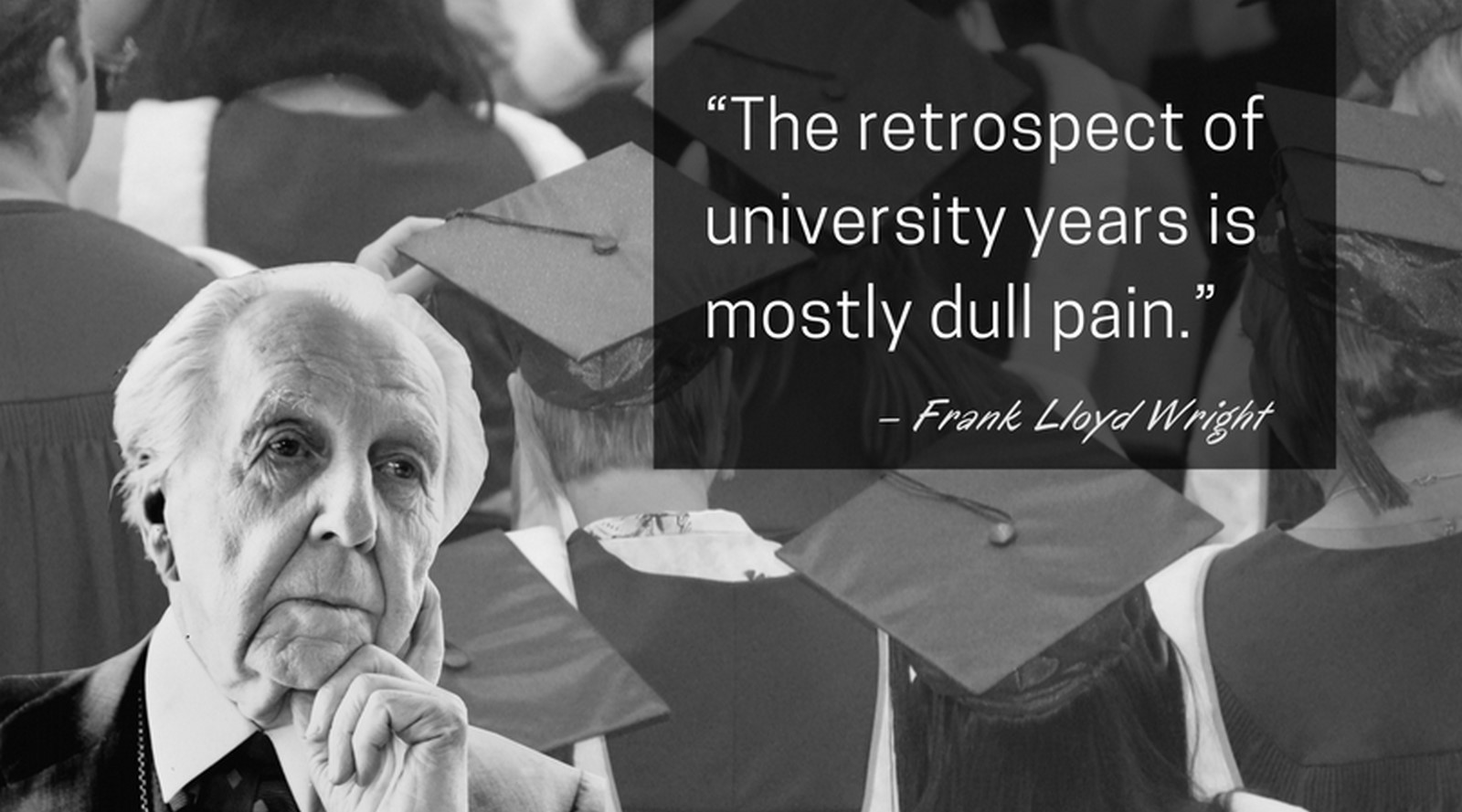
These are just a few of the things that you can expect from Architects, or if you are planning to be one. A harsh reality is that most people don’t know what they are getting themselves into when they apply for an architecture college. It’s a rocky ride for five years; still, it’s for sure that a person graduating from an architecture college will come out with a diverse set of skills that are beneficial in all aspects of life, either professional or personal.
“The mother art is architecture. Without an architecture of our own we have no soul of our own civilization.” – Frank Lloyd Wright