The trials and tribulations associated with architecture are not unknown. While it seems that architecture students stay up every alternate night, it is not a pure exaggeration.
It probably has to do with the way the course of architecture itself is designed. The number of values and services associated with a single building cannot be covered with just a design aspect; there is an intermingling of many more courses – social and cultural values to understand user activities and experience, history of the area or style of architecture, engineering for structures and wiring, sustainable resources and methods to build more environmentally sound buildings, which have lesser energy consumption, economics and budgeting, and a deep understanding of materials and construction materials. For an architect to design, it is essential to ensure all of these systems to be incorporated, and in a way that they can be repaired and updated in the future.
The architecture course was described to me as 80% logic and 20% creativity within the first few days of college. It is common to presume that architecture is a predominantly creative, art-related field, which is not wrong. Design is a process requiring out-of-the-box ideas to build something unique but also functional. It involves taking care of certain defined parameters, rather than being purely unrestricted. The innovation is with the idea used to ensure all of the parameters are accounted for, and it is upon the designer to find the best solution out of the many possibilities.
Architecture is often referred to as a practice and discourse. It is not a traditional art form where an artist allows their creativity to flow into their artworks as a form of expression. A building is constructed for a client and a user group who benefit from a particular project. This project is a physical entity that serves a purpose in society, built from a substantial amount of resources, labor, and time. Unlike other artworks that are easier to improve upon and remake, a failure of a project is a huge loss for the community.
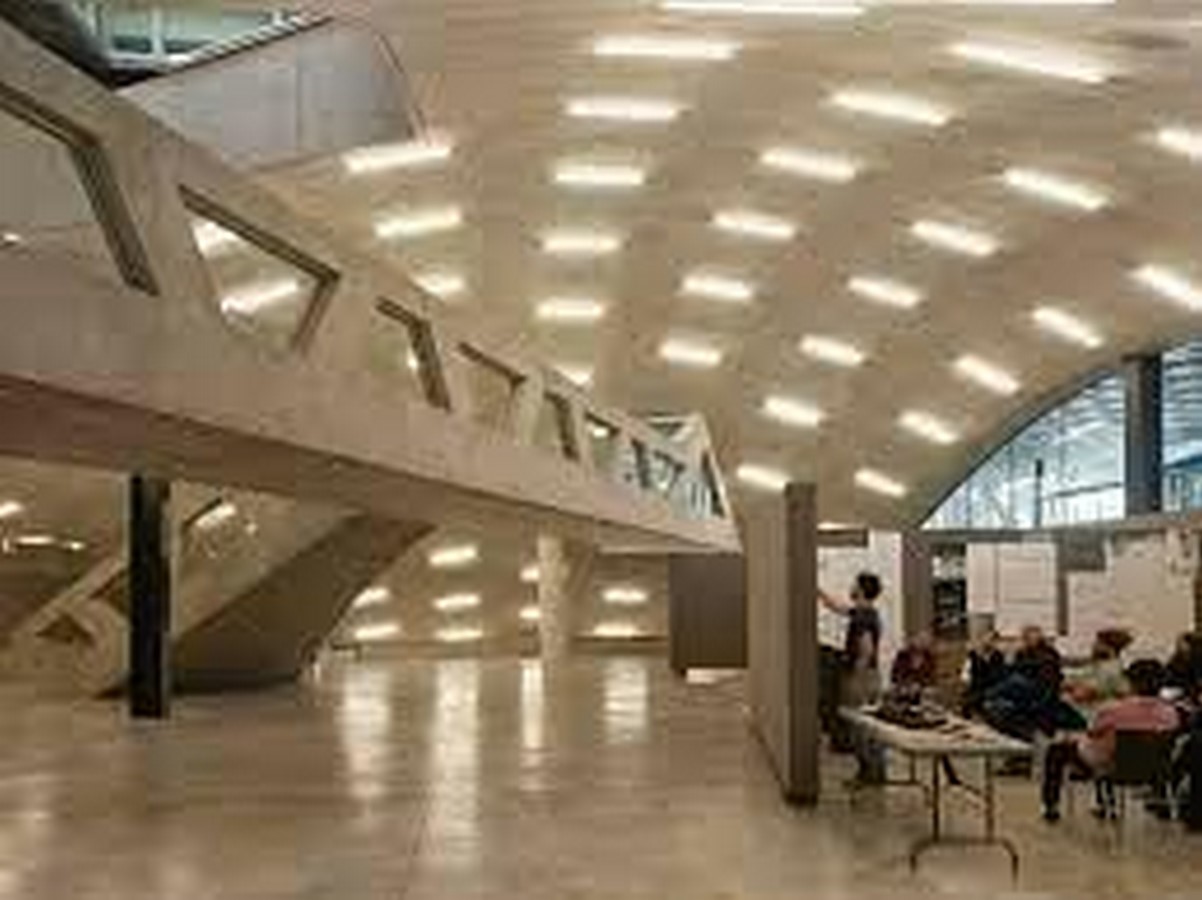
The intensity that an architecture course requires was much more than what I had imagined before the course began. The pace has only steadily increased since the first year and has no intention of stopping now. To balance all of the starkly different subjects with a semester-long design project becomes quite a task as the time progresses. This is a place where students from far away and nearby places alike, come together because of their similar interests and passions. When things get hectic, it is very reassuring to see people around in the same boat as you, struggling to bring out their best works. Students can be seen working in the studios to produce sheets that are not only informative but aesthetically pleasing, supported by realistic looking 3D models.
Architecture College is your first exposure to the vast world of architecture. This is the time where you build friends and contacts for life, people who study together, only to deviate someday in the future. The versatility of the field opens up several possibilities within architecture or multiple other fields of art – from graphics and photography to product design and fine arts. This is also possible through the variety of skills students develop in college – hand-sketching and rendering, software skills, and research and methodologies.
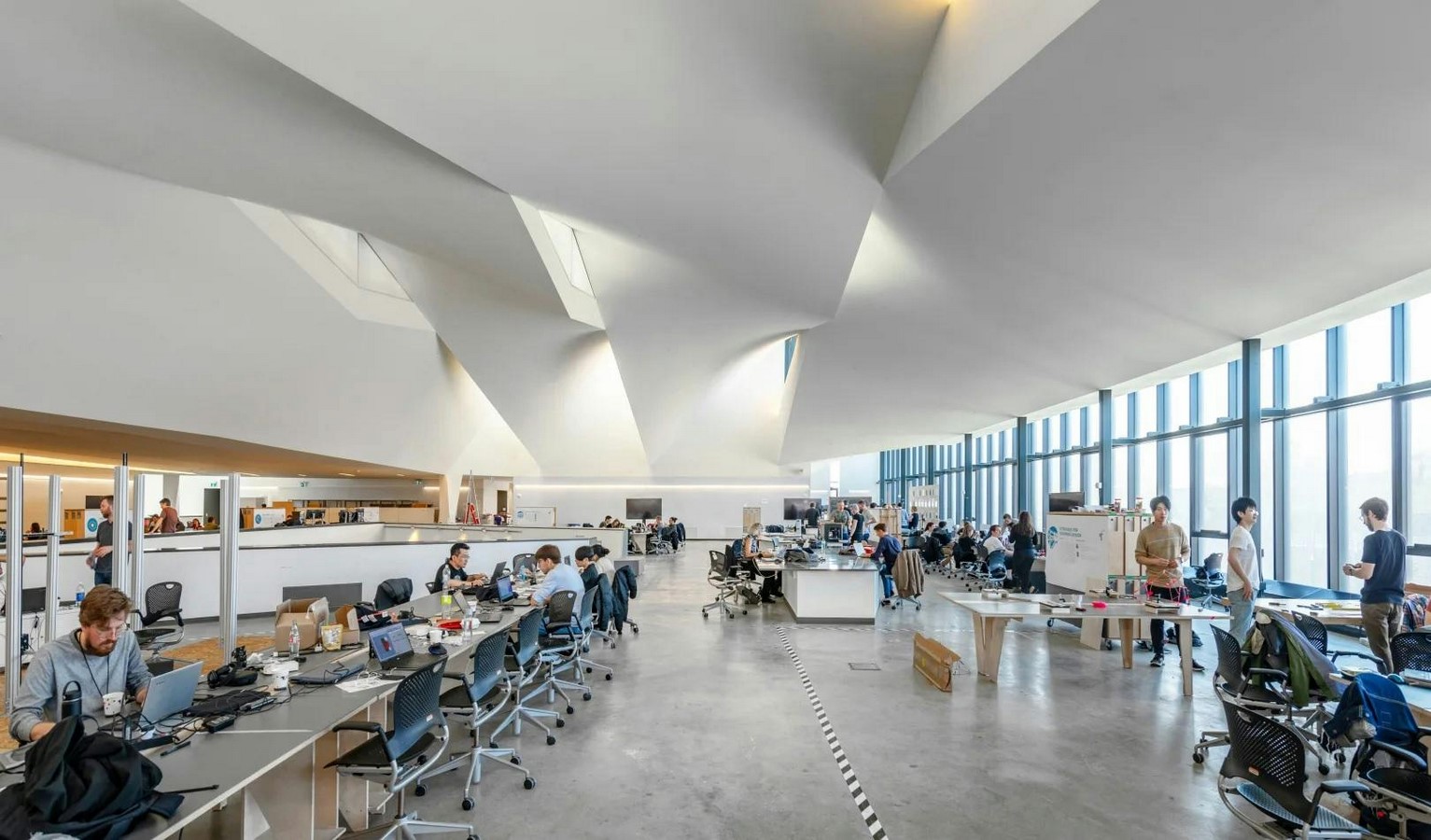
Group work is a skill that you acquire as an added benefit. Most assignments are assigned in groups where students with different strengths and weaknesses can bring out contrasting ideas, which eventually leads to a better solution to the assignment than what could have been achieved alone. Depending upon the type of assignment, one person or the other emerges as a leader and teamwork is a skill that will eventually help later in the workplace as well. A jury requires a student to convince the juror that the project that they have built would be successful, and is similar to an architect convincing the client for the design they have come up with. Presentation and speaking skills are some things that you also manage to pick up in college.
While experience is crucial to understanding how the practicalities in architecture are worked out, college is a major part of initiating this process. Architecture school teaches indispensable skills, most of which will eventually help at the workplace, in practice, or somewhere else. It is a place that gives you full freedom with whatever you are designing, letting you experiment as much as you can. Post-college, clients may or may not give you as much leeway to design freely.