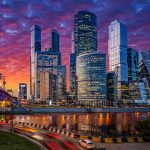
When travelling through a busy highway, stuck in enormous traffic always makes us wonder what if cars could fly! What if teleportation becomes a thing? Or what if the workplace and residence be within a 2 KM radius? And just like that, the music lowers down, the horns become loud, and the signal turns green. However, the objects in the bailiwick mirror are closer than they appear. As everybody is going on the road of progress towards the future, the vision for a more scientifically advanced architecture seems approachable.
“As an architect, you design for the present, with an awareness of the past for a future which is essentially unknown” – Norman Foster
So, what will the future architecture look like?
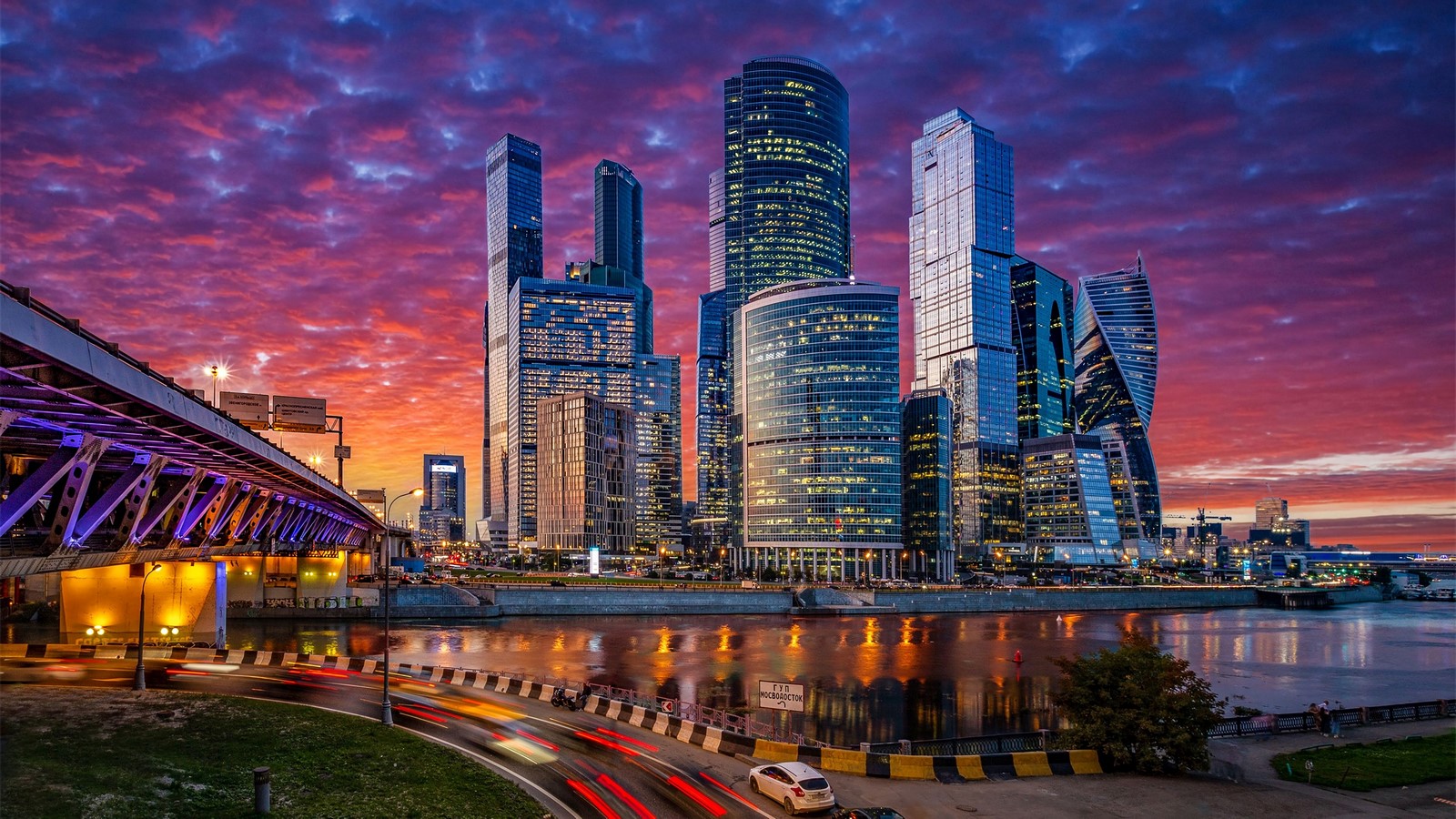
The architecture of the future – Arcadia or Apocalyptic
With the increase in the population driven by climate change, it is clear to say that there are constant demands that the organically & traditionally developed cities have failed to meet. Hence there is continuous upgrading in such cities in terms of infrastructure and even the mentality of the individual to make a city breathable. Technology plays a major role in acting upon the ever-growing needs of the city. It is now the power of high tech to develop the city’s and its people’s health. That will happen by approaching a perfect recipe of traditional techniques of the past with a hint of advancement from the future.
A Sustainable Heaven
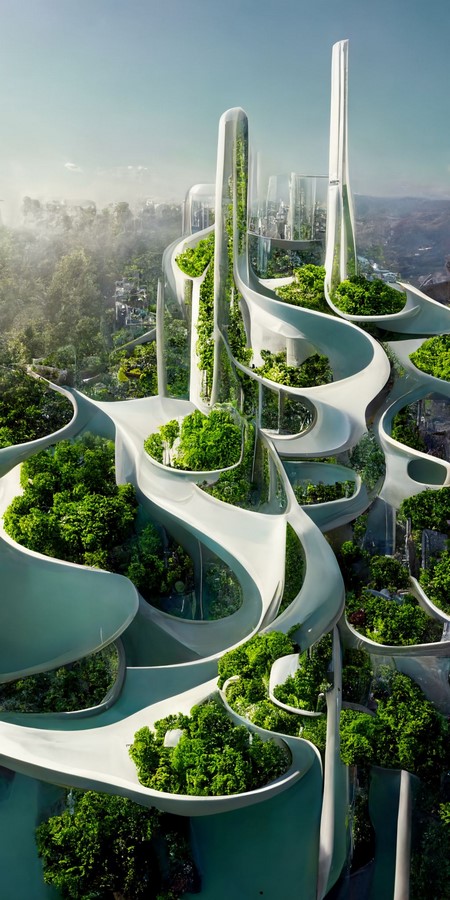
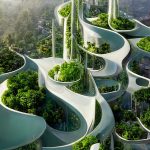
It is believed that the world’s major population, around 3/4th of the people, will be part of the urban megacities. The promoters of sustainability have started to create their versions of a utopian future. A city comprises better mobilities, opportunities, community building, and harmonic relationships for business and residence. A city like Copenhagen is one such beautiful instance where people are connected so that they tend to live, play, and work together. Cycling & public transit have become the new cool. The multi-Utility structure that fuels the community’s power and play becomes the city’s aesthetics. Vertical cities adapt according to the ever-growing population and their needs. These will become the skyline of the cities enabling unprecedented possibilities. Future lies in the hands of technology-every enginery will be part of all facets, thus harvesting power from every end possible. Innovative materials to balance the cycle of mother nature will be expensive yet economically playing in the forefront.
A Fantasy World / Love Story 2050
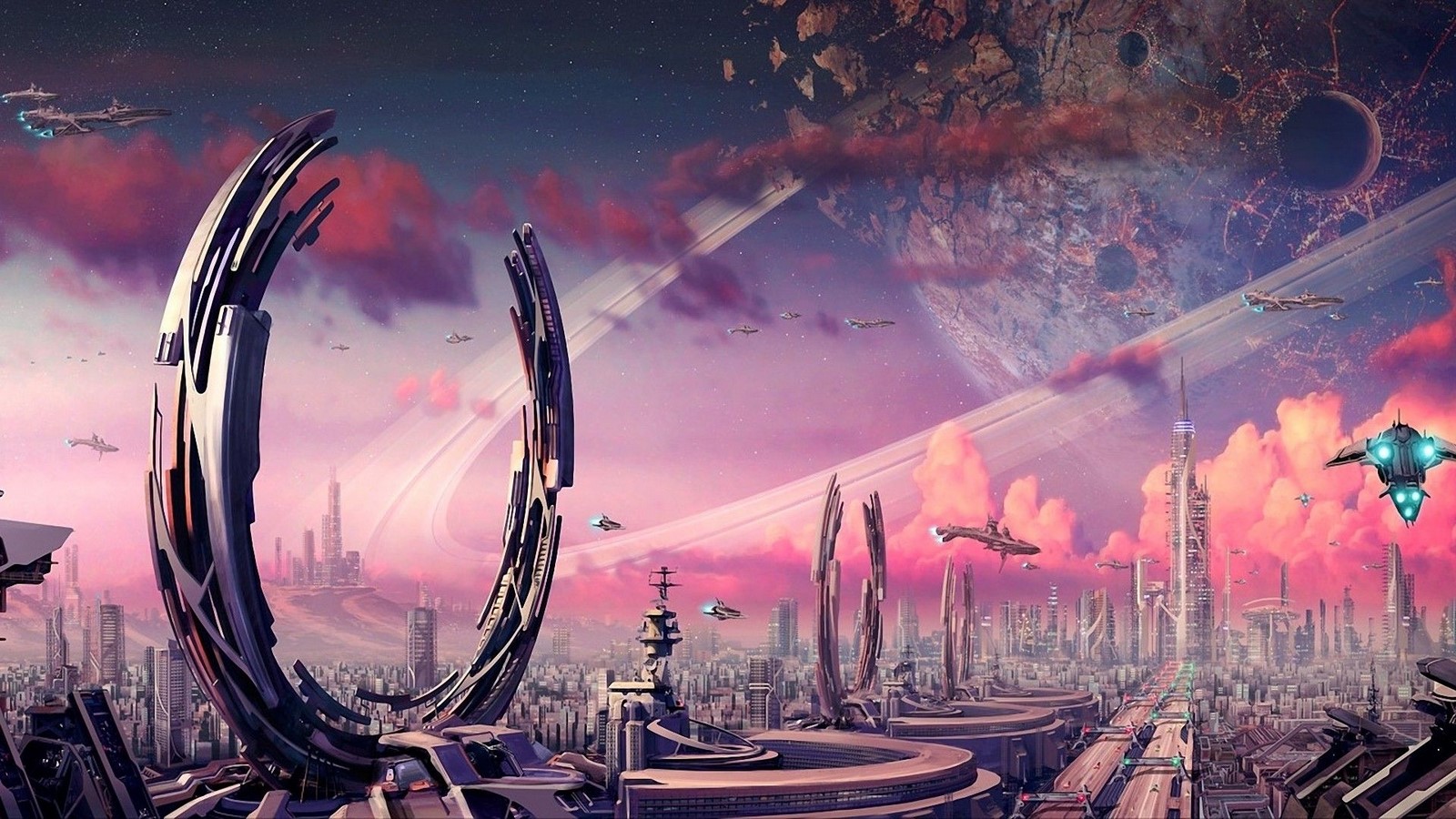
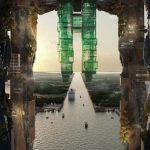
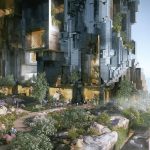
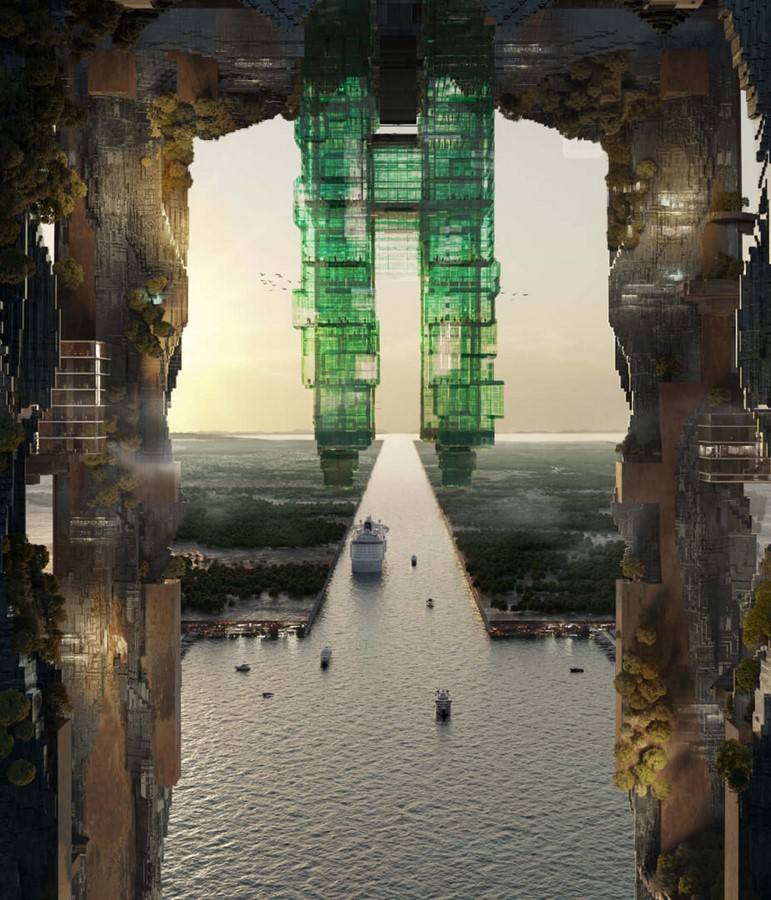
Let’s be a part of a Sci-Fi universe. A universe where everything is lustrous and bright! Massive megastructures with magnanimous technology. Aesthetics is a point of interest where every structure stands with its unique identity. The heights become more and more prominent, and the dark alley goes darker. Everything going under surveillance, and AI dominating them. Human-centric approach with every detail of every individual on the server. Adaptivity at such a scale where cities will be floating and settlements will be at the peak of the mountains. The realm of public infrastructure will transform where architecture will be of fluid nature. Self-driving or flying vehicles, transportation with drone controls and minimal human error control this vision. Interchangeable dimensions could be a thing – One example is the futuristic Wall City from UAE. Everything is at a five-minute distance with an urban plan to accommodate everything inside the community’s walls, creating a mirror dimension!
A Practical Sphere
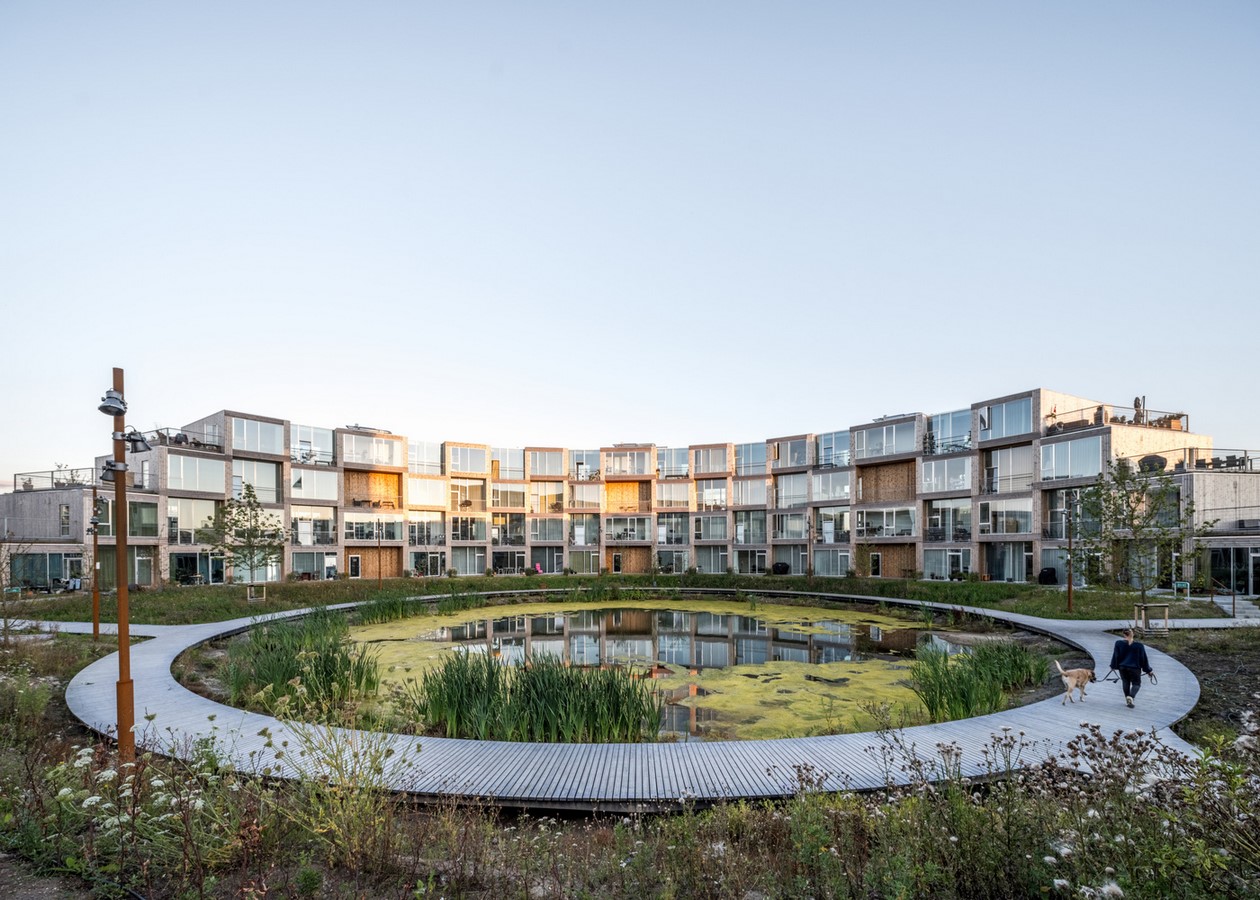
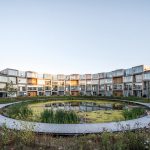
Sources: BIG, Aarhusvand [in Danish]
Progressing with Chat GPT & Tesla, Modular designs are being adapted as quick solutions to meet the demands of the expanding society. Modular designs solve the fundamental issues of the existing scene. One can expand and contract these to accommodate newer entities of space. That can even eliminate the risks of complex forms. A town with such repetitive modules can bring about infirmity in the way of living. The BIM shaping the future can give mass solutions in a limited time.
Utopia or Dystopia?
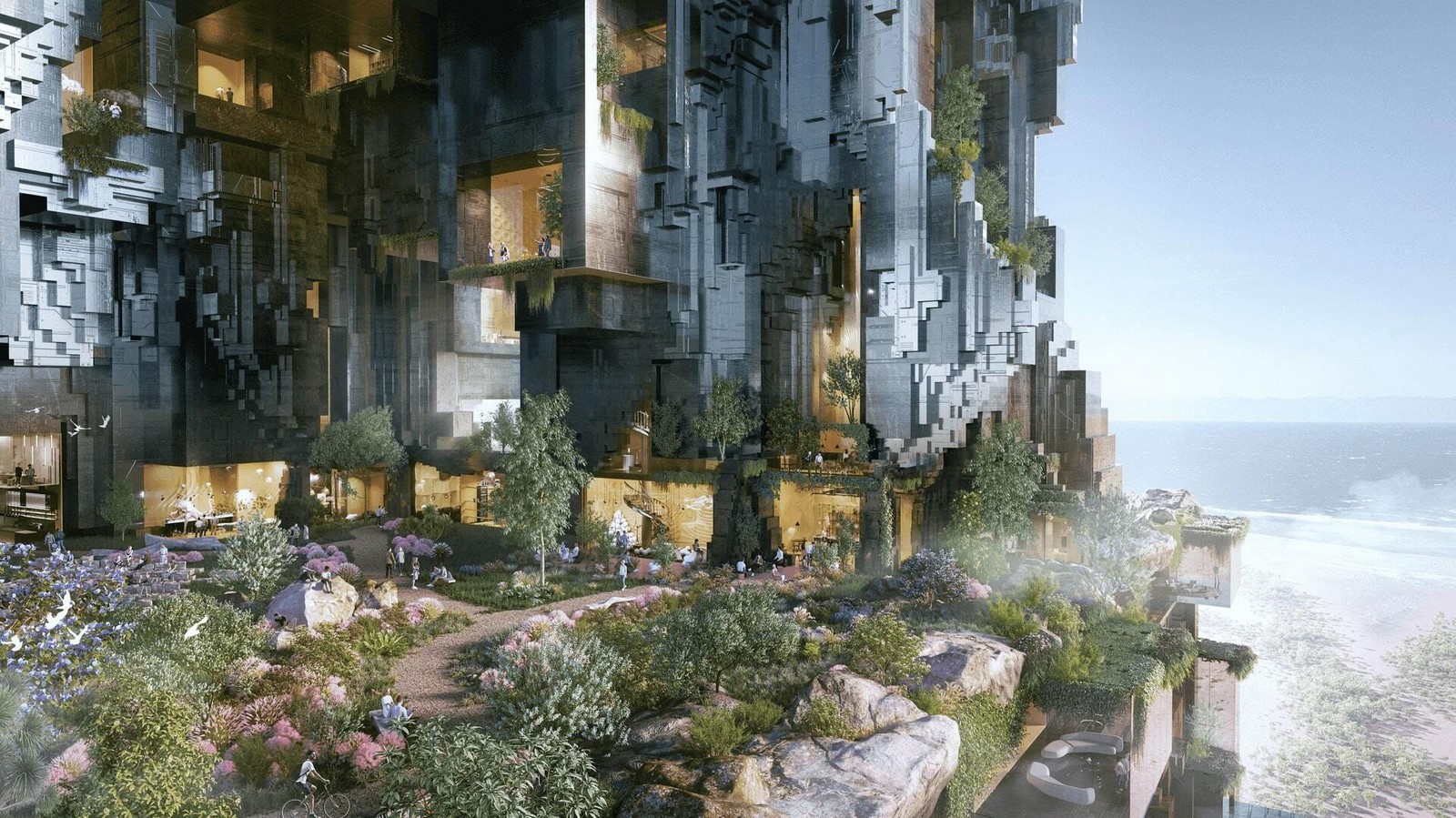
The advent of cities has helped transform people from social to diplomatic animals. City residents have incessantly needed to hold a priced status in society. The future envisioned by every individual is a product of their dreams. Hence architecture is supposed to play the role of being dynamic for the masses. Society is already at a point of saturation where resources might exhaust in the coming two decades. So, what does the architectural future look like?
Architecture is boosted by the amalgamation of various fields – human psychology, landscape, botany, horticulture, engineering, arts, philosophy, and the collaboration of all stakeholders. But as the realists perceive, this could result in a dystopian future where the richer go to heights, and the poorer remain at the bottom of the social & architectural cycle. Too much of AI can completely invade human privacy, and the communities could collapse.
“If you weren’t an optimist, it would be impossible to be an architect.” – Norman Foster
Despite numerous conclusions, it is still difficult to depict what the future will look like in 2050. Will it be massive skyscrapers, or will it be a virtual favela? A place with equality or more divisions? A place with technology as a helping hand or humankind being a slave to technology? A place with resilience or a place lost forever?
The future is promising. The planning is challenging but is more on a future-proof end. Mixed used human-centric green architecture is the focal approach—the realm is more focused on people & sustainability. Cities will operate more as an ecosystem. Concepts of human existence with nature and its rhythm are developing in full swing. Having net zero buildings and a reduced carbon footprint is one step closer. Green spaces will have more leisure value focused on having a communal life.
Until then, let’s hope the traffic quickly progresses into the bright future of seamless transitions and innovations!
References:
- Meaghan O’Neill, Nast, C. (2018). The Design of Cities in the Year 2039. [online] Architectural Digest. Available at: https://architecturaldigest.com/story/future-of-design-cities [Accessed 4 Jun. 2023].
- Haridy, R. (2018). Science Fiction Cities: How our future visions influence the cities we build. [online] New Atlas. Available at: https://newatlas.com/science-fiction-cities-future-urban-visions-architecture/55569/ [Accessed 4 Jun. 2023].
- Bahadursingh, N. (2019). The Future of Architecture: 7 Master Plans That Rethink the Way Cities Work. [online] Architizer. Available at: https://architizer.com/blog/inspiration/collections/the-future-of-architecture-cities/ [Accessed 4 Jun. 2023].
- Ikiz, S.U. (2022). 10 futuristic smart city proposals around the world. [online] Parametric Architecture. Available at: https://parametric-architecture.com/10-futuristic-smart-city-proposals-around-the-world [Accessed 4 Jun. 2023].
- Neilson, C. (2013). Through the Lens: Sci-Fi & Architecture. [online] ArchDaily. Available at: https://www.archdaily.com/359365/through-the-lens-sci-fi-and-architecture [Accessed 4 Jun. 2023]. ISSN 0719-8884.