Imagine a city where the land beneath every home belongs to the government. Families continue to live in their houses, shops remain open, and neighbourhoods carry on with their daily routines. Yet, beneath this familiar landscape lies a fundamental change: the people occupying the land no longer own it. Such a system raises an important question: would public ownership make cities more equitable, or would it place too much power in the hands of the authorities?
Private property is deeply embedded in modern urban life. It determines who can purchase a home, establish a business, develop an apartment complex or decide how a plot of land is used. However, when access to land increasingly depends on financial resources, many people struggle to find affordable and secure housing. This raises the possibility of organising cities differently, where land is managed for public benefit rather than primarily through individual ownership.
The Promise of Shared Land
Private ownership gives individuals and organisations legally recognised rights over property, including the ability to occupy, sell or rent it, subject to the law. However, it can also create barriers for those who cannot afford rising property prices. As cities expand, land becomes an increasingly valuable resource, sometimes leaving lower-income families struggling to secure a place to live.
Removing private ownership might appear to offer an alternative. Governments could acquire and manage land for affordable housing, hospitals, schools, roads and public spaces. In theory, this could support better-connected neighbourhoods and distribute essential resources more fairly.
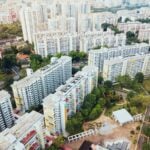
Singapore offers an interesting example. The government controls a substantial share of the country’s land, while its Housing and Development Board provides homes to a large proportion of residents through long-term leasehold arrangements. Residents can have secure housing without owning the land beneath their homes outright. However, Singapore has not abolished private property. Its experience demonstrates how substantial public involvement in land and housing can coexist with other forms of ownership.
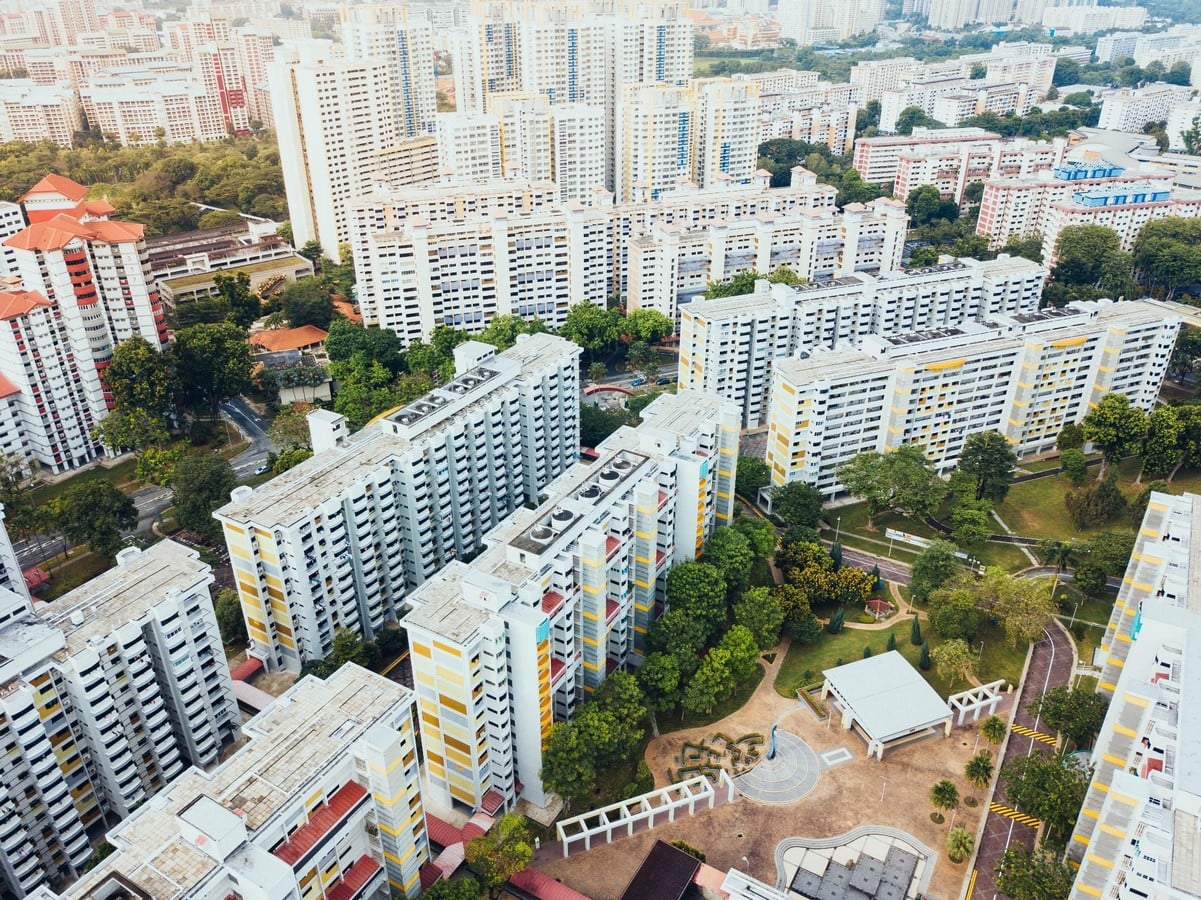
The distinction is important: private ownership is not the only way to provide housing security. People can live in stable homes through public housing, cooperative arrangements or legally protected tenancy, provided their rights are adequately safeguarded.
When Shared Ownership Becomes a Question of Power
However, a system in which the government controls land also raises concerns about authority and accountability. If the state determines who receives housing, who ensures that the allocation process remains fair? If a neighbourhood is selected for redevelopment, can its residents challenge the decision, or are they expected to leave without meaningful consultation?
Tanzania’s villagisation programme illustrates this potential danger. Policies initially intended to bring services such as schools, healthcare and water closer to rural communities later included compulsory relocation. For some residents, these measures disrupted homes, livelihoods and established relationships with the land.
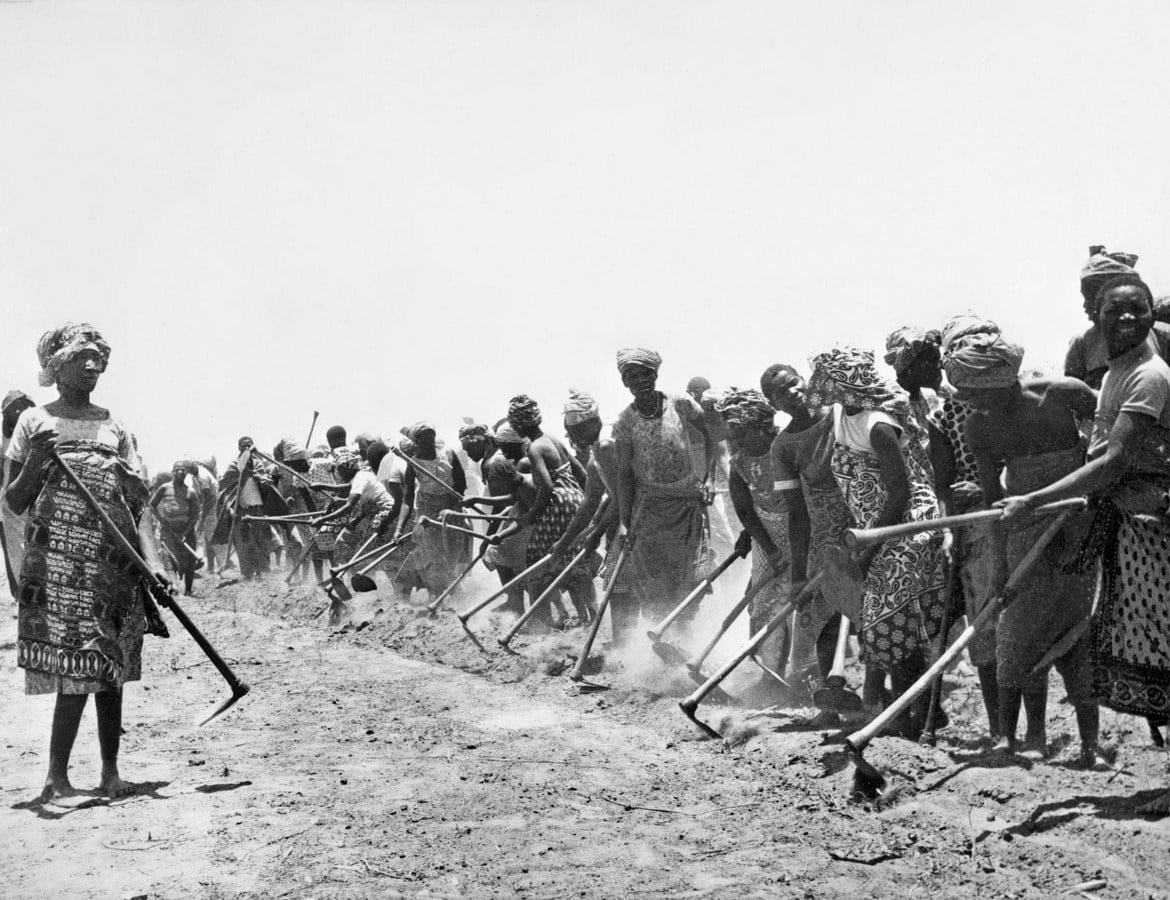
This example does not establish that public ownership inevitably leads to oppression. Instead, it demonstrates that policies introduced for collective benefit can cause harm when implemented without adequate safeguards. Transparency, accountability, legal protection and opportunities to challenge unfair decisions are essential to protecting residents.
Private ownership, meanwhile, does not guarantee security for everyone. Tenants may face eviction, housing can become unaffordable, and communities can be displaced by redevelopment. The central issue is therefore not simply who owns the land, but whether people have secure homes and meaningful participation in decisions affecting their lives.
What Happens to Architecture When Land Is Shared?
Beyond questions of ownership and legal rights lies another consideration: how would cities themselves be designed?
When governments coordinate land across larger areas, planning roads, drainage systems, public transport, hospitals and housing may become easier. Neighbourhoods can be planned as connected environments in which homes, workplaces, services and public spaces support one another. However, a city is not merely a collection of buildings arranged according to a master plan. Its identity is shaped by the people who inhabit it, their customs, cultures and relationships with their surroundings.
India provides a particularly relevant example of this diversity. Courtyard houses, shaded verandas, locally available materials and traditional construction techniques have evolved in response to different climates and ways of life. A house designed for a hot, humid coastal region may not suit a dry desert settlement or a cold Himalayan village.
If a central authority imposed identical housing designs across these different regions, construction might become simpler and cheaper, but buildings could lose their connection to local conditions. Conversely, thoughtful public planning could protect vernacular architecture, improve housing conditions and make climate-responsive design accessible to more communities.
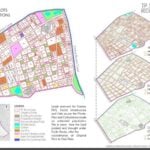
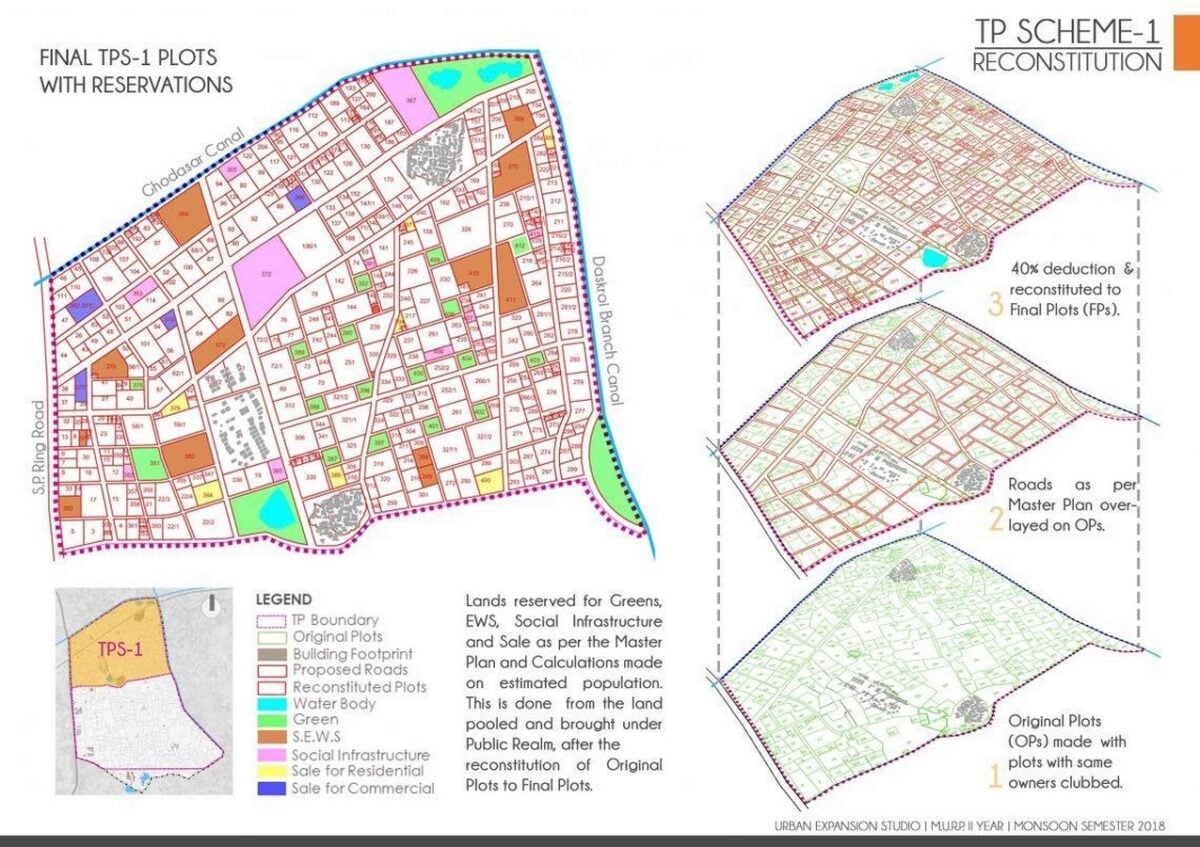
Ahmedabad’s town-planning schemes demonstrate another possibility. Through land pooling and readjustment, landowners can contribute portions of their plots towards roads and public infrastructure while receiving reconstituted plots within the planned area. This illustrates how authorities can coordinate urban development without necessarily abolishing private ownership.
For architects, greater public control could create opportunities to design affordable housing, inclusive neighbourhoods and accessible public spaces. Their role could extend beyond fulfilling an individual client’s requirements to balancing government objectives with community needs. However, this approach would be successful only if residents could participate in shaping their environments rather than simply receiving predetermined designs.
Who Gets to Shape the City?
A city without private property could make land more accessible and enable better coordination of public resources. At the same time, it could concentrate considerable power in the hands of the authority controlling that land. Neither outcome is inevitable; much depends on the legal safeguards, institutional accountability and planning processes governing the system.
The more important question may not be whether private ownership should disappear entirely, but whether cities can ensure that everyone has access to secure housing, public spaces and opportunities to participate in shaping their surroundings.
Ultimately, architecture is not only about who owns a piece of land. It is also about who shapes it, who feels a sense of belonging and whose needs influence the growth of a city. A better urban future may not require the complete abolition of private ownership, but it does require a system in which ownership does not determine who deserves a place to call home.
Research Sources:
- Housing & Development Board, Singapore. “Our Story.” https://www.hdb.gov.sg/about-us/our-story
- Government of Singapore. “Evolution of public housing in Singapore.” 30 December 2024. https://www.gov.sg/explainers/evolution-of-public-housing-in-singapore/
- Tanzania villagisation programme: historical context should be supported with a specific academic or archival source before final submission. The photograph’s provenance is not yet verified.
- Ahmedabad town-planning diagram: visible image credit reads “Urban Expansion Studio | MURP II Year | Monsoon Semester 2018”; confirm original author/institution and permissions before publication.