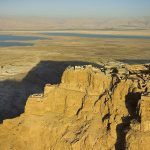
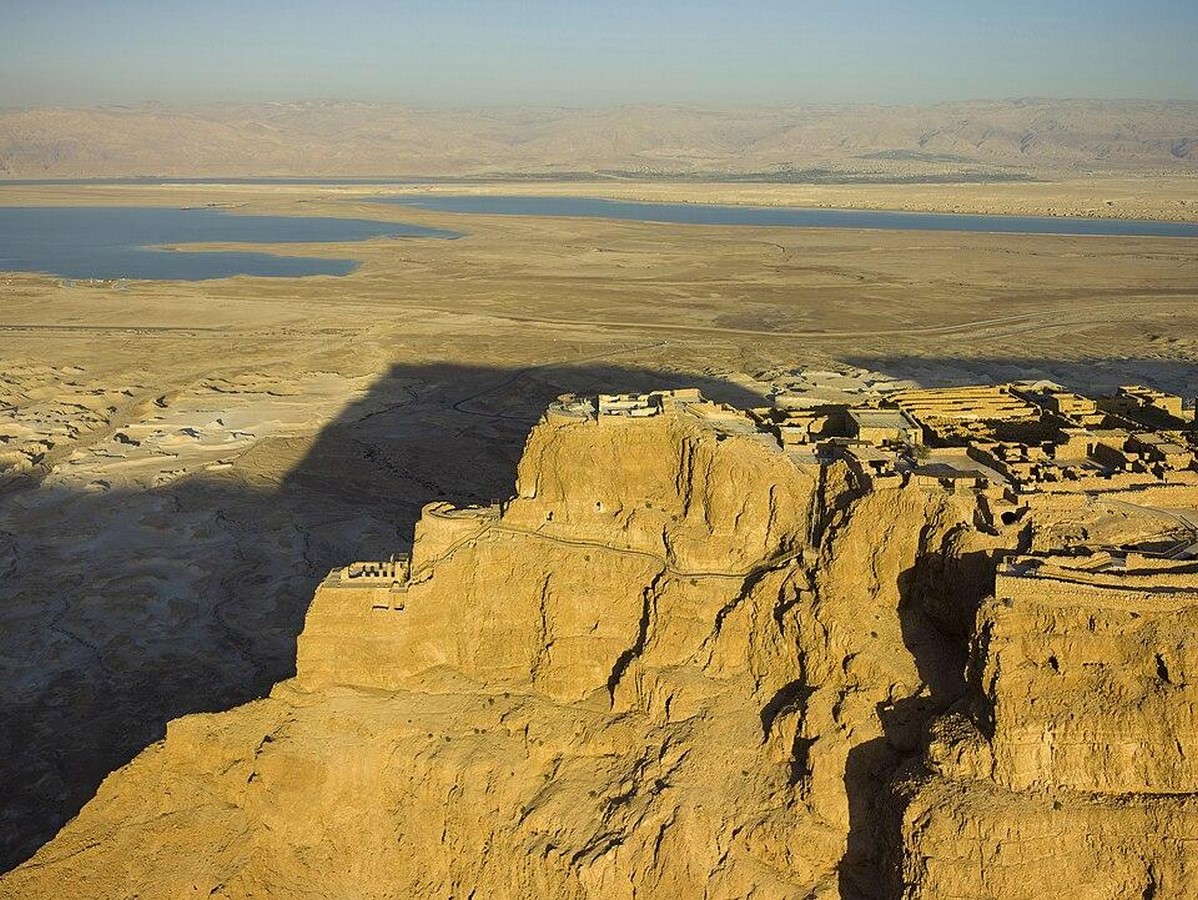
The Fortress of Masada is an awe-inspiring spectacle, sandwiched between the Dead Sea and the rocky mesas of the Judean Mountains. This ancient fortress-cum-palace was strategically built at the fringes of steep cliffs of chalk, dolomite and marl, in the middle of the Judean wilderness. This surreal wonder, lying between Ein Gedi (a renowned oasis on the western shore of the Dead Sea) and the biblical Mount Sodom, is one of the most extraordinary places in the world. The fortress, sitting atop a diamond-shaped plateau, was a large, self-sufficient defensive settlement, spread across 20 acres. Surrounded by barren desert and rising upto 400 meters above the sea level, the fortress of Masada is a UNESCO World Heritage site. Today, the fort complex and the surrounding desert comprise a national park and a famous Jewish pilgrimage site. This symbol of Jewish resilience and courage dominates the vast desert landscape, standing tall as an example of architecture shaped by extremity.
The layered history of Masada
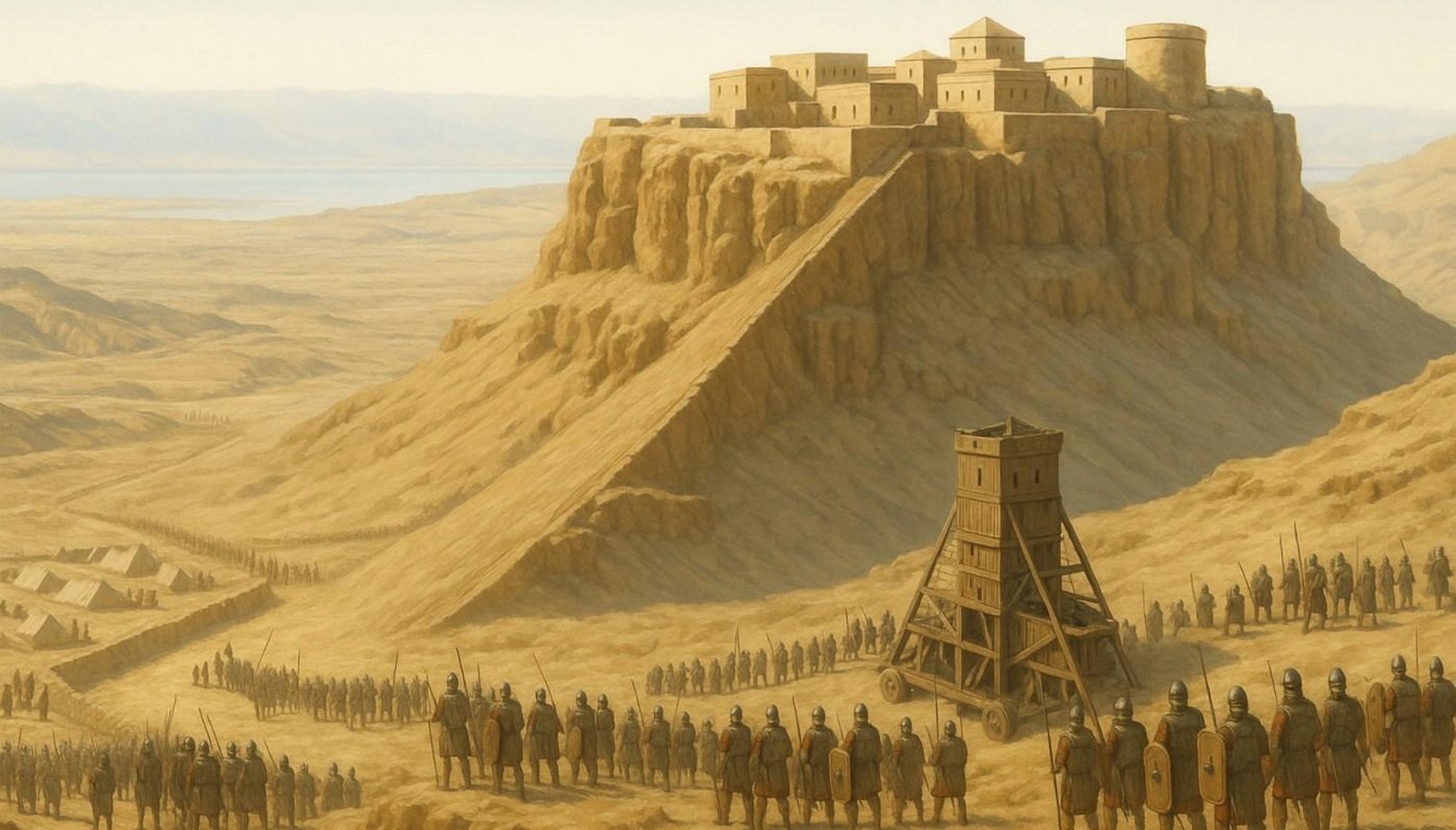
The ancient monument wraps over 2000 years of history within it, witnessing the times of David, the Romans and the Byzantines in different ages. Various groups occupied and used this citadel for different purposes during the course of history. Masada was a fortress made in layers, first known to be constructed between 37 and 31st BCE by King Herod the Great of Judea. He built a large fortified palace on the tabletop mountain in the 30th century BC. Six decades after the death of Herod, Judea was conquered by the Romans. The uprising against the atrocities of the Romans was also experienced in the fortress in 66 AD when the Jews rebelled against the Romans under Emperor Nero and his governors. In 70 AD, Jerusalem surrendered to the Roman army, and the Fort of Masada was the last stronghold of the remaining rebels of Judaism. In 66 AD, the Sicarii, an extremist Jewish rebel group, took over the fortress of Masada. The Sicarii, only 960 in numbers (comprising women, children and old people), sought refuge here against the Romans. Later on in 72 AD, they were confronted by nearly 10,000 Roman soldiers, led by Governor Lucius Flavius Silva, in a siege. The Romans broke into the walls of this great fortress only to discover burning houses and mass suicide as people chose death rather than slavery. The complex history, architecture and symbolism of the Fortress of Masada have stood the test of time, and it reminds us of the resilience of the ancient Kingdom of Israel.
Engineering Resistance
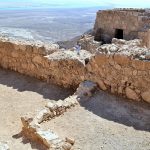
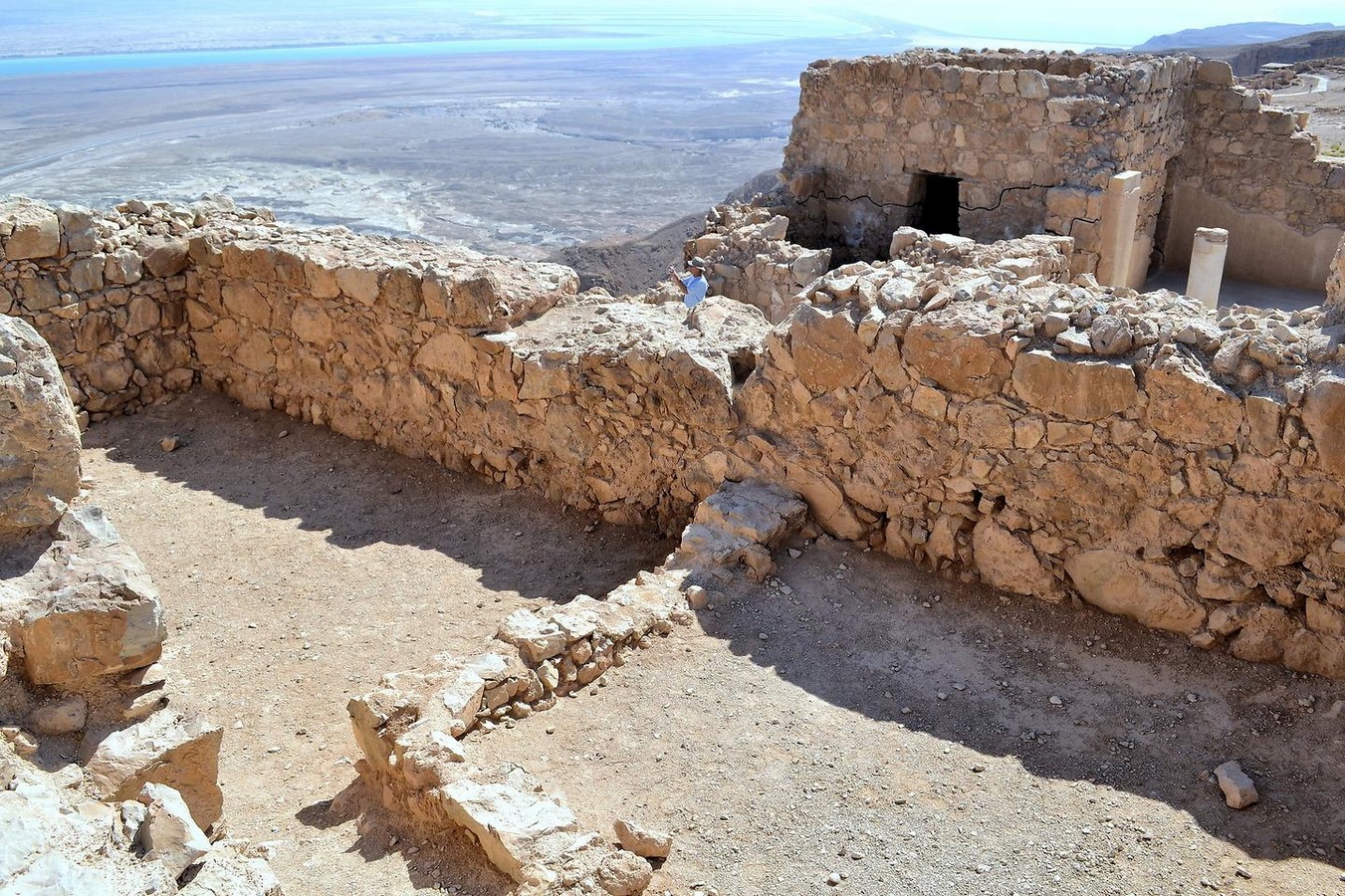
Masada, which translates to “fortification” or “stronghold” in Hebrew, is not just a symbolic name; it is a true reflection of its architectural purpose. It was a defensive stronghold for anyone wanting to rule over the ancient Kingdom of Israel, a fortress like none other, perched on the top of a mountain plateau, where the terrain itself was an exterior fortification. The mountain top served as a great observation point, giving unmatched strategic control over the surrounding desert. Having identified the plateau as a naturally secure refuge, King Herod strengthened the defensive capacity of the plateau by building 13-metre-high perimeter walls, as well as several towers and gatehouses. A system of casemate walls was built around the entire fort with an outer stone wall, 5 feet thick, an inner wall, 3 feet thick, and transverse walls in between, creating inner casemate chambers. These rooms were not only structural buffers, but also served as habitable and storage areas, demonstrating a synthesised defensive and spatial design solution.
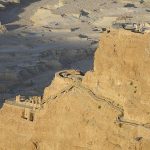
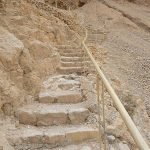
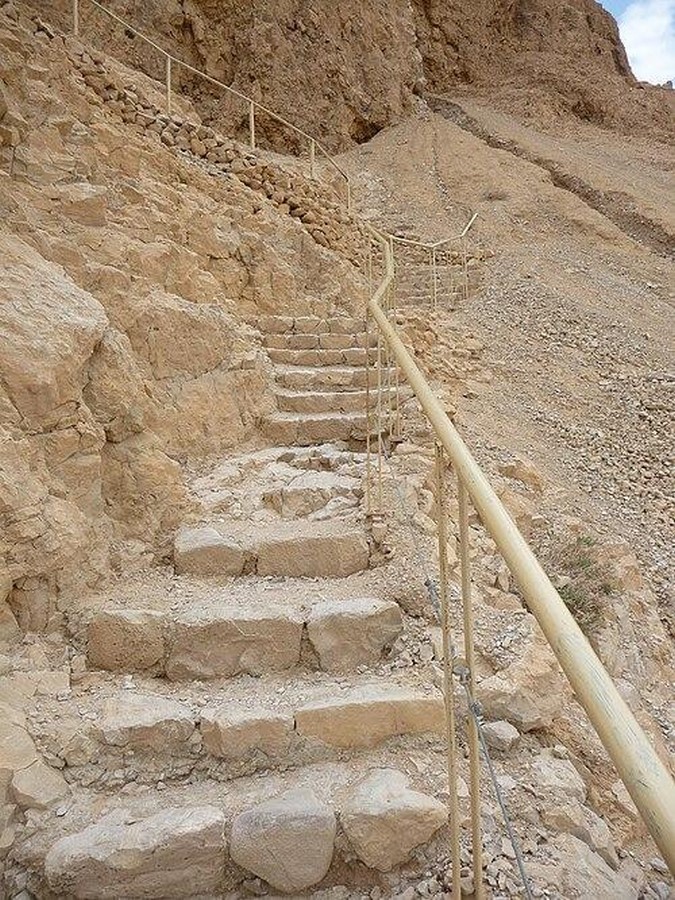
During the olden days, the citadel could only be accessed by one, very treacherous path- the Snake Trail, winding around the eastern cliffs. The path was so narrow that it could not accommodate two men at the same time, and Josephus Flavius has described it as horrific, bordered by deep chasms, capable of disturbing even the most daring. The dangerous, narrow entrance, combined with high fortified walls, made Masada practically impermeable to traditional military attacks.
The fortress showed creative adaptability in its defensive construction during the Roman siege. When threatened by Roman battering rams, the Sicarii constructed an additional inner wood-and-earth wall behind the stone casemate wall. The construction of this secondary defence system was made with parallel beam stacks filled with earth and supported with vertical beams to ensure structural stability. The length of the construction is estimated to have been 70-80 feet, width 60 feet, and approximately 24-27 feet in height, even more than the original wall. This construction was highly resource-based, as wooden beams were reused by salvaging them out of ceiling of rooms, halls, and storerooms, showcasing a modular and highly practical method of military engineering during siege conditions.
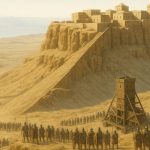
The surroundings of the fortress were eventually surrounded by eight Roman camps, with the Roman army building a great western siege ramp aligned with the most vulnerable sector of accessible walls. Despite the Sicarii forces firing projectiles at the labourers below, the ramp ultimately allowed the Romans to penetrate the walls, proving that the planning of Masada had effectively limited attackers to a single strategic breach point.
Royal Architecture meets Programmatic Complexity.
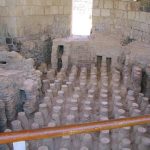
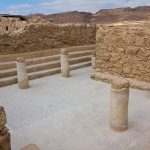
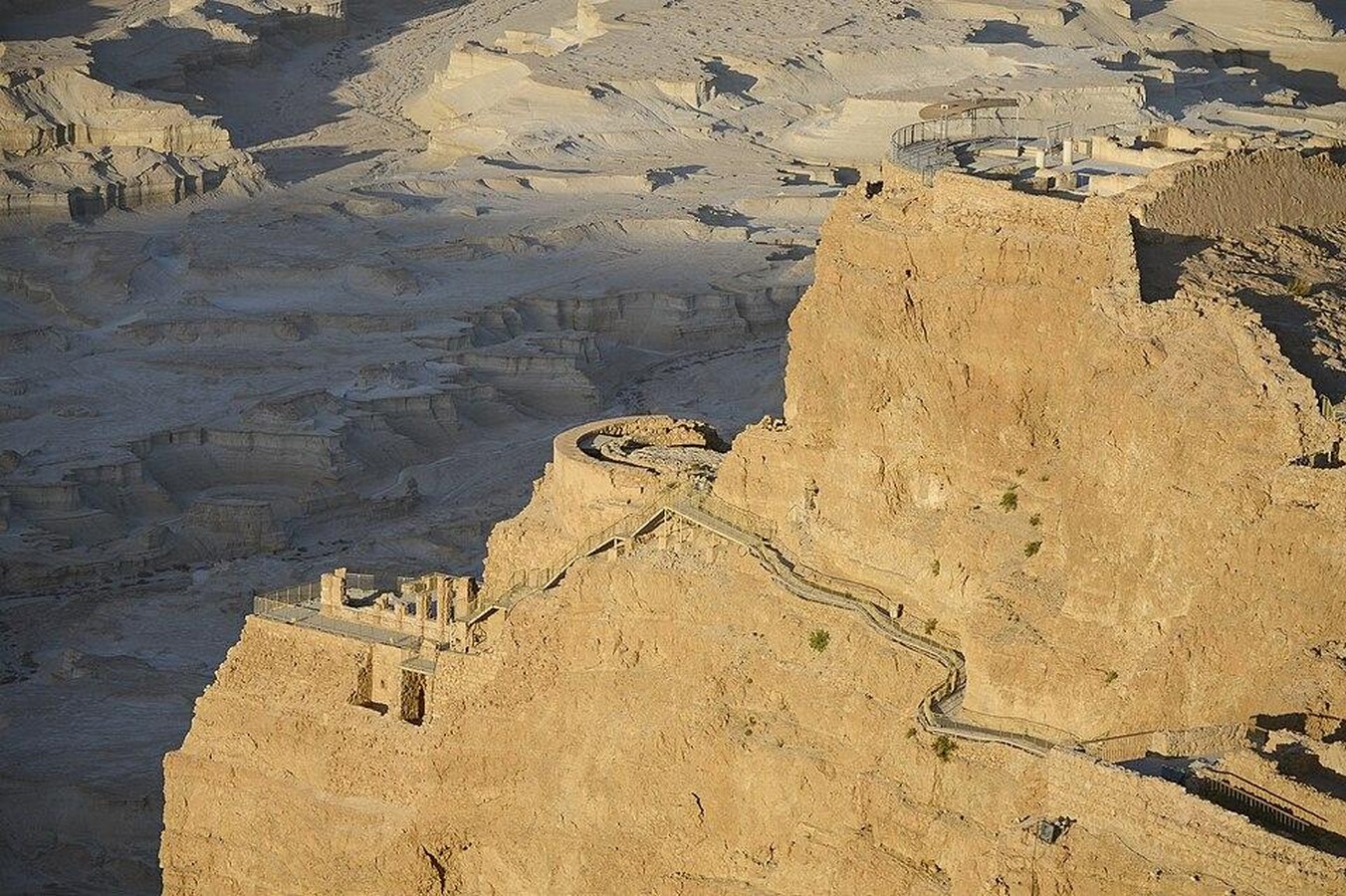
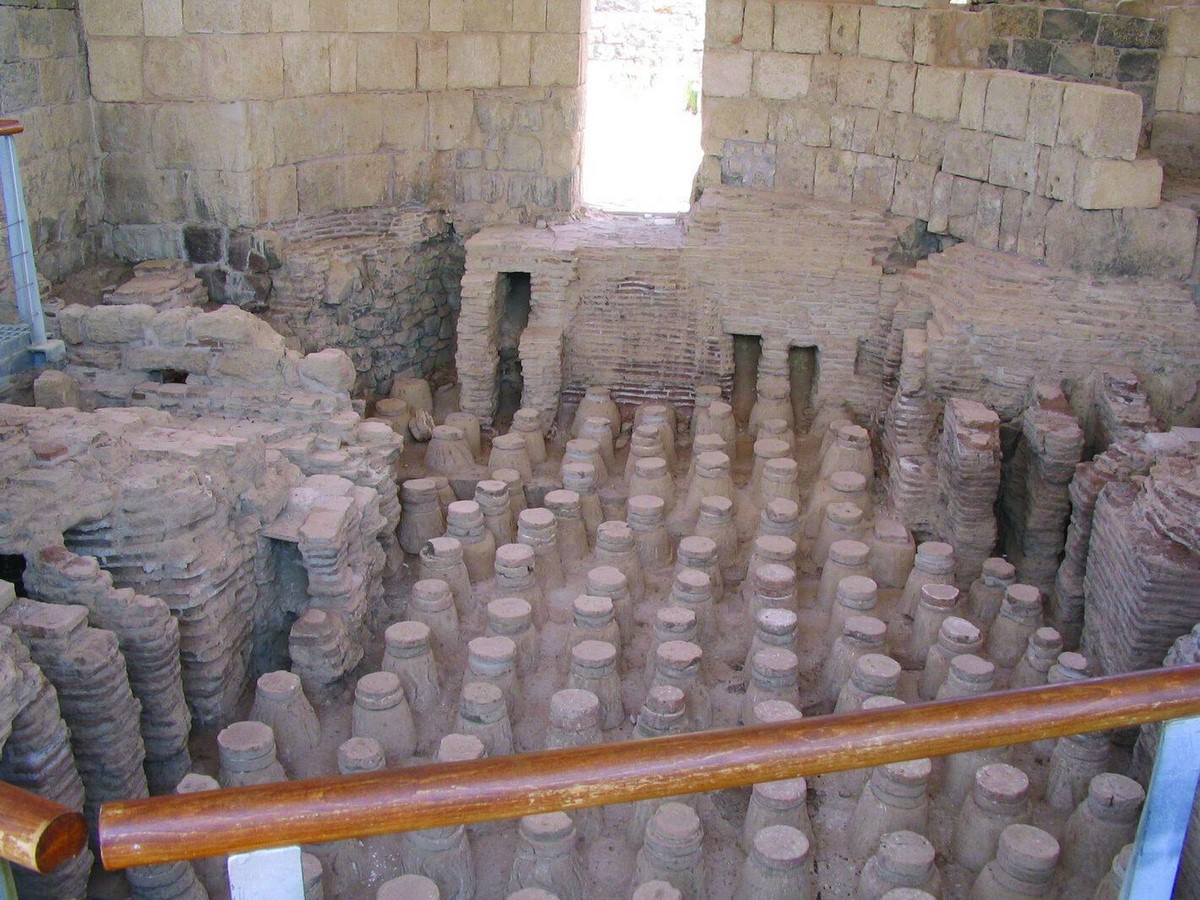
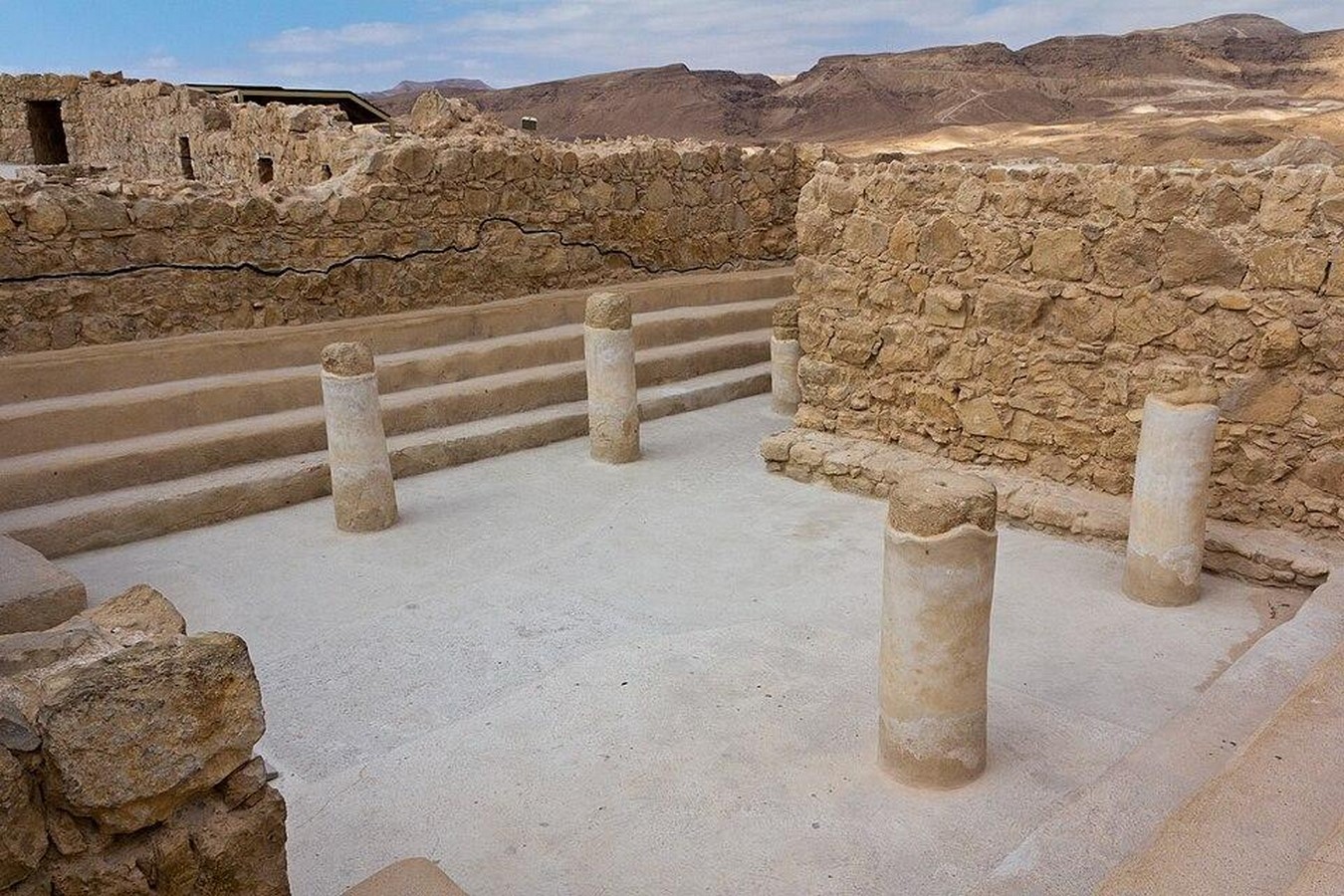
In addition to its defensive capabilities, Masada served as a fortress-palace constructed by King Herod as his royal residence. The three-tiered Northern Palace, which was located on the northern side of the plateau, was the architectural centre of the compound and included a few rooms, a hall in the middle, and a semicircular terrace that overlooked the great desert and the Dead Sea. This was not only where visual dominance was enhanced, but also the careful integration of luxury with strategic military surveillance. To augment this was the Western Palace, which was planned around a courtyard with an inbuilt water cistern, showing the harmonious integration of residential with infrastructural planning. The palace complex was also embellished with luxurious Roman bathhouses with frescoed walls, immersion pools, and larger communal bathing areas, together with swimming pools of Herod, revealing that there was a surprisingly high level of comfort in this isolated desert fortress. Gradually, the complex became a stratified architectural complex. The Sicarii made the palace of Herod an active communal building by building a synagogue and repurposing existing buildings as per their convenience. There are also the ruins of the dwellings during the Great Revolt, a Byzantine church with colourful pottery and mosaics adorning the walls, and even a Byzantine monastic cave showing that architecture has been constantly evolving. There was a store room complex of 29 rooms that stored food and weapons, which once again highlights the view that Masada was not merely a military base, but a very structured royal-military settlement that had administrative buildings, storerooms, baths, cisterns, and fortifications all built into a single architectural unit.
The Impossible Planning: Spatial Zoning and Hierarchy Organisation atop the Mountain.
Masada’s planning is an excellent demonstration of spatial planning on the ground, where topography determined the location of the buildings rather than grid lines or axial planning. The zoning is highly peripheral, with palaces, fortifications, cisterns, and storage buildings being situated on the periphery of the plateau instead of on the core of the plateau, strengthening the defensive domination and visual control over the surrounding land and even the sea. This shape-adaptive plan had produced a huge self-defensive community settlement covering close to 20 acres of the plateau on the mountaintop. The internal spatial planning reflects on strategic zoning in defensive wall sections, administrative and plaza areas, and storage logistic areas, taking up different but interrelated spaces in the complex. Functional clustering and hierarchical planning were also found in the Northern Palace area, which featured storerooms and administrative buildings. The spatial hierarchy is also apparent in the prevalent location of the elite architectural areas with the administrative buildings, bathhouses, and storerooms situated in the same vicinity, but still functionally isolated. Storerooms were ill-lit and poorly ventilated, indicating their purely utilitarian function rather than residential use, and reflecting a deliberate functional segregation based on use, status, and environmental suitability. Interestingly, buildings with dismantled ceilings were clustered around the northern and western parts of the palace complex, particularly near the vulnerable wall sector facing the Roman siege ramp, suggesting adaptive spatial decision-making under siege conditions.
Tracing Survival: Circulation, Movement and Access Control through the Fortress.
The circulation throughout Masada was not accidental but a purely planned and infrastructurally driven process. The architectural design was made up of rooms, halls, corridors, and controlled footpaths that linked various functional areas within the plateau in a modular but extremely controlled way. This cluster space typology is indicative of compartmentalised planning as opposed to a whole monument structure. Access to the necessary resources was sought to be controlled by routes that were aimed at strengthening defence and survival logistics. A certain area was called Water Gate, and it had an exit which was a downward footpath to several large cisterns, meaning that there was planned circulation vertically between the plateau and the essential water structures. These routes must have been a method of controlling the circulation and perhaps defensive choke points. The single point of entry through the Snake Path further intensified the limited movement and accessibility of the area and made circulation itself an element of defence that was incorporated in the architectural design.
Design for the Desert: Water Infrastructure, Climate Response and Self-Sustainable Planning.
With a desert climate amongst the Judean wilderness on the west coast of the Dead Sea, Masada was planned exceptionally in a surreal and dry desert environment that was an extraordinary response to environmental extremity. The fortress was self-sufficient in nature and facilitated by an advanced water system, capable of directing the rainfall run-offs into huge cisterns with a capacity of up to 40,000 cubic meters of water, which could provide water to more than 1,000 people for a year or two. Such a large volume of water storage, in the middle of a desert, shows the amount of thinking that it had to have in its infrastructural design. Large underground tunnels were used to store food and supplies, a large portion of which was initially stockpiled by the Romans, guaranteeing readiness in case of siege in the long run. Storerooms were kept stocked and had a limited amount of light and ventilation by using thick masonry and thermally neutral interiors that enabled the storage and preservation of supplies in the hot desert climate. The underground and walled storage typologies also suggest passive cooling measures that were remodelled to meet the adverse climatic environment in the desert. Combining palaces, baths, cisterns, storerooms, administrative facilities and fortifications in one infrastructural entity demonstrates that Masada was a desert micro-settlement and not only a military fort. Water, defence, storage, and habitation were conceived simultaneously as part of a holistic planning framework prioritising thermal resilience, water security, and long-term sustainability. Ultimately, Masada stands as a profound example of architecture in extremity — a fortress where landscape dominance, climatic intelligence, and strategic planning converge to create a resilient built environment in one of the most isolated terrains in the world.
References:
- https://israelbylocals.com/masada-snake-path/
- https://www.songforisrael.org/news/indexphp/2017/2/bath-house-at-masada-israel
- https://www.smp.org/resourcecenter/resource/867/?srsltid=AfmBOoqPwkjqTb0ubTXIyKz5yBaKVFURrvgxxqnJrtP8oKDCLg2FTGKf
- https://www.walkmyworld.com/posts/hiking-the-masada-snake-path
- https://www.encirclephotos.com/gallery/masada-dead-sea/
- https://madainproject.com/masada
- https://uasvbible.org/2025/11/01/the-masada-fortress-73-c-e/
- https://www.history.com/articles/masada#Where-Is-Masada