Where the Desert Meets History
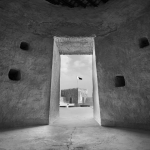
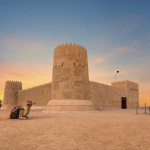
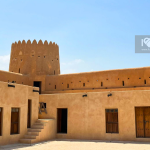
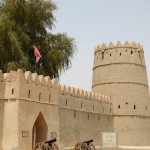
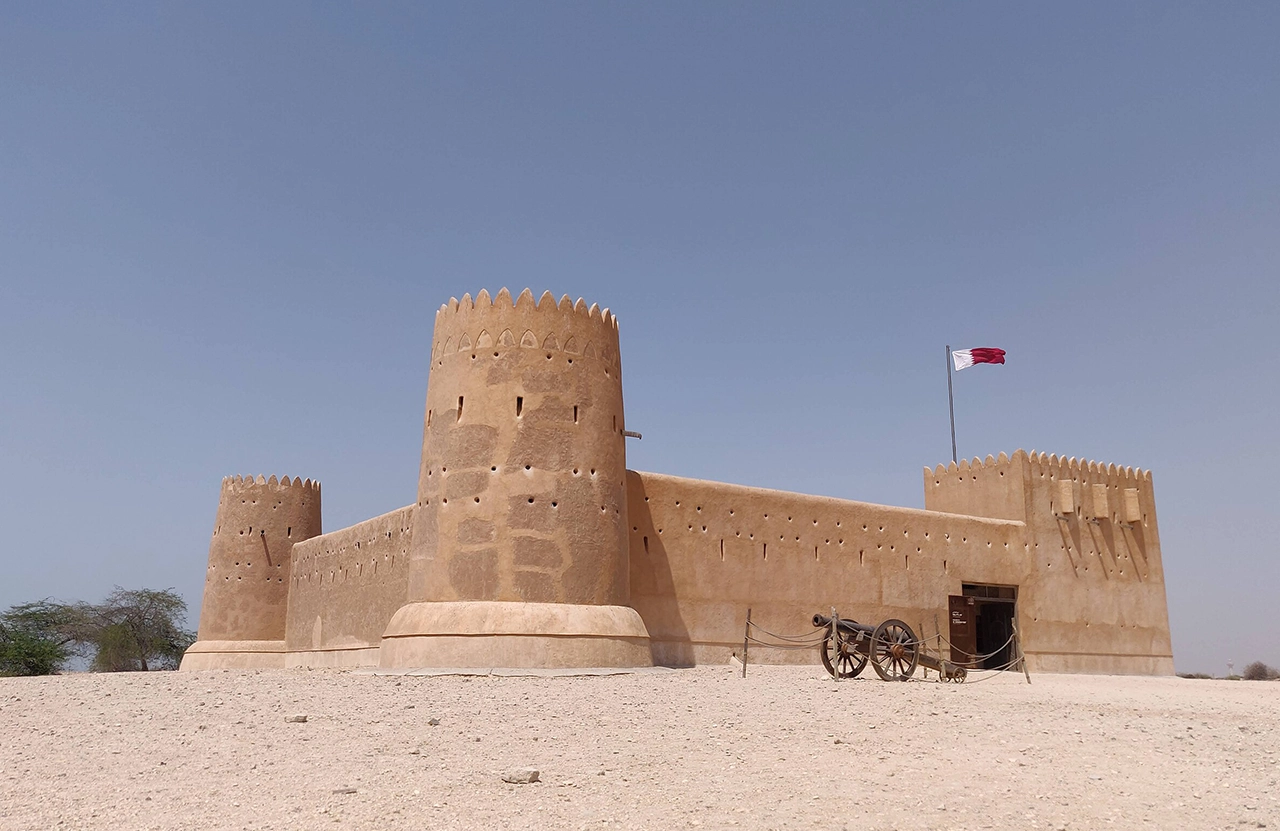
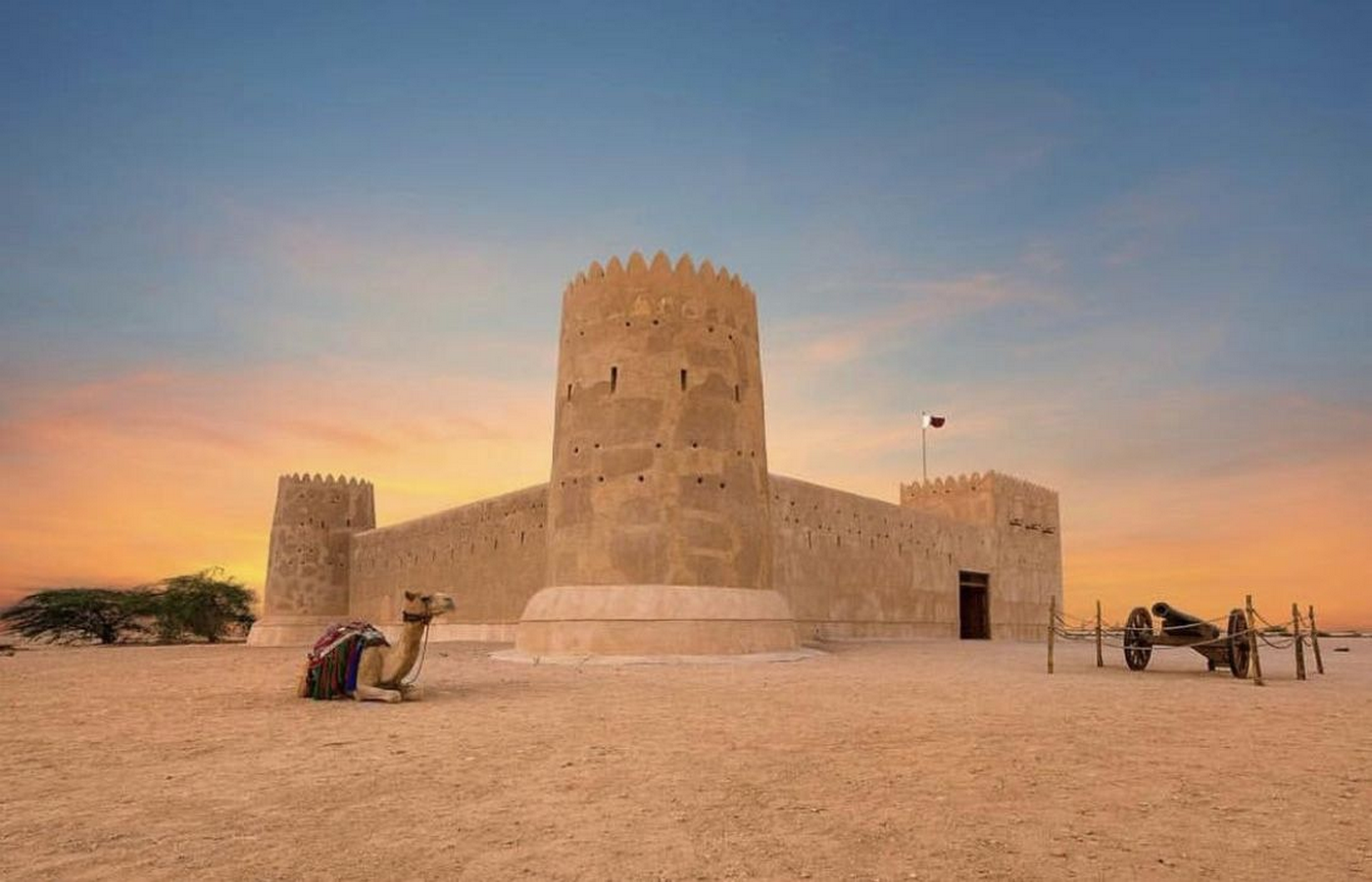
The heat hits you first. It is the kind that makes the horizon dance, where the air itself seems to shimmer. Then, through the pale haze of desert light, a fortress begins to take shape. Four towers rise from the sand like ancient guardians. The walls are the colour of the earth, sun-bleached and stubbornly proud. The silence is so complete that you can hear the wind whisper through the arrow slits.
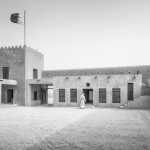
Welcome to Al Zubarah Fort, Qatar. It is not massive or ornate. There are no marble halls or golden domes. Yet somehow, it feels alive. Every coral stone, every worn corner seems to breathe stories of pearl divers, merchants, and coast guards who once watched over the restless sea. It is the kind of place that makes you wonder how many footsteps the sand has swallowed before yours.
So what exactly is this quiet desert sentinel, and why does it matter so much to Qatar’s story? Let’s take a walk through its past.
The Rise of Al Zubarah: Town, Trade, and Transformation
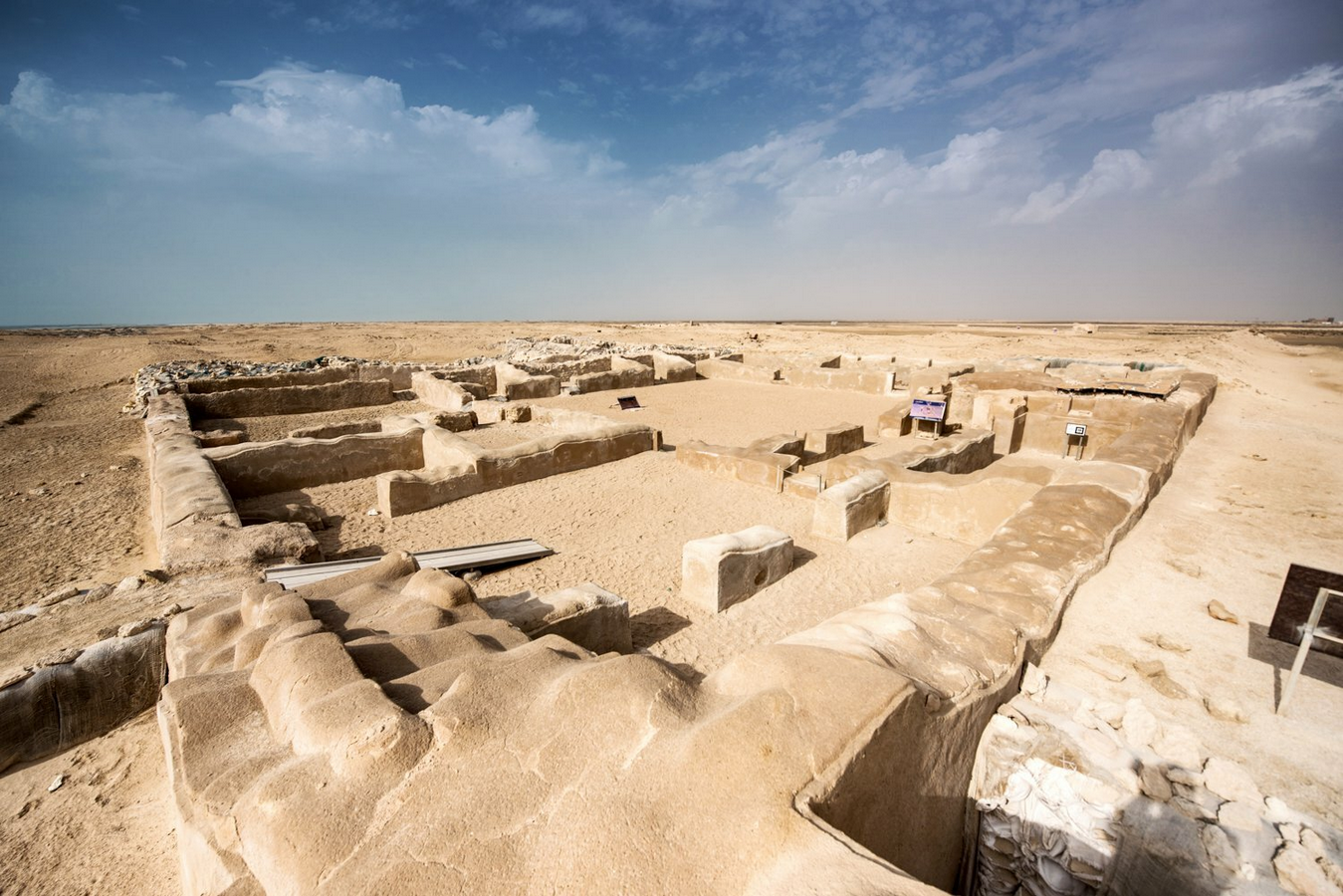
Before the fort existed, there was a city, full of life and sound. Around the mid-18th century, the Utub tribe from Kuwait settled along Qatar’s northwestern coast and founded the town of Al Zubarah (UNESCO, 2019). It was not just any fishing village. It was a thriving hub of pearl trading, shipbuilding, and maritime commerce.
Picture it for a moment. Narrow sandy lanes buzzing with merchants, wooden dhows anchored just offshore, and the smell of the sea tangled with dates, spices, and smoke. The people here were not only traders but also sailors, storytellers, and survivors. Pearls were Qatar’s pride, and Al Zubarah was the heart that kept that pride beating.
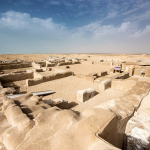
But even the strongest tides change. In 1811, the town was attacked and burned, and over the years, the desert began to reclaim it grain by grain (UNESCO, 2019). What was once a bustling settlement slowly disappeared under layers of silence.
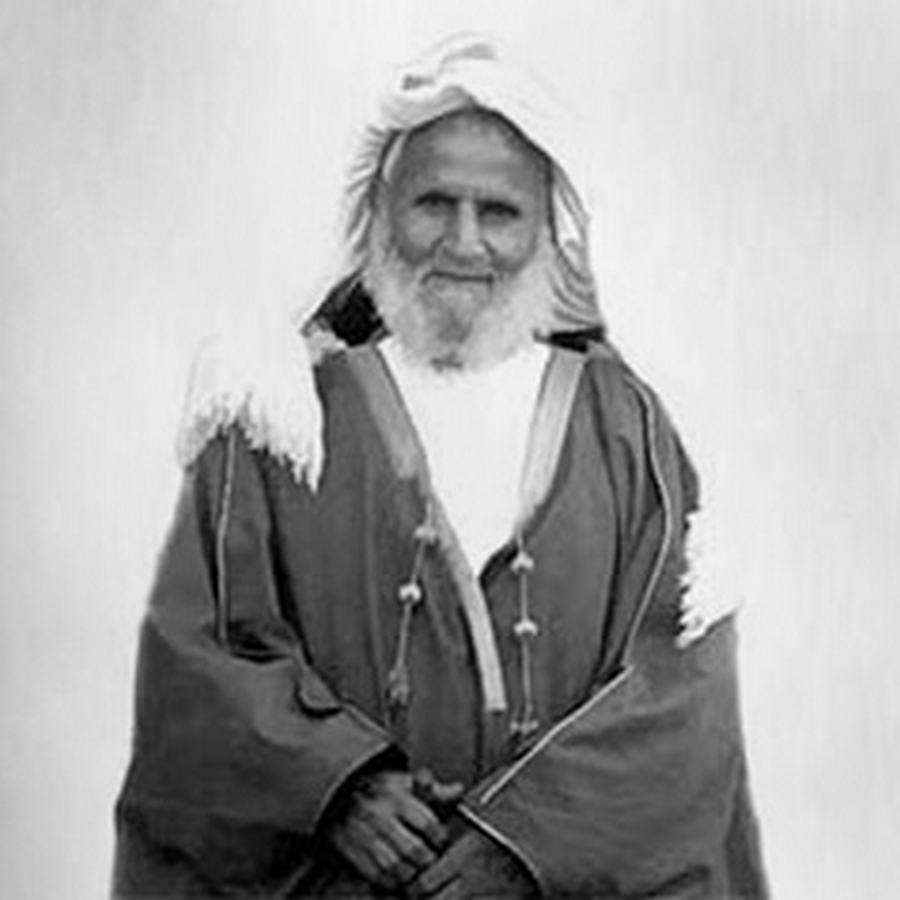
Then came Sheikh Abdullah bin Jassim Al Thani in 1938, who built Al Zubarah Fort near the ruins. It was not a palace or a monument to grandeur. It was a practical outpost built to guard the coast and the memory of the city that once stood there (Qatar Museums, 2023). Can you imagine building a new fort beside the remains of an old one? It feels like two centuries quietly talking to each other.
Desert Design: Architecture That Breathes
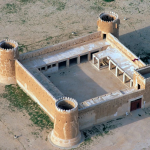
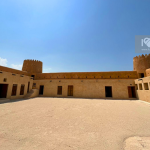
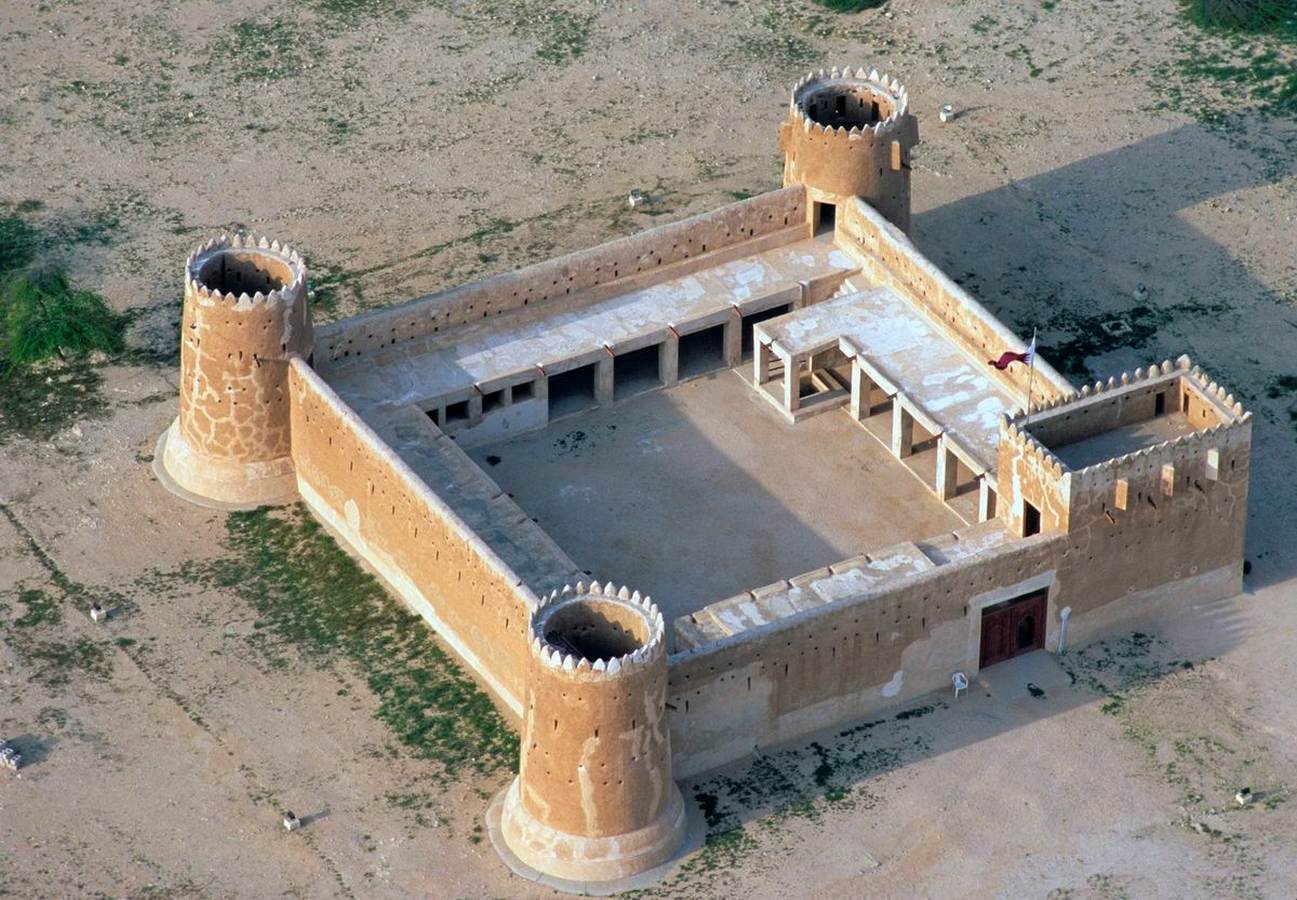
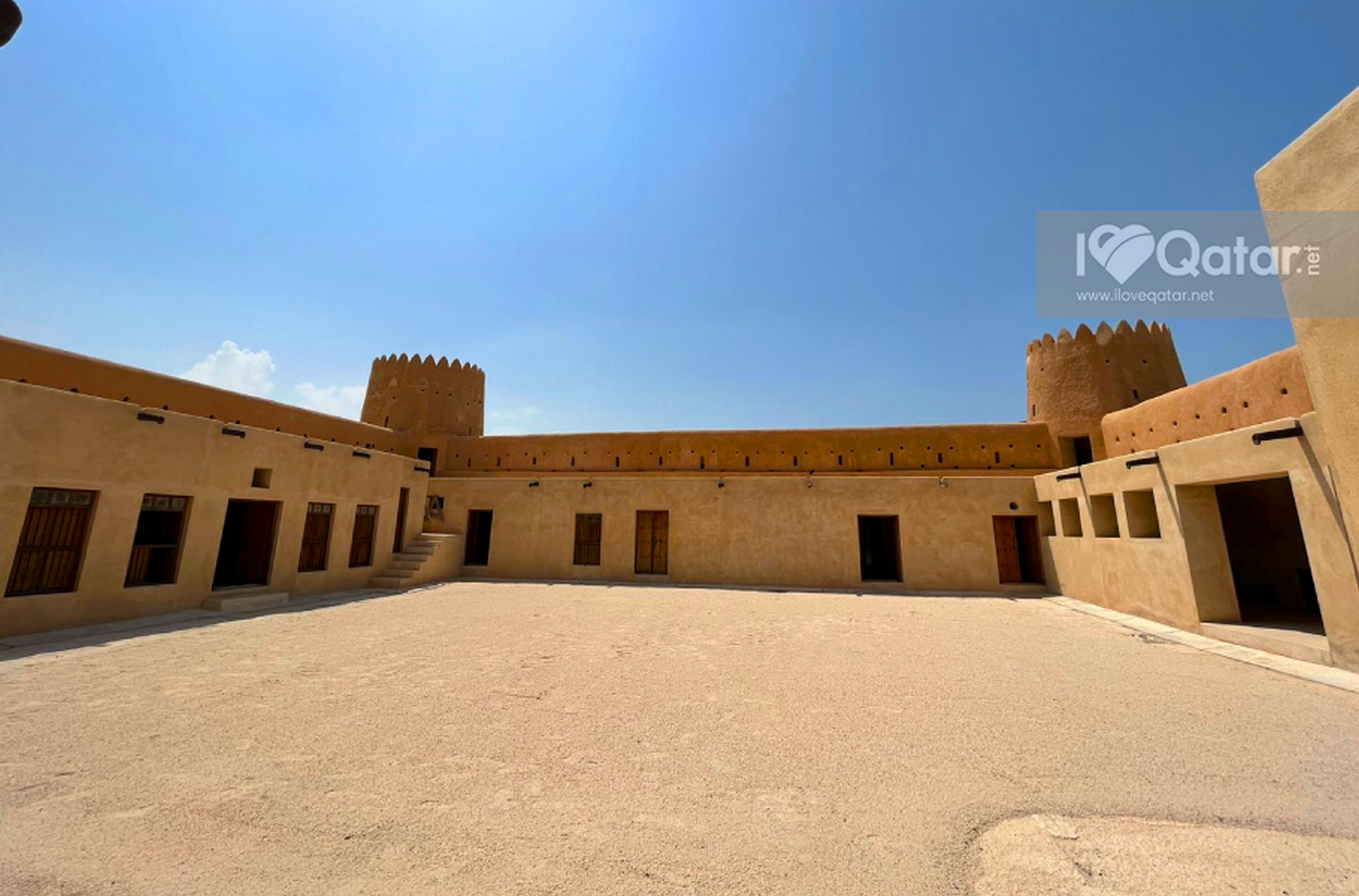
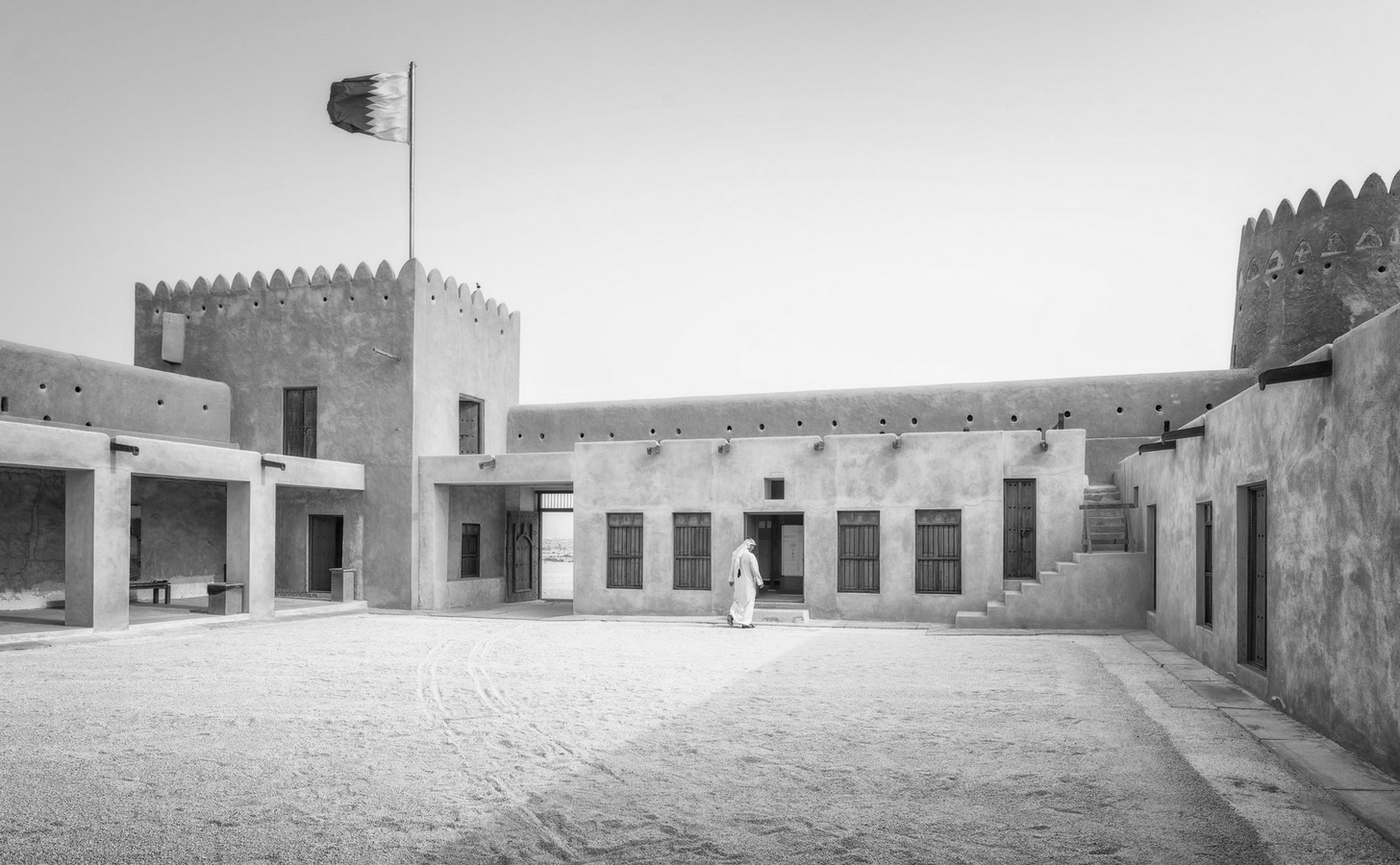
Al Zubarah Fort is not showy. Its beauty lies in its restraint and intelligence. The design is simple, square, and symmetrical, but when you step closer, you begin to notice the details that reveal how deeply connected it is to the land.
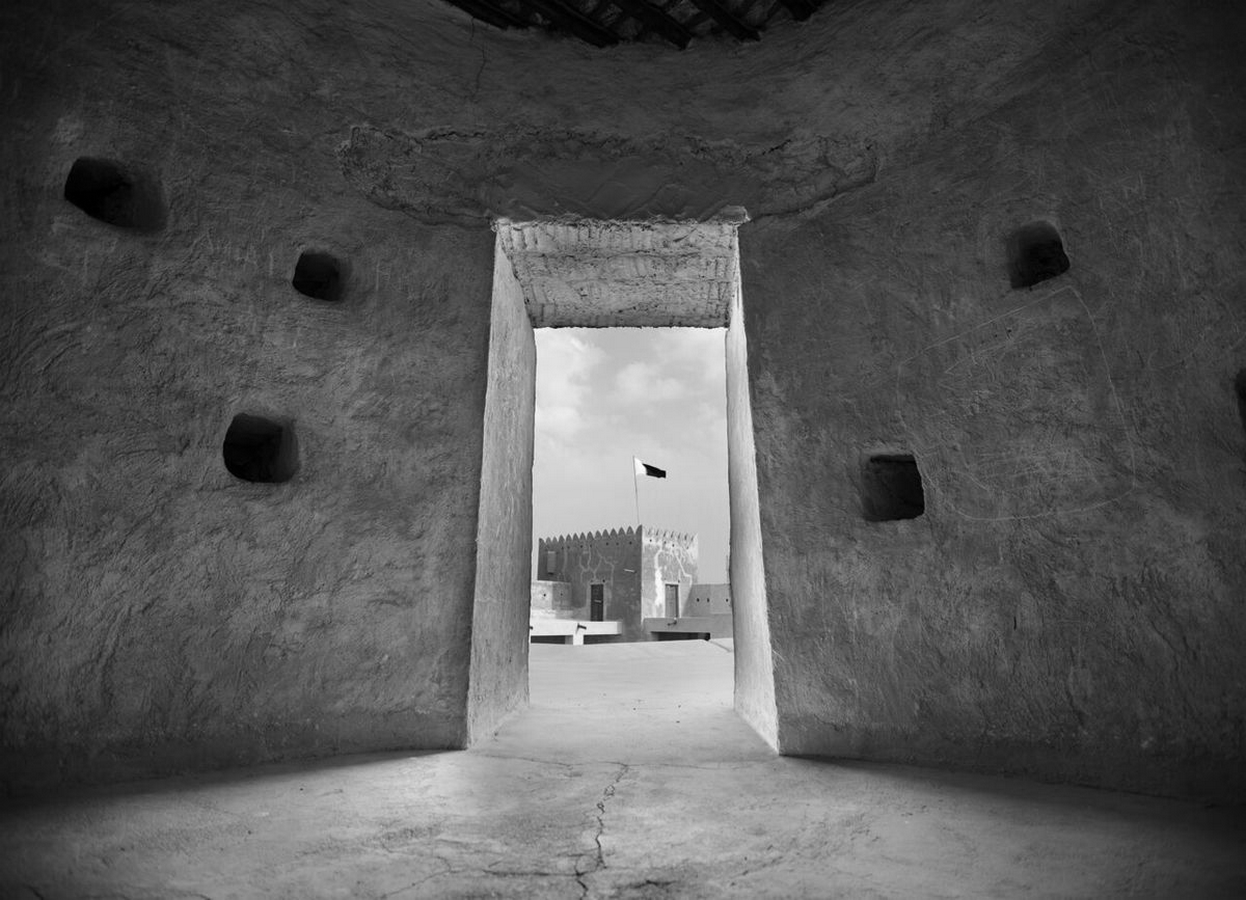
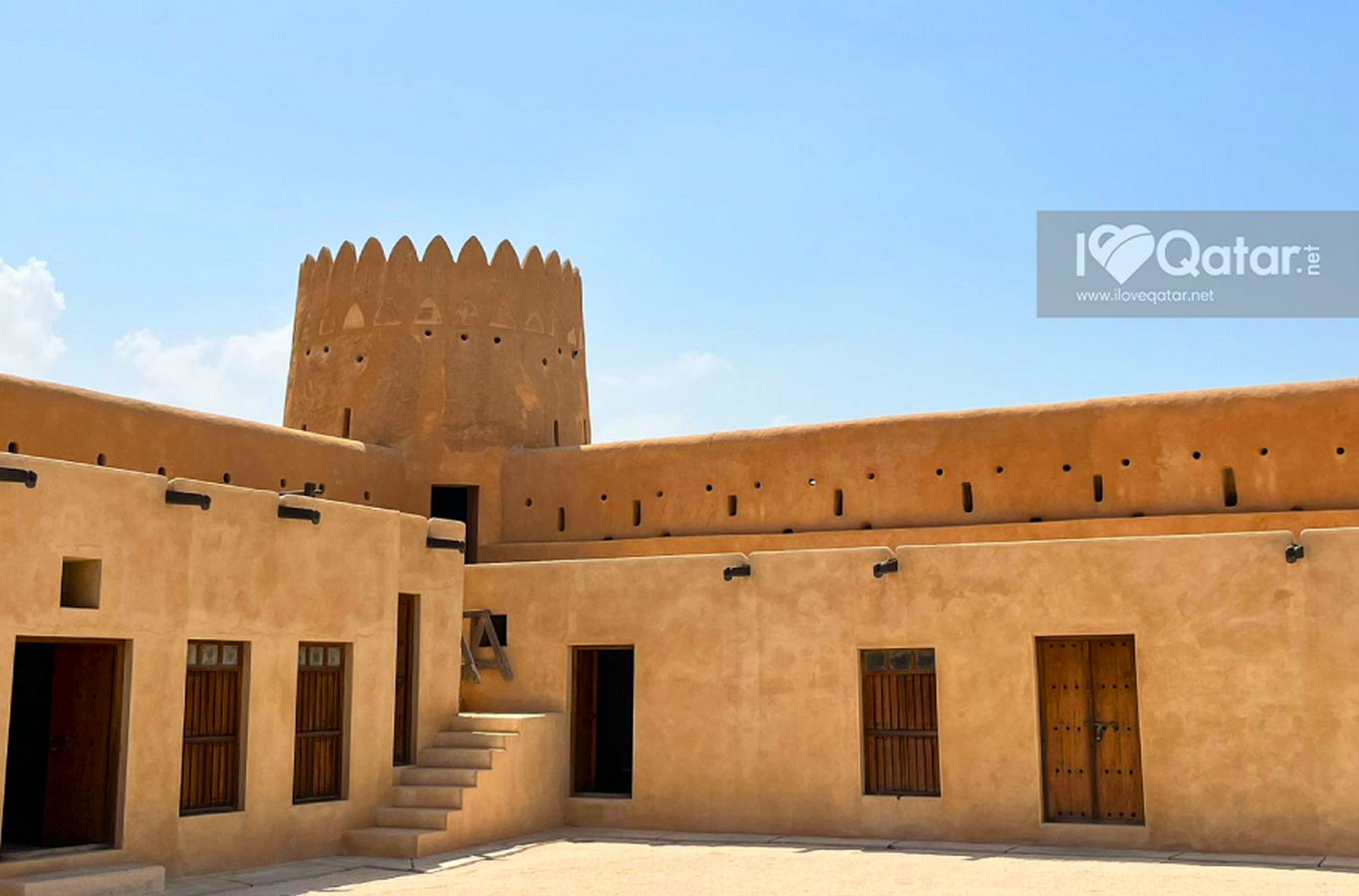
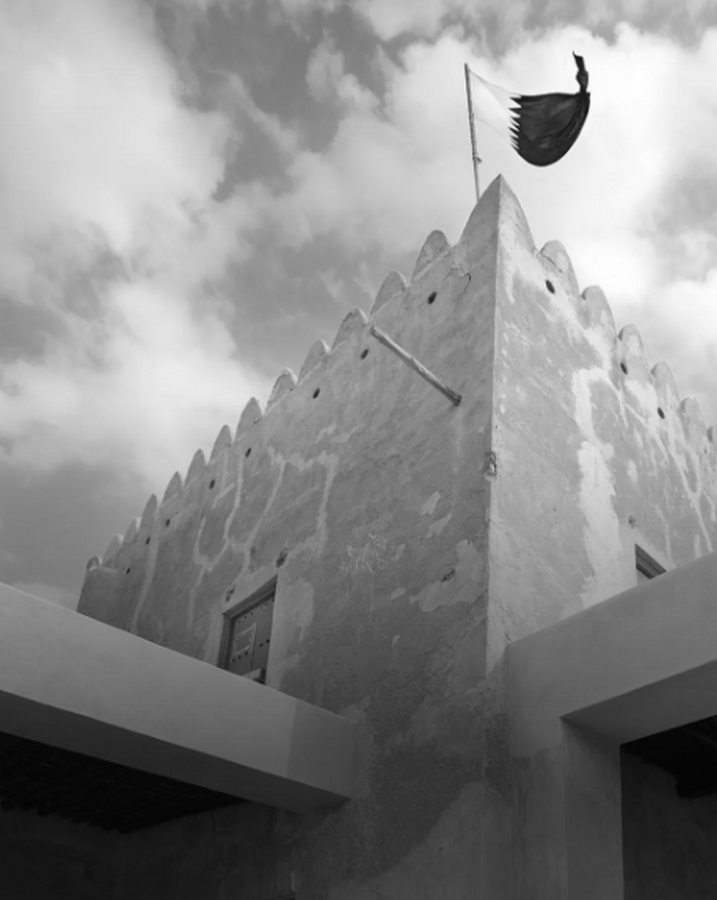
The walls are thick, nearly a metre in some places, built from coral rock, limestone, and mud mortar (Hansen, 2017). These materials were not imported but taken from the very earth and sea that surround the fort. Coral stones, pulled from the seabed, are porous enough to absorb and release moisture, helping to cool the interiors naturally. It is as if the fort itself were designed to breathe with the desert.
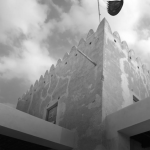
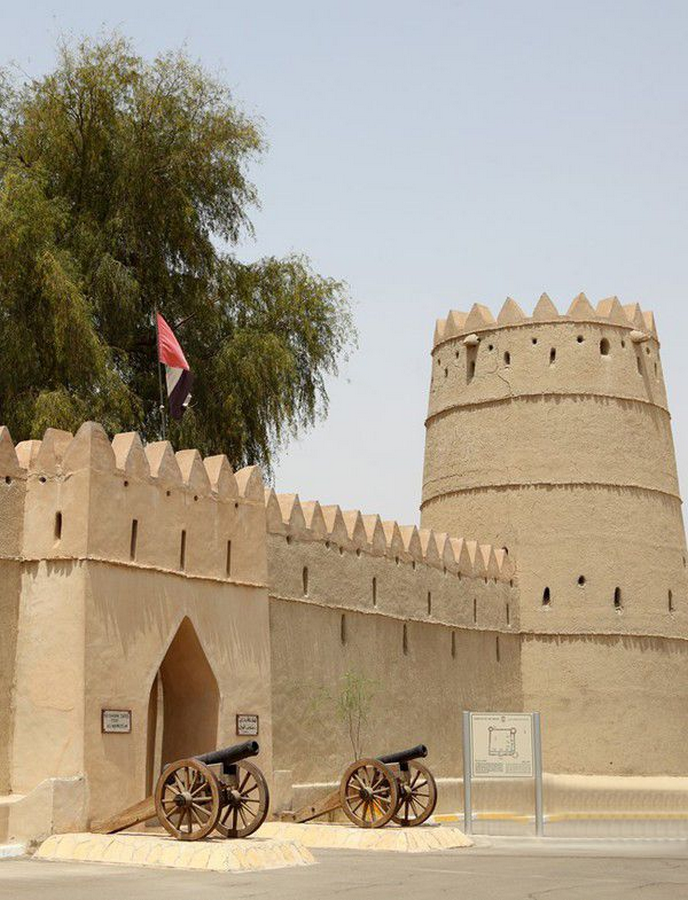
Three of the four corner towers are circular, and one is rectangular, creating a layout that was both beautiful and tactical (ISPRS Archives, 2015). The walls are punctured with tiny slits that allow air to circulate and light to filter through. If you stand near one of them in the middle of the day, you can feel a faint draft of cool air against your face. It is a small architectural miracle in the middle of nowhere.
From the roof, the view stretches in every direction. To the south, you can trace the faint outlines of the old Al Zubarah town. To the north, the Arabian Gulf glimmers faintly on the horizon. You start to realise that this place was never only a fortress. It was a lookout post for both land and time.
More Than Stone: A Cultural Time Capsule
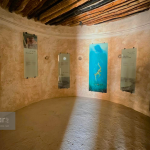
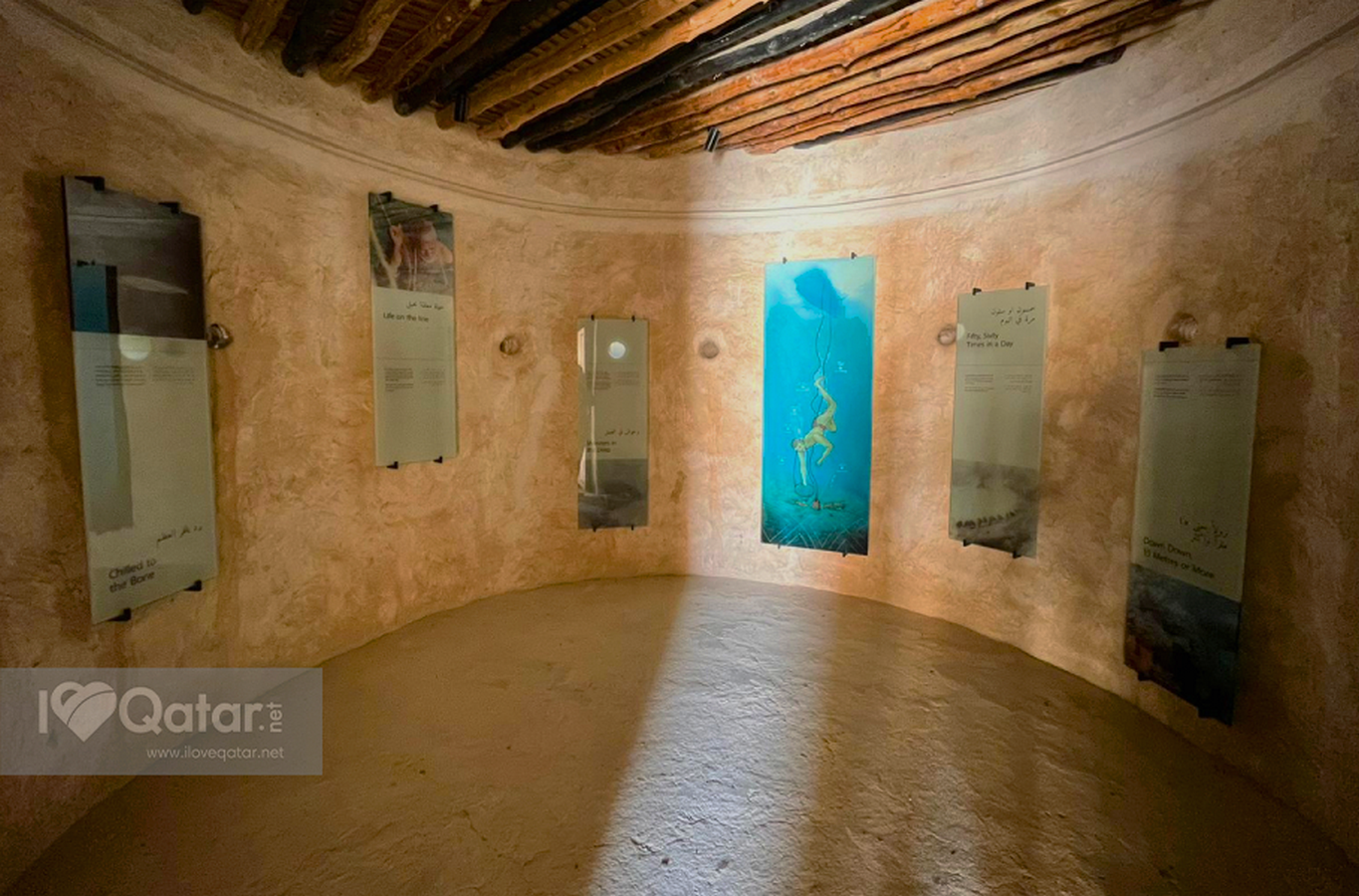
Today, Al Zubarah Fort is a museum, but it feels more like a time capsule. Inside, exhibitions showcase pearl-diving tools, pottery fragments, and crafts that tell the story of life in the old town. Each object, from an ancient bead to a rusted anchor, carries a quiet dignity (Qatar Museums, 2023).
The fort forms part of the Al Zubarah Archaeological Area, a UNESCO World Heritage Site that stands as one of the best-preserved examples of an 18th to 19th-century Gulf trading town (UNESCO, 2019). Walking through it feels like stepping through layers of history. The sand hides more than it reveals, but the preservation efforts ensure that the town’s story continues to unfold with every new excavation.
What makes this place special is how it connects modern Qatar to its roots. Before the glass towers and the oil fields, this was a country shaped by wind, water, and endurance. Al Zubarah Fort reminds visitors that heritage is not just about remembering. It is about belonging.
Tourists often describe it as hauntingly peaceful. There are no crowds, no noise, no distractions. Only the hum of the wind and the crunch of sand beneath your feet. Some say it feels as though time has stopped. That could be the magic of Al Zubarah. It does not show off. It simply waits for you to listen.
The Fort Today: A Living Legacy
In recent years, Al Zubarah Fort has become a symbol of Qatar’s commitment to preserving its past. Qatar Museums has led extensive conservation work to maintain the site and surrounding ruins using traditional materials and techniques (Qatar Museums, 2023). The goal is not just to restore walls but to revive a sense of place.
It is easy to think of heritage as something frozen in time, but Al Zubarah feels different. It still breathes. The site hosts educational programs, heritage days, and art installations that bring new life to old stories. Children run through the courtyard where guards once stood watch. Artists sketch the fort’s towers as the sun sets behind them.
Al Zubarah Fort stands as a reminder that progress does not erase the past. It strengthens it. In a country where modernity rises fast and fierce, this quiet fort tells a softer story. A story of patience, resilience, and pride.
So if you ever find yourself in Qatar, take a detour north. Drive until the skyscrapers fade and the desert takes over. When you finally see those four towers appear on the horizon, step out of your car. Feel the wind, touch the coral walls, and listen closely. Because Al Zubarah Fort is not just standing there. It is still speaking.
References:
Hansen, S. (2017) Al Zubarah Fort: A Window into Qatar’s Past. Journal of Arabian Heritage Studies, 8(2), 45–56.
ISPRS Archives (2015) Documentation and Analysis of Al Zubarah Fort Using Photogrammetry. International Archives of the Photogrammetry, Remote Sensing and Spatial Information Sciences, XL-5/W4, 1–7.
Qatar Museums (2023) Al Zubarah Fort. Available at: https://qm.org.qa/en/visit/al-zubarah-fort/
UNESCO (2019) Al Zubarah Archaeological Site. World Heritage Centre. Available at: https://whc.unesco.org/en/list/1402