A Glimpse into the Desert City
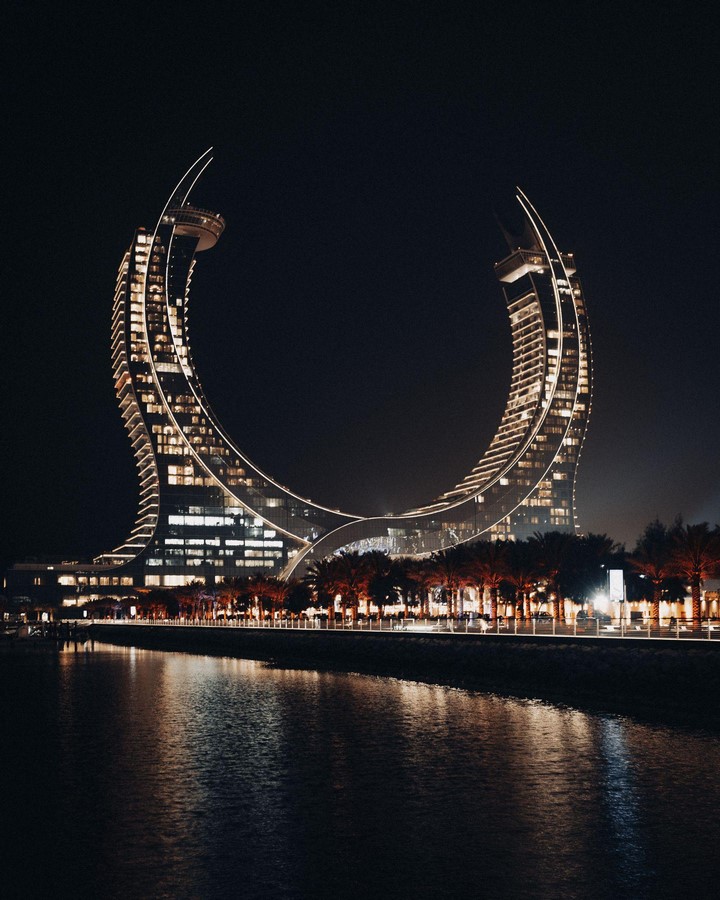
Once a small fishing and pearl diving settlement, Qatar has developed into one of the most dynamic and architecturally ambitious nations in the world. Early Qatari settlements were made up of simple, functional structures that protected inhabitants from harsh desert conditions. The Qatari traditional building consisted of thick limestone and coral stone walls and wind towers (badgirs) for natural ventilation and the structures were all whitewashed on the outside to reflect heat. The internal courtyard house was a defining element, with shaded spaces and passive cooling, which made life in the desert bearable. Today, Qatar has a skyline of futuristic skyscrapers, innovative museums, and world-class infrastructure, reflecting a perfect balance between tradition and modernity.
Cutting-edge design and sustainable urban planning are things that one of the fastest-growing countries in the Middle East, Qatar, has adopted while maintaining its cultural identity. Every structure, from the striking National Museum, which is inspired by the desert rose, to the future-built city of Lusail, displays ambition and vision. The architecture of Qatar is a fascinating journey through history, innovation and artistic expression, whether you are an architect, a traveller or you are discovering Qatar for the first time.
As one of the fastest-growing countries in the Middle East, Qatar has designed cutting-edge structures and sustainable urban development while at the same time embracing its cultural heritage. From the stunning National Museum, which has been inspired by the desert rose to Lusail, a planned city, built for the future, each of the structures has a story to tell of ambition and vision. Whether you are an architect, a traveller or you are just getting to know Qatar, its architecture is a fascinating journey through history, innovation and artistic expression. This article highlights 10 must-visit architectural landmarks in Qatar.
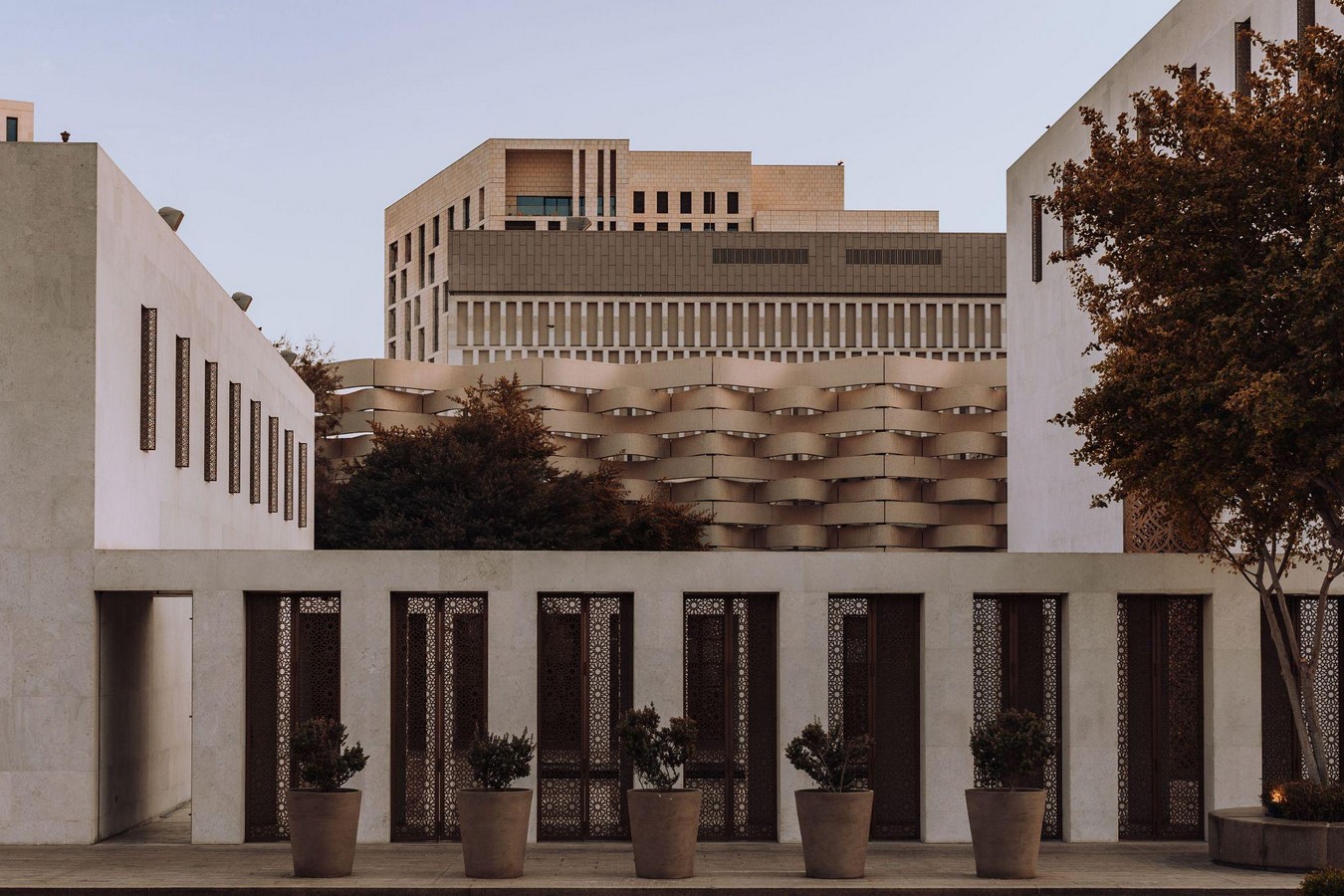
Qatar’s History and Geography in Architecture
Qatar, a small nation in the northeast of the Arabian peninsula, has a history shaped by its location and harsh desert environment. It had been a pearling fishing and trading centre with settlements along the coast. This was because the architecture of the region had to meet the challenge of high temperatures and shortage of water. The wind towers or badgirs and the courtyards were also features of the traditional Qatari homes which were built from limestone, coral stone and gypsum. The Bedouin nomadic lifestyle also helped to determine the early structures of Qatar, where flexible shelter in the arid landscape was offered by tents made of woven goat hair.
The 20th century saw Qatar’s emergence as an urban state after the discovery of oil, which transformed a small trading centre into a modern economic state. However, Qatar has conserved its traditional architecture while incorporating cutting-edge technology and design. Qatar’s flat topography and coastal proximity have enabled large format developments including Lusail City, Msheireb Downtown Doha and offshore artificial islands. Qatar’s architectural identity is a combination of Islamic traditions and futuristic, modern innovation while balancing sustainability and urban expansion.
The Role of Qatar’s Ruling Family in Architectural Development
Qatar’s ruling family, The Al Thani dynasty, has been central in the formation of the nation’s built environment. After the takeover by Sheikh Hamad bin Khalifa Al Thani in the last quarter of the twentieth century, Qatar began a process of modernization that saw investing heavily in infrastructure, cultural institutions and architectural innovation. His successor, Sheikh Tamim bin Hamad Al Thani is steering the country towards sustainable and visionary urban planning.
For instance, the royal family has initiated huge projects such as Education City, a knowledge and research hub; Lusail City, a future-oriented planned new city; and Msheireb Downtown Doha, a sustainable model of urban renewal. These developments are in line with the country’s efforts to be a leader in cutting-edge architecture combined with its cultural identity.
This leadership has also invited world-famous architects to contribute to the skyline of Qatar such as Jean Nouvel, Zaha Hadid, I.M. Pei and Rem Koolhaas. With these collaborations, Qatar has emerged as a global centre for architectural excellence.
10 iconic landmarks in Qatar
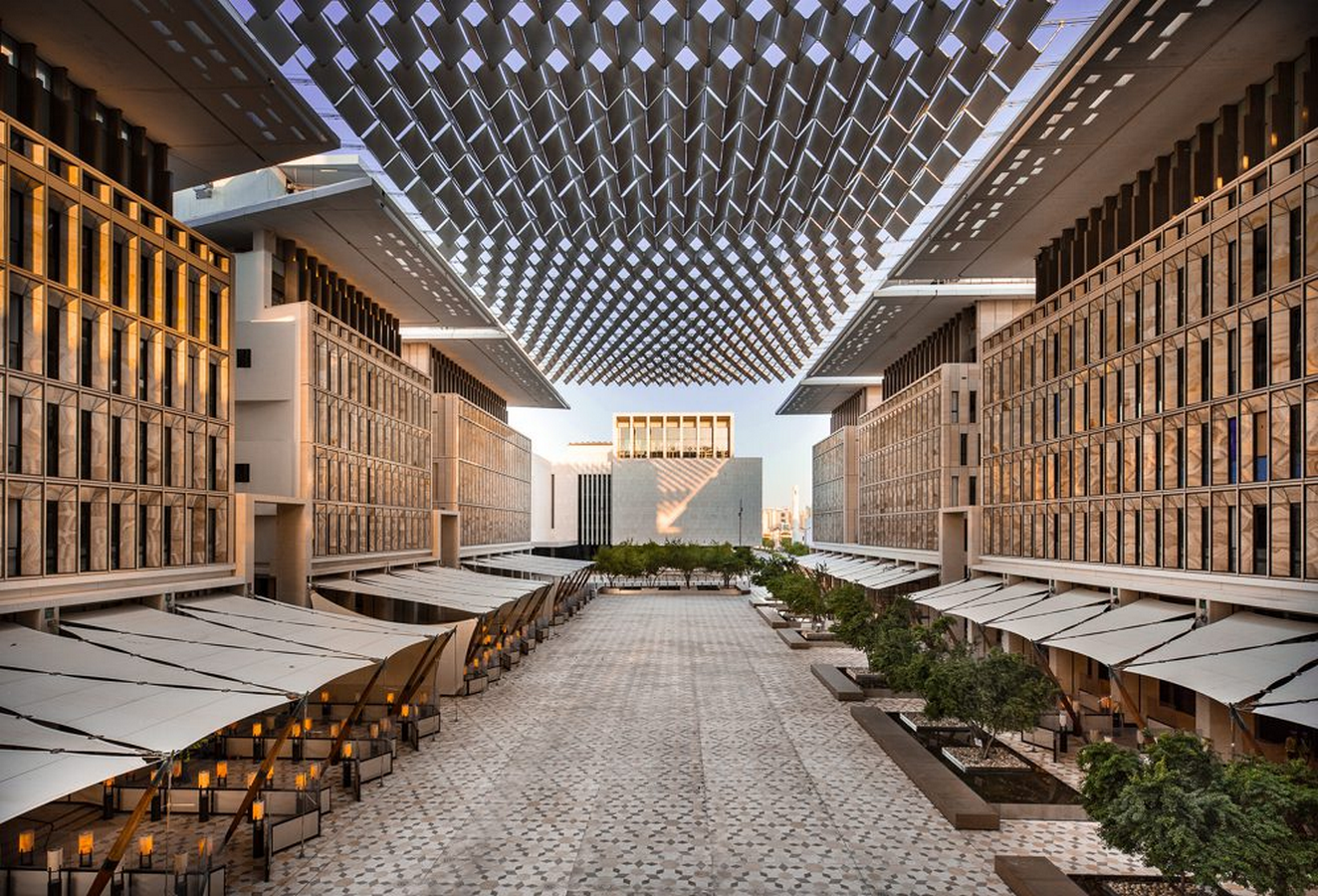
1. Msheireb Downtown Doha – A Smart Urban Experiment
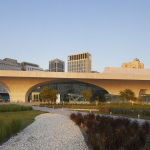
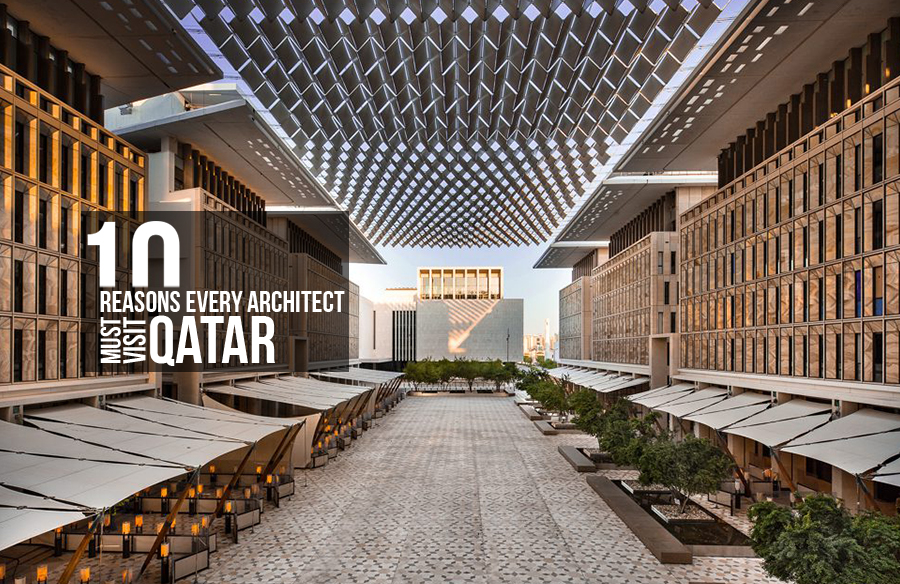
Msheireb Downtown Doha is a rare example of sustainable urban regeneration. As the first fully built smart and sustainable city district in the world, Msheireb combines traditional Qatari architecture with the latest design approaches, focusing on pedestrianization, energy conservation, and cultural identity. The development was designed with passively cooled buildings, shaded walkways and the integration of solar energy, which demonstrates how it is possible to create architecture that is relevant to the extreme climate of the region. The district includes key landmarks such as the Msheireb Museums, which are museums of architecture and history of Qatar or Msheireb Galleria, a modern retail facility that embodies the forward-looking vision of the city. For architects interested in climate-responsive urbanism, Msheireb Downtown Doha provides the first real insight into how innovation and heritage can easily coexist in a growing city.
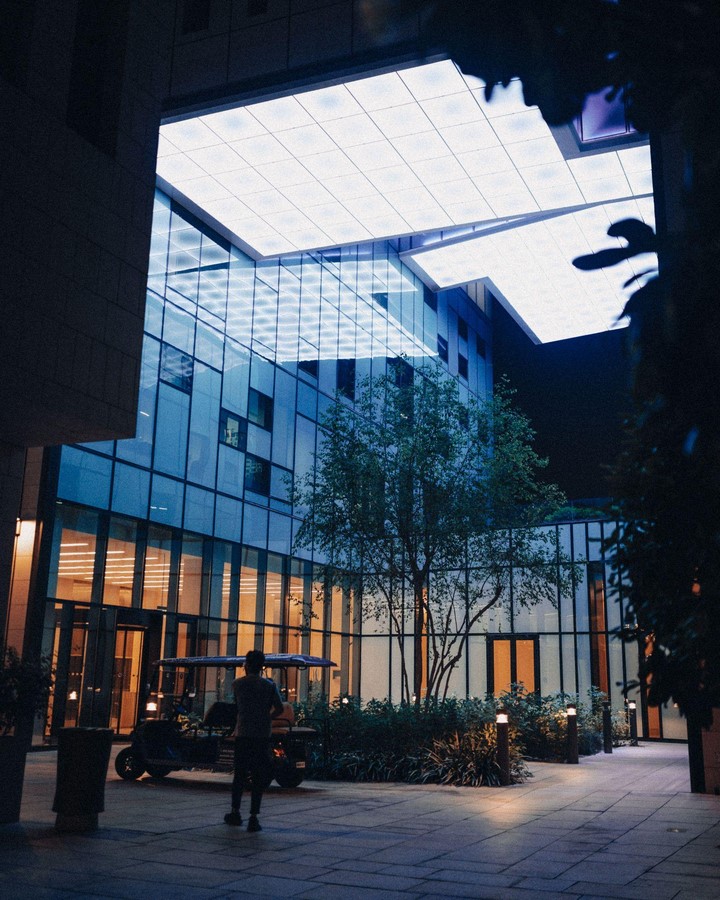
2. Education City – A Hub of Knowledge and Innovation
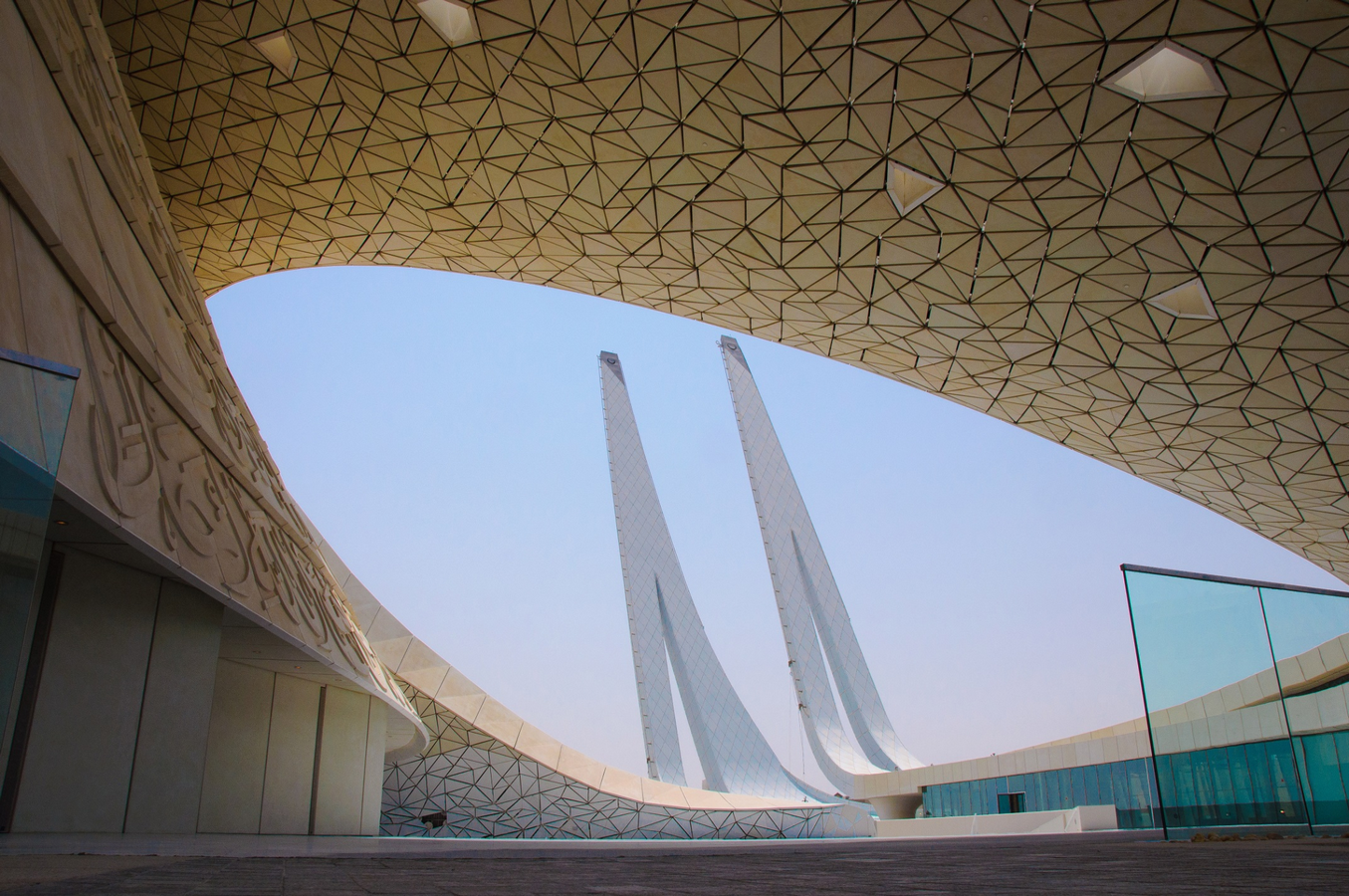
Education City in Doha is a visionary architectural and academic hub that every architect who visits Qatar must explore. Covering 12 square kilometres, this ambitious project by Qatar Foundation includes the incorporation of world-class universities, research centres and cultural institutions into a master-planned urban environment. Showcasing works by renowned architects like Arata Isozaki, Rem Koolhaas and Antoine Predock, Education City combines cutting-edge sustainability with traditional Islamic design principles. Notable landmarks include the Qatar National Library, a futuristic space designed by OMA, and the stunning Minaretein (Education City Mosque), combining modern minimalism with spiritual symbolism. With its pedestrian-friendly layout, energy-efficient structures and focus on open learning environments, Energy City demonstrates how architecture can support learning growth in a culturally and environmentally responsible way.
3.The National Museum of Qatar – A Desert Rose in Stone
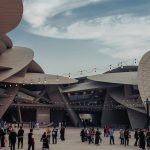
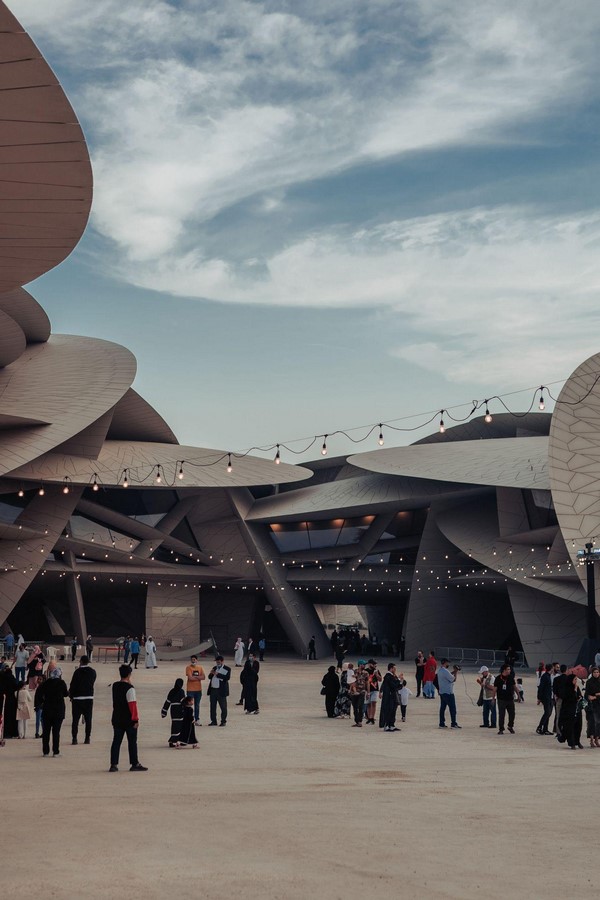
The National Museum of Qatar, designed by the renowned architect Jean Nouvel, is an architectural marvel inspired by the desert rose formations native to Qatar’s arid landscape, the museum’s interlocking disk-like structures create a dynamic and organic form that seamlessly blends nature with architecture. The building’s innovative design stretches over 52,000 square meters and not only provides a striking visual identity but also incorporates sustainable strategies, such as deep overhangs for shading and carefully positioned openings for natural ventilation. Inside, immersive galleries narrate Qatar’s cultural and historical evolution and a spatial experience that mirrors its fluid exterior. The National Museum of Qatar is a testament to how contemporary architecture can honour the heritage and redefine the urban landscape set against the backdrop of Doha’s modern skyline.
4. Souq Waqif – A Walk Through Time
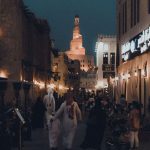
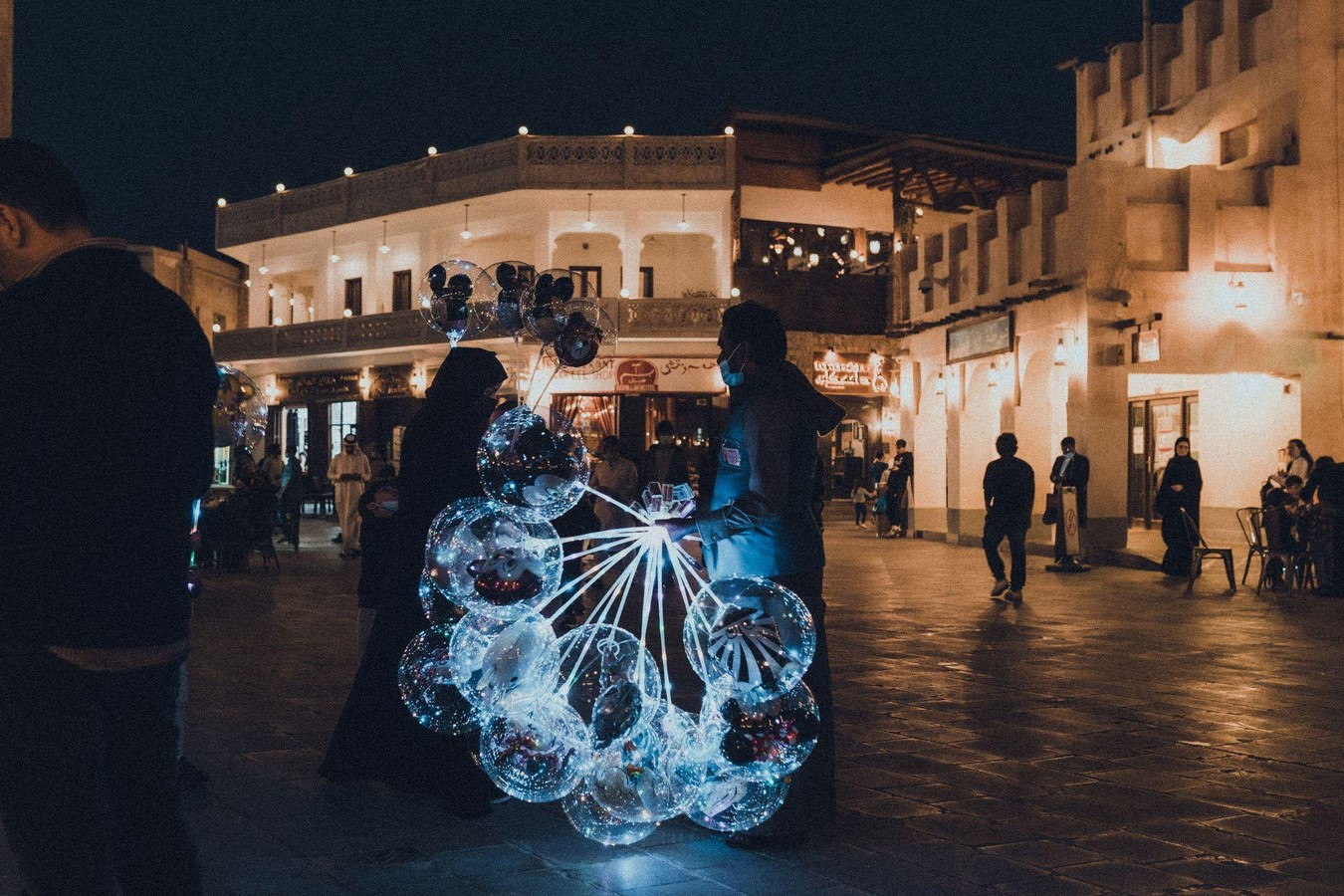
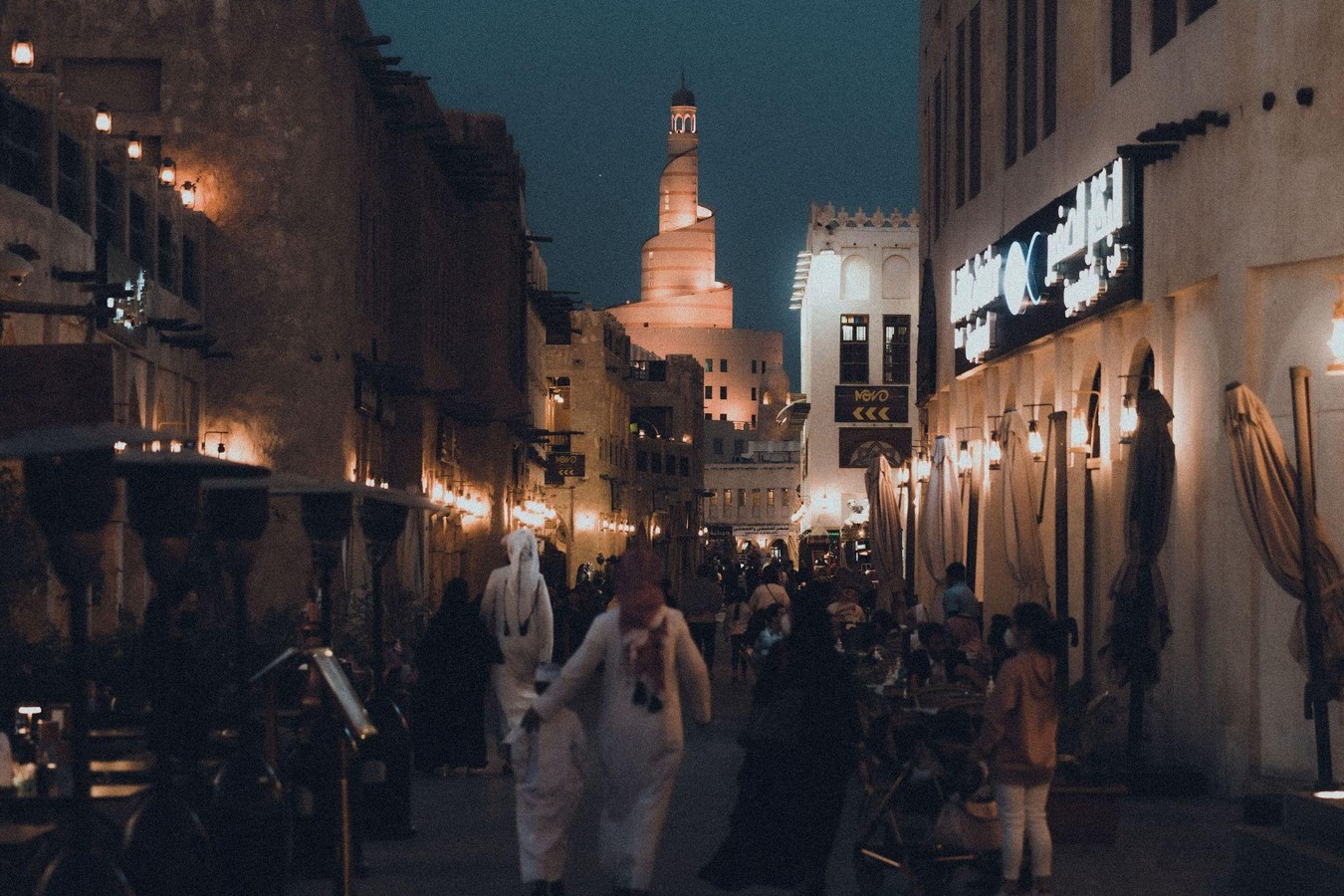
Souq Waqif is a living museum of architecture and a must-visit for architects in Doha. This lively market, which has been completely renovated to look like it did in its original days, is a great example of traditional Qatari architecture with its winding paths, mud buildings and wood carvings. The souq was originally a centuries-old trading hub, which has been brought back to life using traditional building methods and materials to create a modern authentic structure. The wind towers, open courtyards and shaded walkways are a clear manifestation of passive cooling strategies which are well suited for the extreme climate of the region. However, there is more to Souq Waqif than just its architectural beauty; it is a cultural buzz, filled with artisan workshops and lively public spaces. For architects in search of inspiration in urban regeneration and sustainable heritage conservation, Souq Waqif is a great example of how history can be easily incorporated into modern city life.
5. Katara Cultural Village – A Celebration of Art and Heritage
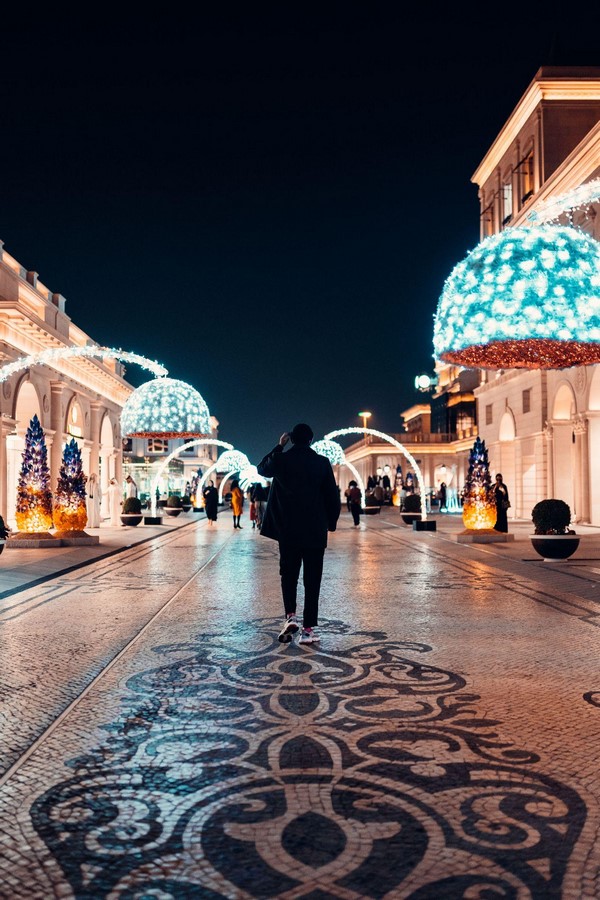
Katara Cultural Village is a cultural and architectural masterpiece and therefore plays an important role in attracting visitors to Qatar. Katara has been developed as a hub for art, heritage and performance and this has been done while incorporating both traditional Islamic and vernacular Qatari architecture as well as contemporary urban planning. The village has a wide network of pedestrian-only streets, open courtyards and majestic structures such as the Katara Amphitheatre which is inspired by classical Greco-Roman design and the beautiful Katara Mosque which is decorated with Persian and Turkish tilework. In this regard, Katara can be seen as a traditional architecture-based design that has been combined with a climate-responsive design approach through the use of traditional construction materials, shaded walkways and a waterfront location to create a lively artistic and social environment. From an architectural point of view, the site presents a single case study of how cultural conservation and new urban development can go together to produce a modern yet classical product.
6. Qatar National Library – A Modern Knowledge Hub
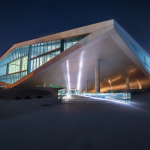
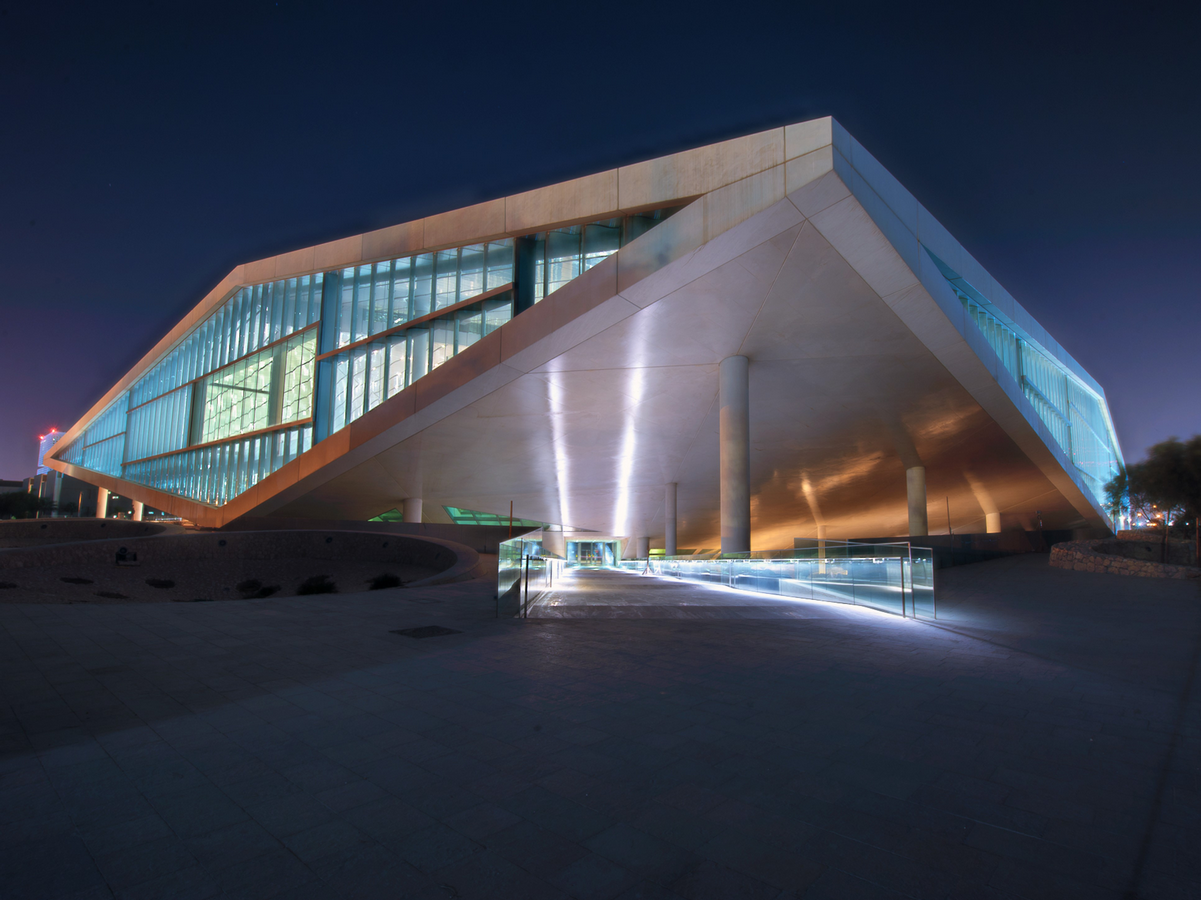
Qatar National Library, designed by Rem Koolhaas’ OMA, is a striking example of futuristic design. The building’s bold, monolithic form appears as though it has been lifted at the corners, creating a continuous, open interior that eliminates the need for physical barriers. This fluid spatial organization fosters an immersive learning environment, allowing natural light to flood the interiors through expansive glass façades. At its core lies a sunken heritage collection, dramatically embedded within the structure like an archaeological excavation, symbolizing the deep-rooted knowledge housed within. Beyond its aesthetic appeal, the library integrates advanced sustainability measures, including energy-efficient systems and smart environmental controls. As a model of contemporary public space design, Qatar National Library redefines the role of libraries in the digital age, making it a compelling case study for architects interested in innovative and human-centric architecture.
7. Lusail City – A Visionary Future City
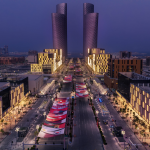
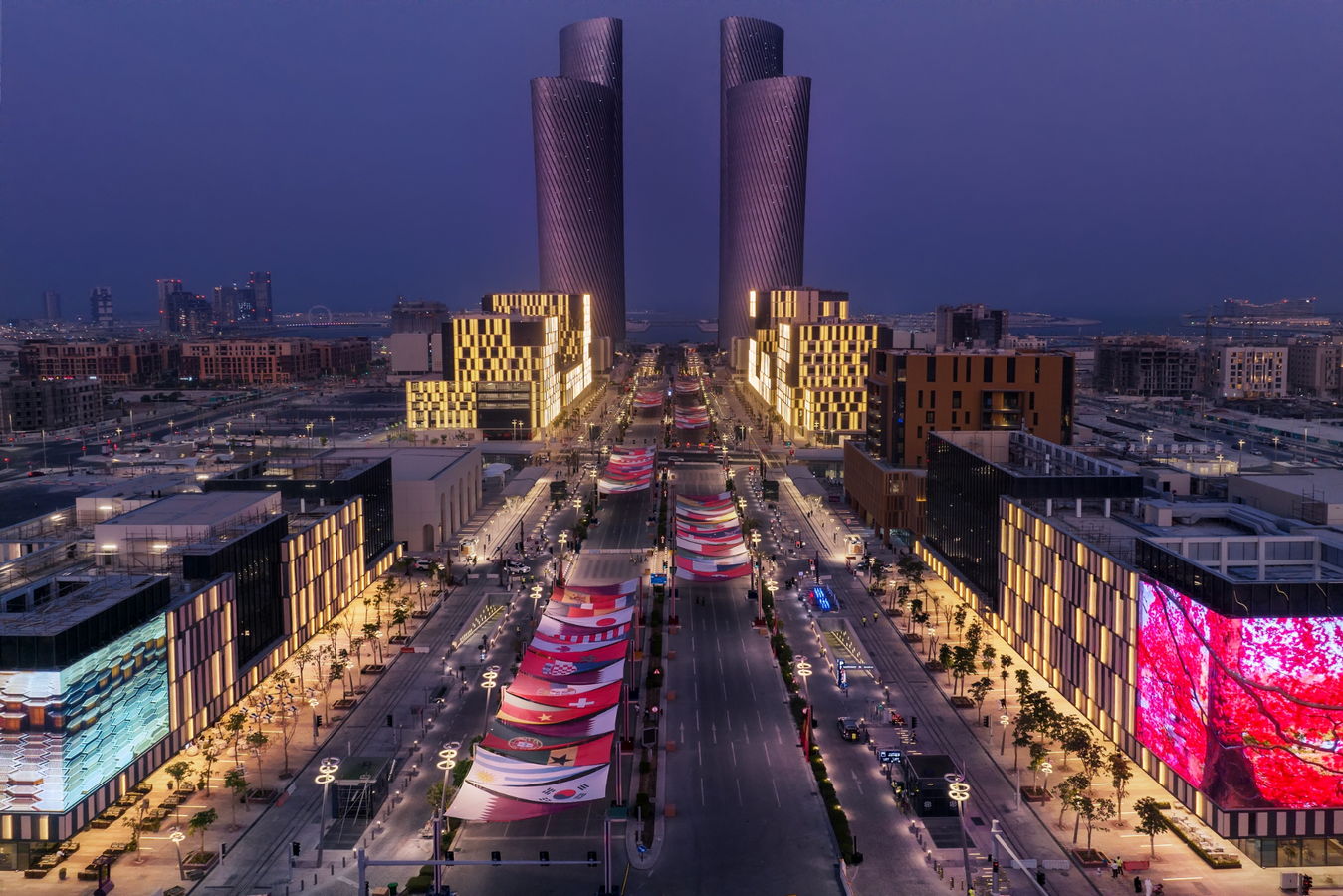
A visionary urban development, Lusail City is noted for its innovative and forward-looking approach to future-oriented city planning. Covering an area of 38 square kilometres, it has been developed as a smart and sustainable metropolis with state-of-the-art technology, green infrastructure and pedestrian-oriented urban development. The city has a dynamic skyline with some of its landmarks being the Lusail Towers which have been designed by Foster + Partners and the famous Lusail Stadium which was the venue of the FIFA World Cup final in 2022. Forward-thinking sustainable urban features include its waterfront promenades, energy-efficient district cooling systems and underground service tunnels. Lusail City is a model of a master plan that has been developed to ensure that it incorporates high-density development and public spaces and therefore provides architects with an insight into how they can design for innovation, sustainability and cultural identity in a rapidly changing urban environment.
8. Al Bayt Stadium – A Homage to Nomadic Traditions
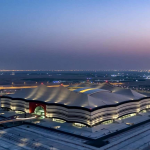
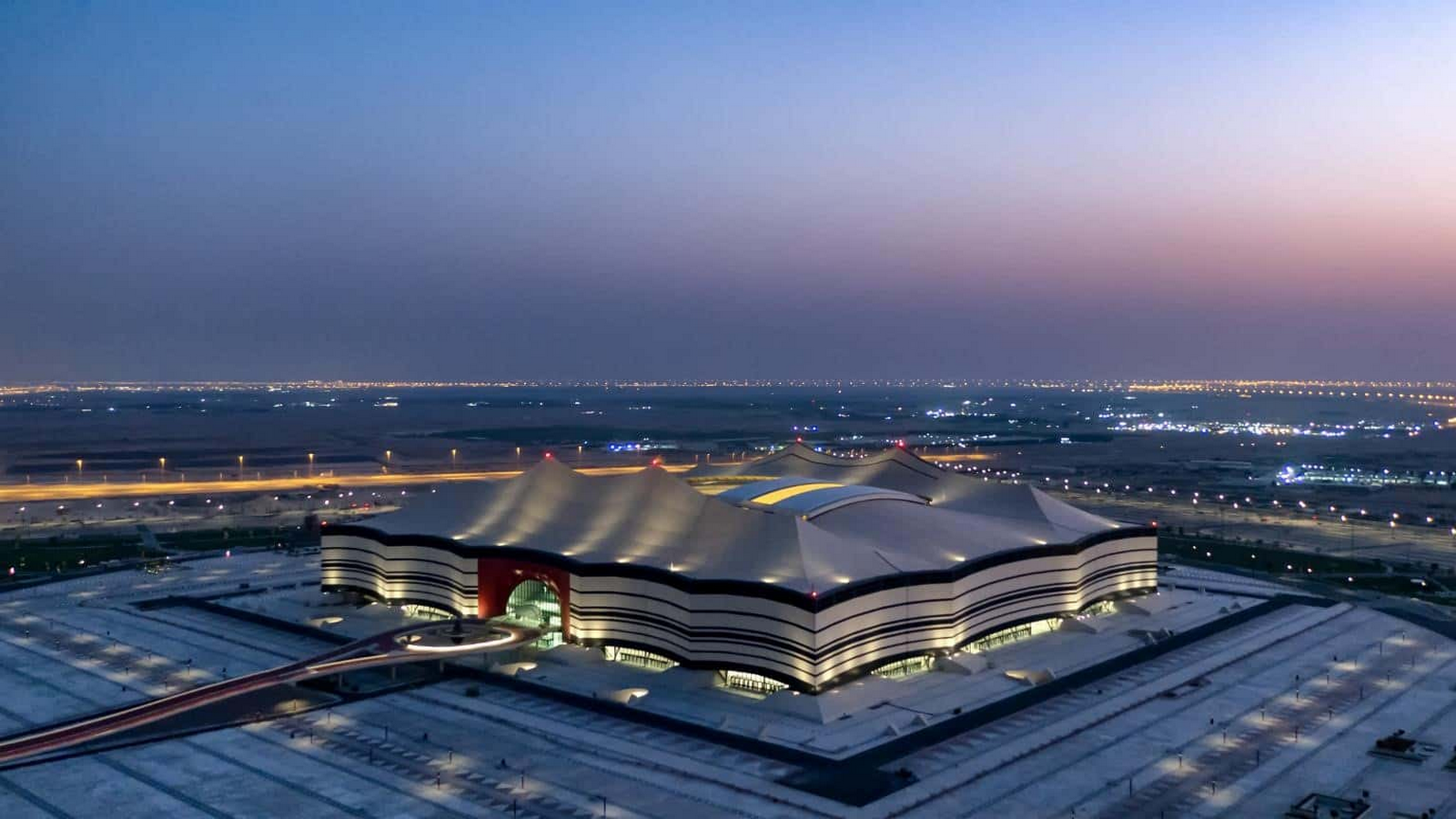
Al Bayt Stadium is a marvel that any architect visiting Qatar must experience for its innovative fusion of tradition and modern engineering. The stadium which is designed to resemble a traditional Bedouin tent, or ‘bayt al sha’ar has a form that celebrates Qatar’s nomadic heritage while being incorporated with current sustainability features. The retractable roof and the advanced cooling technologies provide the best conditions for the players and the spectators, even in extreme heat. The structure is designed for post-event adaptability and sections of the stadium can be repurposed or donated to developing sports infrastructure worldwide. Al Bayt Stadium is surrounded by an extensive park and is an example of how large-scale sports architecture can be culturally rooted, environmentally conscious and functionally flexible, thus making it a must-visit case study for architects, interested in innovative stadium design.
9. Museum of Islamic Art
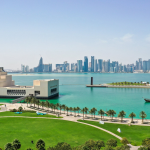
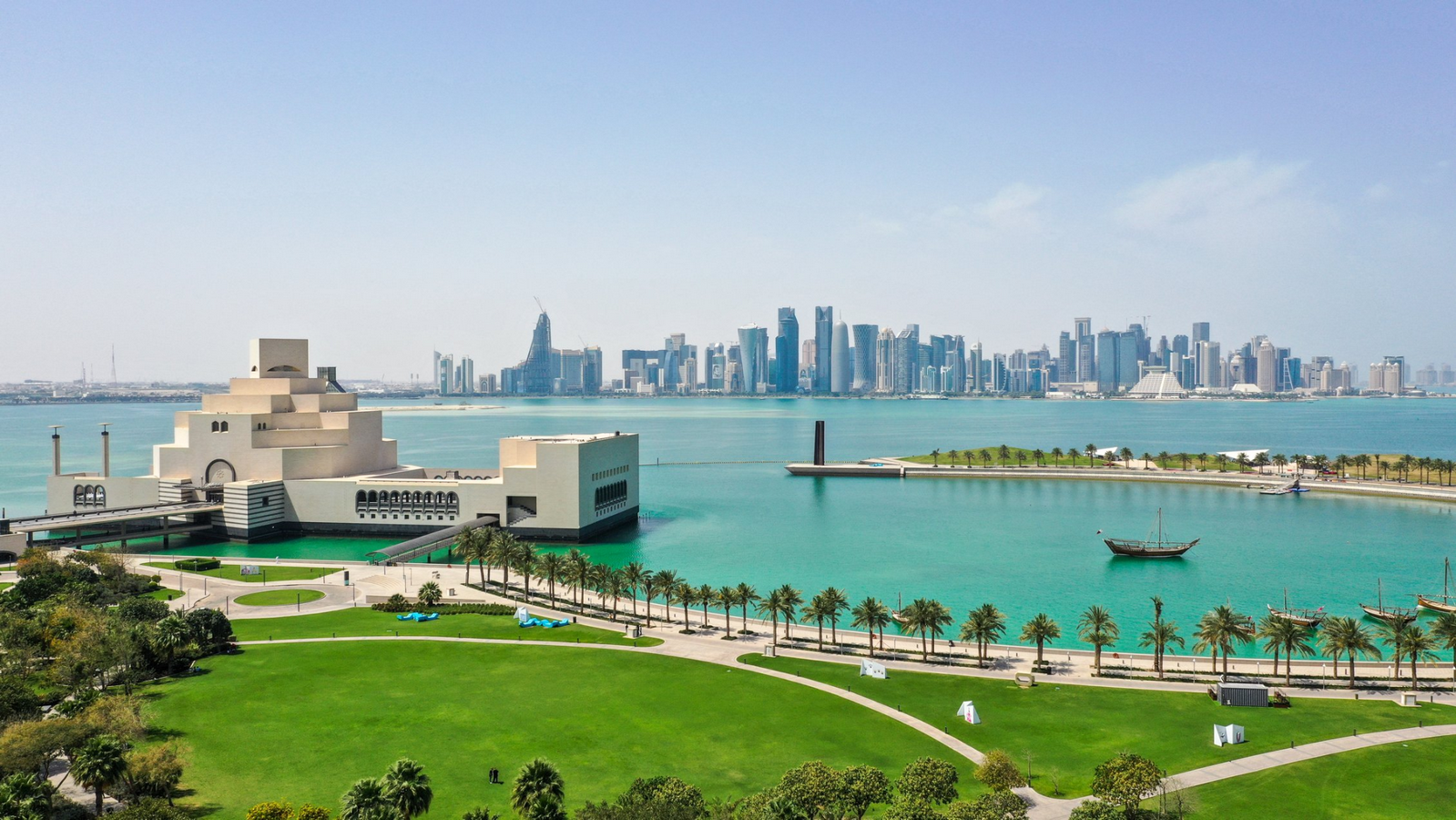
The Museum of Islamic Art in Doha was designed by the legendary architect I.M. Pei and is a masterpiece of geometrical precision and a cultural symbol. The museum which is built on a man-made island, has a sculptural form that is inspired by the classic Islamic architecture, specifically the Ibn Tulun Mosque in Cairo, however, it embraces a modernist sensibility with its clean lines and minimalistic design. The play of light and shadow created by strategically placed openings and a dramatic central atrium adds to the building’s spiritual and contemplative ambience. The museum’s limestone façade is chromatic and shifts its tone according to the desert’s colours during the day, and it is surrounded by water. A testimony of timeless architectural principles and cultural continuity, the Museum of Islamic Art is a rich case study of how modern architecture can pay homage to and reinvent historical traditions.
10. Imam Muhammad Ibn Abd Al Wahhab Mosque
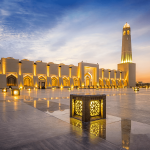
The Imam Muhammad Ibn Abd Al Wahhab Mosque, Qatar’s national mosque, is a striking example of modern Islamic architecture that architects should visit when in the country. The mosque was designed to honour traditional Qatari mosque architecture as well as feature the latest engineering. The mosque has a grand sandstone façade, imposing domes and 93 elegantly arched windows that admit natural light to its vast prayer hall. It embraces the region’s heritage with fortress-like walls, wind towers for passive cooling, and intricate geometric detailing. The mosque can hold up to over 30,000 worshippers and also functions as an architectural and spiritual landmark. As a testament to how contemporary mosque design can balance tradition, scale, and sustainability, the Imam Muhammad Ibn Abd Al Wahhab Mosque offers valuable insights for architects regarding the development of sacred spaces in modern urban environments.
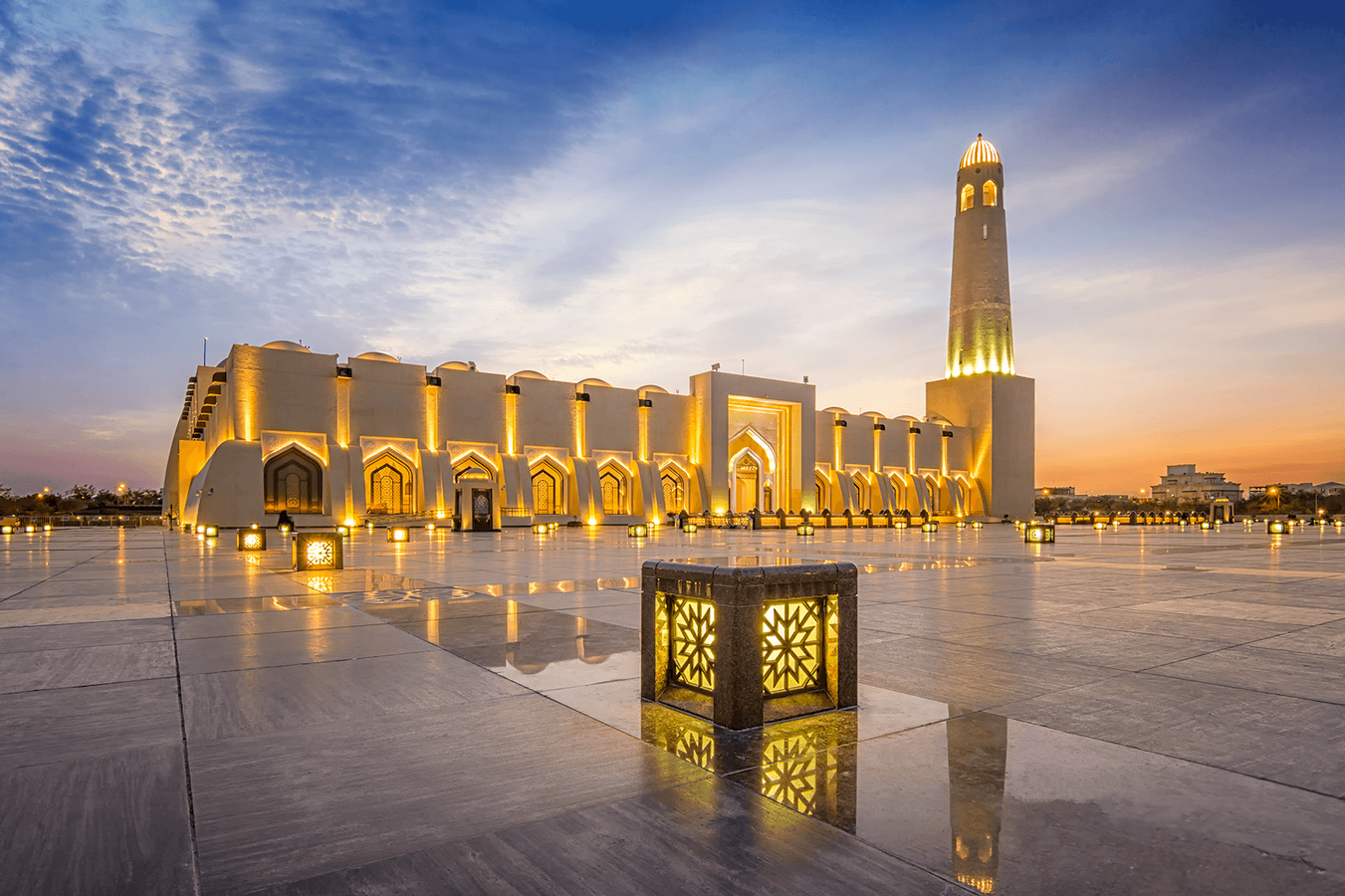
In addition to the landmarks mentioned above, Qatar has Modern Landmarks & Urban Developments such as Doha Tower (Burj Doha), Msheireb Museums, The Pearl-Qatar, Fire Station – Artists in Residence and Qatar Science and Technology Park, Mosques with Architectural Significance like Education City Mosque (Minaretein) and Katara Mosque and Stadiums with Innovative Design such as Al Janoub Stadium, Education City Stadium and Khalifa International Stadium. These sites demonstrate the stages of architectural development of Qatar from the traditional to the modern.
Beyond Structures: Qatar’s Climate and Architectural Adaptation
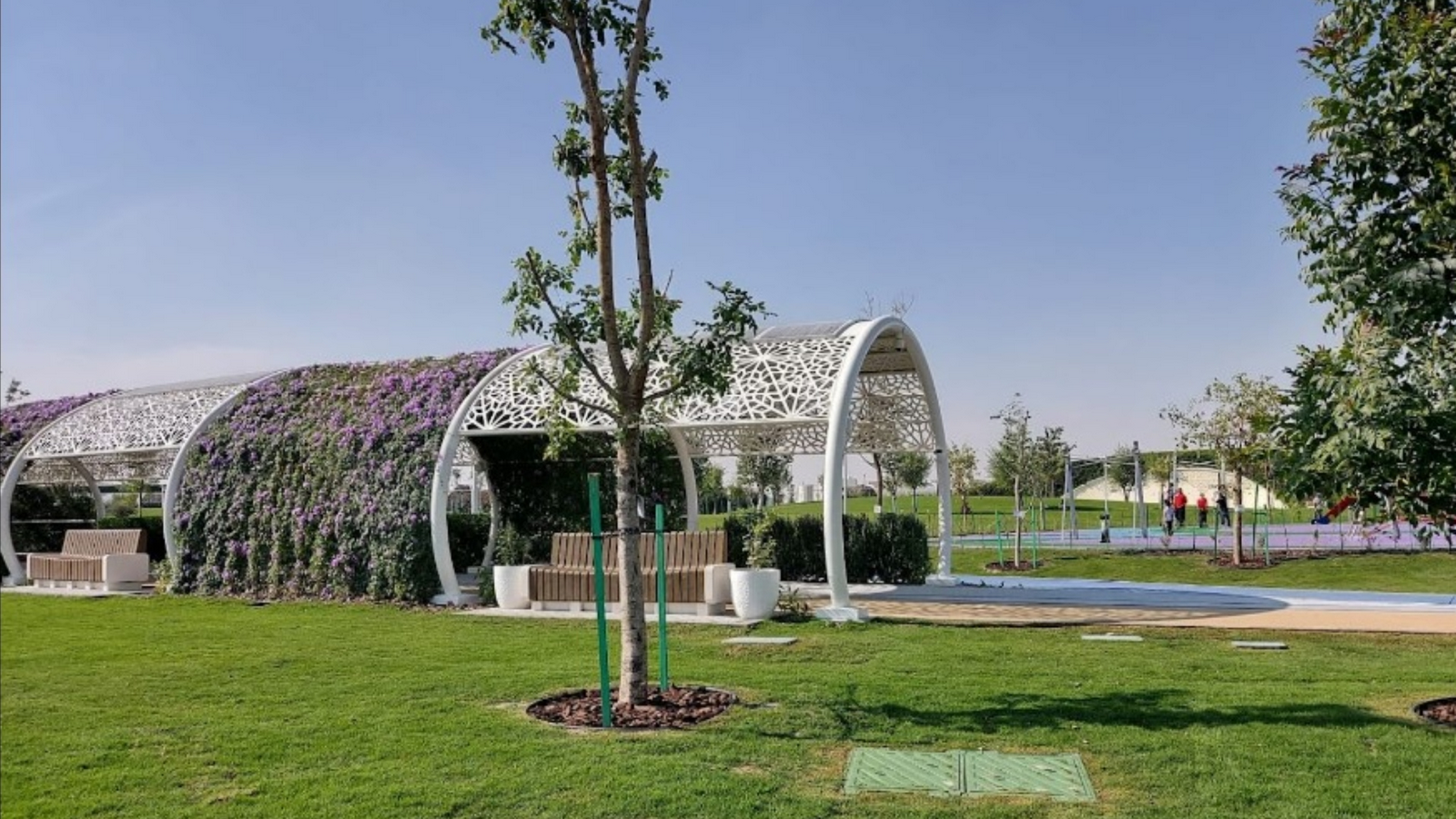
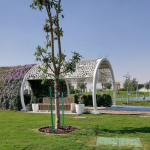
The architecture of Qatar has been influenced by its harsh desert climate, little rainfall and high humidity. The country has incorporated the latest technologies to make both indoor and outdoor environments more comfortable during the extremely hot summer seasons when temperatures can rise above 50°C. Home and office buildings and public places are all equipped with high-efficiency HVAC systems and features like climate smartness, shading, and energy-saving facades. Qatar has also pioneered the use of outdoor air conditioning in spaces like Souq Waqif, Katara Cultural Village and FIFA World Cup stadiums. These systems are based on district cooling plants which deliver chilled water through underground pipes to cool large areas of public space. The Doha Metro stations and pedestrian walkways have been designed with shaded structures and mist cooling systems to provide relief from heat and to make these public spaces usable throughout the year.
Sustainability is also an important aspect of the architectural development of Qatar. Green building materials, efficient insulation and renewable energy sources are incorporated in new constructions. Lusail City, Qatar’s first smart and sustainable city, comprises shaded streets, solar-powered cooling and automatic ventilation systems to optimize energy consumption. In the same manner, other projects such as Msheireb Downtown Doha incorporate both conventional passive cooling techniques and the latest air conditioning technology. The green building initiatives that Qatar has set its sights on, the LEED-certified buildings, and energy-efficient skyscrapers, are a clear manifestation of an effort to make architecture suitable to the climate and also environmentally friendly. Thus, traditional experience is combined with modern approaches to develop the concept of climate-adaptive urbanism in Qatar.
Transportation – The Backbone of Qatar’s Urban Expansion
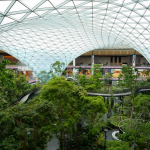
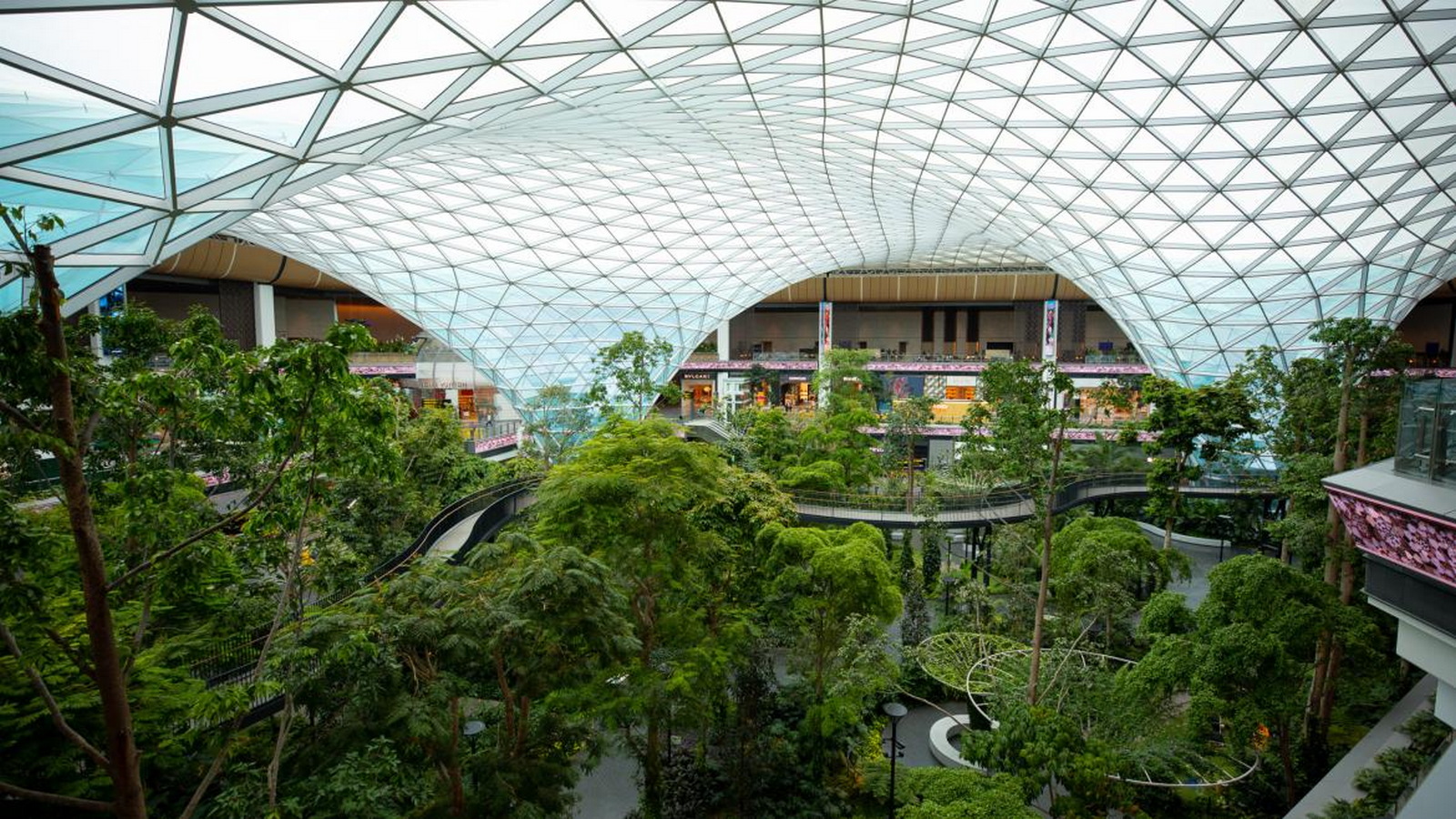
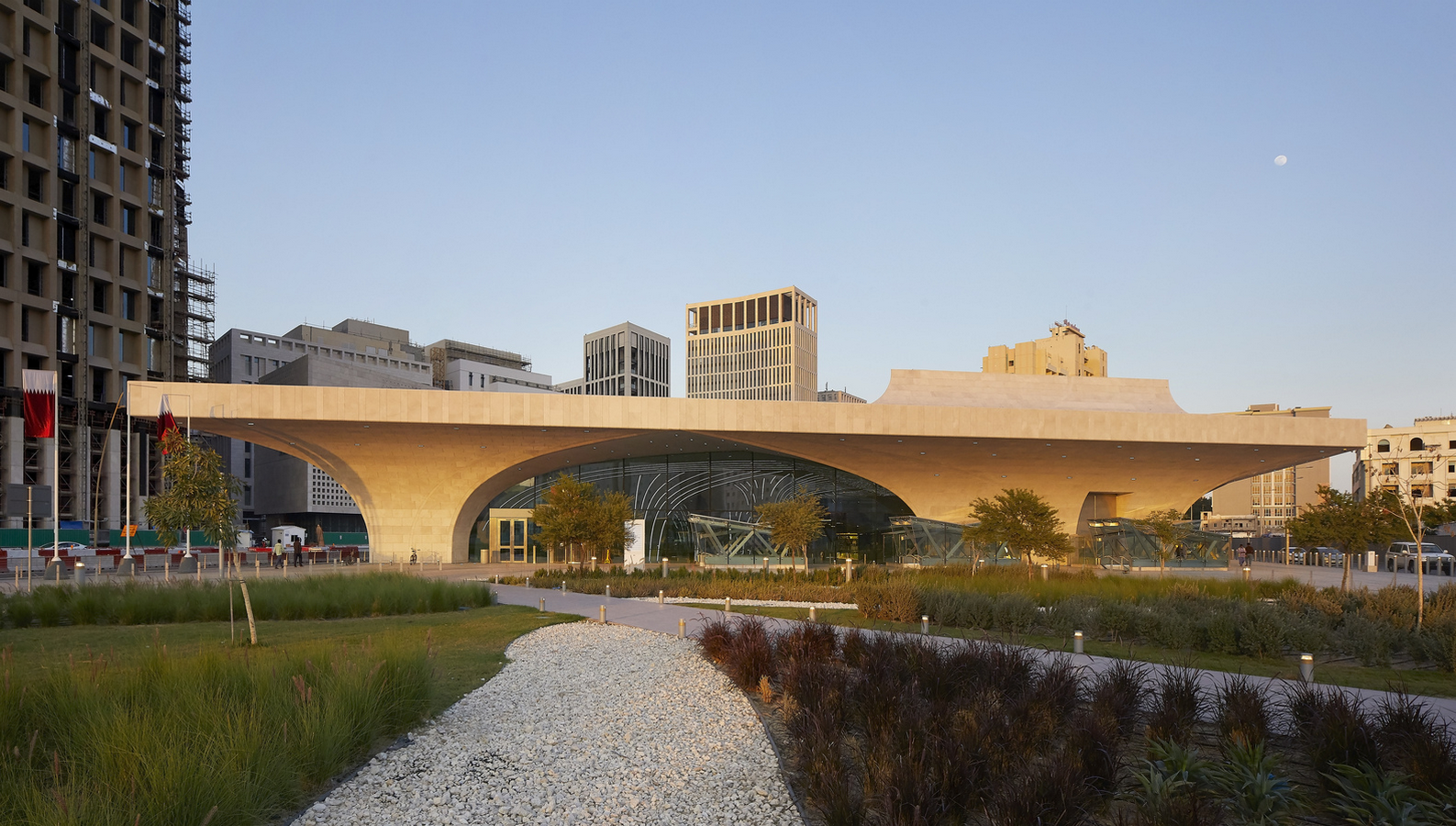
The rapid urbanization of Qatar has been supported by a world-class transportation network, which includes the Doha Metro, the Lusail Tram, and Hamad International Airport. The Doha Metro, which began operation in 2019, offers driverless trains, and energy-efficient stations, and a vast majority of the network operated underground. The metro stations have been designed by UNStudio, with vaulted ceilings like traditional Qatari architecture, but with a futurist twist. The Lusail Tram, a fully electric tram system, improves the connectivity within Lusail City by emitting fewer carbon emissions. Hamad International Airport, designed by HOK and ADPi, is one of the world’s most luxurious and technologically advanced airports that has wave-like roof structures, all inspired by the coasts of Qatar. These smart mobility solutions are part of Qatar’s vision to create a connected and sustainable future
Conclusion: A Pilgrimage for Architects
Qatar is not just a country; it is a modern-day architectural experiment. It embraces traditional architecture while at the same time pushing the envelope in terms of design, thus making it a must-visit destination for architects and designers. From the winding paths of Souq Waqif to the futuristic towers of Lusail, the skyline of Qatar is a tale of bold, resolute and elegant choices.
For anyone interested in architecture, Qatar provides a rich experience that spans the traditional and the innovative, the age-old desert and the modern architectural wonder.
Articles:
- Wikipedia Contributors (2024). Architecture of Qatar. [online] Wikipedia. Available at: https://en.wikipedia.org/wiki/Architecture_of_Qatar.
- Heathcote, E. (2024). Yasmeen Lari, the pioneer of ‘barefoot architecture’. [online] @FinancialTimes. Available at: https://www.ft.com/content/2c2c05c7-48bd-473f-9db2-a7ee191963db.
- Cochran, S. (2025). Inside a Cutting-Edge New Mosque in Qatar. [online] Architectural Digest. Available at: https://www.architecturaldigest.com/gallery/inside-a-cutting-edge-new-mosque-in-qatar
Websites:
- Visit Qatar (2025) Official Website. Available at: https://visitqatar.com/
- Complete guide to visiting Qatar (2008) ILoveQatar.net. Available at: https://www.iloveqatar.net/guide/visiting
- Education City: Home page (n.d.) Education City | Home page. Available at: https://educationcity.qa/
Podcasts:
- I Wanna Grow Podcast (2025). How is Design Evolving in Qatar’s Cultural Landscape? 🇶🇦✨. [online] YouTube. Available at: https://www.youtube.com/watch?v=sUzyg-TA9Y0
Youtube
- www.youtube.com. (n.d.). Qatar’s Architectural Identity. [online] Available at: https://www.youtube.com/watch?v=CDq9qU4qIiQ.
Images
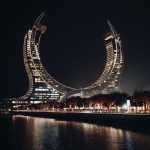
- Image 1_ Ansari, O. (2024).Katara Towers. [Image]
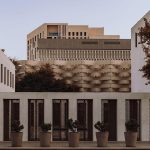
- Image 2_ Ansari, O. (2024).Msheireb Jumma Mosque, Msheireb Downtown Doha. [Image]
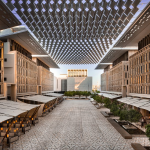
- Image 3_ AlAzmeh , J. and Khatib, A. (n.d.). Msheireb. [Digital photograph] Available at: https://dow.studio/wp-content/uploads/2022/09/DOW_0055-2.jpg.
- Image 4_Ansari, O. (2024). Msheireb Downtown Doha. [Image]
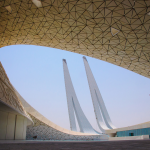
- Image 5_Eductationcity.qa ed., (n.d.). Education City Mosque (Minaretein). [Digital photograph] Available at: https://educationcity.qa/frontV2/assets/images/attractions/attraction-ecmosque-1.jpg.
- Image 6_Ansari, O. (2024). National Museum of Qatar. [Digital photograph].
- Image 7_Ansari, O. (2024).Souq Waqif. [Image]
- Image 8_Ansari, O. (2023).21 High Street, Katara Cultural Village. [Image]
- Image 9_Eductationcity.qa (n.d.). Qatar National Library. Available at: https://educationcity.qa/frontV2/assets/images/attractions/attraction-qnl-1.jpg.
- Image 10_Lusail.com (n.d.). Lusail City Boulevard. Available at: https://www.lusail.com/wp-content/uploads/2023/03/DJI_0430.jpg.
- Image 11_ME Engineers (n.d.). Al Bayt Stadium_. Available at: https://me-engineers.com/wp-content/uploads/2017/12/Al-Bayt-Complete-1.jpg.
- Image 12_MIA (n.d.). Museum of Islamic Art. Available at: https://qmwebsiteprodstorage.blob.core.windows.net/media/images/mia-bazaar.2e16d0ba.fill-2260×1272.jpg.
- Image 13_mimararchitecture (n.d.). Imam Muhammad Ibn Abd Al Wahhab Mosque. [Digital photograph] Available at: https://mimararchitecture.com/wp-content/uploads/2023/07/Imam-Muhammed-Ibn-Abd-Al-Wahab-Mosque-7.webp.
- Image 14_Qatarliving (n.d.). Al Gharrafa Air Condition Park. Available at: https://files.qatarliving.com/post/2022/09/11/GHARAFA_AIR_CONDITION_PARK_QATAR.jpg.
- Image 15_Qatar Loving ed., (n.d.). Hamad International Airport. [Digital photograph] Available at: https://www.qatarloving.com/articles/hamad-international-airport-celebrates-a-decade-of-excellence-in-operation.jpg.
- Image 16_ Hufton+ Crow (n.d.). Doha metro. [Digital photograph] Available at: https://images.adsttc.com/media/images/5f57/4c7b/b357/65e3/2a00/02a4/slideshow/%C2%A9Hufton_Crow_UNStudio_Qatar_Rail_041_Msheireb.jpg?1599556691.
- Image 17_Ansari, O. (2024).A walk through Souq Waqif. [Image]