When people think of Kenya, they think of the wilderness, the Maasai, and the movie ‘The Lion King’. While these are a part of my country, Kenya is so much more. In the words of Naomi Campbell, British Supermodel, ‘Kenya is just like a natural gem. It has the safari, it has the bush, it has the coast, it has the dunes, it has all the elements, and people don’t realise that.’ It’s a country worth exploring and discovering. For architects, Kenya is a place of inspiration, motivation, and rejuvenation. It provides a rich opportunity for architects to grow their knowledge about architecture and various other fields.
Below are 10 Reasons why every Architect should visit Kenya!
-
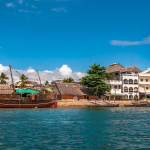
Lamu – UNESCO World Heritage Site
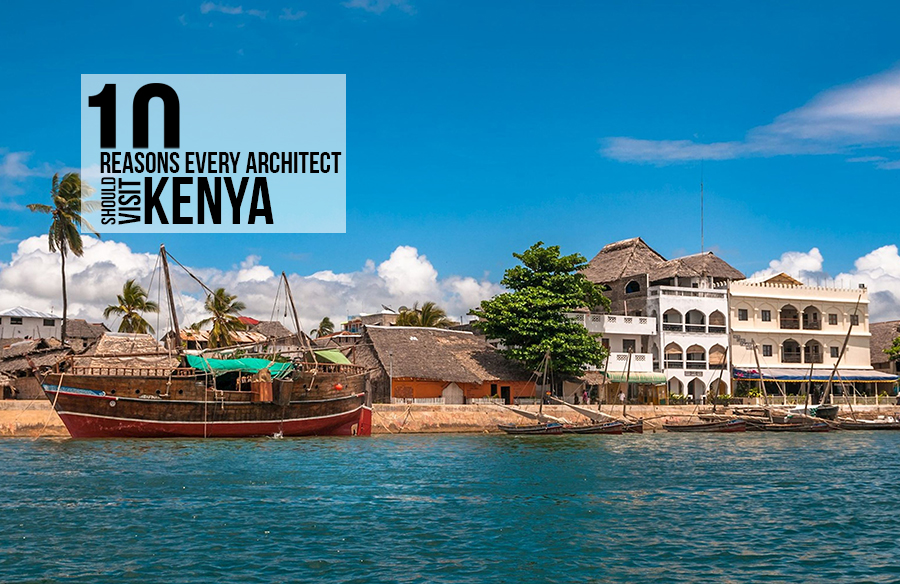
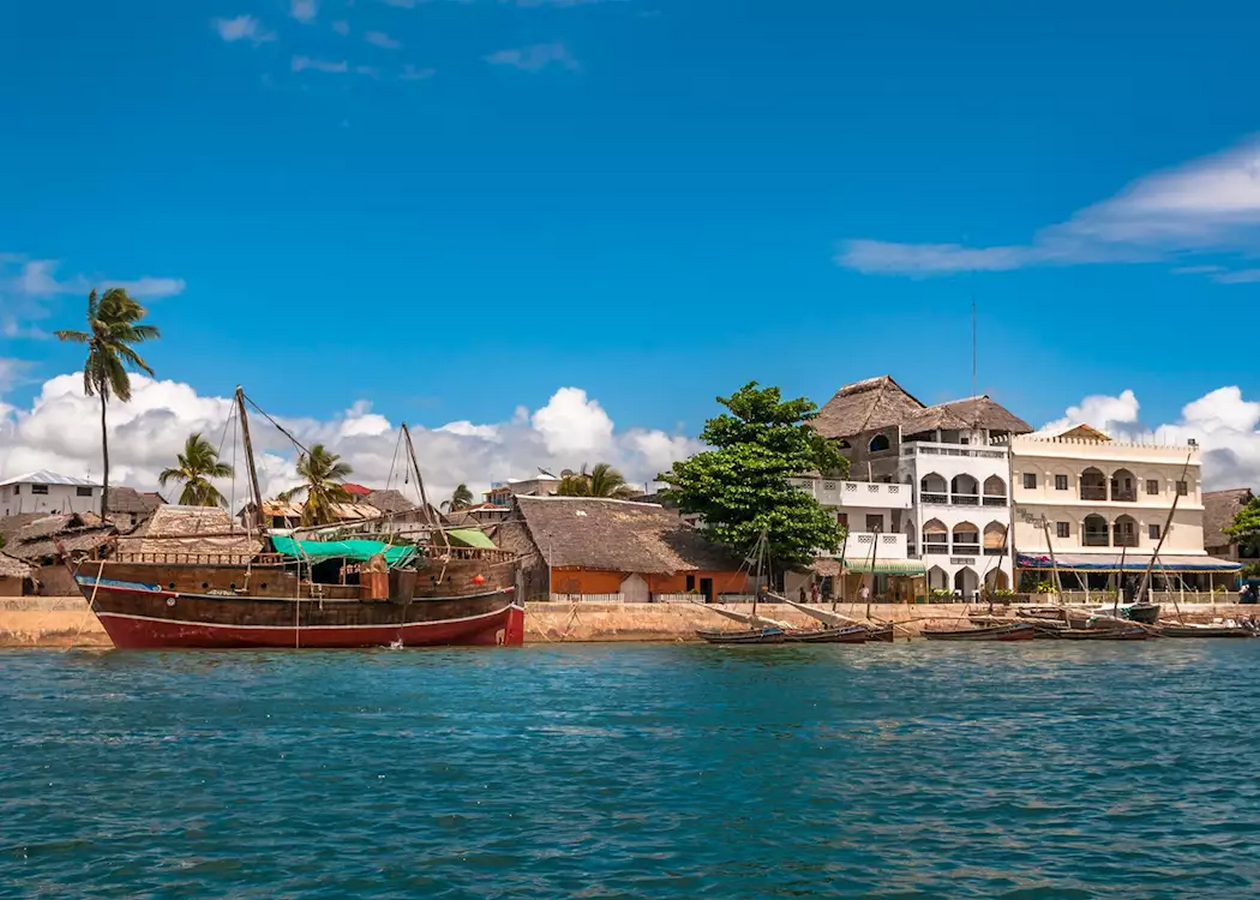
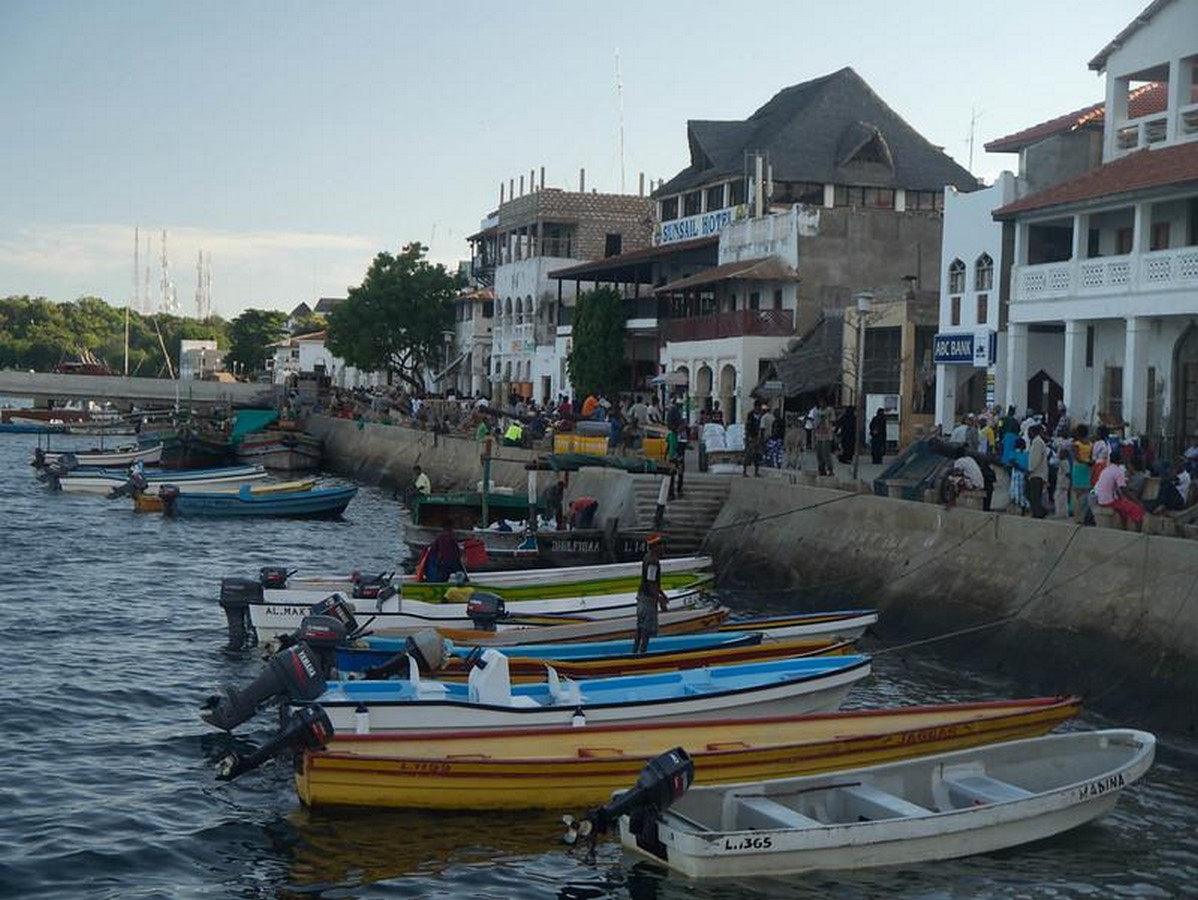
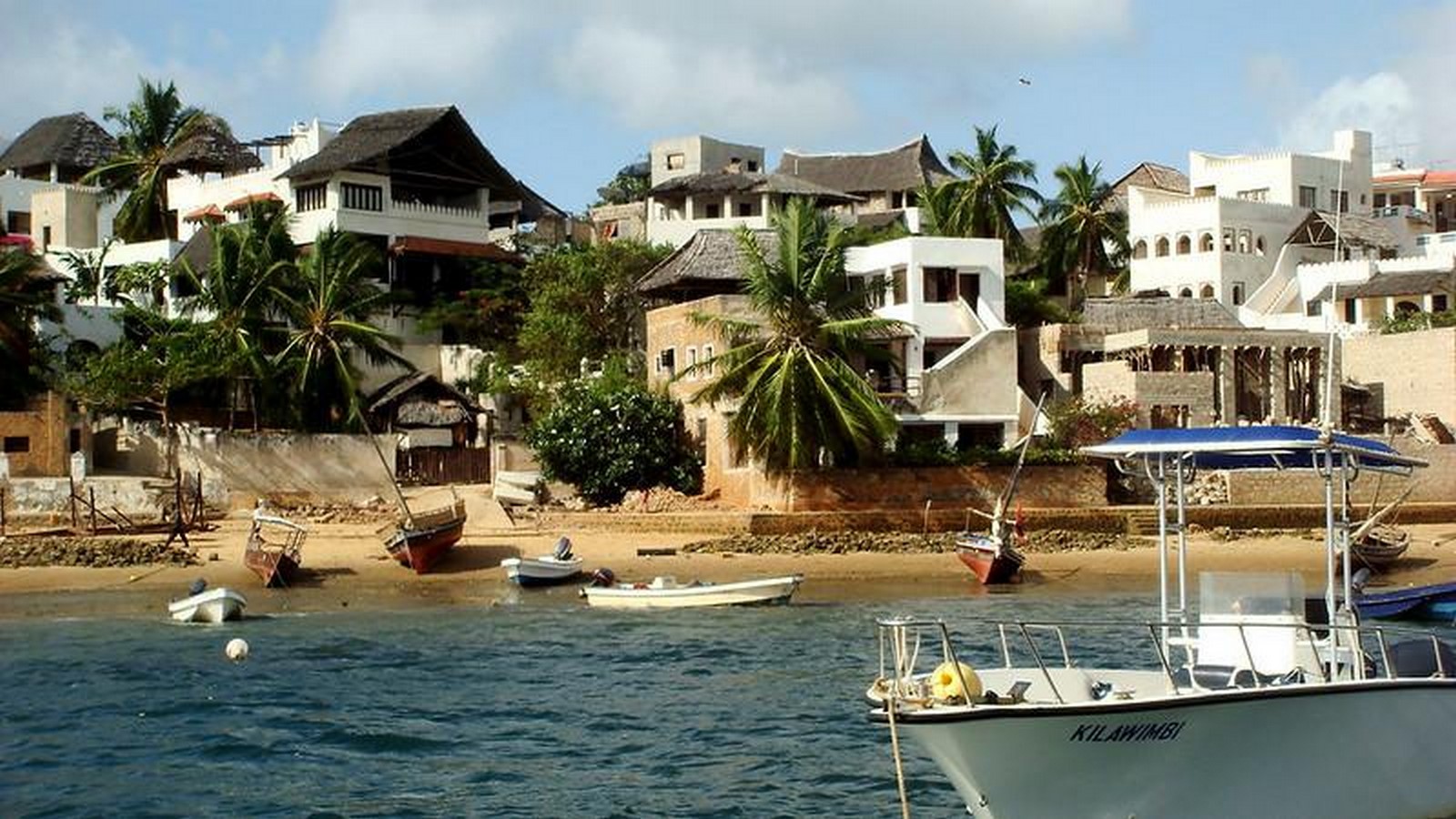
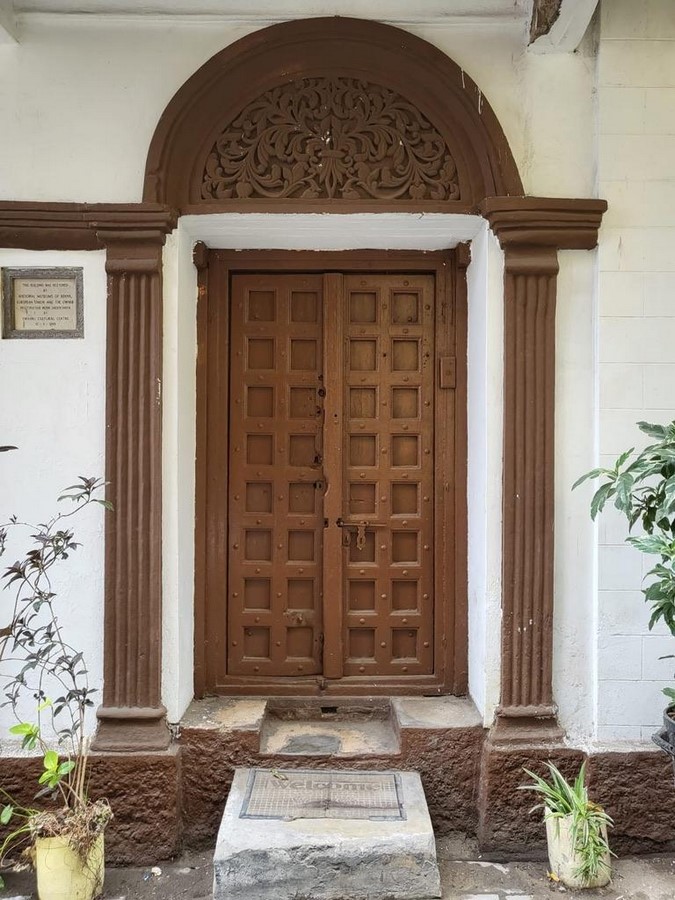
Nestled on the coast of Kenya on the equator, Lamu takes one back to the past of Sultans and Sheikhs. The ancient alleyways and Swahili homes are a monument of architecture against time. Architects can draw inspiration from the rich history of Lamu and the charming Swahili houses that adorn it. They can learn about the relationship between architecture and tradition, seeking inspiration from traditional Swahili homes, known for their innovative use of materials and sustainability, to develop new ideas in the field.
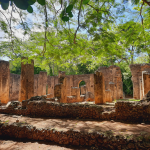
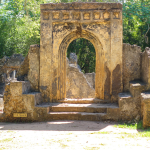
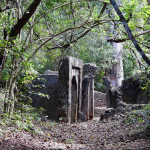
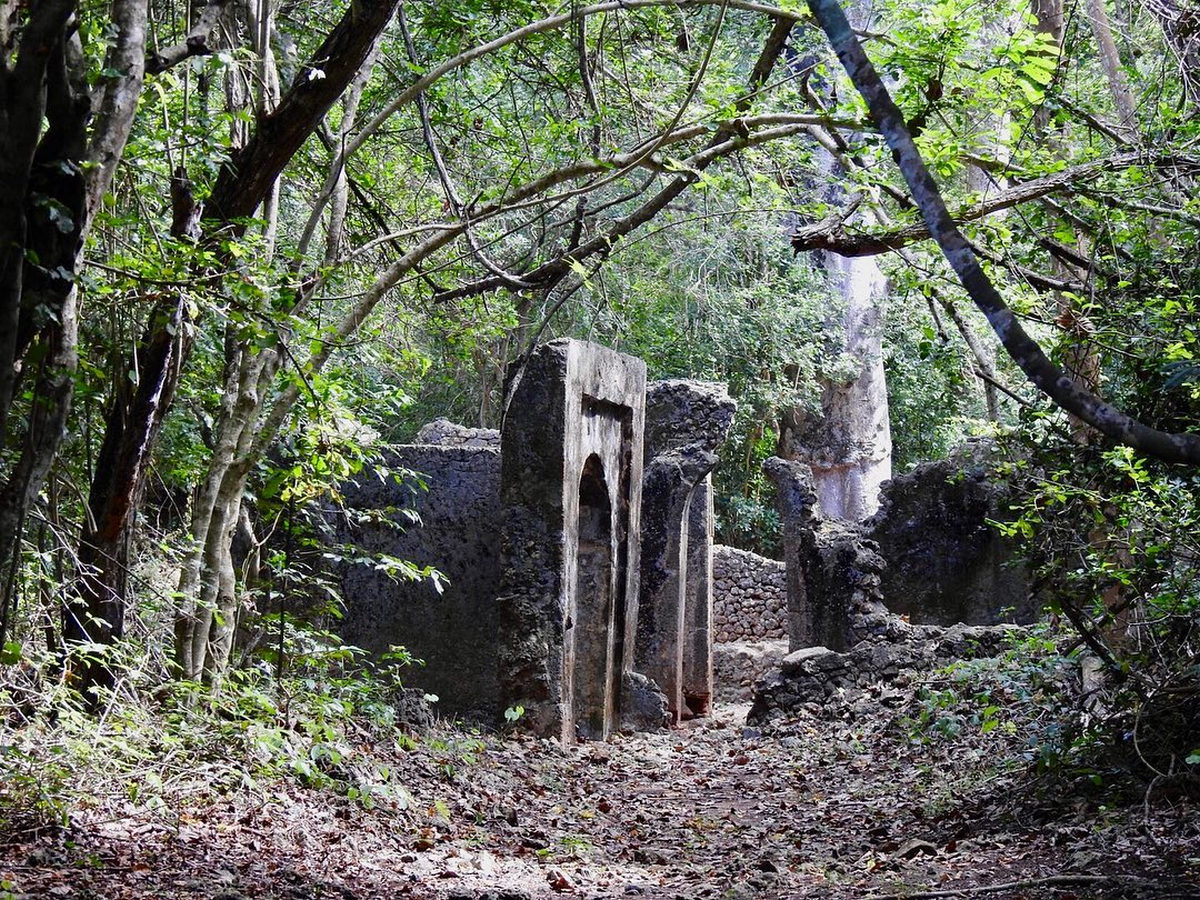
2. Malindi – Gede Ruins
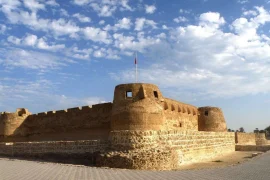
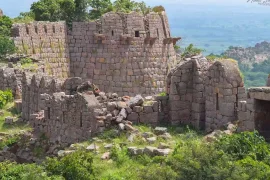
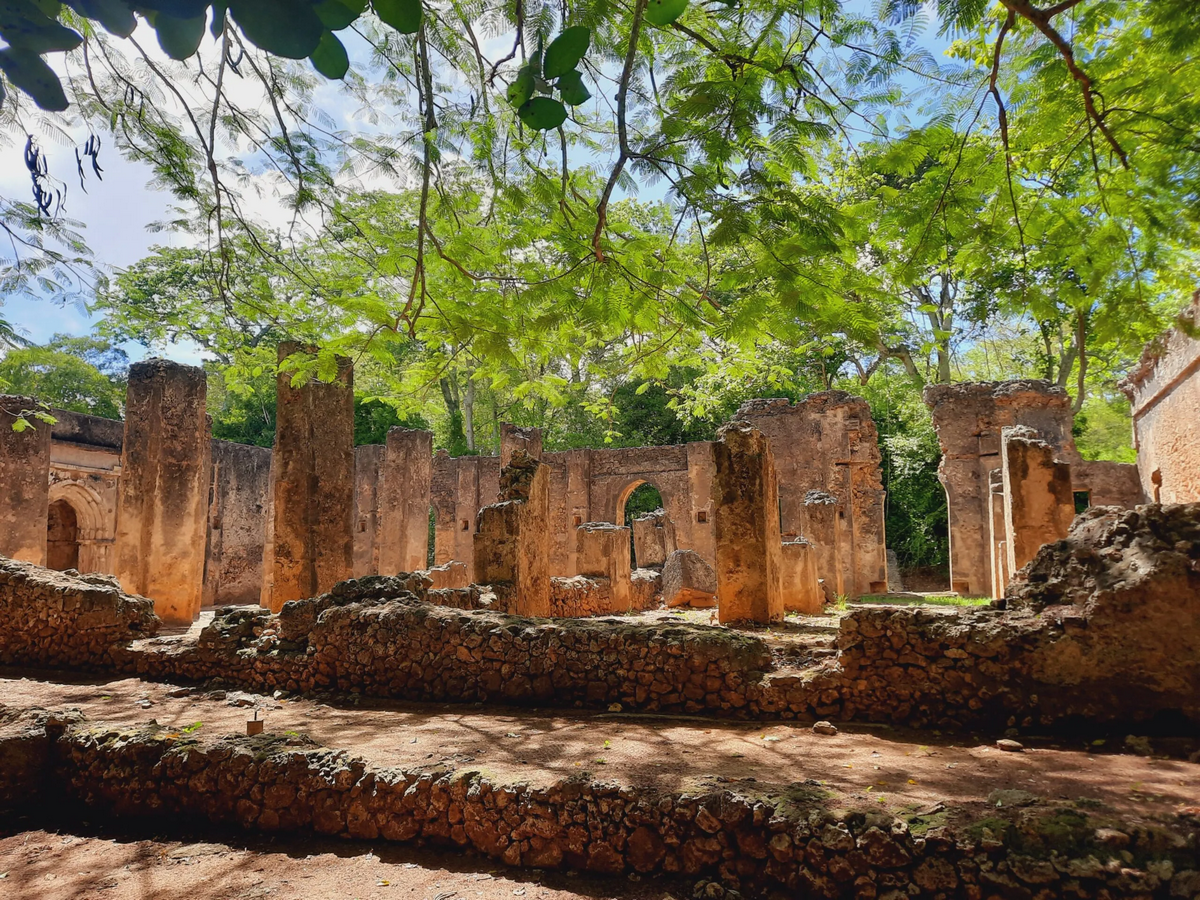
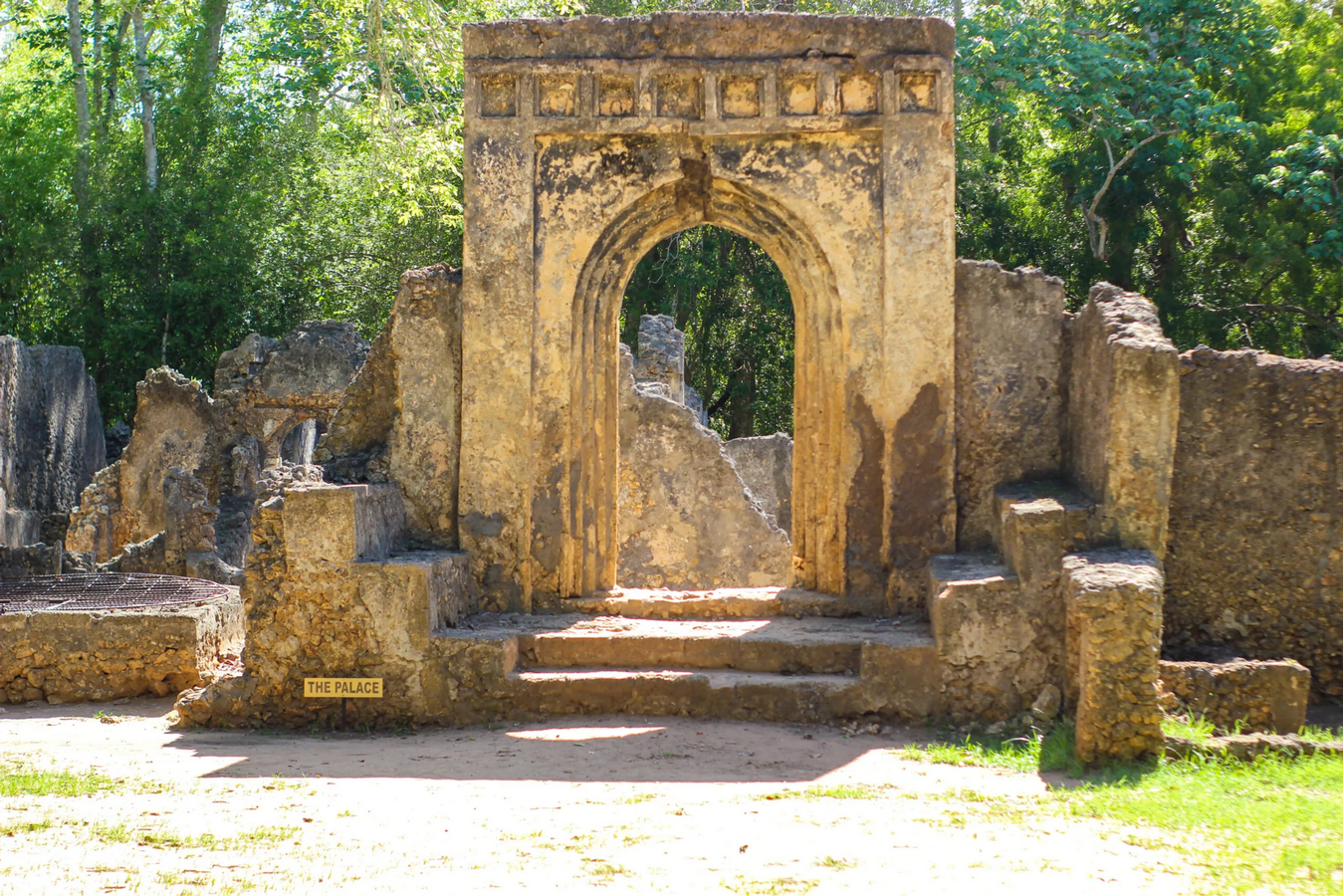
The ruins of Gede are incredibly insightful for architects, as they depict the remains of ancient settlements, including domestic, religious, and civic architecture, as well as a sophisticated water management system. It strongly represents the characteristics of Swahili architecture and town planning, utilising materials such as coral rag, coral, and earth mortar, along with wood. Architects can see traditional Swahili spatial planning, sustainability, and materiality at its finest.
3. Nairobi – Networking Opportunities
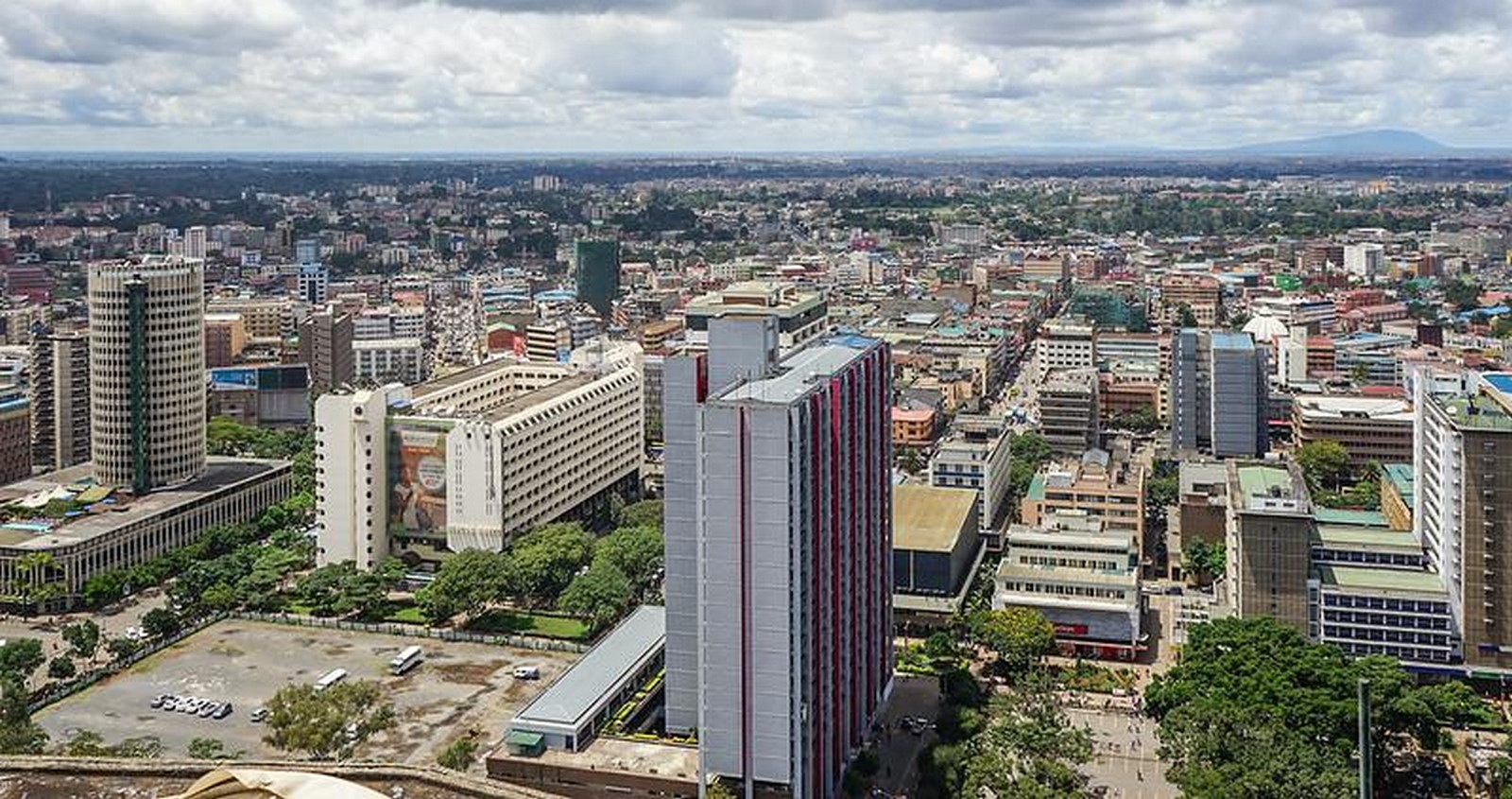
Nairobi’s fast-paced and growing architectural scene is a promising environment for young architects. Dubbed as the centre of East Africa’s thriving arts scene by the BBC, Nairobi is home to large international firms and notable architects. The architectural scene is evolving, providing architects with an opportunity to gain a head start in this booming industry.


4. Tsavo Salt Lick Safari Lodge – Masaai Hut – Inspired Lodge
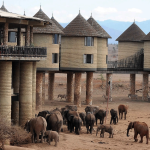
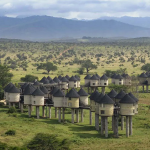
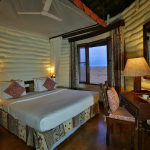
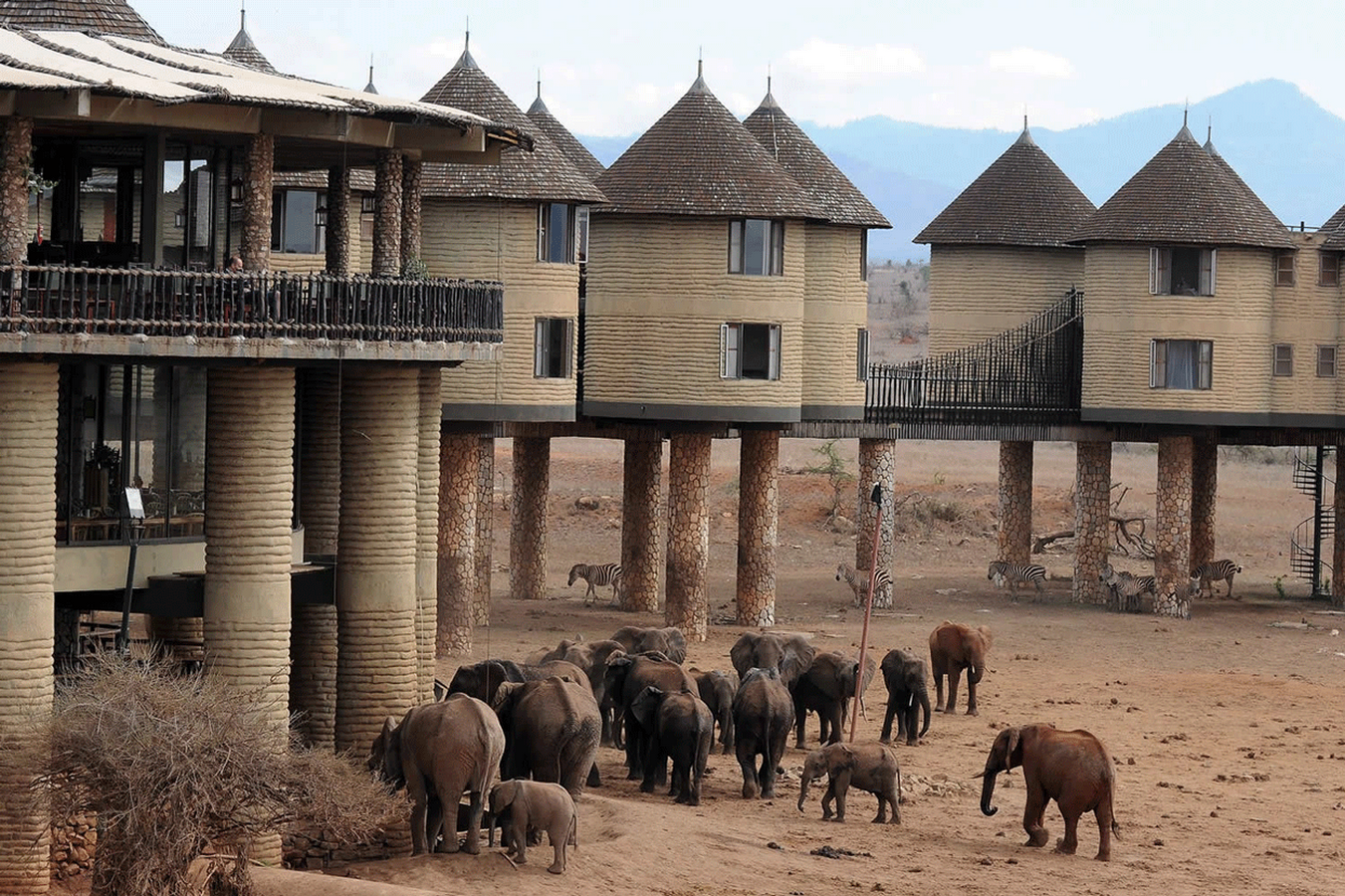
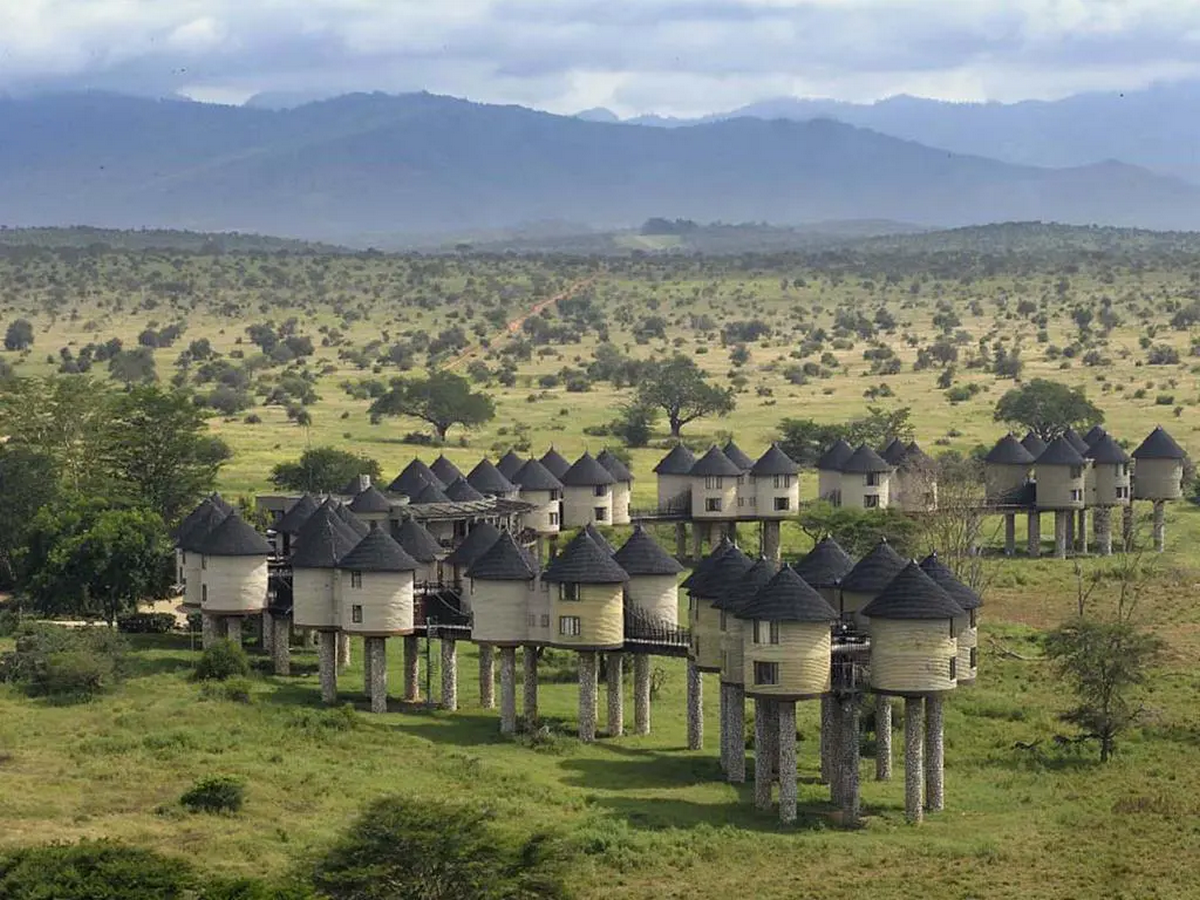
The Tsavo Salt Lick Safari Lodge is a prime spot for those seeking inspiration for the emerging contemporary vernacular style. The Maasai-inspired lodge is a good example of blending cultural heritage and modern architecture. It’s also an exemplary case of blending a structure with its environment, respecting the honouring of people, local forms, architecture, and traditions, as well as sustainability.

5. Innovation Hub for New Materials
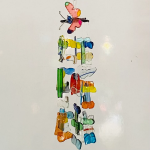
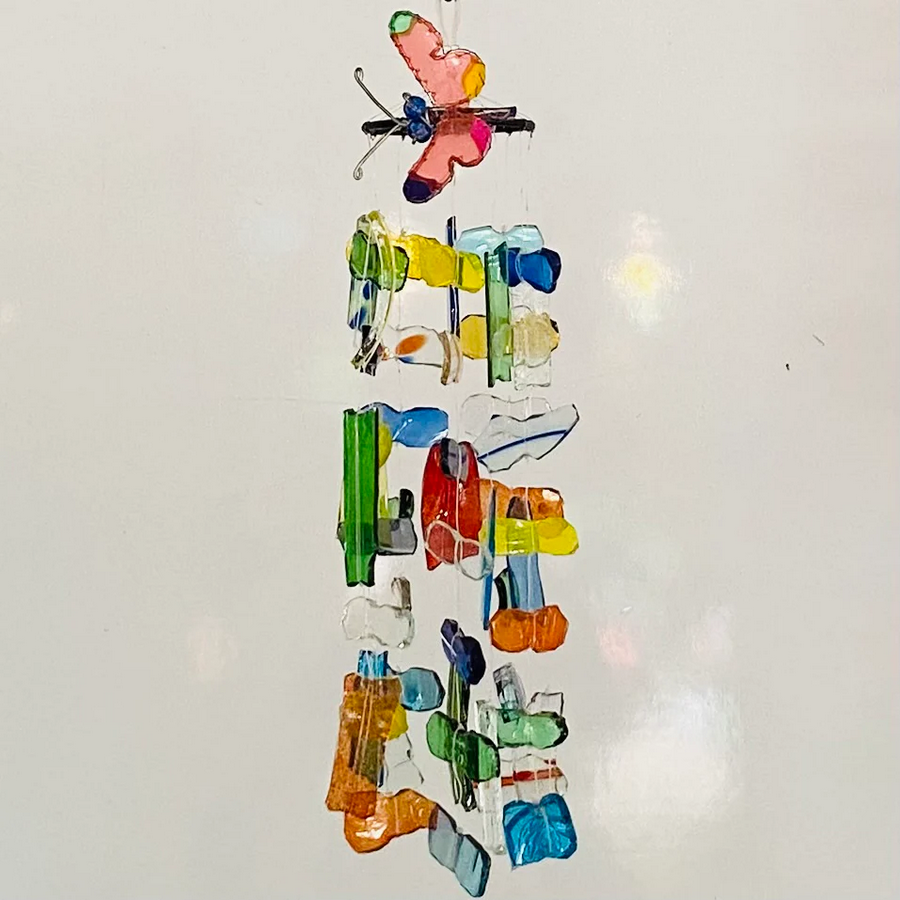
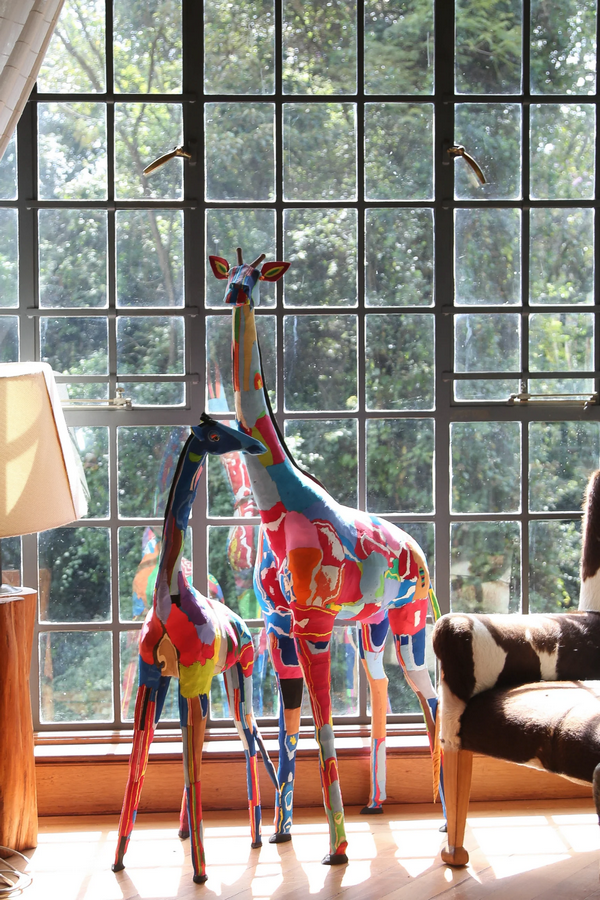
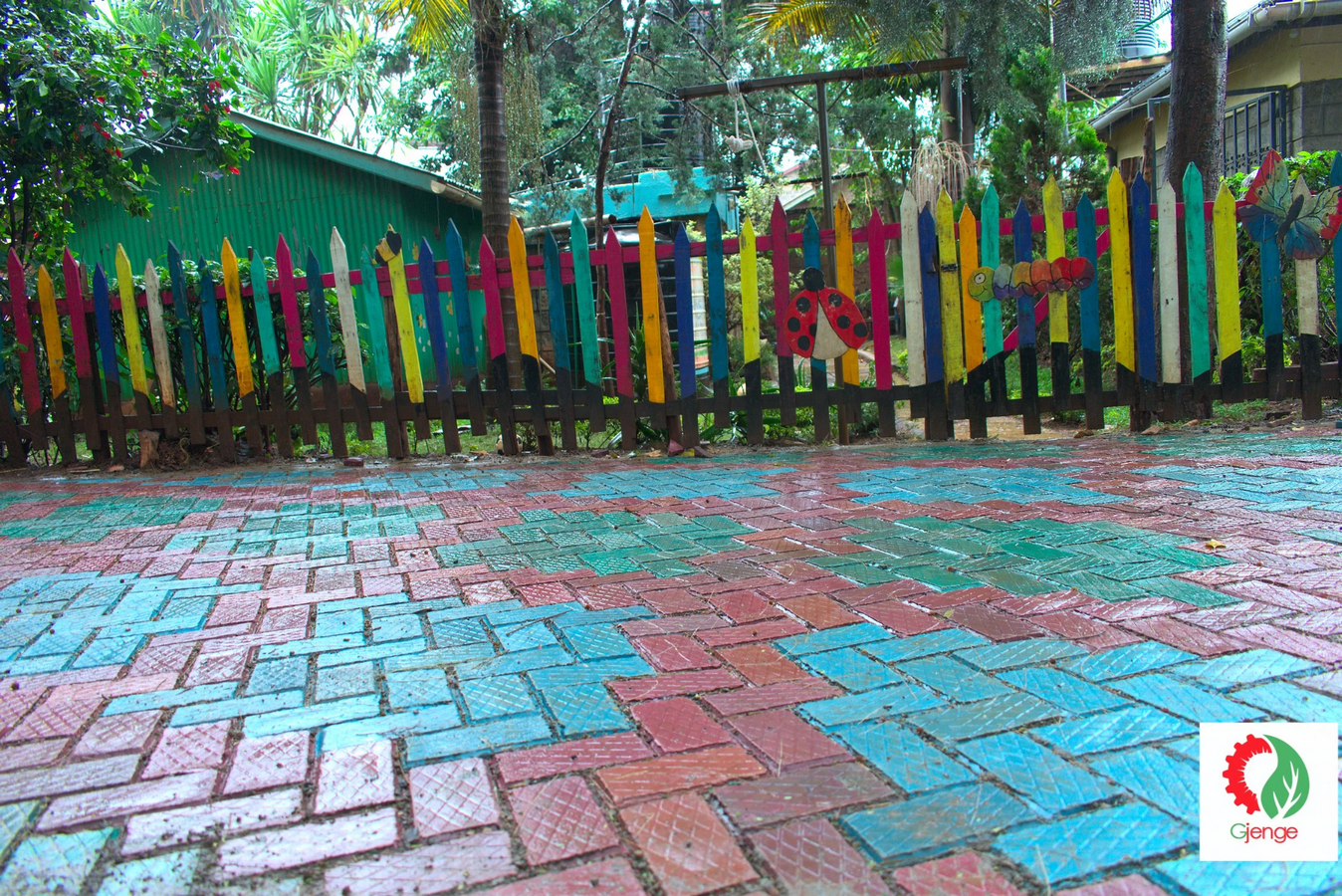
Kenya’s innovative people have developed unique new materials and bespoke decorative items. Some notable examples include Kitengela Glass, where scrap glass is reused and repurposed into beautiful glassworks; Ocean Sole, which creates flip-flop art and sculptures made from flip-flops found on the beach; and Gjenge Makers, who have turned to alternative building materials and products made from recycled plastic. For an architect, this can be a valuable opportunity to incorporate sustainable, locally crafted materials into their designs and expand their network.
6. Some R&R!
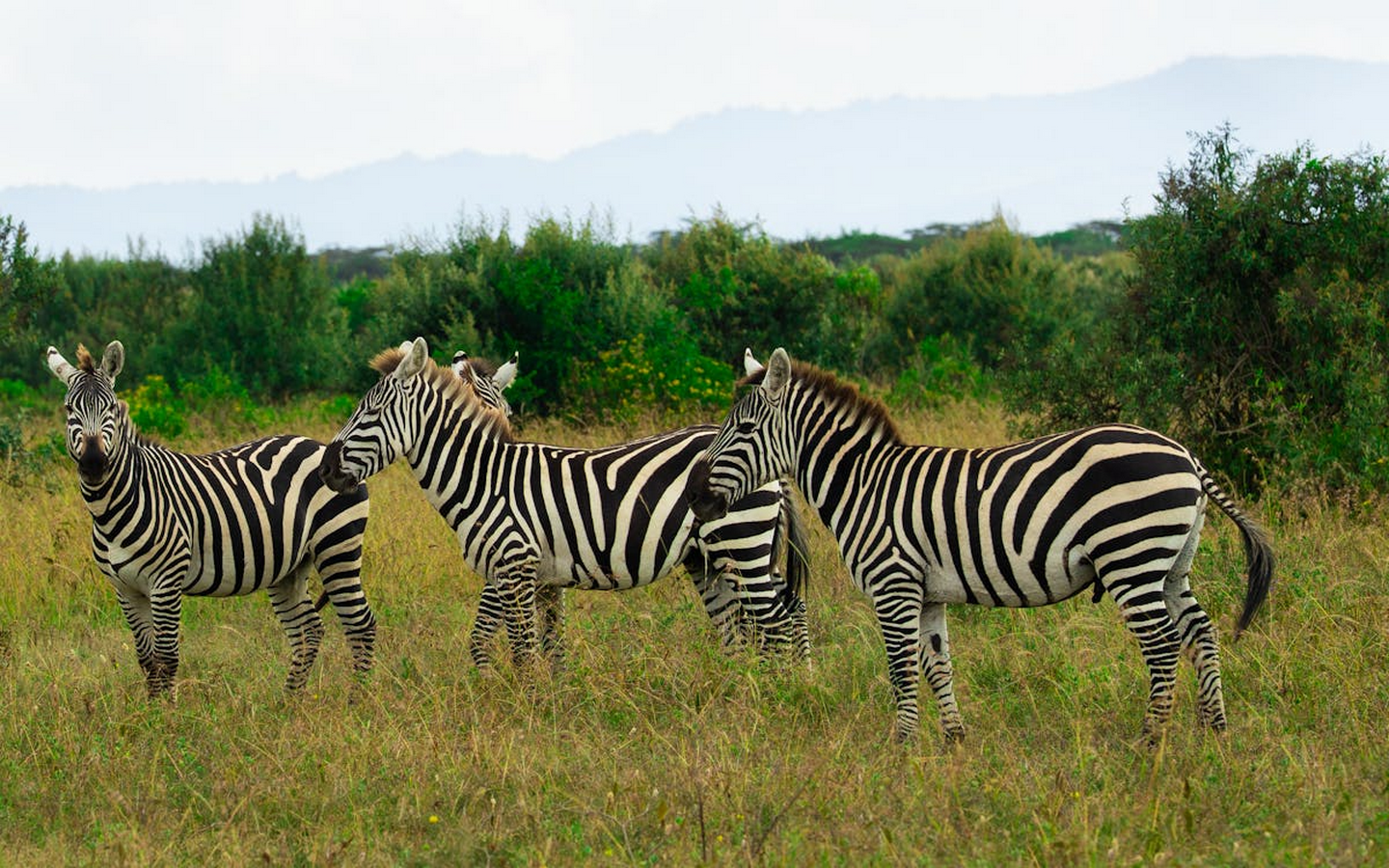
There’s no better place for rest and relaxation than Kenya! The options to choose from are endless: the beach, the mountains, the plains, quiet towns, or the bustling cities. Architecture can be all-consuming, and having quality rest time in a country as diverse and easygoing as Kenya is a way to recharge and find some work-life balance.

7. Vernacular and Indigenous Architecture
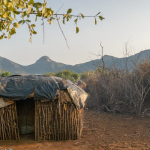
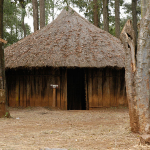
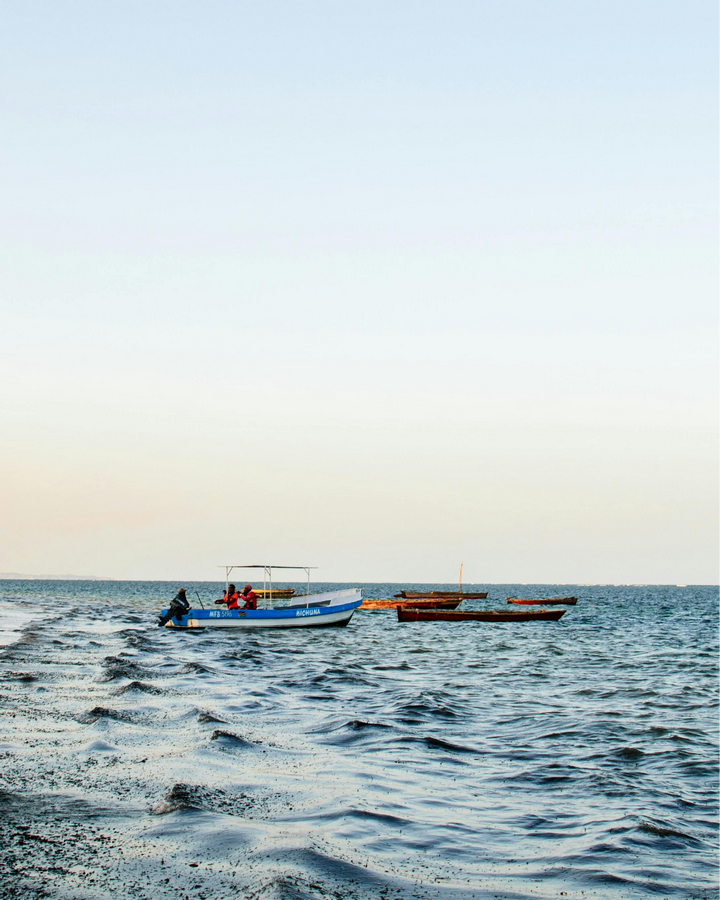
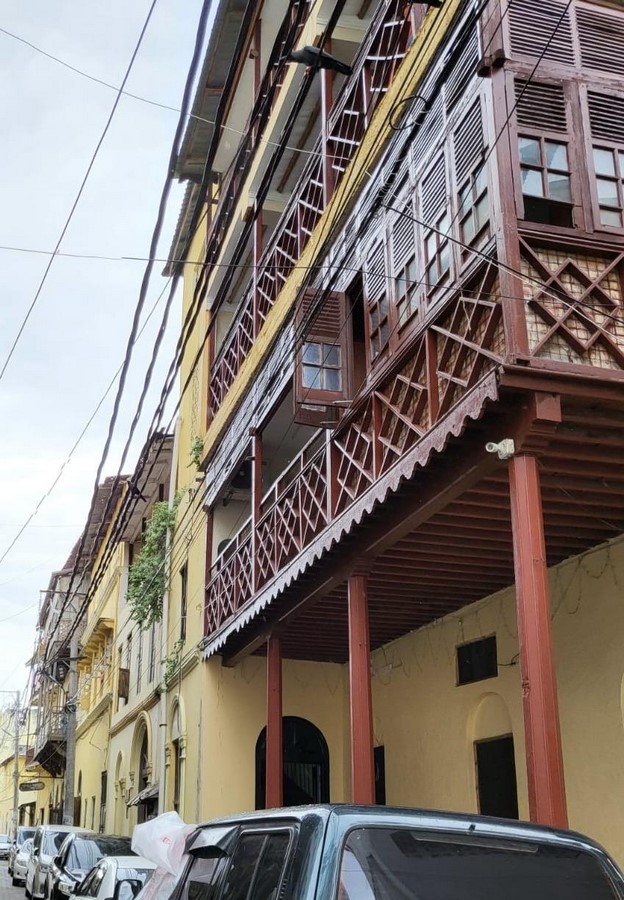
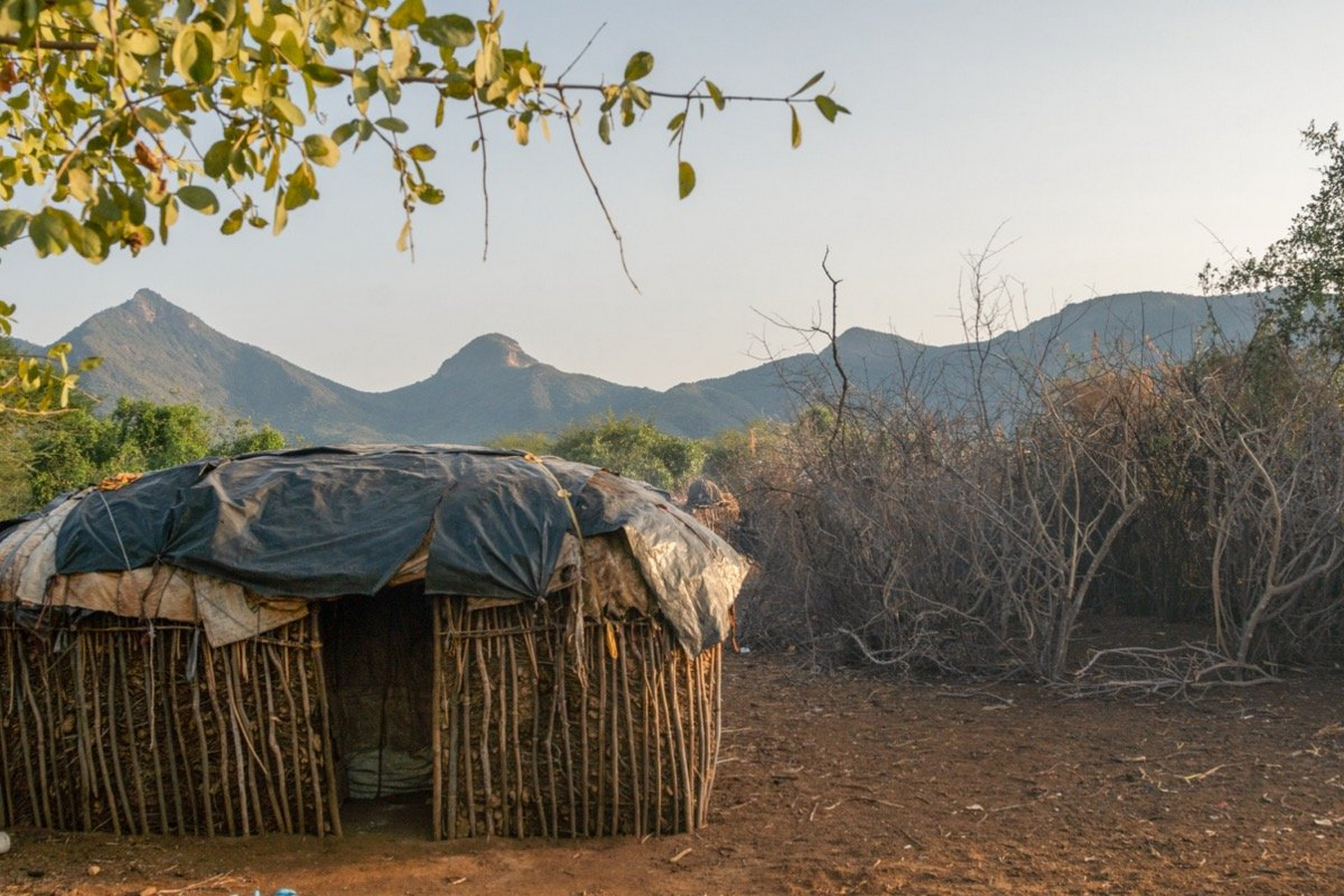
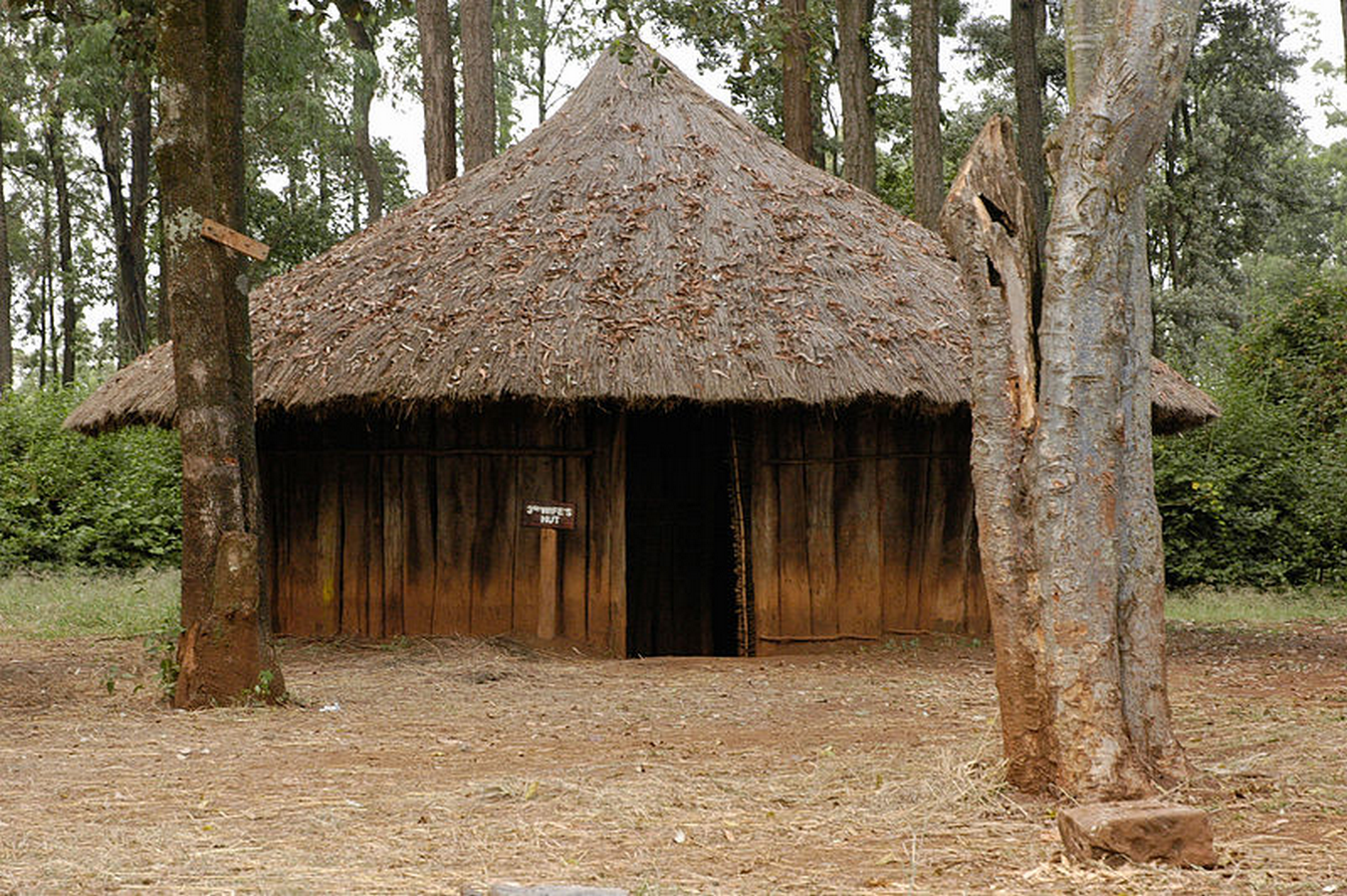
Kenya offers the opportunity to study various traditional architectural styles, including Swahili coastal architecture, known for its use of coral stone and passive cooling techniques. Inland, Maasai manyattas are found alongside Kikuyu timber dwellings. The range of traditional architecture allows architects to study the sustainable practices that have been adapted to local climates and cultures.
8. Architectural Transformation – Postcolonial Kenya
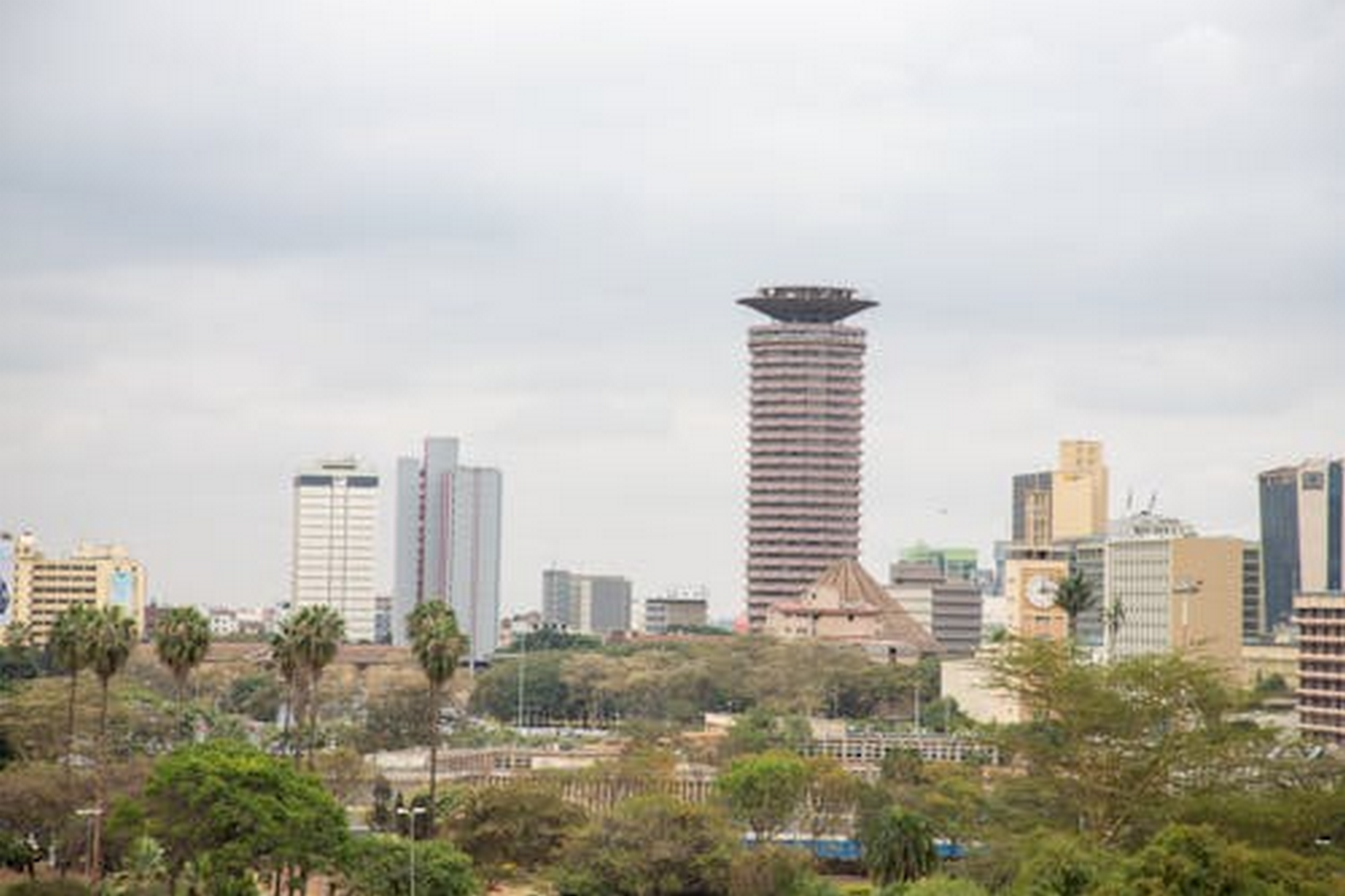
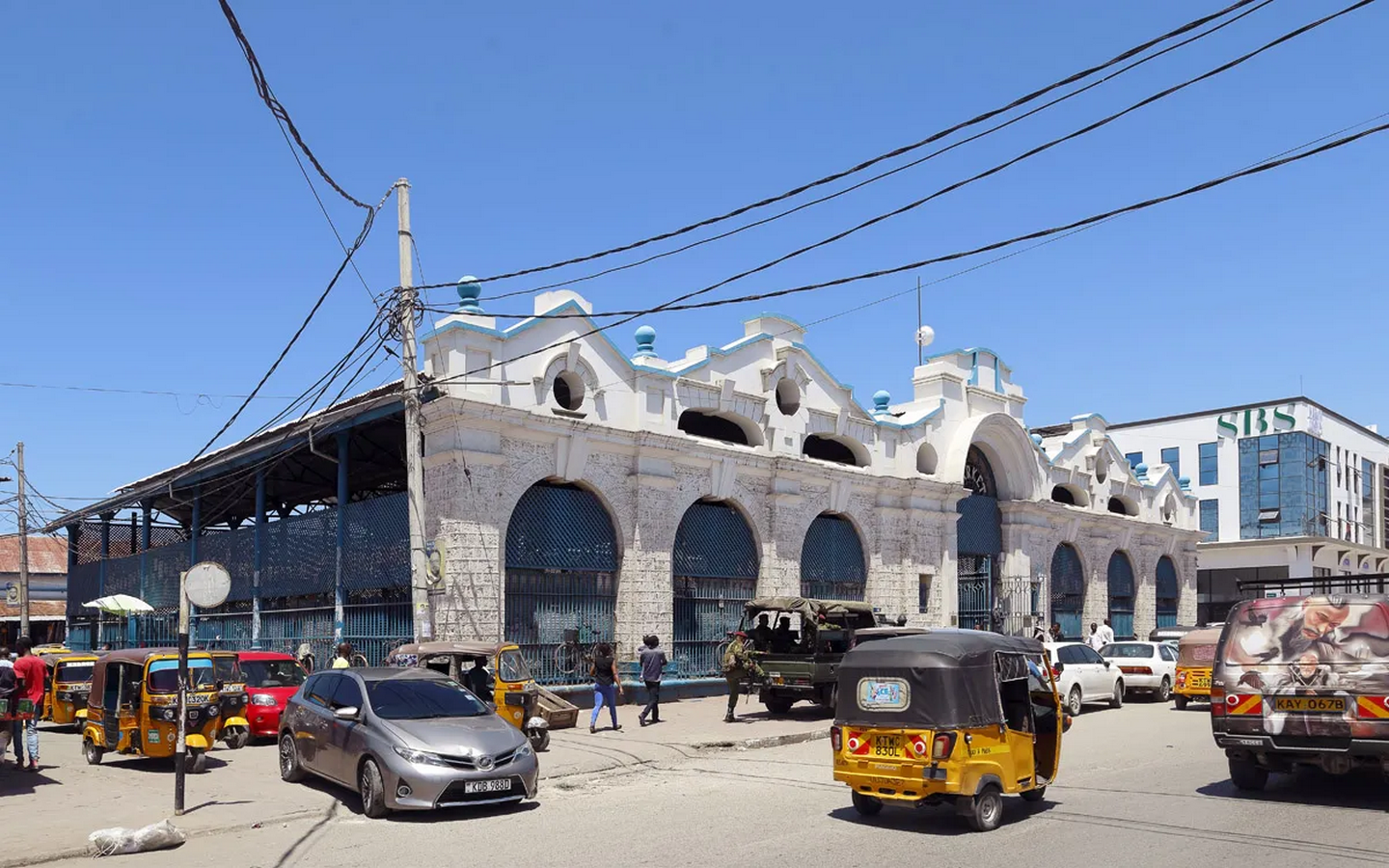
Nairobi reflects the shift between the colonial legacy, post-independence modernism, and contemporary urban development. From British Edwardian structures to post-independence rising glass towers, the city is a living case study of the relationship between architecture and identity. For architects, this provides the opportunity to understand the impact of colonialism on architecture.

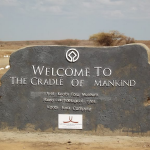
9. Cradle of Humankind
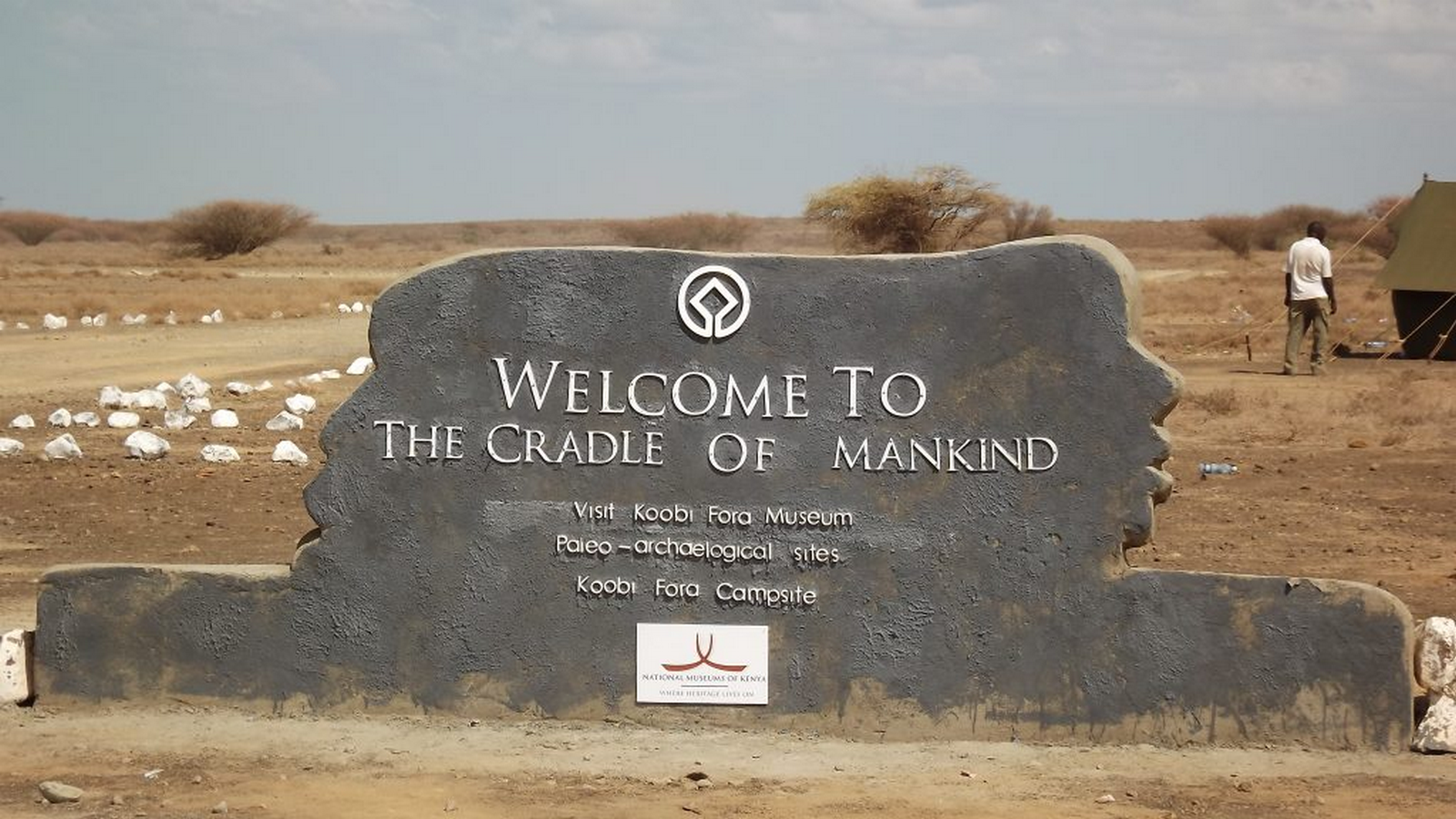
Kenya is widely recognised as the Cradle of Humankind, where some of the earliest human fossils were discovered. For architects, this presents an opportunity to explore how the first humans adapted to their environments through the construction of shelters, such as those found at ancient hominid sites in Turkana, and early settlement patterns.
10. Mombasa Old Town – History and Architecture
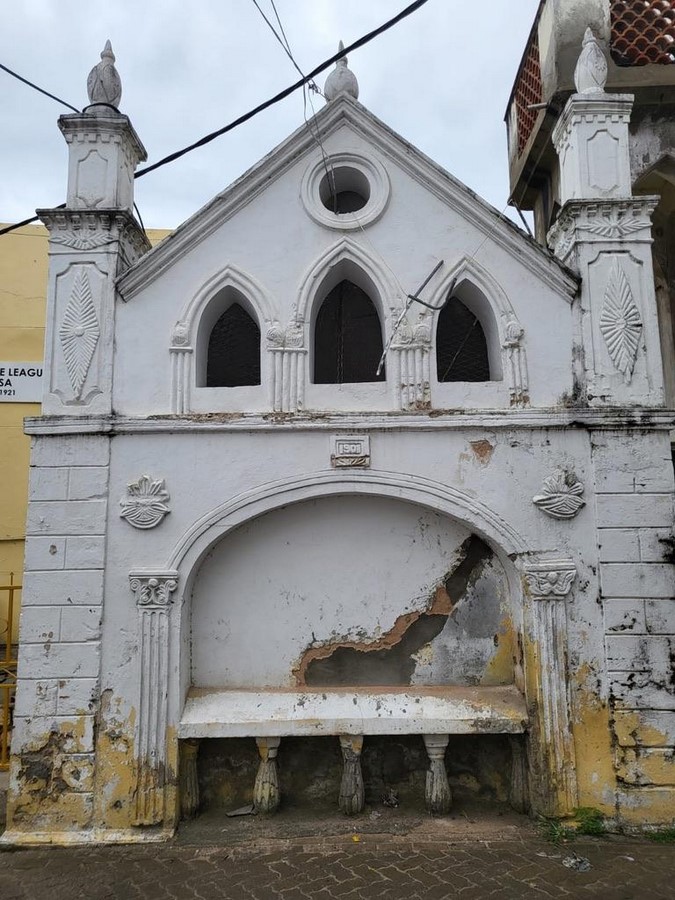
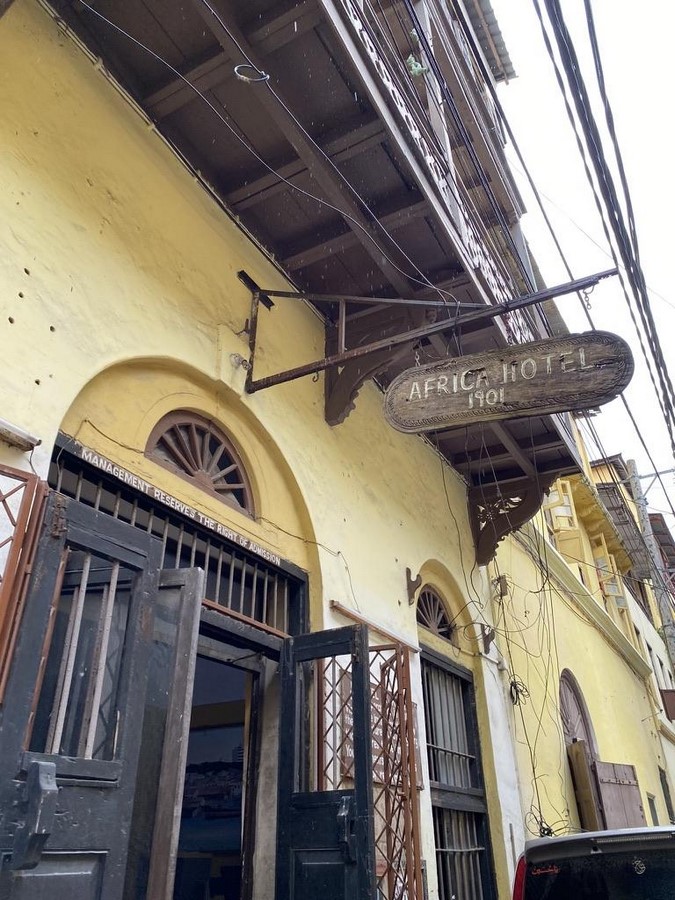
Mombasa’s old town is an excellent representation of Kenyan history through the built environment. Every period of Mombasa has a building to represent it – a Portuguese fort from the Portuguese sacking, Colonial buildings from British rule, Indian shopfront houses from the introduction of Indian Merchants, mosques for Omani influence, and, of course, Swahili buildings from the Swahili. For architects who love the relationship between time and architecture, Mombasa Old Town is a destination worth visiting.
Kenya is a wonderful country and can be a valuable experience for architects, designers, or anyone, for that matter! “I remember the first time I was coming to Kenya and I said to Lauren Hutton, ‘I’m going to Kenya,'” [Naomi] Campbell continued. “She said to me, ‘Look at your smile when you come back from Kenya, and you’re going to have a real smile.’ And I understood what she meant. She’s 100% right.” I hope every architect takes the opportunity to visit this beautiful country and find a genuine smile, seek inspiration and broaden their architectural knowledge.
References:
Architectural Digest (2021) Inside Naomi Campbell’s Luxury Villa In Kenya | Open Door, YouTube. Available at: https://youtu.be/KIqQ0gowzt4?si=oZURTLv4n4yicCXI (Accessed: 24 July 2025).
BBC (2021) ‘Nairobi – the centre of East Africa’s thriving arts scene’, BBC. Available at: https://www.bbc.com/news/world-africa-57422167 (Accessed: 19 July 2025).
UNESCO World Heritage Convention (no date) The historic town and Archaeological Site of Gedi, UNESCO World Heritage Centre. Available at: https://whc.unesco.org/en/list/1720/ (Accessed: 18 July 2025).
Malone, C. (2023) Lauren Hutton once told Naomi Campbell a secret about Kenya, Showbiz Cheat Sheet. Available at: https://www.cheatsheet.com/news/lauren-hutton-naomi-campbell-kenya.html/ (Accessed: 17 July 2025).
National Museums of Kenya (no date) Kenya: Cradle of humankind – google arts & culture, Google Arts & Culture. Available at: https://artsandculture.google.com/story/kenya-cradle-of-humankind-national-museums-of-kenya/vwURm3yPc05sKg?hl=en (Accessed: 19 July 2025).