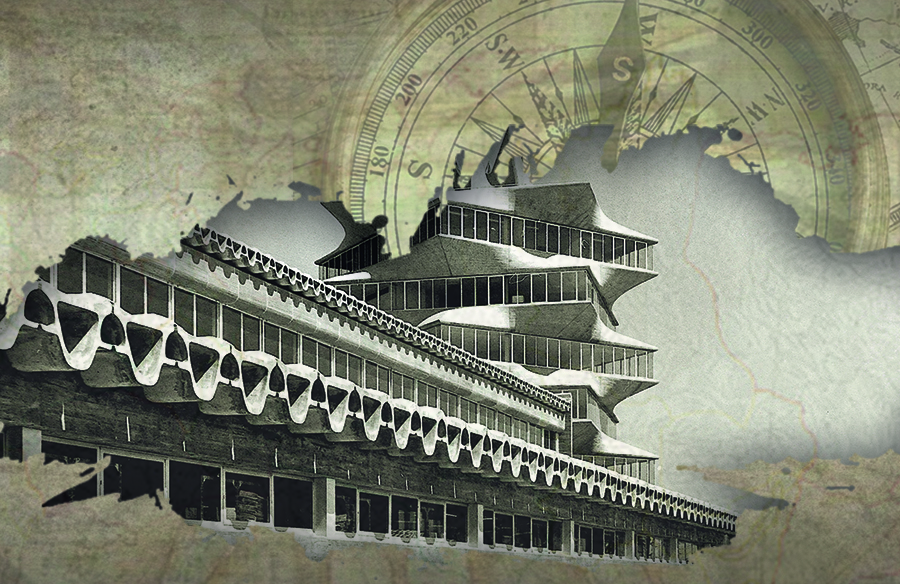
The historical records of contemporary architecture feature certain buildings which gained fame through their passionate designs although they met premature destruction. The beloved La Pagoda is one such example of a short-lived architectural marvel. The Laboratories Jorba represents a lost architectural heritage within Spanish architectural evolution. The structure earned its affectionate nickname “La Pagoda” because it adopted the architectural style of a traditional Pagoda. The innovative architect Miguel Fisac created this structure known as “La Pagoda” because of its pagoda-inspired design. Through Fisac’s brilliant architectural skills, the building created a striking silhouette that contained both remarkable architectural features and tragic elements and a theatrical demolition.
A Modern Architecture Marvel
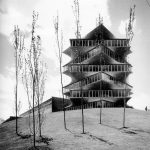
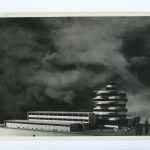
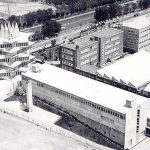
Serving as the main headquarters of the Jorba Pharmaceutical company, this complex encompassed two distinctive parts: an array of warehouses and an office building on a podium-like structure. This towering office building was a striking feature that caught the public’s eye and made it a landmark in Madrid’s architectural skyline.
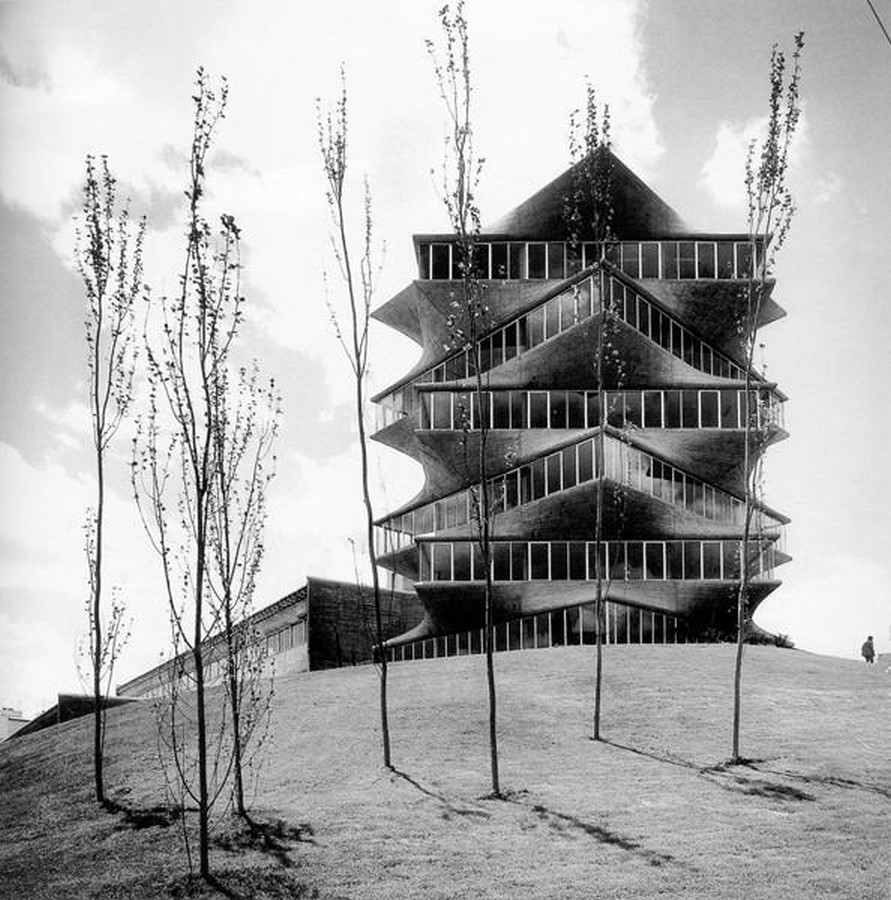
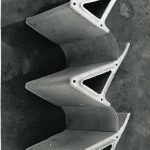
Fisac’s signature “bone beams” featured in the structural design of the warehouses, but the interesting part was the office tower spring across five floors. Planned in a square geometry, the floors were rotated 45 degrees relative to each other and the hyperboloid surfaces seamlessly anchored them together. The final look of the structure looked similar to that of a traditional pagoda which got it the nickname “La Pagoda”.
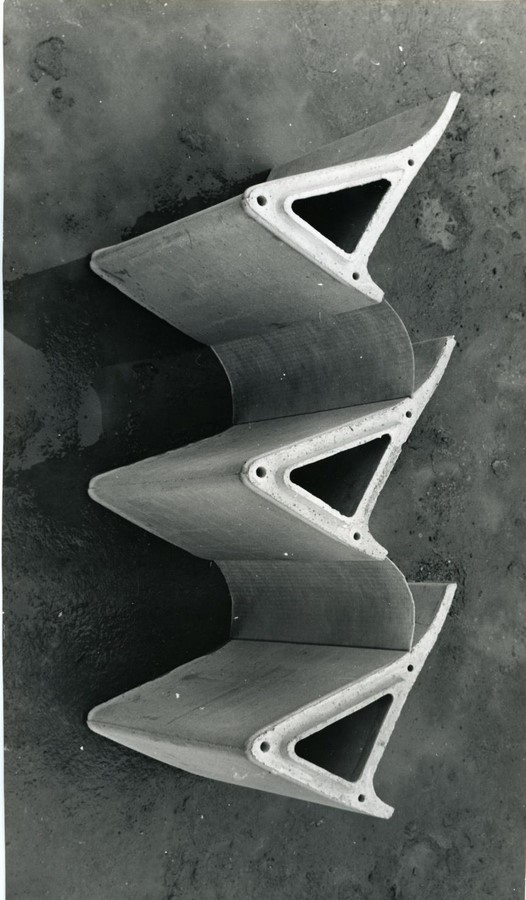
The geometric interplay between these elements served purposes beyond just aesthetics and visual appeal. The structure achieved visual dynamism throughout the building while providing functional office spaces. Through his experimental approach, Fisac demonstrated his relationship with concrete by rendering multiple iconic structures that showcased his diverse architectural style. The architect viewed concrete as a contemporary building material which he combined with his architectural approach to utilize its adaptable nature. Through the wooden formwork process, Fisac created pre-cast exterior panels for the Pagoda which allowed him to maintain form control and achieve a futuristic design.
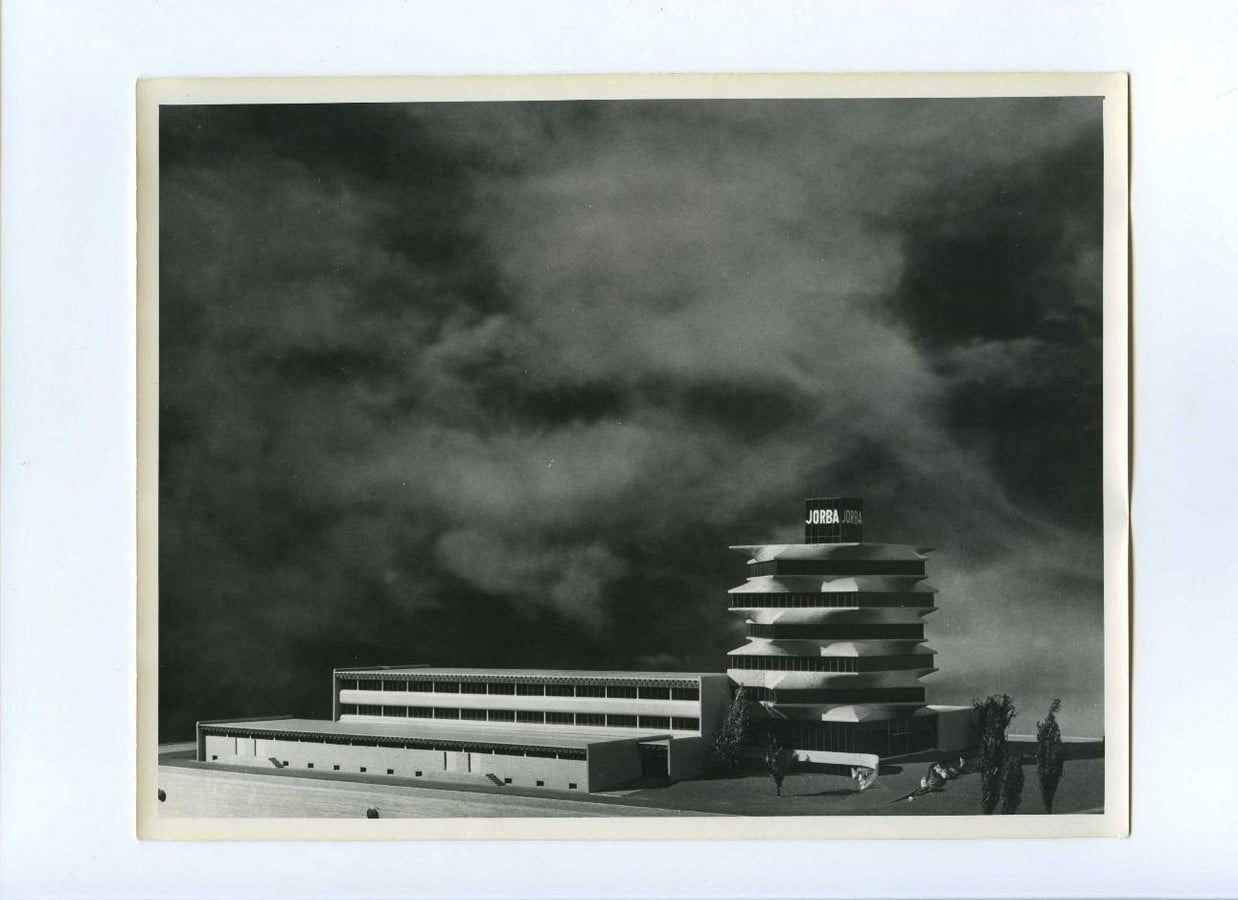
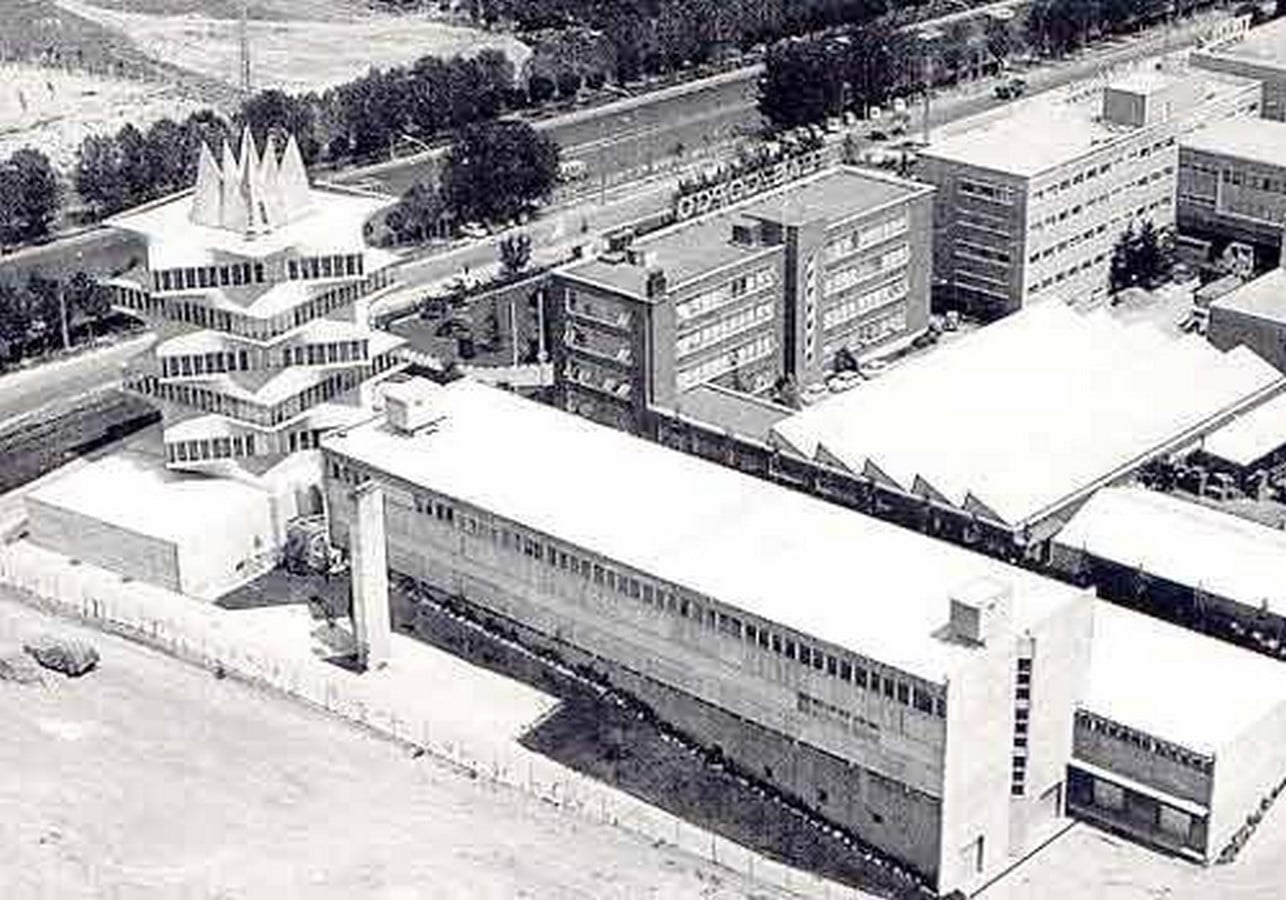
After its completion, it attracted the public and became a landmark in Madrid, raising the mast of the city’s acceptance of modernity and innovation. The recognition was not only limited to Madrid. It was selected to represent Spain at the Museum of Modern Art exhibition titled “Transformations in Modern Architecture”. This made it a masterpiece and also reinforced Fisac’s position as Spain’s most forward-thinking architect. It had received national and international attention and placed itself among other groundbreaking, eye-catching, and exemplary structures of the 20th century.
The knock-down and Architectural melancholy
La Pagoda received widespread recognition yet its future brought a devastating change during the late 1990s. The city council removed La Pagoda from its list of historically and architecturally important structures which led to its inevitable redevelopment. A real estate company purchased the land to develop its economic value. The company intended to increase construction space by planning to destroy La Pagoda. The real estate agency failed to recognize the architectural value of the building so they obtained demolition authorization in July 1999 which destroyed the structure.
The decision to dismantle this architectural masterpiece proved to be tone-deaf and triggered massive opposition from architects together with historians, other activists and enthusiasts. The architectural community expressed deep regret about this loss. Madrid failed to protect its architectural heritage by prioritizing commercial interests at a time when European nations preserved and repurposed modernist structures.
The Present Scenario
The site underwent a transformation after La Pagoda’s destruction when developers built an office complex at the location. La Pagoda exists in memory through archival photographs and academic discussions because Miguel Fisac’s work continues to leave an unmeasurable impact on the world.
The valuable cultural asset met its end in flames. The changing urban development priorities became evident through this loss yet the premature destruction tells a story about transience. The complex stands as a testament to Fisac’s genius and Spanish modernist ambition through historical records and architectural studies despite its physical destruction.
After the demolition of La Pagoda people started working on its revival and reconstruction. Multiple proposals have been developed to translate Fisac’s vision and Spain’s modernist heritage into physical form. These efforts have received public and academic support but have their own set of challenges to overcome and are yet to shape into actionable plans. The discussions for the revival of the La Pagoda indicate its importance in the architectural discourse.
The lesson learned here remains relevant in every situation because we must identify important things before they disappear. The debate still lingers. Future generations should learn from this or should we let future generations learn from this? The revival initiative represents the correct method to honor such an important structure
References:
(n.d.). Retrieved from https://en.impais.com/blog/lost-architecture-fisac-pagoda
Ballesteros, M. (n.d.). Retrieved from https://archive.pinupmagazine.org/articles/the-peculiar-architecture-of-miguel-fisac
Balters, S. (n.d.). Retrieved from https://www.archdaily.com/152936/ad-classics-the-pagoda-miguel-fisac
Carlos, C., & Eguiluz, P. (n.d.). Retrieved from https://mascontext.com/issues/legacy/the-short-life-and-long-history-of-the-pagoda