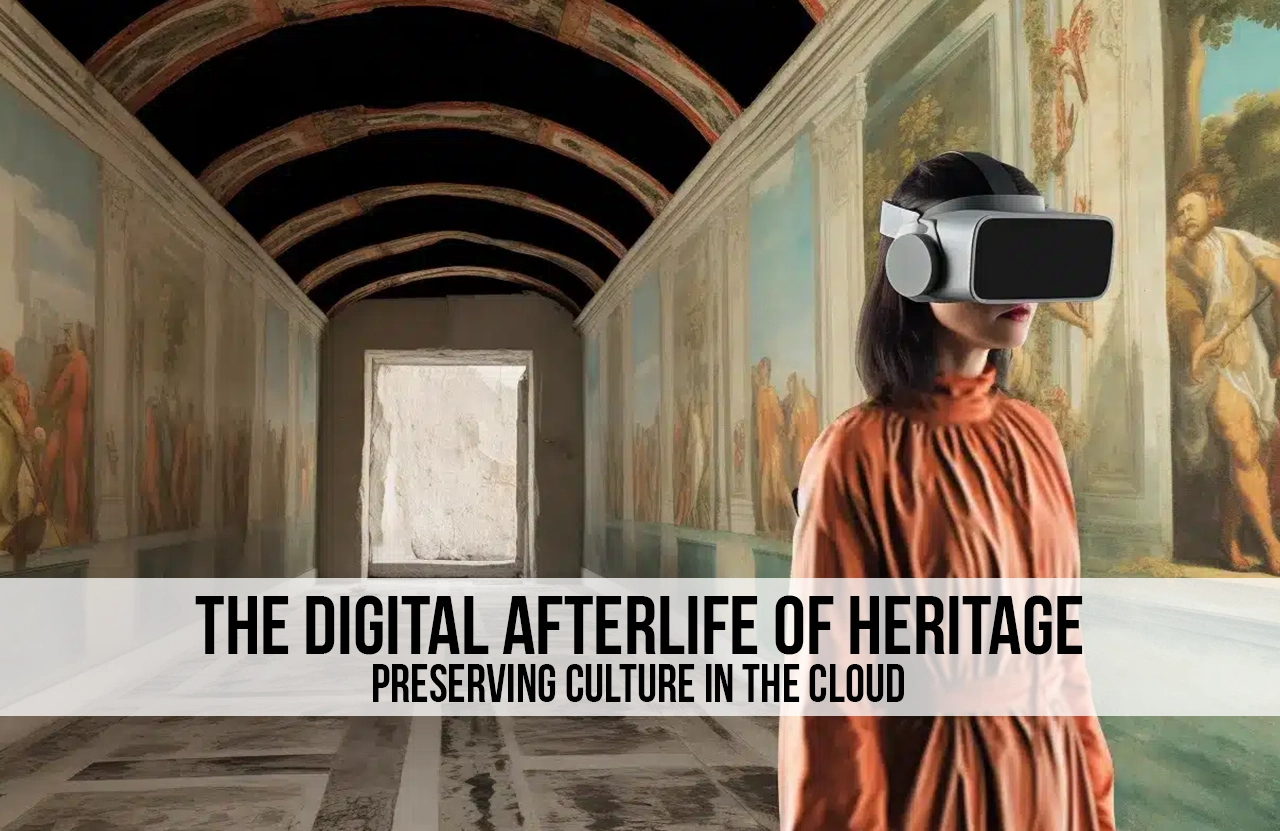
With the rapid technological evolution and mounting physical threats to cultural heritage from conflict, climate change, abandonment, and natural disasters, the notion of a digital afterlife offers a means to preserve, access, and reinterpret heritage forever. This article addresses the concept of the digital afterlife of heritage, surveys notable technologies and systems (cloud infrastructure, 3D modeling, metadata standards, distributed systems), identifies fundamental challenges (authenticity, rights, sustainability, community participation), and offers case studies and avenues for future research. The piece contends that a socially rooted, technically sound, and ethically conscious methodology of heritage in the cloud can make possible the living and continuous evolution of cultural memory instead of entombing it as fixed or lost.
Heritage—the material and immaterial manifestations of culture, identity, and memory—is under existential threats in the twenty-first century. Monuments deteriorate, archives decay, oral memories lapse, and political conflict or natural catastrophes can destroy irrevocable cultural heritage overnight (UNESCO, 2023). In response, digital technologies have come to be used not merely as documentation tools but as a means for creating a digital afterlife of heritage: safeguarding it from the frailties of the material world.
The term “digital afterlife of heritage” conveys the idea that cultural artifacts, customs, and remembrance can overcome their material limitations by being represented, archived, shared, and regenerated digitally. It indicates that heritage is able to “live” in the cloud—available, dynamic, and interactive (Cameron & Kenderdine, 2007).
This article positions the digital afterlife of heritage as both a socio-cultural and technical enterprise. It examines its foundations, issues, and case studies and suggests directions toward sustainable preservation in the cloud.
Conceptual Foundations: What Is the Digital Afterlife of Heritage?
Defining Digital Heritage and Afterlife
Digital heritage is explained by the International Federation of Library Associations and Institutions (IFLA, 2024) as cultural and heritage materials represented, digitized, or born digital that have been judged to possess lasting value. UNESCO (2012) also highlights that digital preservation keeps the heritage materials available for sustained access over time, ensuring the continuity of memory in culture.
The word afterlife adds a metaphorical depth to this debate. It suggests survival above physical decay and emphasizes how digitization makes cultural entities survive their material vulnerability. However, as Parry (2007) warns, digital surrogates are not neutral, pursuing meaning through the conduit of technology.
Why the Metaphor Matters
The afterlife metaphor holds promise and warning together.
- Promise: It postulates that heritage can survive and change, unencumbered by physical deterioration.
- Caution: It warns that digitization, if decontextualized, risks turning living culture into static data (Giaccardi, 2012).
Hence, the digital afterlife must be grounded in community, context, and ethics rather than technological determinism.
Key Components and Technologies
To realize a digital afterlife, several pillars are essential.
- Cloud Infrastructure and Distributed Systems
Cloud computing allows redundant, scalable storage and collaboration. The European Collaborative Cloud for Cultural Heritage (ECCCH) offers the heritage sector a framework by which heritage institutions can securely share and manage digital assets (European Commission, 2023). Blockchain and distributed storage technologies also provide additional resilience in the form of single-point data protection against loss (Kuroczyński et al., 2020).
- Digitization, 3D Modeling, and Virtualization
Digitization is either 2D or 3D. Both photogrammetry and LiDAR scanning are commonly employed for 3D recording of sites and objects (Remondino & Campana, 2014). Virtual Reality (VR) and Augmented Reality (AR) subsequently allow interactive immersion (Champion, 2015).
Projects such as Tirtha, an open-source, cloud-based 3D crowdsourcing platform, illustrate participatory heritage modeling (Sharma & Jain, 2023). The digital twin of Aldrovandi’s exhibition, developed under the CHANGES project, demonstrates how exhibitions can live on through interoperable digital twins (Brovelli et al., 2023).
- Metadata and Interoperability
Metadata gives digital artifacts context. Interoperability between collections is facilitated through standards like Dublin Core, CIDOC-CRM, and IIIF (Doerr, 2003). Persistent identifiers (DOIs, handles) make digital heritage traceable and citable.
- Archival Systems and Versioning
Archival systems such as LOCKSS (Lots of Copies Keep Stuff Safe) advance digital preservation via redundancy (Reich & Rosenthal, 2001). Version control, emulation, and file format migration help combat obsolescence.
- Access and User Engagement
Friendly user interfaces, open APIs, and community platforms turn archives into living spaces. Embodiment of digital heritage in education and tourism increases relevance (Giaccardi & Palen, 2008).
- Governance and Ethics
Intellectual property, indigenous rights, and consent must be respected by governance frameworks. Ethical digitization involves co-authorship with local communities (Brown & Nicholas, 2012).
Challenges and Tensions
Things are still challenging despite progress made. Several challenges make it hard to realize the digital afterlife.
- Authenticity and Interpretation
Digital representations are not objective copies but interpretations influenced by curators and algorithms (Jones et al., 2018). Authenticity is thus ensured through detailed documentation of the digitization process.
- Sustainability and Cost
Cloud hosting and long-term upkeep are expensive. Projects often fail once grant cycles finish (Beagrie, 2012). Institutional commitment and sustainable funding are essential.
- Technological Obsolescence
Hardware and formats change rapidly, causing “digital decay.” Periodic migration and emulation plans are essential (Conway, 2010).
- Intellectual Property and Cultural Rights
Digitization can be at odds with indigenous knowledge systems and sacred heritage (Anderson & Christen, 2019). Ownership questions—particularly in postcolonial situations—are left unanswered.
- Community Inclusion
Digitization from above threatens to disempower source communities. Co-curation, collaborative metadata authorship, and participatory storytelling are essential for preserving living relationships (Christen, 2011).
- Security and Privacy
Online archives are subject to cyber attacks and abuse. Ethical principles and data security have to go together (Ross et al., 2018).
Case Studies
- CyArk and Open Heritage 3D
CyArk digitally captures world heritage sites using LiDAR scanning and makes them freely available (CyArk, 2022). The Open Heritage 3D program releases high-resolution 3D models to researchers and communities, demonstrating the efficacy of digital preservation after a disaster.
- Rekrei (Project Mosul)
Following ISIL’s destruction of artifacts, Rekrei recreated 3D models using crowdsourced photos (Vincent et al., 2016). This crowdsourced effort is an example of a digital afterlife that is a product of collective memory and resilience.
- SUCHO (Saving Ukrainian Cultural Heritage Online)
During the 2022 war, thousands of volunteers preserved Ukrainian cultural websites and digital collections and saved more than 50 terabytes of data (SUCHO, 2023). This effort is an example of how cloud preservation can serve as an emergency cultural rescue.
- ECCCH (European Cultural Heritage Cloud)
The ECCCH of the European Commission seeks to unify museums and archives on a shared digital platform to enable sharing, analysis, and reuse (European Commission, 2023). It is a massive demonstration of heritage’s cloud migration.
Strategies for a Significant Digital Afterlife
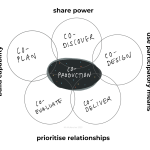
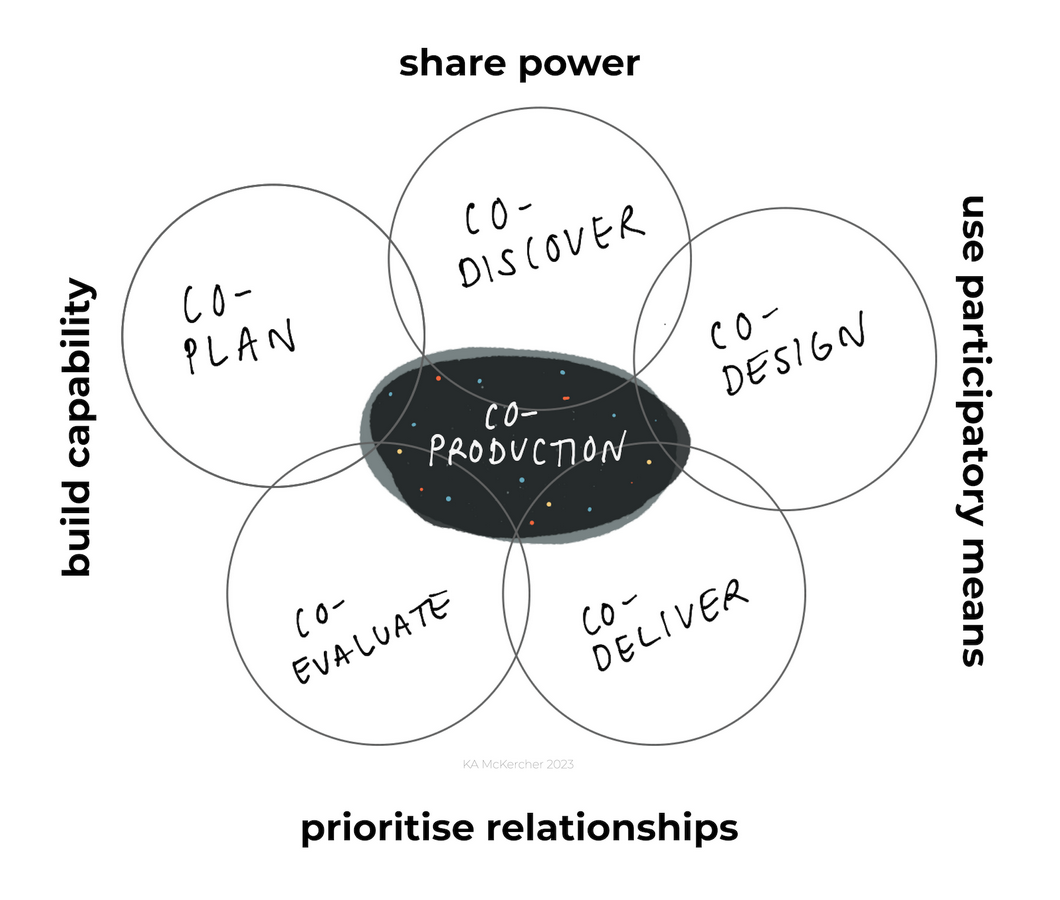
- Co-Design with Communities
Digitization driven by communities guarantees authenticity and ethical integrity (Brown & Nicholas, 2012).
- Hybrid Physical-Digital Models
Physical and digital heritage must coexist. QR codes, AR overlays, and VR reconstructions enhance site experience (Champion, 2015).
- Governance and Access Layers
Multi-level access ensures that sensitive or sacred materials are secure while public resources are accessible (Christen, 2011).
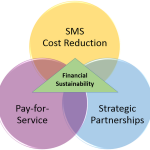
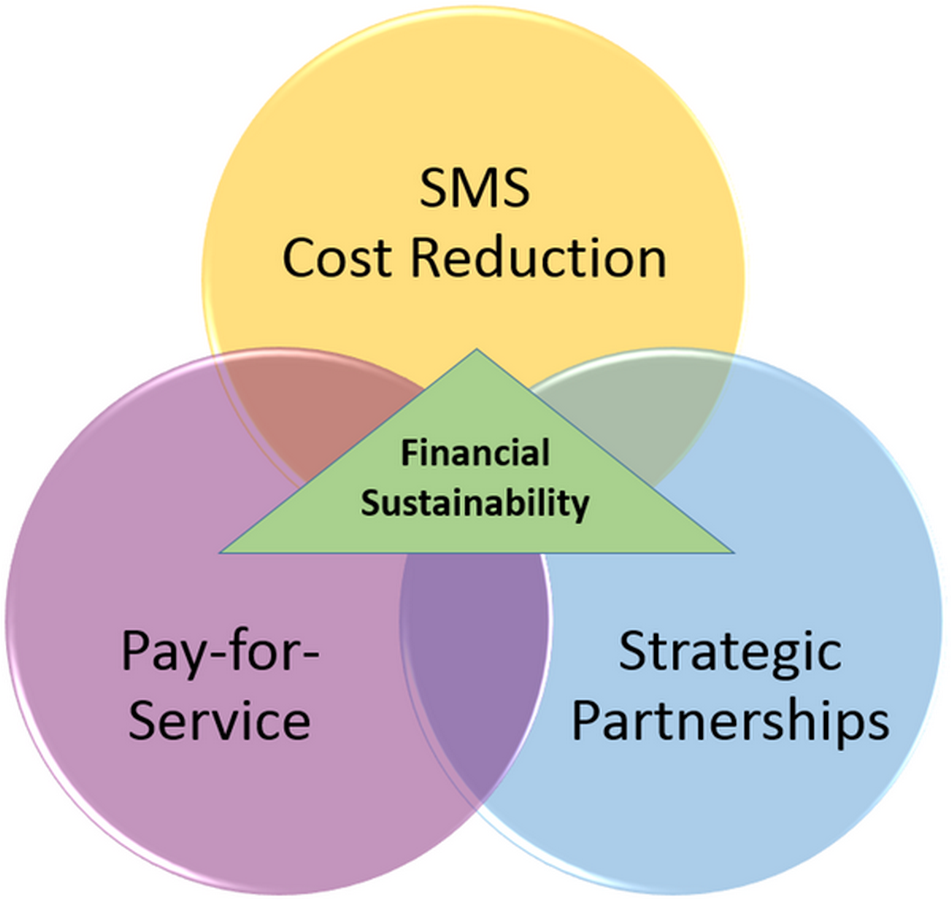
- Sustainable Cost Models
Sustaining funds through partnerships, institutional endowments, or consortium models is critical (Beagrie, 2012).
- Open Standards and APIs
Employing non-proprietary formats guarantees interoperability and future readability (Doerr, 2003).
- Provenance Tracking
Version histories documented ensure transparency and authenticity (Jones et al., 2018).
- Living Archives
Facilitating annotations, updates, and community contributions avoids “fossilization” of heritage (Giaccardi, 2012).
Future Pathways
- AI and Semantic Enrichment
AI may restore lost data, enhance metadata, and facilitate new interpretations (Vincent et al., 2023). However, it also challenges issues of authenticity and authorship.
- Immersive and Mixed Reality
As VR and AR continue to develop, cloud-based heritage experiences will become more and more adept at dissolving boundaries between virtual and actual (Champion, 2015).
- Blockchain for Provenance
Blockchain provides tamper-proof ownership and version control (Kuroczyński et al., 2020).
- Citizen Participation
Gamified heritage mapping and crowdsourced narrative democratize preservation (Giaccardi & Palen, 2008).
- Integration with Environmental Data
Connecting heritage data with GIS and environmental monitoring makes predictive conservation possible (Remondino & Campana, 2014).
Limitations and Critiques
Scholars warn against digital colonialism—projecting Western archival conventions onto heterogeneous cultural information (Anderson & Christen, 2019). In addition, the digital cannot emulate the material, sensory, and spatial textures of heritage (Cameron & Kenderdine, 2007).
Lastly, the digital is not immortal; without ongoing stewardship, it also deteriorates. The afterlife should thus be conceived as a sustained, controlled process, rather than a destination.
The virtual heritage of culture is a paradigm shift in cultural survival. It is where technology and moral stewardship combine to transcend material mortality.
But it takes more than storage to sustain it. It needs inclusive governance, interoperability, and engagement with the people and places it portrays. The issue is how we get what we save in the cloud to live on, responsive to people and places it symbolizes.
In the words of Giaccardi (2012), digital heritage can be considered “not as frozen memory, but as a living ecology of participation.” The digital afterlife of heritage, if ethically framed and co-created, holds out exactly that possibility.
References:
Anderson, J., & Christen, K. (2019). Decolonizing data: Indigenous data sovereignty and digital heritage. Routledge.
Beagrie, N. (2012). Digital preservation benefits and cost analysis: Final report. JISC.
Brovelli, M. A., Minghini, M., & Zamboni, G. (2023). Digital twins for cultural heritage: Open standards and interoperability. ISPRS International Journal of Geo-Information, 12(4), 156. https://doi.org/10.3390/ijgi12040156
Brown, D., & Nicholas, G. (2012). Protecting indigenous cultural property in the age of digital democracy: Institutional and community responses. Journal of Material Culture, 17(3), 307–324.
Cameron, F., & Kenderdine, S. (Eds.). (2007). Theorizing digital cultural heritage: A critical discourse. MIT Press.
Champion, E. (2015). Critical gaming: Interactive history and virtual heritage. Routledge.
Christen, K. (2011). Opening archives: Respectful repatriation. American Archivist, 74(1), 185–210.
Conway, P. (2010). Preservation in the age of Google: Digitization, digital preservation, and dilemmas. Library Quarterly, 80(1), 61–79.
CyArk. (2022). Open Heritage 3D. https://www.openheritage3D.org
Doerr, M. (2003). The CIDOC conceptual reference model: An ontological approach to semantic interoperability of metadata. AI Magazine, 24(3), 75–92.
European Commission. (2023). European Collaborative Cloud for Cultural Heritage (ECCCH). https://research-and-innovation.ec.europa.eu
Giaccardi, E. (2012). Heritage and social media: Understanding heritage in a participatory culture. Routledge.
Giaccardi, E., & Palen, L. (2008). The social production of heritage through cross-media interaction: Making place for place-making. International Journal of Heritage Studies, 14(3), 281–297.
IFLA. (2024). Digital cultural heritage: Theory and practice. International Federation of Library Associations and Institutions. https://www.ifla.org
Jones, S., Jeffrey, S., & Richards, J. (2018). Authenticity and digital heritage: Practices, affordances and ethics. Journal of Heritage Studies, 24(5), 523–538.
Kuroczyński, P., Tamborski, M., & Döllner, J. (2020). Blockchain-based provenance tracking for 3D cultural heritage data. ACM Journal on Computing and Cultural Heritage, 13(3), 1–19.
Parry, R. (2007). Recoding the museum: Digital heritage and the technologies of change. Routledge.
Reich, V., & Rosenthal, D. S. H. (2001). LOCKSS: A permanent web publishing and access system. D-Lib Magazine, 7(6). https://doi.org/10.1045/june2001-reich
Remondino, F., & Campana, S. (Eds.). (2014). 3D recording and modeling in archaeology and cultural heritage. Archaeopress.
Ross, S., Hedstrom, M., & York, J. (2018). Digital preservation policies in the cloud era. Archivaria, 86(1), 5–32.
Sharma, R., & Jain, V. (2023). Tirtha: A crowdsourced platform for digital heritage modeling. ArXiv preprint. https://arxiv.org/abs/2308.01246
SUCHO. (2023). Saving Ukrainian Cultural Heritage Online. https://www.sucho.org
UNESCO. (2012). Charter on the preservation of digital heritage. UNESCO.
UNESCO. (2023). Digital heritage and cultural preservation in the 21st century. https://en.unesco.org/themes/information-preservation
Vincent, M., Hunt, A., & Falzon, A. (2016). Rekrei: Crowdsourcing the reconstruction of lost heritage. Journal on Computing and Cultural Heritage, 9(1), 1–11.
Vincent, M., Papadopoulos, C., & Hermon, S. (2023). AI in heritage reconstruction: Opportunities and limitations. Digital Applications in Archaeology and Cultural Heritage, 31, e00237.