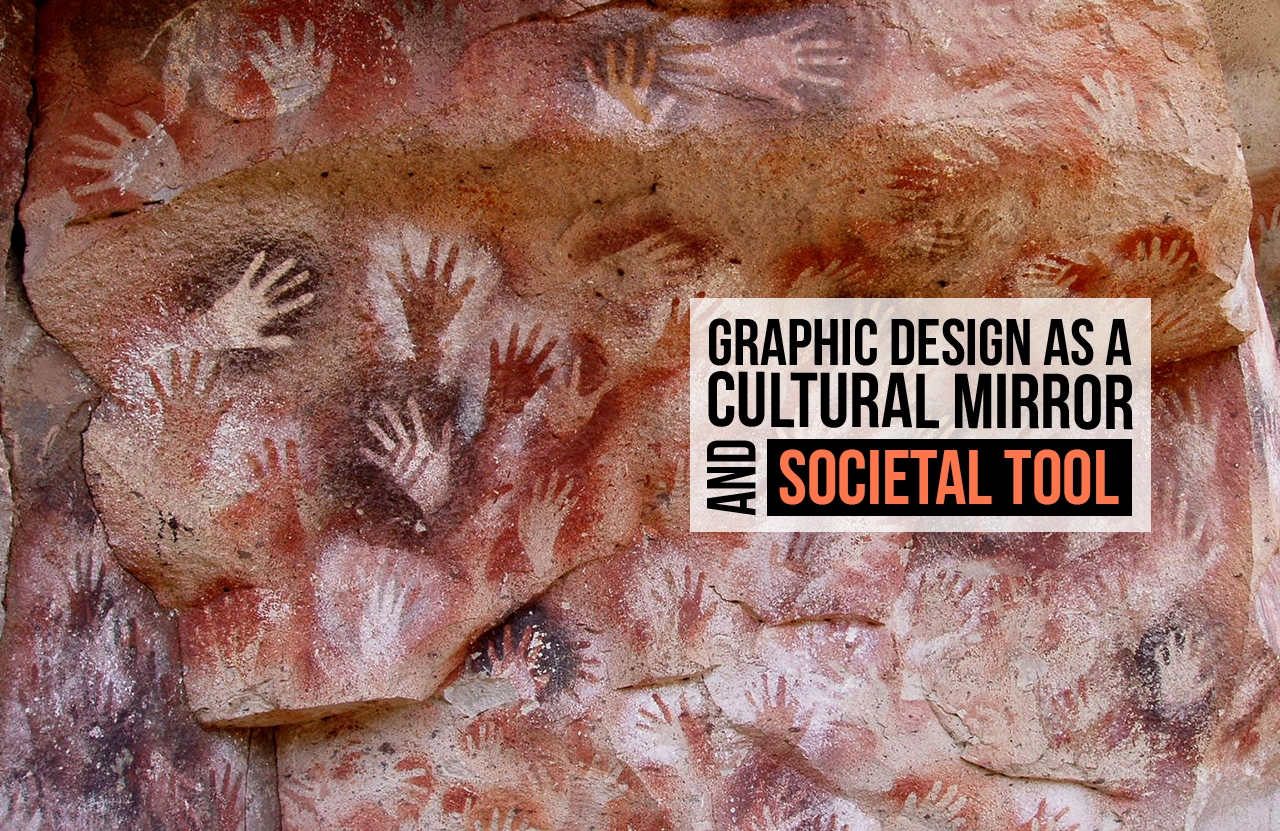
To confine graphic design to a discussion of aesthetics—of typefaces, posters, and logos—is to overlook its fundamental role as a primary human language. The urge, the instinct to draw, to mark, to record a fleeting thought or an act of being, is ancient and universal. If we trace from the earliest human stencils to contemporary brand identities, we can weave a subtle thread — a lens that sees beyond the confined aspects of design. At its core, design is a dialectic: a cultural mirror that reflects the soul of a people and a societal tool that engineers universal understanding. This visual discourse stretches from the spectral handprints in Argentina’s Cueva de las Manos to the ubiquitous emojis on our digital screens, revealing an unbroken human impulse to communicate, assert presence, and encode memory through imagery — the primordial form of expression.
Before words, there were symbols; before books, there were walls covered in stories.
This essay explores the evolution of graphic design as it oscillates between cultural specificity and universal legibility. By placing the deeply contextual work of Indian filmmaker and designer Satyajit Ray alongside the systematic universalism of German designer Otl Aicher, it confronts a central question: can cultural depth and universal clarity truly coexist in a single design?

From Caves to Codes: The Origins of Graphic Communication
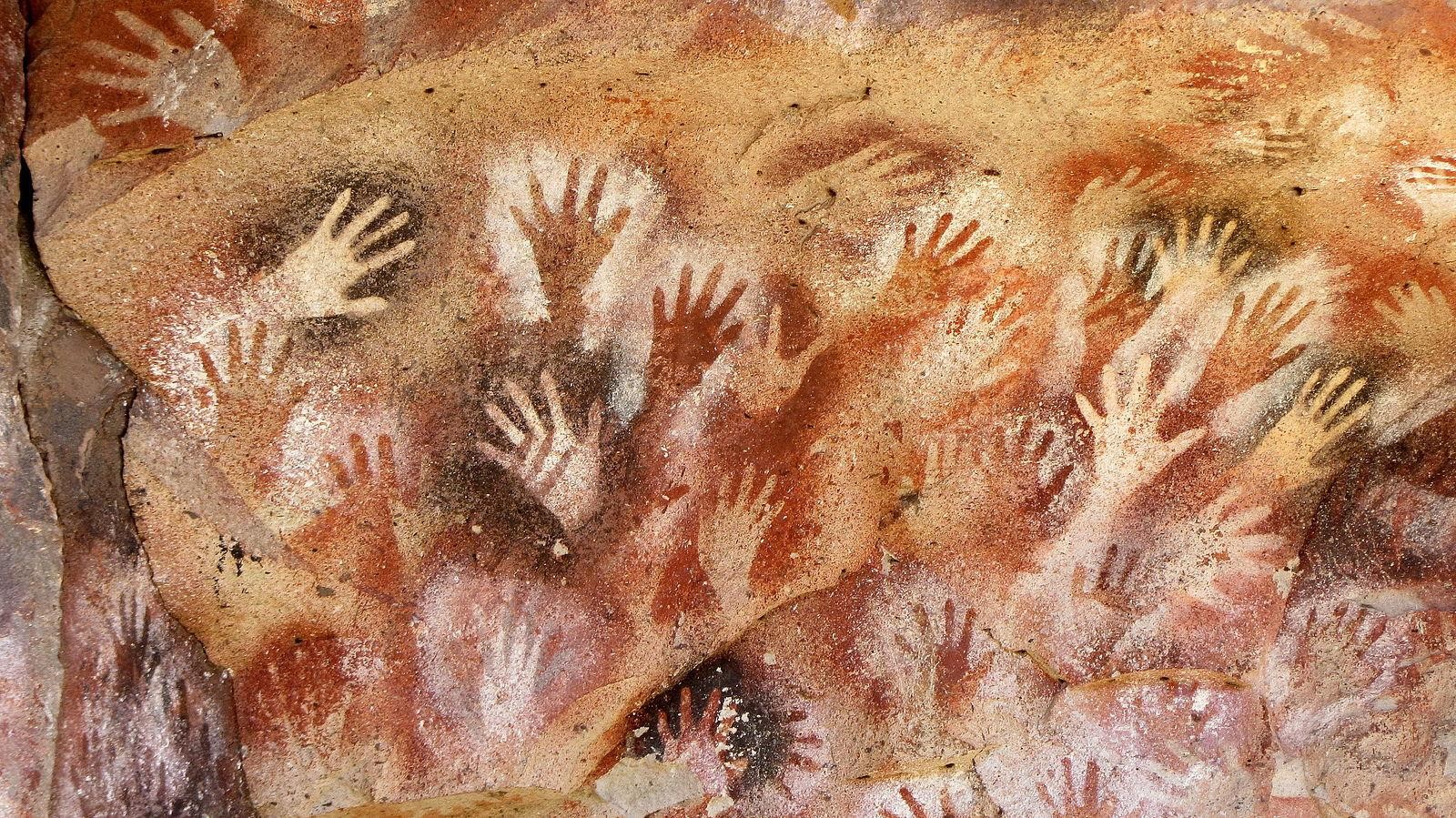
The earliest human expressions were not alphabets but markings. The hand stencils of the Cueva de las Manos (c. 7000 BC) or the animal depictions in the Lascaux caves remind us that design began as memory-making and collective storytelling.
“Cave art was part of the package deal in terms of how homo sapiens came to have this very high-level cognitive processing,” says Miyagawa, a professor of linguistics and the Kochi-Manjiro Professor of Japanese Language and Culture at MIT. “You have this very concrete cognitive process that converts an acoustic signal into some mental representation and externalizes it as a visual.”
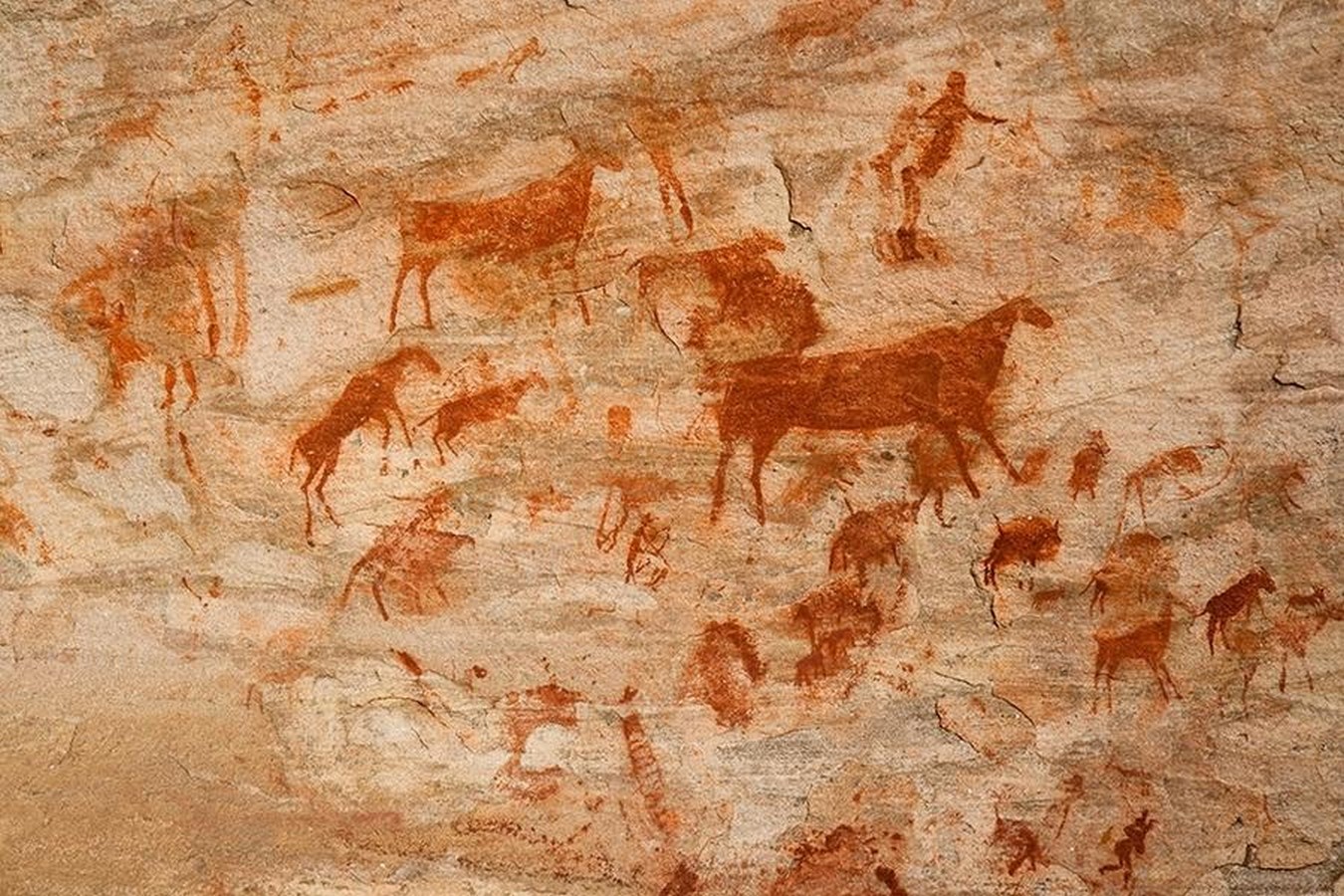
These artists were not isolated creators but participants in a shared language. “It’s a communal effort,” Miyagawa adds — the beginning of graphic design as collective expression.
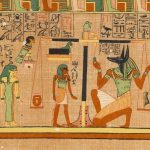
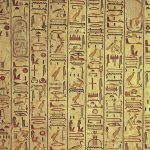
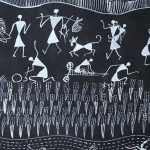
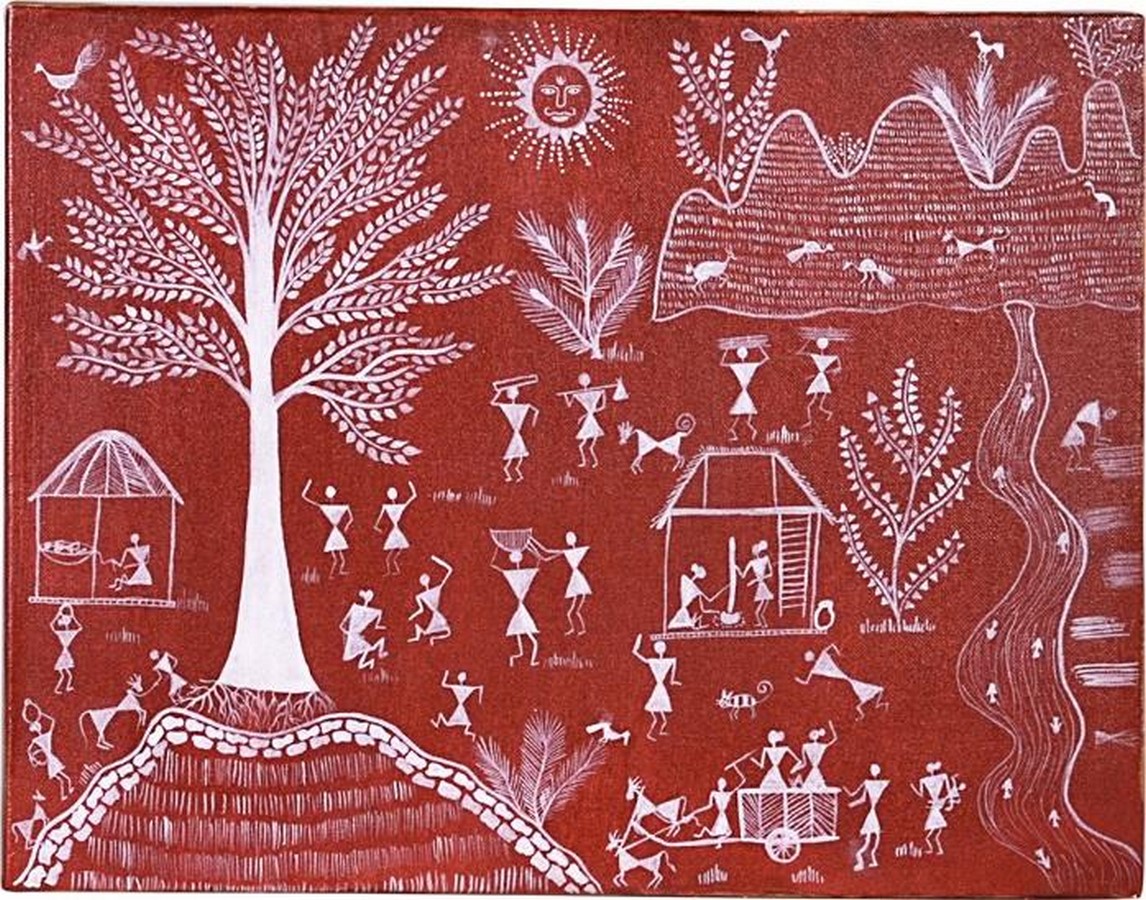
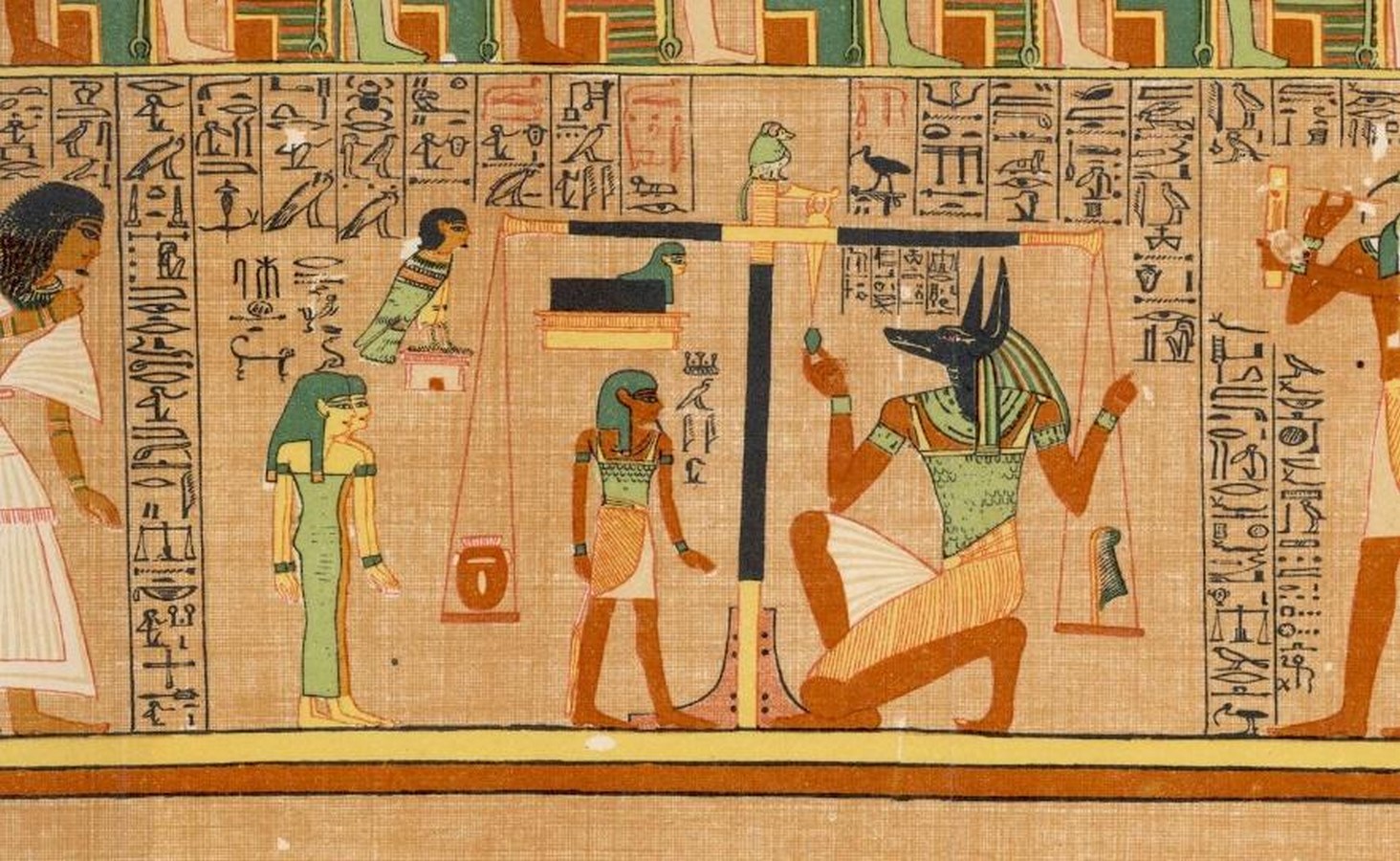
This urge to draw, to mark, to express, continued across centuries, taking new forms as contexts shifted. These expressive ideograms became context-born entities: the reductive, geometric figures of Warli paintings in Maharashtra narrate social cosmologies; Egyptian hieroglyphs transform language into sacred pictorial narrative. Each culture externalized its thoughts through a distinct visual vocabulary — a syntax of the soul shaped by its time, place, and collective psyche.
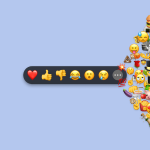
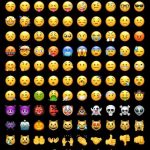
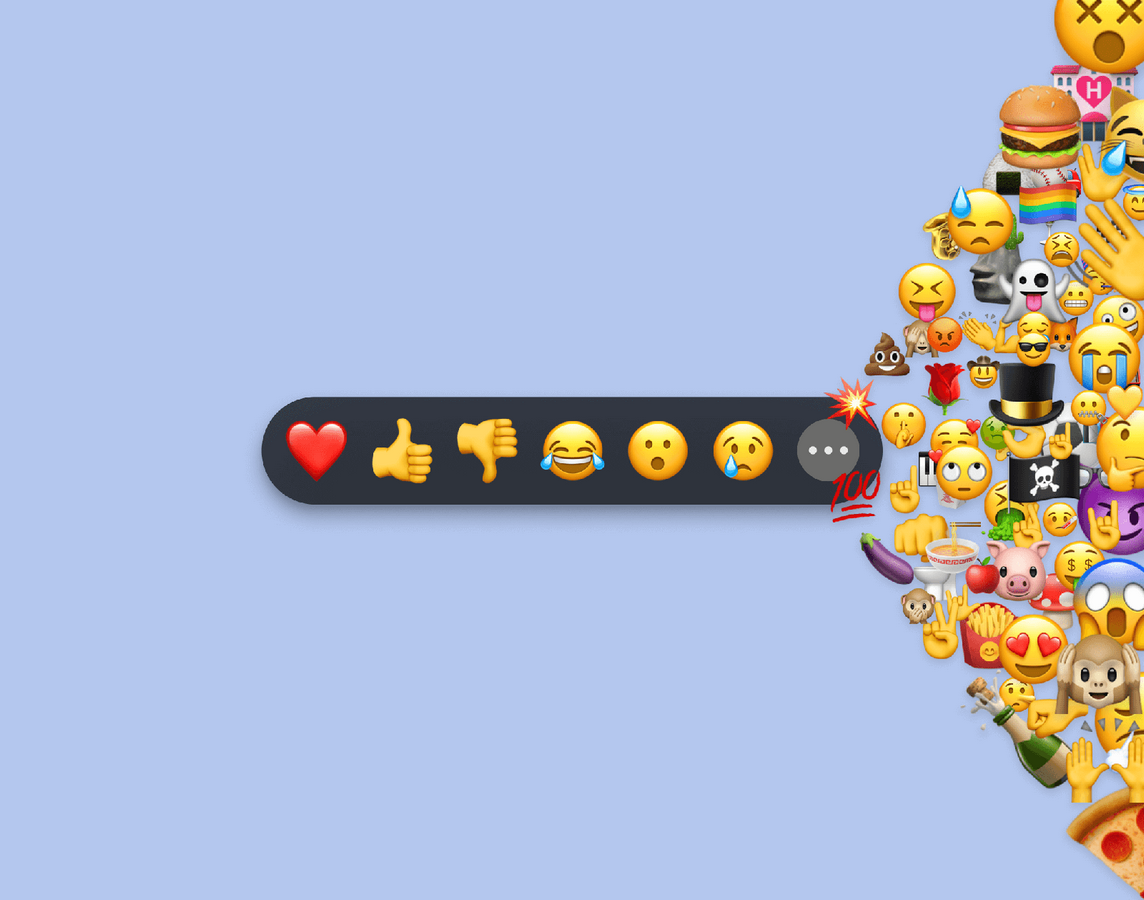
This lineage of expression — from gesture to glyph — prefigures the pictographic systems that govern our contemporary global landscape. Fast-forward to the twenty-first century, and the same instinct manifests in emojis, digital ideograms that compress emotion, gesture, and identity into pixels. From the cave to the code, graphic design endures as an extension of that primal human urge, to express, to connect, to inscribe. It carries forward the ancient instinct to mark and remember, translating the specificities of human emotion into visual form. What once took shape as ochre handprints or carved symbols has now evolved into digital hieroglyphs, the emojis we meticulously weave into our texts. Even within this contemporary spectrum of evolution, we continue to encode fragments of ourselves, gestures of thought, feeling, and memory, into every designed sign that seeks to communicate.
Graphic Design as Cultural Identity: Satyajit Ray
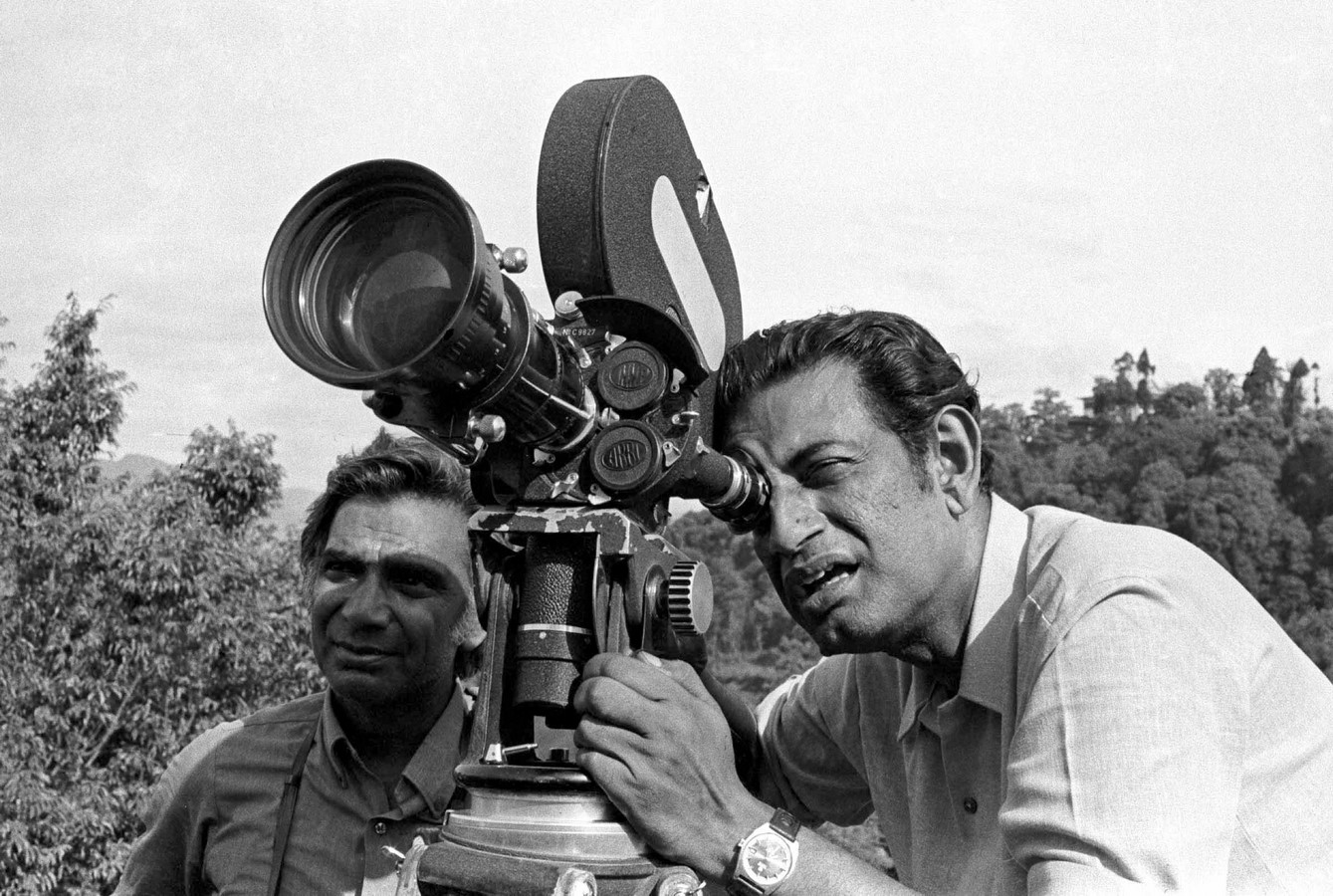
“Ray was, without knowing it, the first ‘graphic designer’ in India,” writes Sandipan Deb.
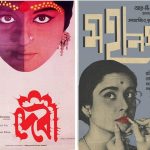
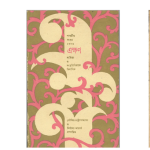
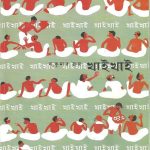
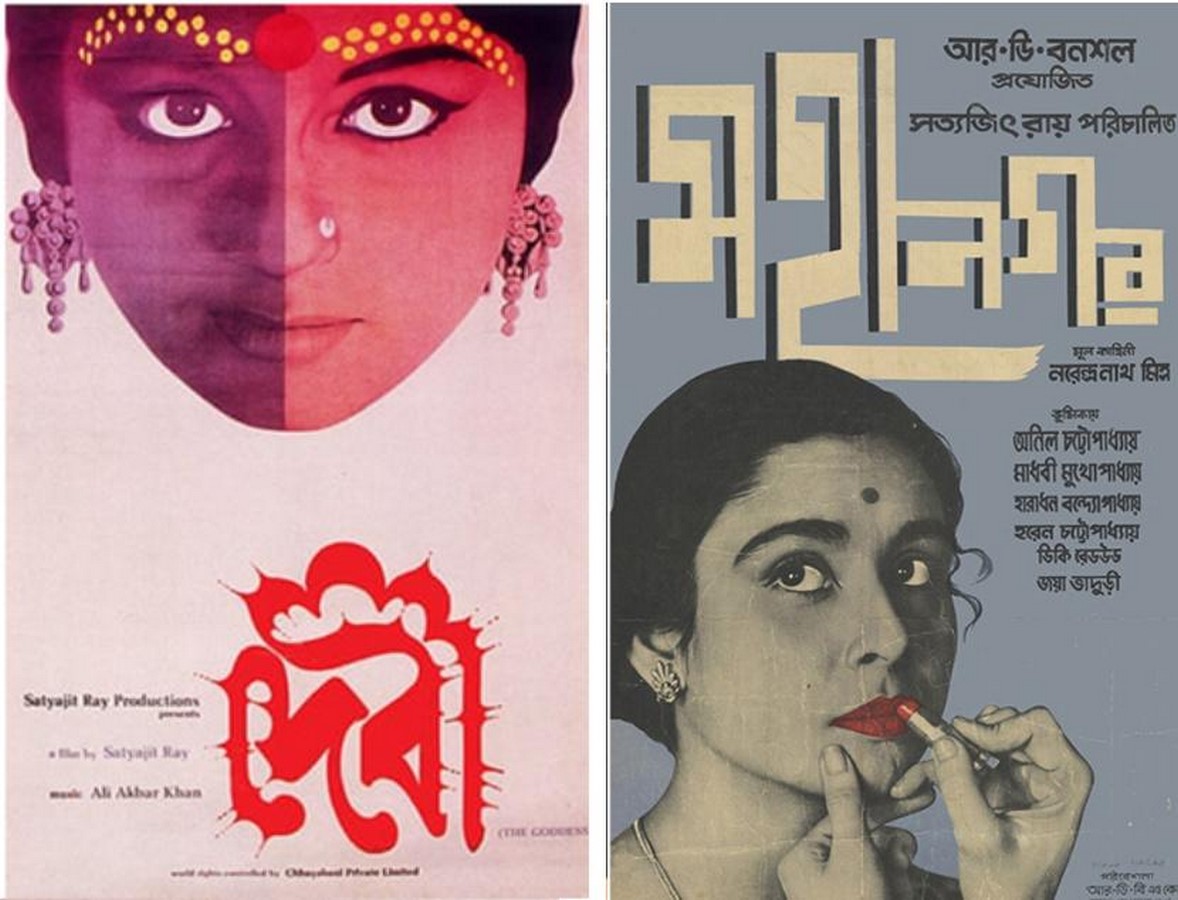
Though celebrated as a filmmaker, Ray’s parallel practice as a designer, his posters, book covers, and typefaces, reveals design as a form of cultural storytelling. His 1960 poster for Devi (Goddess), with its hand-drawn lines and earthy tones, evokes both tradition and haunting allegory. In Charulata (1964), his minimal strokes convey loneliness and the introspection of modernity.
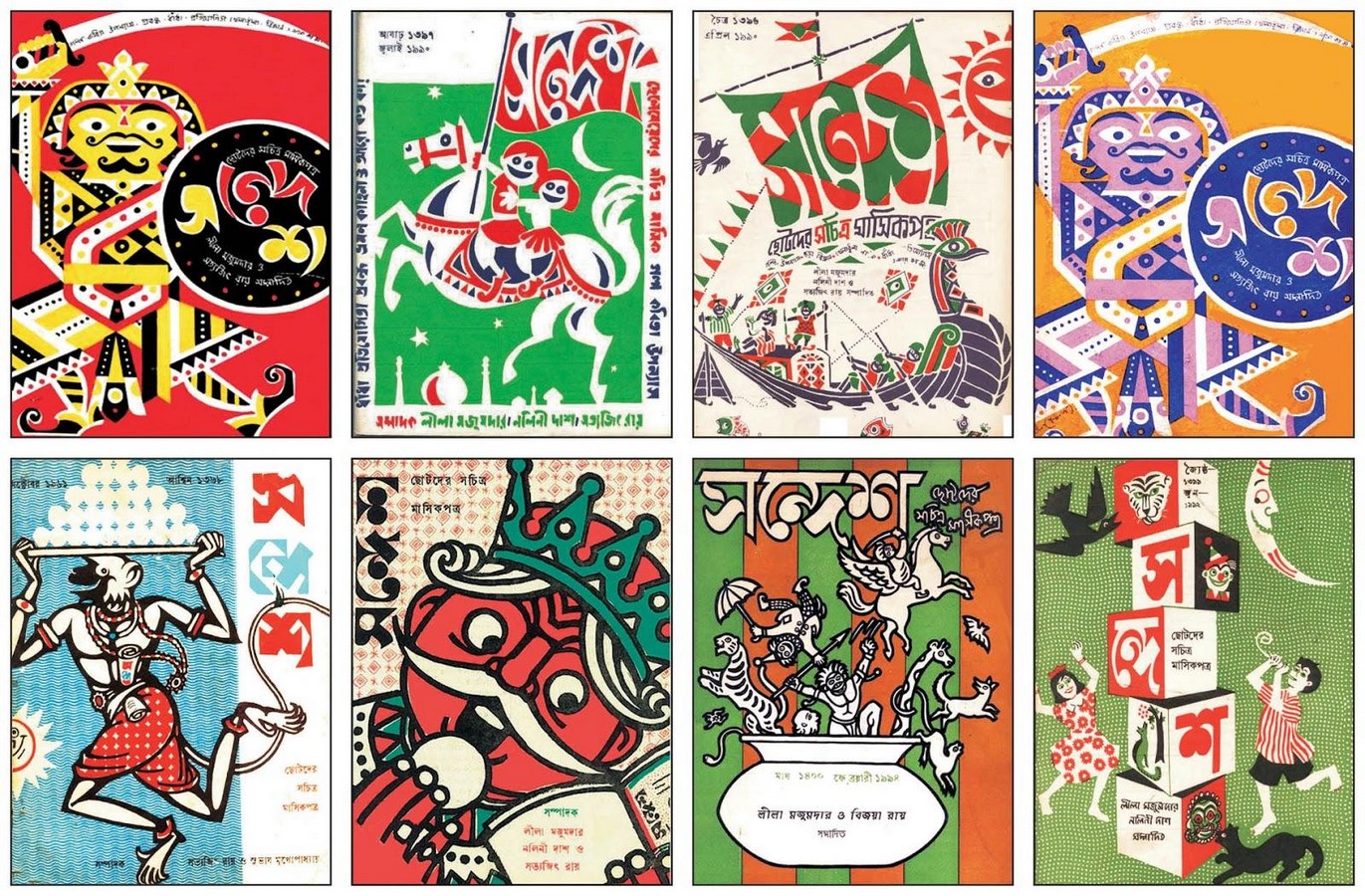
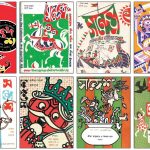
Despite being hailed as India’s first graphic designer, he was rarely still. Among his many projects, he revived Sandesh, the children’s magazine founded by his grandfather in 1913, designing covers and layouts, illustrating issues, writing stories, creating puzzles, judging contests, and responding to fan mail. He also designed the debut cover of the 1961 literary magazine Ekkhon and conceptualized several others.
In 1971, Ray won an international competition for two typefaces, Ray Roman and Ray Bizarre, blending Bengali script forms with deco-inflected geometry.
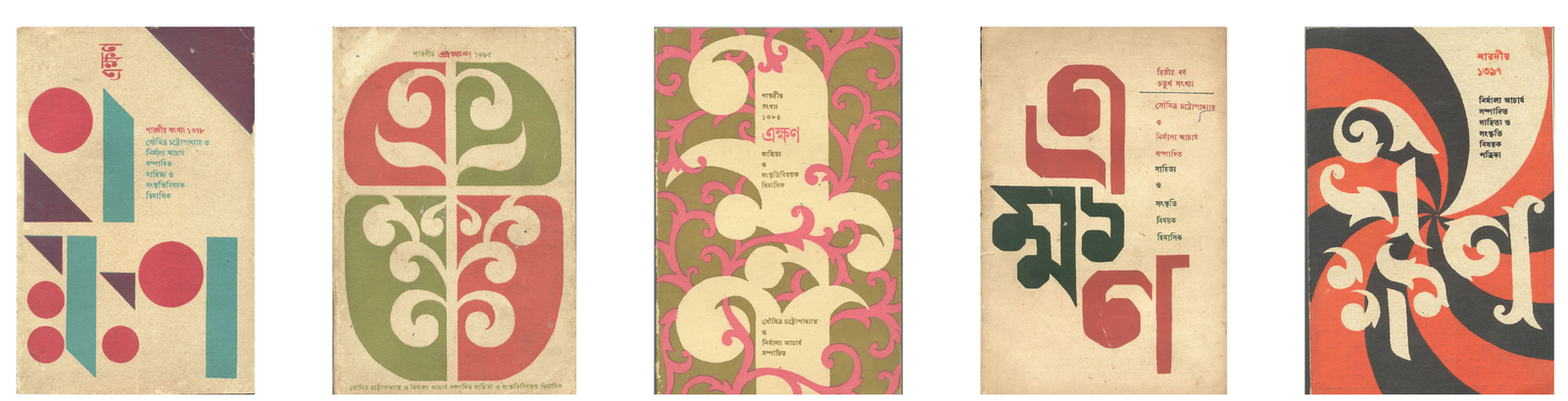
Ray’s work exemplifies design as a cultural mirror: rooted in Bengali modernism, literature, and folk traditions, it narrates identity in its most situated form.
Graphic Design as Universal System: Otl Aicher
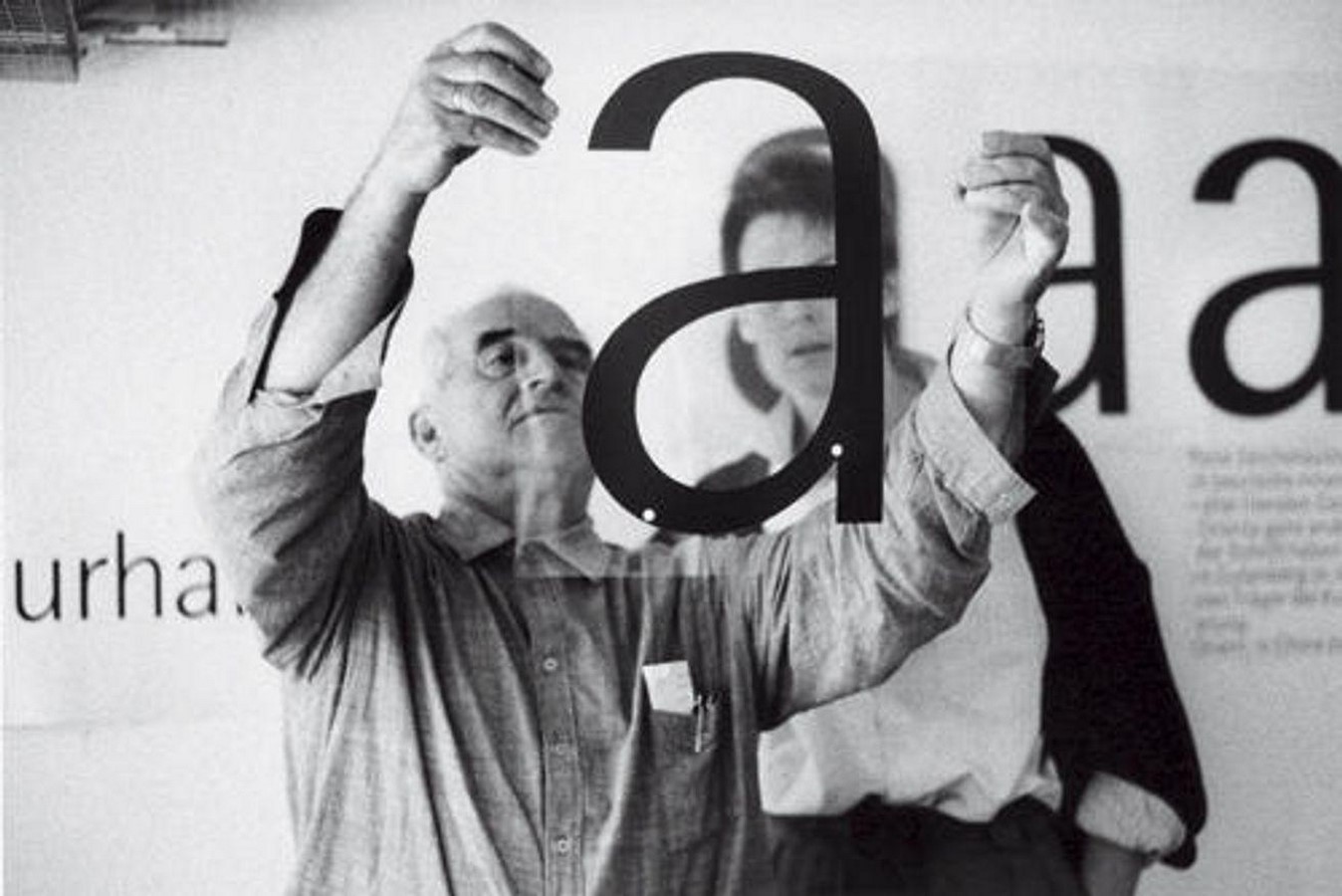
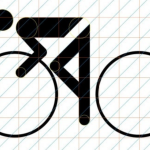
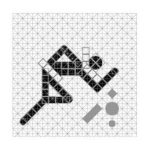
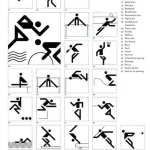
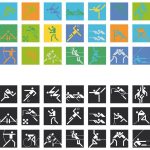
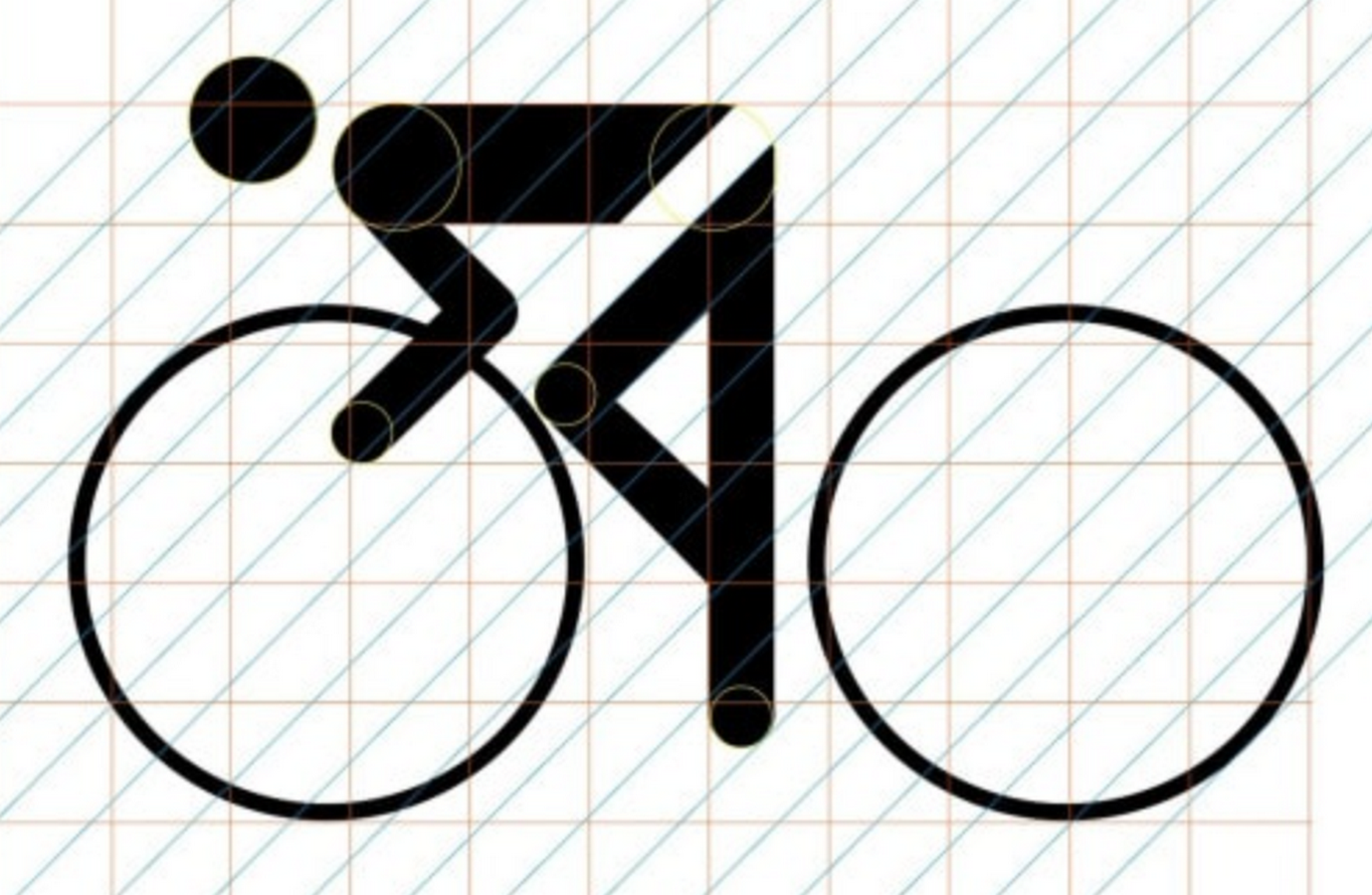
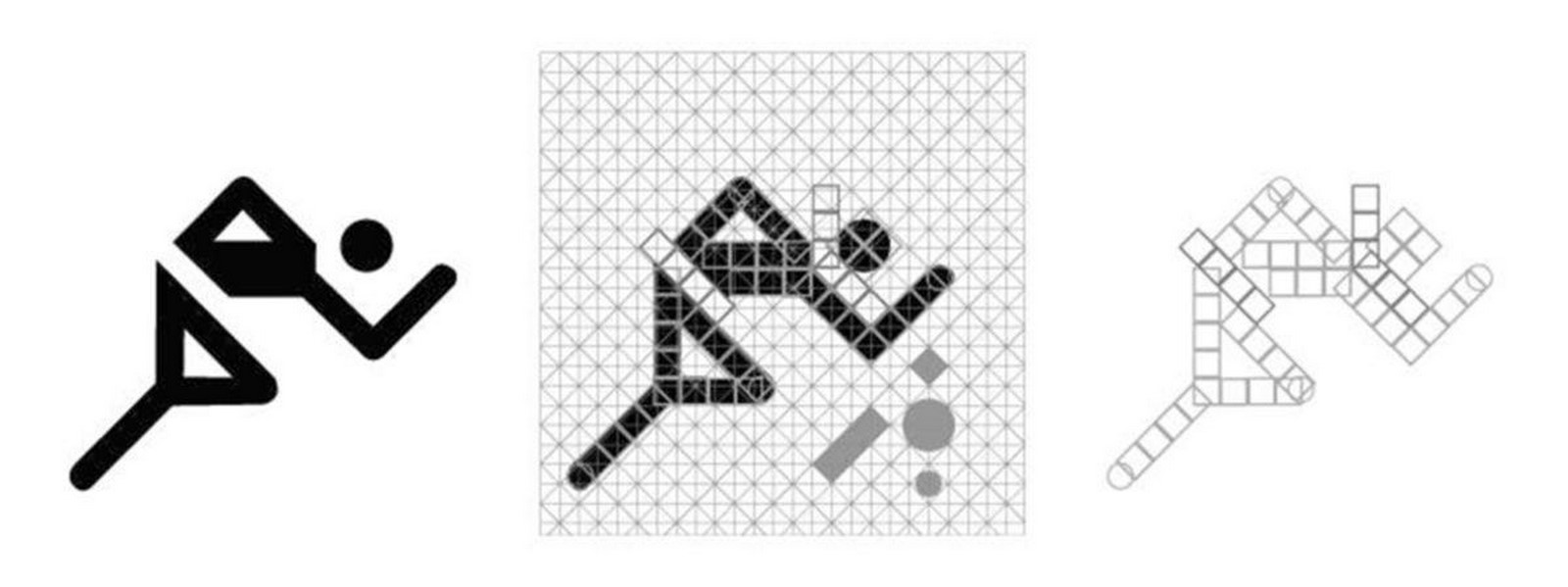
In stark contrast, the work of German designer Otl Aicher represents the pursuit of design as a universal system of objective clarity. Tasked with creating the visual identity for the 1972 Munich Olympics, Aicher and his team developed a comprehensive visual language built on grids, a restricted color palette, and, most famously, a set of pictograms designed to communicate across linguistic and national barriers. His “stick-figure” icons—a swimmer, a cyclist, a fencer—distilled complex human motion into elemental geometric forms. This was designed as pure function, stripped of cultural ornament and ambiguity.
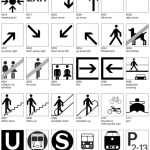
For Frankfurt Airport, his wayfinding signage created intuitive navigation in an otherwise chaotic transit hub.
Unlike Ray’s personal-cultural illustrations, Aicher’s design was systematic, rational, and deliberately anonymous. It was meant to transcend culture, to be read by anyone, anywhere.
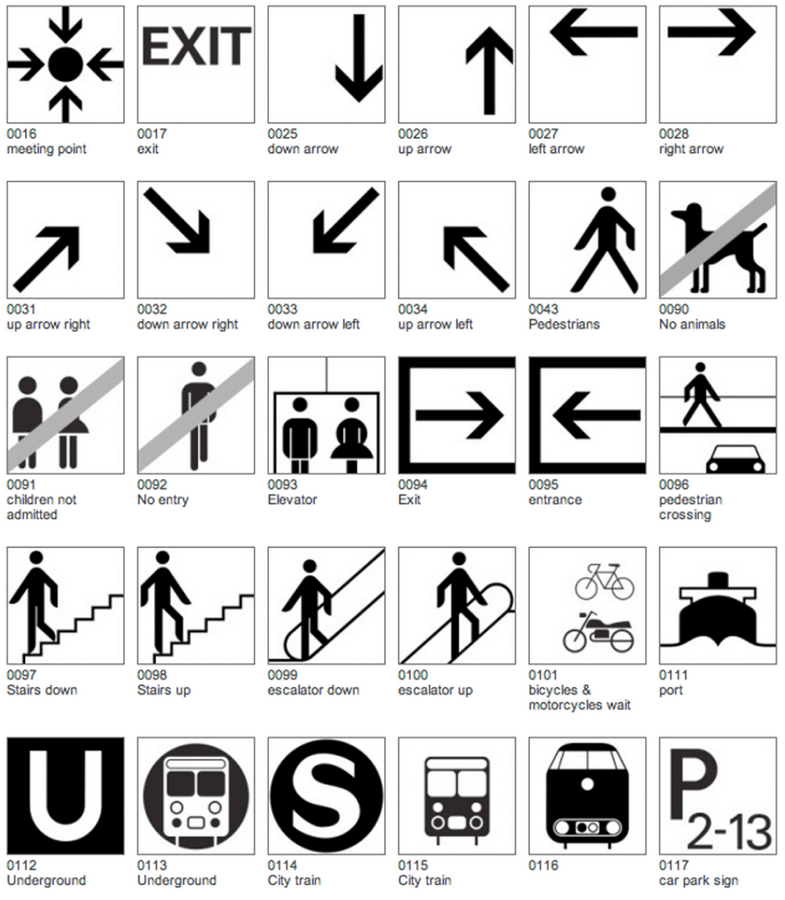
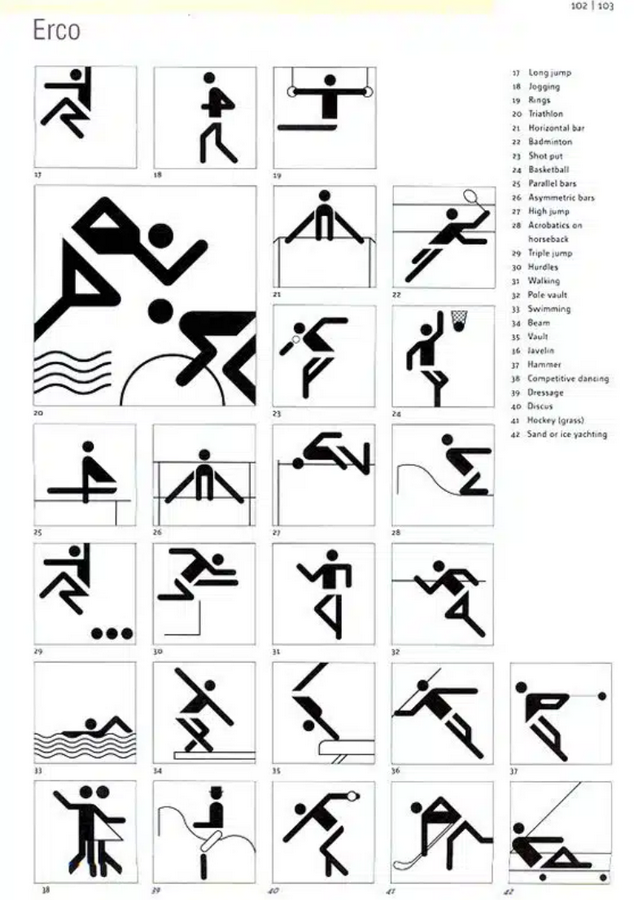
His oft-quoted remark, “the street is more important than the museum,” reveals his belief in design as lived infrastructure. Today, his designs populate everyday life in Isny, Germany, emblazoned across flags, buses, and signage.
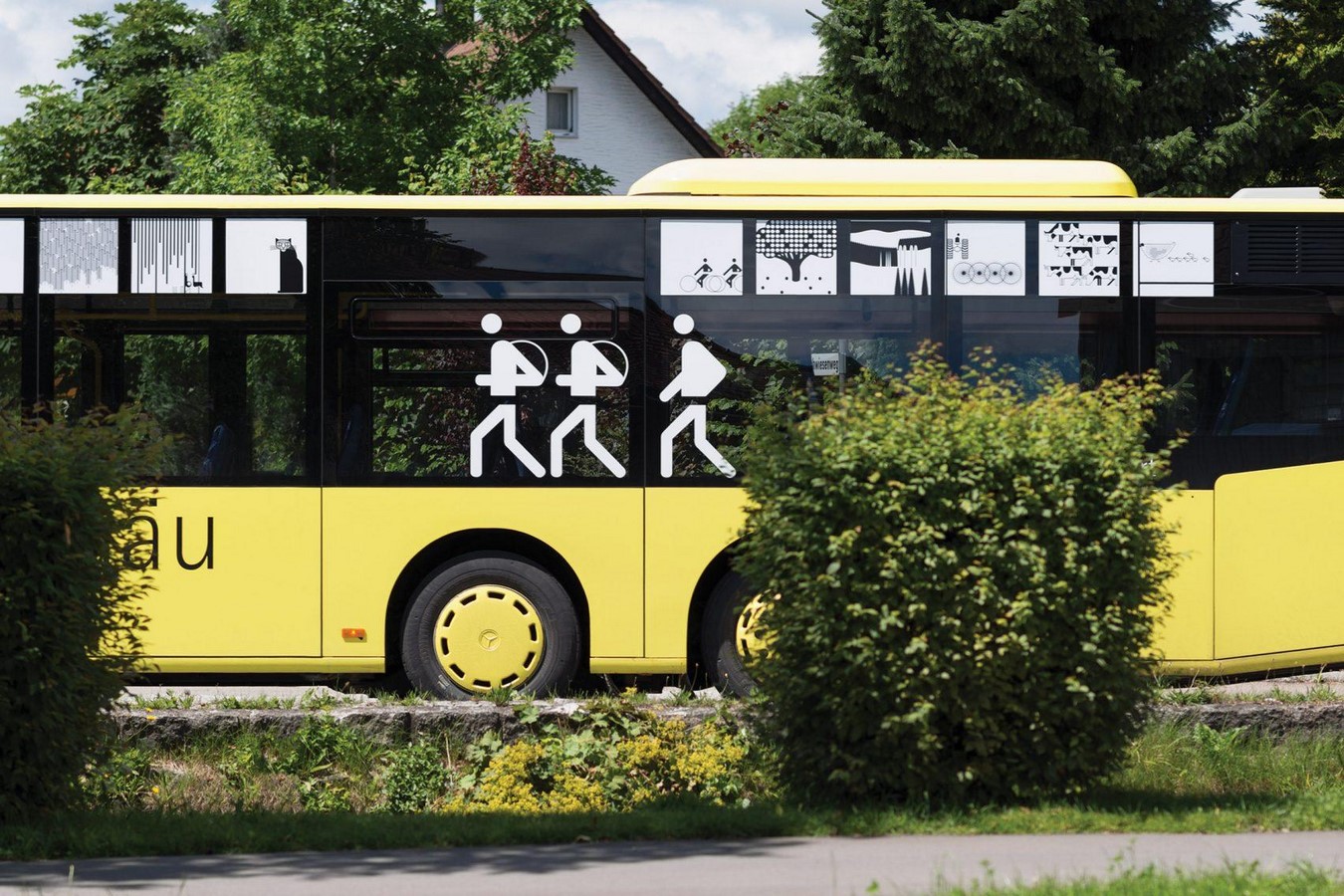
Where Ray inscribed memory, Aicher engineered communication. His work exemplifies design as a societal tool: pragmatic, public, and infrastructural.
Parallel Histories, Shared Questions
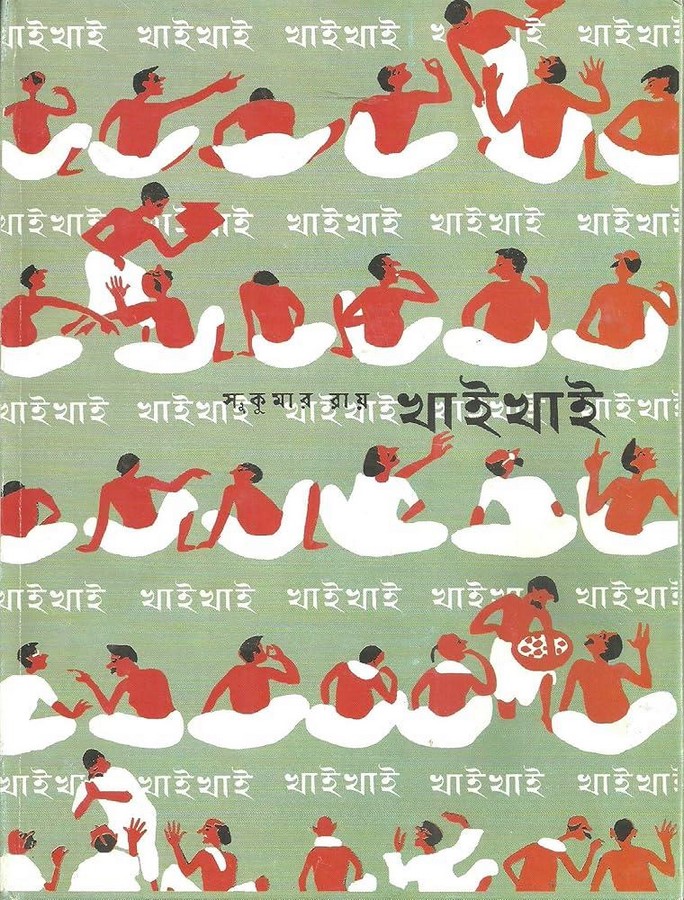
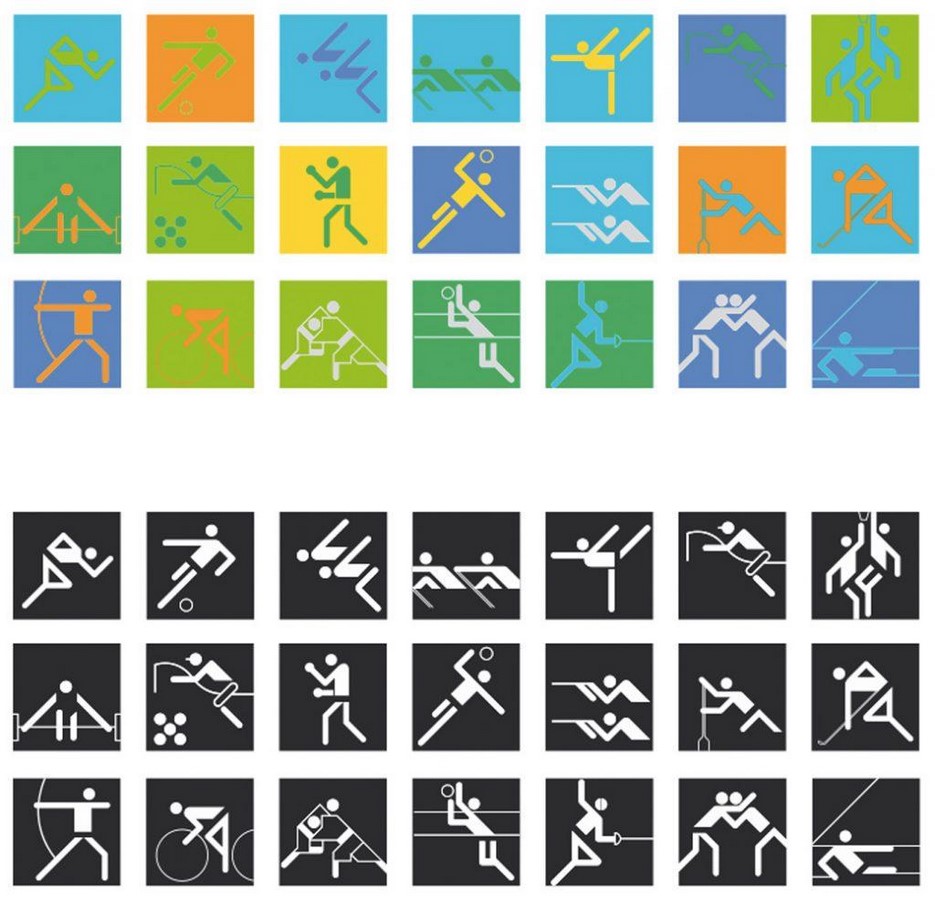
Placing Ray and Aicher in dialogue reveals a complementary and enduring tension within graphic design. Ray designed for a community, embedding cultural memory into every line; Aicher designed for a global public, abstracting human activity into a universal grammar. Both, however, were solving the same fundamental problem: how to communicate effectively across different contexts.
This dialectic, between the local and the universal, the poetic and the pragmatic, is not a contemporary issue but an ancient one. We see it in the relationship between the narrative richness of Warli art and the systematic clarity of modern icons, between the esoteric symbolism of hieroglyphs and the instant legibility of emojis. This Strong Juxtapostitions of these entities creates a pivotial means of the questions of belonging, hence, The central provocation, then, is not whether to choose the path of Ray or Aicher, but how to navigate the space between them.
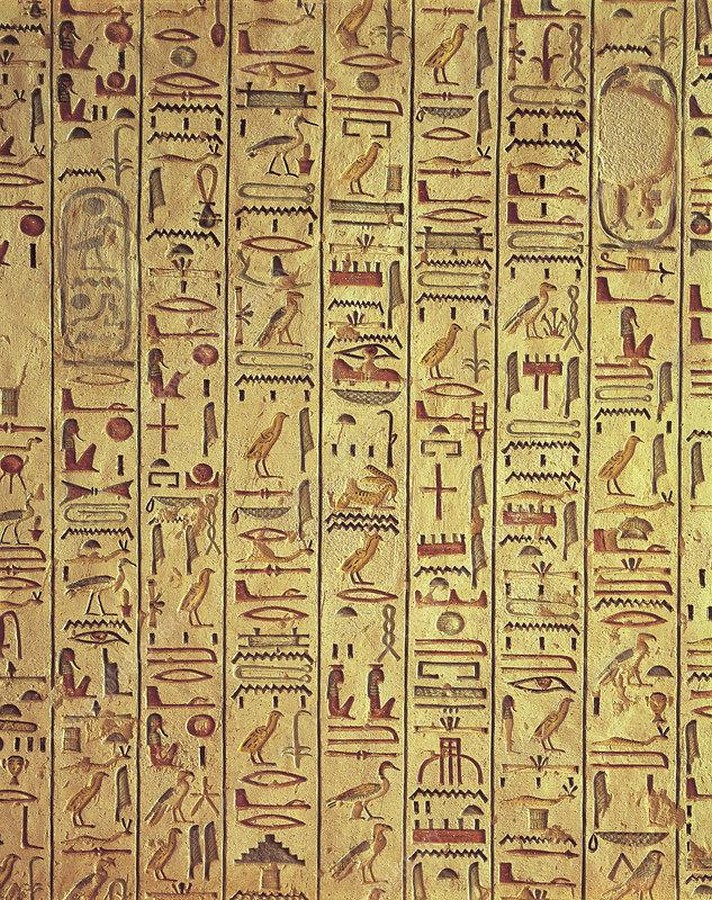
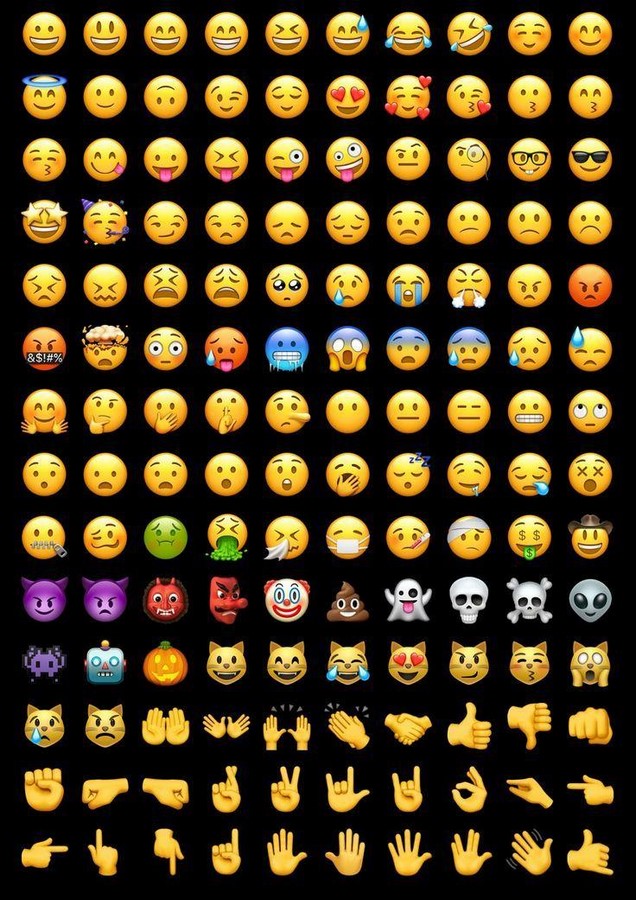
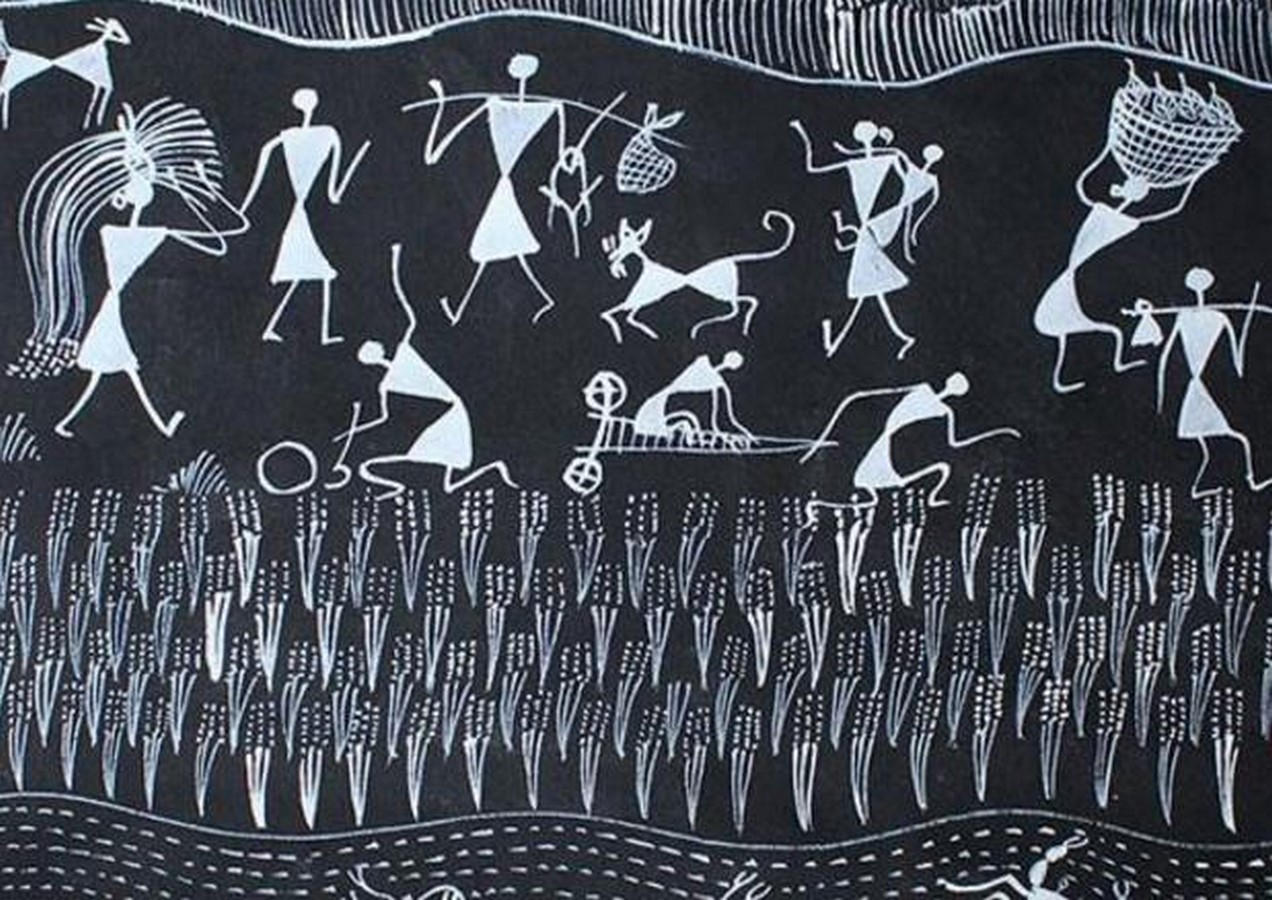
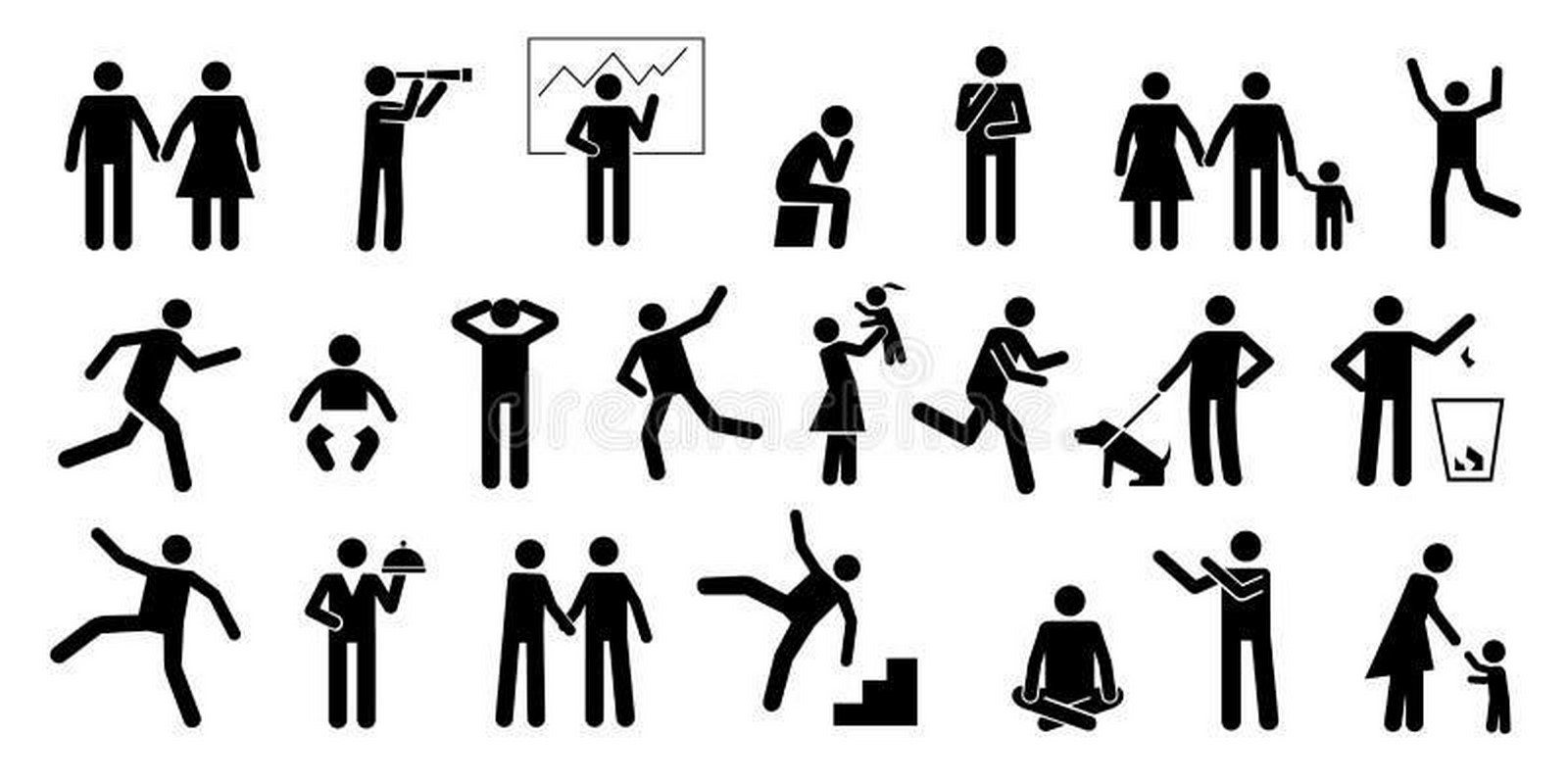
Parallels emerge everywhere: Egyptian hieroglyphs and emojis; Warli art and Aicher’s icons; Ray’s Sandesh illustrations and Aicher’s Olympic grids. Both traditions oscillate between situated identity and abstract universality, reminding us that graphic design’s tension was created in means of different striking context, as it stimulates the core aspects of the context born entities – THE PEOPLE, and their ways of life.
Can Cultural Depth and Universal Clarity Coexist?
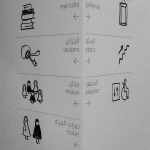
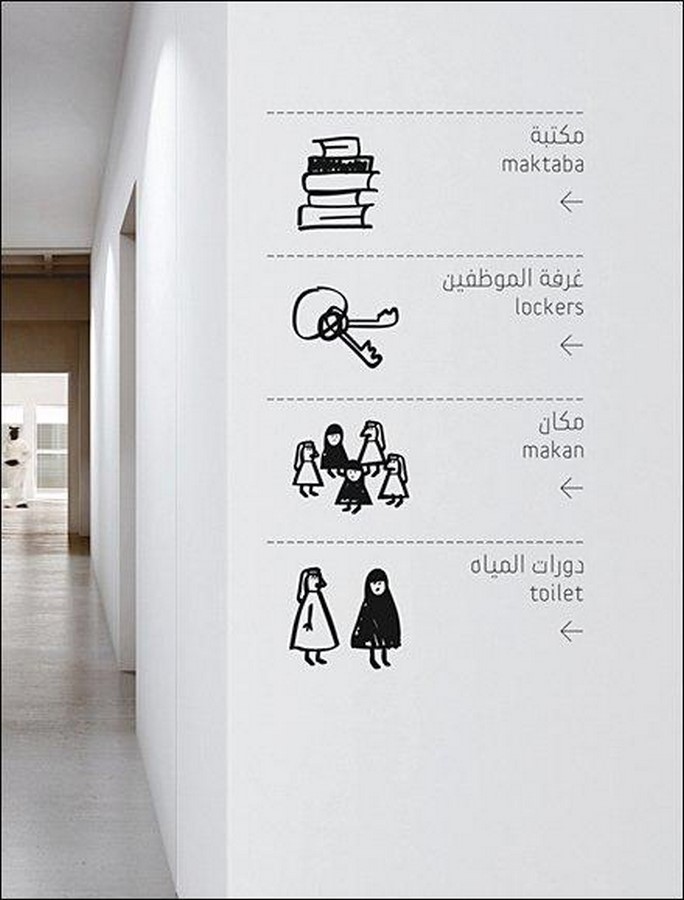
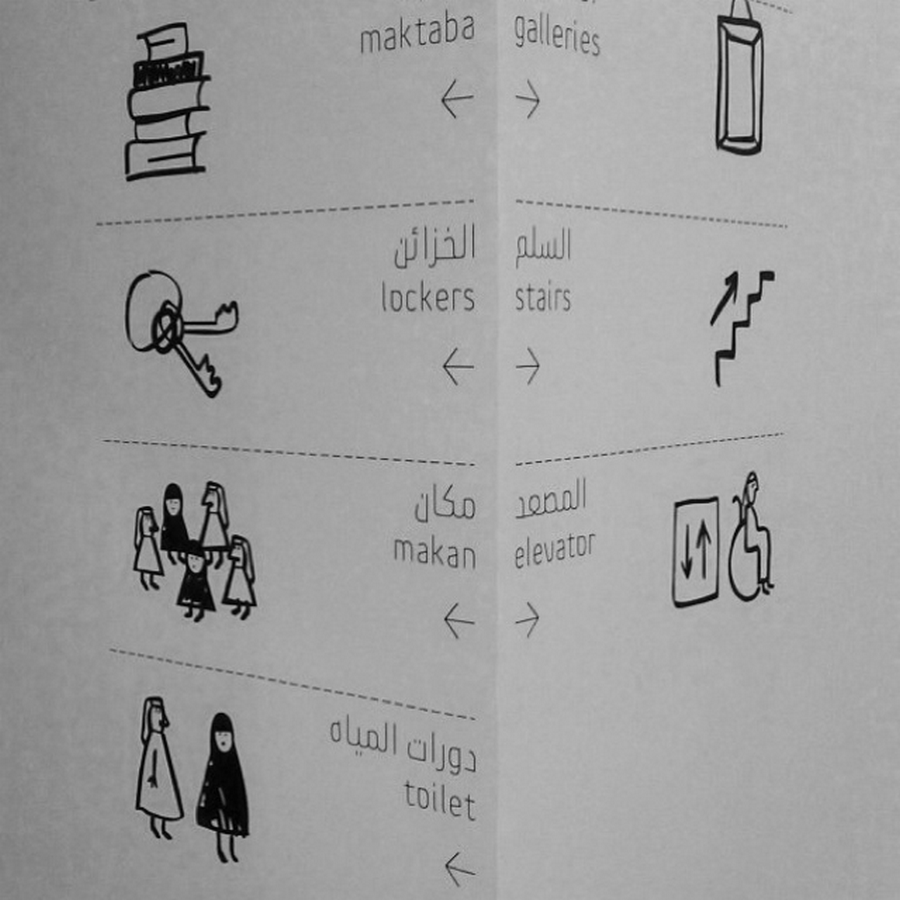
The wayfinding system for Mathaf, the Arab Museum of Modern Art in Doha, incorporates hand-drawn figures that subtly evoke regional attire while functioning as universally understood icons. Such work suggests a future where design can embed cultural memory without sacrificing clarity, creating systems that not only communicate but also carry the soul of a place and its people. This is how graphic design encodes collective memory into our daily lives, fostering a sense of identity and ownership by honouring the specific context of a community.
In an age of accelerating globalization, where a monotonous aesthetic threatens to make every place look and feel the same, this deliberate encoding of cultural particularity becomes an act of defiance, a necessary counterpoint to the homogenizing forces of our era. Ultimately, graphic design is a living language, perpetually shaping how societies see themselves and how disparate cultures, separated by time and geography, find common ground.
The question is less about choosing between Ray and Aicher, and more about designing in-between: embedding cultural memory without losing clarity, creating systems that communicate while carrying souls.
References:
- Deb, Sandipan. “How Satyajit Ray, the Filmmaker, Was Also India’s Foremost Graphic Designer.” Mint, May 2, 2017. https://www.livemint.com/Leisure/daJ6YpDNxxa623e80XGk8N/How-Satyajit-Ray-the-filmmaker-was-also-Indias-foremost-g.html. [Accessed October 2, 2025.]
- Miyagawa, Shigeru, Cora Lesure, and Vitor A. Nóbrega. “Cross-Modality Information Transfer: A Hypothesis about the Relationship among Prehistoric Cave Paintings, Symbolic Thinking, and the Emergence of Language.” Frontiers in Psychology 9 (2018): 114. https://doi.org/10.3389/fpsyg.2018.00114. [Accessed October 4, 2025.]
- Aicher, Otl. The World as Design. Translated by Michael Robinson. Berlin: Ernst & Sohn, 1994.
- National Geographic (2017). Did acoustic echoes in caves inspire Paleolithic art?. [online]. (17 July 2017). Available at: https://www.nationalgeographic.com/history/article/acoustic-caves-rock-art-language-origin-spd [Accessed 5 October 2025].
- Cooper, Andrew. Satyajit Ray: The Inner Eye: The Biography of a Master Film-Maker. London: I. B. Tauris, 2004.
- Dizikes, P. (2018). Humans speak through cave art. [online]. MIT News. Available at: https://news.mit.edu/2018/humans-speak-through-cave-art-0221 [Accessed 3 October 2025].
- Drucker, Johanna. Graphesis: Visual Forms of Knowledge Production. Cambridge, MA: Harvard University Press, 2014. [Accessed 7 October 2025].
- Lupton, Ellen, and J. Abbott Miller. Design Writing Research: Writing on Graphic Design. London: Phaidon Press, 1999. [Accessed 7 October 2025].
- Chen, L. (2019). ‘The Application of Graphic Language in Personalized Emotional Expression’, Journal of Visual Communication and Semiotics, [online], 6(2), pp. 45-58. Available at: https://doi.org/10.1234/jvcs.2019.0012 [Accessed 8 October 2025].
- Rathbone, Markus. Otl Aicher. London: Phaidon Press, 2006.
Figures:
01_The Designer’s Lexicon: A Shelf of Possibilities_©tomo.fonts
02_Cave of the Hands – Cueva de las Manos_©Public Domain
03_Bushmen cave painting-Southern Africa_©skilpad/iStock
04_Two Worlds, One Language: The Narrative Impulse in Indian Warli Art_©hemcrafts.com
05_The Narrative Impulse in Egyptian Hieroglyphs_©British Museum
06_Deconstructing Heritage: Abstracting Cultural Motifs into a Modern Visual System ©Podpunkt/ National Museum in Kraków, 2023
07_Brand identity-The National Museum in Kraków ©Podpunkt/ National Museum in Kraków, 2023
08_A Landscape of Ubiquitous Corporate Brand Identities_©SergZSV.ZP/Shutterstock
09_emojis / personal expression_©signal.org
10_ Satyajit Ray Composing a World Through the Lens_©Nemai Ghosh/SatyajitRay.org
11_ Film Posters Designed By Satyajit Ray_©SatyajitRay.org
12_The ‘Sandesh’ Children’s Magazine Cover_©Satyajit Ray
13_Ray’s Experimental and Evocative Covers for ‘Ekkhon’ Magazine_©Satyajit Ray
14_Otl Aicher with a letter in ‘Rotis’, the typeface he designed_©architectuul.com
15_The Geometric Grid_©International Olympic Committee/Otl Aicher
16_Munich Olympic Games Pictogram_©International Olympic Committee/Otl Aicher
17_Wayfinding symbol sets in the 1970s for the Frankfurt airport_©Fraport AG/Otl Aicher
18_Dynamism of sports for the 1972 Olympic games_©International Olympic Committee/Otl Aicher
19_Today, Aicher’s designs can be seen across Isny (A town in Germany)_©Medium
20_Book cover designed by Satyajit Ray, ‘Khai Khai’ written by his father, Sukumar Ray_©Satyajit Ray
21_Anatomy of a System: The Geometric Grid Underlying Aicher’s Universal Language – Olympic Graphic Design_©International Olympic Committee/Otl Aicher
22_Wall of Egyptian Hieroglyphs from the Tomb of Ramesses VI_©British Museum, London.
23_Universal Signifiers : A Grid of Standardized Digital Emotions_©Apple Inc.
24_Tribal Narratives in Warli Art_©Sapthora
25_The Ubiquitous Stick Figure as a Universal Signifier ©Tartila/VectorStock
26_A Fusion of Worlds: Culturally Resonant Wayfinding at the Mathaf Arab Museum of Modern Art in Doha, Qatar_©Mathaf: Arab Museum of Modern Art
27_Way finding/Sign_©Mathaf: Arab Museum of Modern Art