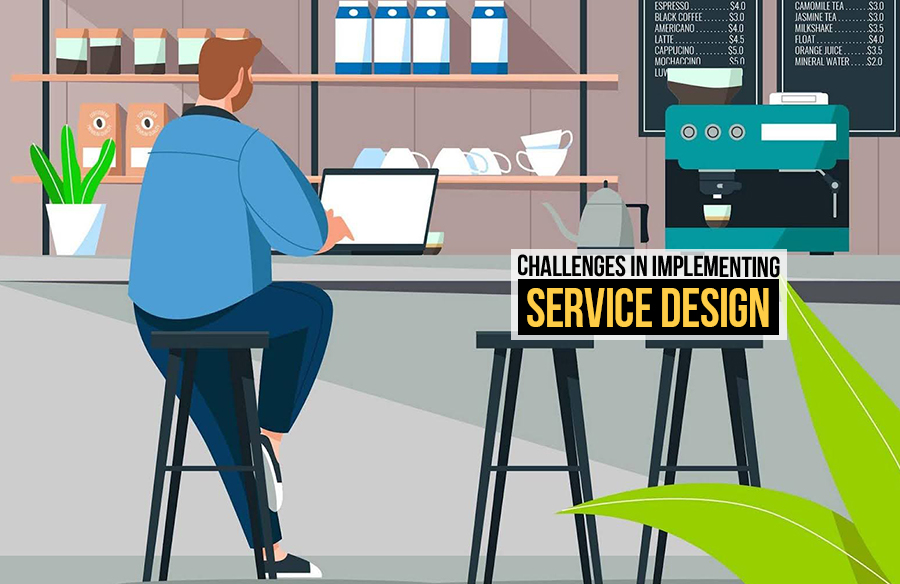
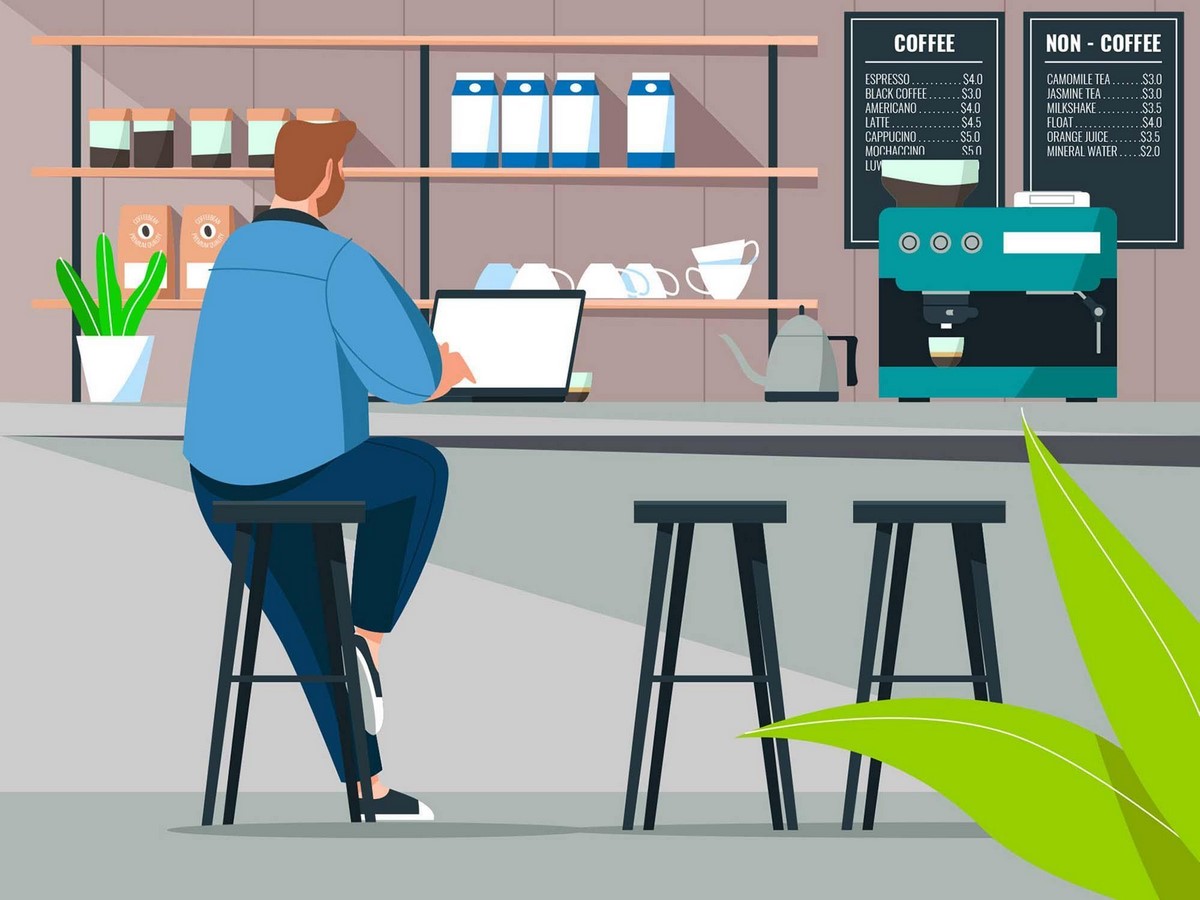
Imagine you have two coffee shops right next to each other selling the same coffee at the same price. Service design is what makes you walk into one and not the other.’ [1] This is a partial quote by Marc Fonteijn, founder of the Service Design Show. So how does service design do that and what constraints does it find on the way?
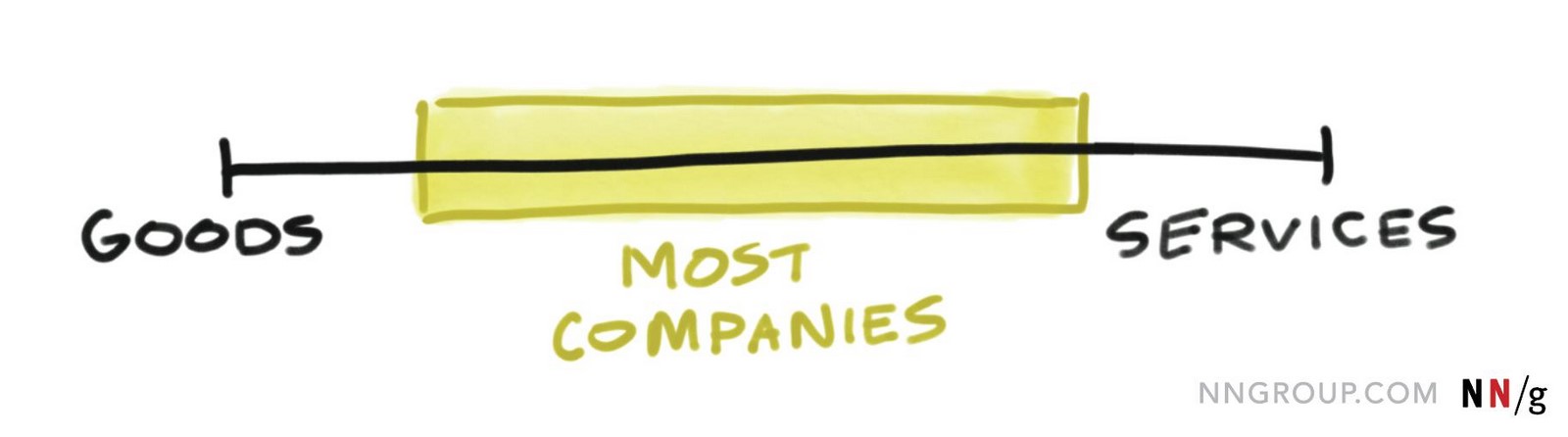
The term Service Design first came into the picture in 1982, it was coined by Lynn Shostack. [2] He suggested that the interaction between the backstage processes should be understood by every organization. Traditionally, in economics, there has always been a clear separation between ‘goods’ and ‘services’. [2] A good is a tangible item that is consumable by the user, like a bottle of shampoo or a pack of bandaids. A service is intangible or an experience, like a haircut at a salon or medical care. Earlier, a reputed hair salon having their range of products on the shelf and using it while working with clients, was not as common as it is. This is why today the gap between a good and a service is narrowing down and in some cases, there is no clear distinction between the two.
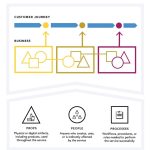
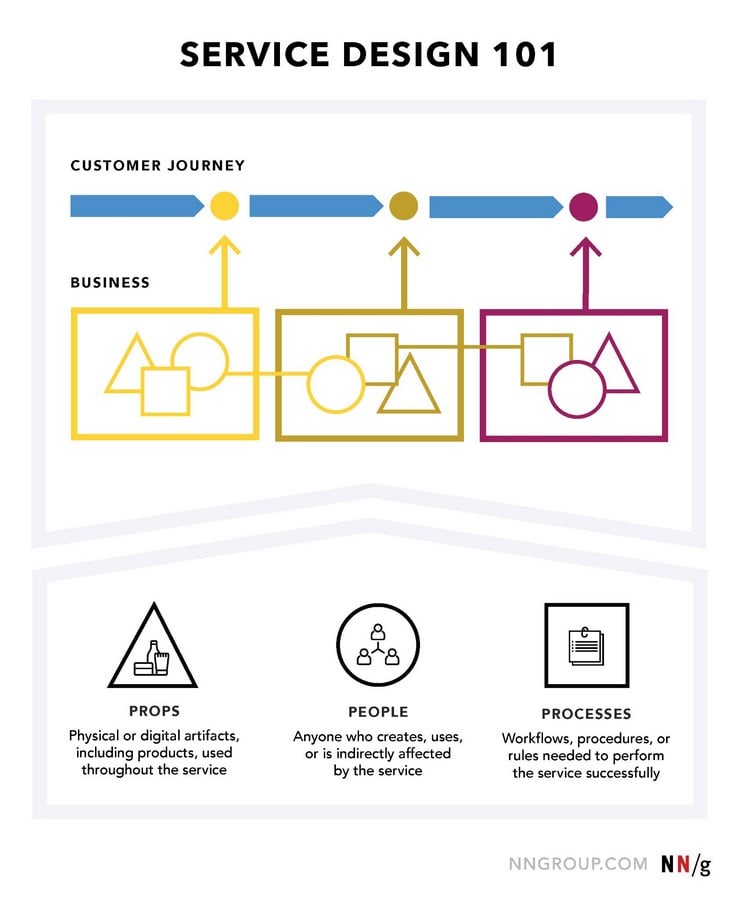
Another example could be, in the case of streaming services, for a user, watching a downloaded movie might seem like a product, and streaming it on a particular platform like Netflix, or Hulu might seem like a service. But behind the scenes of catering this entire experience is distinct and this is where service design comes into the picture to make the experience seamless. It is the activity of planning and organizing a business’s resources (people, props, and processes) to directly improve the employee’s experience, and indirectly, the customer’s (user’s) experience.
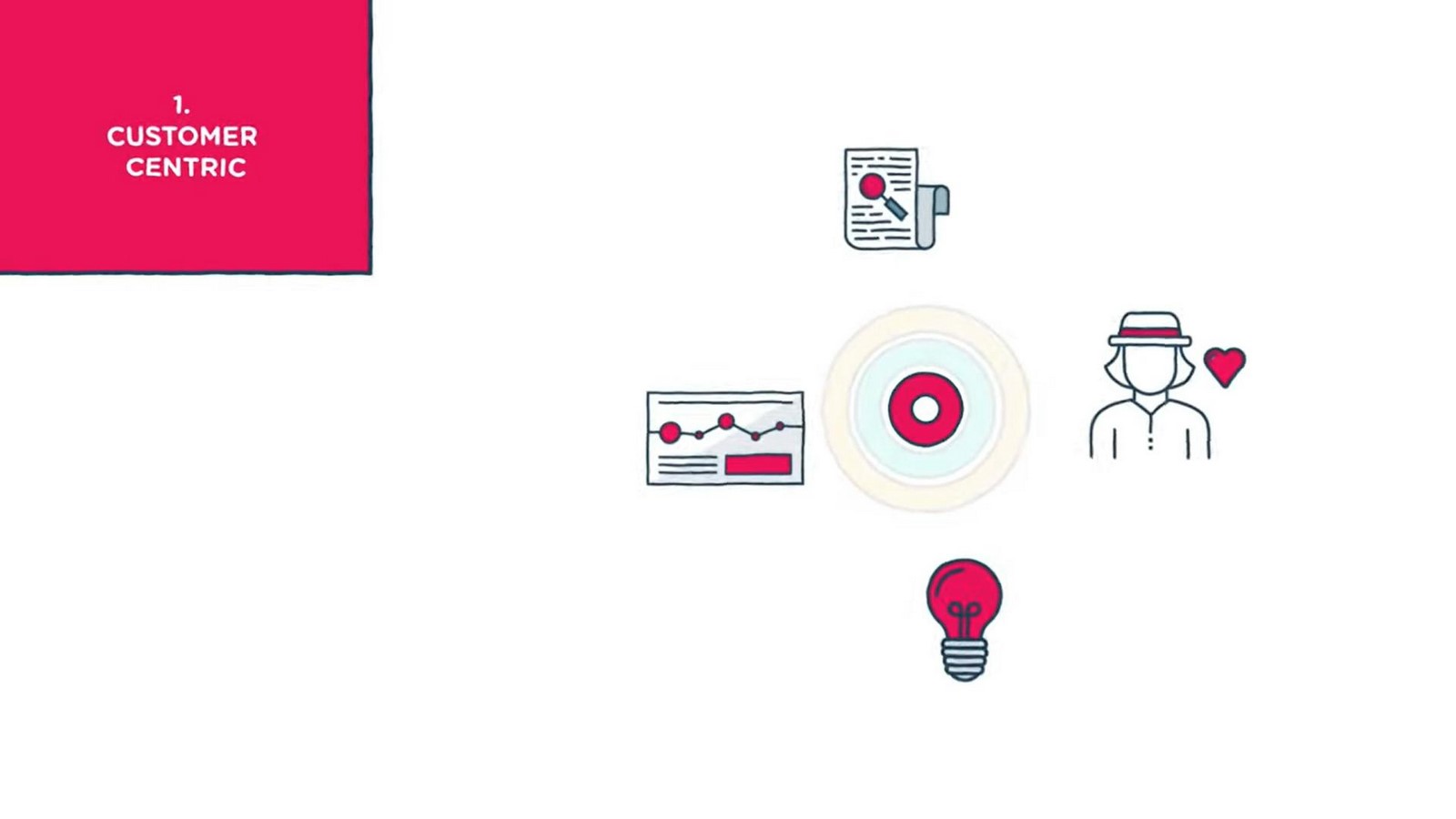
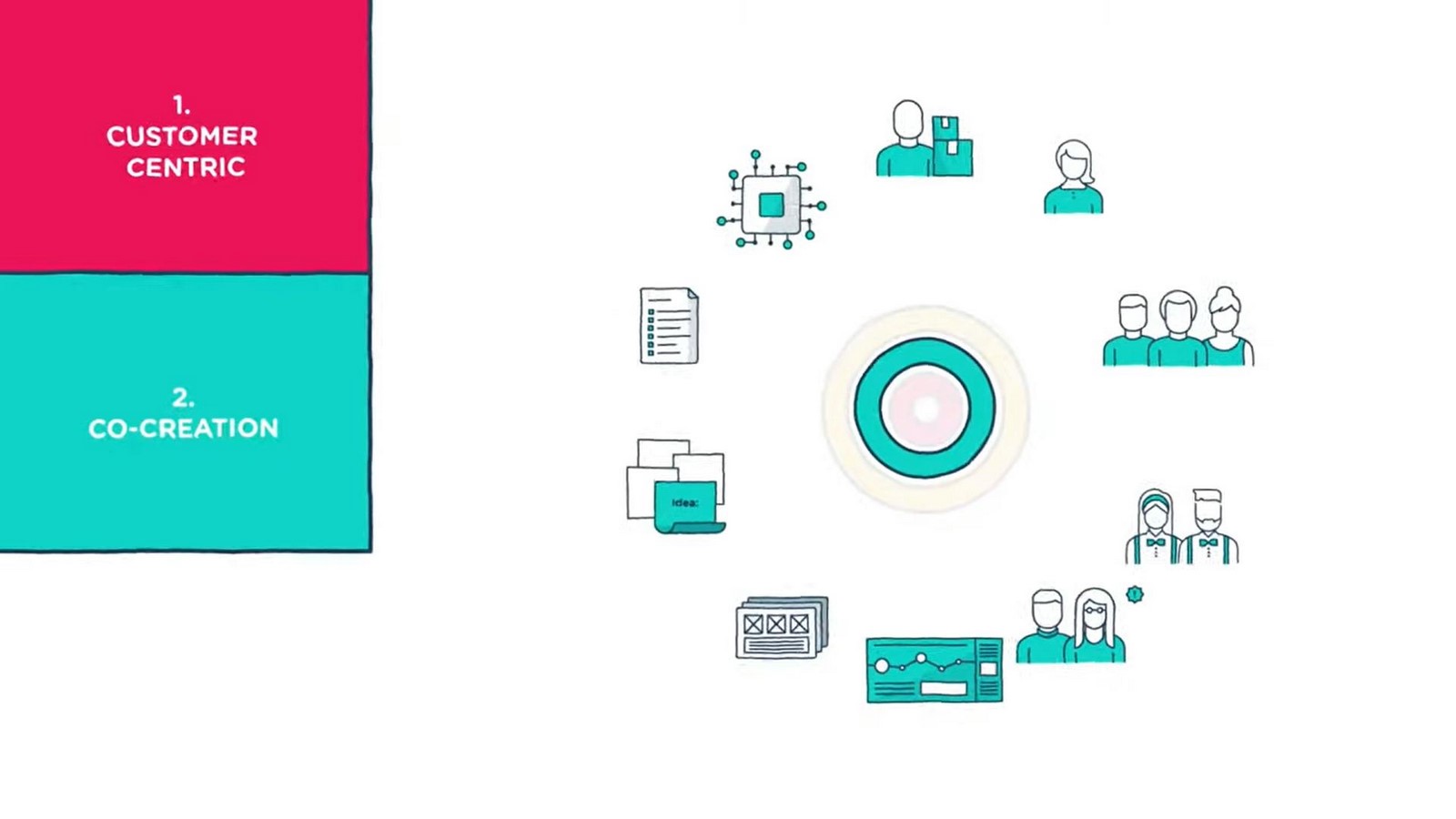
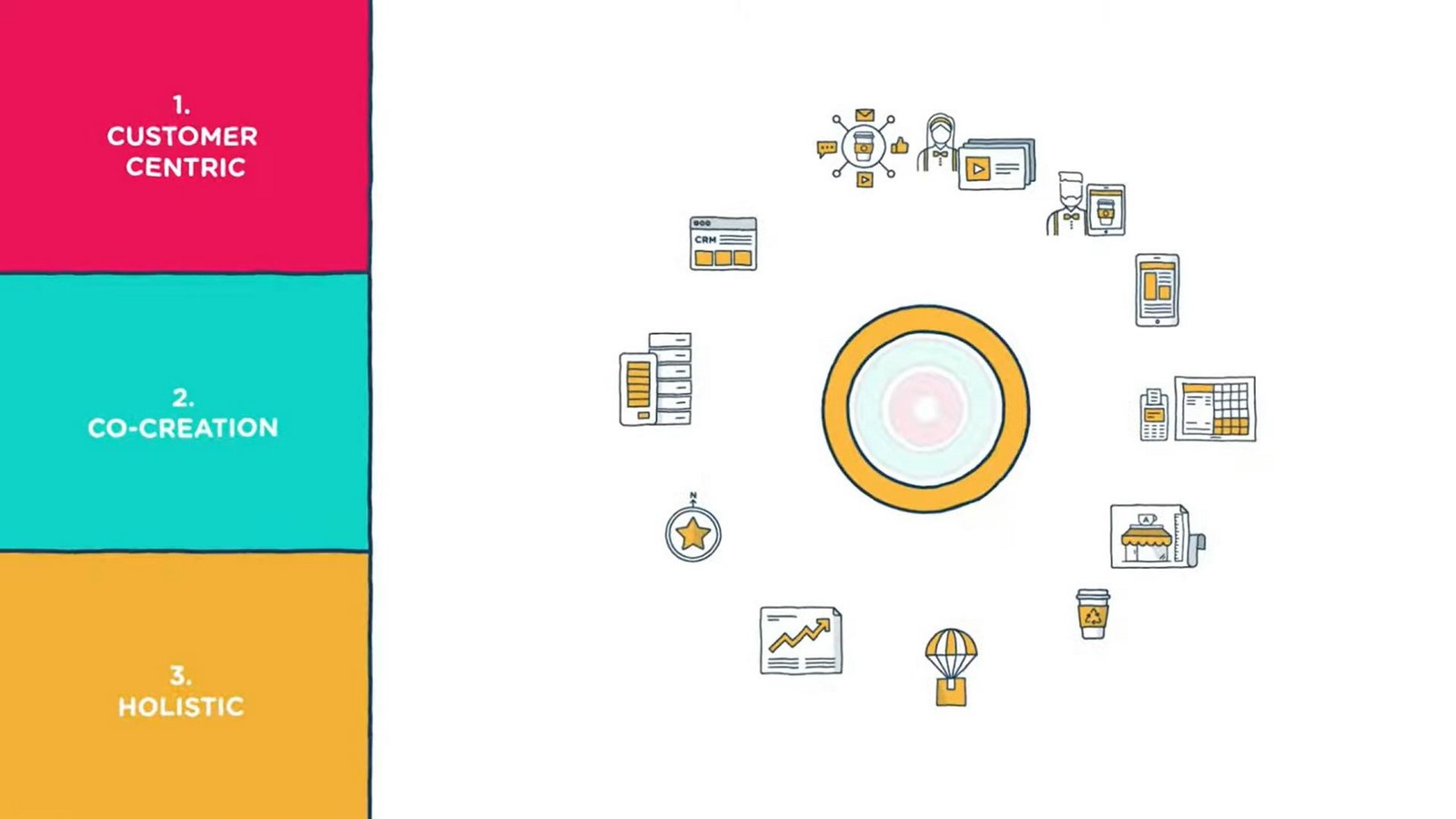
Looking back at the example of the coffee shops, why was it that the people were flocking to coffee shop B and not A? What did the second shop do differently? Both shops use mobile applications to take orders. Shop A designed the app and launched it in the market, which took a few weeks. Shop B on the other hand, is customer-centric. They researched a group of user’s behavior during, before, and after visiting a coffee shop, which they journey mapped. The journey was paralleled and mapped with emotions and pain points, which they identified as service opportunities. Further, they interviewed people who are indirectly involved, founders, employees, and suppliers, and ran a few workshops to understand the vision and pain points in their everyday errands, respectively. Side by side they designed some concepts and did live testing of them, this controlled research helped them understand what works for the brand. Moreover, the testing identified that there needs to be a way for the employees to handle extra orders and overflow of customers while tracking the payments. Therefore, the mobile app had features that were useful for both the employees and the customers. They did not stop there, they revamped their physical identity i.e. the cafe to match their digital identity, to create a holistic experience. [3] All this resulted in an experience that is true to the vision of the founder, customers, and employees.
To summarize, service design consists of three things,
- Customer-centric – putting the users at the heart of the experience.
- Co-creation – resulting in a technically feasible and business-viable service.
- Holistic- interdependent experiences that connect with people at an emotional level.
To complete Mark’s quote, ‘it is service design that makes you come back often and tell your friends about it’. [1]
However, not all businesses are keen on adopting service design as it comes with a unique set of challenges. There are six solid challenges that service design faces –
- Siloed departments- As seen above a holistic approach is required to execute service design but in reality, departments are siloed in every organization. IT, marketing, and customer service often work independently making holistic design difficult.
- Resistance to change – as service design requires to shift their workflow to co-create, therefore employees and leadership might resist changing their established routines.
- Mapping Complexity – mapping plays a huge role in service design, diagrams like service blueprints, and journey mapping, are difficult to keep track of, and visualizing all these components is time and resource-consuming.
- Stakeholder Alignment – This point is closely related to the first one. Different stakeholders have different priorities. Therefore a shared vision is necessary to bring everyone on the same page.
- Measuring Success – With all this mapping measuring success might seem easy but it isn’t, since to see the success of a project through service design is a lengthy process. This might cause stakeholders to lose patience.
- Technology Integration – It is not uncommon that the tech department is any organization that has the most amount of pressure and technology integration is at the front and center of service design adding extra workload for them. This might be one of the reasons for the hesitation to execute service design. [4]
While service design offers incredible benefits to businesses and companies the challenges associated with it cannot be overlooked. They have started to see value in service design and companies like Meta, Google, Amazon have particular teams dedicated to it. Acknowledging challenges and proactively working on them can result in not only the growth of this field with immense potential but also help businesses deliver exceptional value to their customers.
References:
- Src=’https://Secure.gravatar.com/Avatar/253f3cf9dcbd17932cddfdd3bf826d90?s=96, img A., #038;d=mm, Srcset=’https://Secure.gravatar.com/Avatar/253f3cf9dcbd17932cddfdd3bf826d90?s=192, 038;r=g’, #038;d=mm and says, 038;r=g 2x’ class=’avatar avatar-96 photo’ height=’96’ width=’96’ /> A.S. (2020). What Is Service Design: The Final Answer. [online] Service Design Show. Available at: https://www.servicedesignshow.com/what-is-service-design/.
- Gibbons, S. (2017). Service Design 101. [online] Nielsen Norman Group. Available at: https://www.nngroup.com/articles/service-design-101/.
- www.youtube.com. (n.d.). What is Service Design A tale of two coffee shops. [online] Available at: https://www.youtube.com/watch?v=HNOY8GLVy_8.
- NEXA (2019). Service Design: 6 Barriers to Service Design and how to overcome them. [online] Nexa.com.au. Available at: https://blog.nexa.com.au/blog/6-barriers-to-service-design.