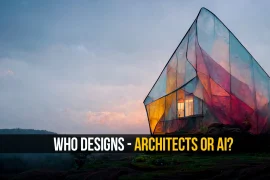
From 1970 onwards, technology played a pivotal role in crafting the concept of smart cities and shaping urban life, as it is used in surveillance, transportation routes, analysing planning, managing civic duties and resources, it helps in providing population analysis, urban planning, and maintaining civic order. This helps in creating opportunities for working and affordable living in the town by using its limited resources. But what is a Smart City? How is it pivotal in connecting the fast-paced life with advanced technology? Or is there some problem with traditional urban systems?
Smart cities use data and technology to tackle public health, governance, and resource allocation issues. All this is done to improve urban lifestyle, inadequate infrastructure, poor governance and planning models rising with industrialisation and immigration. The integration of advanced technology with the traditional and cultural values of a city is a crucial and challenging aspect because existing resources can be exploited in the construction of new ones. Masdar City of the UAE is one such example. The city seems to have a good integration of technology with cultural values; however, its origin is problematic. It was developed in a desert landscape where the scarcity of resources like water already exists. Unsustainable practices are adopted not just in design but in execution, which exploits the existing microclimate and habitat of the desert.
The conventional concept of Smart Cities revolves around a utopian urban space with immersive technological advancement in its civic and administrative sectors. According to the concept, science dominates human nature and emotions. Public life and privacy are systematically taken out of the context of public policies and decision-making platforms. On the contrary, Smart Cities are the integration of technology with traditional urban practices and systems, which provides a better understanding of crises like poverty, infrastructure, and poor governance. The data and analysis use Information and Communication Technology (ICT) to improve management efficacy, which aids in optimising the city’s function by providing better government service and citizen functioning. The value of Smart Cities for enhancing urban life lies in the correct use of technology rather than in how much technology is available.
Smart cities include many characteristics, but their success relies on cooperation between the public and private sectors that can target the technical complexities beyond the limits of the government and administrative units. Intergovernmental support is necessary to effectively utilise advanced technology like IoT to enhance living standards and solve urban problems.
The following text discusses smart cities in contrast to traditional ones, the challenges they pose to privacy and sustainability, and evolving models with historical backup.
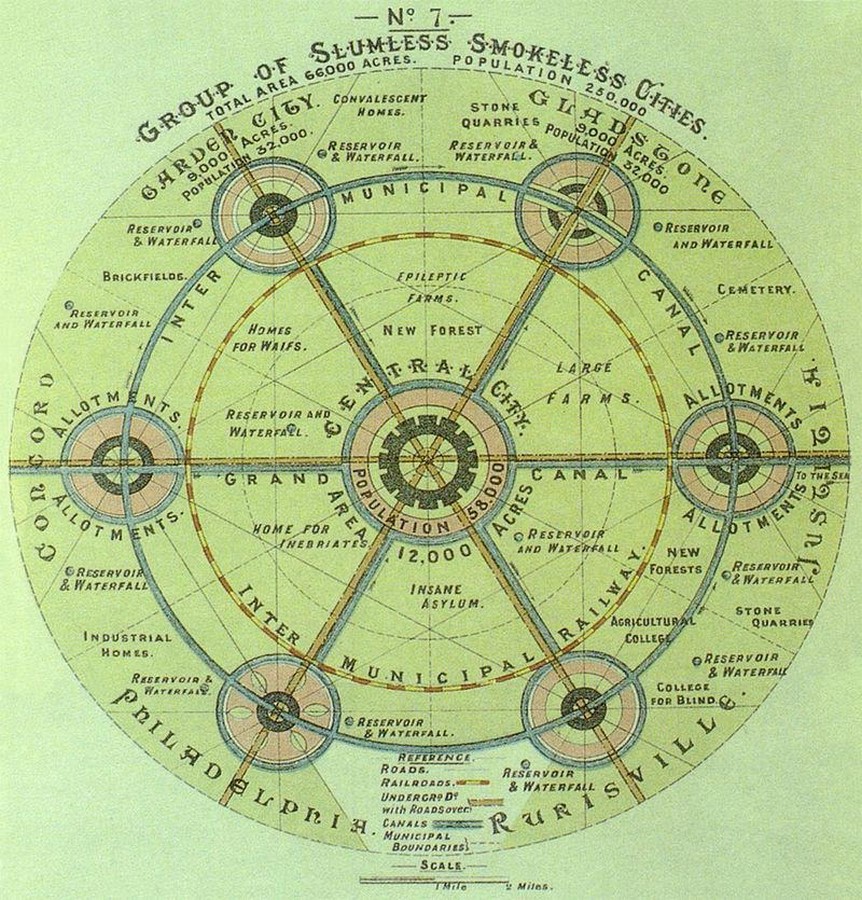
Historical Evolution of Smart Cities
So, what are smart cities, and what is their historical significance in contemporary times? From the perspective of technology giants, a smart city is an urban environment integrated with high-tech gadgets that address societal challenges such as street crimes, administrative issues and violence and promote a people-friendly atmosphere. For urban planners, it involves utilising available interconnected information and infrastructure to enhance governance and operations, ultimately generating better results for citizens while using limited resources. This latter definition may seem rational, as it builds on precedent to generate solutions that aim to target present issues while fostering a responsive society for the future. This approach is neither alien nor delusional; it marks the origin of the first generation of smart cities.
In the 1970s, the US Community Analysis Bureau employed various methods, including data analysis, aerial photography, and cluster analysis, to gather information. Their goal was to study and address social and urban issues related to natural disasters, governance crises, disaster management, and poverty reduction. The first phase was made possible through the support of technology giants such as IBM. IBM developed a mainframe computing system and data analytics platforms. Both these systems played a pivotal role in data collection and analysis on transportation, utilities, and public service delivery. So, IBM not only played a pioneering role in the integration of data systems into the government sector but also laid a foundation for the Smart City Model. This was a social, political, and technical effort to target urban sprawl following industrialisation and migration.
The second generation utilised technology to minimise the crisis of municipal corporations. The technology used in the second generation was a Geographic Information System (GIS) for mapping and detecting faults in urban infrastructure. Another one is the data management system. It monitors and tracks public services like waste collection, management, and traffic control. An example of this integration is Amsterdam. Amsterdam in the 1980s used sensor-based data to navigate waste management routes and to monitor energy consumption in public buildings. This results in more organised municipal services.
The third generation emphasised communal values and neighbourhood inclusivity by transferring control from technology providers and societal leaders to the community. This enhances communal engagement and makes them aware of government policies. An example is the Vienna community solar project. Vienna adopted the third-generation model, a community solar project proposed in collaboration with the local Wien Energy Company. This initiative enables citizens and administrative staff to invest in solar panels and work alongside the governance to tackle gender inequality, sustainability, and advance affordable housing initiatives.
Real issues faced by the public and communities can be effectively addressed through balanced collaboration between advanced technology and community participation. All three progressive phases highlight the importance of well-integrated technology working in tandem with communal efforts. Conversely, poorly planned infrastructure models or top-down approaches can damage the social fabric and widen the communication gap between the government and the public.
Smart Cities: Concept and Origin
The main objective of the Smart City is to eradicate social issues and promote progressive economic growth, mental well-being, and physical health of individuals. Integrating technology with existing structures should benefit everyone. ICT (Information and Communication Technology) is an earlier technology integrated with a data analysis system to enhance the exchange of distress signals, communication, and the information sharing between the public and government bodies. The inclusivity of advanced technology gives value to Smart city design. It overcomes the crisis and issues due to industrialisation, migration, and war.
Should we assume that Harappa and Egyptian civilisations needed to be “smarter” because of a lack of fancy technical tools? These civilisations, similar to those of the 70s concept, were in tune with the latest available materials and construction techniques, whether in urban planning, irrigation systems, or architecture and construction. They admired and appreciated the limits of the available materials, which made their infrastructure most successful and reliable. Architects and urban planners must incorporate technology for smooth and efficient designs. It is mandatory to include these new tools, such as IoT, AI and semiconductors, in smart cities to address infrastructure, disaster management, population growth, food scarcity, and rising crime rates.

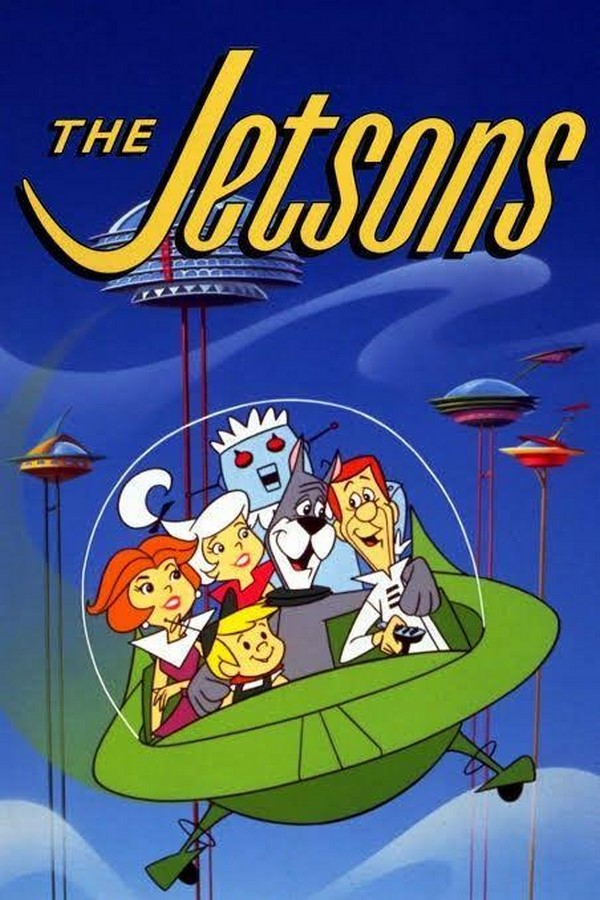
Cultural imaginations had also played a pioneering role in formulating the concept and visuals of smart cities. It can be explained through a case study of the cartoon series “The Jetsons”. Although developed in the 1960’s ‘ The Jetsons’, an American sitcom, depicts strong visuals of a Smart City and Smart life, which illustrators and Urban planners have imagined and predicted through flying cars and automation. Futuristic cityscapes depict humanity’s longstanding desires for an adaptable urban environment. Similarly, Studio Ghiblis’ Howl’s Moving Castle is an animation for mobile, and a self-sustained moving city, independent of context or geography. Even in cartoons and animations, illustrators predict ideas and earlier concepts for smart cities. According to architects like Le Corbusier, these concepts are filled with utopian elements and futuristic landscapes. Modern Cities, today, represent a different image, desirable but not as utopian as it was imagined.
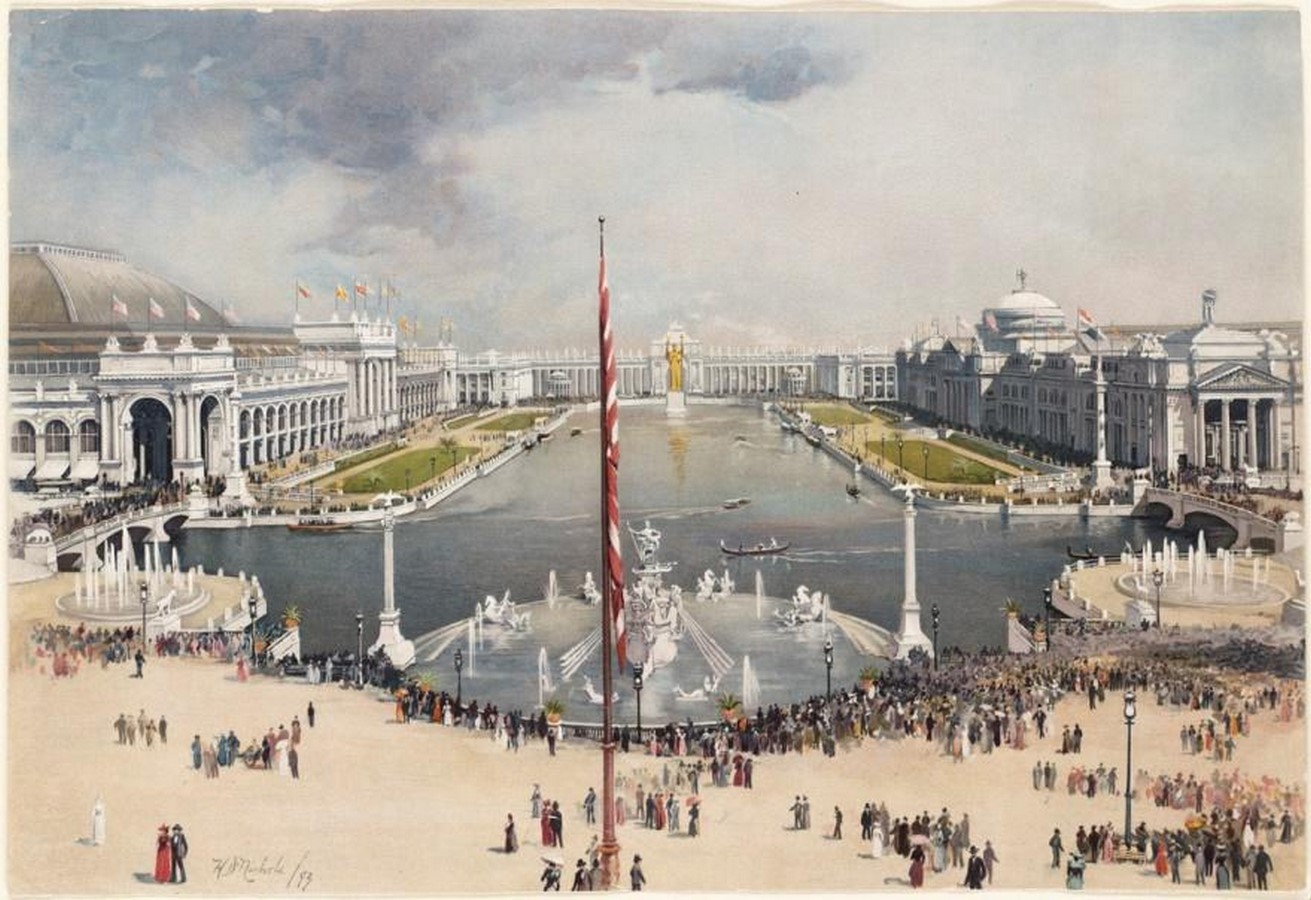
The visual and environmental image of a smart city is dependent on its urban landscaping concepts and designs. The emphasis on “making cities green again” was started in 1970 in the form of City Beautification projects. In addition to its ties with technology and digital infrastructure, the campaign focused on enhancing the urban environment and visual quality.. The policies adopted are still actively practiced in city designs, which are reducing urban blight, introducing zoning regulations, and renovating public spaces. These initiatives aid in upgrading cities’ appearance and visual quality, which impacts citizens’ mental health and behavior towards public property. They feel pride when urban planning incorporates the human element.
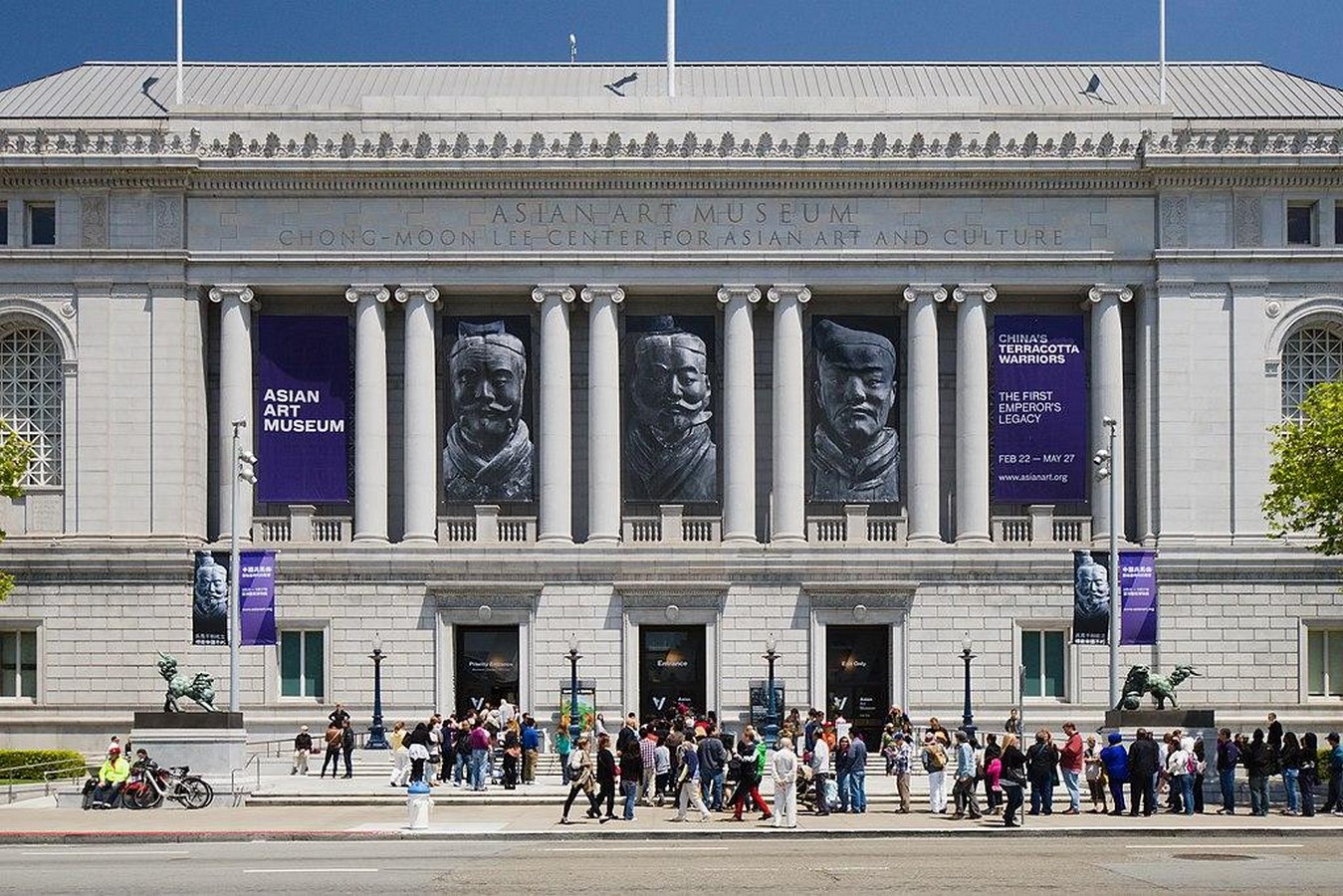
This philosophy is executed in contemporary times, creating efficient and holistic public spaces through urban landscaping, public art installations, elevation improvement and pedestrian inclined streets. Singapore and Copenhagen can be case in point. In both cities, the environmental data is integrated with government systems to monitor cleanliness and urban green spaces. This helps improve citizens’ livability by reducing stress and creating healthy public spaces. So, one can state that city beautification is not a cosmetic procedure but a well-researched and detailed process in smart city design, that combines health with technology to create sustainable and efficient urban planning.
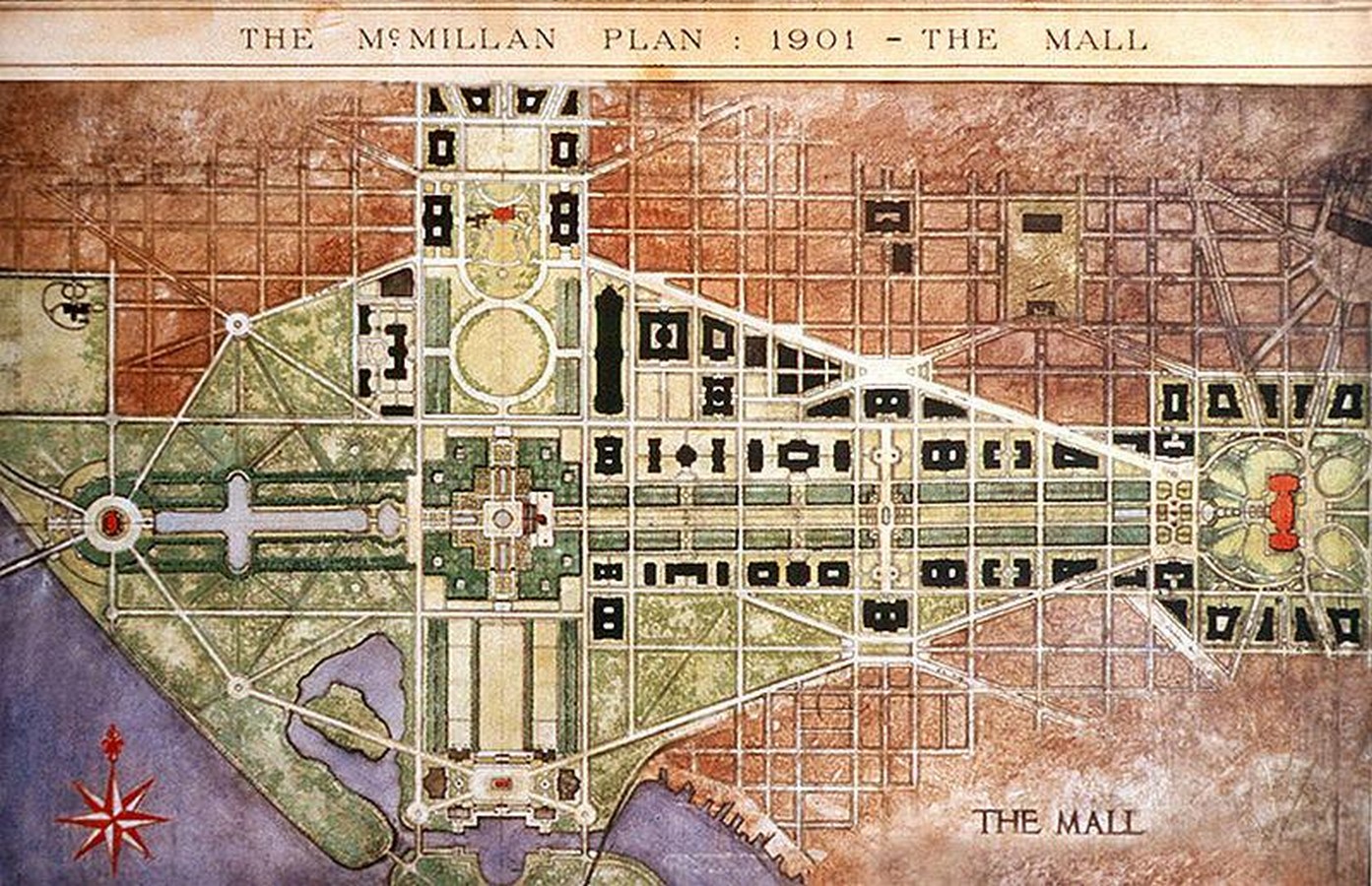
Why is it crucial for Smart Cities to offer communal autonomy and security? Social issues often arise from specific historical periods and philosophies, such as industrialisation and the capitalist market. These factors can lead to inadequate infrastructure, social inequalities in resource distribution, poorly managed urban planning, and a technological competition among global powers. This competition can result in inflation and a loss of vision for affordable, sustainable housing. Technology has brought opportunities and concerns, particularly regarding its shift towards state narratives and corporate interests, which may strip communal participation and identity from policy groundwork. So, it is imperative to find a balance between parties for the real execution of smart cities, and the administration of these cities is to be handled through communal participation.

Concerns and Challenges
Smart Cities may address increasing urban challenges, but this freedom comes with trade-offs: significant concerns regarding privacy, the digital divide, governance gaps, environmental impacts, and rising surveillance issues. Privacy and surveillance are meaningful factors for citizens’ protection, but invasive surveillance has a chance of data misuse. A risk of data breach with compromised cyber security is hanging in the air. Similarly, surveillance is conducted using high-tech gadgets. All of these tools and facilities come with a hidden environmental cost. For example, to ensure these devices operate smoothly, a certain amount of water is needed, which may be sourced through undocumented methods.
The most immediate impact one can observe and experience is that smart cities are limited to the high-income category. This creates a digital divide, as facilities are inaccessible to the majority, generating inequality. A transparent communication channel between communities and government bodies is mandatory. This inclusivity prevents the centralisation of technology for control and misuse, which helps empower communities.
These are imminent concerns and challenges whenever the idea of smart cities is envisioned. They can be navigated with ethical urbanism; here, empathy and inclusivity must be aligned with innovation and advanced technology. A holistic approach will create wiser cities
The functioning of Smart Cities is possible when three institutions work in harmony: Governance, technology, and the social community. The integration of advanced tools won’t define the true concept of a smart city, but rather how intelligently and sensitively one can use these tools and integrate them within systems to solve genuine problems. History bears witness to the earliest technology, and the community-driven policies remained inspirational for the transformation within smart cities. The concept is to build cities wiser, more human, responsive and adaptable to the present and future needs. This is possible when transparency and honesty prevail between government policies and communal values. So, staying genuine, educational, and politically conscious is the responsibility of all stakeholders to achieve their purpose.
Reference list:
Bellamy, E. (1968). EQUALITY. BY EDWARD BELLAMY. Houghton, Mifflin & Co.
Bellamy, E. (2017). Looking Backward. Ticknor & Co.
Madman Anime (2014). Howl’s Moving Castle – Official Trailer. YouTube. Available at: https://www.youtube.com/watch?v=iwROgK94zcM.
PaulaElinor4662 (2018). The Jetsons Season 2 Episode 38 – Boy George. Dailymotion. Available at: https://www.dailymotion.com/video/x6oik1e.
Roe, J. and Mccay, L. (2021). Restorative Cities : Urban Design for mental health and wellbeing. London ; New York: Bloomsbury Visual Arts.
www.pca-stream.com. (n.d.). New Old Cities vs Old New Cities: The City of which future? | PCA – STREAM. [online] Available at: https://www.pca-stream.com/en/explore/new-old-cities-vs-old-new-cities-the-city-of-which-future/ [Accessed 4 Apr. 2025].