Design thinking is often associated with visualisation, sketching, rendering, and digital models, yet at the same time, designers engage with a more immediate and embodied source of knowledge: touch. Designers…
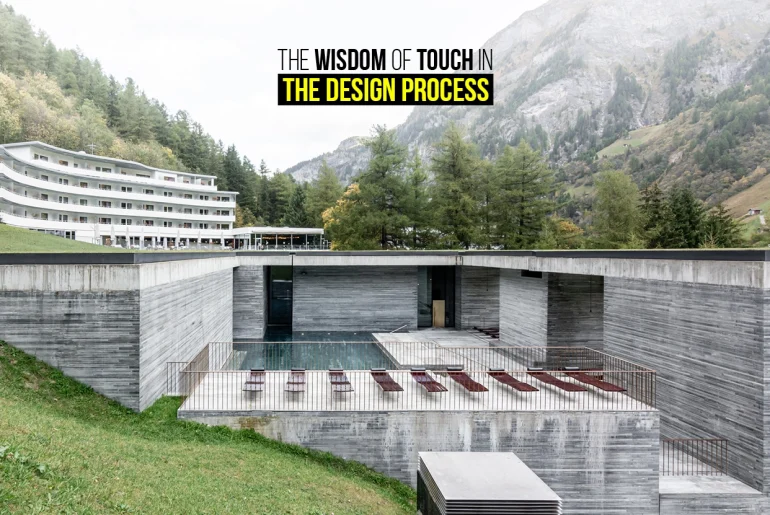


Design thinking is often associated with visualisation, sketching, rendering, and digital models, yet at the same time, designers engage with a more immediate and embodied source of knowledge: touch. Designers…
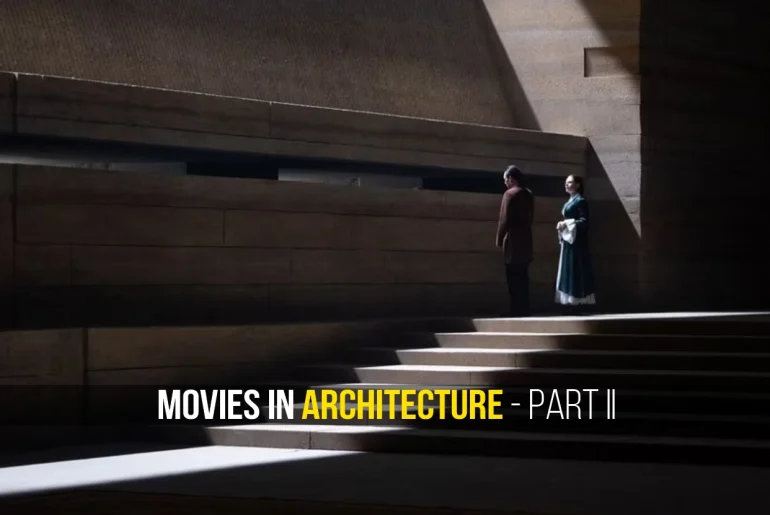
In the first part of Movies in Architecture, we explored how architecture already carries cinematic qualities through frames and storytelling. Just as a film uses a screen to focus attention,…
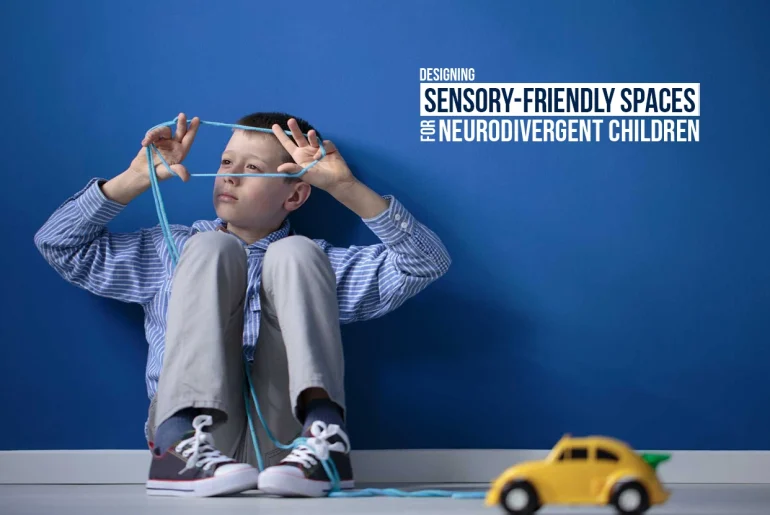
As Jean Piaget states, “Children learn by being active participants with the environment. Children initiate the activities they use to learn. Children construct knowledge for themselves in response to their…
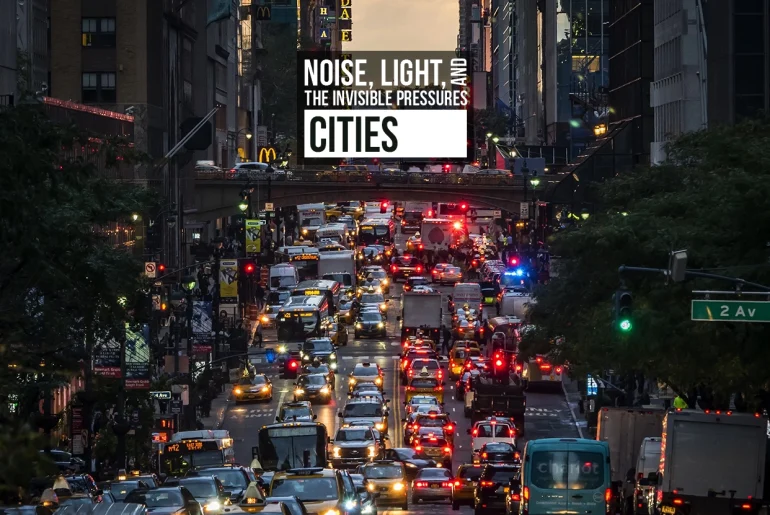
Cities can be described as moulded on what can be seen. Streets, facades, people, skylines. However, there are forces that influence urban life that are not exactly visual. They come…
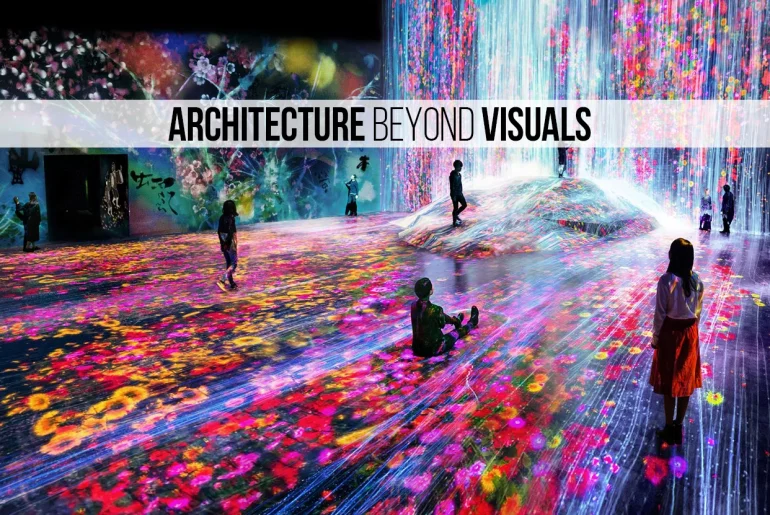
Architecture creates spaces, walls, and a roof for inhabitation. The story does not end there. Once humans realised that they could construct streets, shelters, and settlements for habitation, their thoughts…
Architecture extends far beyond the act of constructing buildings. It’s a way of seeing things; places, buildings, streets, cities and the world. As a discipline, architecture influences the way a…
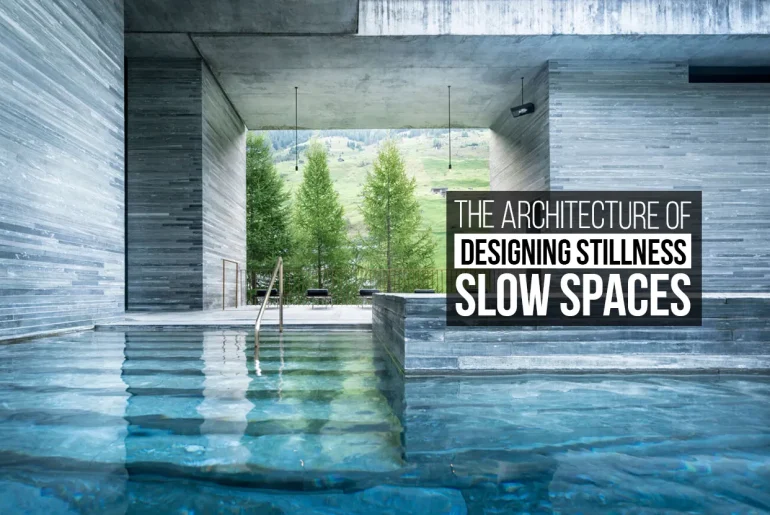
A City That Forgot to Breathe Every city hums at a different rhythm. Some pulse with urgency, the sharp hiss of brakes, the glow of screens, the blur of bodies…
The 21st-century human in urban environments is a culmination of fast-paced living, rapid movements, and efficient working; more often than not, a straight point A to point B journey. However,…
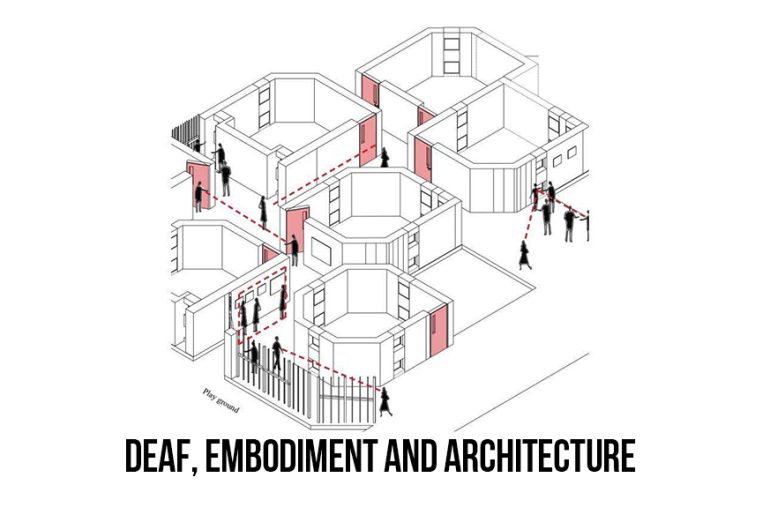
Do I have your moment? During my undergraduate Research thesis, we were asked to choose a topic that we not only wanted to research but also felt passionate about, to…
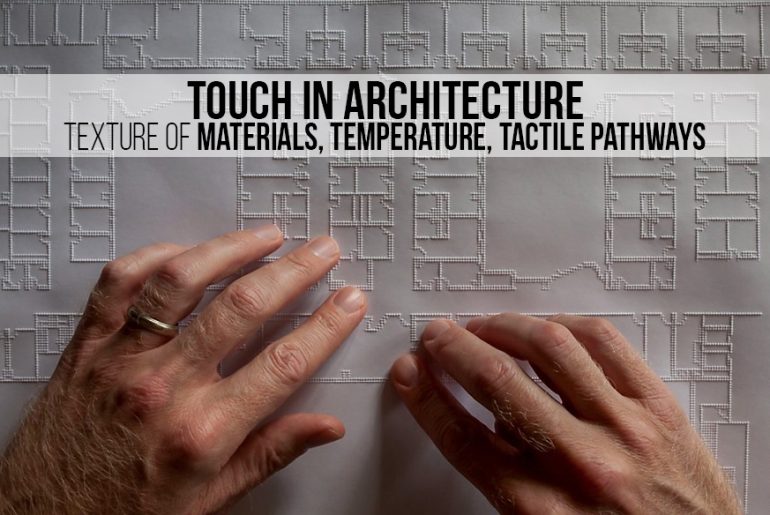
Architecture throughout history has been something we could experience in our whole being, but recent design movements and methods have watered it down to a mere visual experience through colors…
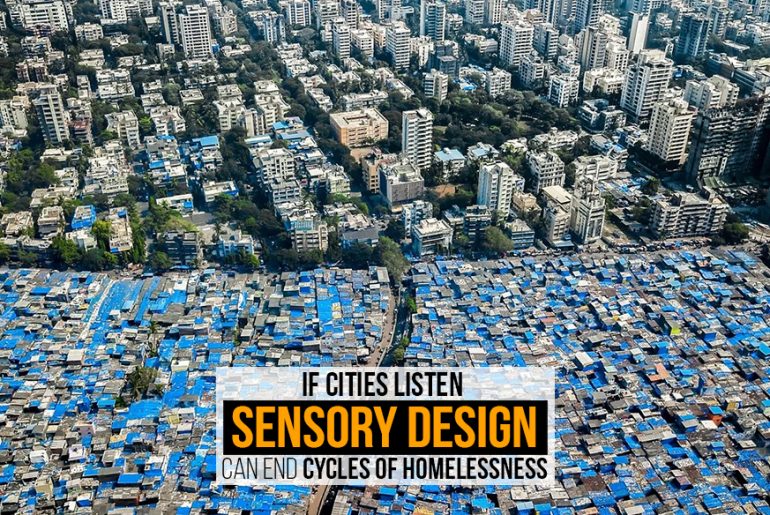
The physical environments people inhabit directly shape societal opportunities and the quality of life. For most city dwellers, the urban landscape evokes admiration for its energy and iconic sights. Yet,…

The built environment consists of physical elements such as form, function, material, and efficiency but it also creates intangible human experiences through memory, identity, and belonging. The built environment directly…