Settlements may evolve, but their narratives and memories are passed down through generations. Architecture, traditional attire, and authentic food collectively serve as expressions of culture. Transforming heritage buildings for food…


Settlements may evolve, but their narratives and memories are passed down through generations. Architecture, traditional attire, and authentic food collectively serve as expressions of culture. Transforming heritage buildings for food…

Retrofitting is often introduced into architectural discourse through necessity rather than intent. Buildings must consume less energy, meet evolving regulations, and respond to changing patterns of occupation. In this framing,…
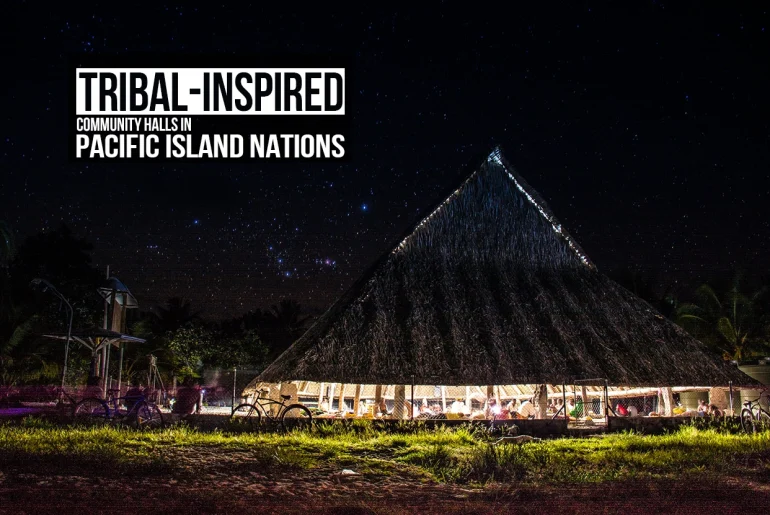
Tribal-inspired community halls are a tangible illustration of indigenous understanding, social cohesiveness, and shared culture across the vast Pacific Ocean. These structures are utilised as the foci for governance, everyday…

Old Buildings as Climate Resources Older buildings are frequently regarded as development obstacles in rapidly growing urban areas. Demolition seems acceptable because it is frequently regarded as ineffective, antiquated, or…
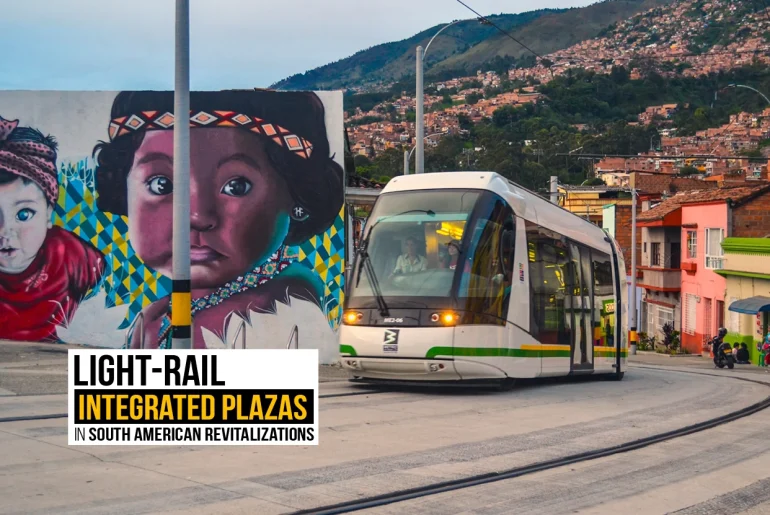
In many South American cities, rapid urbanization during the 20th century has led to urban segregation, unstructured development, and overloaded infrastructure. Instead of mimicking car-focused models seen elsewhere, cities such…

Cities are often understood through their moments of growth, construction, and renewal, yet they are equally shaped by what is left behind. Abandoned buildings, neglected public spaces, unused infrastructure, and…

The sheer growth of the present-day city indicates that the Sarai Shahji Mahal was standing even before there was a city in Delhi, more than 300 years ago. Located close…

Not only in Australia but globally, industrial architecture such as warehouses, factories, distribution centres, power plants, data centres, etc., occupies massive, strategic locations, yet remains more or less disconnected from…
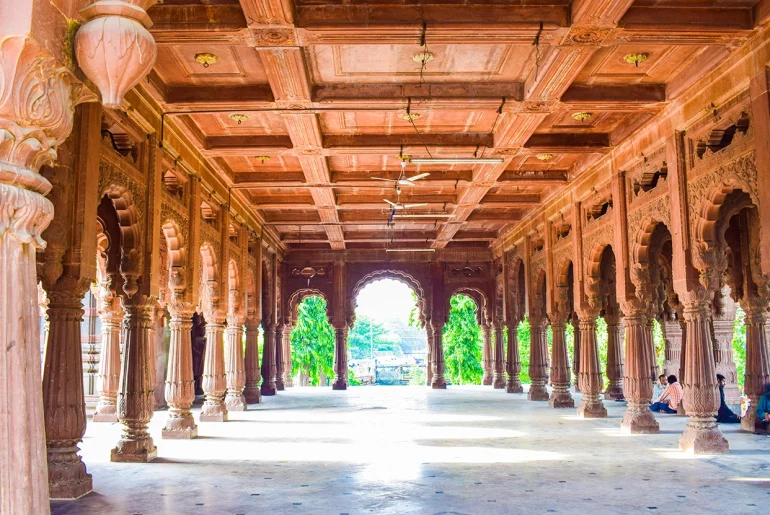
Chhatris are a unique architectural type found in Western India, serving as a death marker, political symbol, and an element of urban fabric. This case study focuses on Krishnapura Chhatri,…
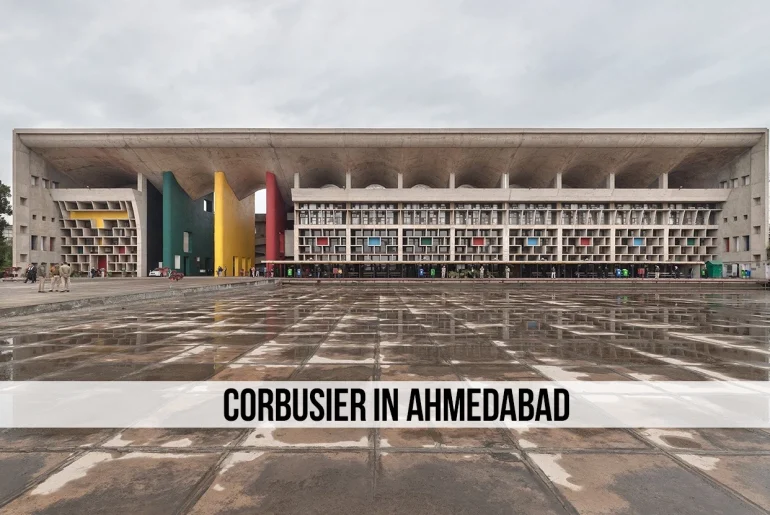
After Independence in 1947, India faced the challenge of not just rebuilding its cities and infrastructure but also shaping a national identity through institutions. Universities, housing, cultural centres, and administrative…

Traditional media have always provided humans with a way to record society through its architecture and urban fabric. Buildings, streets, and settlements often provided hidden narratives and quiet physical records…

Historic buildings are living archives that embody the social, cultural, and political narratives of the societies that created them. Architects encounter a profound design challenge which goes beyond structural engineering…