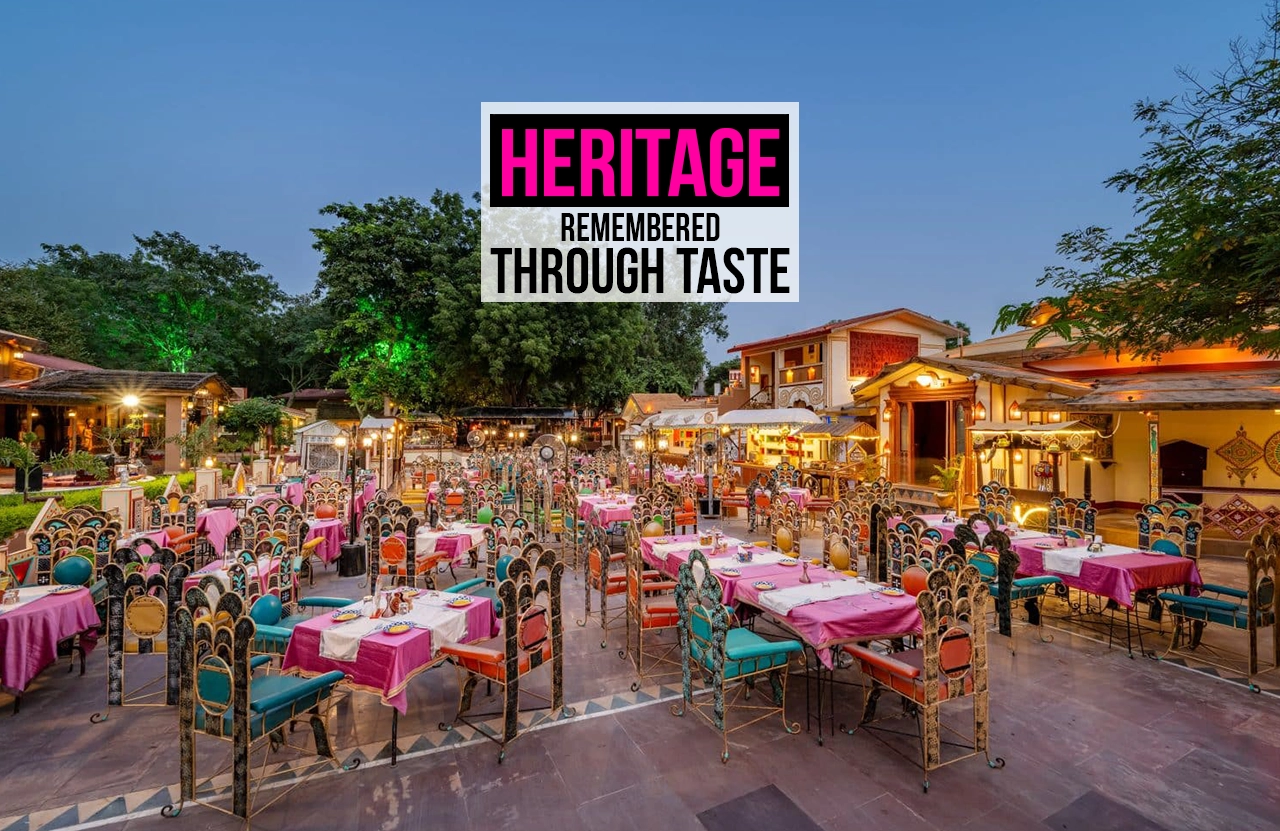
Settlements may evolve, but their narratives and memories are passed down through generations. Architecture, traditional attire, and authentic food collectively serve as expressions of culture. Transforming heritage buildings for food culture and tourism has become popular as a preservation technique. As historic buildings deteriorate at a faster pace, their restoration has become an opportunity for housing authentic restaurants. This article explores the growing prominence of food culture and tourism in repurposing heritage buildings through examples of authentic food experiences.
Reviving The Heritage
Heritage buildings are celebrated for their architectural qualities, like enduring buildings, intricate motifs, and carefully curated elements which tell the story of cultural legacy. Losing historic buildings is the loss of cultural identity, communication, connection, history, and memory (Savoie et al. 2025, p. 110). Several historical districts and regional towns around the world have still preserved their cultural significance. Heritage tourism and restaurant reuse are common in Indonesian cities (Fajarwati et al., 2022). Heritage restaurants trigger memories of the past, even when visitors never lived in that area (Fajarwati et al., 2022). The customers time-travel to the past as they dine in the authentic restaurants set within native, heritage-rich surroundings. The escape from a fast-growing world to a native setting heightens the mood and overall experience of the customer. This influences consumer behaviour and their intention to revisit (Fajarwati et al., 2022).
Adaptive Reuse
Many dilapidating buildings in the old town areas are repurposed around the world. By retaining some original features of the building, adaptive reuse helps in restoring the unused structures to assign them a usable function. The social benefits of adaptive reuse are that it protects the local identity and heritage, revitalises neighbourhoods, creates community spaces, encourages social interaction, and preserves the collective memory (Savoie et al. 2025, p. 110). Some buildings have been repurposed into schools and museums, while others have been transformed into restaurants that rekindle the historical significance of the area. An example of adaptive reuse is Rumah Macaroni Pang gong, where a private residential space was transformed into a public dining space by retaining the original façade and spatial layout (Fajarwati et al., 2022).
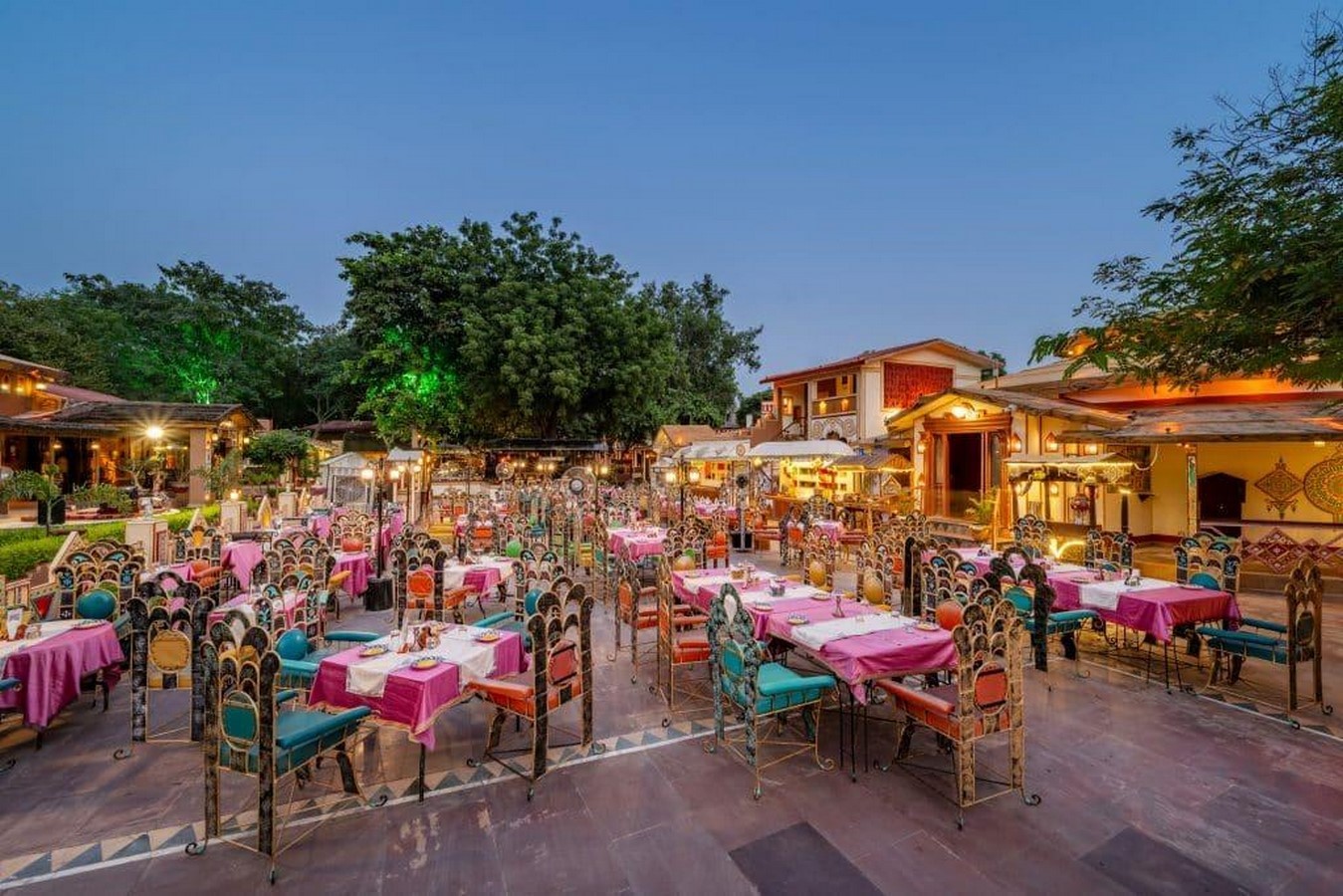
Adaptive reuse works best when profit is not the sole goal, but the culture and social values are also prioritised (Savoie et al. 2025, p. 110). Adaptive reuse helps connect people with history and link past, present, and future (Fajarwati et al., 2022). Repurposing the restaurants attracts customers from around the world who desire to learn about the geographical past. Adaptive reuse of heritage houses as restaurants usually preserves the architectural identity, triggers nostalgia, encourages revisits, and supports ecological sustainability (Fajarwati et al., 2022). Decorative elements added cultural symbols and heritage narratives (Wang et al., 2022). The intricacy of motifs and elements enriches the food experience as the customers feel that they have been transported to a different era.
Food Culture and Heritage
Culture is identified as the fourth pillar of sustainable development, with culinary heritage transforming food, places, and practices into cultural assets (Cheng et al., 2025). Through food culture tourism and the rise of heritage restaurants globally, culinary heritage supports local identity, economy, and social empowerment (Cheng et al., 2025). When a person wishes to dine out, the first question that comes to their mind is – ‘which cuisine?’. Upon deciding the cuisine, the customer imagines what the setting would look like. As per a study, the key influencing factors of the authenticity of dining experiences and overall local culture preservation in restaurants are (Cheng et al., 2025). Even when a cuisine travels around the world, the restaurants offer a glimpse of the native setting.
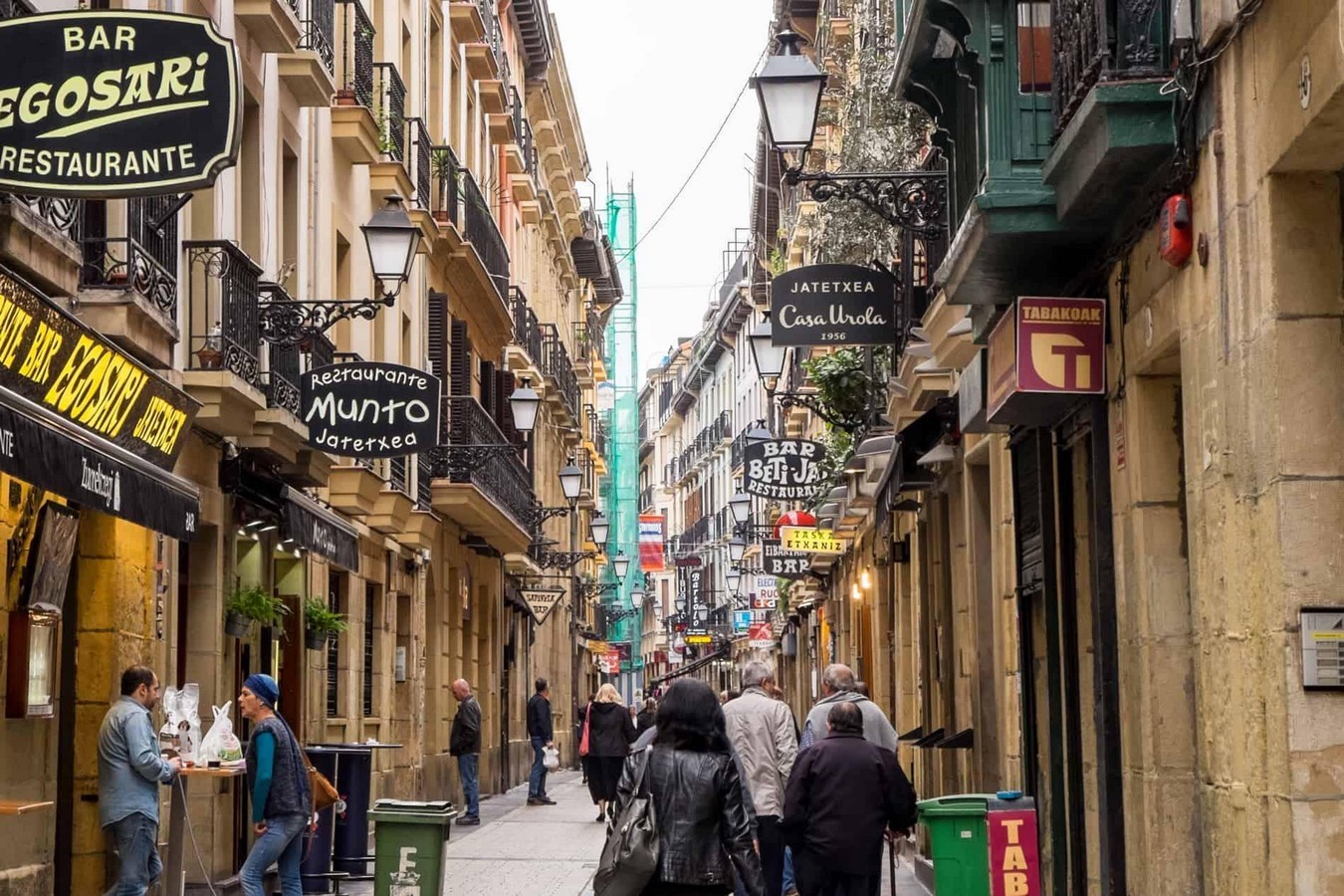
When a person travels from one region or country to another, they research the local food, streets, market, and lifestyle to blend in. Regional food cultures vary by geography, climate, history, and traditions, thus shaping the local identity (Aher and Deshpande, 2020). Walkable, mixed-use, human-scale environments support food culture (Aher and Deshpande, 2020). Food cultural tourism demands that tourists immerse themselves in the local culture for a wholesome experience. The architectural setting adds to the tourism by providing structures that reflect the local culture.
Preservation and reuse of an abandoned space into a lively area requires identification of the spot. Digang Food Street, located in Huzhon mulberry-dyke and fishpond system core area, has idle traditional houses reused to create a food street (Wang et al., 2022). The development followed a micro-transformation approach by preserving the original styles and offering local cuisines within the cultural spaces (Wang et al., 2022). Overall, the traditional style of white walls and black tiles was preserved (Wang et al., 2022). Heritage houses carry family memories passed through generations (Fajarwati et al., 2022). Food tourism involves visiting such places that have been refunctioned into operable restaurants amidst the echoes of the past. Even without prior ties to the place, customers feel a sense of being welcomed into the region.
Storytelling in food tourism
Old and traditional urban areas still preserve the authentic food flavours and cultures. Food expresses a city’s identity through taste, smell, rituals, and street life (Aher and Deshpande, 2020). India, for example, has a rich and diverse food culture due to the past migration and exchange of history (Aher and Deshpande, 2020). In many cities in India, there are old city parts where the traditional food methods are still intact.
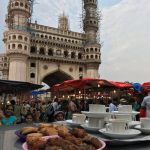
Hyderabad, a UNESCO Creative City of Gastronomy, is the home to cuisines such as Mughal, Turkish, Arabic, Telugu, and Marathwada (Aher and Deshpande, 2020). Traditional food can be found in the city and near the Charminar area, with over 1000 food outlets which are operational day and night (Aher and Deshpande, 2020). The smell of biryani draws the tourists through narrow lanes, which echo the past. The rich, sensory, and immersive experience can be chaotic, but it truly reflects the historical times.
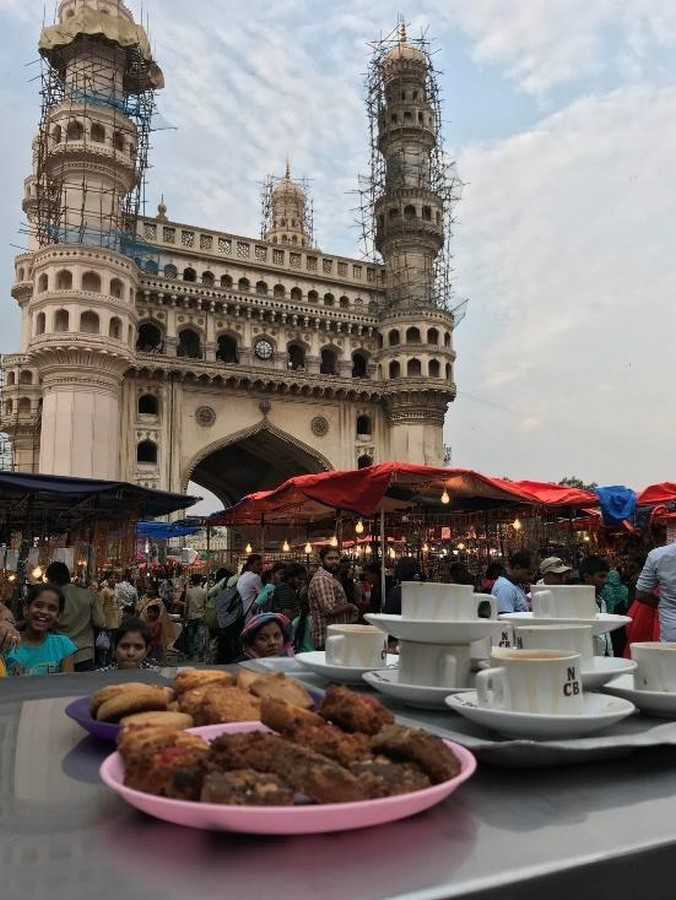
The use of region-specific materials, colours, patterns, and symbols contributes to the spatial storytelling. Local gastronomy expressed in the Kayutangan Heritage Village’s identity strengthens its position as a cultural tourism destination (Rulli Krisnanda et al., 2025). Food represents taste, history, social values, togetherness, and local worldviews (Rulli Krisnanda et al., 2025). For experiencing the regional food, a traditional setting is preferred over a contemporary restaurant. Food streets act as a space for heritage education and interpretation (Wang et al., 2022). They highlight the values, culture, and habits of the region.
There are several cuisine options around the world to taste. However, the native regions will still have that one food street which resonates with the past. Gastronomy is a tool for identity preservation, community empowerment, and destination competitiveness (Rulli Krisnanda et al., 2025). Food tourism encompasses the architectural settings that are deeply rooted in the region. Walking through the food district becomes an architectural and culinary narrative. Streets frame the experience; food aroma animates the historic structures and interactions with people weave the experience into a cohesive travel story.
References:
- Aher, M.B.D. and Deshpande, A.K., 2020. Gastronomic identities and urbanism. Journal of Traditional Building, Architecture and Urbanism, (1), pp.315–322. doi:10.51303/jtbau.vi1.357
- Cheng, W., Niu, C., Huang, L. and Zhang, Y., 2025. Design strategies for culinary heritage restaurants from a cultural sustainability perspective: focusing on Generation Z consumers. Sustainability, 17(8), p.3401. doi:10.3390/su17083401.
- Fajarwati, A.A.S., Hendrassukma, D. and Andangsari, E.W., 2022. Adaptive reuse the old house into restaurant: Space, nostalgic, and economic value. Proceedings of the 3rd Asia Pacific International Conference on Industrial Engineering and Operations Management, Johor Bahru, Malaysia, 13–15 September 2022. Available at: https://www.researchgate.net/publication/370213778_Adaptive_Reuse_the_Old_House_into_Restaurant_Space_Nostalgic_and_Economic_Value
- Rulli Krisnanda, A.B. Sabrina and N. Krisdra Ramadhani, 2025. Preserving local identity through gastronomy tourism in cultural heritage destinations. International Journal of Business and Applied Economics, 4(6), pp.3449–3464. Available at: https://nblformosapublisher.org/index.php/ijbae/article/view/489/693
- Savoie, É., Sapinski, J.P. and Laroche, A.-M. (2025) ‘Key factors for revitalising heritage buildings through adaptive reuse’, Buildings & Cities, 6(1), pp. 103–120. doi: 10.5334/bc.495.
- Wang, Y., Sun, Y., Gu, X., Wu, W. and Yao, C., 2022. Study on the adaptability of traditional architecture in agricultural heritage sites after tourism intervention—a case study of Huzhou Digang Food Street in China. Built Heritage, 6, Article 34. doi:10.1186/s43238-022-00077-7.
Image References:
- Chokhi Dhani (2024) Fotowalah-CDR-325 [online image]. Available at: https://chokhidhani.com/wp-content/uploads/2024/06/Fotowalah-CDR-325-1024×683.jpg
- Borders of Adventure (2022) Visit San Sebastian, Spain [online image]. Available at: https://www.bordersofadventure.com/wp-content/uploads/2022/07/Visit-San-Sebastian-Spain.jpg
- That Goan Girl (2019) Nimrah Bakery, Hyderabad [online image]. Available at: https://www.thatgoangirl.com/wp-content/uploads/2019/06/nimrah-bakery-hyderabad-e1560146785855-1600×2133.jpg