Old Buildings as Climate Resources
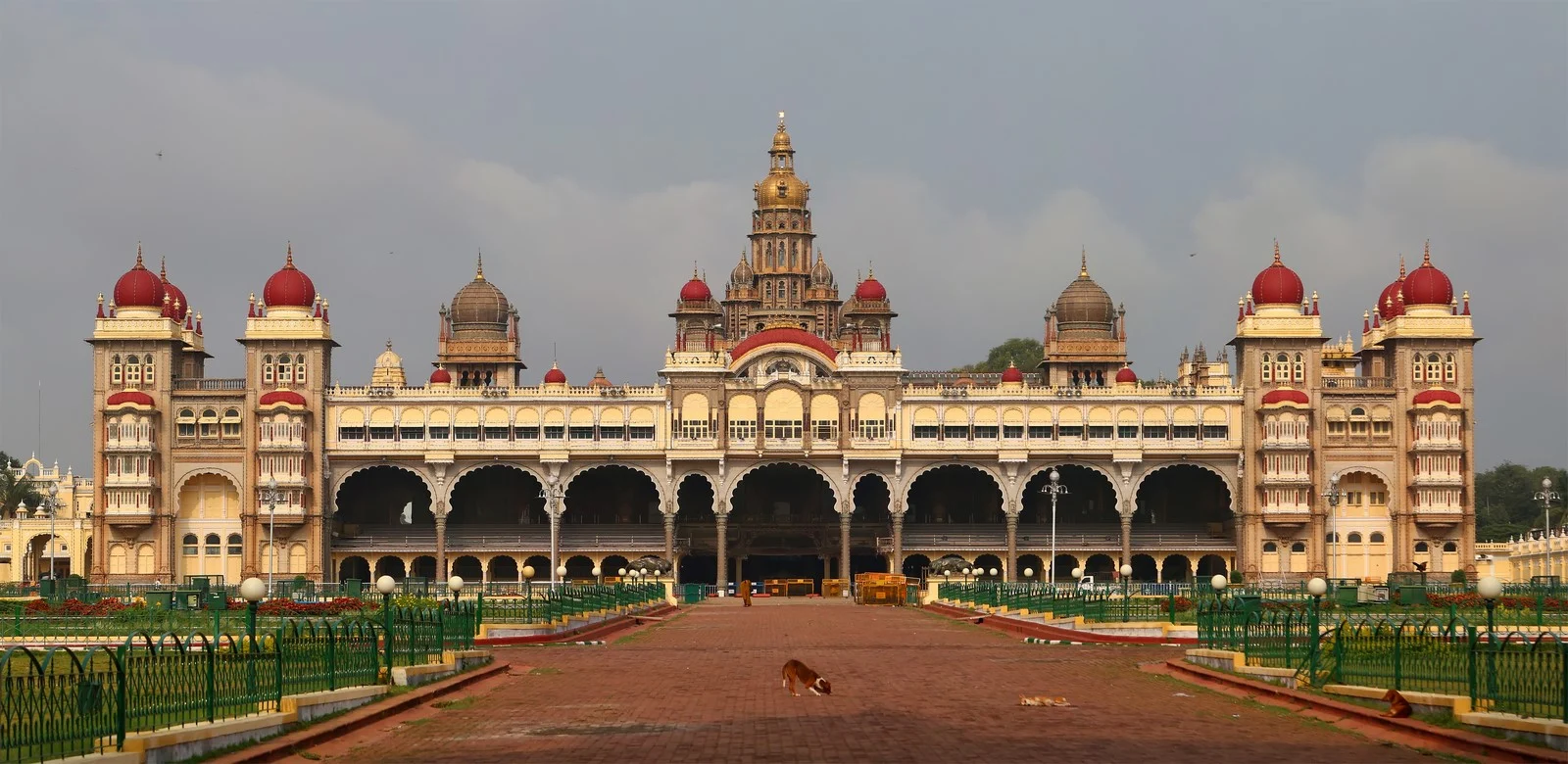
Older buildings are frequently regarded as development obstacles in rapidly growing urban areas. Demolition seems acceptable because it is frequently regarded as ineffective, antiquated, or inappropriate for modern requirements. However, this viewpoint is becoming progressively unworkable in light of climate change. In addition to wasting energy, materials, and labor, demolishing buildings results in the loss of cultural heritage. Construction has a significant negative impact on the environment, including resource extraction, transportation, and assembly. This damage is made worse by the ongoing replacement of existing structures.
This build, demolish, and rebuild cycle is challenged by adaptive reuse. Rather, it views existing structures as important climate resources. Architects conserve embodied energy—the energy used to create the building—by reusing structures. When compared to new construction, this one choice can drastically lower carbon emissions. Adaptive reuse is a straightforward yet effective approach in a climate crisis where reduction is more important than replacement.
Additionally, recycled material slows down the rate at which cities are changing. It lessens the strain on land, resources, and infrastructure by enabling cities to develop gradually as opposed to quickly. This slower pace, which unites architectural practice with environmental responsibility, is a form of resilience rather than a limitation.
Climate Intelligence Embedded in Existing Architecture
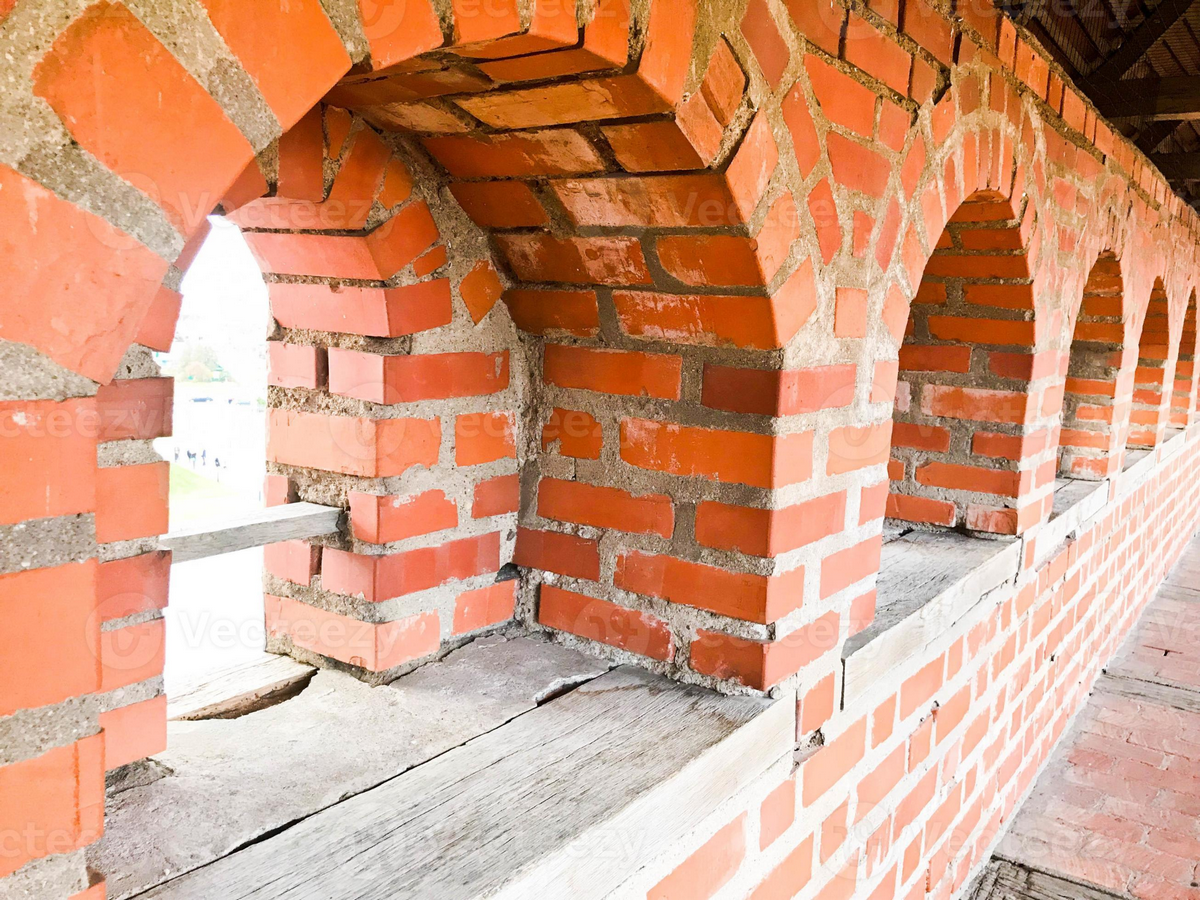
The climate had a direct influence on many older structures. Prior to the widespread use of air conditioning, elevators, and sealed façades, architecture relied on natural systems to provide comfort. Courtyards promoted ventilation, high ceilings enhanced air circulation, thick masonry walls reduced heat, and shaded verandahs mitigated intense sunlight. These design features were useful reactions to the local environment rather than aesthetic decisions.
Instead of erasing this climate intelligence, architects can use adaptive reuse to harness and work with it. When carefully repurposed, these structures frequently perform better than more recent ones in terms of energy efficiency and thermal comfort. While highly mechanized buildings struggle during heatwaves or power outages, they manage to survive. As climate extremes occur more frequently, this resilience becomes more crucial.
These structures can be strengthened even more with contemporary interventions. It is possible to incorporate renewable energy systems, efficient services, and better insulation without sacrificing the original structure. The end product is a hybrid architecture, which combines conventional knowledge with modern requirements. In this way, adaptive reuse becomes a proactive approach to climate uncertainty rather than a regressive one.
Social and Economic Dimensions of Reuse
Environmental performance is only one aspect of climate resilience. It also encompasses economic sustainability and social stability. Buildings and daily life are closely related. They contain identities, routines, and memories that influence how individuals interact with their environment. Communities frequently feel a loss that transcends physical space when familiar structures are abruptly removed.
In cities that are changing quickly, adaptive reuse contributes to continuity. Even as functions change, it enables people to recognize their surroundings. When an old industrial building is transformed into a market or community area, it maintains its identity while meeting contemporary needs. In times of rapid urban and environmental change, this feeling of familiarity offers emotional solace.
Adaptive reuse provides a more equitable route to sustainability from an economic standpoint. Many people cannot afford sustainable design because new construction frequently uses costly materials and technologies. Conversely, reuse lowers material costs, expedites construction, and promotes local labor. It boosts local economies and lessens its impact on the environment by promoting the use of traditional skills and materials unique to the area.
This balance becomes particularly important in developing nations like India. Climate stress, resource scarcity, and rapid urbanization call for responsible and workable solutions. These needs are satisfied by adaptive reuse, which provides reasonably priced, culturally sensitive, and climate-responsive architecture.
The Indian Context: Opportunity Within the Existing

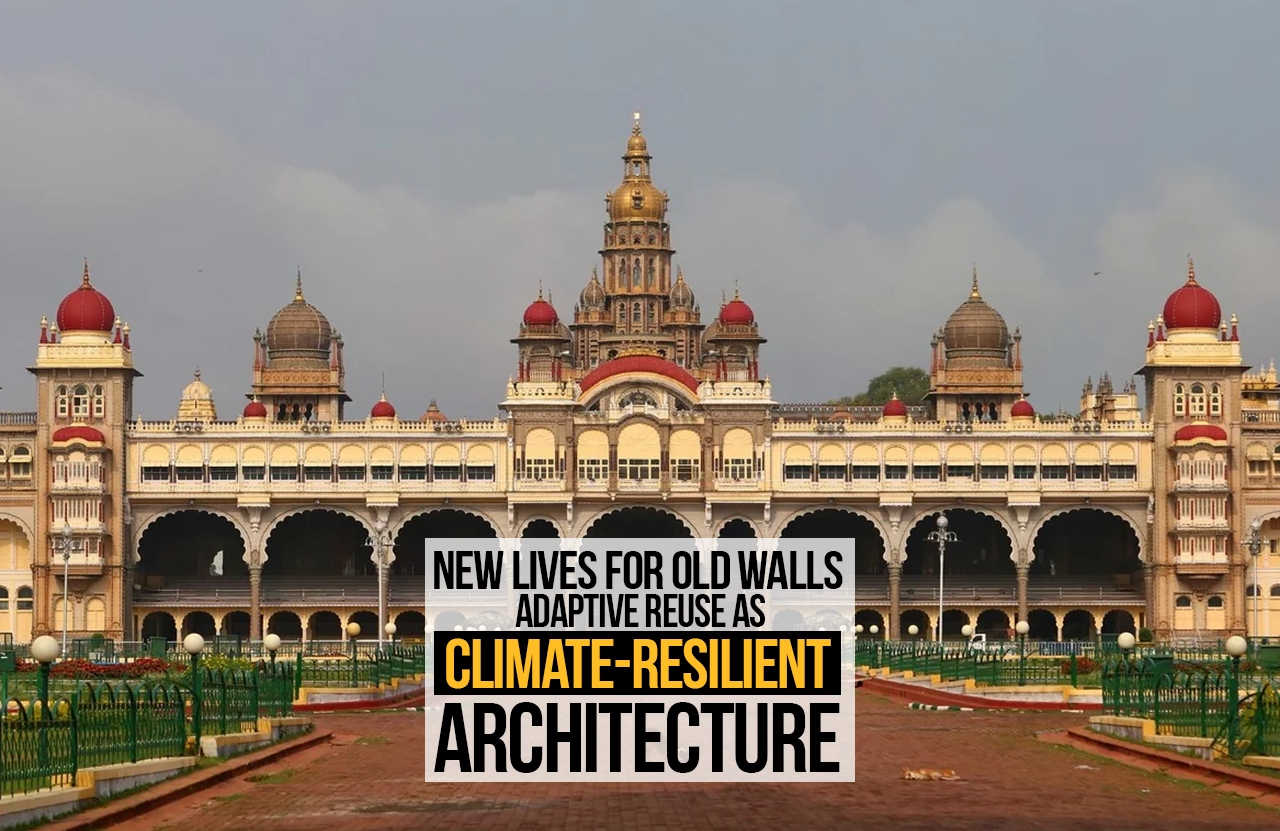
India’s built environment presents immense potential for adaptive reuse. Cities across the country are filled with havelis, mills, warehouses, railway buildings, institutional structures, and colonial-era constructions that are structurally sound but functionally outdated. Many of these buildings were designed to respond to intense heat, seasonal rains, and social patterns that remain relevant today.
Successful reuse projects across India demonstrate how environmental responsibility and cultural continuity can coexist. Old mills transformed into mixed-use developments, heritage homes adapted into guesthouses, and stepwells reimagined as public spaces show how reuse can address climate, economy, and identity simultaneously. These buildings often provide shaded open spaces, cooler interiors, and human-scale environments that modern developments struggle to achieve.
As Indian cities face rising temperatures, water scarcity, and increasing density, adaptive reuse offers a grounded solution. It reduces demolition waste, minimizes new resource consumption, and preserves climate-responsive spatial qualities that are already embedded in the built fabric.
Designing with Responsibility and Care
Working with existing buildings requires a shift in architectural mindset. Adaptive reuse is not about imposing a new image but about understanding what is already there. Architects must engage with the building’s structure, materials, and history before intervening. Challenges such as structural reinforcement, service integration, accessibility, and safety codes must be addressed carefully and respectfully.
This process encourages a more thoughtful form of design. Instead of controlling every aspect, architects collaborate with the building, allowing it to guide decisions. Such an approach results in architecture that feels rooted rather than imposed. It also promotes flexibility, allowing buildings to adapt again in the future as needs continue to change.
Adaptive reuse teaches architecture an important lesson: sustainability is not always about innovation, but about responsibility. It asks designers to build less, waste less, and care more.
Toward a More Resilient Architectural Future

As climate challenges intensify, the role of architecture must evolve. The future of sustainable design does not lie solely in new technologies or iconic forms, but in thoughtful transformation. Adaptive reuse demonstrates that meaningful climate action can be achieved by reimagining what already exists.
By conserving embodied energy, responding to local climate, and strengthening social and economic resilience, adaptive reuse offers a holistic approach to sustainability. Old walls, when treated with care and imagination, can support new lives and new meanings. In doing so, they remind us that the most resilient architecture is not always the newest—but the one that knows how to endure.