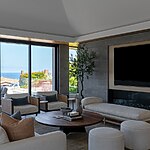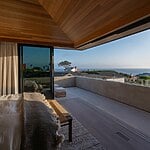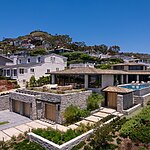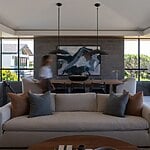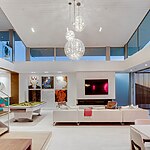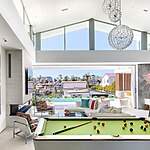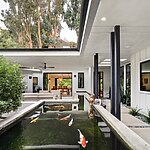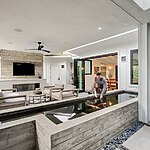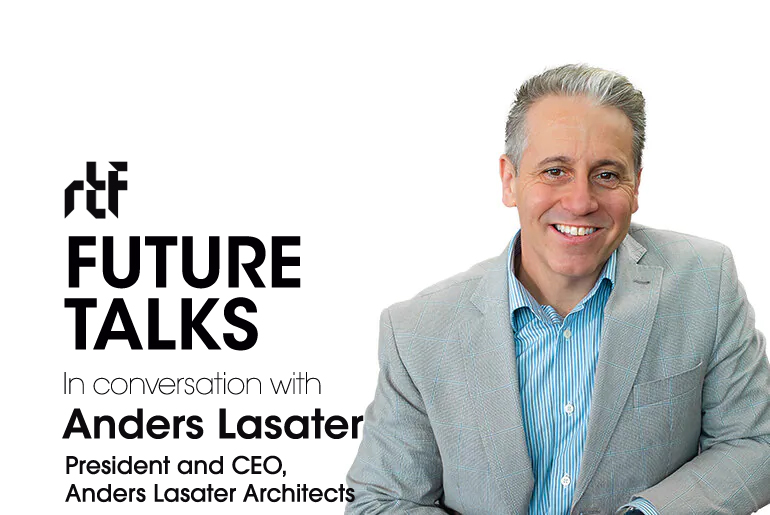
Welcome to Future Talks by RTF, where we delve into the minds and experiences of design pioneers who breathe life into architectural narratives. Today, we have the privilege of conversing with a visionary whose journey seamlessly blends the precision of architecture with the passion of rock ‘n’ roll.
Meet Anders Lasater, a maverick in the world of architecture who once harbored dreams of commanding drum sets with the vigor of heavy metal beats. However, fate led this spirited individual towards a different rhythm—the symphony of architectural innovation.
With a Master of Architecture from UCLA and a Bachelor’s from Cal Poly Pomona, Anders embarked on a professional odyssey, honing skills and absorbing insights from the finest minds in Orange County. Eventually, in 2005, he carved a niche, establishing his own firm—a haven for groundbreaking designs that breathe life into residential, restaurant, retail, and hotel spaces.
But here’s where the story takes an unexpected twist: nestled amid blueprints and client meetings, Anders channels the untamed spirit of rock as the drummer for Thunderhose. This dual existence, architect by day, rock aficionado by night—adds an electrifying layer to his narrative, much to the amusement of his patient spouse.
Beyond the drawing board, Anders generously imparts wisdom as a respected faculty member at Cal Poly Pomona and as a sought-after guest lecturer and juror across esteemed institutions like USC and Chapman University. As a licensed architect spanning multiple states, he remains steadfast in creating spaces that transcend functionality, infusing each design with a sprinkle of whimsy and a dash of delight.
Today, we embark on a journey through Anders Lasater’s universe, where innovative designs and pulsating rhythms converge to redefine the very essence of architectural storytelling. Join us as we uncover the secrets behind his dedication to crafting spaces that resonate, enrich, and perhaps, even rock your world.
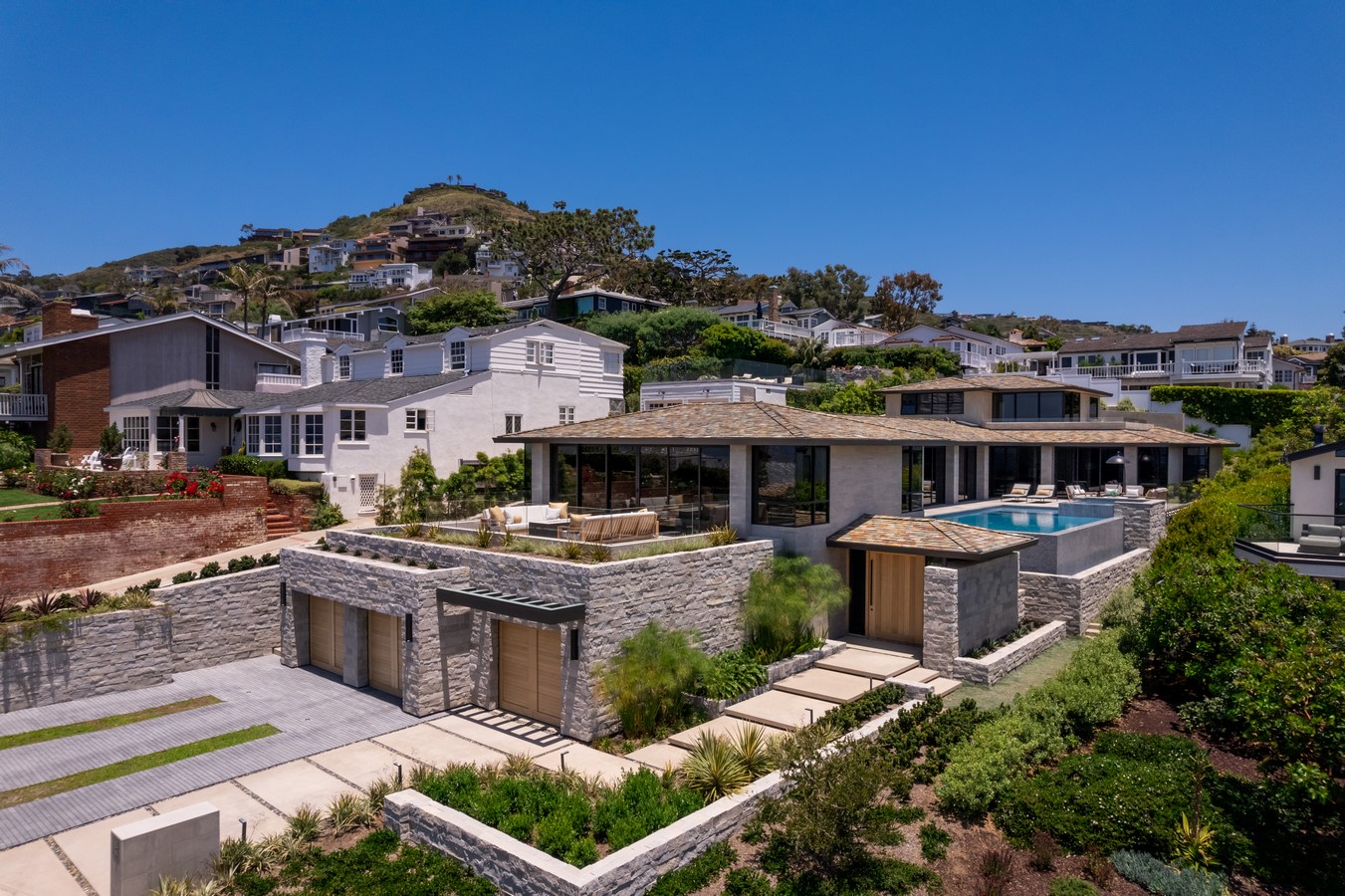
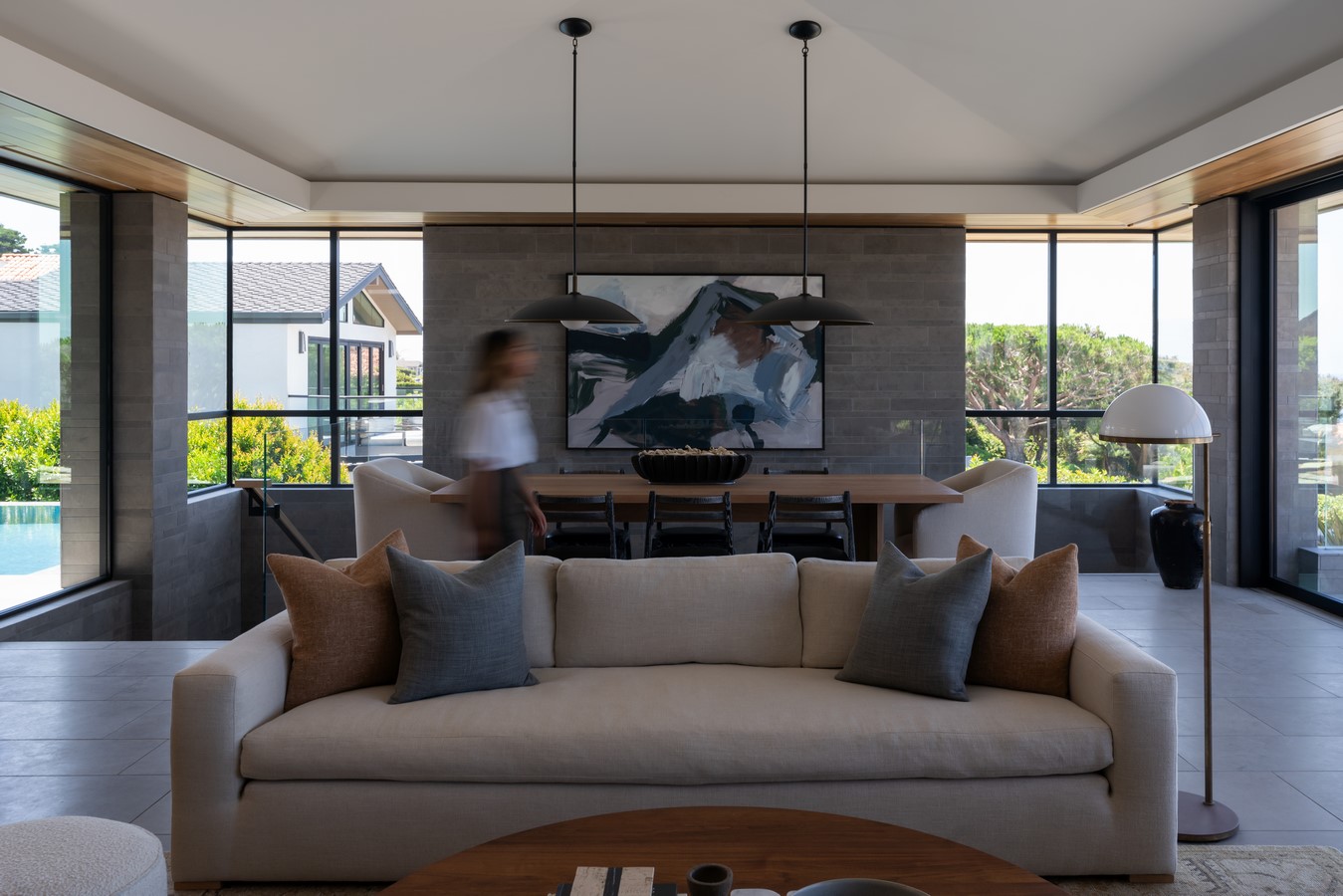
RTF: Hi Anders, We are glad to have you as a guest on Future Talks by RTF. Thanks for joining us. Architecture was your second love. Tell us about the first.
Anders: As a child, I was drawn to playing music, particularly the drums – even if it meant using pots and pans in my mother’s kitchen (for which I’m eternally grateful for her tolerance). Playing music allowed me to transform my surroundings and bring something new into existence, which was a truly exhilarating experience. Being the catalyst and reason for creating something new resonated with me deeply.
My affinity for the structure, rhythm, meter, and dynamics of drumming provided a natural foundation for my journey into architecture. In fact, my master’s thesis focused on applying the precision of music theory systematically to architectural form creation. To this day, I consciously infuse the order and proportion of music into the work we undertake in our office.
RTF: How did Anders Lasater Architects come to the fore after your 22 years of managing and directing architecture teams? What were the initial lessons that helped you to build your own practice?
Anders: As a young man, I learned the value of hard work and service due to our family’s limited financial resources. I worked at a full-service gas station, providing services like pumping gas, cleaning windshields, and checking oil and tire pressure, all with a friendly attitude—a level of service rarely seen today. This experience instilled in me a clear understanding of how to serve the customer, a fundamental principle that applies to architecture. Architecture, at its core, is an act of service to both the client and the built environment.
After college, I continued to build on these principles by joining a respected architect’s team in Laguna Beach, California. There, I had the privilege of contributing to the creation of remarkable and transformative homes along the coastline and foothills, all in service to our clients and our community.
After nearly a decade of managing that firm, I started my own practice, drawing upon the lessons learned from the gas pump and the drafting table. I established a service-oriented firm that places a high value on our clients and the trust they bestow upon us to enrich their lives through architectural transformation.
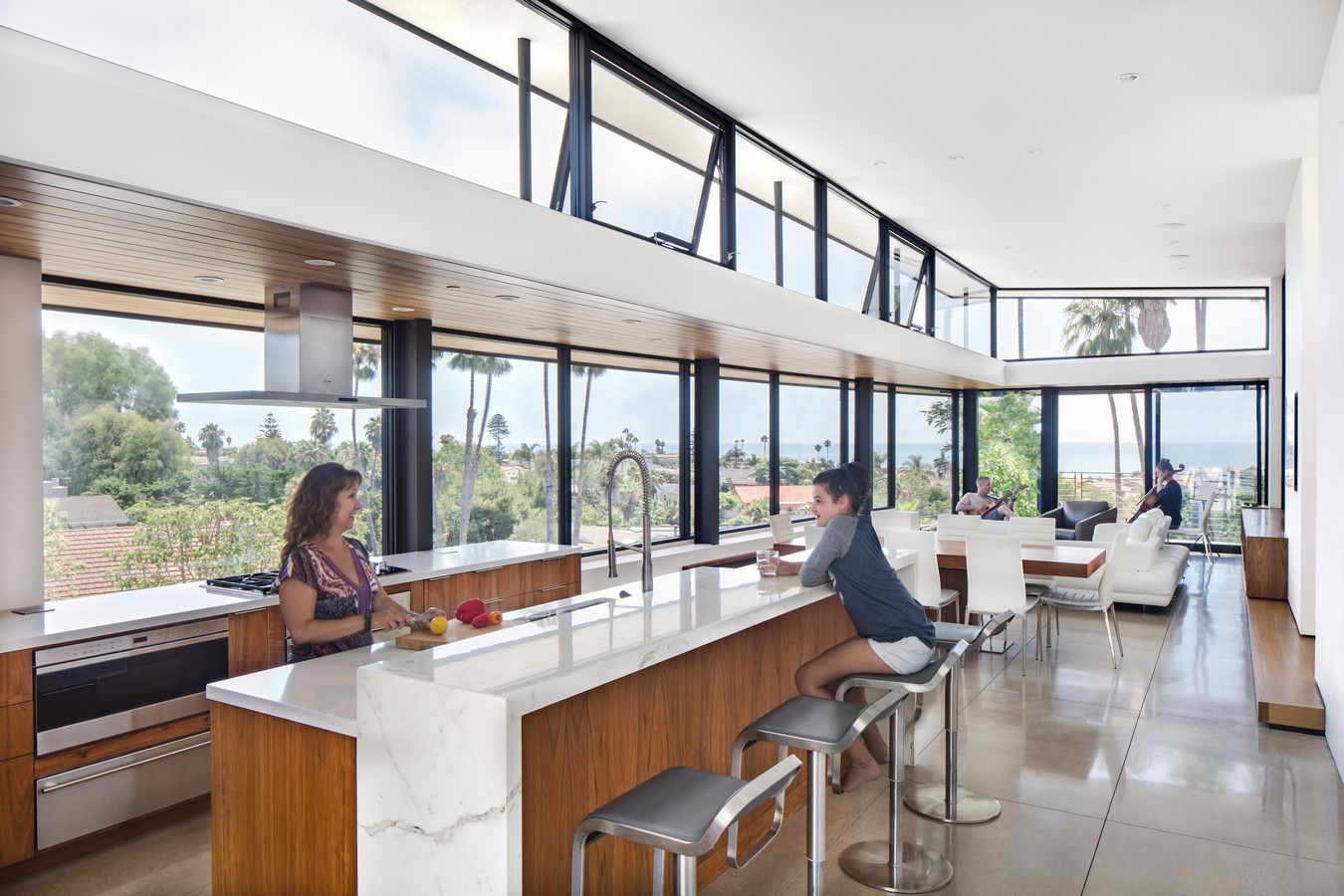
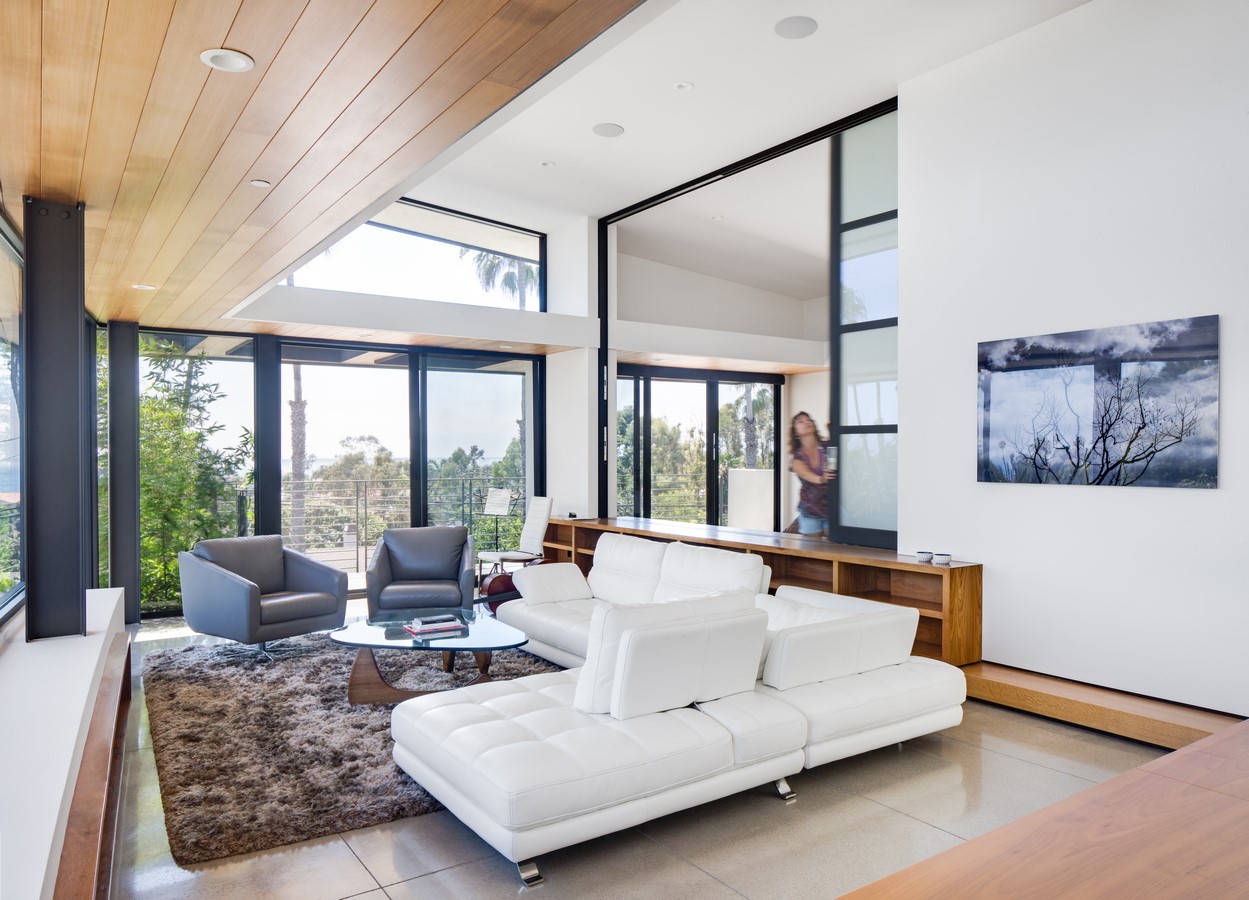
RTF: What is your design philosophy and what shaped it?
Anders: My design philosophy revolves around the understanding that architecture is a purposeful endeavor, requiring the allocation of financial resources, significant labor, and time to transform our surroundings. The driving force behind this is always the creation of environments that serve the human body.
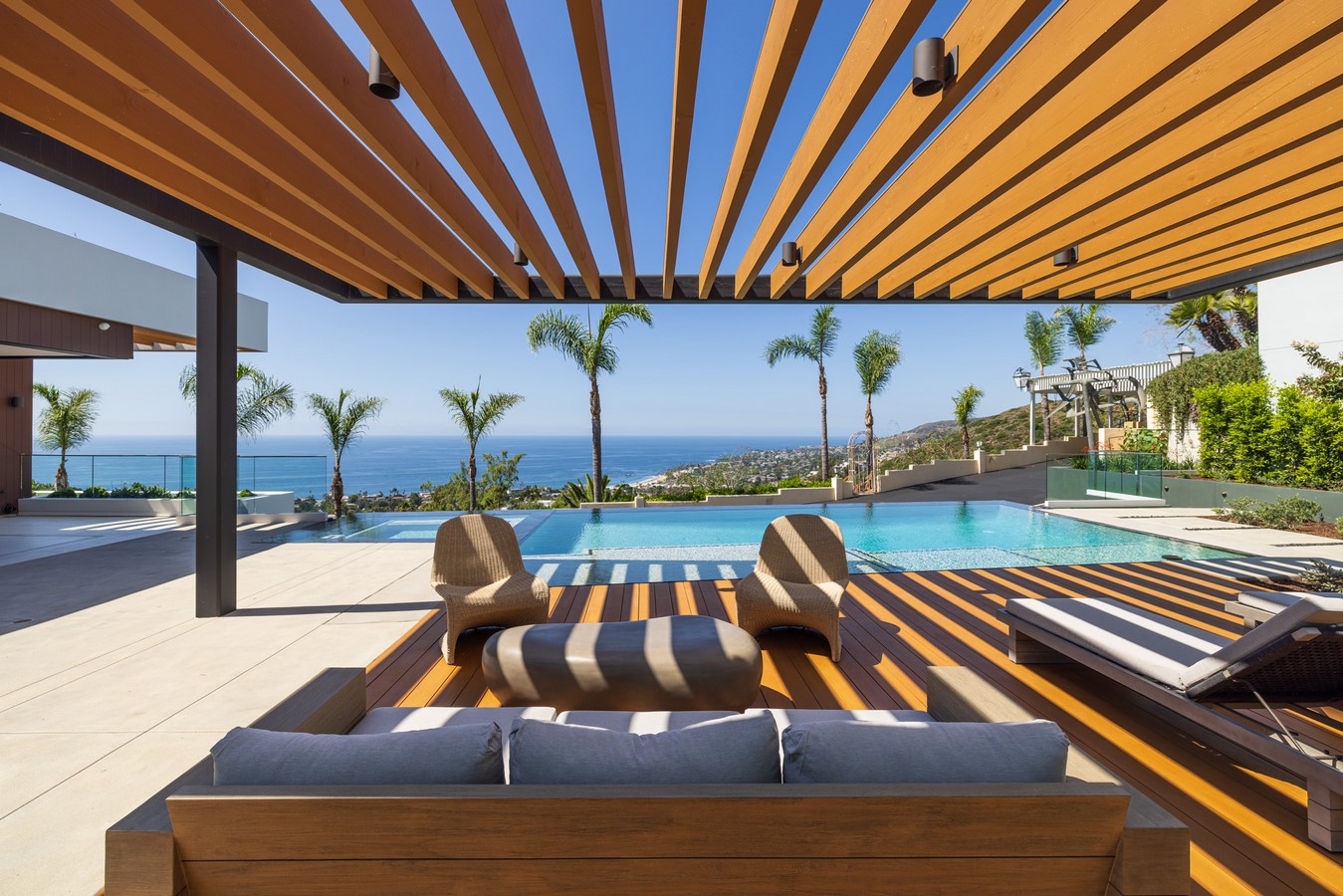
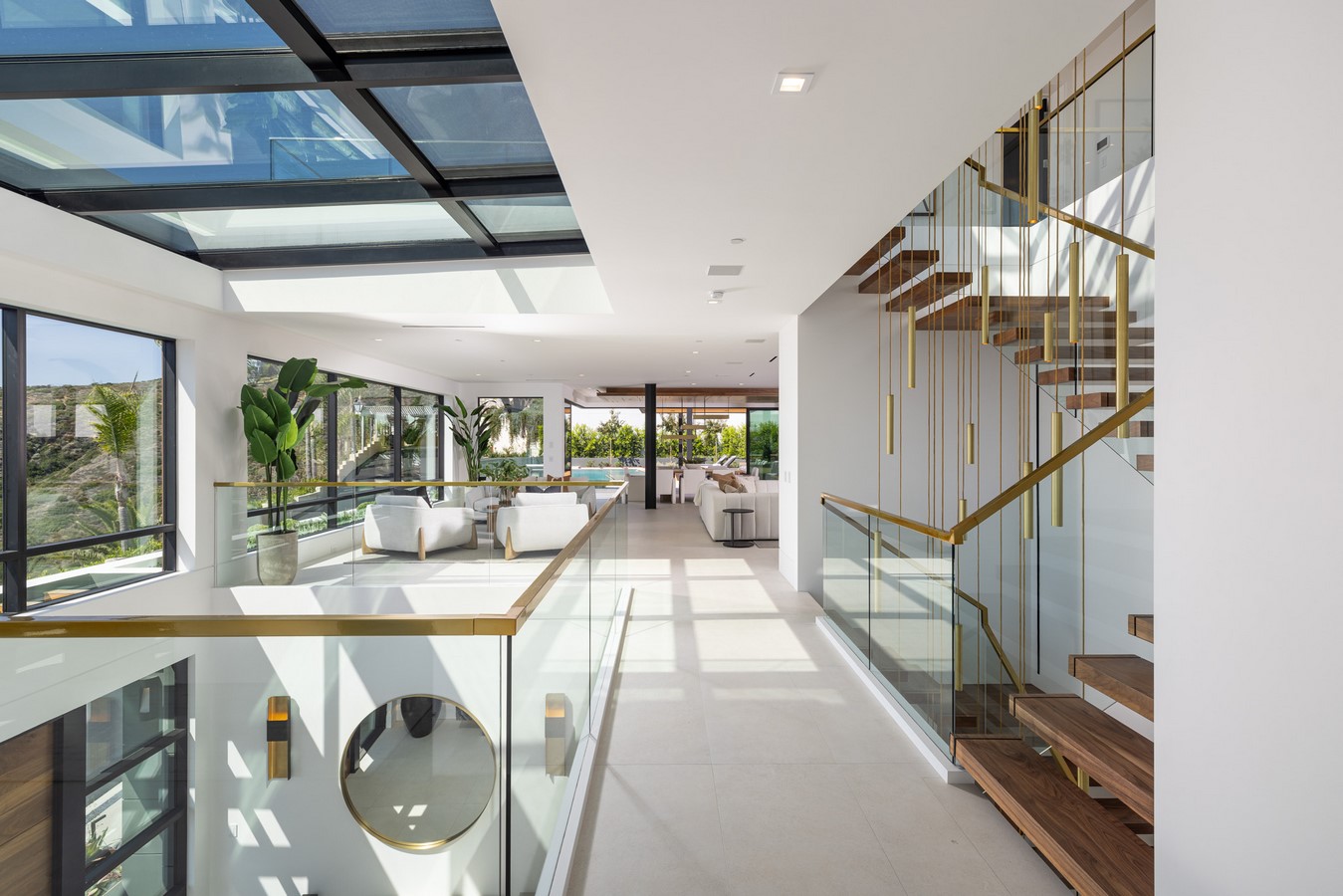
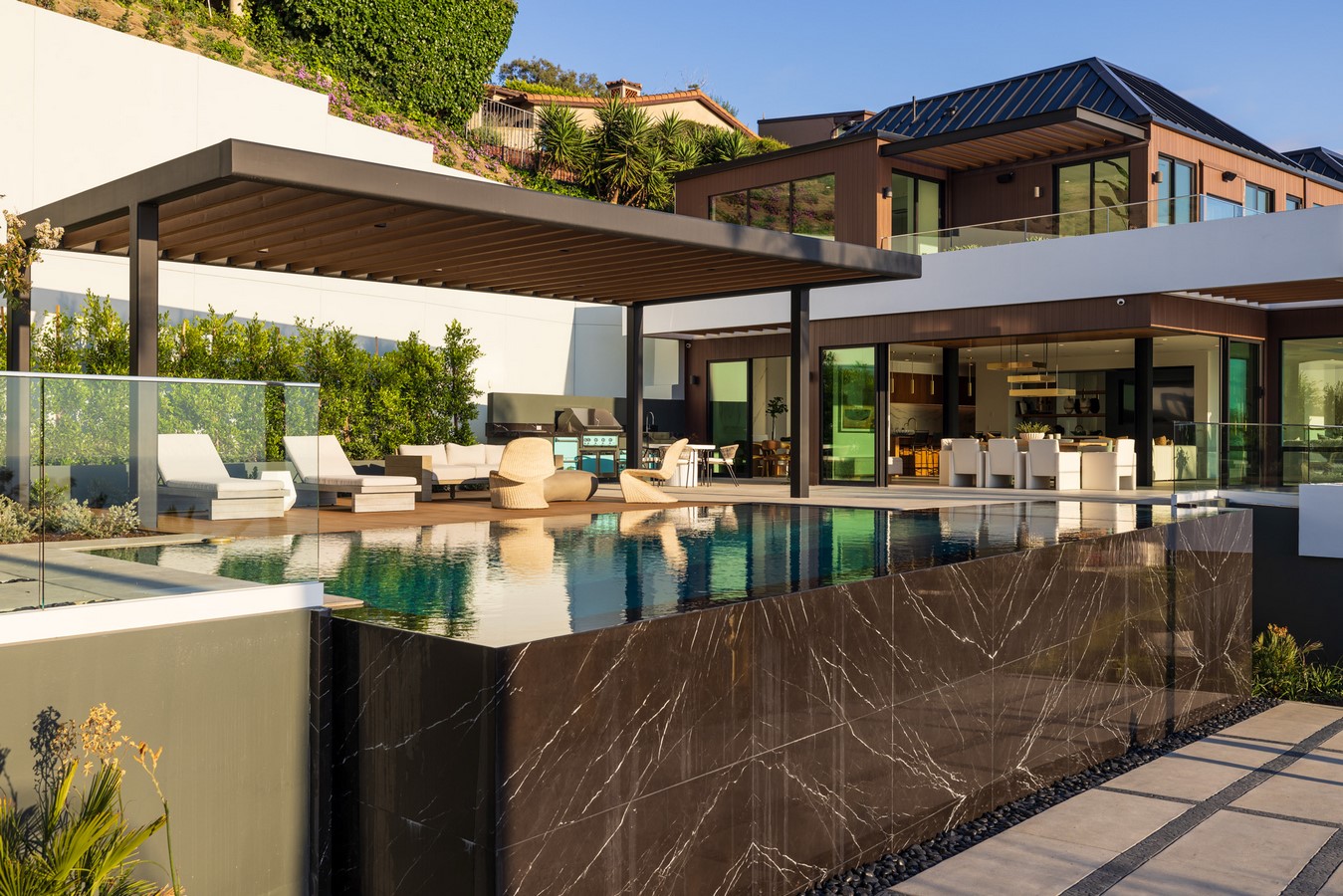
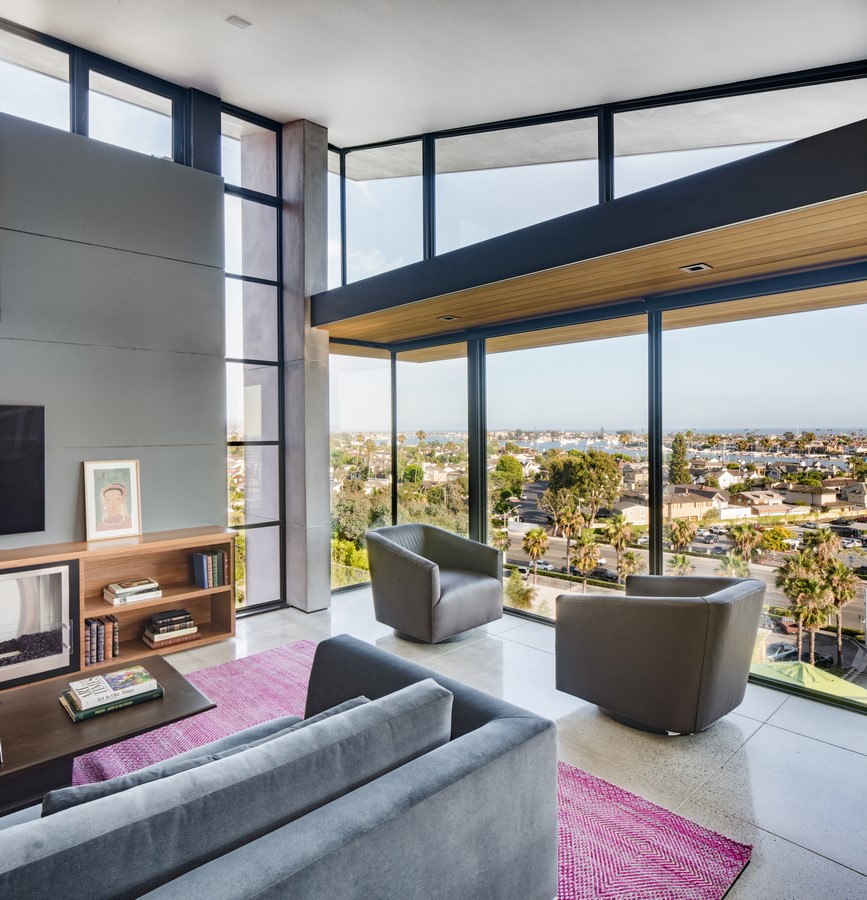
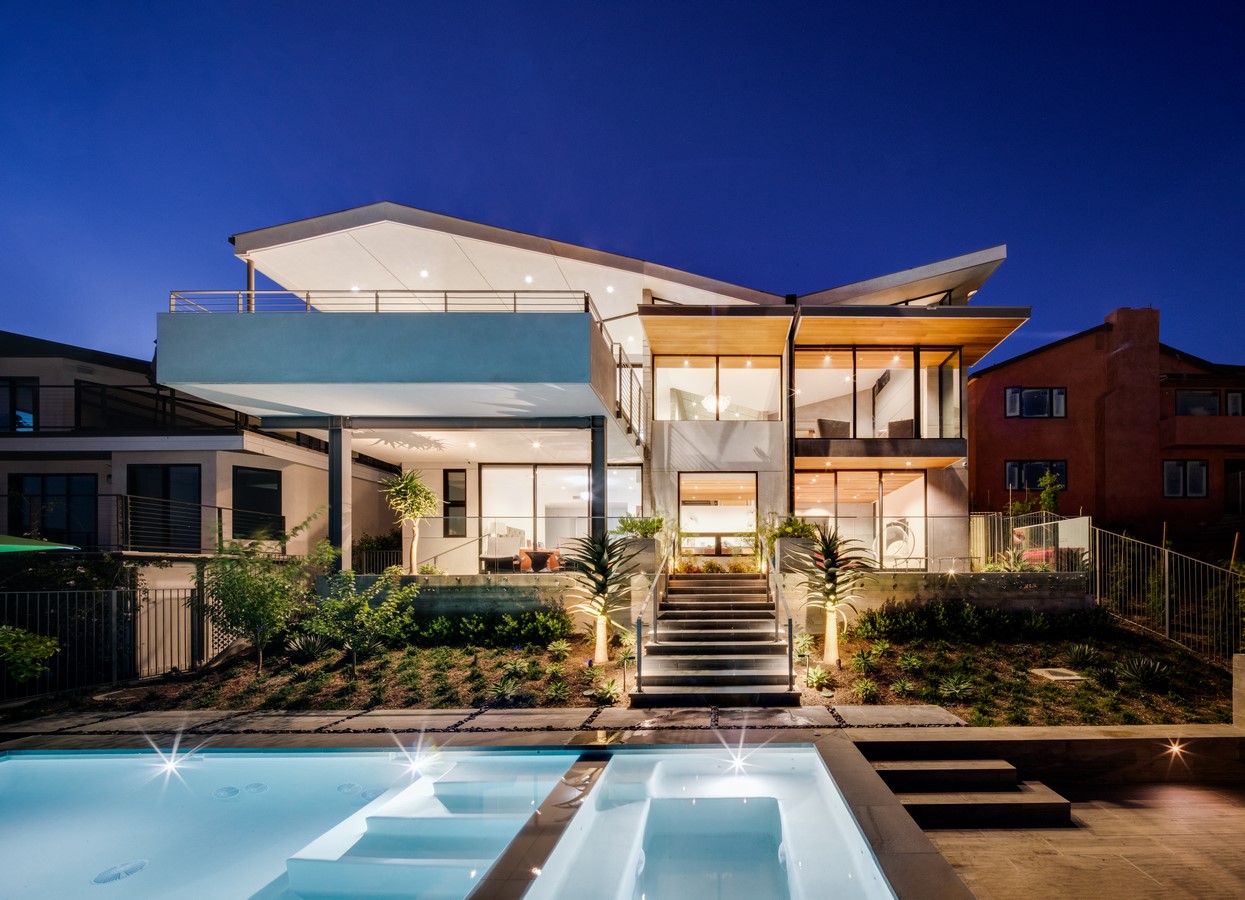
At the core of every building is the human form, and I’ve come to realize that successful buildings inspire and enhance the human experience through a thoughtful application of key architectural elements: Space, Proportion, Light, and Material. Space is the fundamental quality of architecture, defining the areas within and around a building. Architecture is not the building itself but the space it shapes. Proportion is the tool we use to give structure to space. A well-proportioned space establishes order and hierarchy, ensuring a positive human response. Light is the medium through which we perceive and understand architecture. It reveals the boundaries, proportions, and the very essence of space. Material serves as the tactile connection between our bodies and the built environment. Through materials, we engage with the light, proportion, and space that architecture creates.
Balancing these elements in harmony with the human form allows us to craft architecture that offers truly transformative living experiences for our clients. This philosophy shapes our approach to every project we undertake.
RTF: What are your opinions about new building materials and innovation in the field of material development having sight on the sustainable future?
Anders: I hold an enduring optimism for the role of new technologies and innovative materials in reshaping our built environment. Buildings, in essence, serve as our time machines, carrying echoes of the past into the future, speaking to generations about their creators and users. Consequently, they must be constructed with careful consideration of materials that can endure this journey.
Moreover, buildings should possess flexibility and adaptability, ensuring they can be repurposed to suit future needs while maintaining a tangible link to our shared human history. In this context, sustainability in the built environment hinges on durability, adaptability, and the acknowledgment that a building’s embodied energy and human spirit invested in its creation imbue it with value that transcends its physical form.
RTF: What is your perspective on the evolving role of architectural criticism and the influence of architectural critics in the digital age?
Anders: Critique is indeed a fundamental language for architects – it’s how we learned to think about buildings while in architecture school. By speaking of a building’s faults, we are also implicitly speaking of its strengths through omission. That form of critique becomes a vital conduit for continued learning about what is worthwhile in our built environment.
Thankfully, digital platforms and social media have allowed architectural criticism to become more accessible to a global audience. Architects and critics can share their perspectives and insights with a wider audience and, in turn, educate more people on the important role that architects, and the buildings we create, have in shaping their daily lives. We all need to learn more about buildings and how to be aware of the effect they have on us.
RTF: How do you tailor your communication and publication strategies to resonate with different target audiences, whether it’s clients, peers, or the general public?
Anders: Tailored communication that resonates with different audiences is a fundamental aspect of effective architectural practice. Architects don’t physically construct the buildings we design; instead, we communicate our visions to various stakeholders who, in turn, bring those visions to life. These stakeholders encompass clients, approval agencies, engineers, consultants, builders, and the broader public.
To be a successful architect, one must be a successful communicator. That requires three essential elements: understanding your message, understanding your audience, and understanding the desired outcome.
Effective communication starts with a clear understanding of your message. Architects must articulate their ideas in straightforward, relatable terms, avoiding complex jargon. Whether discussing design principles, project goals, or sustainability, precision and simplicity are key.
Tailor your message to your audience—clients, fellow architects, or the public each hear your message differently. Adapt your communication to their level of expertise and interests. Clients may prioritize budget, functionality, and aesthetics, while peers seek innovation and technical details. Use layman’s terms when addressing the general public.
Every communication should have a purpose and expected result. Architects need to be explicit about what they aim to achieve, whether client approval, permits, or fostering public appreciation for architecture. The intended outcome shapes the tone, content, and strategy of the communication.
In essence, architects are communicators who bridge the gap between their creative vision and project realization through clear, audience-focused, and outcome-driven communication.

RTF: How do you approach communicating your architectural projects and ideas to a wider audience? Are there specific communication strategies you find most effective?
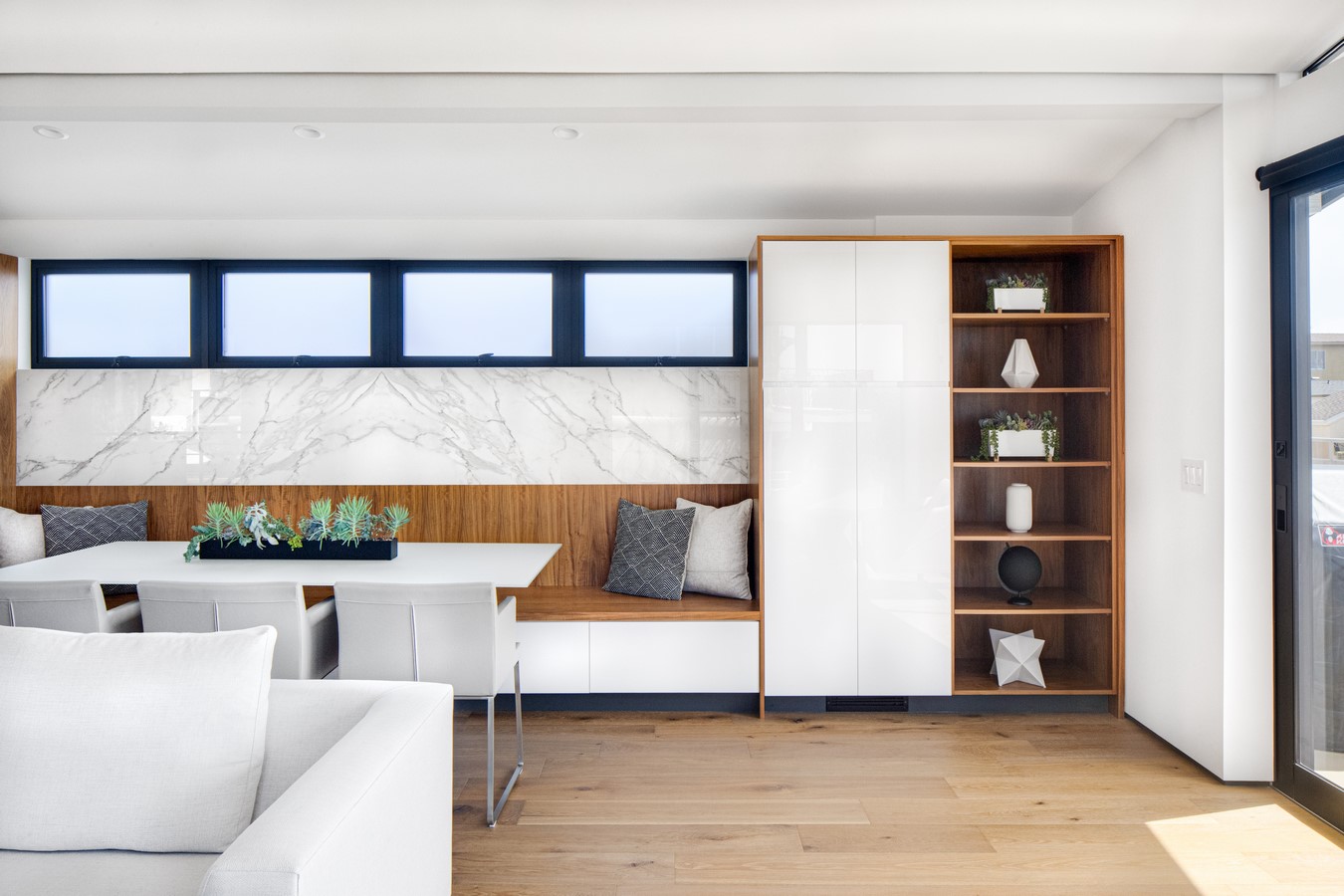
Anders: When communicating our projects to clients and the general public, we recognize the importance of bridging the gap between our architectural ideas and relatable, personal experiences. Clients often don’t grasp the intangible characteristics of architecture like space, proportion, light, and materials. Instead, they connect with tangible elements in the built environment, such as furniture, accessories, and personal objects that interact with the human body and connect to their daily lives.
To effectively convey our designs to clients, we rely on imagery and renderings that showcase these connective elements. By highlighting how these elements interact with the human form, we ensure that clients feel a sense of connection to the buildings we create for them. This approach makes the design more tangible and relatable, fostering a deeper understanding.
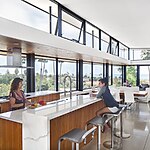
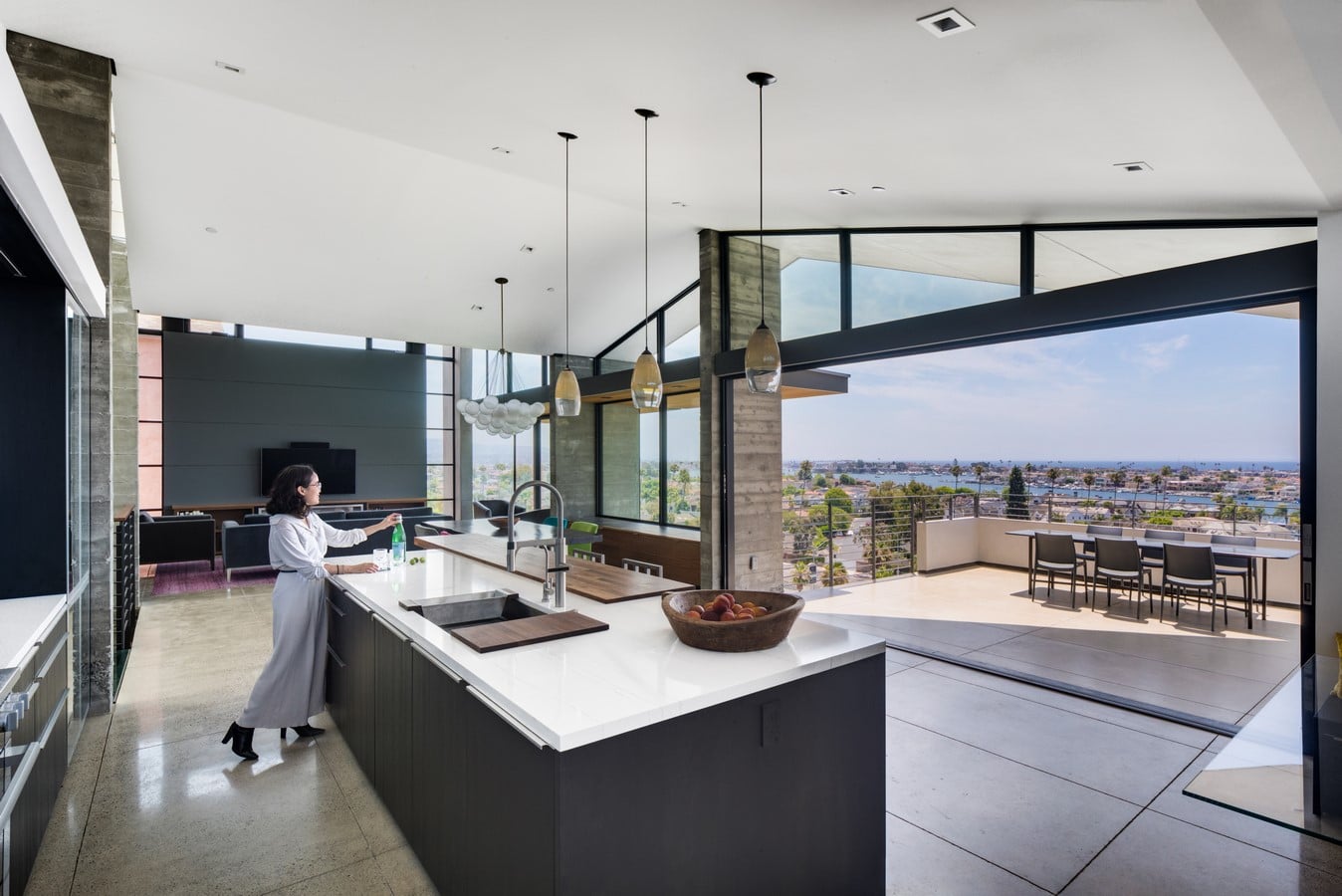
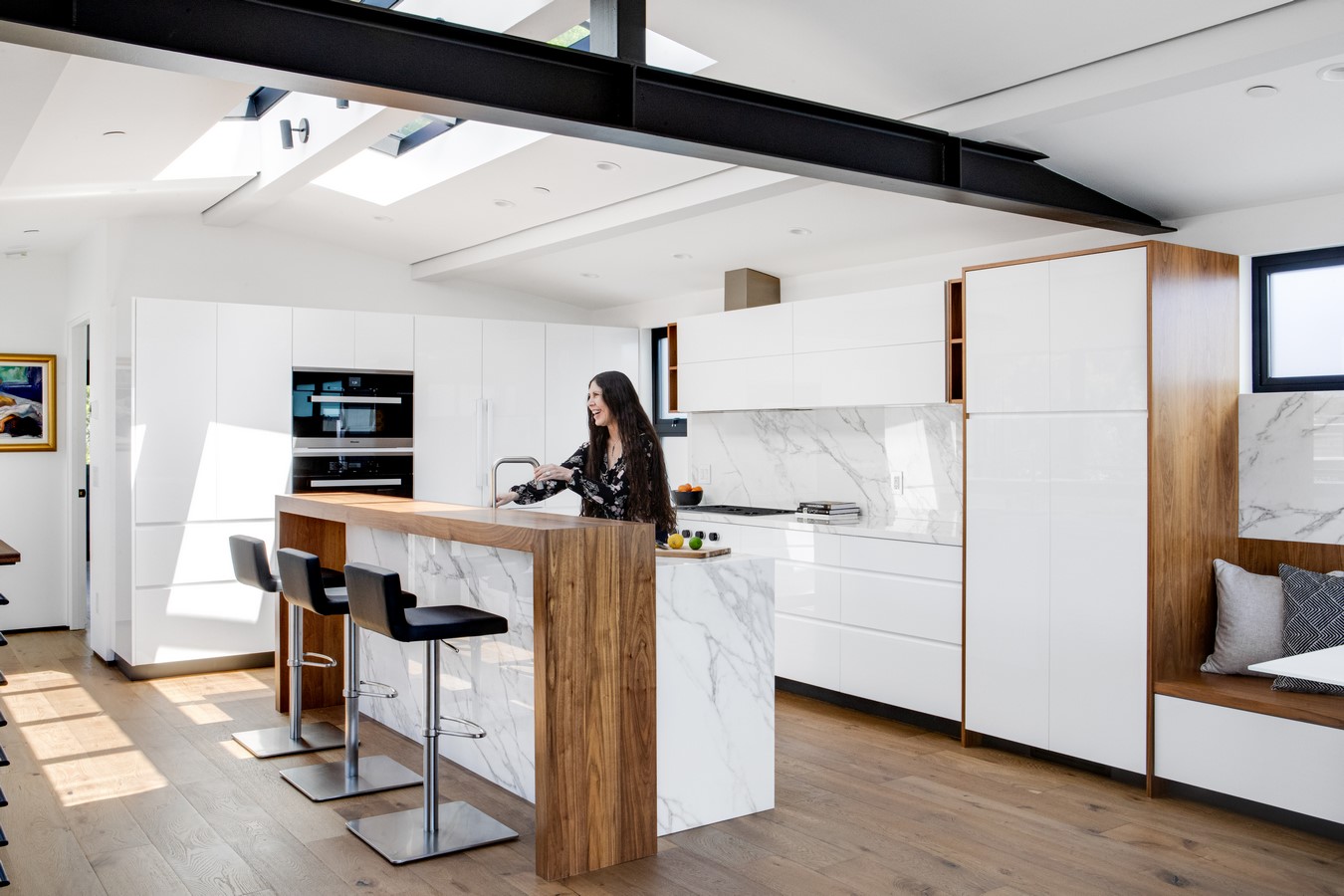
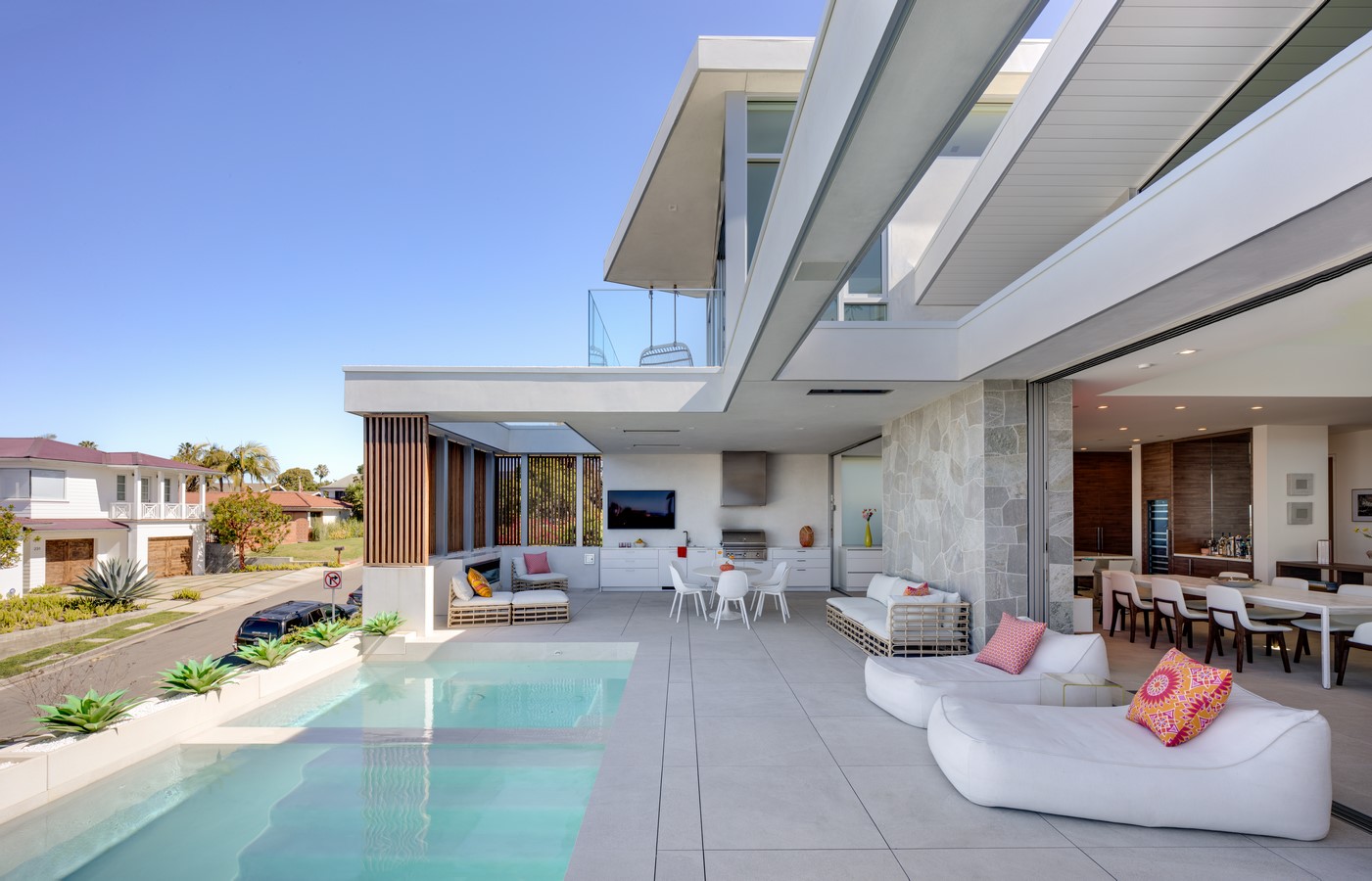
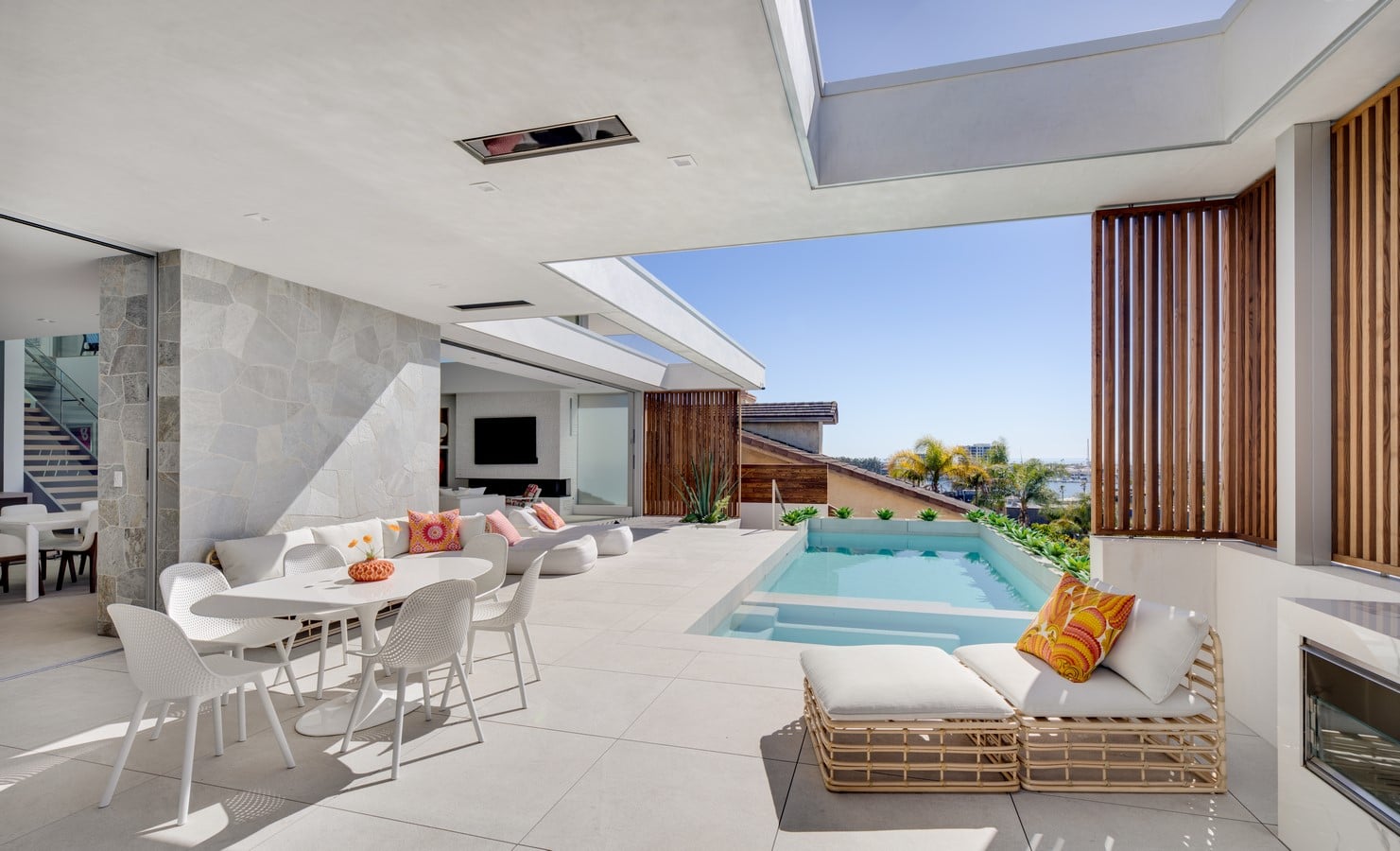
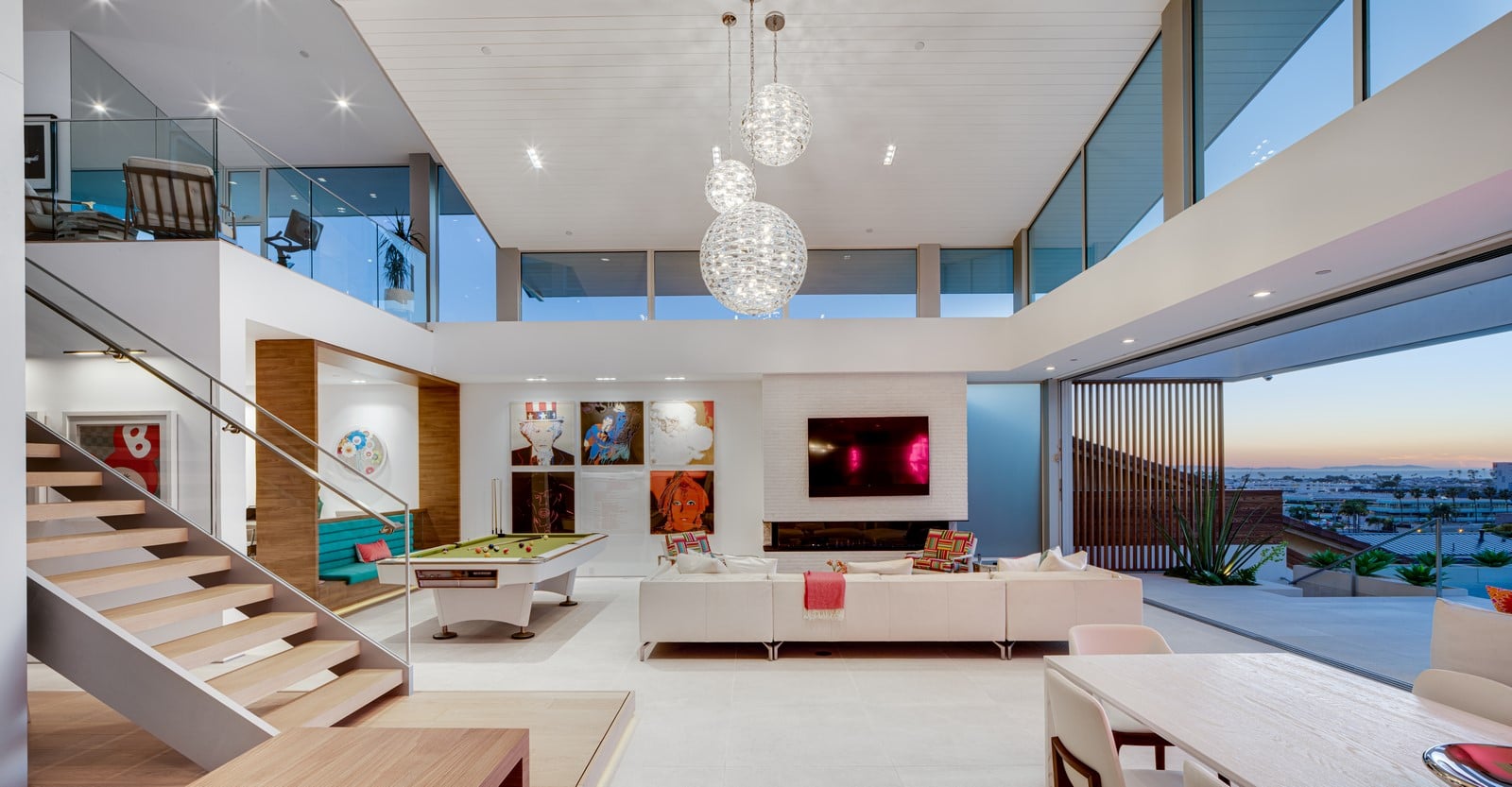
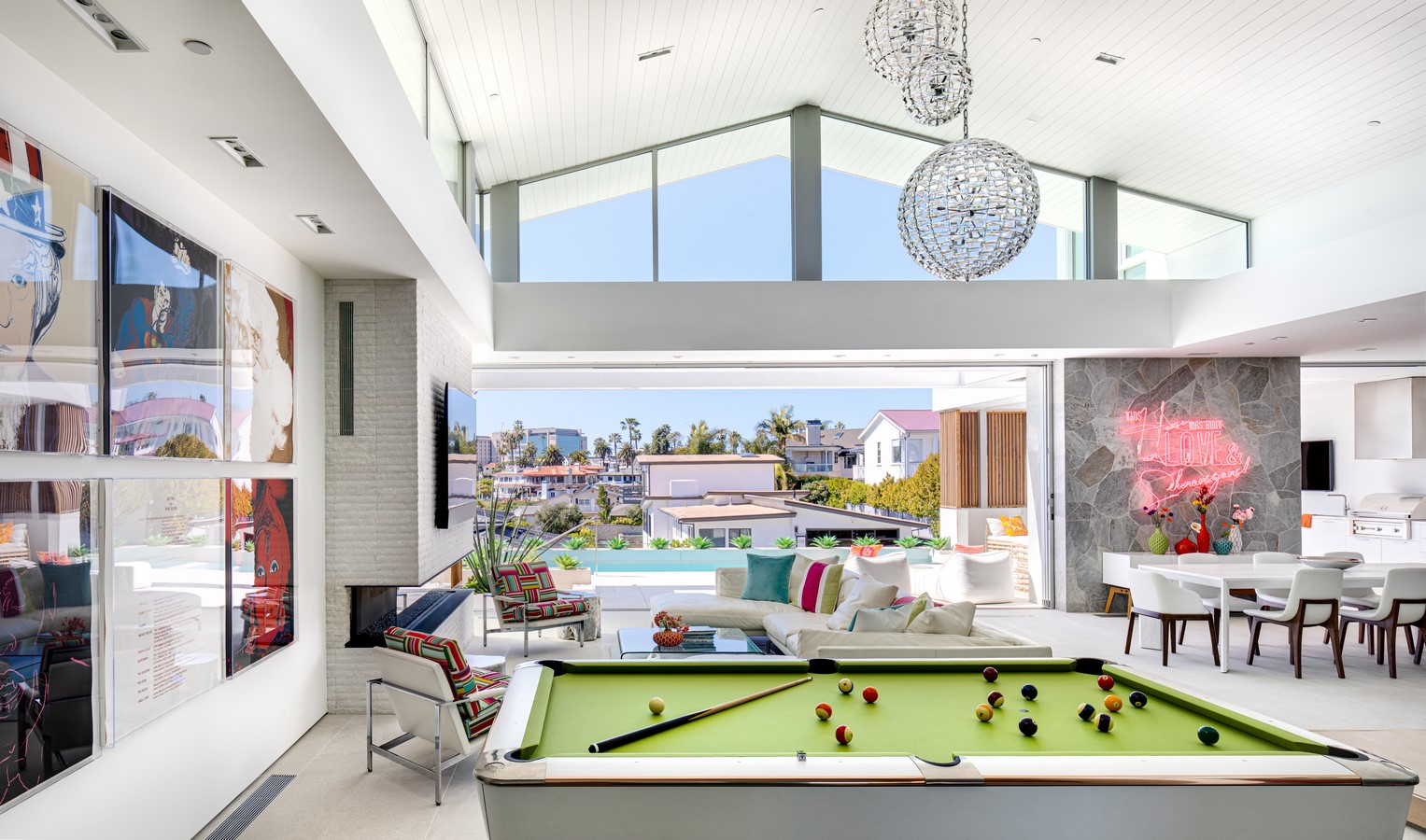
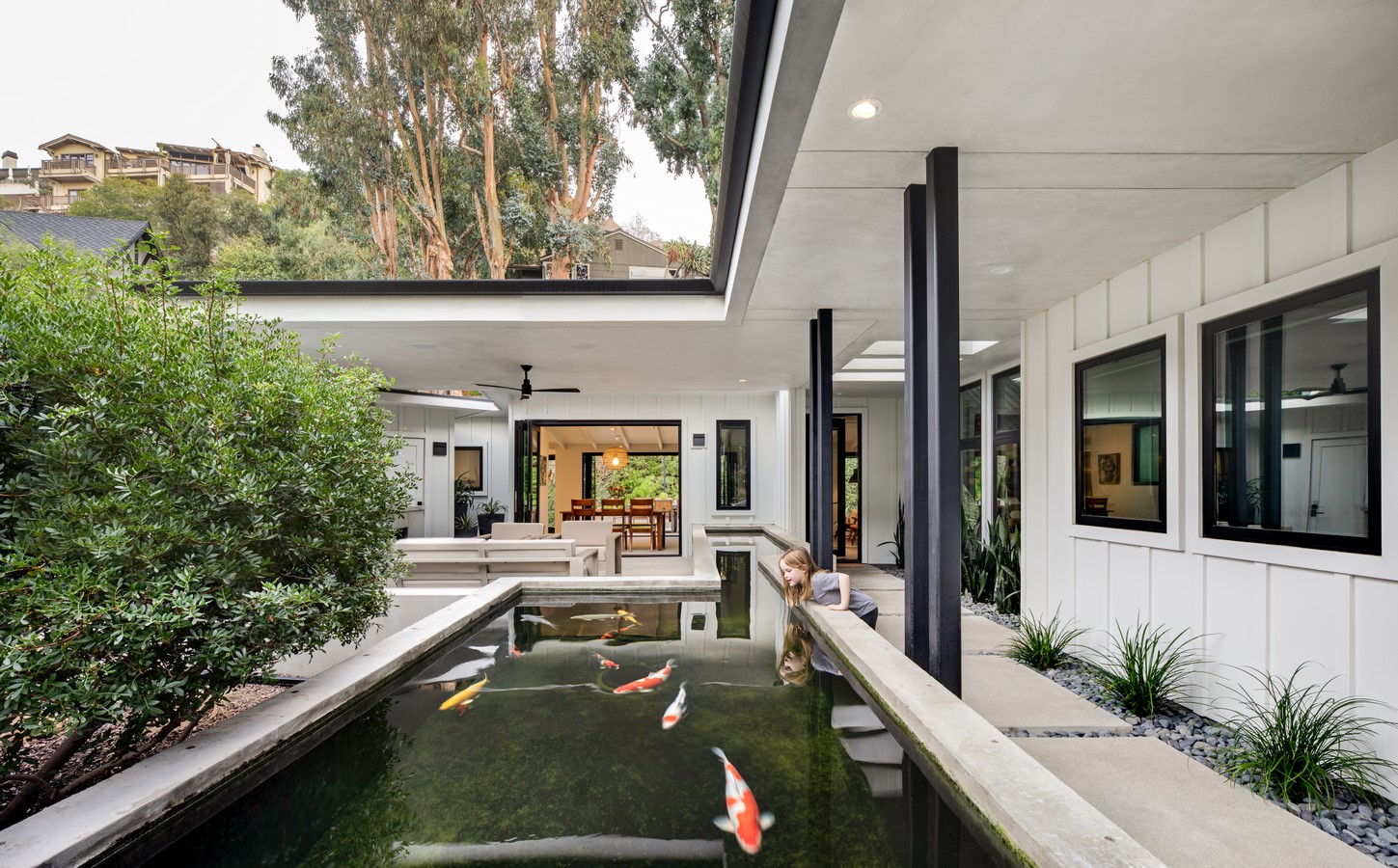
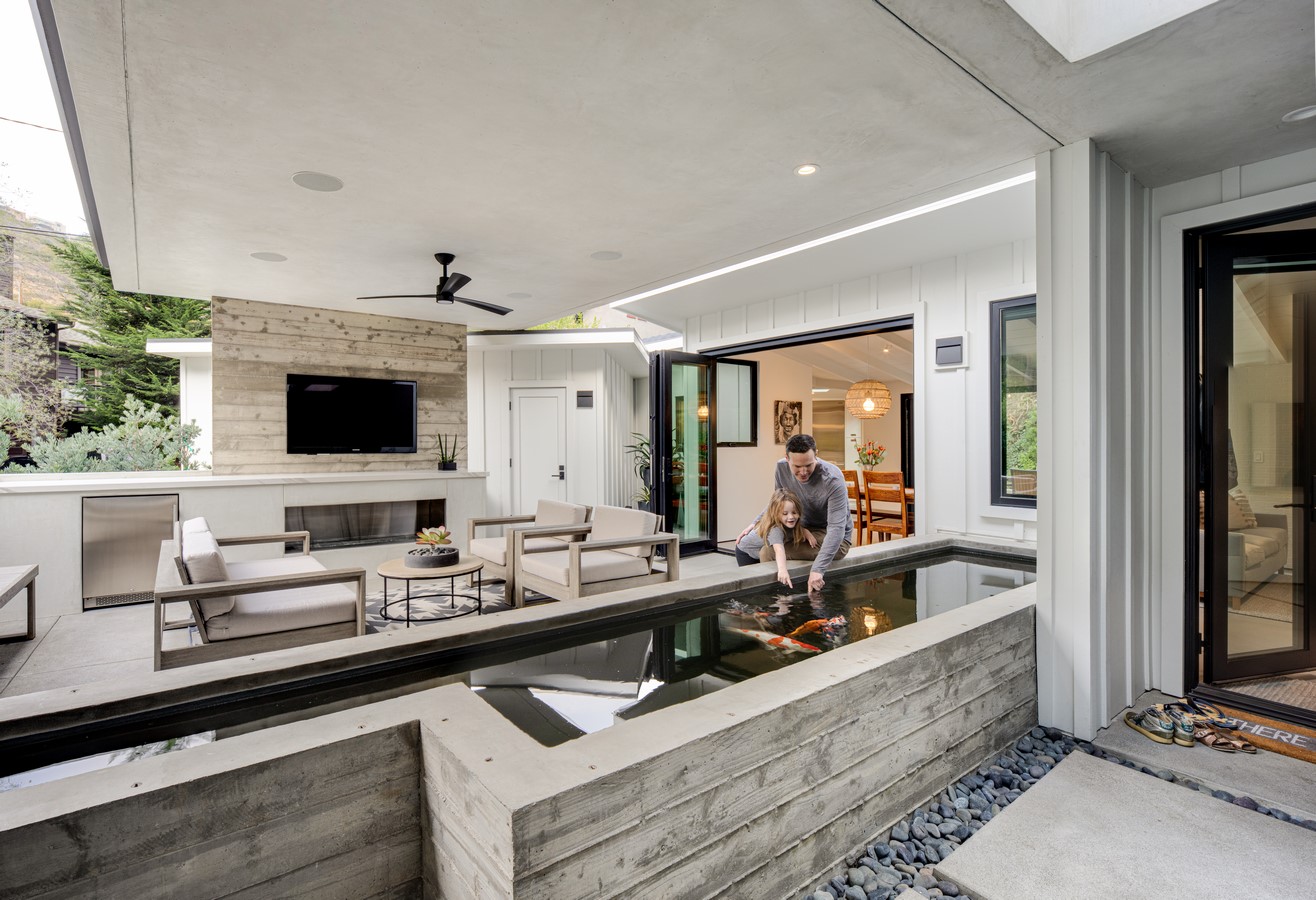
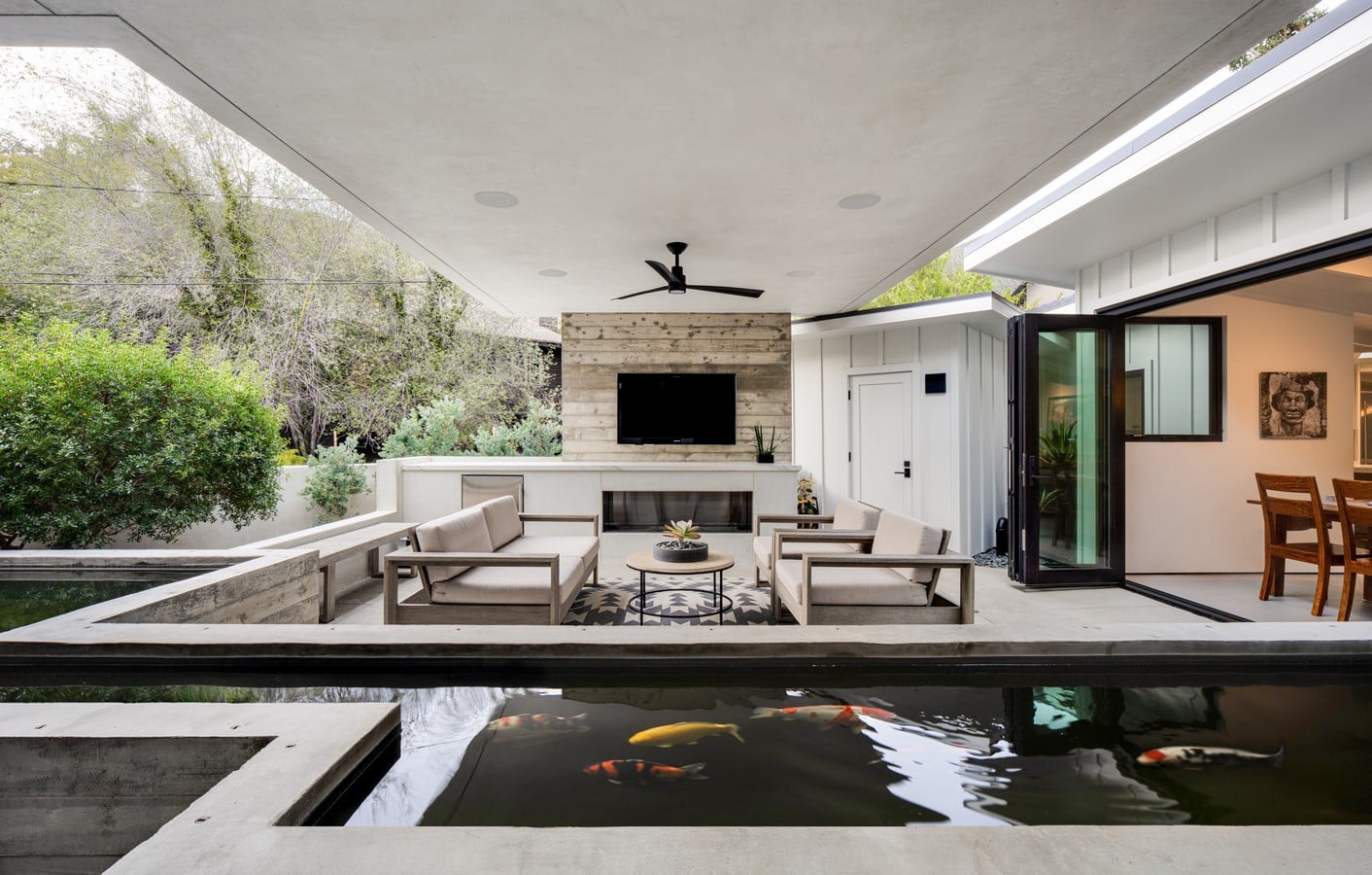
A similar principle applies when communicating outbuilt work to the general public. We make it a point to include people in our project photos, showing them engaged in relatable activities within the space. This approach creates a subconscious connection, inviting viewers to imagine themselves in that environment. By facilitating an “I could be there” moment in the viewer’s mind, we help the audience comprehend how the architecture supports and enhances specific lifestyles or moments, making it more accessible and engaging.
RTF: What is your process of developing the initial thoughts about a project? How do you start?
Anders: Our project initiation process is firmly rooted in understanding and embracing the forces of resistance and limitation. These external influences are the starting point for our decision-making, providing the necessary structure amidst a sea of possibilities. I often liken these forces to a ship’s rudder, essential for steering safely. Just as a rudder relies on the resistance of the water to change the ship’s course, architects depend on resistance and limitation to find direction.
Without resistance, we would be adrift, lacking a sense of purpose. Similarly, without limitation, it would be impossible to differentiate between what’s right and what’s wrong. Consider the game of chess: a finite board, specific rules, and a limited set of pieces with unique movements. Within these strict confines, an almost infinite array of possibilities emerges when respecting the game’s limitations.
Architectural design must also navigate and be guided by these forces of resistance and limitation. Those forces take various forms, from physical constraints like site size and features to philosophical boundaries such as zoning codes and local regulations. Financial limitations from clients and resistance to unconventional or avant-garde designs are also common challenges. However, these external forces paradoxically grant architects greater creative freedom, pushing us to craft innovative and responsive solutions.
RTF: ‘Falling out of love’ with the practice and ‘obsessing’ over a project is not an uncommon phenomenon in creative fields. How does one keep a stable head to pursue design to the best of their abilities?
Anders: First and foremost, the notion that every project deserves to be finished should serve as a guiding principle. Architects and designers are inherently driven by a pursuit of excellence, which is admirable. However, this drive can sometimes lead to a never-ending quest for perfection. It’s crucial to recognize that perfection is often an unattainable goal and that relentless striving for it can be counterproductive.
The adage “don’t let perfect be the enemy of good” is particularly relevant here. Striving for excellence is commendable, but it should not come at the cost of abandoning projects or obsessing over details to the detriment of the overall design. A sense of balance is essential, and the primary goal should be to produce a body of good, finished architecture that serves its intended purpose and enhances the built environment.
In essence, maintaining a stable and focused mindset in the creative field involves acknowledging the value of completing projects and recognizing when a design is sufficiently good to move forward. By doing so, architects can not only avoid the pitfalls of unattainable perfection but also ensure that their work contributes positively to the world around them.
RTF: Can you reflect on your journey as an architect and give young students and architects some wisdom to excel in this field?
Anders: Understand that everyone’s journey toward architecture is distinct. Mine started in a gas station! Your experiences, challenges, and opportunities will shape your career in ways you may not anticipate, but they will serve you later. Embrace the twists and turns, as they often lead to valuable insights and growth.
Architecture is a field where challenges are part of the creative process. Don’t shy away from obstacles; instead, see them as opportunities to innovate and problem-solve. It’s through overcoming challenges that you develop resilience and gain valuable experience.
Architecture is a collaborative effort. It takes many other hands to bring our designs to the world. Learn to communicate with clients, engineers, contractors, and other team members as they will doubtlessly have a significant influence on the outcome of your projects!
Architecture demands passion and patience. It often takes years to see projects blossom into completed buildings. So, in the meantime, find another creative outlet. Mine is music, and it offers instant gratification. Find something you love to create so that you can change the world around you without the need for others.