A language can survive on paper long after it begins to disappear from everyday life. Its words may be catalogued, recorded and digitised – but questions like where they are spoken, learned, argued over, sung and passed between generations matter a lot more than we think. Language preservation is not only about collecting what remains; it is also about sustaining the conditions in which a language can continue to grow: through conversations between elders and children, knowledge shared through work, stories performed, and ideas carried into education and public life. This is where architecture enters the conversation – not as a monument to a language, but as infrastructure for its continued use.
Beyond the Archive
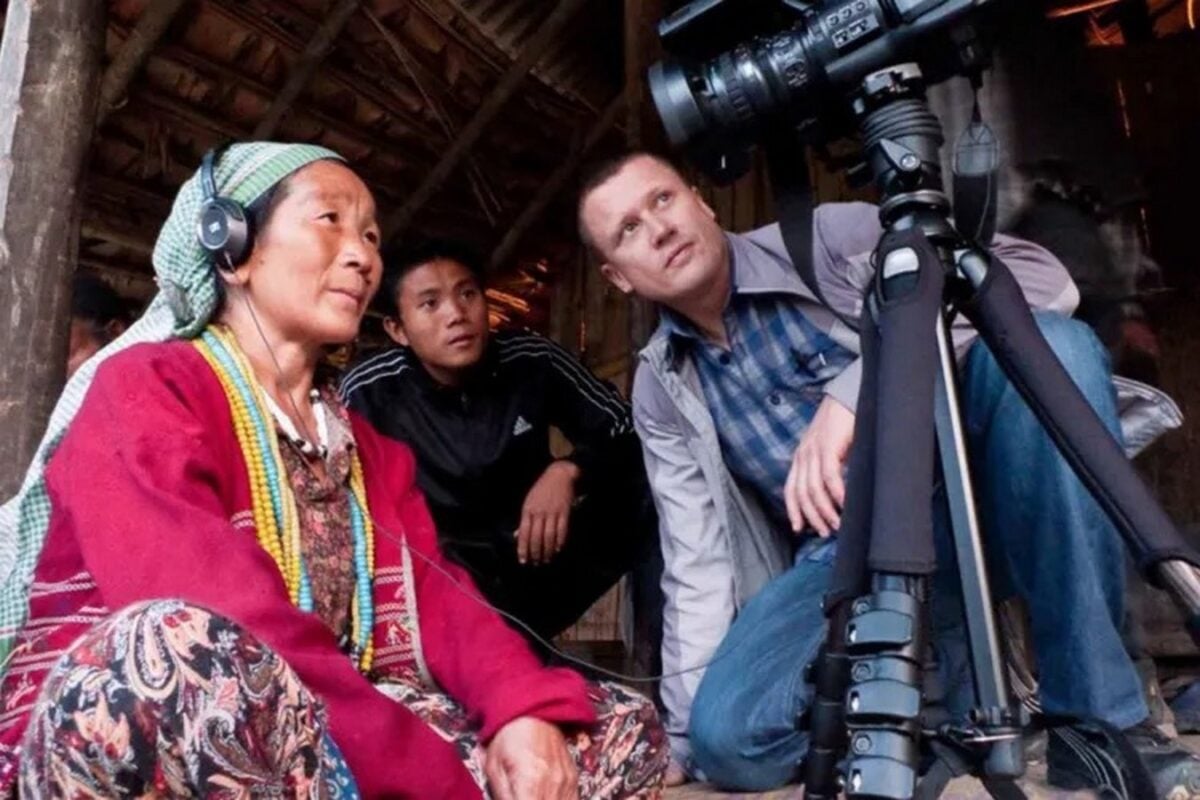
One place to begin is with the work of documenting languages that are at risk of disappearing from use. India’s Scheme for Protection and Preservation of Endangered Languages (SPPEL), initiated in 2013 through the Central Institute of Indian Languages, records linguistic knowledge through grammatical descriptions, dictionaries, ethnolinguistic profiles and audio-visual resources. Such work is indispensable: it gives researchers, educators and communities material to study, teach and carry forward.
Yet language preservation raises a question that documentation alone cannot answer: how does recorded knowledge return to everyday life?
A dictionary needs readers; an oral history needs listeners and storytellers; learning material needs settings in which it can be used. These are not arguments against archives, but reasons to look beyond them.
The challenge extends from safeguarding linguistic resources to connecting them with education, creative practice and community life.
Seen this way, the architectural inquiry begins not with the form of a building, but with the different places and relationships through which language can remain in use.
The Culture Club
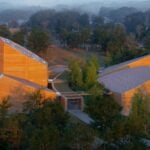
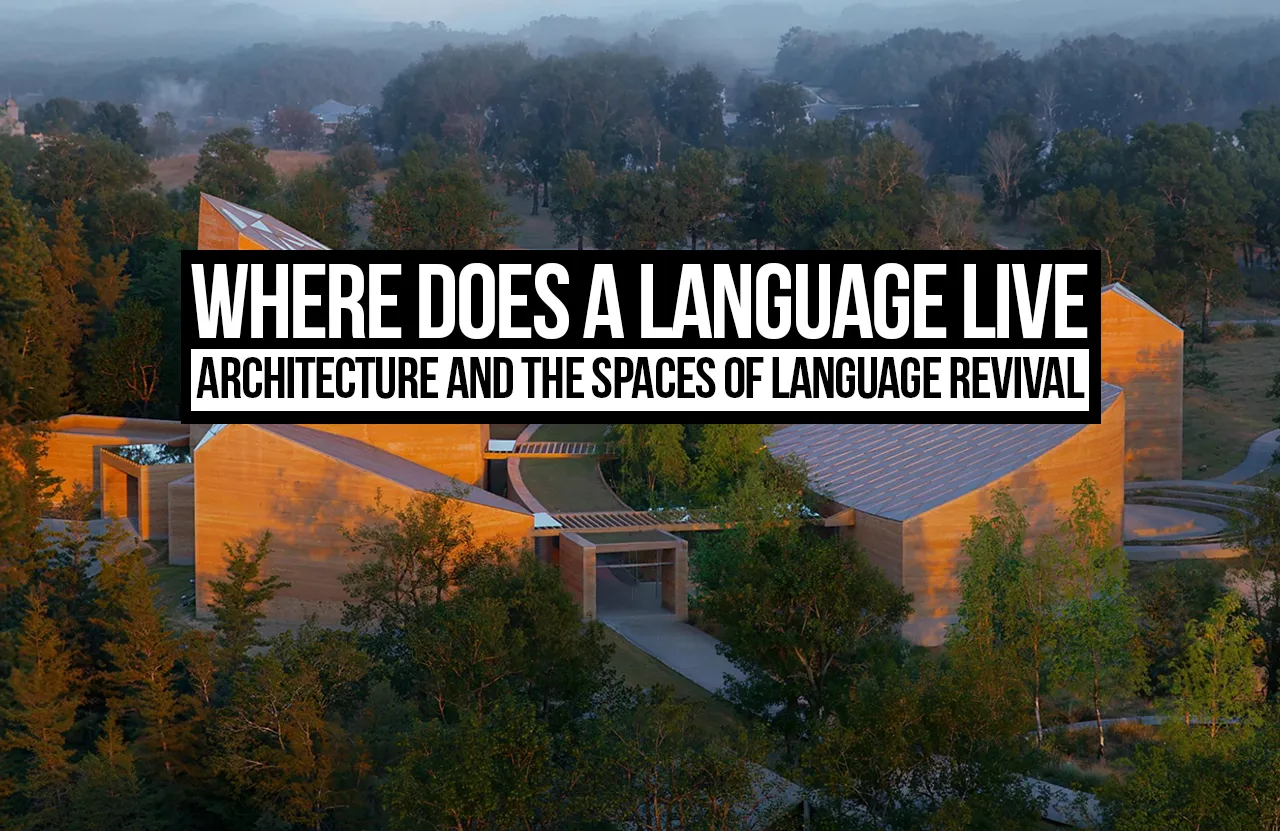
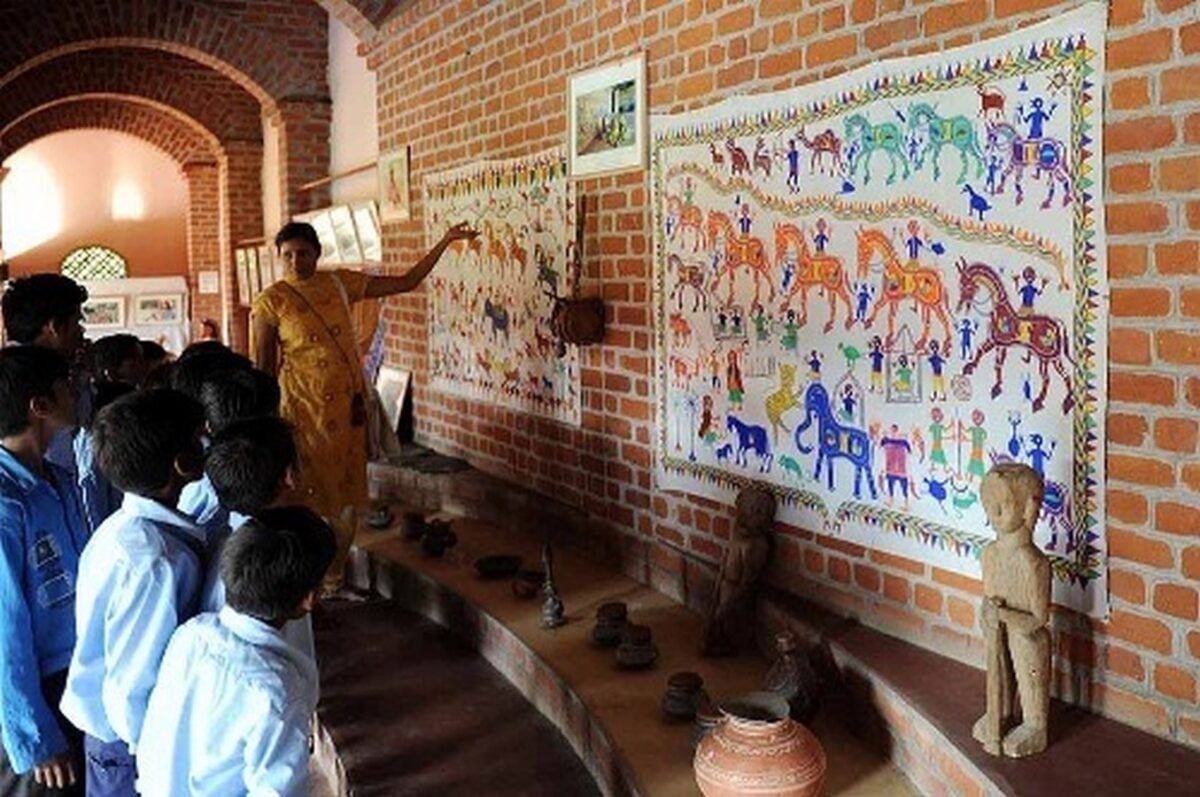
One example of how these different needs can come together is the Adivasi Academy, established by the Bhasha Research and Publication Centre at Tejgadh in Gujarat.
The architectural value of the campus lies in how its program brings different forms of cultural exchange into a shared setting.
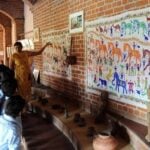
The premises feature the Vaacha Museum of Voice, a library, Vasantshala’s mother-tongue and multilingual learning programme, and Lakhara Studio, a space for Adivasi artists working across visual art, music and performance.
Each space serves a different purpose: resources can be studied, children can learn through local stories, songs, crafts and play, and cultural knowledge can find expression through creative practice. The library also welcomes residents and children, extending its role beyond specialist research.
For language preservation, this combination raises a useful architectural question: what becomes possible when learning, making, listening and gathering are supported within the same environment?
Its significance lies not in proving that a building can revive a language, but in showing how an institution can bring different opportunities for learning and cultural expression into proximity.
Old Stories, New Frequencies
Yet language is not learned only in classrooms or cultural institutions.
The Bhasha Matters report recognises villages themselves as sites of knowledge, where farming, weaving, house-building and storytelling transmit understanding through observation and participation.
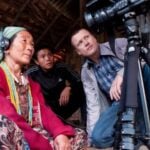
In the Nilgiris, Kwol Radio extends this principle through community-owned media infrastructure: young people record stories and songs, while elders contribute narratives and histories in Irula, the Indigenous language spoken by the community.
Here, the supporting environment is not necessarily a purpose-built building; it may be a place to gather, a recording setup or a locally managed network that allows knowledge to circulate.
These examples widen the architectural question. What matters is not simply whether spaces for learning and expression exist, but whether people can access them, shape their activities and use their languages for purposes that matter in daily life.
For language preservation, this also means recognising communities as active custodians of their knowledge, rather than treating them merely as sources of material to be documented.
Out of the Footnotes
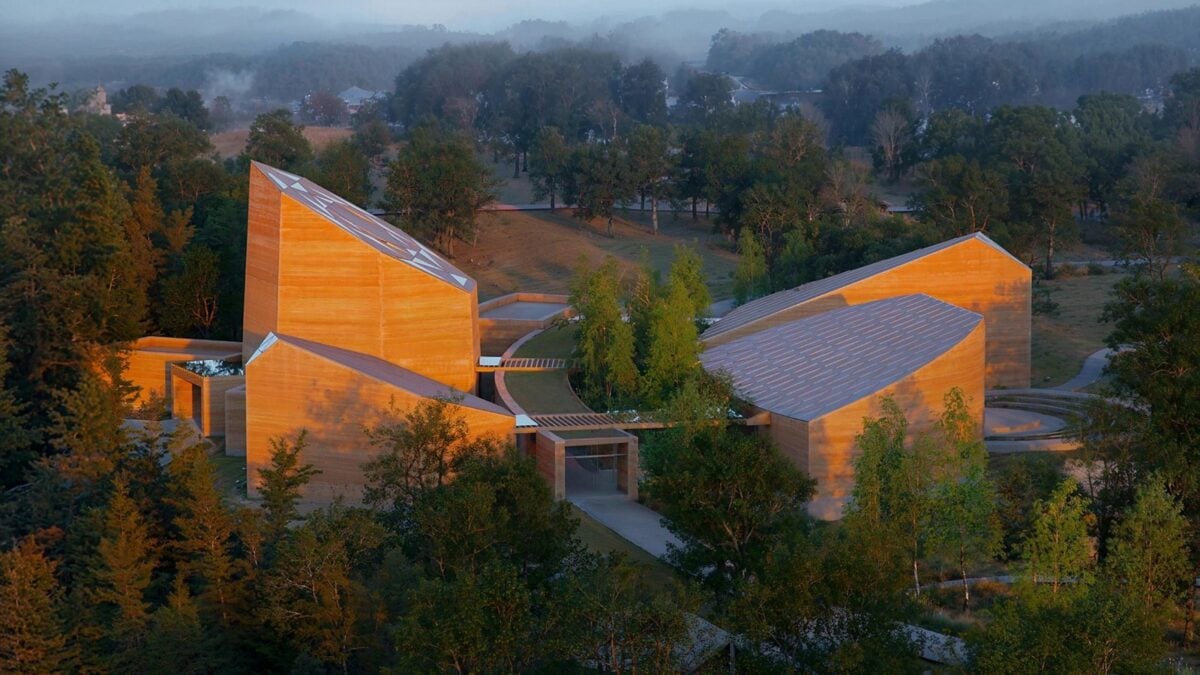
Language preservation, therefore, calls for more than documentation or isolated cultural initiatives; it requires an ecosystem in which languages have both the freedom and the infrastructure to be used. Architecture is a vital ally in building that ecosystem.
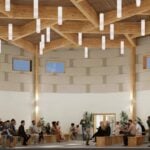
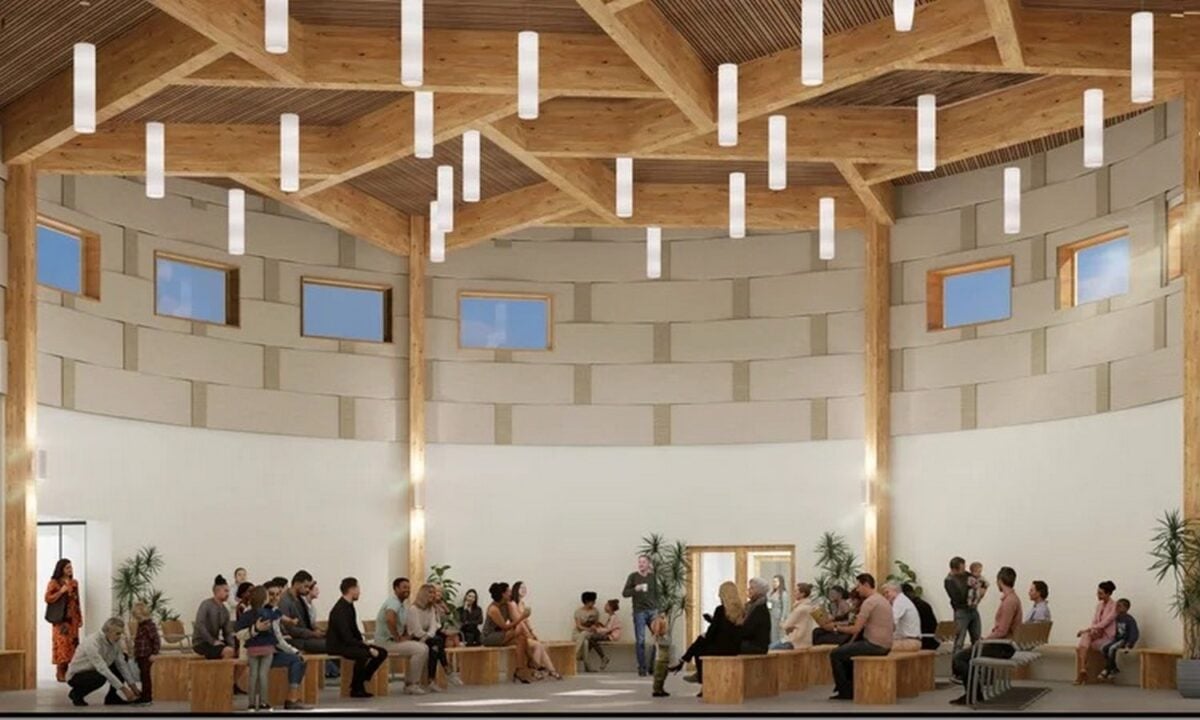
Schools, libraries, cultural centres and community spaces can give linguistic knowledge a visible, accessible place in public life, while digital platforms and locally managed media can extend its reach across geographical boundaries.
Their value, however, depends on sustained investment, meaningful programmes, educational support and the participation of the communities whose languages they serve.
The examples discussed here demonstrate how physical spaces and distributed networks can support different, complementary forms of learning, expression and exchange.
For architects and institutions, the responsibility is not simply to provide a home for cultural memory, but to help create conditions in which it remains relevant to contemporary life.
Language preservation must be understood as both a cultural commitment and an infrastructural priority: one that deserves space, resources and a future, rather than being relegated to the margins of development.
References:
Venkatesh, K. (2024). 10 Indian languages and how they came to be. Penguin Random House India Pvt. Limited.
Wiltshire, B., Bird, S. and Hardwick, R. (2022). Understanding how language revitalisation works: A realist synthesis. Journal of Multilingual and Multicultural Development, 45(9), pp.1–17. doi:10.1080/01434632.2022.2134877.
Education management information systems progress assessment tool: Transforming education system. (2025). [online] doi:10.54675/cmea4489.
Bhasharesearch.org. (2026). Campus – adivasi academy. [online] Available at: https://bhasharesearch.org/adivasi-academy/campus [Accessed 24 Oct. 2026].
Bhasharesearch.org. (2017). Library and Educaion – Adivasi Academy. [online] Available at: https://bhasharesearch.org/adivasi-academy/library-and-education [Accessed 24 Oct. 2026].
UNESCO (2022). Indigenous languages decade (2022-2032). [online] Unesco.org. Available at: https://www.unesco.org/en/decades/indigenous-languages [Accessed 24 Oct. 2026].
SPPEL. (2026). SPPEL — Scheme for Protection and Preservation of Endangered Languages. [online] Available at: https://sppel.org [Accessed 24 Oct. 2026].
Ciil.org. (2024). About. [online] Available at: https://sanchika.ciil.org/info/about [Accessed 24 Oct. 2026].
Sahapedia. (2016). Translating the adivasi worldview | sahapedia. [online] Available at: http://www.sahapedia.org/translating-the-adivasi-worldview [Accessed 24 Oct. 2026].
Pib.gov.in. (2017). PIB backgrounder. [online] Available at: http://www.pib.gov.in/PressNoteDetails.aspx?NoteId=155013 [Accessed 24 Oct. 2026].
Pib.gov.in. (2025). 22 Languages, digitally reimagined. [online] Available at: https://www.pib.gov.in/pressreleaseiframepage.aspx?prid=2182427®=48&lang=2 [Accessed 24 Oct. 2026].
Unesco.org. (2026). Kalinga Institute of Social Sciences. [online] Available at: https://www.unesco.org/creativity/en/policy-monitoring-platform/kalinga-institute-social-sciences [Accessed 24 Oct. 2026].
Welcome to. (2026). Sushree Sangita Mohanty – welcome to. [online] Available at: https://www.usief.org.in/meet-our-india-fulbr/sushree-sangita-mohanty/ [Accessed 24 Oct. 2026].