Learning Beyond Walls
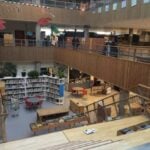
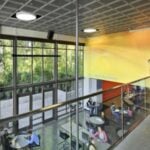
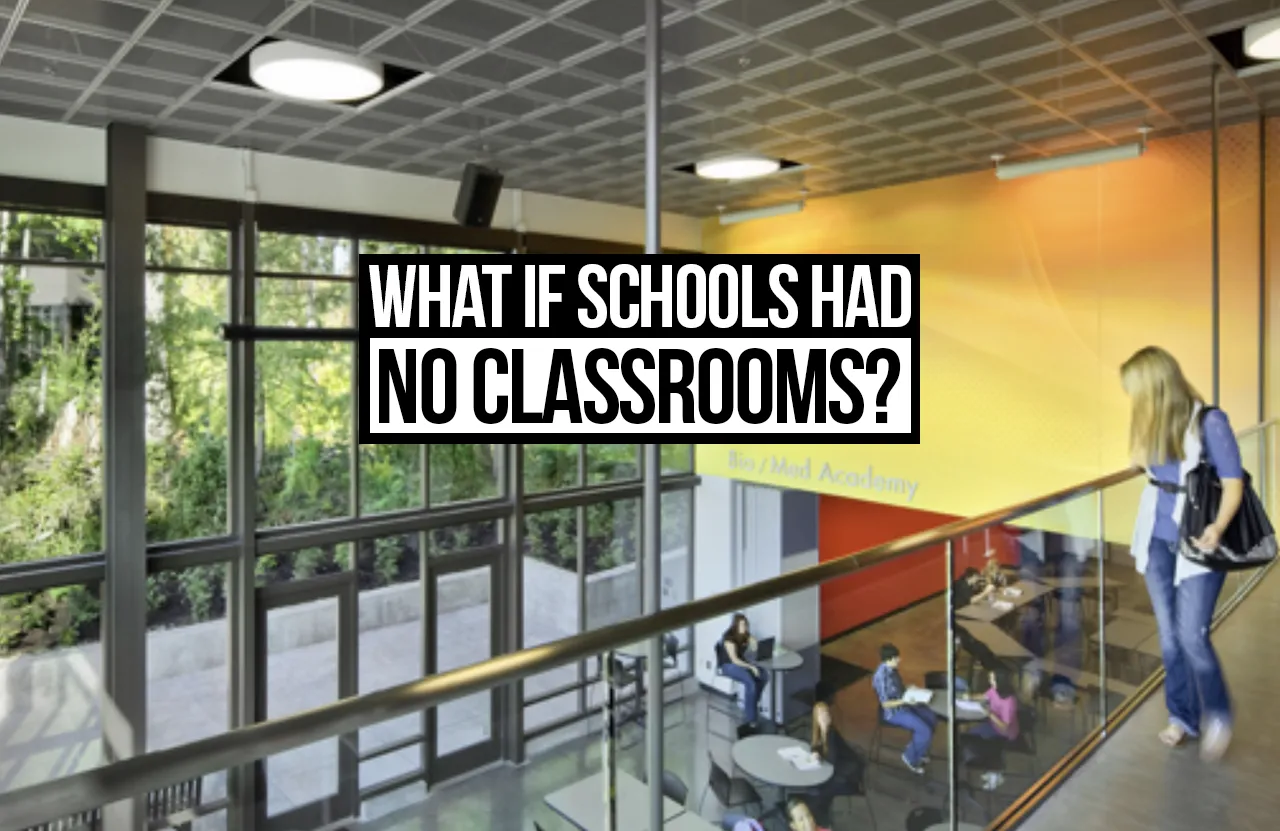
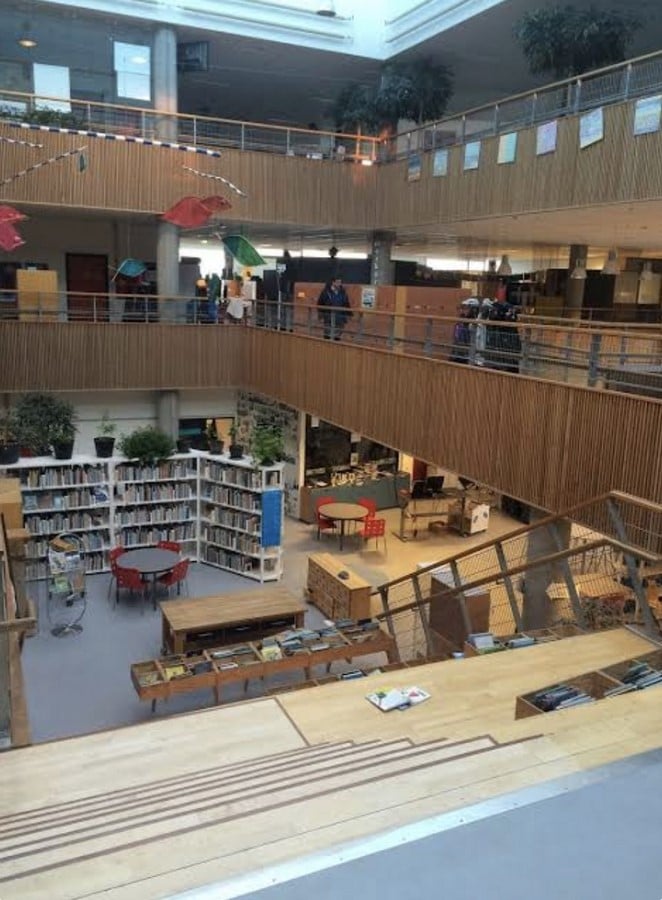
Learning outside the classroom can encourage ongoing learning, working collaboratively, and working in teams. Schools can have open learning spaces like Hellerup School in Denmark. This gives learners a flexible space, as there are multiple levels and little definition between classrooms. This helps create visibility throughout the school to allow children to see other activities happening. It also enables teachers to work together in a better way. However, there should still be some quiet areas. Successful open learning spaces have been created by using sound-absorbing materials, glass dividers, quiet areas, flexible furniture, and sliding dividers. This allows the learning spaces to be opened up and used for group work or closed off for concentrated work.
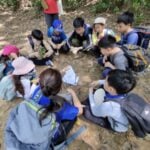
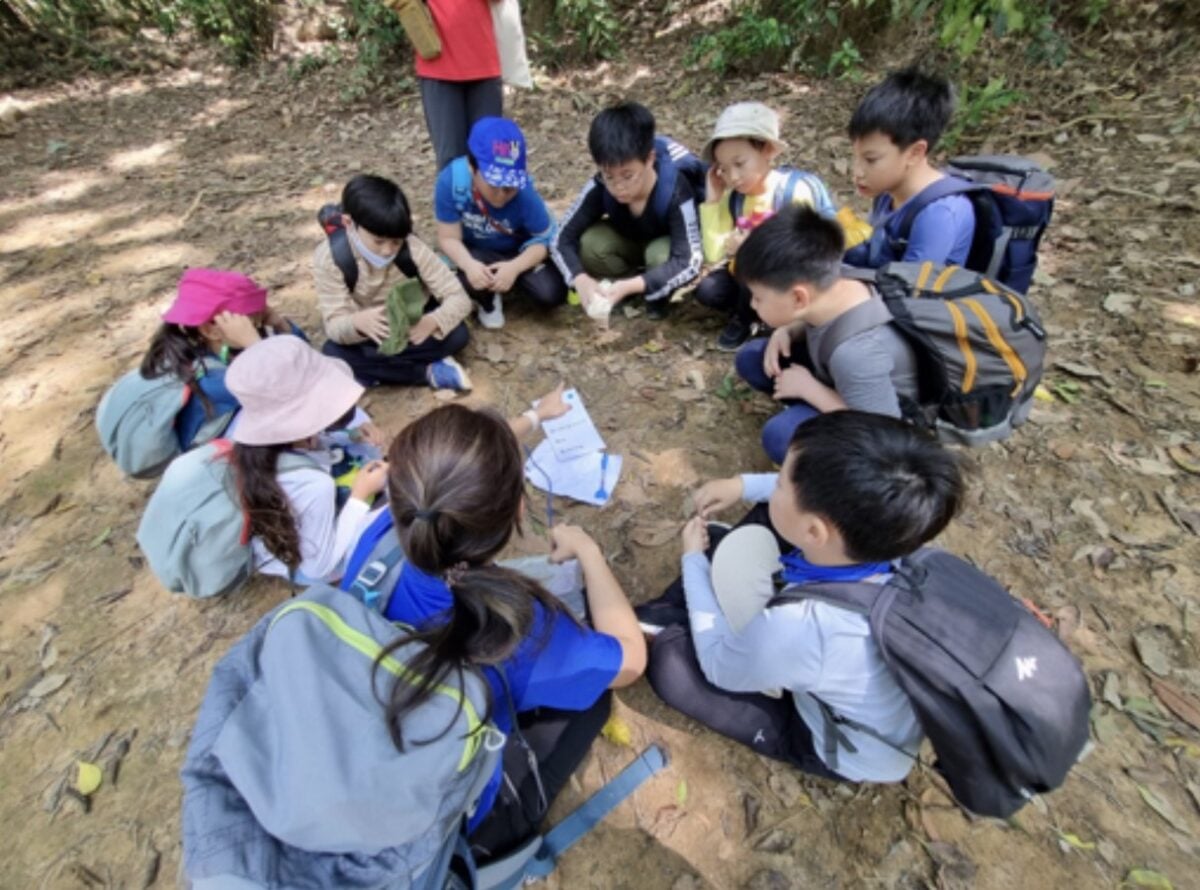
Outdoor learning can be done by providing children with outdoor learning spaces to teach them about ecology, climate, water, materials, and food production. Courtyards, gardens, shaded terraces, rainwater systems and planting areas can all be used within schools. For example, Victoria School in Singapore has an open Eco-Street in the centre of the school. IslandWood in Washington uses its woodland setting as an outdoor learning space. In hotter, humid climates like Chennai, the outdoor spaces should have lots of shade, cross-ventilation, protection from rain, durable materials, planting and comfortable seating.
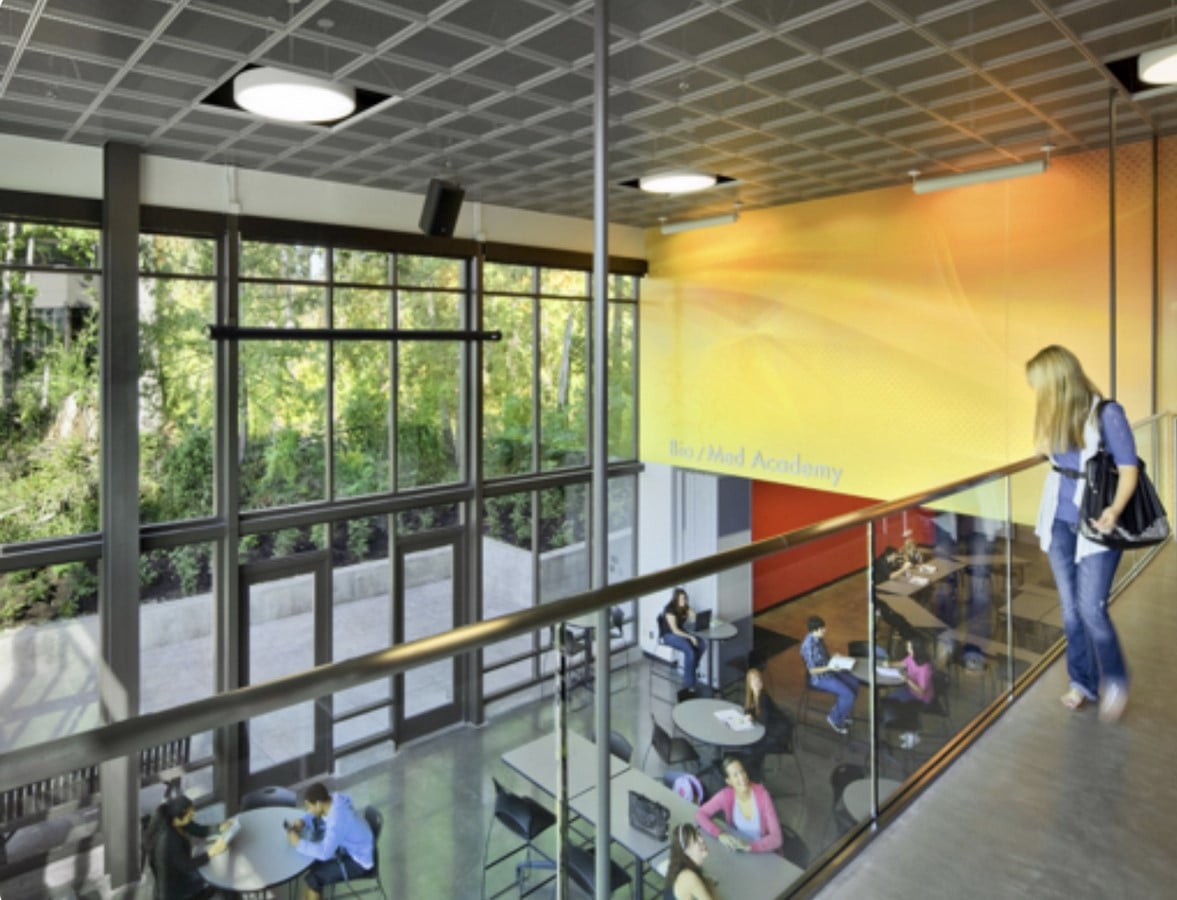
A practical way to move away from traditional classrooms would be to provide flexible learning spaces. Whilst not having one huge open space, there can be multiple spaces available. This can include quiet concentration areas, collaborative studios, makerspaces, presentation areas, libraries, casual areas and outdoor terraces. Marysville Getchell High School has flexible walls, flexible furniture, outdoor amphitheatres and views out over wetlands to encourage children to learn practically. This means that children can choose the area they want to use for reading, discussing, creating, presenting and reflecting. The future school should provide children with a range of fully enclosed, semi-open and open learning spaces. This will give children independence but also provide them with the structure they need to learn effectively.
The Psychology of Space
Flexible learning can improve creativity, autonomy and social interaction. Open learning spaces promote physical activity and collaboration and allow pupils to have more control over their learning. Often, open learning environments will see pupils having control over how they learn, using pair or small group work and increasing their self-regulation and autonomy. Open learning environments can create a feeling that learning is more fun, creative, and investigative.
However, the psychological impacts depend on how balanced the space is. While open environments can promote interaction and reduce feelings of isolation, too much openness can cause some students to feel vulnerable, distracted, and unable to concentrate. Research has highlighted the importance of having open social areas but also quiet, sound-controlled study areas. The noise, lighting, furniture, movement and complexity of the environment all directly impact attention span, engagement and psychological wellbeing.
If flexible learning spaces can provide a sense of identity, ownership and connection, then they can provide a good sense of belonging. Having informal middle spaces such as corridors, courtyards, seating zones and shared studios can increase spontaneous interaction and help pupils feel friendlier and like they belong. Personalisable furniture, displays of work, and having small group areas can help pupils feel valued. The best psychological support comes from having a mix of open and closed areas.
Freedom vs. Functionality
Flexibility is provided within classrooms but less in schools, which can cause chaos. Open-plan learning can cause noisy, busy, stimulating environments, making it difficult to concentrate. Some students may also feel uncomfortable due to the lack of boundaries, a quieter environment, and routine associated with traditional classrooms. Research has highlighted that there can be negative impacts on students within new learning environments, as they can become distracted. To provide balance between flexibility, clear spaces, and soundproofing should be included.
Flexibility can bring challenges to schools. Large amounts of space, flexible furniture, storage, electricity, soundproofing, and accessibility are required. Poorly planned open and mobile classrooms can cause issues with ventilation, glare, temperature, limited storage, and difficulty rearranging. Learning outside can cause problems with shade, drainage, maintenance, and weather-sensitive buildings. Particularly in hot, humid and rainy areas. Innovation in school buildings can be expensive to begin with and to maintain. Research has shown that improvements to architecture require careful planning to ensure resources are used effectively. However, improvements to learning will not be achieved solely through architecture. It needs to be linked to teaching requirements and long-term management.
Many issues can be overcome by using a mixed approach with architecture. Soundproofed areas, closed focus rooms, sliding walls, clear navigation, a mixture of small and large areas, shaded areas outside, and universal access can be included to provide flexibility. A well-designed building should provide flexibility, privacy, collaboration, and connection to the outside. However, it shouldn’t be too busy or noisy. Research suggests that a calming, sensory-friendly, and low-distraction environment can help concentration. Clear navigation and a variety of areas can help independence. Classroom-less schools will be most successful when ‘freedom’ is supported through functional, inclusive, and weather-sensitive design.
Reference List:
Ali, L.A., Khaznadar, B.M.A. and Ali, A.S. (2026). The impact of classroom indoor space design on students’ learning quality. Buildings, 16(7), p.1397. doi:10.3390/buildings16071397.
Boys, J. and Jeffery, A. (n.d.). Adapting school design for learning, health and wellbeing during and post pandemic discussion paper. [online] Available at: https://www.ucl.ac.uk/bartlett/sites/bartlett/files/adapting_school_design_for_learning_24082022_final.pdf [Accessed 24 Oct. 2026].
Cardellino, P. and Deed, C. (2024). Interactions between design innovation and educational change in non-western schools. Buildings, 14(3), pp.716–716. doi:10.3390/buildings14030716.
Creating 21st century learning environments. (2005). PEB Exchange, Programme on Educational Building. [online] doi:10.1787/558676471016.
Granito, V.J. and Santana, M.E. (2016). Psychology of learning spaces: Impact on teaching and learning. Journal of Learning Spaces, [online] 5(1), pp.1–8. Available at: https://eric.ed.gov/?id=EJ1152622 [Accessed 24 Oct. 2026].
Lippman, P.C. and Matthews, E. (2018). Re-imagining the open classroom. School Space and its Occupation, [online] pp.63–85. doi:10.1163/9789004379664_005.
Marcarini, M.F. (2020). Pedarchitecture: Which learning environments for the personalisation of teaching and learning? An educational architecture for the schools of the future. Teacher Transition into Innovative Learning Environments, pp.85–107. doi:10.1007/978-981-15-7497-9_8.
Reinius, H., Korhonen, T. and Hakkarainen, K. (2021). The design of learning spaces matters: Perceived impact of the deskless school on learning and teaching. Learning Environments Research, 24, pp.339–354. doi:10.1007/s10984-020-09345-8.
Rindenow, E., Davidovitch, N. and Dorot, R. (2025). Teaching and learning in new spaces: The pedagogy-suited learning space approach. Cogent Education, 12(1). doi:10.1080/2331186x.2025.2560615.
Samura, M. (2018). Understanding campus spaces to improve student belonging. About Campus: Enriching the Student Learning Experience, 23(2), pp.19–23. doi:10.1177/1086482218785887.
Sasson, I. and Rimon, R. (2025). Beyond four walls: Exploring the relationships between physical learning environments, technological resources, and sense of school belonging. Learning Environments Research, 28(3), pp.795–811. doi:10.1007/s10984-025-09554-z.
Schools without walls. Profiles of significant schools. (1966). [online] Available at: https://eric.ed.gov/?id=ED018151.
View all posts by LKA+A (2018). Arkitema architects – hellerup school, Denmark. [online] LKA+A Architectural Reference Library. Available at: https://lkaaarchitecturalreferences.wordpress.com/2018/05/26/arkitema-architects-hellerup-school-denmark/
NTUC First Campus. (2024). Creating learning opportunities beyond the classroom wall with NTUC first campus outdoor school | NTUC first campus. [online] Available at: https://www.ntucfirstcampus.com/news/creating-learning-opportunities-beyond-the-classroom-wall-with-ntuc-first-campus-outdoor-school/.
DLR Group. (2021). Marysville Getchell High School – DLR group. [online] Available at: https://www.dlrgroup.com/work/marysville-getchell-high-school/.