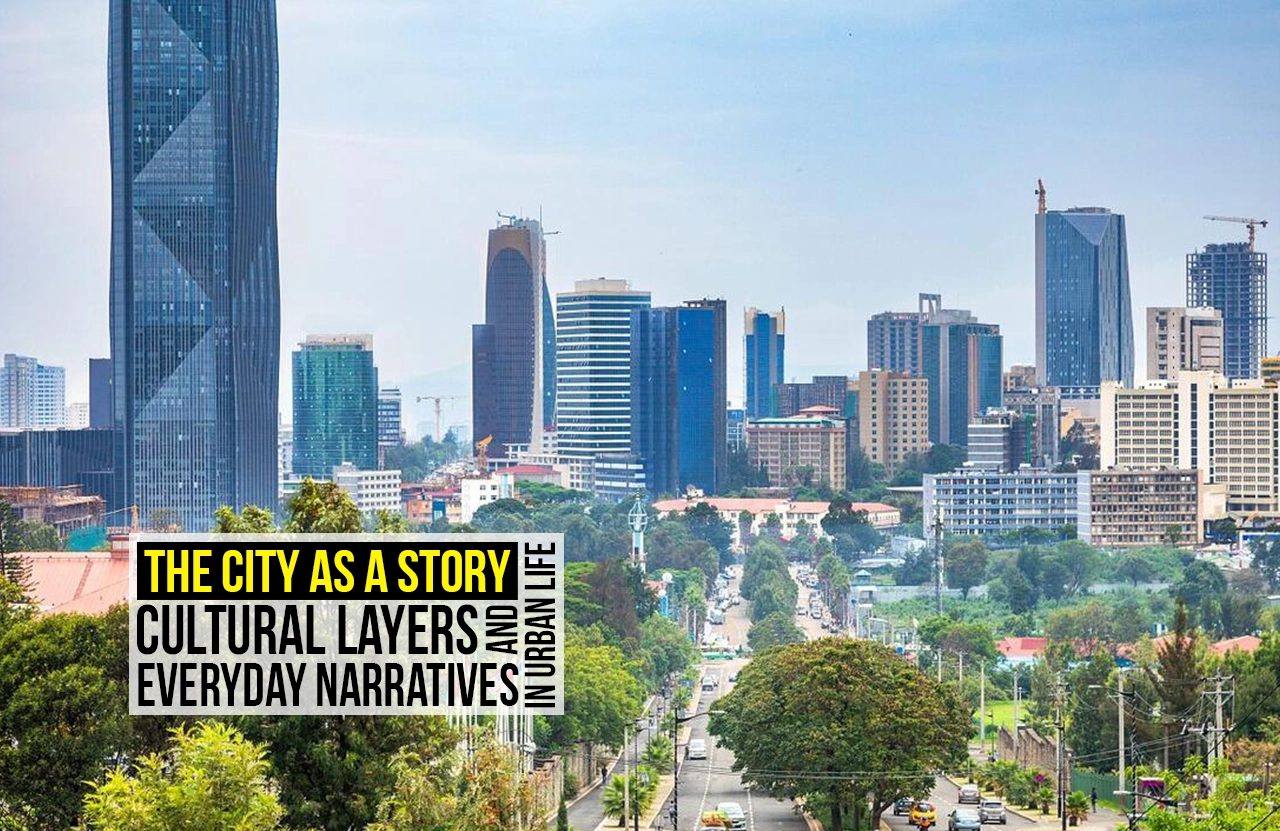
If a city could narrate, what would it say? Would it speak about the beauty of its roads, the skyline of its buildings, the rivers that cross its terrain, or the millions of lives moving within it?

Would it describe the traffic jams and the cars’ movements? The momentum of daily encounters, the resources it consumes, and the waste it produces? What are the most crucial elements in a city that would be included in the narration?
How would a city be narrated if it became a story?
Cultural layers beyond the physical city
The city as a story includes visible and invisible dimensions of urban life. Meaning, it includes the physical built structure and softer elements such as: culture, rituals, habits, memories, and everyday social interactions. These elements develop over generations within several cultural layers. This highlights that the city does not grow in a straight line, but it develops through demolition, adaptation, and reinterpretation.
“Cities used to emerge from topography, climate, and local customs; they were redefined as mechanized systems optimized for production, governed by metrics, and stripped of historical continuity. Entire urban cores were razed. Zoning replaced lived rhythms, and streets became arteries for cars, not places for encounter. What happens to a city when its growth is no longer evolutionary, but imposed? When memory is no longer embedded in its form?” The question then arises: what happens to a city when its development no longer responds to the cultural logic?” (“Rethinking Urban”: Anthropological Perspectives on City Life). In the age of megacities,” many cities feel fractured, disoriented, and disconnected. Because they are increasingly built with abstraction and ignoring the deep logic of place, the very DNA of urban life is affected. ” This is the context & softer elements. (Urban-centered design 2025)
Urban morphology and everyday narratives
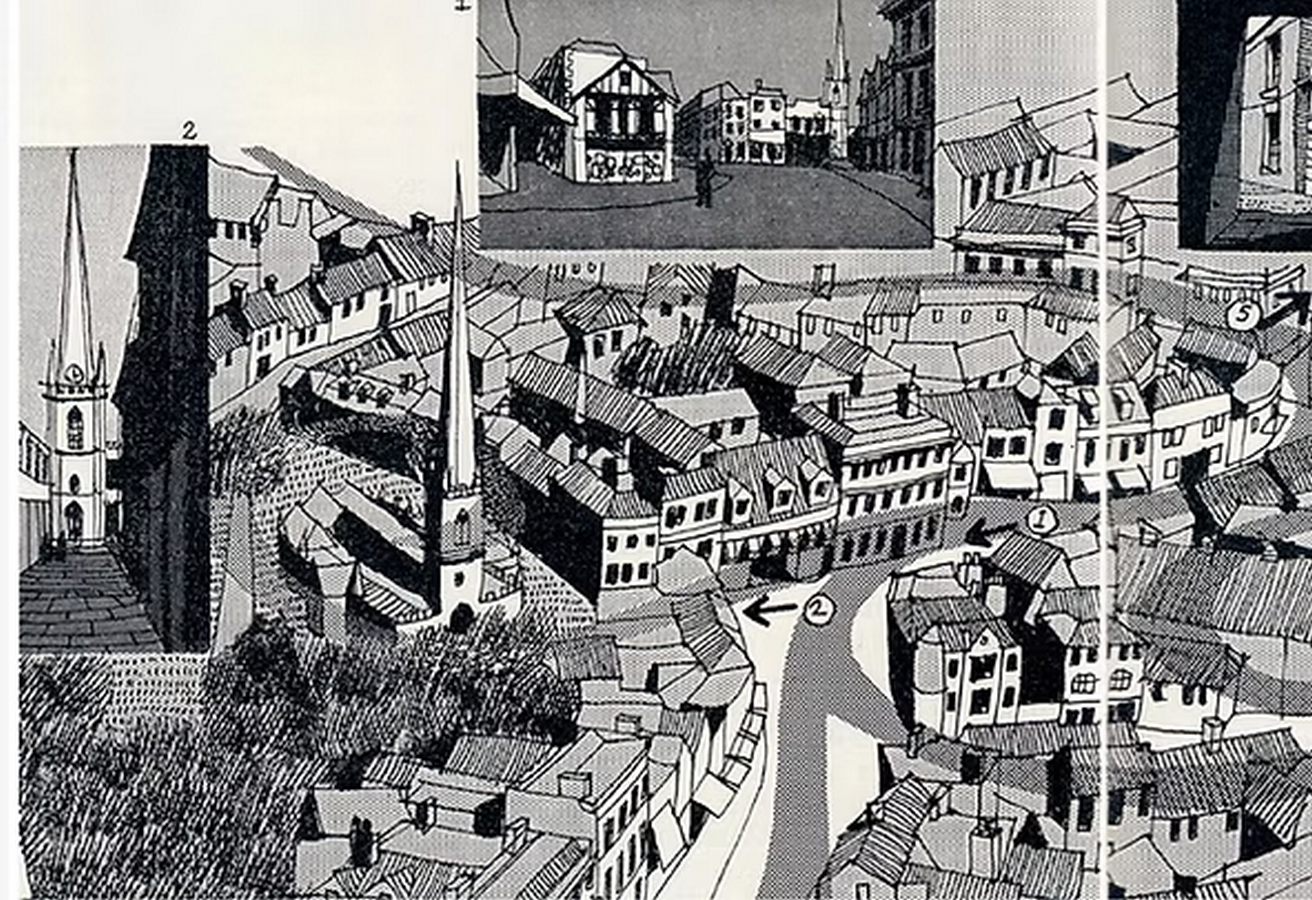
Urban morphology built from influences social patterns, it affects behavior, and day-to-day life. Spatial density affects the intensity of encounters. In less dense urban areas, daily life generates what sociologists describe as “weak ties,” casual relationships that structure everyday interaction. When urban morphology starts changing in a different way, the cultural layers and changes that happen affect the cultural contexts it can produce. These interactions define urban experience differently compared to smaller towns.
In megacities, cultural context and the memorial understanding are constantly renegotiated. Diverse traditions develop, interrupt, and adapt in the production of unique forms. The everyday narrative of a city unfolds in markets, sidewalks, cafes, bus stops, and religious gatherings. It is found in informal economies and public squares, in moments of negotiation and coexistence. Thus, the city as a story is not written only in monuments or master plans. It is written in daily routines and small gestures. It is carried in memory and repetition.
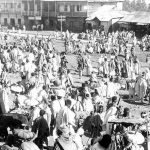
Piazza (Arada), Addis Ababa: A Collage of Diversity
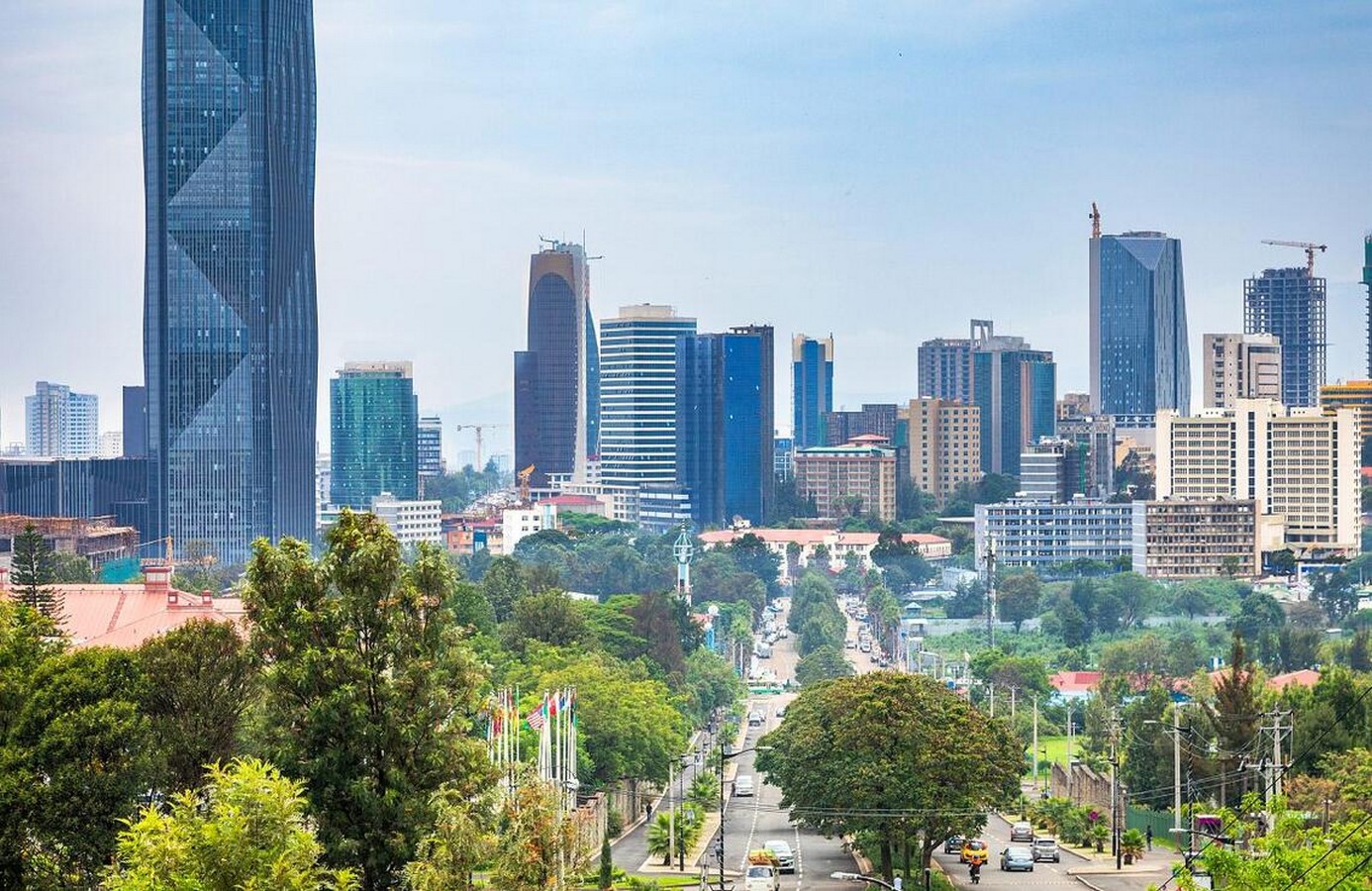
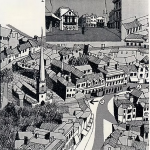
As having diversified residentes Addis Ababa is a good example of what cultural layers cities can accommodate. While the city establishment related to the need for a stable and centrally located capital, Its early formation was largely organic, responding to political necessity and geographical conditions. In its initial phases, residential and commercial structures in Arada/city center were built localy available resources using mud, thatch, and tin sheets. The city’s early morphology was shaped more by lived practice than by formal planning.
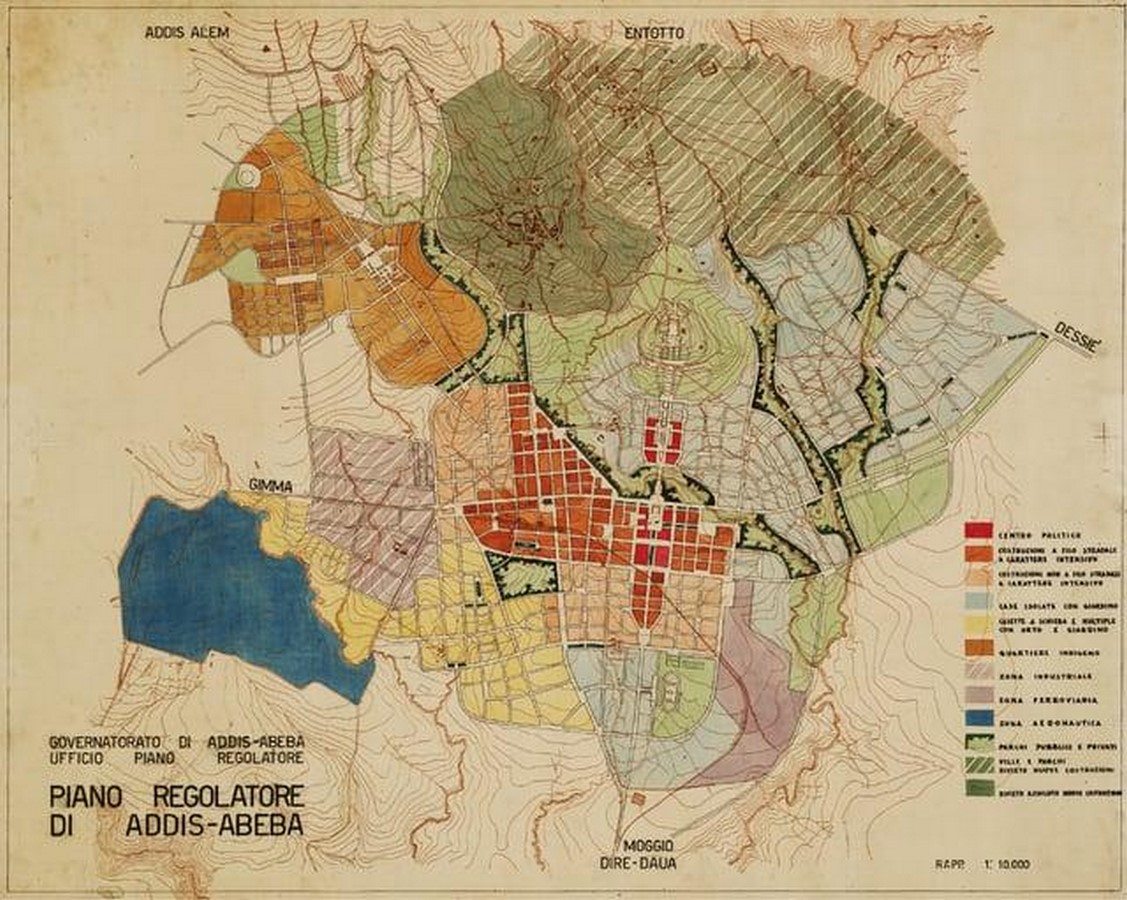
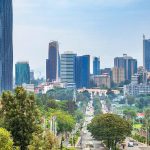
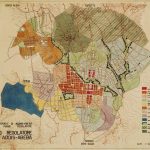
During the Italian occupation (1936–1941), Addis Ababa experienced a significant shift in urban planning. Planning here was imposed rather than evolutionary. The relocation of the marketplace from Arada to Mercato introduced new commercial and architectural principles, altering spatial organization and economic rhythms. (Fasil Giorghis and Gérard) Later, Armenian builders influenced the development of Addis Ababa’s commercial vernacular architecture. Through a fusion of Ethiopian and Armenian design principles, these builders modernized urban spaces while retaining cultural identity. Piazza today stands as a collage of political ambitions, foreign interventions, vernacular traditions, and daily life. It demonstrates how cities absorb external forces while continuing to produce their own narratives.
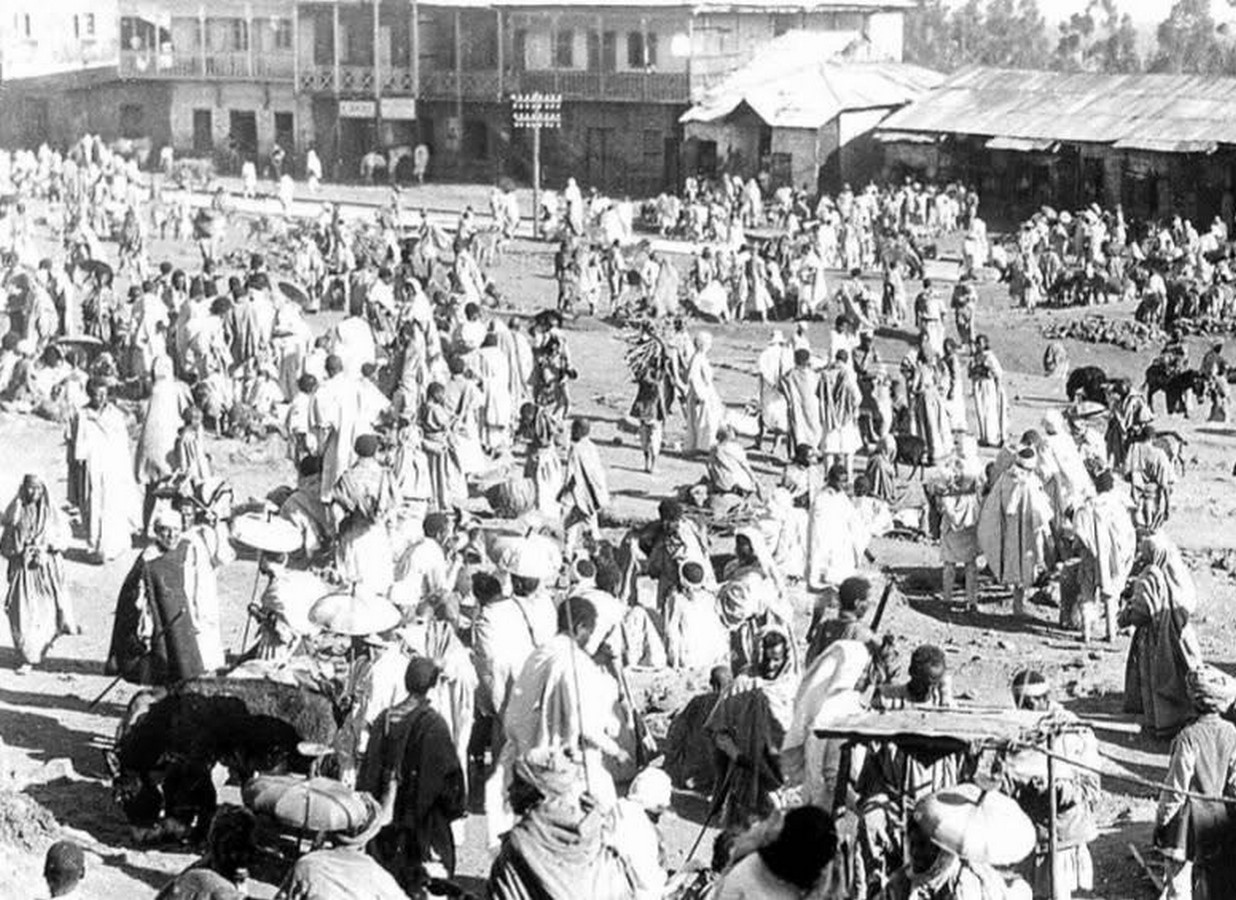

The urban morphology of Addis is influenced by various cultural, historical layers.It’s stronger ties and community relations that slowly weaken through the development of the city. The growth of different neighborhoods and the growth of districts affect the urban experience and memorial understanding. (Fasil Giorghis and Gérard)
Reading the City as Story
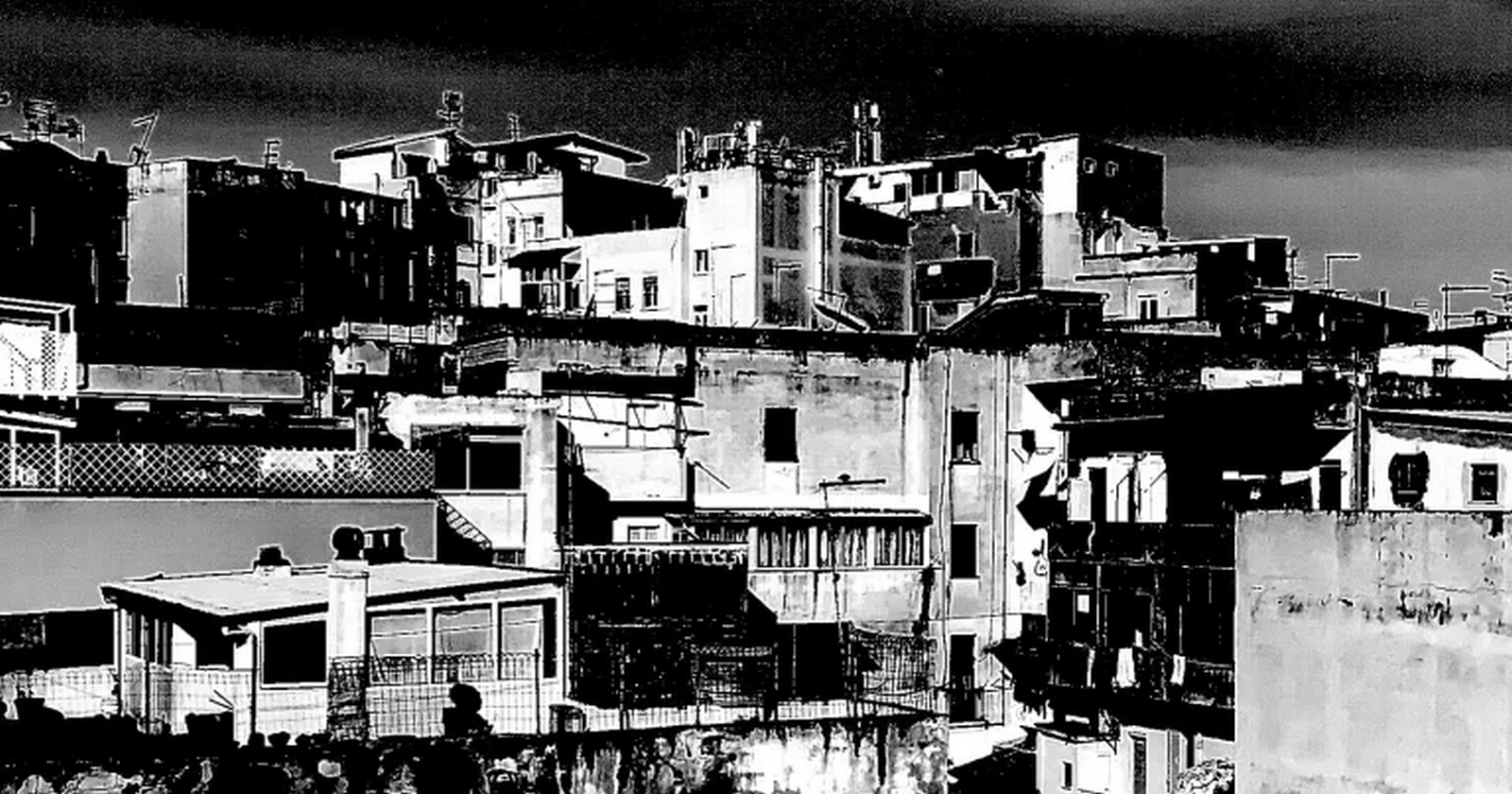
To read a city as a story is to recognize that urban space is never neutral. It carries traces of power, aspiration, displacement, and resilience. Addis Ababa’s evolution from vernacular huts to colonial interventions to diplomatic hub reveals how cities accumulate layers and tell a story
.The cultural layers and everyday narratives of urban life remind us that cities are not only physical constructions but social and historical processes. Architecture and planning influence how stories are preserved or interrupted. In the story of Addis, for example, the city plan and structure tell beyond function. One can recognize the cultural layers for various narratives and the story it can tell. When urban growth ignores memory and context, it risks producing fragmentation and disconnection. When it responds to local culture and lived experience, it strengthens continuity.
If a city were to speak, it would not speak in a single voice. It would speak in fragments: the development of itself. How it got initiated and progressed, and the lost neighborhoods, and how people lived, bargained in marketplaces, the rhythm of the traffic, their ambitions and dreams, and experience the place.
Understanding the city as a story and questioning what story a city can tell encourages planners, architects, and urban thinkers to move beyond abstraction and recognize the layered narratives embedded in urban space. In doing so, design becomes not only an act of construction, but an act of interpretation. A city is more than infrastructure; it is a multifaceted concept of a living archive. The streets hold memories, the buildings tell the living culture, and the infrastructures show the standards of living. The city as a story is not simply a metaphor. It is a layered narrative composed of culture, history, politics, conflict, adaptation, architecture, and everyday experience.
- WiE Design. (2026). Lewis Mumford | WiE Design. [online] Available at: https://www.wie-design.com/design-blogs/tags/lewis-mumford [Accessed 11 Feb. 2026].
- “Rethinking “Urban”: Anthropological Perspectives on City Life • ExploreAnthro.com.”
Anthropology Institute, Urban Anthropology, 8 Dec. 2024, exploreanthro.com/urban-anthropology/rethinking urban-anthropological-city-life/. Accessed 11 Feb. 2026.
- Fasil Giorghis, and Denis Gérard. The City & Its Architectural Heritage. shama books, 2007.