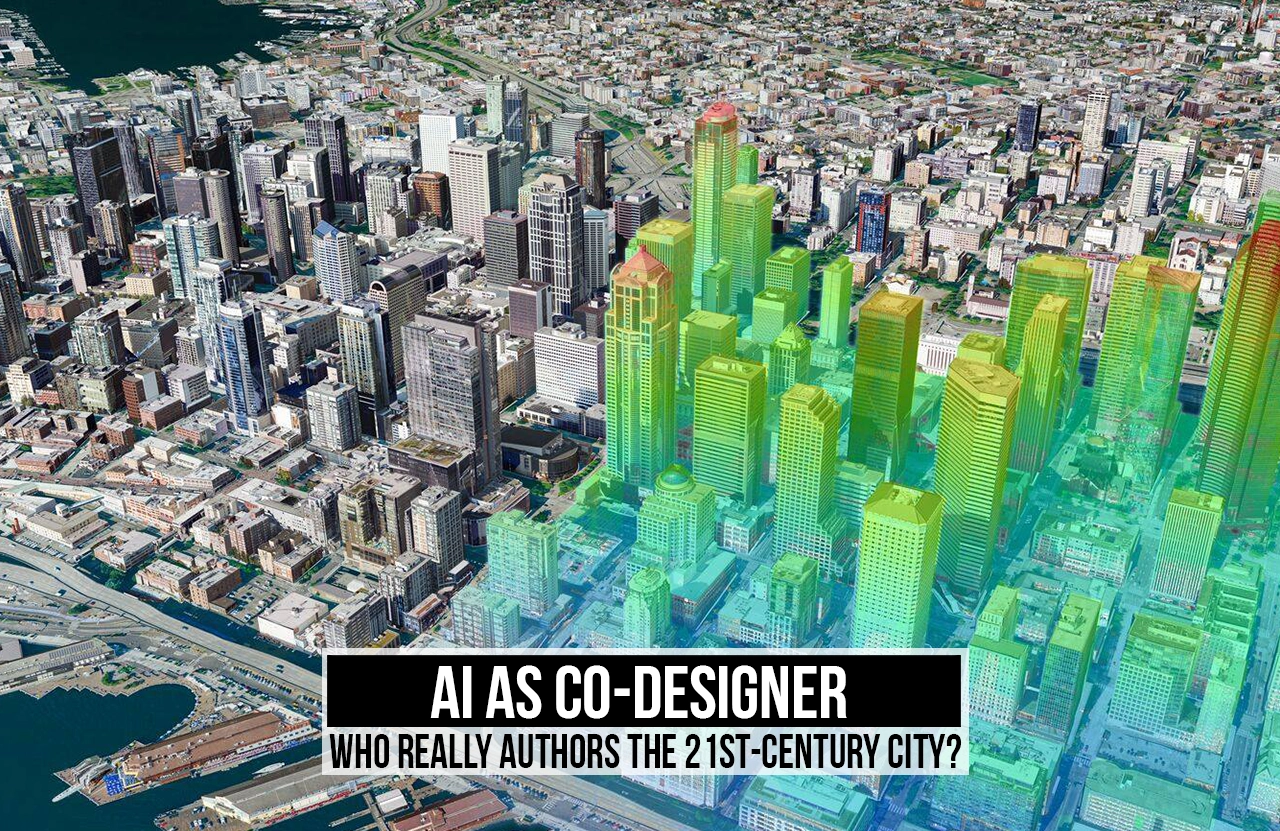
Cities have been the embodiment of the technologies and values present in a given time. The urban form has followed the growth of innovation of human beings, from the ordered grids of ancient settlements to the infrastructural ambitions of the industrial era. There is another change that is going on nowadays. Artificial Intelligence (AI) has already found its way to design studios and planning offices, not only in its software form, but also in the functioning of design decisions. With algorithms shaping the organisation of neighbourhoods and the optimisation of infrastructure, there is an important question to be asked: who really authors the 21st-century city?
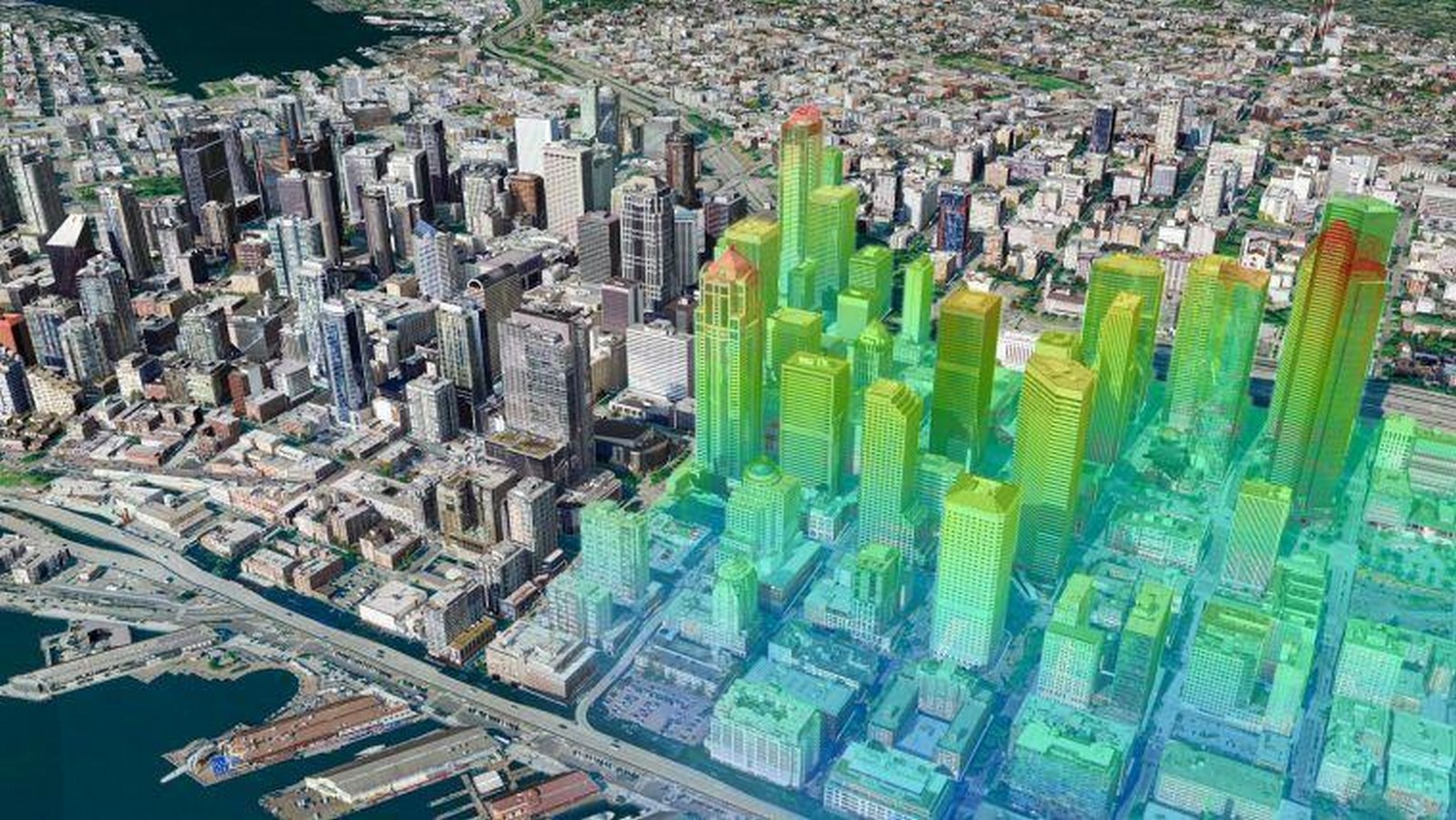
AI is considered a computational network that can handle big data, discern trends, and produce predictions or solutions to problems that previously were performed by the human mind. AI goes beyond the automation of architecture and urban design. Not only does it accelerate the drawing process, but it also balances out the opportunities, models the functioning, and makes recommendations of spatial organisations according to complex standards. The city, which used to be hand-drawn and then moulded by digital resources, is now to a greater extent co-developed by machine intelligence.
The Evolution from Assistance to Intelligence.
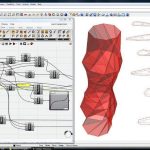
Architecture is constantly being updated through the assistance of new innovative tools. Computer-Aided Design (CAD) provided new digital ways of drawing. In addition to forms, models began to contain data such as information on materials and costing, with the use of software like Building Information Modelling (BIM). Complexity in design, adhering to the rules and guidelines were supported by parametric architecture. AI symbolises the further shift. As in parametric systems, there exist constraints that are established by the designers, in AI systems, the results are generated on datasets and are not directly pre-coded.
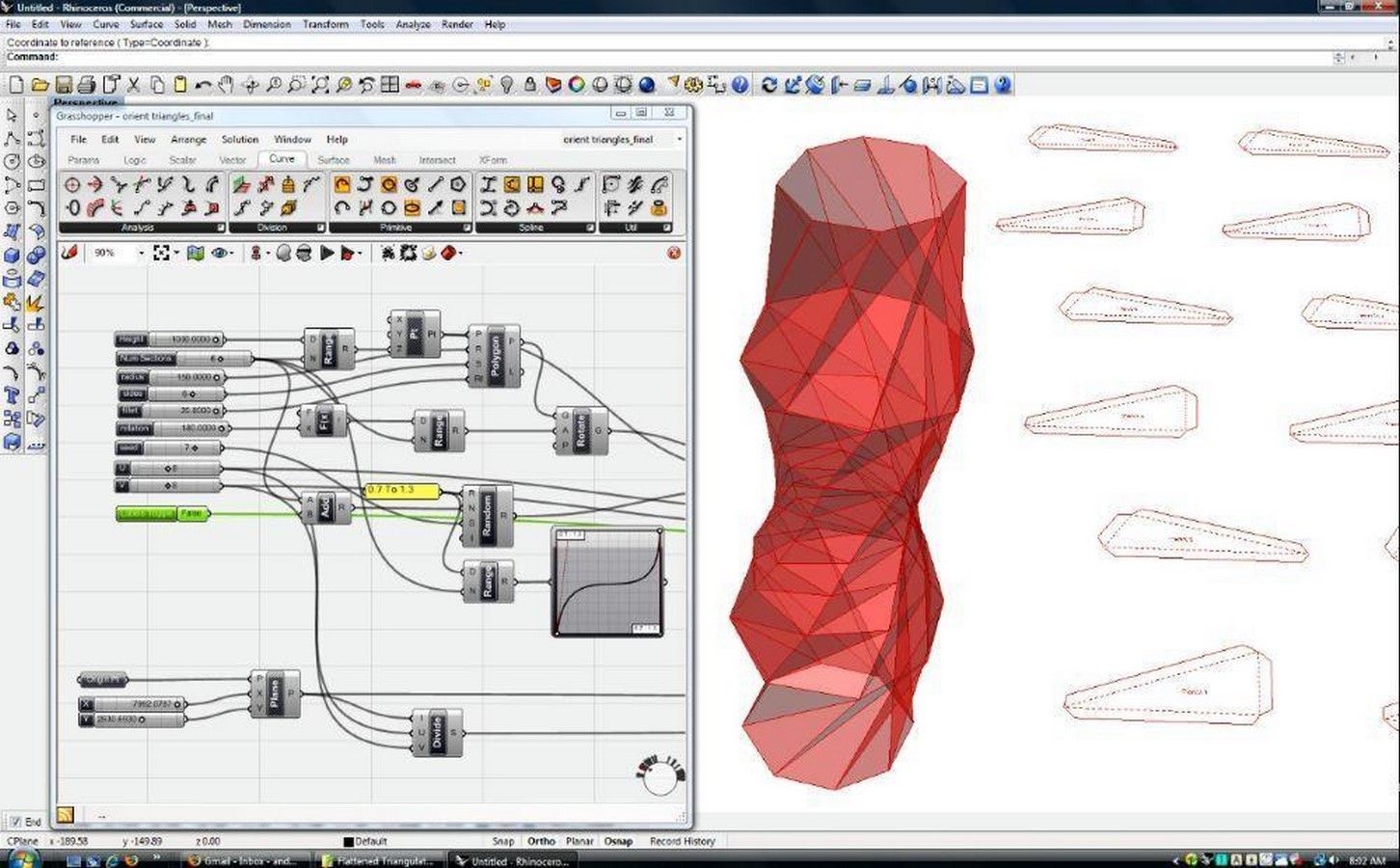
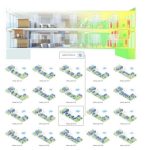
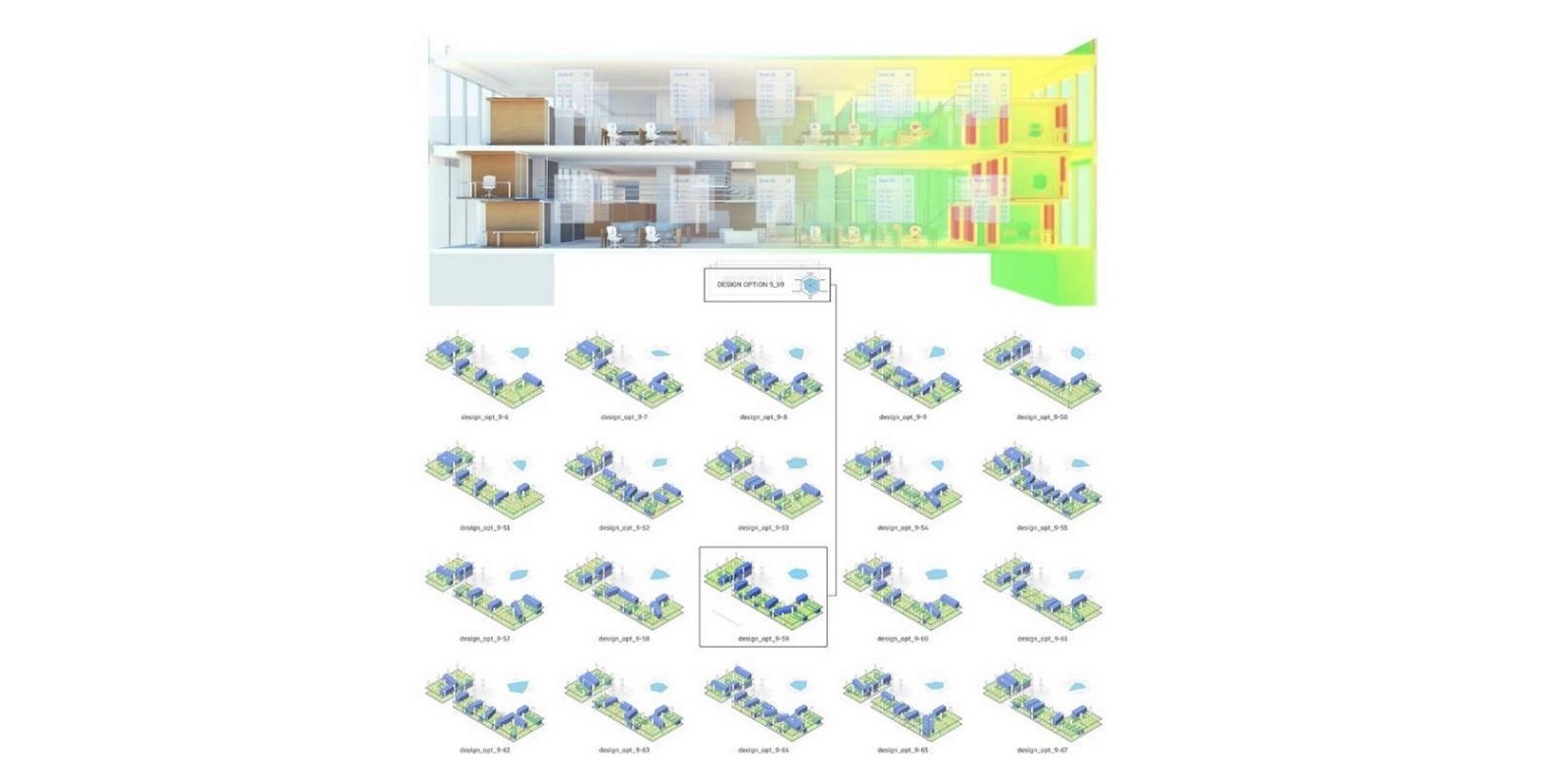
Different spatial arrangements can be created on generative design platforms depending on environmental, structural, and financial parameters. The urban simulation models are constructed to evaluate the traffic, human movement, and solar exposure prior to the start of construction. Designers come up with objectives and possibilities that can be discovered by AI, instead of creating just one proposal. The task of the architect is rather focused on formulating questions and analysing outputs. This changes the definition of authorship. When the output of a given algorithm generates a large number of viable master plans, and a designer is to select one, creative work is distributed. The human puts priorities, interprets the results; the AI analyses complexity and broadens the field of design.
AI in Urban Planning
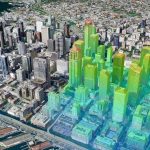
At the level of city development, AI is already incorporated in the planning processes. The predictive models use demographic data to predict demand in infrastructure. Mobility patterns are used to optimise public transport routes using a machine learning algorithm. The simulations of climate experiment the effects of building clusters on heat islands or energy use.
Smart City dashboards are a combination of sensors that will be used to track congestion, waste, and the utilisation of resources. Planning also has a chance to examine interventions virtually with management of safety, efficiency, and effect on the environment before they are implemented. The capacity to handle complexity is increased by such tools which lets make evidence-based decisions between systems that are interconnected.
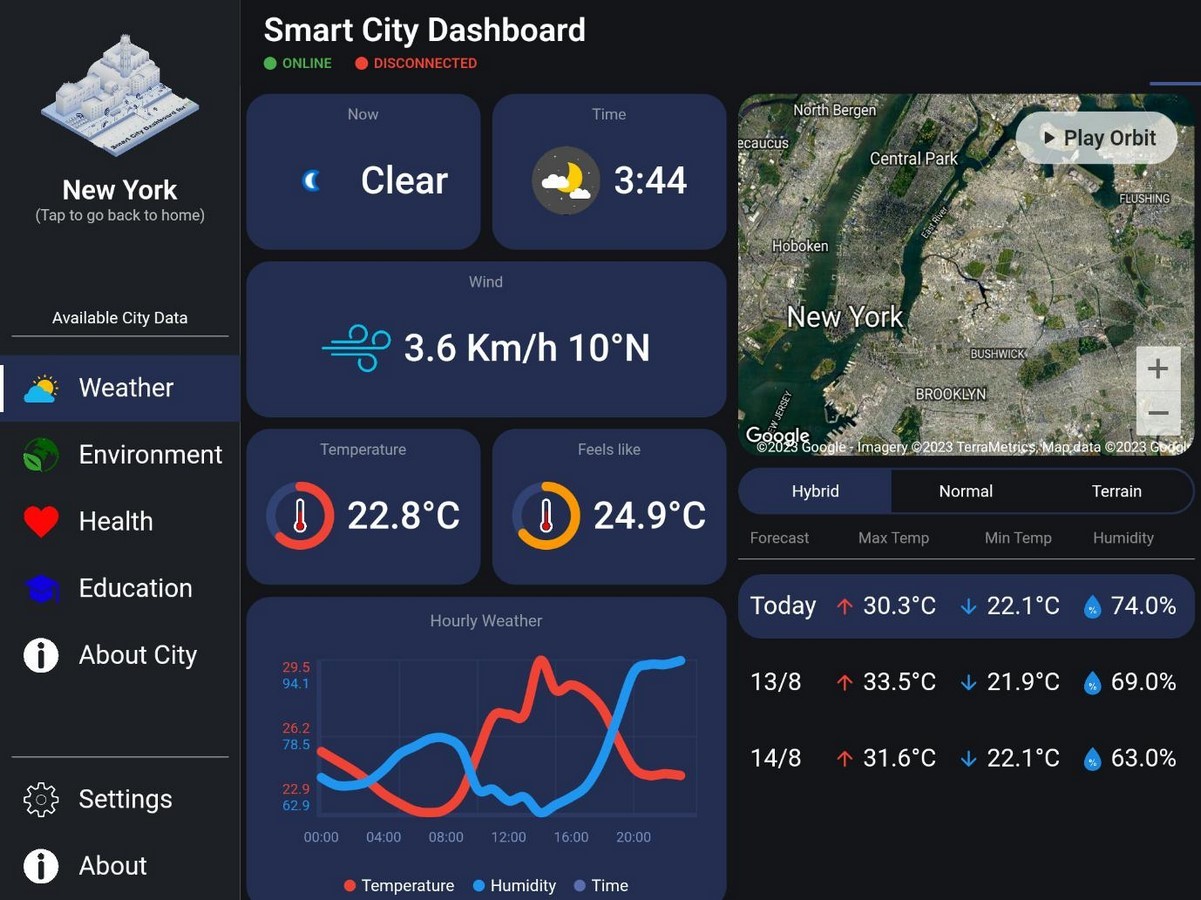
Cities are not simply the sources of efficiency. They are lived spaces that are culturally, emotionally, and socially constructed. The process of an algorithmic optimisation of performance can give priority to quantifying things and ignore the less quantifiable functions of belonging and identity. The danger is that data-driven precision is projected to be viewed as urban quality.
Artificial Intelligence Creativity, Bias, and Limits
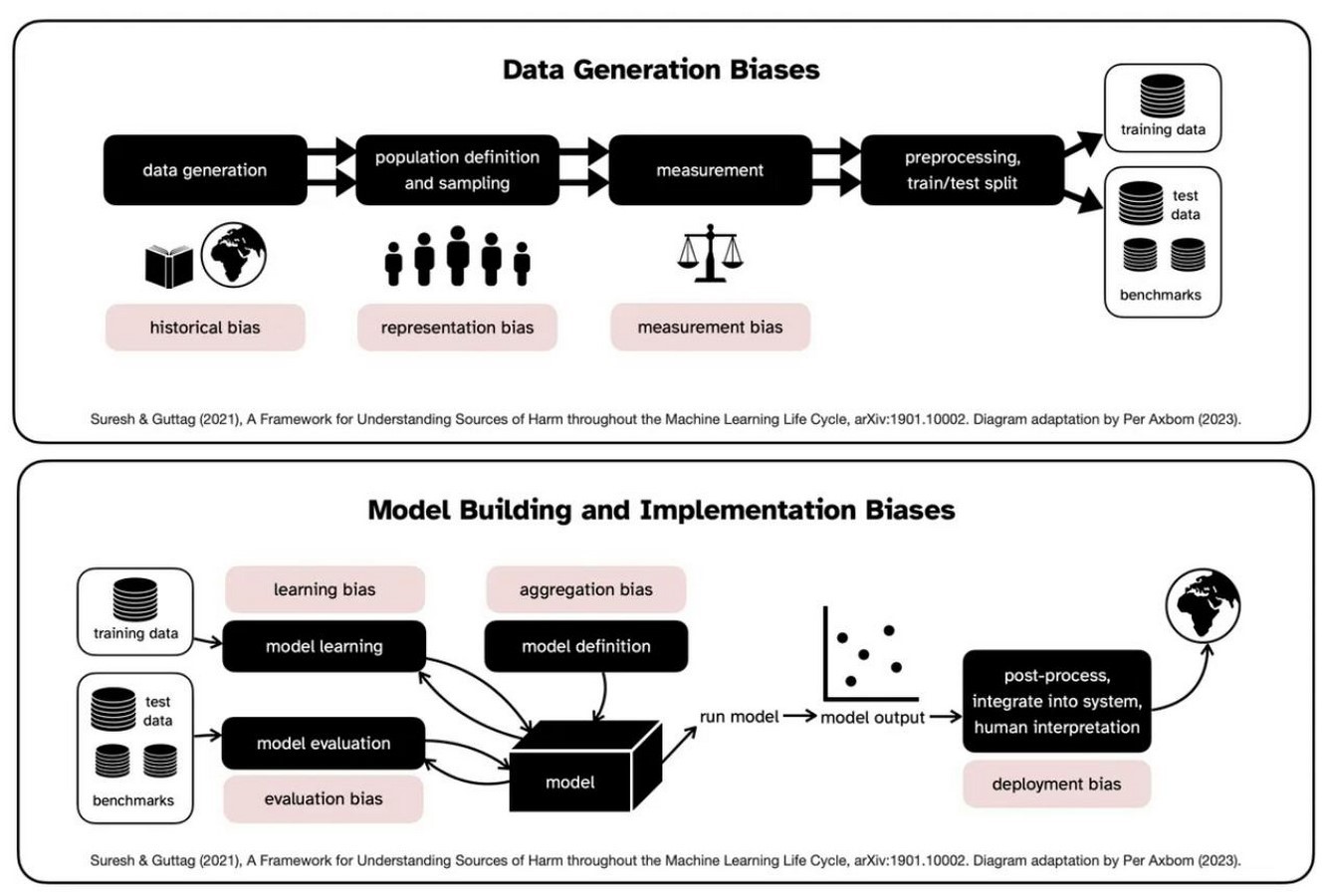
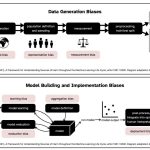
Creativity is another topic in debates on AI. Artificial intelligence (AI) can be used to produce forms, layout, and patterns in the existing data, but its creativity is statistical instead of experimental. It is a reunion of information, but it lacks purpose and instinct. The AI systems are also dependent on the training data. Data sets of the past might be subjective towards social and economic considerations. AI that runs on similar data may reconstruct these discrepancies. In this aspect, AI is not an independent phenomenon; it is an image of the prevailing situation and an enhancement of it.
Nevertheless, the future generation of authorship is not solely regarding the algorithm or the architect. It is about programmers, data creators, policy-makers, and stakeholders, all including the parameters according to which the AI works. The city is the result of an interactive system between human and computer relations.
Ethical Responsibility in Algorithmic Design.
The more AI is implemented in the making of cities, the greater the demand for questions of accountability. Who is to be blamed when segregation is enhanced by algorithmically optimised housing? What is the visibility of decision-making processes that are informed by machine learning? City environments cannot be narrowed down to numerical optimisation. There are raised concerns about privacy and governance due to the issues in predictive analysis and surveillance technologies. The balance is achieved through impartiality, efficiency, and democracy.
The rejection of AI can cancel its potential benefits. The implementation of AI can also be used to facilitate sustainable plans, provide a simulation of long-term climate resilience, and detect the existing efficiency in infrastructure systems, when applied critically. It has the ability to facilitate participatory processes with the help of data visualisation, making planners and communities communicate in a better manner. The question is not about whether AI should be utilized or not, but it is about the control and comprehension of AI. The evaluation of the results and the alignment of the technological capacity with the social values still requires human judgment.
Towards a Co-Authored City
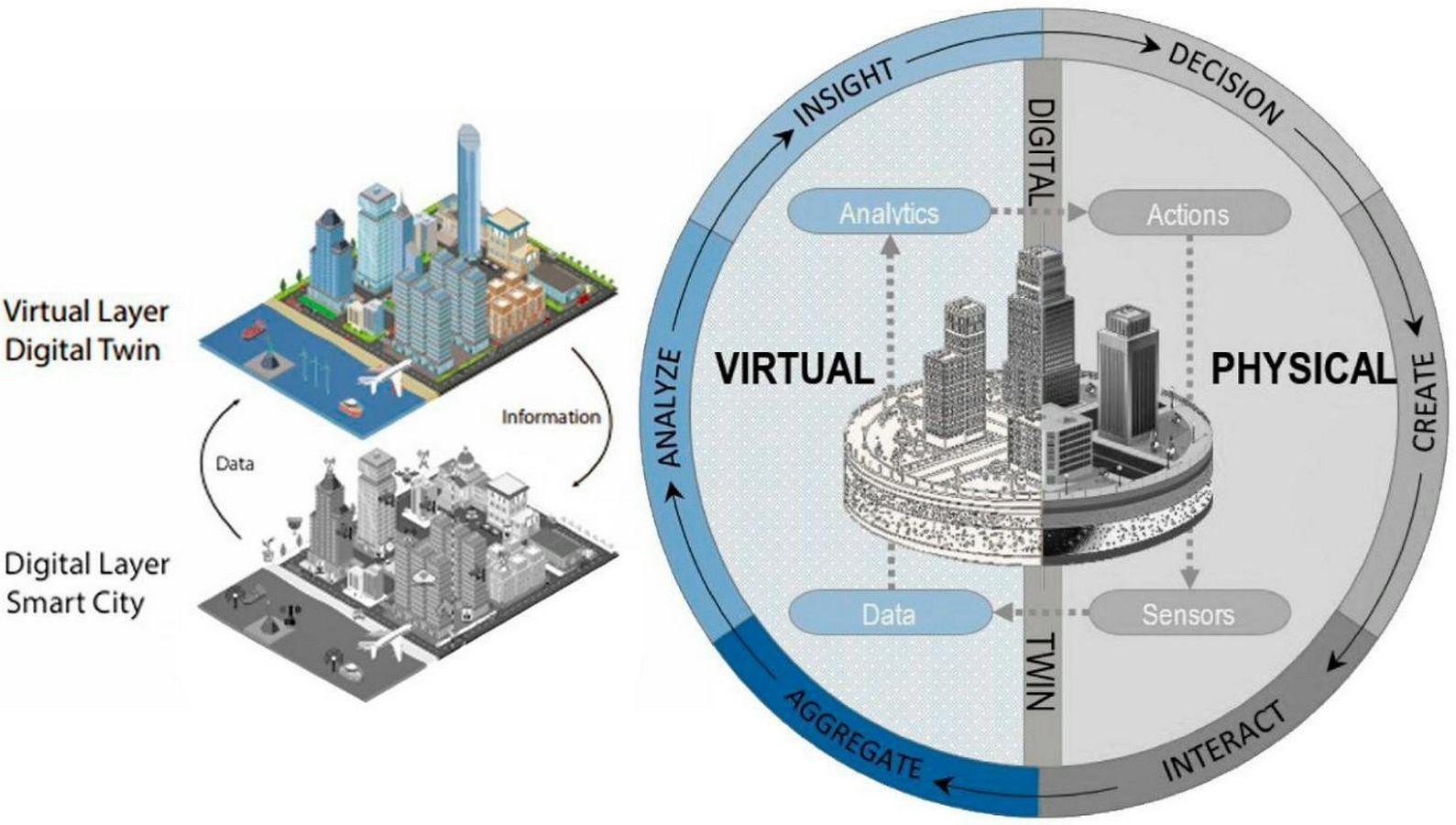
The symbol of the solitary architect shaping a city has been a stereotype. The urban form is enforced through the efforts of the designers, engineers, policy makers, and communities. AI gives some additional elements to this simulative procedure. It is a thinking magnifier that enlarges the catalyzing capacity and shows some hidden patterns of city data.
Nevertheless, AI can’t experience space. It does not have the perception of atmosphere, memory, or cultural meaning. The resonance of a public square or the identity of a neighbourhood still stands on the experience of a human being. Meaning is not something that can be computed outside the living reality.
This is probably the case with the 21st-century city that will co-author with machines. Choosing spatial options, modelling the future, and the optimal performance could be tasks of AI, but intentional thinking and taking responsibility are human concerns. The designer has to be a critical interpreter of the algorithm systems and make it possible to have technological intelligence to enrich, and not to dominate human imagination.
Artificial intelligence is already transforming the structure and functioning of cities. The urgency is to identify its contribution or role and be morally conscious. The modern city does not belong to any one author; it is a place without any algorithms or human hands; it is a harmonious state of cultural knowledge and analytical accuracy. Futuristic urban design relies on the maintenance of balance in a thoughtful and planned manner.
References:
- Batty, M. (2018) Inventing Future Cities. Cambridge, MA: MIT Press, Available at – https://www.researchgate.net/publication/336169341_Inventing_Future_Cities_Batty_M_2018_Inventing_Future_Cities_Cambridge_MA_MIT_Press_304_pages_ISBN_9780262038959
- Carpo, M. (2017) The Second Digital Turn: Design Beyond Intelligence. Cambridge, MA: MIT Press, Available at – https://www.yumpu.com/en/document/view/67804892/pdf-the-second-digital-turn-design-beyond-intelligence-writing-architecture-android/3
- Kitchin, R. (2014) The Data Revolution: Big Data, Open Data, Data Infrastructures and Their Consequences. London: Sage, Available at – https://www.researchgate.net/publication/307894195_The_Data_Revolution_Big_Data_Open_Data_Data_Infrastructures_and_Their_Consequences_by_Rob_Kitchin_2014_Thousand_Oaks_California_Sage_Publications_222xvii_ISBN_978-1446287484_100
- McKinsey Global Institute (2018) Smart Cities: Digital Solutions for a More Liveable Future, Available at – https://www.mckinsey.com/~/media/McKinsey/Industries/Public%20and%20Social%20Sector/Our%20Insights/Smart%20cities%20Digital%20solutions%20for%20a%20more%20livable%20future/MGI-Smart-Cities-Executive-summary.pdf
- UN-Habitat (2022) World Cities Report, Available at – https://unhabitat.org/sites/default/files/2022/06/wcr_2022.pdf