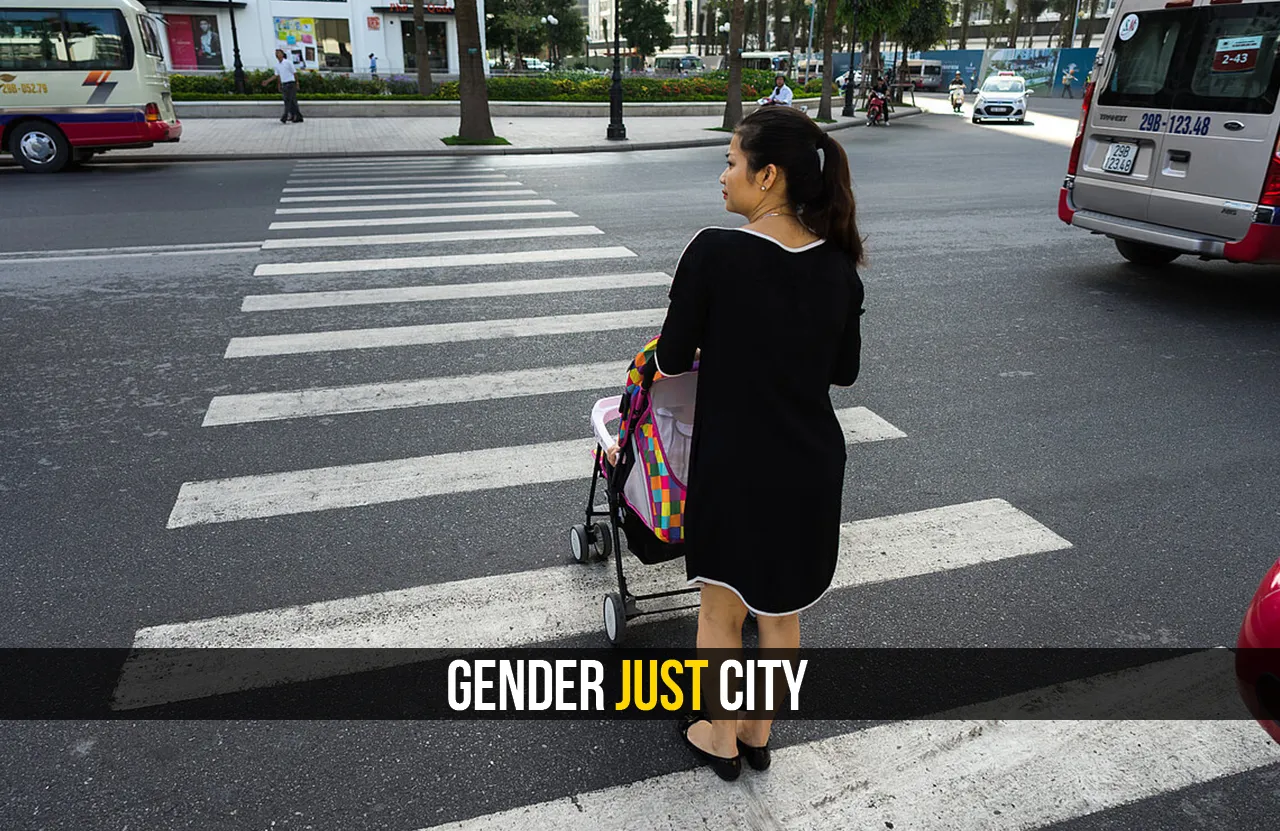
Imagine feeling unwelcome in any space. Imagine having to constantly stay alert in one’s everyday negotiations for one’s safety. Imagine the chaos that erupts when one does something a little out of the box or moves far from tradition. Imagine the plight of not being able to choose. Imagine the injustice!
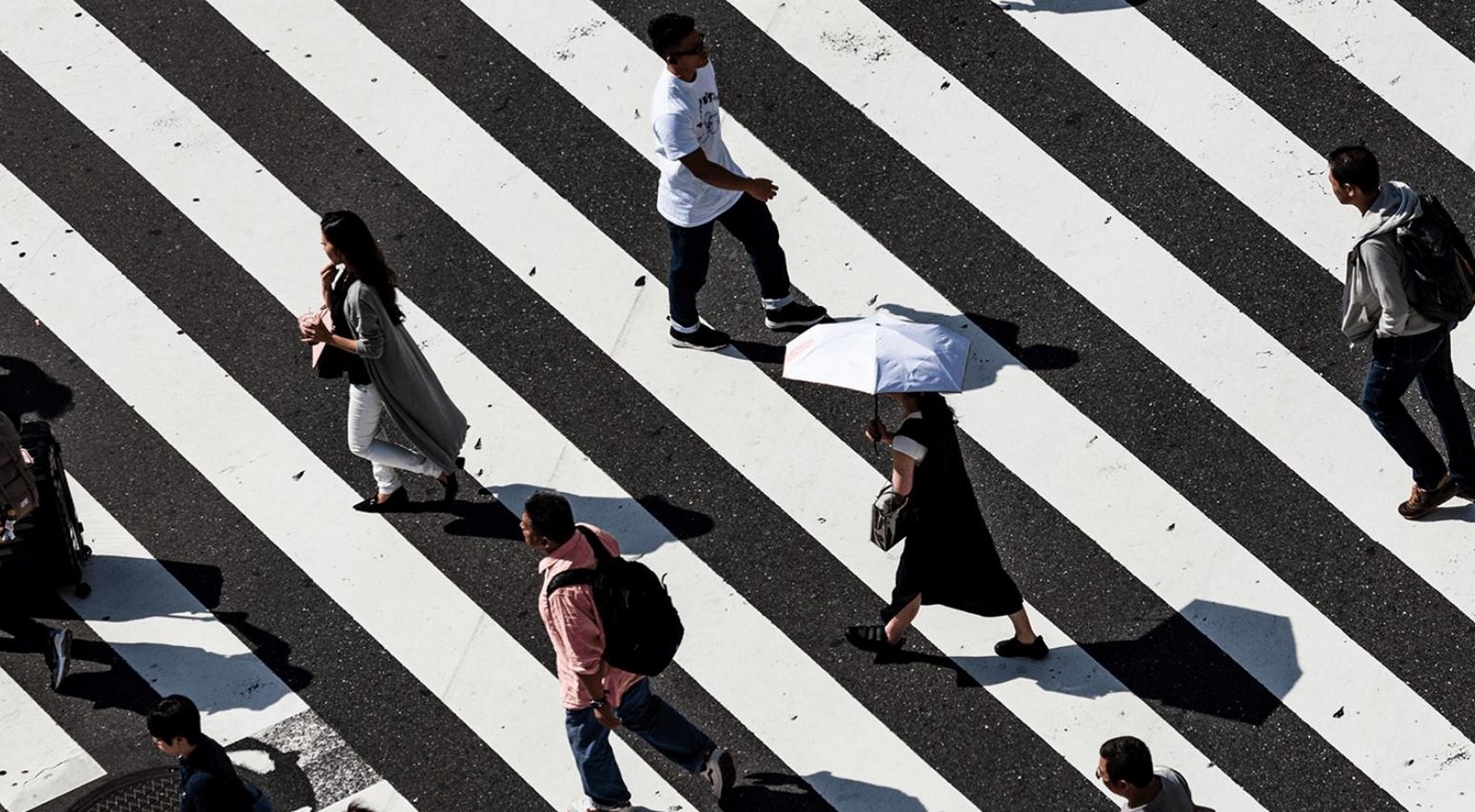
This is by far the reality in some form or another for around 48% of our population. Women, better known as mothers, sisters, wives, grandmothers, aunties, girlfriends, partners, well, a woman is all this but lacks the right to simply be a woman. As Jane Darke says, any space or settlement reflects social relations (society) manifested in space. And our cities are spatial manifestations of the fragile and fragmented societal frameworks expressed in concrete, brick, and stone. This brings to the fore a discussion about spatial distributive justice for all.
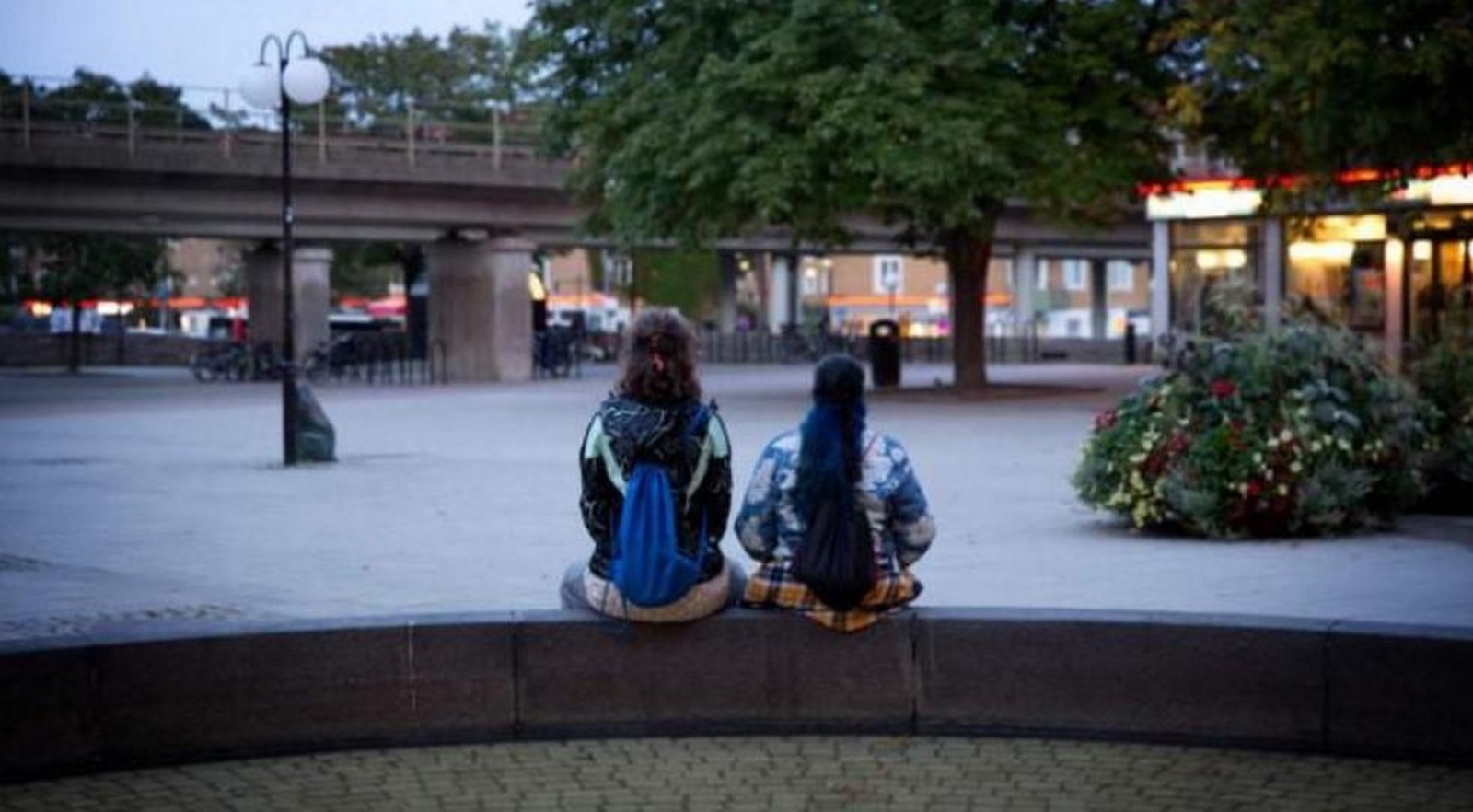
Public spaces have always been gendered. In fact, spaces have been defined as private and public by who can claim which space to be theirs, and who is visible where. Architecture and urban design have long been negligent of this discourse, but since the mid-20th century onwards, with the rise of the first wave of feminism, the gender just city has become mainstream public discourse. Spatial justice for women ensures equal access to public space, safe public transportation, equal employment opportunities, safe housing and hygiene, providing for women’s caregiving responsibilities, etc., in a male-dominated society by bringing the subject to the core of the discussion. It is important to note that the idea of public space has been very different in the Indian context from that of the West. Nevertheless, the stakes remain the same; public spaces are not equal and do not welcome each gender equally. Thus, it is important to understand gender, justice, and space to have a holistic understanding of a gender just city.
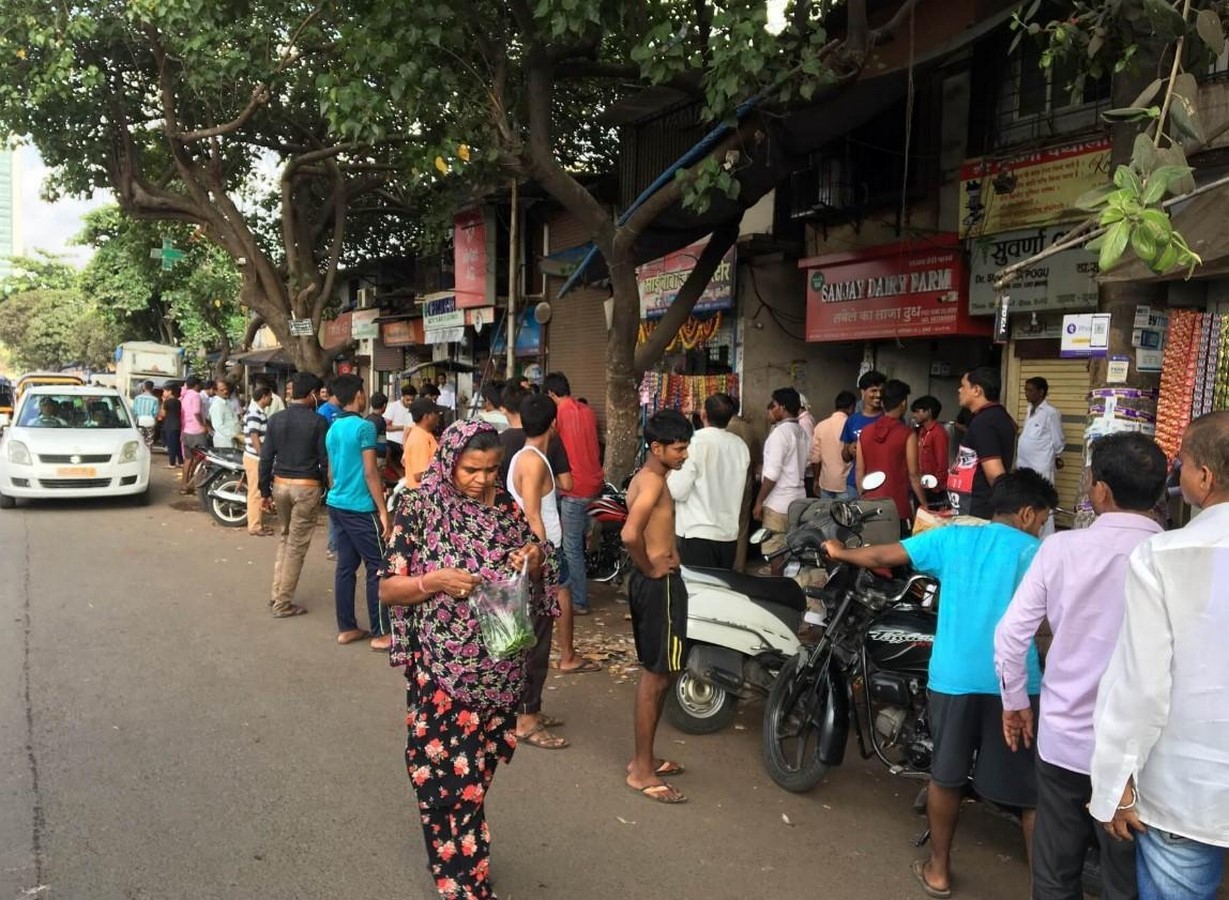
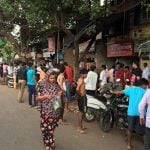
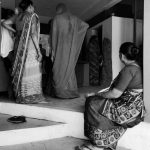
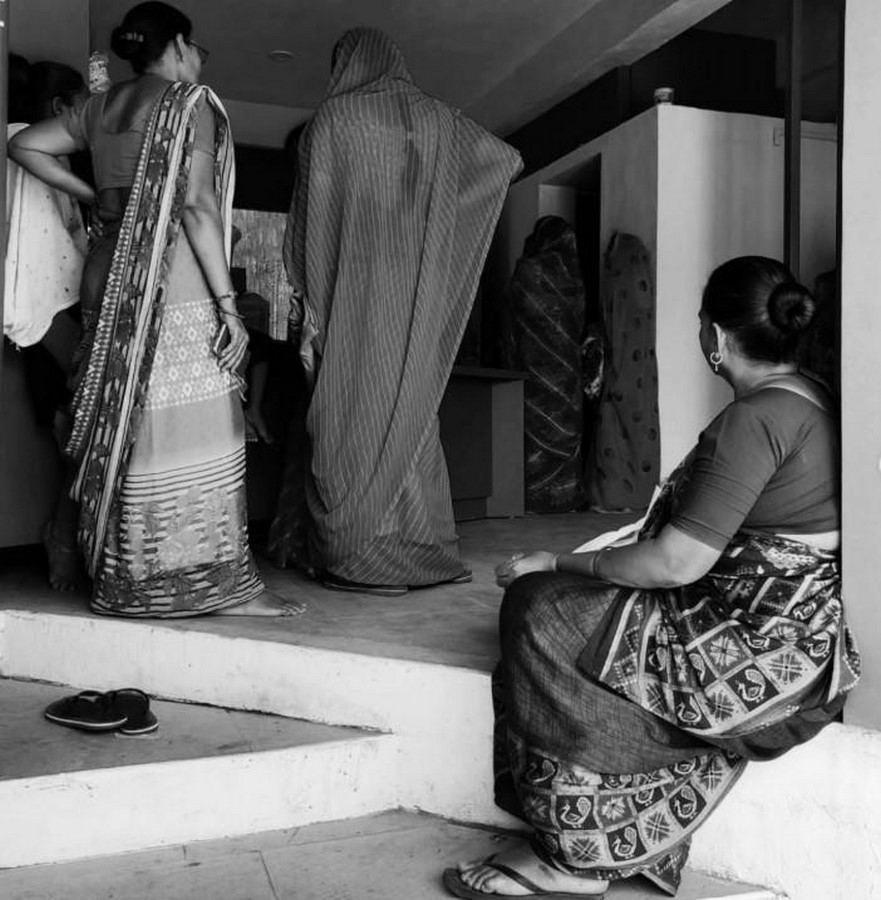
In the Indian context, the street, the squares, the chabutras, and the marketplaces have been public or leisure spaces of a small scale, as compared to the maidans and playgrounds, which are large-scale. Traditionally, in some societies, women have been confined to the private recesses of their houses. The otla/veranda thus served as the first and usually only public space where women freely expressed themselves with their neighbours and friends. Similarly, the marketplaces are where every day and festive shopping becomes a refuge for women to stroll around with their friends and families. However, women’s safety in all these places remains highly debatable. We have talked about leisure spaces, but the time for leisure that women have is limited. Burdened by caregiving responsibilities and household duties, women have very little time for their own leisure. With changing times, this has changed. Working women now are burdened with jobs, household duties, and caregiving responsibilities. This highlights the need for a societal transformation along with spatial provisions, as to how gendered even time is when speaking about work and leisure.
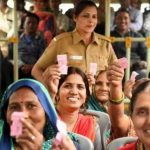
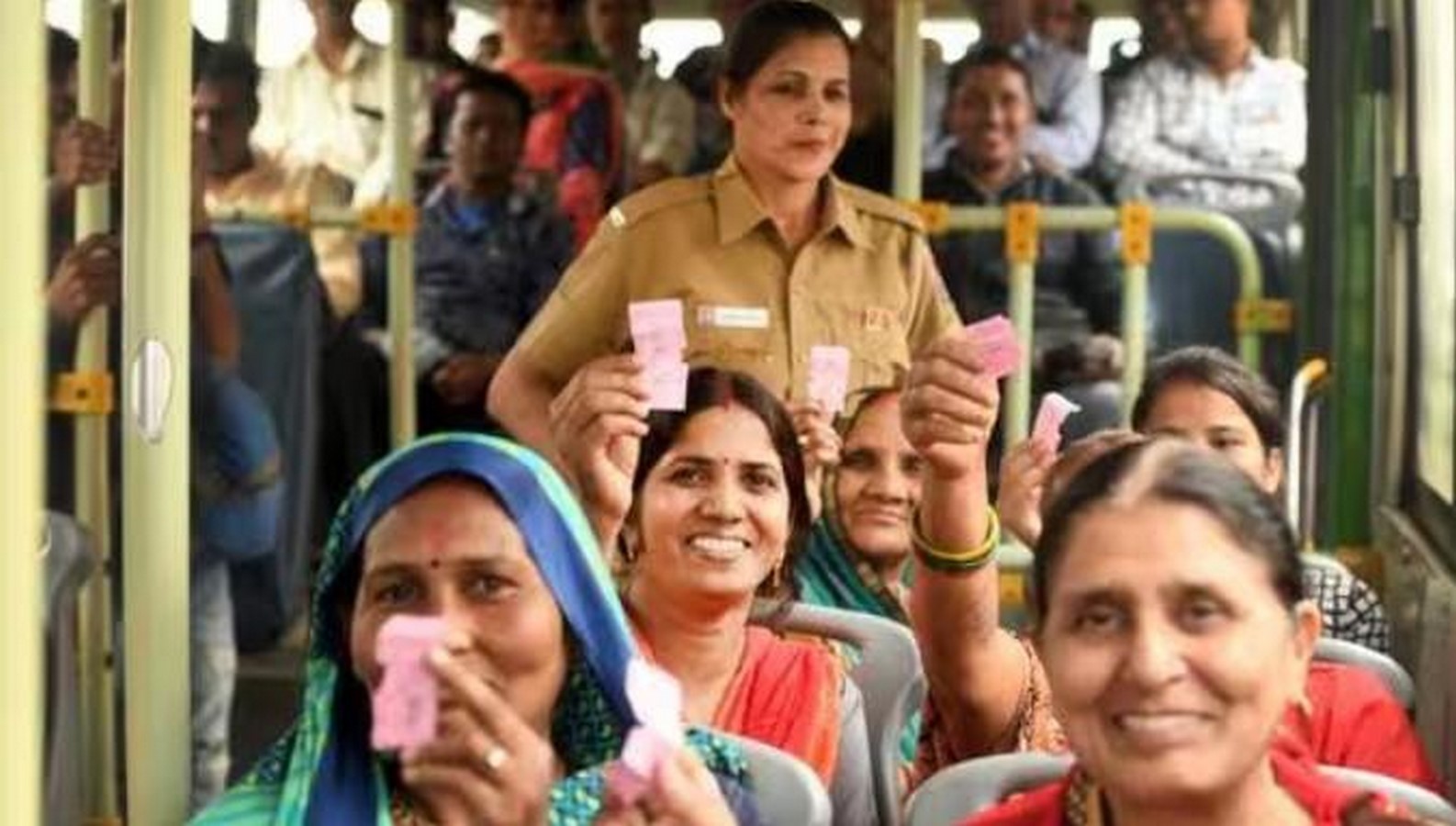
Due to gender-related policies and awareness, there have been efforts to ensure women have easy access to safe mobility, safer work environments, and public space participation. The Delhi Pink Tickets policy has ensured that women can travel free on the bus services (DTC) provided by the government. Similarly, the Shakti scheme in Karnataka allows free transport on government-run buses for women. These kinds of initiatives ensure women can access their workplaces without worrying about additional expenses and access hassle-free mobility, increasing the presence of women in public transportation. Many other government schemes ensure women can develop their own homes and participate in formal and informal employment sectors. However, governments have to ensure a systemic change rather than piecemeal solutions. Provision of anganwadi, day care centres where women can safely keep their children while they go to work, is all the care-giving infrastructure that the governments should develop. In an act demonstrating deep democracy, front-line workers should be prioritized, and labour unions, along with women-led enterprises, should be brought to the fore to ensure women regain their autonomy and are involved in decision-making.
Our cities have been designed keeping in mind an able-bodied, young, employed man, and that needs to be more inclusive to ensure other genders are also prioritized. What about a young, 25-year-old, newly married, unemployed woman? What about a 17-year-old girl from a lower-middle-class family with no opportunities for education and work? What about the sixty-five-year-old grandma who lives alone in a big city? These are all different stakeholders who have traditionally been excluded from planning and design. It is imperative to ensure that all citizens live fulfilling and happy lives. It is imperative to ensure that our public spaces give everyone equal opportunity to enjoy and partake in social activities. In today’s day and age, when everything is becoming more and more polarized, the rise of pseudo-recreation spaces like the malls, the cafés, and the art galleries has isolated a large section of the population from the simple pleasures of life. A gender just city is thus still a dream, even with multiple attempts by the government. It is thus more a societal change and spatial remedies that can bring about a gender just city. A city that provides justice to half of its population to move about safely, without care, without purpose, and without any surveillance. Truly, a just city should not slyly reproduce traditional injustices, but ensure that people of all races, classes, castes, genders, and age groups are welcome in a city that helps them live a fulfilling life.
Let’s not make a gender city a utopic dream that will only feature in academic circles and our dreams. Let’s lower our eyes when women pass by, let’s lend a helping hand to our mothers and grandmothers, let’s demolish patriarchy, let’s all be feminists, let us all fight for the justice of our better halves. Let’s bridge the unimaginable injustice.