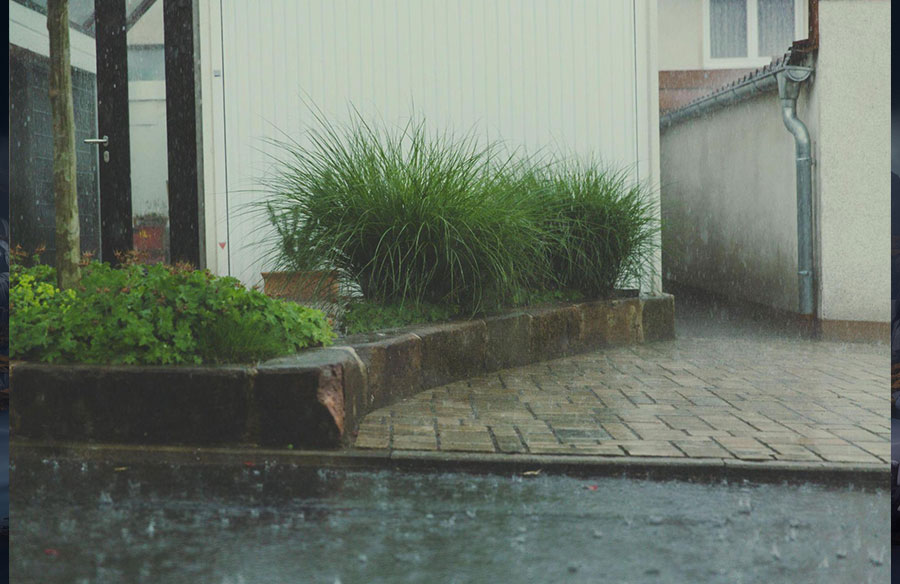
Heavy rain can make any homeowner nervous. When the storm finally passes, you might feel relieved, but that’s when the real work begins. Rain can leave behind small leaks, damp walls, or even hidden water damage that turns into bigger problems later.
The good news is that with a little effort and some basic checks, you can protect your home and keep it in great shape. Taking a few steps after each heavy rainfall can help prevent costly repairs down the road. You don’t have to be an expert to do it. Just paying attention to the right areas can make all the difference.
In this guide, we’ll walk through simple things you can do to keep your home safe, dry, and comfortable after a big downpour.
1. Check for Water Damage and Damp Areas
After heavy rain, start by walking through your home and looking for any signs of water damage. Sometimes water hides in corners or underneath furniture, so move things around and inspect carefully. If you notice a musty smell, that’s another sign of trapped moisture.
Even a small amount of water can cause trouble if it’s left untreated. Moisture can lead to mould growth, damage wooden floors, or weaken your subfloor. It’s always best to act fast. Dry out the area using fans or open windows if the weather is clear. The sooner you remove moisture, the less likely it is to cause damage.
If the flooding or water damage seems too much to handle, that’s when you might need professional help. You can reach out to companies that offer residential flood restoration services to handle these situations efficiently. They offer 24/7 emergency flood response and have experienced teams who extract water and dry carpets, flooring, walls, and ceilings. After everything is dry, they deep clean and sanitise your home.
Having experts like this handle your home after a flood can make a stressful time much easier to manage.
2. Inspect Gutters, Downspouts, and Roof
Gutters and downspouts play a big role in keeping rainwater away from your home. When they get clogged with leaves or debris, water can overflow and soak into walls or siding. After a storm, it’s a good idea to climb up safely and check your gutters. Remove any buildup that might block the flow of water.
You can also use a hose to flush out your gutters and downspouts to make sure everything is clear. While you’re up there, inspect the roof. Look for loose or missing shingles, cracks, or damaged flashing. These small issues can lead to leaks inside your home if not repaired quickly.
If your roof looks damaged or you notice leaks indoors, get it fixed right away. A simple repair now can save you from costly water damage later.
3. Check the Basement and Foundation
Your basement and foundation are some of the most vulnerable parts of your home after heavy rain. Walk around your basement and look for signs of water pooling or damp walls. Even a small puddle can turn into mould growth if ignored.
Outside, check that the ground around your home slopes away from the foundation. This helps rainwater flow out instead of seeping in. If you find cracks in the walls or floors, seal them as soon as possible to stop moisture from coming through.
Keeping a dehumidifier in the basement can also help reduce humidity levels. It’s a simple step that can prevent musty smells and protect your belongings stored down there.
4. Examine Windows and Doors for Leaks
Water can sneak in through windows and doors if they’re not sealed tightly. After heavy rainfall, take a close look around the edges of your windows and doors. If you see water stains, peeling paint, or damp areas, it’s time to reseal.
Use caulk to close small gaps and weather stripping to seal larger spaces. This will not only keep water out but also help with insulation. On dry days, open your windows for a while to let moisture escape and improve airflow.
Regularly maintaining your windows and doors will protect your interior walls and reduce the chances of mould forming around frames.
5. Take Care of Your Yard and Drainage
Your yard might not seem like part of your home’s protection system, but it plays a huge role in managing water. Poor drainage outside can lead to flooding inside. After heavy rain, walk around your property to see where water collects.
Make sure that all drains, grates, and stormwater channels are clear. Remove any leaves, mud, or debris that might block them. If you have trees or large bushes near your house, trim them back to prevent leaves from clogging gutters or drains.
If you notice that water tends to pool in the same area every time it rains, consider talking to a landscaping professional about improving your yard’s drainage system. This could include regrading or adding features like gravel paths to help water flow away from your home.
6. Prevent Mold Growth and Odors
Moisture left behind after a storm can quickly lead to mould and unpleasant smells. To prevent this, make sure your home is well-ventilated. Open windows and use fans to circulate air. Wipe down wet surfaces with mild detergent and water.
Pay extra attention to areas that don’t get much sunlight, such as basements, closets, and behind furniture. These are common places where mould can grow unnoticed.
If you start to see mould spots or smell a musty odour that won’t go away, it’s best to call in professionals who specialise in mould remediation. They have the tools and knowledge to safely remove mould and stop it from coming back.
Heavy rainfall doesn’t have to cause long-term damage to your home. The key is acting quickly and paying attention to areas that might hold moisture. Check your walls, floors, gutters, and foundation regularly. Clean up any standing water right away and keep your home well-ventilated.
Taking these steps after every heavy rainfall can save you from bigger headaches later. A few hours of care can keep your home dry, comfortable, and ready for whatever weather comes next.