Aliens are invading the Earth! Genetically mutated hybrid dinosaurs are creating havoc in our world! Advanced technology is ravaging the Earth! Zombies are attacking a world dying of hunger!
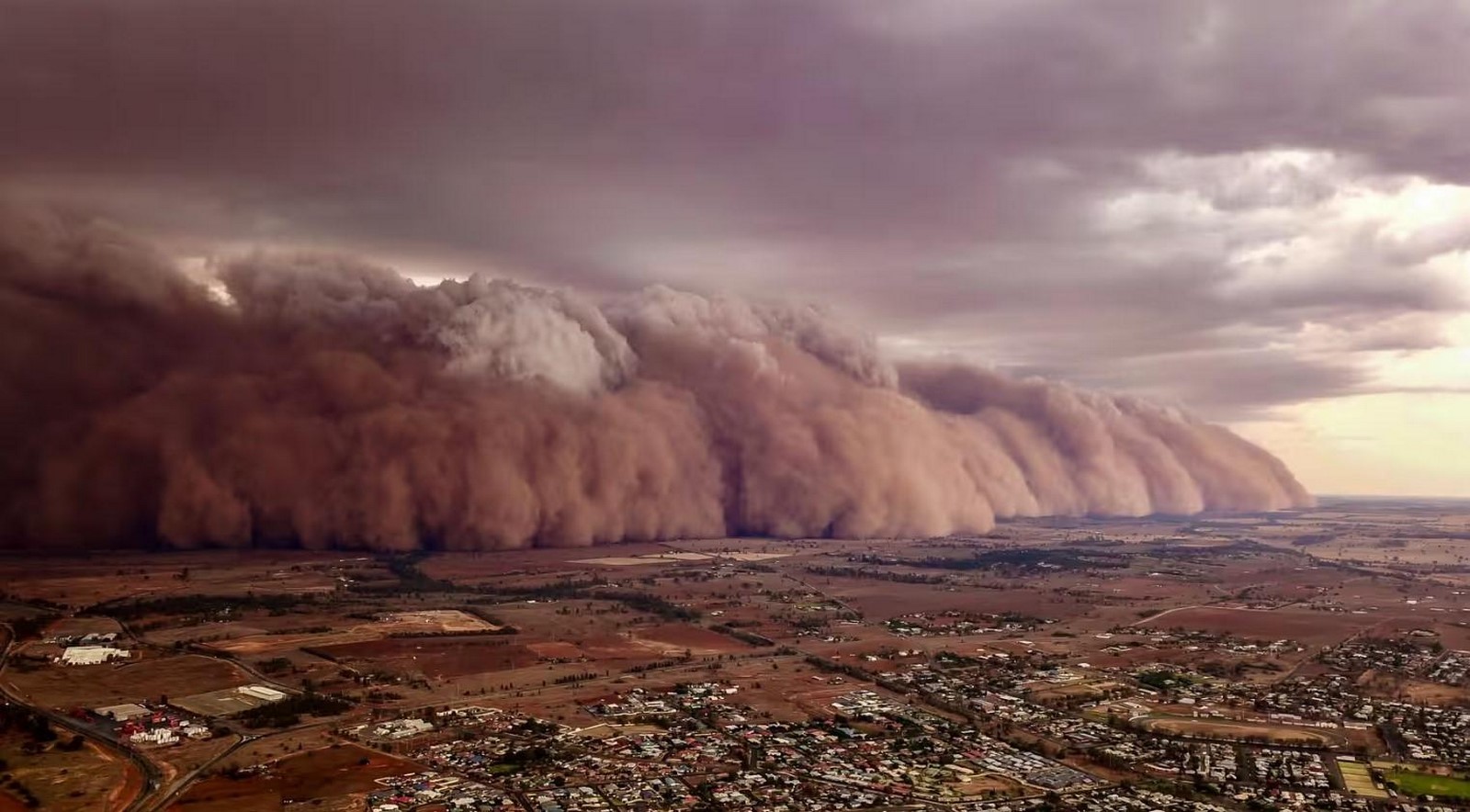
One always wonders about the future, which is far, distant, and often dystopian or utopian. The dystopian futures always find their way into the futuristic scenario-based movies, everyday conversations, and our imaginations. What doesn’t find a way in our imaginations is the future that will be our present soon, if we do not take care of our Earth. The future that is imminent and near, and the one that requires a complete reimagination of our house, literally and figuratively, never finds a way in our conversations and imagination. Well, saying ‘never’ would be an overstatement, but there are far fewer among the many who warn about the imminent apocalyptic future that awaits us, through activism and prophetic foretelling.
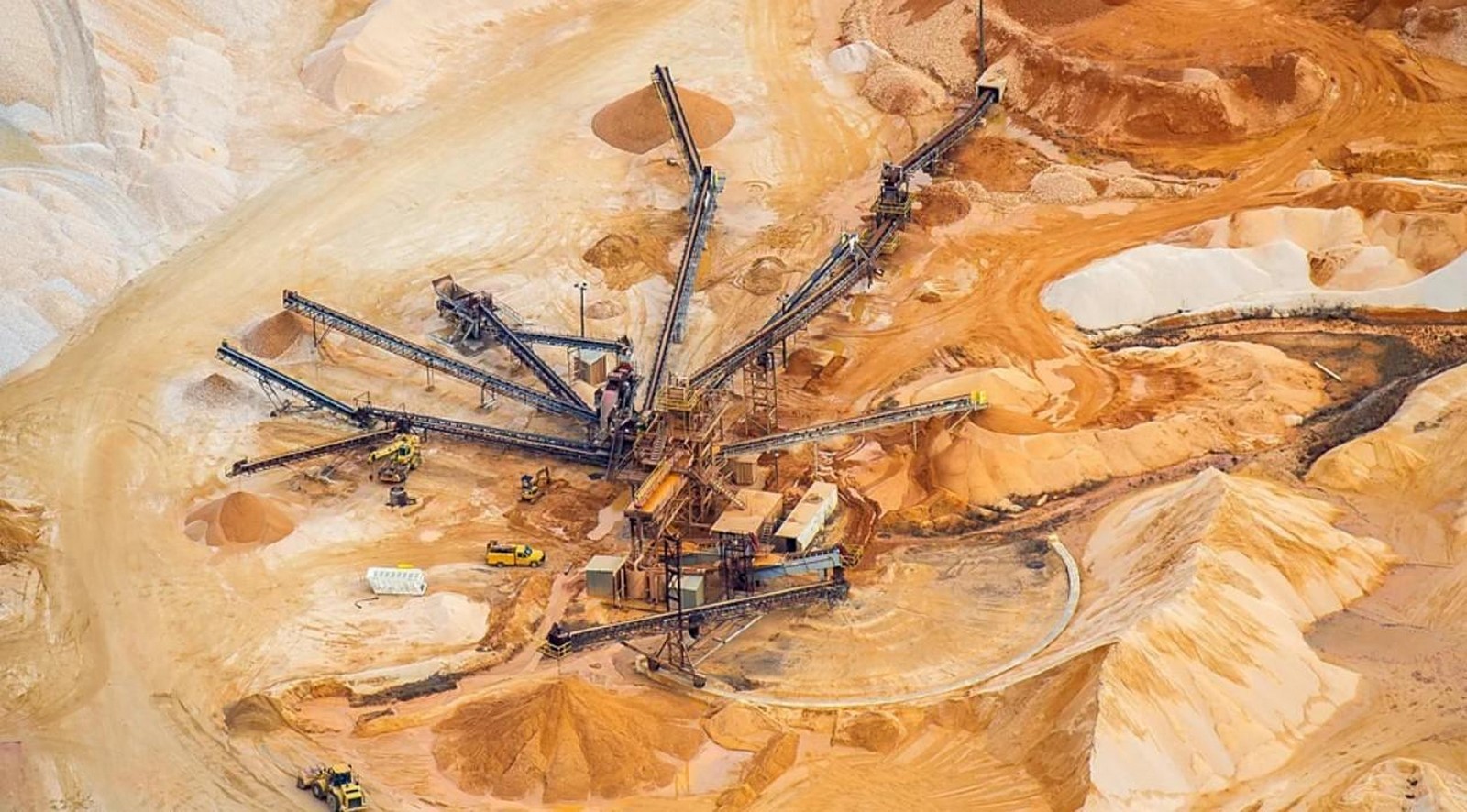
Oil, coal, and natural gas contribute to more than 80% of the world’s energy consumption (Ritchie and Rosado, 2020). The construction industry uses sand for mixing concrete, and around 50 billion tons of sand are extracted, causing river bed depletion and deforestation, harming the natural resources (Beiser V. (2019, Nov 18)). Of the 70% water on the surface of the Earth, only 2.5% is freshwater! And on top of these staggering numbers is the increase in world population, currently 8.2 billion (and counting as you read this article), causing significant stress on the Earth’s non-renewable natural resources. This is the future we as a society are heading towards, and it’s scary! Sustainability, hence, is imperative in our lifestyle, our houses, our countries, and our world.
Well, what does the future of our houses look like then for a sustainable future?
From being a mere shelter to elaborate housing, the idea of a home has traversed many iterations. There are many parameters, such as dwelling size, structural typologies, materials, etc., on which houses and housing typologies can be categorised. Here we are looking at the evolution and subsequent reimagination of house as a typology through the lens of environmental rootedness and sustainability.

It was a hard-shelled covering. The cave. The first shelter for men. It protected and nurtured life and its sustenance. The hunter-gatherers and nomadic tribes lived in natural shelters. With humans becoming sedentary, and the toil of the soil providing food, men rethought their dwellings made of wood and clay, using natural materials available to them in the surroundings. Later, as architectural typologies evolved, context-specific architecture found its root. The bungalow in the Indian context has been a climate-responsive typology for the hot and humid climate zones. The verandas on all four sides help in cross ventilation and passive cooling by modulating air flow. Similarly, courtyards have been used in humid and hot-arid climate zones for passive cooling, for example, the Wadas of Pune, the havelis of Rajasthan, etc. The pol houses of Ahmedabad are an example of climate-responsive and sustainable architecture. Considering the hot-arid climate of Ahmedabad, the pol houses are oriented North-South to minimize the surfaces to harsh sun; the inner courtyard, surrounded by high walls, provides an ambient temperature in the house. Thus, while sparse and few, indigenous house typologies have always been conducive to the environment and prioritize sustainability.
Urbanization and the man-made creation of houses (no matter the typology) is an antithesis to nature, and sustainability has not been the primary concern, and ecology has often been sacrificed for economy, and mass-produced brick-mortar houses and entire housing complexes. But the understanding that our houses and the material we use to construct them have a footprint on the earth that is highly damaging to the environment, while also having the potential to be much more than building components, is highly affirming.
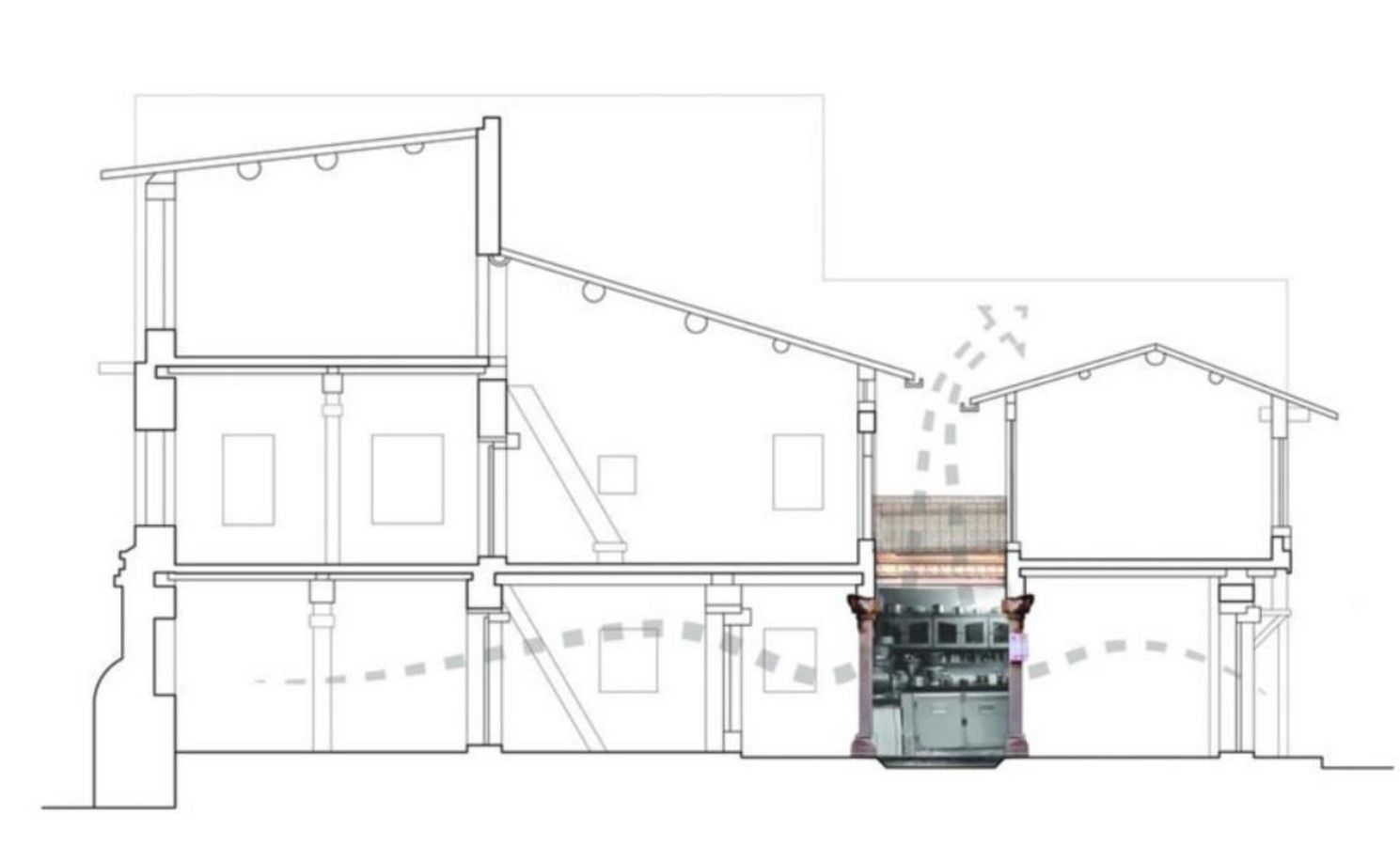
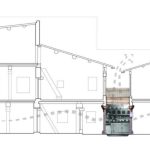
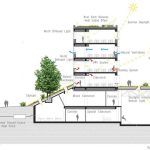
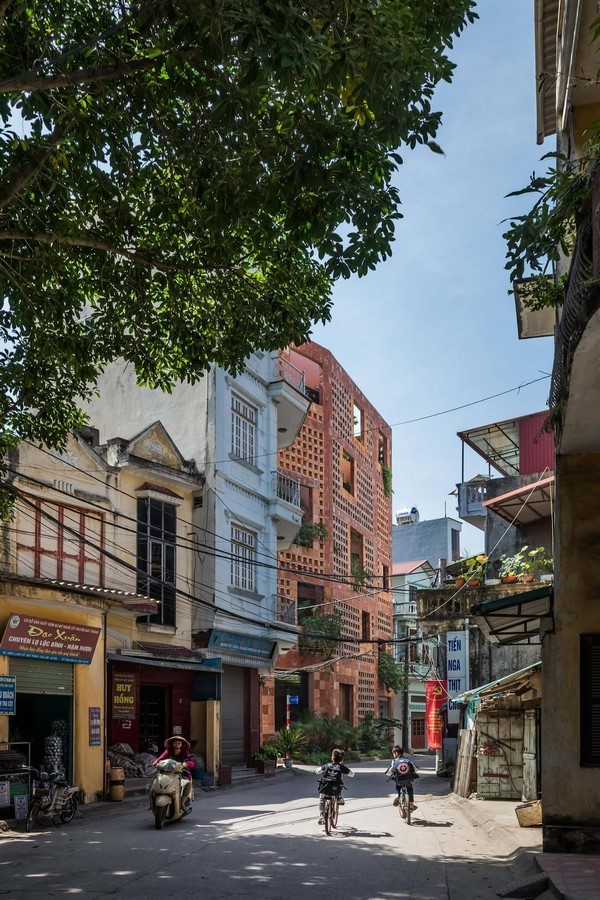
Today, sustainability is a specialized concept used by a few designers for some buildings. But sustainability ought to be rooted in every fibre of a house’s being. The house of today is an expression of functional attributes finding spatial manifestation. But the house of the future? It has the potential for every part of the house to be environmentally sensitive and sustainable. For example, the Bat Trang House in Vietnam ensures a cleverly designed three-layer ventilation system, composed of an external ceramic façade and alternating green spaces. The handcrafted ceramic bricks used for the façade serve a vital function, acting as the building’s ribcage by allowing natural ventilation and light filtration, while rooting itself in the local tradition (Phuong D, 2005). The walls are the ribcages. The alternating green spaces of the lungs. And the inner sanctum thrives by the continuous flow of wind and light.
How about a white roof, a green roof, a terrace reimagined as a sociable space where produce can be shared? How about all the brown rooftops become green tops? Similarly, how about a wall that acts like the lungs, using breathable materials, as well as acts like the white blood cells, by fighting heat and cold? Trombe walls, hempcrete walls, and solar walls are all alternatives to a traditional brick and mortar house. How about reimagining neighbourhoods as microgrids in the city fabric? Each neighbourhood would be divided into green (decorative and productive), solar and wind (energy), waste (treatment and reuse), and water (treated and reuse, micro turbines) capsule zones based on the sun orientation and prevailing wind direction. Each house is a capsule that procures its own energy requirements with solar-green walls and roofs. The surplus energy, food, and treated water would fit in the city-level capsule as a whole, ensuring sustainability at all levels. Well, neighbourhoods could and would become more dynamic, and people would come together to create a world better for the next generations.
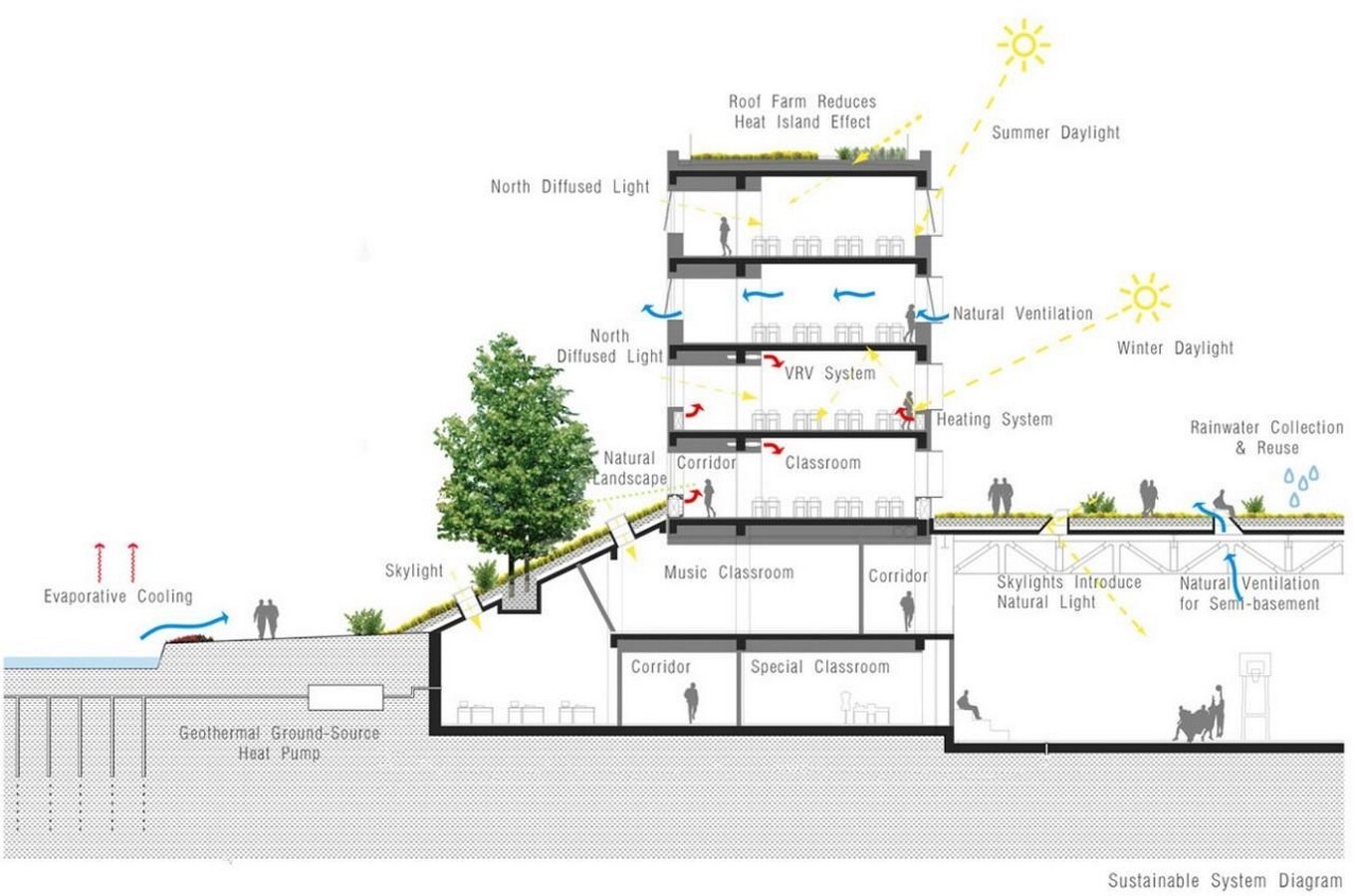
It will be a machine. The house. Each component will contribute to energy creation and storage. The future cave will effectively combine wind turbines, solar panels, and bricks, with green tops. The idea of a neighbourhood will thus be reimagined as a network of social spaces where the community can come together to yield, produce and socialize.
References:
Hannah Ritchie and Pablo Rosado (2020) – “Energy Mix” Published online at OurWorldinData.org. Retrieved from: ‘https://ourworldindata.org/energy-mix’ [Online Resource]
Beiser V. (2019, Nov 18). Why the world is running out of sand, [online]. Retrieved from: Why the world is running out of sand
Dinh Quoc Phuong, PhD Candidate, The Architecture of Bat Trang, a Pottery Village in Hanoi, 41st ISoCaRP Congress 2005. email: [email protected]. Retrieved from: chrome-extension://efaidnbmnnnibpcajpcglclefindmkaj/https://www.isocarp.net/data/case_studies/688.pdf