Heritage sites are material expressions of historical, cultural, and human heritage. They symbolize ancient monuments and historical buildings that characterize characteristics of civilizations across time. At the same time, there are great challenges within modern times-the challenge of retaining the genuineness or historical value, yet meeting up with the standards of contemporary living. It would be a rather sensitive balancing act that requires innovation and collaboration with appropriate sustainable strategies towards conserving aspects.
The Importance of Heritage Sites
Heritage sites are more than just a building or some monument; they are stories of human development, culture, and art. The Great Wall of China, the Pyramids of Giza, the Taj Mahal, and many others exist as a testament to architectural ingenuity and cultural identity. They attract millions of tourists every year and thus promote better understanding of the culture while making a highly considerable contribution to the local and national economies.

Beyond the economic value they create, they signify much more. Heritage sites play a role in community belonging and identity. They can give people the idea of events that have transpired in the past, as well as cultural practices and craftsmanship. Thus, heritage protection becomes the question of conserving human heritage.
Challenges of Heritage Conservation
Although heritage sites are of extreme importance, several challenges are encountered, making their conservation a bit challenging. Some of the challenges include the following:
- Urbanization and Modern Development:
Heritage sites often suffer encroachment by urbanization. Housing, infrastructure, and modern facilities become essential for human living but pose conflicts to preservation.
- Tourism Pressure: Although tourism may generate income for heritage maintenance, when many people visit at once, there is a danger of material damage. People tend to litter and vandalize places, and there may be pollution at a heritage destination that is an economically busy place.
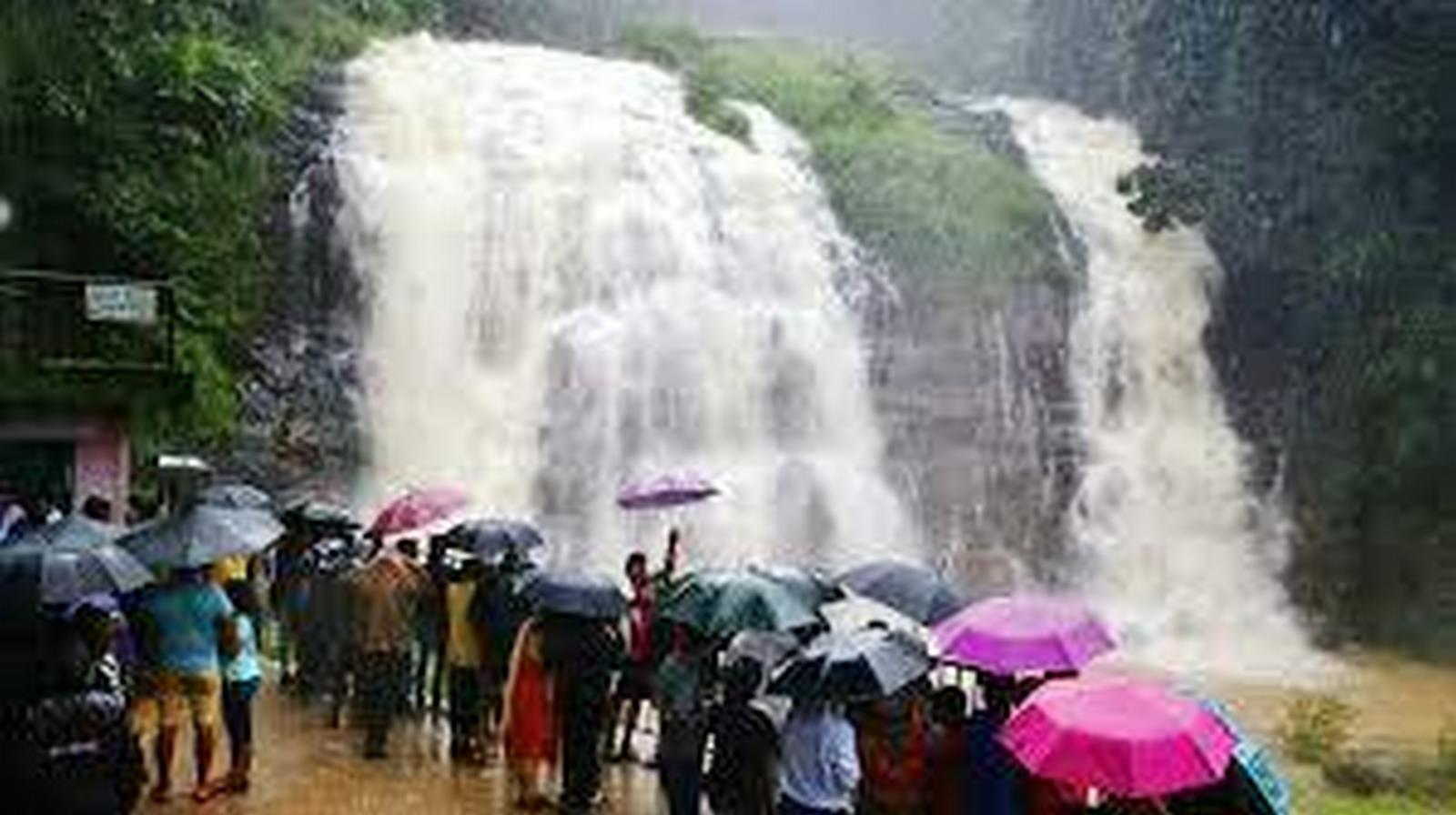
- Climate Change: These sites are threatened by rising sea levels, extreme weather conditions, and other climatic events. Venice may be flooded into the city when the high tides rise.
4.Neglect and Lack of Funds:Heritage sites in most developing countries face neglect because of lack of funds, expertise, and governmental support.
- Cultural and Technological Shifts: Modern lifestyle and technological developments have overruled traditional ways of living and resulted in communities’ disconnection with their heritage.

The Balance Required
Balancing the preservation of history and the current need necessitates an integrated holistic approach that includes integrating history into the design with modern functionality. This is meant to achieve a harmonious balance that will enable maintaining the cultural significance in heritage sites with adaptation to use by the generations.
Balancing Conservation with Contemporary Needs through Strategies
- Adaptive Reuse:
Adaptive reuse is the process of repurposing heritage buildings for modern use without losing their historical essence. For instance, old forts can be transformed into boutique hotels or abandoned industrial buildings can be used as art galleries to give new life to these structures while preserving their integrity.
- Community Involvement:
The conservation activities create a sense of ownership and responsibility among the local communities. Local knowledge and indigenous practices can be complemented by modern conservation techniques. Moreover, community-driven tourism models ensure equitable distribution of economic benefits.
- Sustainable Tourism:
These sustainable tourism practices can be included by regulating visitor numbers, green transportation systems, and travelling during off-season periods to visit the heritage sites with minimal impact. Educational activities for tourists can also make them aware of its preservation values.

- Modern Technology:
Technology can play a central role in the preservation of heritage. Techniques such as 3D scanning and modeling allow sites to be documented and restored. Virtual Reality and Augmented Reality can add more to enrich the visitor’s experience and, in the meantime, reduce physical deterioration of the site.
- Policy and Legal Frameworks:
There should be strict rules and regulations established by governments to avoid encroachment and unauthorized changes within heritage sites. International bodies like UNESCO also offer guidelines and assist in the conservation of World Heritage Sites.
- Climate Resilience:
Climate-resilient measures must be part of the conservation process. In a flood-prone area, for example, advanced drainage systems can be installed or weather-resistant materials used for restoration that risks less from climate change.

- Education and Awareness:
Where with the need for awareness and importance among the younger generation, heritage conservation awareness can be created, there ought to be educational programs, workshops, and heritage walks that may make people feel proud and responsible towards the preservation of culture.
Successful Cases of Conservation
- Acropolis, Athens, Greece: Acropolis has mainly been restored by integrating the old building techniques with the modernized technology. In this way, the site does not lose much of its heritage but yet gives assurance of structural stability simultaneously.
- The High Line in New York City, USA:
This former railway line has now been transformed into an urban park that embodies modernity but also historic content. Such is the quintessential example of adaptive reuse for lively public space along with its rich cultural heritage.
- Hampi, India:
Hampi is a UNESCO World Heritage Site. Initiatives such as heritage trails with a guide and eco-tourism lodges help the site promote its cultural values and generate employment opportunities for local communities.
The Role of Stakeholders
Conservation of heritage sites is a gigantic task, requiring cooperation from all the different groups that work to conserve heritage sites:
Governments formulate policies, establish funds, and oversee the conservation work.
Architects and Conservationists create new designs and techniques of restoration.
– Local Communities: Respect for local indigenous knowledge and cultural practices.
– Tourists: Respect for heritage values with responsibility.
– International Organizations: Expertise, funding, and global recognition.
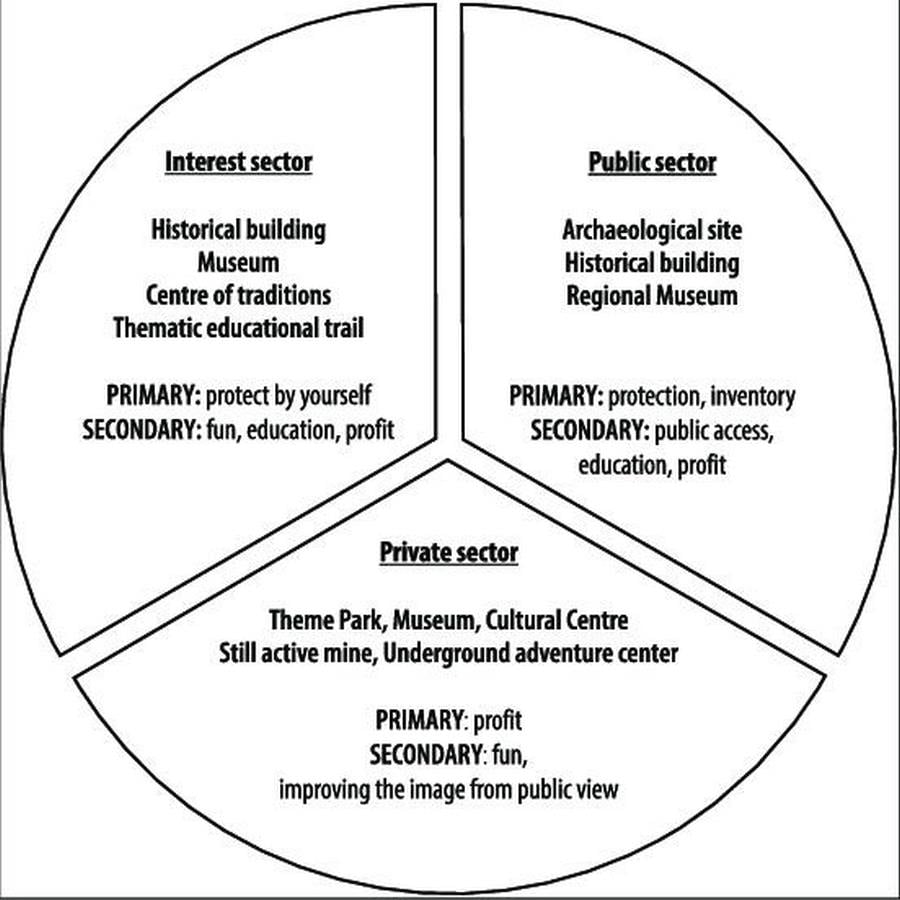
The future of heritage conservation is stranded between sustainability and innovation. Heritage should be kept in tune with the planning and development undertaken by cities, nations, whereby the modern part does not intrude upon the cultural identification. Thus, investment in heritage can be meaningful if made in more research, community engagement, or technological aspects.
Thirdly, on global thinking about heritage conservation. Heritage sites are not an ownership of any country, but rather a shared property of mankind. As a responsible citizen of the world, together we shall have conserved for future generations some irreplaceable heritage sites.