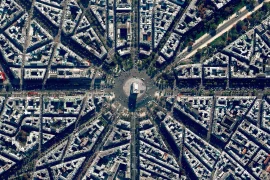
Cities are not just recalled for landmarks, skylines, or famous landmarks, but for the imageability of any city, which plays an important role. Streets are where people move, congregate, and feel the pulse of daily life. Allan B. Jacobs, in Great Streets (1995), stresses that streets are not corridors of movement but breathing public spaces whose shapes determine social intercourse, economic vitality, and a city’s character. A great street, to Jacobs, is memorable, comfortable, secure, and a representative of its setting. It is an inviting place of interaction for people. In this article, the discussion centers on two important aspects of Allan Jacobs’ concept of great streets.
Requirements for Great Streets
Allan B. Jacobs provides details of the fundamental requirements a successful street must offer.
-
Places for People to Walk with Some Leisure
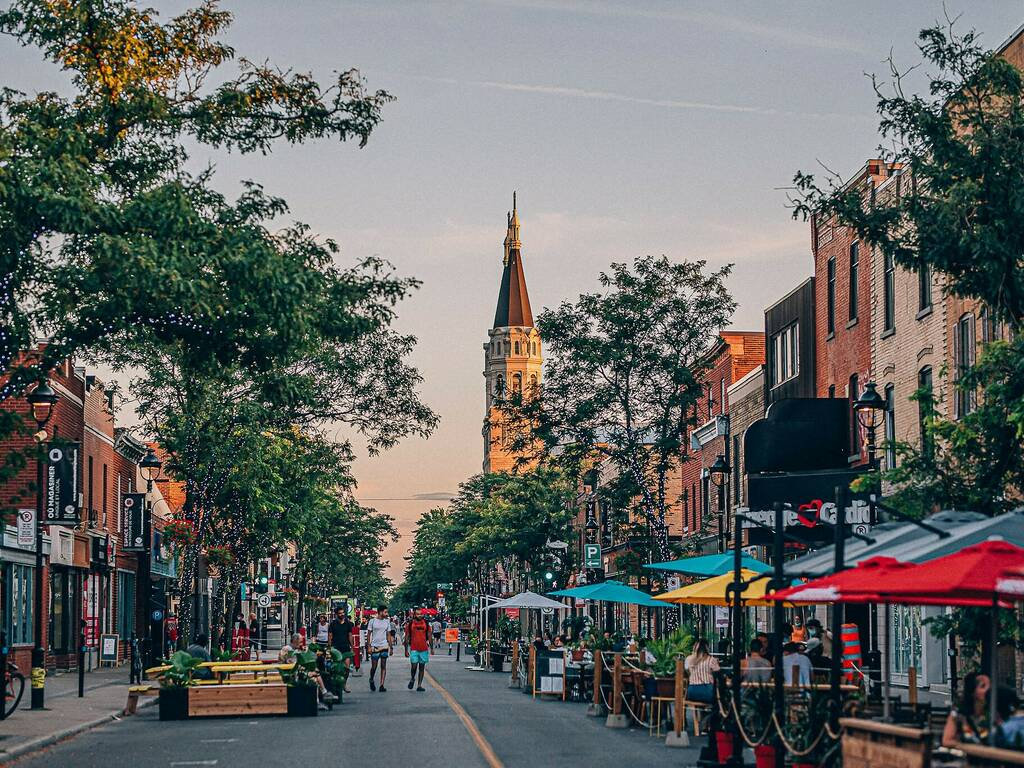
Allan B. Jacobs says successful streets are pedestrian-centric, with wide sidewalks, desirable crossing points, and spaces to stop. When pedestrians feel comfortable walking without being pushed by motorized vehicles, the street facilitates a place for people to walk with leisure.
-
Physical Comfort
Physical comfort includes protection from trees, benches, shelter from the elements, and walk surfaces. Comfort makes pedestrians feel welcome and thus want to stay.
-
Definition
Definition refers to the spatial clarity of a street. The buildings, facades, and trees enclose the public space, providing it with a form and a sense of legibility. Legible streets are well-defined and offer a sense of enclosure to establish security and identity.
-
Quality that Engages the Eyes
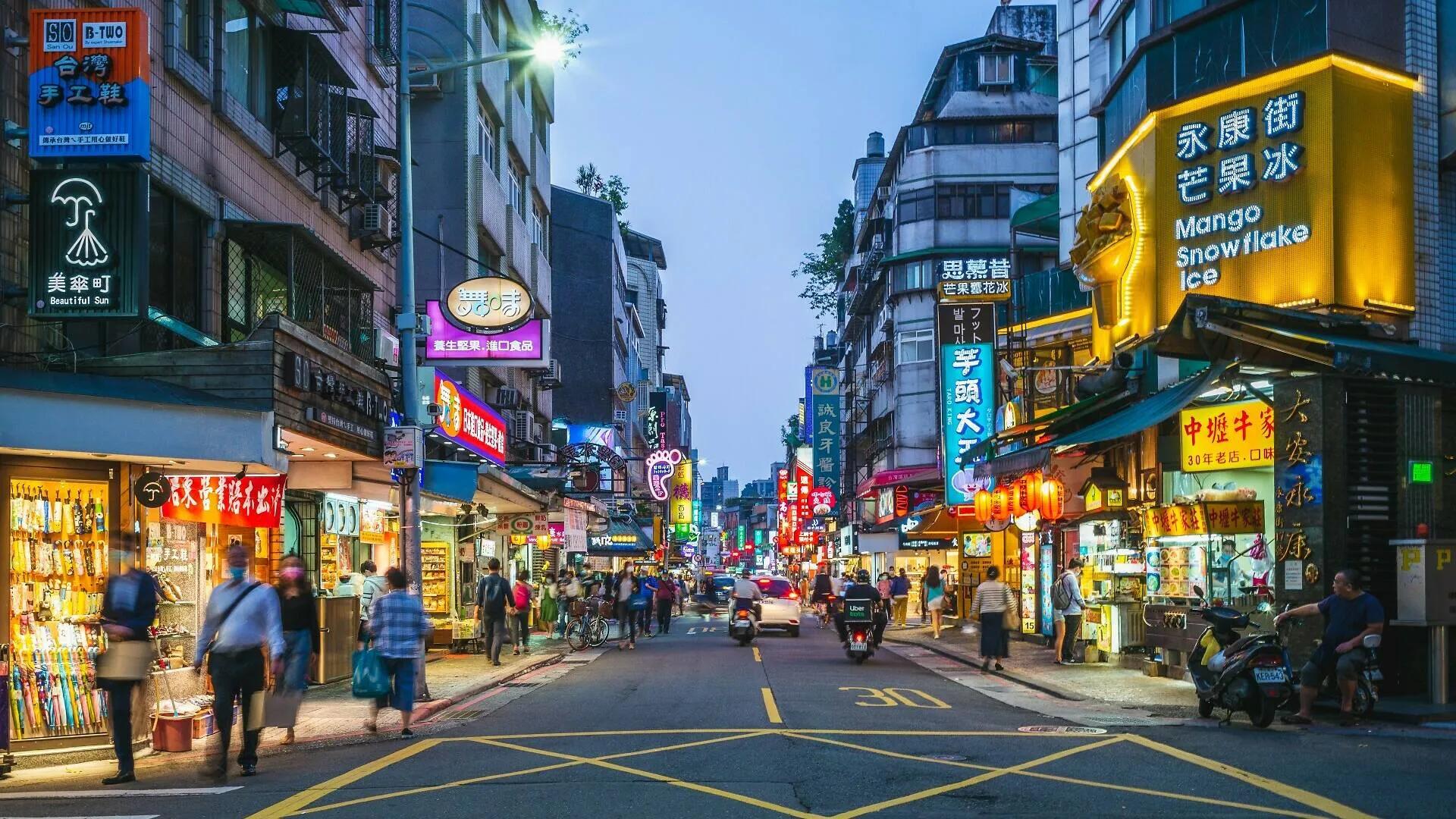
As for the visual aspect, it’s what makes streets memorable. Facades that are detailed, rhythmic, and textured are holding on, whereas bare walls and repetitive patterns are dull. Allan B. Jacobs insists that great streets captivate the pedestrian’s eye at a human scale.
-
Transparency
Transparency is the extent to which activities within buildings are open to the public from the street. Transparency provides safety with “eyes on the street” and facilitates interaction by opening what goes on within.
-
Complementarity
Streets are lively when factors like buildings, signs, sidewalks, and plazas complement and are in balanced proportion to one another.
-
Maintenance
The street most appealing to people loses its charm if it is neglected. Keeping it clean, well-swept sidewalks, functional light, and well-maintained trees express respect for public life.
-
Quality of Construction and Design
Allan B. Jacobs says good streets are durable and well-made. Materials should withstand weather and wear, while design should consider longevity and adaptability.
Qualities that Contribute Towards Great Streets
Aside from these needs, Allan B. Jacobs also identifies further qualities referring to the richness and depth of experience of streets. They are not needed but refer to vigor, identity, and memory.
-
Trees
Trees are perhaps the most universal creators of wonderful streets. Trees provide shade, seasonal interest, screen the environment, and purify the air.
-
Beginnings and Endings
The way a street starts and finishes leaves lasting impressions. A strong gateway, a plaza, or a landmark can mark the beginning, while a focal point at the end provides closure. Such features frame the journey and give streets narrative structure.
-
Diversity of Buildings
Streets that feature buildings of different styles, heights, and eras feel lively and authentic. Diversity prevents monotony and reflects layers of urban history. It also accommodates varied uses and users, making streets inclusive.
-
Details
Allan B. Jacobs says small things like benches, lighting, paving schemes, or signage add depth.These touches communicate care and help individuals connect emotionally with the street.
-
Places
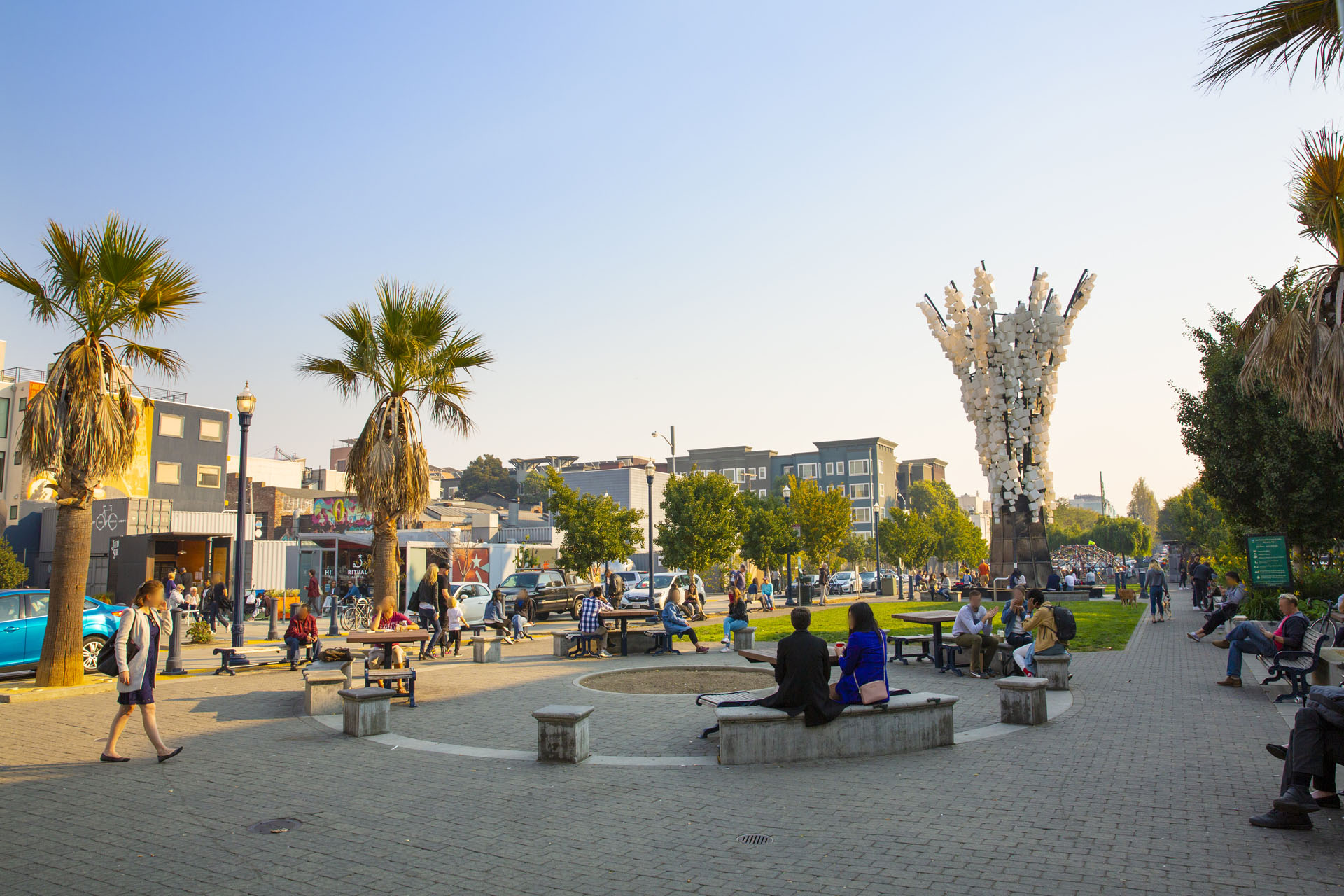
A great street is not just a path but a sequence of places where people can stop, rest, or gather. Plazas, corners, niches, and widened sidewalks transform movement corridors into destinations.
-
Accessibility
Accessibility allows the street to be utilized without any age and ability constraints. Ramps, flat pavements, transit links, and orientation systems allow the public space to be accessible to the public.
-
Density
Population and activity density generate vitality. Streets are successful if there is a reliable amount of pedestrians, supported in turn by surrounding homes, shops, and workplaces. Density keeps business, contact and interaction.
-
Length
A street’s nature is determined by its length. A street is not short enough to be meaningful and too long to be repetitive. A suitable length allows for rhythm and diversity.
-
Slope
Topography influences street perception. Gentle slopes can create visual drama and invite exploration, while overly steep streets may discourage walking. When integrated thoughtfully, slope adds character.
-
Parking
Allan B. Jacobs says parking, if well planned, allows for access without congesting the street. On-street parking buffers pedestrians from moving traffic but must not dominate the streetscape. Balanced parking enhances livability.
-
Contrast
The contrast of old and new, of broad and narrow, of light and shadow keeps a street interesting to the eye.
-
Time
Allan B. Jacobs says finally, time gives a street its character. Centuries and decades accumulate use patterns, cultural references, and communal memory to add depth of reference. Streets that endure in the popular imagination become symbols of the community.
References:
Jacobs, A.(1995) Great Streets. MIT Press. ISBN- 0262600234, 9780262600231.