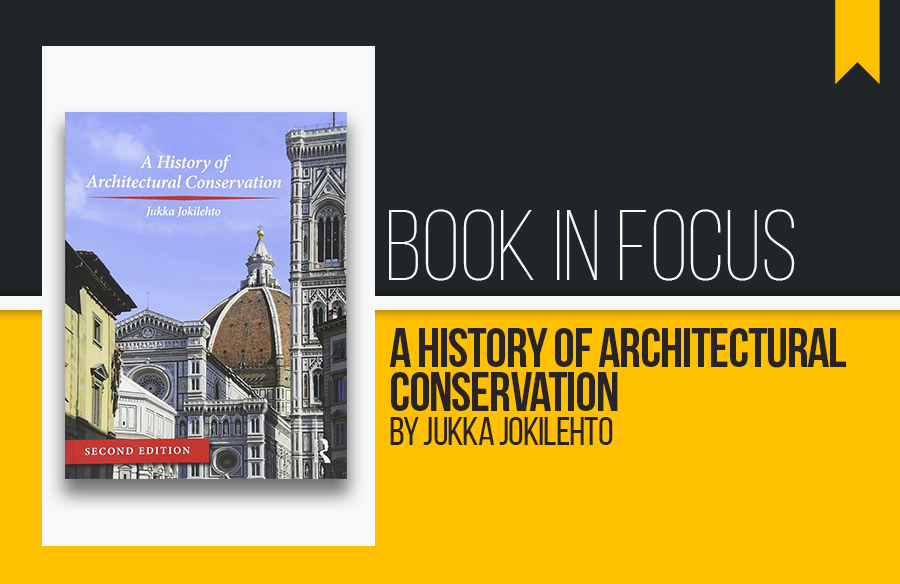
In the domain of architectural conservation, Jokilehto’s 1985 historical background is one of the most outstanding texts. This is because it is a comprehensive book published for the first time in 1999 and consistently updated, making it essential for people who practise, study or teach about architectural conservation.

Jokilehto, an architect and conservationist from Finland, brings deep knowledge and years of practice to this important work. He gives readers a full picture of the past, ideas, and hands-on parts of preserving architectural heritage.
Overview
This arrangement facilitates comprehending how concepts and practices have been influenced by changes in culture, society and technology over time.
The book breaks down into these main parts:
Ancient and Classical Influences: This part looks at early efforts to conserve buildings, like the upkeep of old Egyptian and Greek monuments. Jokilehto digs into how these early societies saw their architectural heritage and what they did to preserve it.
Medieval and Renaissance Approaches: The book explores how attitudes toward architectural conservation changed during the Middle Ages and Renaissance. Jokilehto talks about new building methods that came about and how people started to value old buildings more.
Enlightenment and the Birth of Modern Conservation: This section zeros in on the Enlightenment era spotlighting key people and movements that moulded modern conservation principles. This arrangement facilitates comprehending how concepts and practices have been influenced by changes in culture, society and technology over time.
19th Jokilehto talks about important conservation charters, like the Athens Charter and the Venice Charter, and how they shaped practices we see today.
Contemporary Practices: The last part looks at current trends and issues in architectural conservation. Jokilehto examines how worldwide connections, new tech, and worries about the environment are changing the field right now.

Key Themes
Jokilehto’s work stands out for its look into key ideas that form the basis of architectural conservation. These ideas run through the whole text giving readers a deep grasp of the field’s many layers.
Cultural Significance: Jokilehto stresses how much cultural significance matters in conservation work. He claims that to make smart choices about preserving a structure, you need to understand its cultural background.
Ethics and Philosophy: The book digs into the ethical and philosophical thoughts that guide conservation methods. Jokilehto talks about finding the right balance between keeping a structure’s original parts and allowing needed changes to keep it in use.
Technological Innovations: Jokilehto shows how tech advances shape conservation methods. He looks into how new materials and techniques have broadened the options to preserve architectural heritage.
Global Perspectives: Knowing that architectural conservation is a worldwide issue, Jokilehto adds case studies and examples from across the globe. This approach gives readers a wide range of viewpoints and practices.
What Readers Can Take Away
People who read A History of Architectural Conservation will discover a lot of info that can boost their grasp and value of architectural heritage. The book has several key points:
Historical Context: Jokilehto gives readers a full look at how conservation practices changed over time. This background helps people understand today’s practices and discussions.
Theoretical Foundations: The book introduces the ideas behind architectural conservation. Jokilehto talks about key people and movements, which helps readers grasp the field’s intellectual roots.
Practical Insights: The book has lots of theory, but it also gives useful tips for real conservation projects. Jokilehto uses detailed case studies and examples to show how people put principles to work.
Ethical Considerations: Readers will get a better grasp of the moral challenges and deep questions that face people working to protect nature. Jokilehto’s careful look at these problems pushes readers to think hard about how they approach conservation.
Global Viewpoints: Bringing in views from around the world opens readers’ eyes and shows how conservation work differs across cultures. This worldwide perspective is useful in our connected world today.
Jukka Jokilehto’s A History of Architectural Conservation stands out as a key book that gives readers a deep look into the story, ideas, and work of this field. Its full coverage and smart breakdown make it a must-have tool for anyone working in architectural conservation.
If you’re a pro with years of experience just starting to study, or keen on saving old buildings, this book lays out all the basics you need. Jokilehto strikes a good balance mixing stories from the past with ideas and hands-on tips, so readers end up with a complete grasp of how to preserve architecture.
To wrap up, the book is packed and needs careful study, but it’s well worth the effort. Jokilehto’s love for the topic comes through turning it into more than just a scholarly work – it’s a gripping story about the ongoing push to save our built surroundings. If you’re dedicated to protecting architectural history, you need to read A History of Architectural Conservation.
References:
Iccrom, & Iccrom. (2024, January 22). In memory of Prof. Dr. Jukka Ilmari Jokilehto (1938–2023). ICCROM. https://www.iccrom.org/news/iccrom-mourns-death-jukka-jokilehto
Mathan, Y. (n.d.). In memoriam – Jukka Jokilehto (1938-2023) – International Council on Monuments and Sites. https://www.icomos.org/en/89-english-categories/home/132403-in-memoriam-jukka-jokilehto-1938-2023