Introduction: The Unconventional Biopic
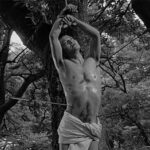
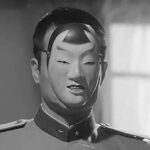
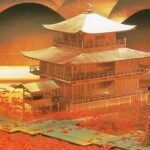
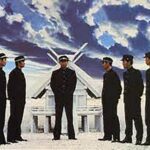
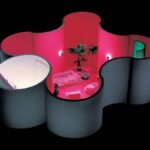
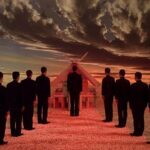
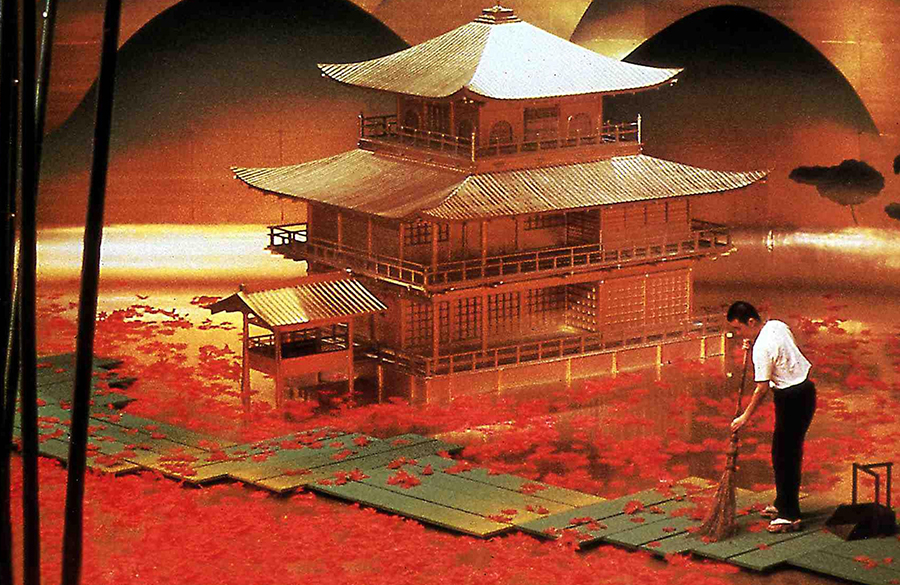
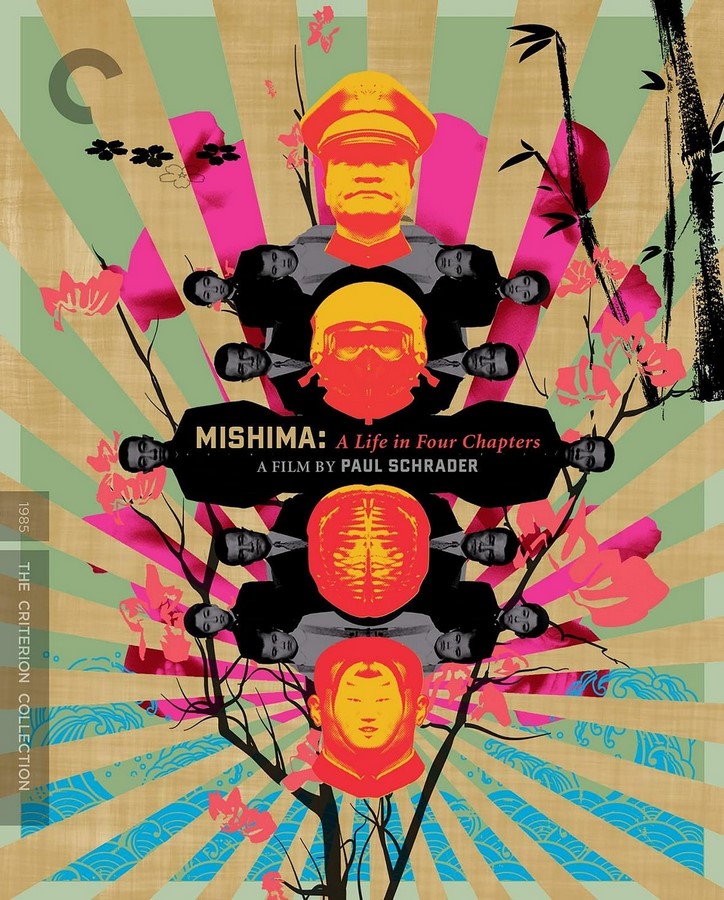
Directed by Paul Schrader and released in 1985, the movie paints a portrait of Japanese author and playwright Yukio Mishima investigating the contradictions of man, art, society, and self. Delving into the psyche of Mishima, the film, through its unique narrative structure combining biography, fiction, and theatre. Beyond its cinematic storytelling, the movie touches on complex themes such as sexuality and masculinity appreciating their layered undertones and overtones considering the crucial aspects of his life especially Mishima’s identity(ies) as a soldier, writer, a man. Characterized by playing on chronology, reality, and fiction through a unique stylistic approach tying Mishima’s life events with his literary works, dividing the movie into four chapters which provide a framework to investigate the storytelling with the use of visual and spatial characters that develop and contribute to the film’s narrative. The use of architectural and design elements enhances the viewer’s experience, becoming a backdrop and actor within the intricate relationships and themes. Through the incorporation of traditional Japanese Noh and Kabuki theatre, Schrader creates a unique visual language. The use of colour for example is deliberate and symbolic with black and white used about Mishima’s formative earlier years, brilliant colours for events from his novels, and a realistic colourway that follows through showing the last day of his life. ‘Mishima, a life in four chapters’ becomes a collage of Yukio Mishima’s life not just sequentially and conceptually but visually.

Chapter I: Beauty
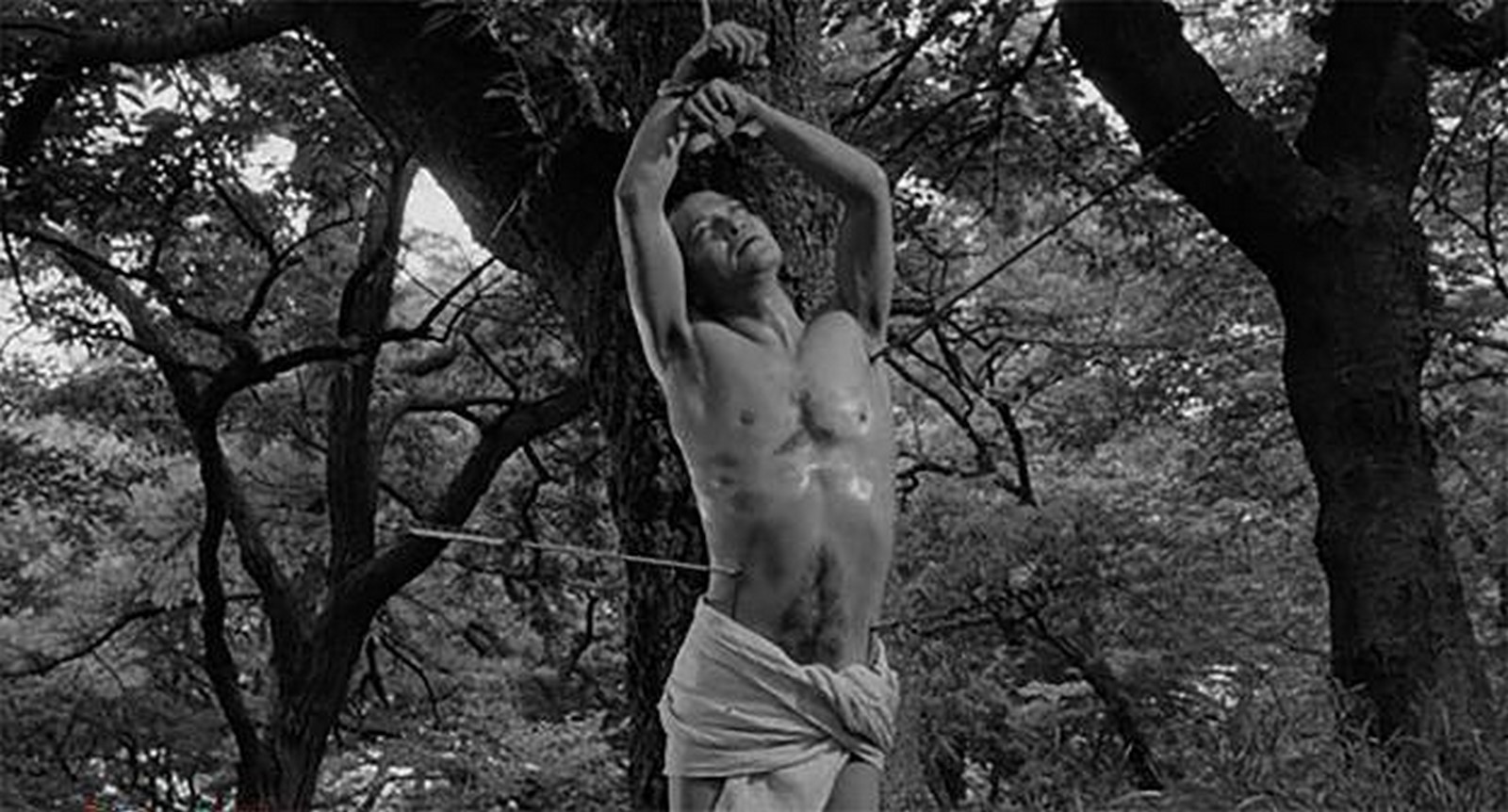
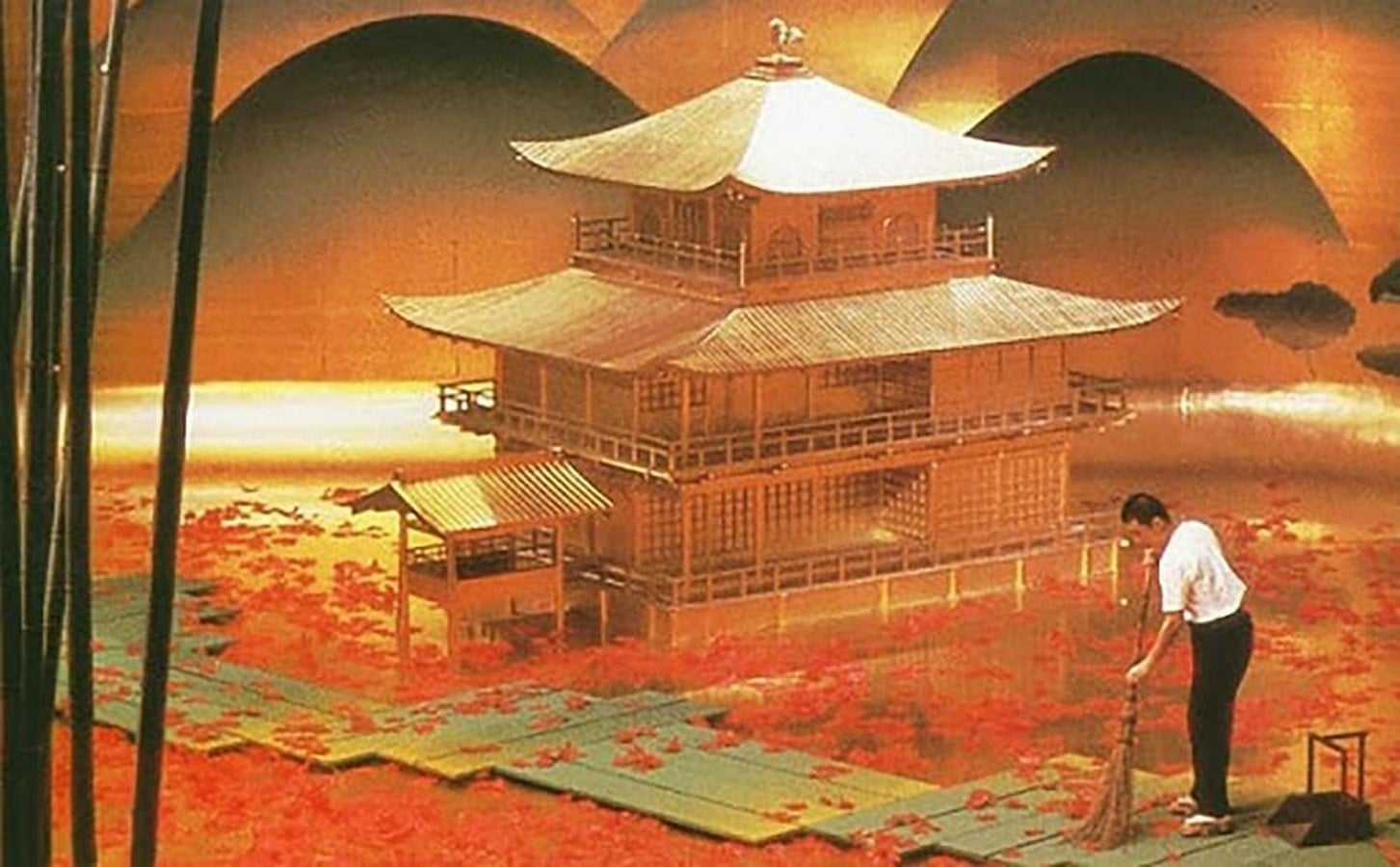
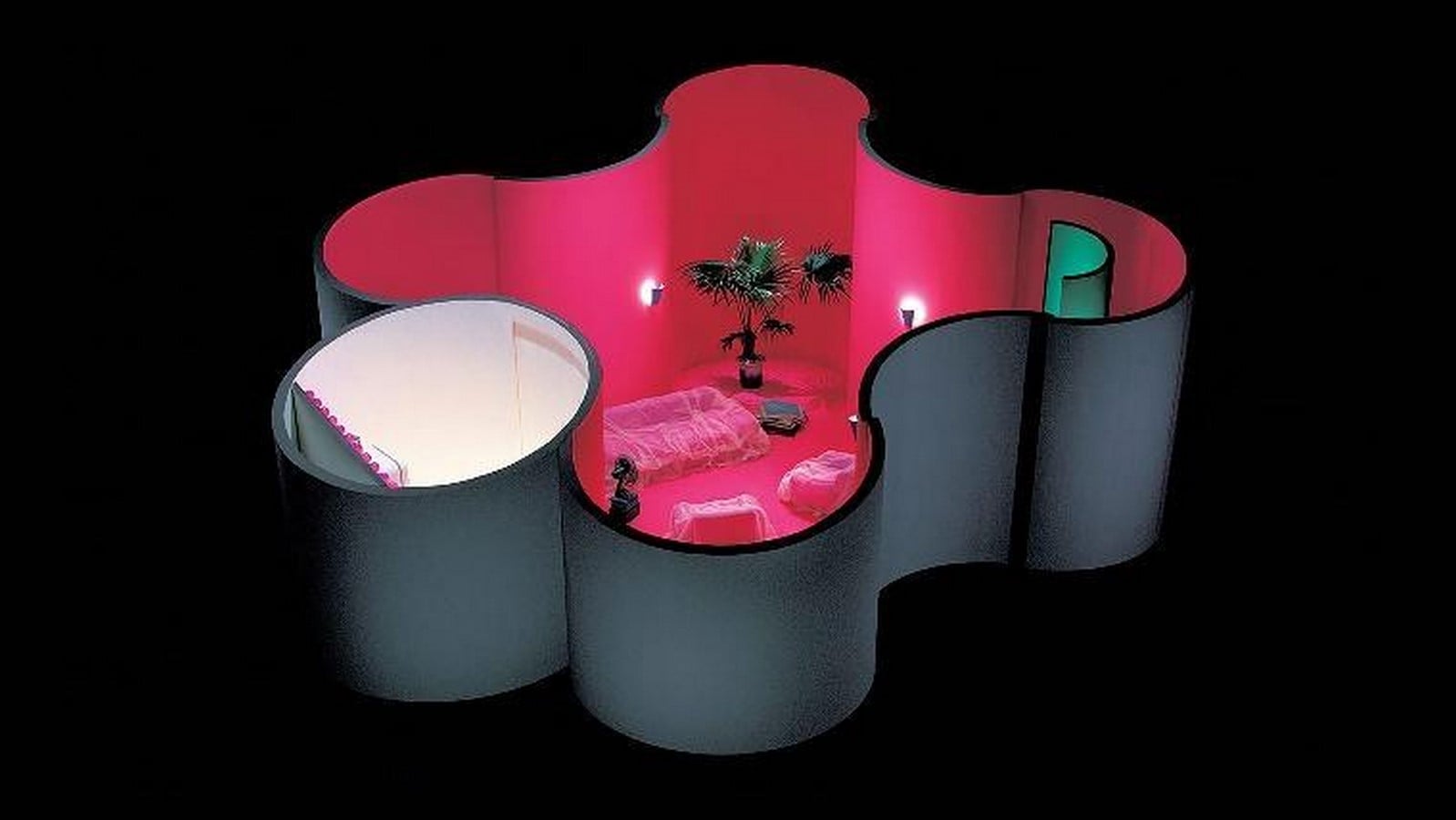
The opening chapter ‘Beauty’ focuses on the writer’s early childhood and early life relating it to his own text, The Temple of the Golden Pavilion. Spatially the viewer is immersed in a traditional Japanese setting of Mishima’s upbringing. From the tatami rooms, sliding paper doors, wooden structures, and warm atmosphere, these elements move beyond a backdrop but instead actively engage the viewer becoming characters themselves evoking the feelings of nostalgia and the intimacies of Yukio’s formative years. The familial house becomes the major means of Mishima’s exploration within this chapter with compositions of space conveying and reflecting harmony, balance, culture, and family. Home and all that it entails, both positive and negative, is no longer an abstract concept but physically represented.

Chapter II: Art
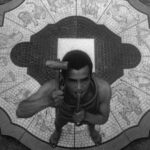
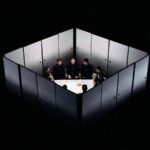
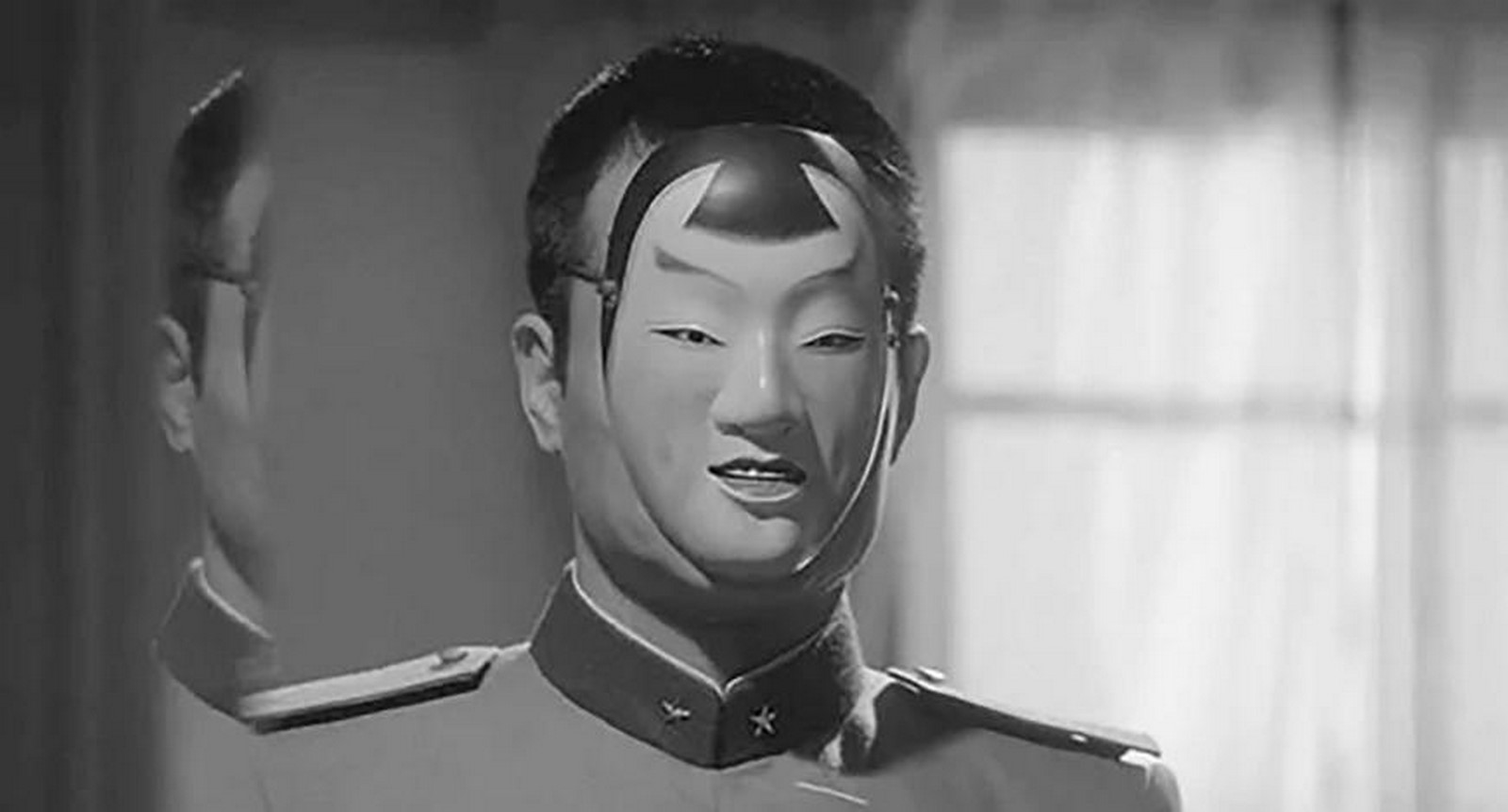
Following Mishima as he matures, the film moves to ‘art’, this chapter explores his artistic pursuits also considering the influence of Western literature, practices, and philosophies on his work. Spatially/ Architecturally, this period is highlighted by the move from a traditional setting to more modernist architecture more in line with post-war Japan. The setting language of lines, concrete, and geometric shapes of time lends to a visual representation of shifts in society and Mishima himself. Through the stylized theatre sets of Noh and Kabuki, as mentioned above, the film becomes a metaphor for the convergence of reality and fiction in the author’s life. The spatial design in these moments brings this convergence and friction literally to life, mirroring the assumed tension within Mishima between the intellectual, culture, and self, space is not passive but aggressive becoming actors themselves.
Chapter III: Action
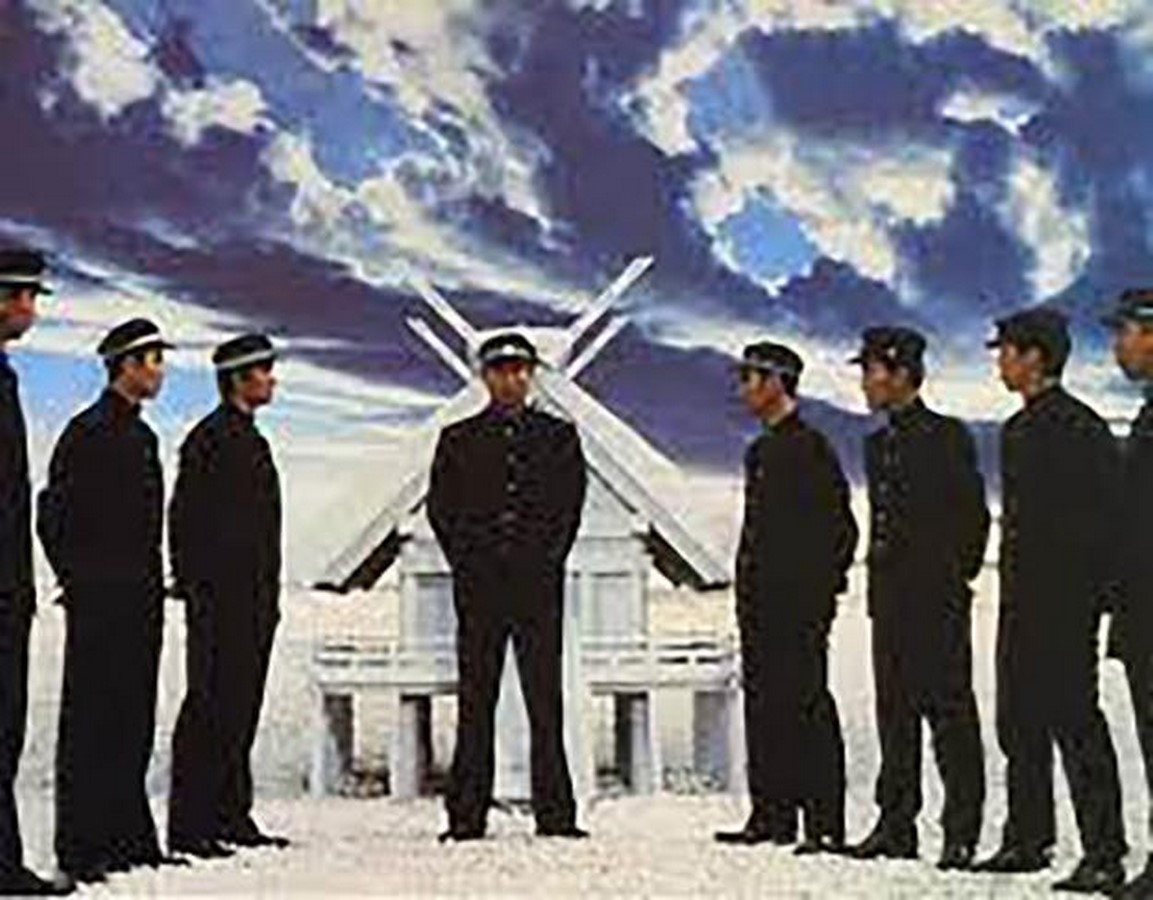
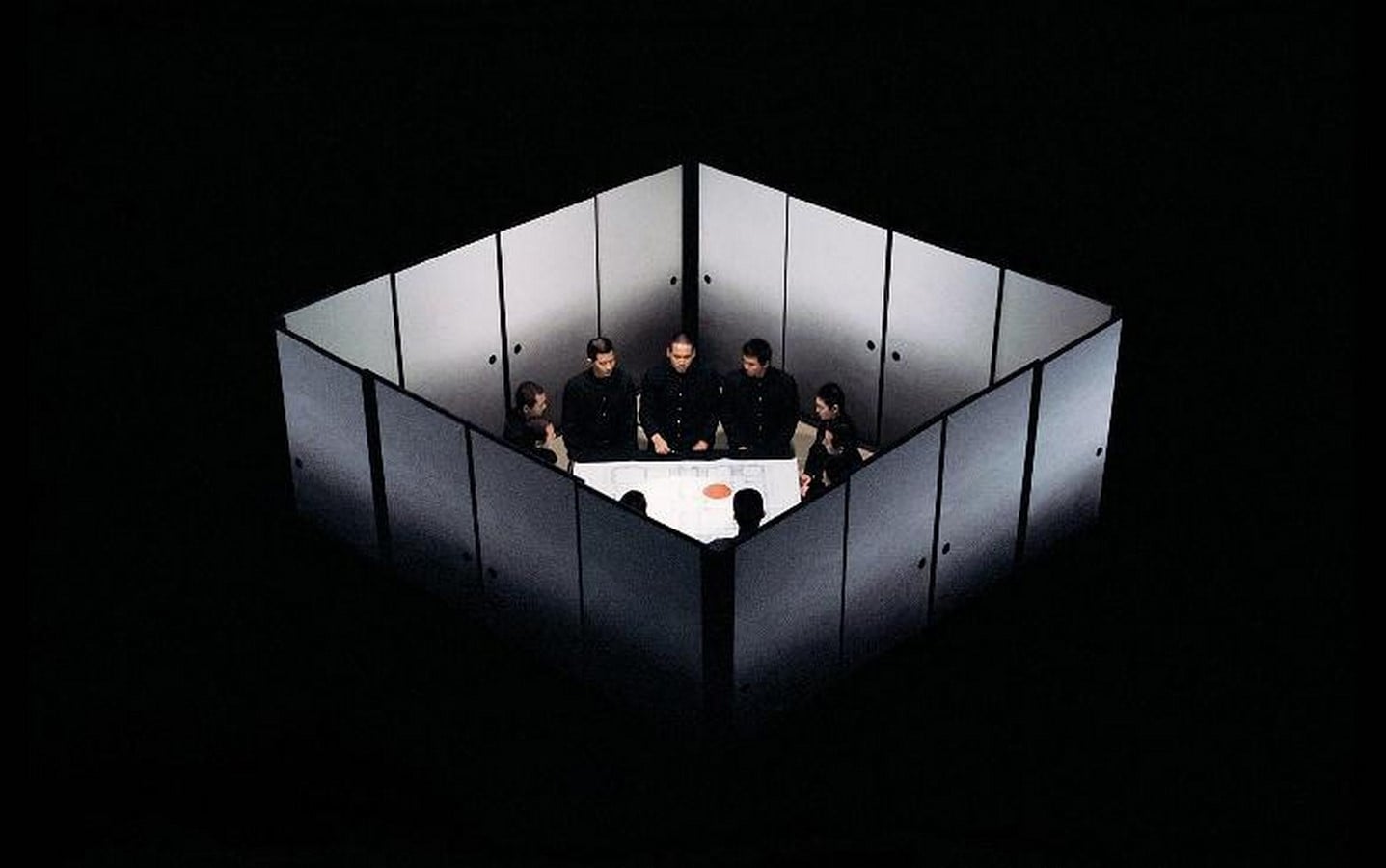
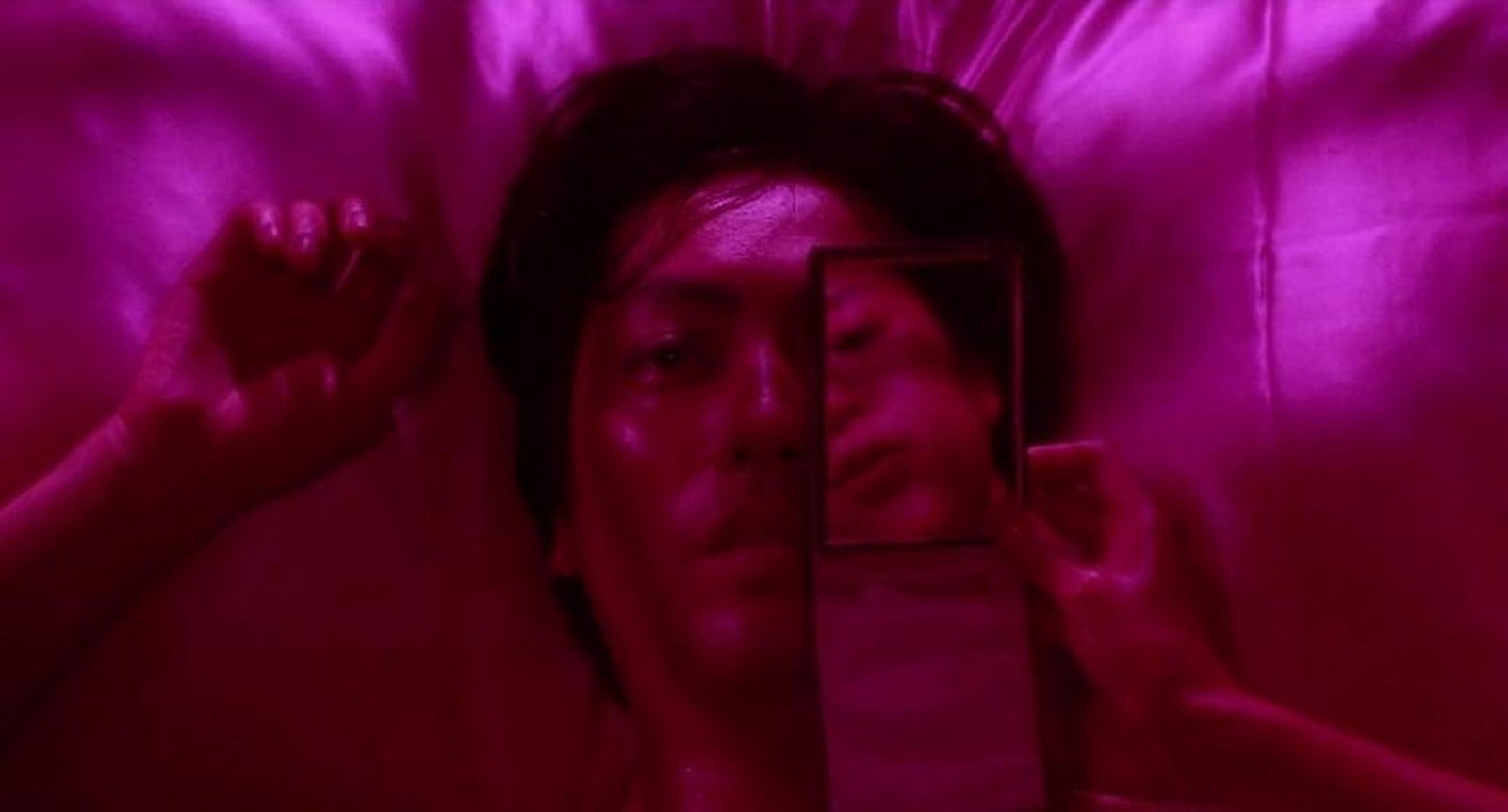
Action as a cinematic chapter goes into Mishima’s personal and political situations and struggles especially marked by his attempt at a coup d’etat. This chapter confronts the viewer with the unpleasant realities of the time of militarized and political turbulence in Japan. The use of cold institutional settings, austere design, and muted colours only further emphasize the strict, rigid, and extremely disciplined nature of his pursuits. Architectural elements continue in their aggressive nature, symbolizing the energy of societal structures and power dynamics Mishima was struggling to challenge, skilfully the visual and spatial composition work to convey the feelings of claustrophobia, resentment, and confinement of this period of Mishima’s life. Action underscores this radical nature and change in Yukio’s life and views.
Chapter IV: Harmony of Pen & Sword
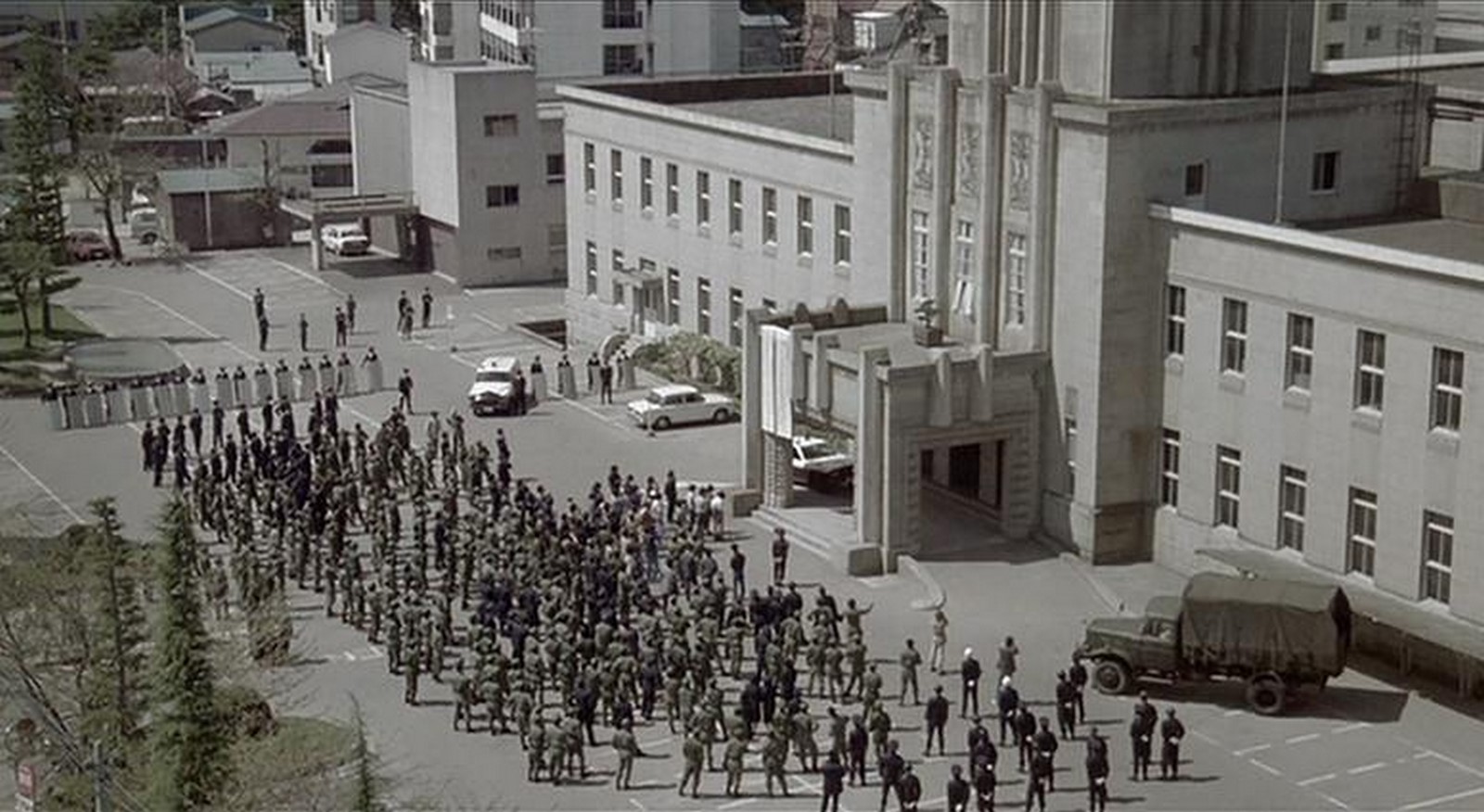
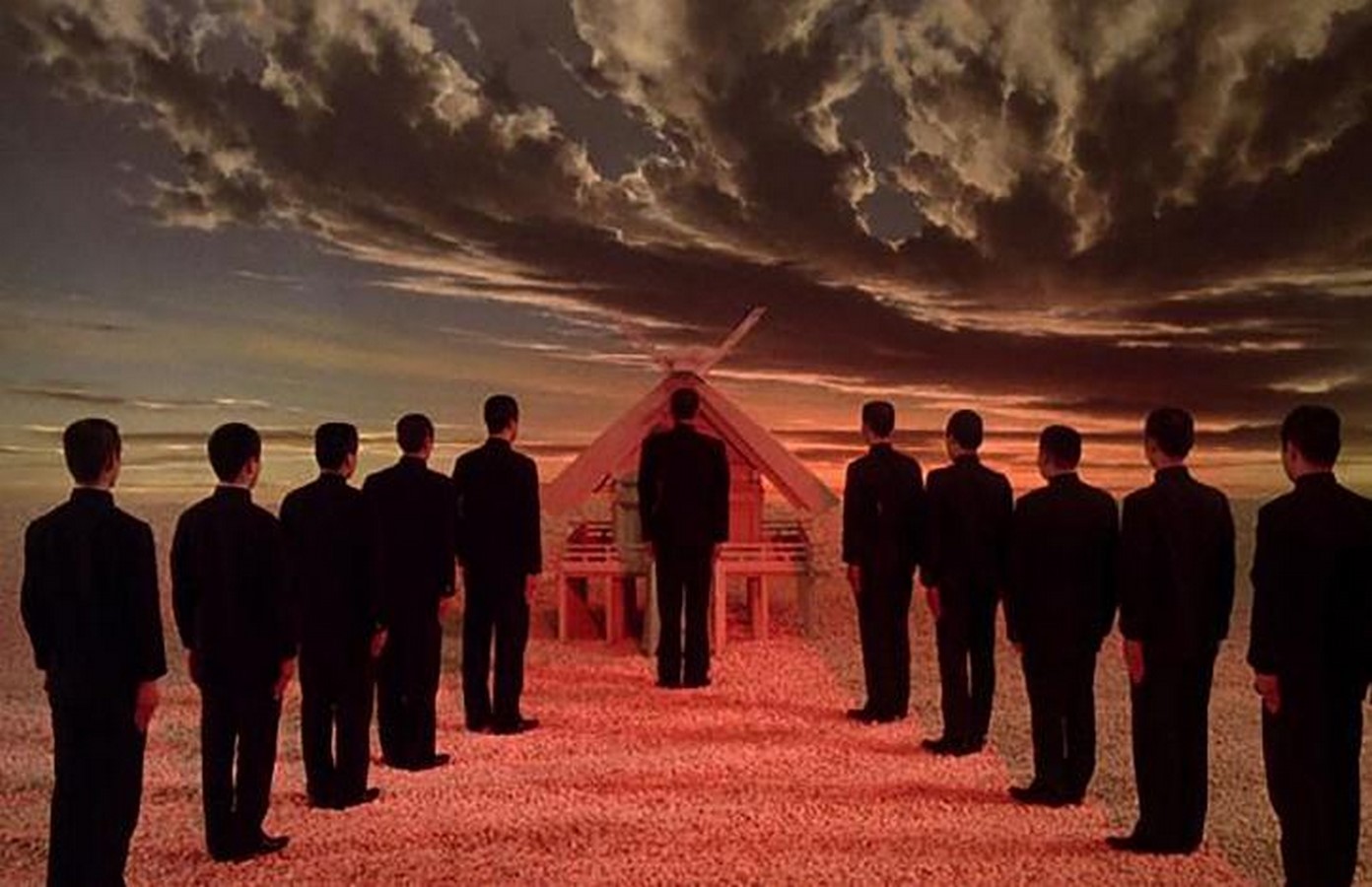
The final chapter, Harmony of the Pen and Sword, rounds up the film bringing it full circle and encapsulating Yukio Mishima’s unfortunate and tragic end. This chapter brings back this convergence and duality of his life serving as a means of poignant reflection of identity touching on both his military time as a soldier and his artistic expression. The movie in this chapter manages to navigate emotionally between the sombre beauty of Mishima’s last day and the tension of his tragic end, this tension and feelings are only pushed further through the visual choices which fuse traditional and modern to represent the author’s complex and multifaceted identity. Serene settings of nature mark Mishima’s final moments purposefully creating a stark contrast with the harshness of reality, such as the cold military environments depicted earlier, instead, this deliberate juxtaposition becomes a visual metaphor for Mishima’s final attempt to reconcile with opposing, disparate elements of his identity as an artist and a soldier, to reckon with the pen and the sword.
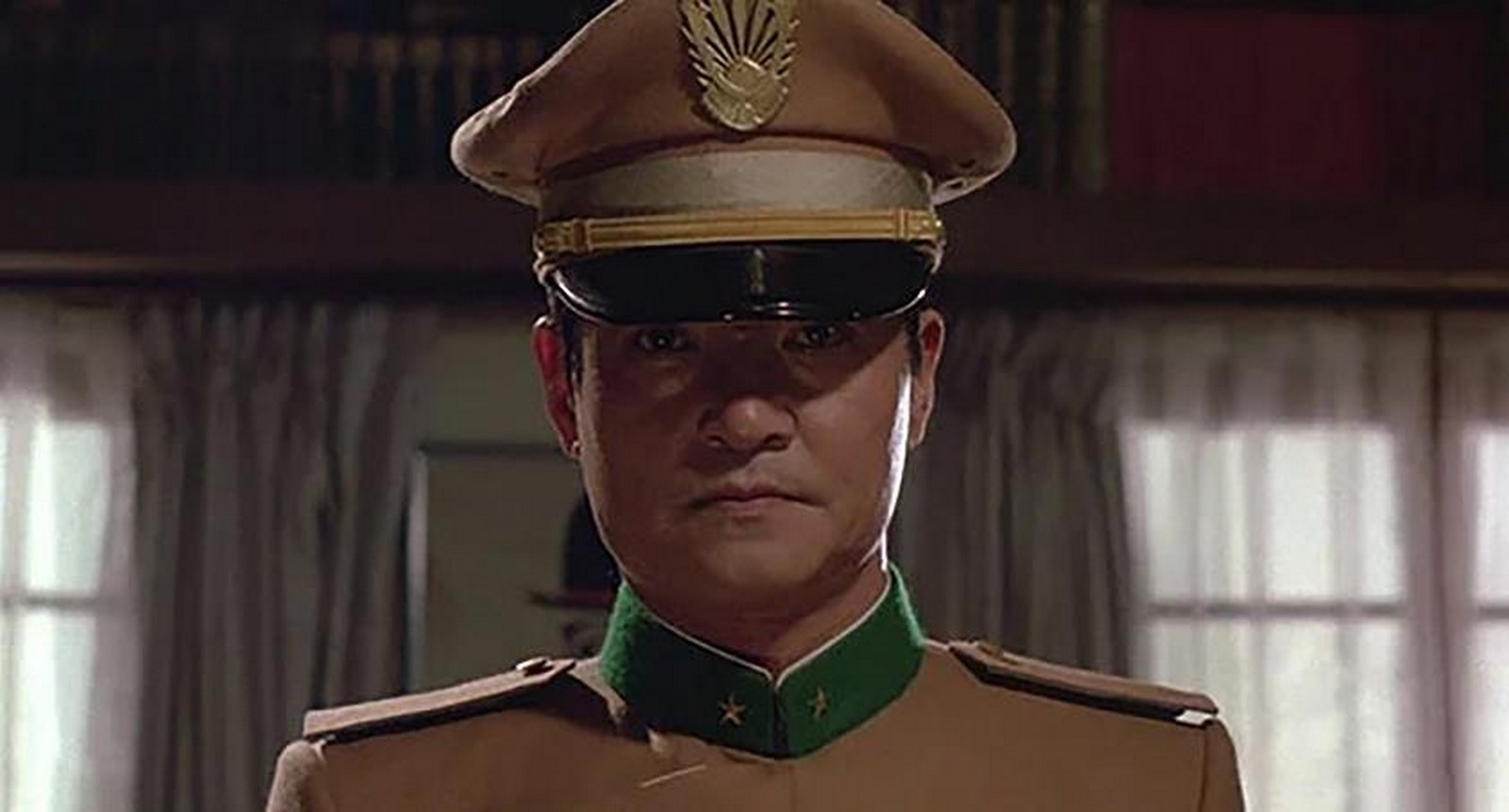

Though the direction and storytelling are exceptionally moving, the film’s design choices elevate it past the conventional biographical drama, by combining realistic and deliberately artificial sets to create a dreamlike and evocative quality enhancing the movie’s exploration of the complex intersection of reality and fiction. The sets, backdrops, and spatial compositions become integral components of storytelling, creating a visual language that reflects the complexities of Mishima’s life. Overall, Paul Schrader’s direction combined with attention to spatial/compositional detail leads to a cinematic experience that allows viewers to immerse themselves in an exploration of identity, space, and the human psyche. Through both biographical and architectural storytelling, the film highlights the power of architecture beyond our everyday reality in conveying the complex and multifaceted nature of life.
Reference List:
Tracy, Andrew. “A Problem Like Mishima.” Cinema Scope, no. 36, Fall 2008, pp. 32-35.