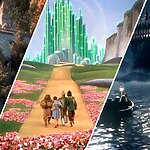
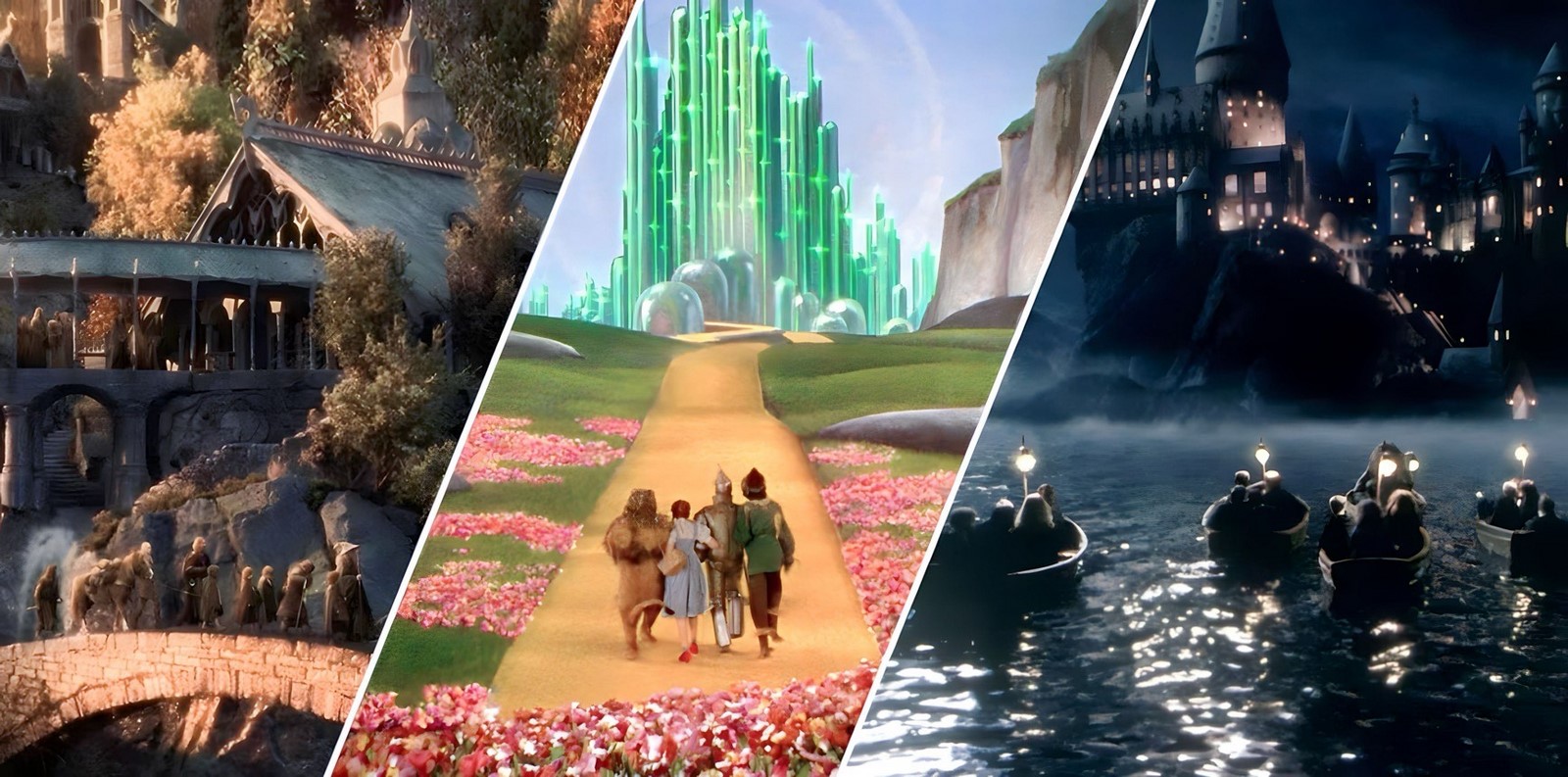
Apart from the integral similarity between Architecture and Films in that they both narrate stories; movies offer their audience a display of various architecture- from extraordinary buildings and urban landscapes to entirely new worlds. Especially the science-fiction genre is a constant source of inspiration and awe for fantasy lovers, showcasing a spectrum of design possibilities and imaginative constructions. As Christopher Nolan, the visionary director of movies like Inception (2010) and Interstellar (2014), once remarked, “The only job that was ever of interest to me, other than film-making, is architecture. I am very interested in the similarities or analogies between how we experience a three-dimensional space that an architect has created and how an audience experiences a cinematic narrative that constructs a three-dimensional reality from a two-dimensional medium assembled shot by shot. I think there’s a narrative component to architecture that’s kind of fascinating.”
Not only for designers but even for the vast public, Sci-Fi movies with their universes have always proved to be captivating. Perhaps that is why 32 of the 50 highest-grossing movies of all time are films that belong to identifiable fantasy realms – Pandora, Oz, Narnia, Middle-earth, Hogwarts, Neverland, Wonderland – luring moviegoers into theaters with the promise of returning to a beloved fictional world, like a tourist returning to their favorite destination. (Shone, 2022)
Avatar: The Beginning
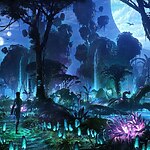
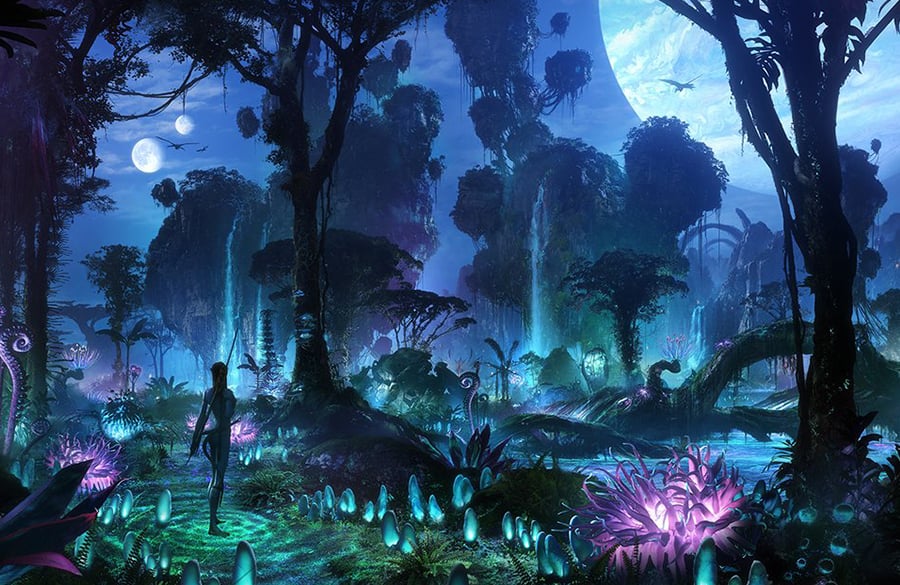
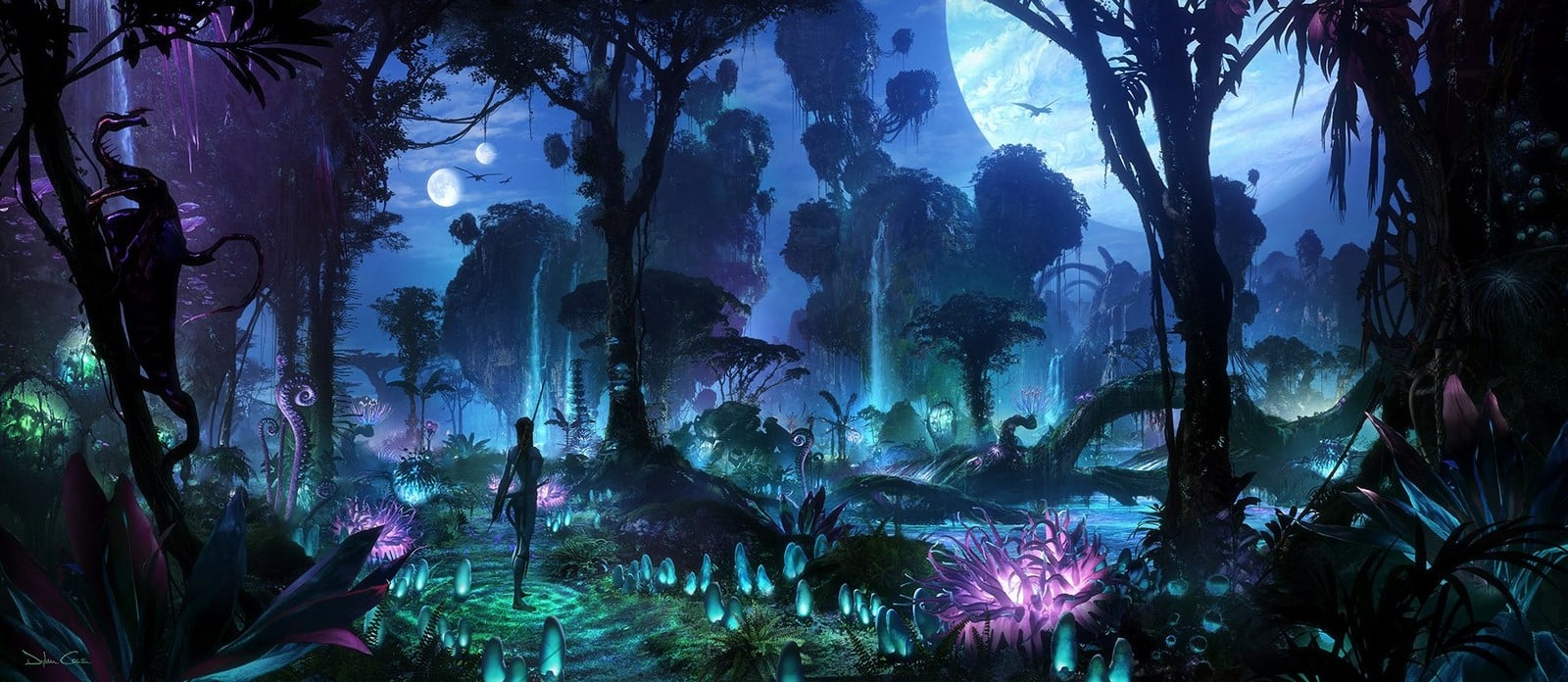
One such movie is Avatar which was released in 2009, but in the mind of James Cameron – its director and screenwriter – has existed since 1994. Cameron, also the director of classics ‘Titanic’ (1997) and ‘The Terminator’ (1984), has now devoted his life to the Avatar film franchise. The movie features the world of Pandora, a habitable, extrasolar moon orbiting the gas giant Polyphemus, somewhere in the Alpha Centauri. Similar to Earth in many ways, there is however, a magical part to the lush nature of Pandora, featuring bioluminescent flora and fauna, diverse landscapes, and unique indigenous species like the Na’vi- the native humanoid inhabitants. The movie received three Academy Awards including that for ‘Best Visual Effects’.
Avatar’s plot revolves around the slow destruction of Pandora by people from Earth. The earthlings had traveled across the stars in a mission to take everything they could after they had already destroyed their planet doing the same. It follows the narrative of a paralyzed ex-marine Jake Sully, who takes on an avatar to infiltrate the Na’vi community for the same mission. As he immerses in Na’vi culture, he falls in love with Neytiri and feels at home, experiencing conflicting loyalties. Eventually, he leads the Na’vi in a fight against human forces aiming to exploit Pandora’s resources, ultimately embracing his role as their defender. The movie ends in a Na’vi ceremony where Jake is permanently transferred into his avatar with the aid of the Tree of Souls.
Avatar: The Way of Water
The sequel ‘Avatar: The Way of Water’ was released in 2022 and follows Jake Sully (now a Na’vi), Neytiri, and the next generation of the Sully family, 15 years after the events in the first movie. The sudden return of the humans disrupts their peaceful life, making them targets. They flee their home in the forest, seeking sanctuary among the Metkayina- the reef people. The Sully family encounters constant hunting by the Sky People, leading them to stand and fight to protect their new home and their allies. Like its prequel, the film earned the Academy Award for Best Visual Effects along with four other categories.
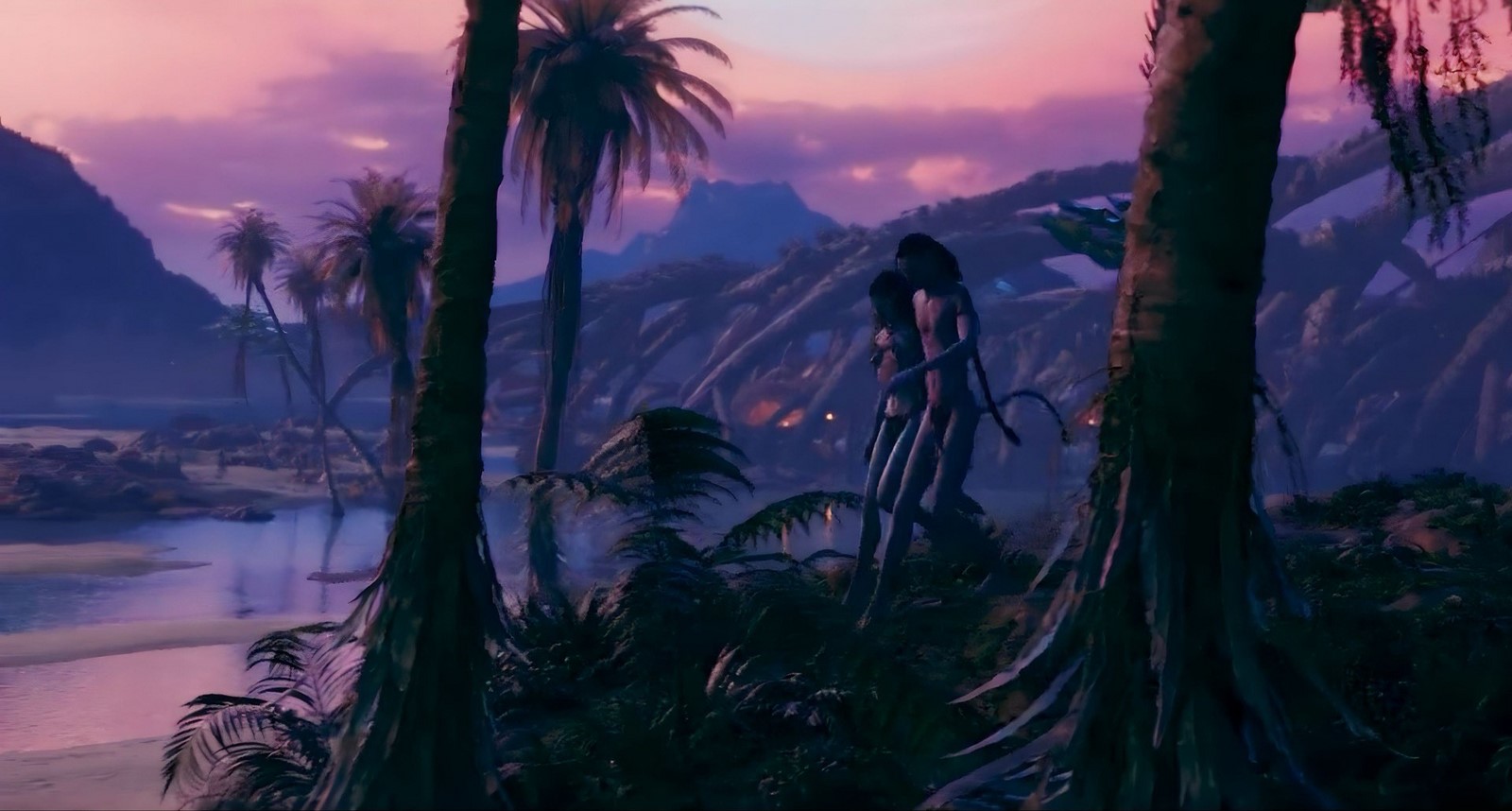
While 2009 Avatar introduces us to the enchanting yet realistic lush landscapes of Pandora and its terrestrial harmony and the Omatikaya clan, Avatar: The Way of Water provides us with further insight into Pandora- introducing us to the turquoise ocean waters, marine life, and other treasures; their harmony and a variant species of the Na’vi belonging to the Metkayina clan. The movie is a visually rejuvenating experience- with calming blue hues along with purple and orange skies.
Production Design
Avatar’s production designer team led by Dylan Cole and Ben Procter has received numerous accolades. Dylan oversees the organic design of the Na’vi side while Ben leads that of the Human side or RDA- Resources Development Administration, the largest single non-governmental organization in space.
Every aspect of Pandora is meticulously designed, from the flora and fauna, their incredible interconnectedness to Eywa (the biological sentient guiding force of life and the only known deity of the Na’vi), the geology and astronomy of the moon, to the Na’vi body and the large human ships and copters; all keeping up the laws of physics and biology- thanks to the ‘frustrated engineer’ James Cameron. However, since our context is architecture, this article concentrates on the built spaces of Pandora- both Na’vi and Humans, specifically in Avatar: The Way of Water.
The Metkayina Village
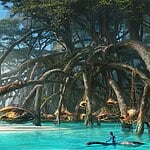
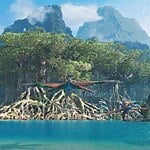
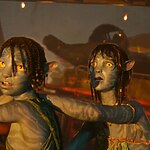
The Sully family seeks refuge in Awa’tlu, a beautiful reef village located on one of the islands belonging to an archipelago and built among mangroves. It is shown that this part of Pandora is inhabited by the Metkayina, a Na’vi clan whose every lifestyle aspect is attached to the rhythms of the waters. This species has a lighter blue skin and thick hands and tails adapted for swimming, unlike ‘Omatikaya’- the Forest People, who have thin tails and arms that support running and climbing, helping their survival in the forest.
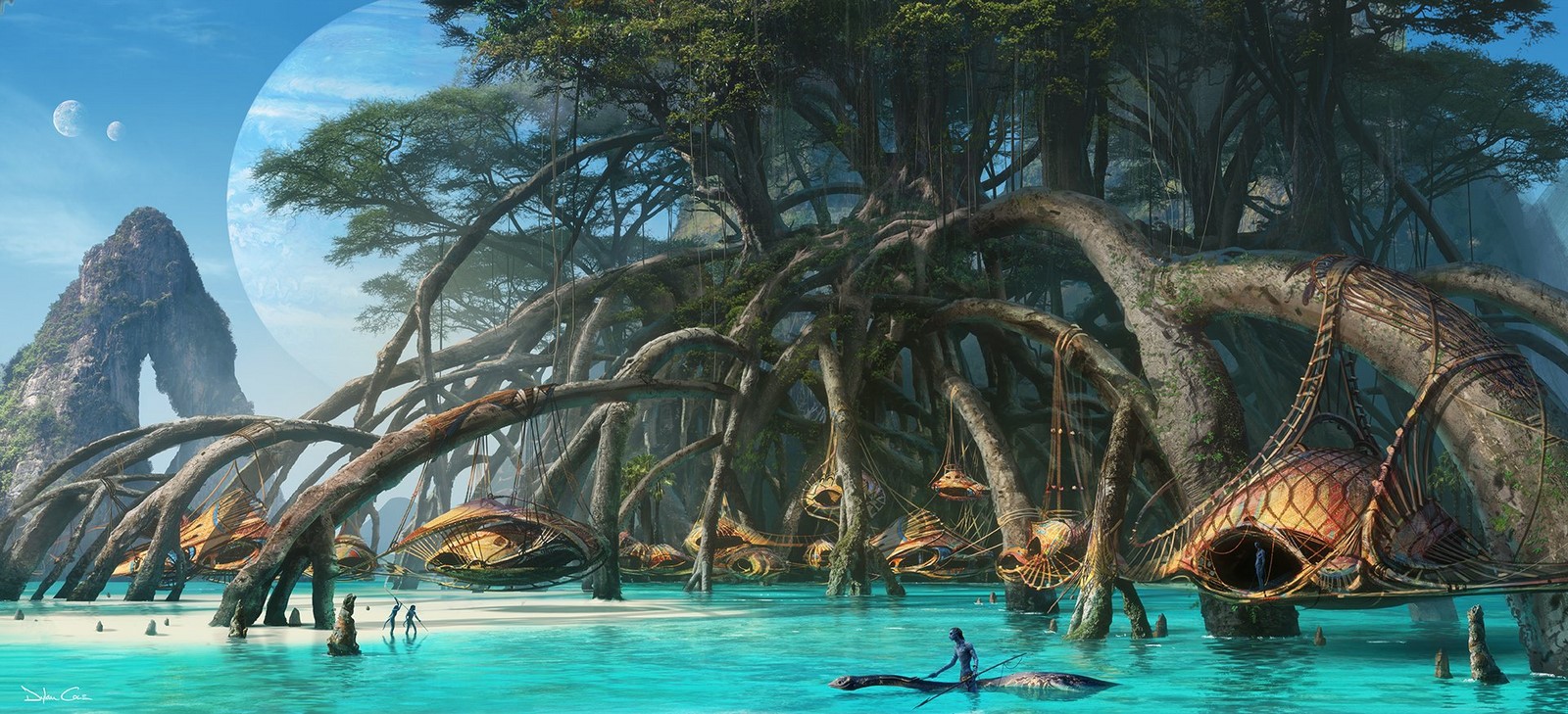
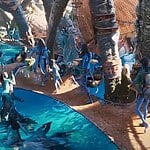
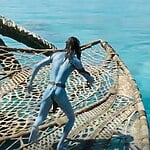
The village, designed as suspended from the roots of monumental mangrove-like trees, demonstrates how well the Na’vi integrate with their environment. Their communal spaces, walkways, and tarps exhibit tensile membrane architecture; and their homes- the Marui- are woven wasp-net-like structures. The designers were inspired by the coastal communities throughout the South Pacific, especially in Polynesia, Malaysia, and Indonesia.

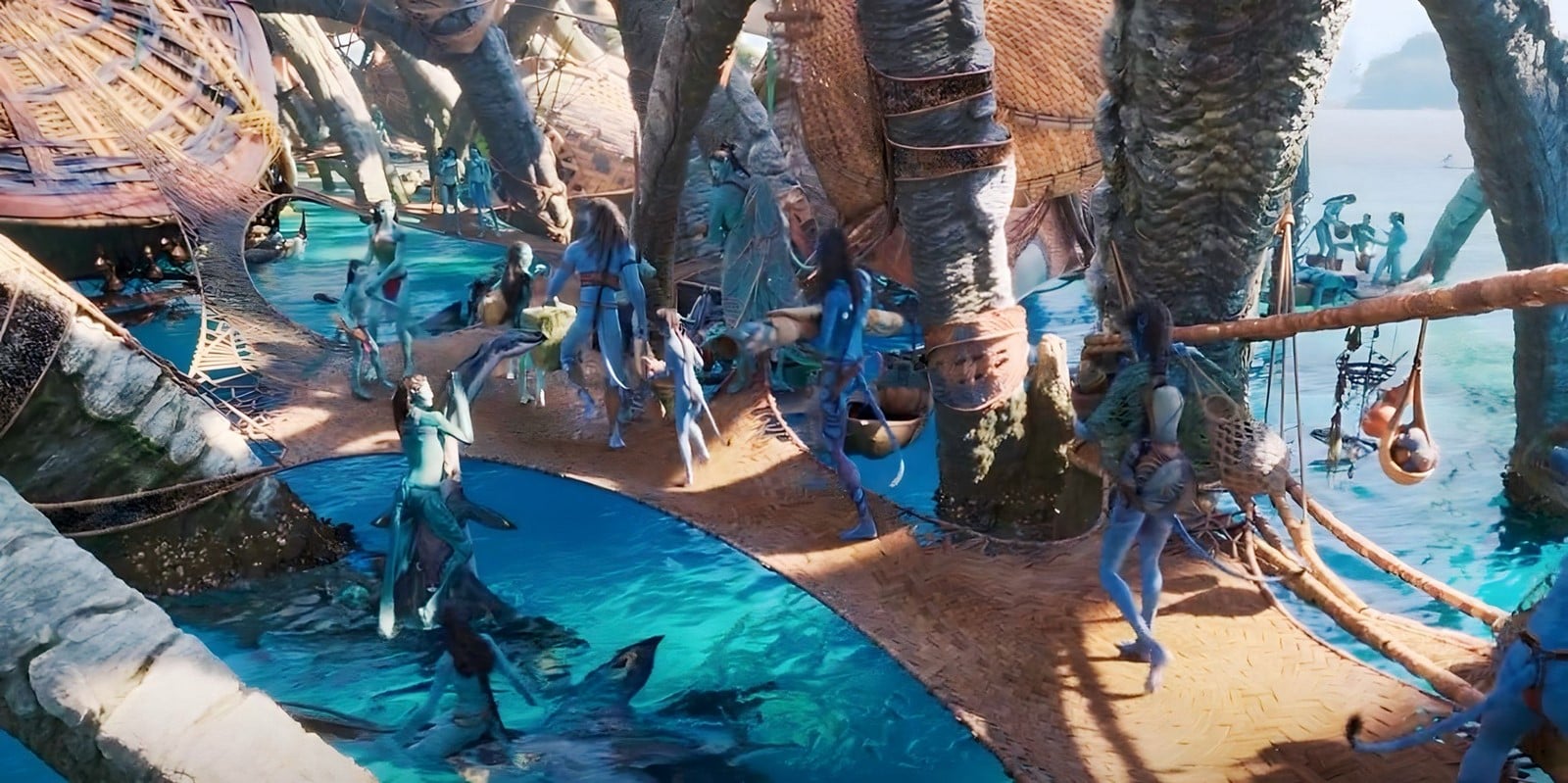
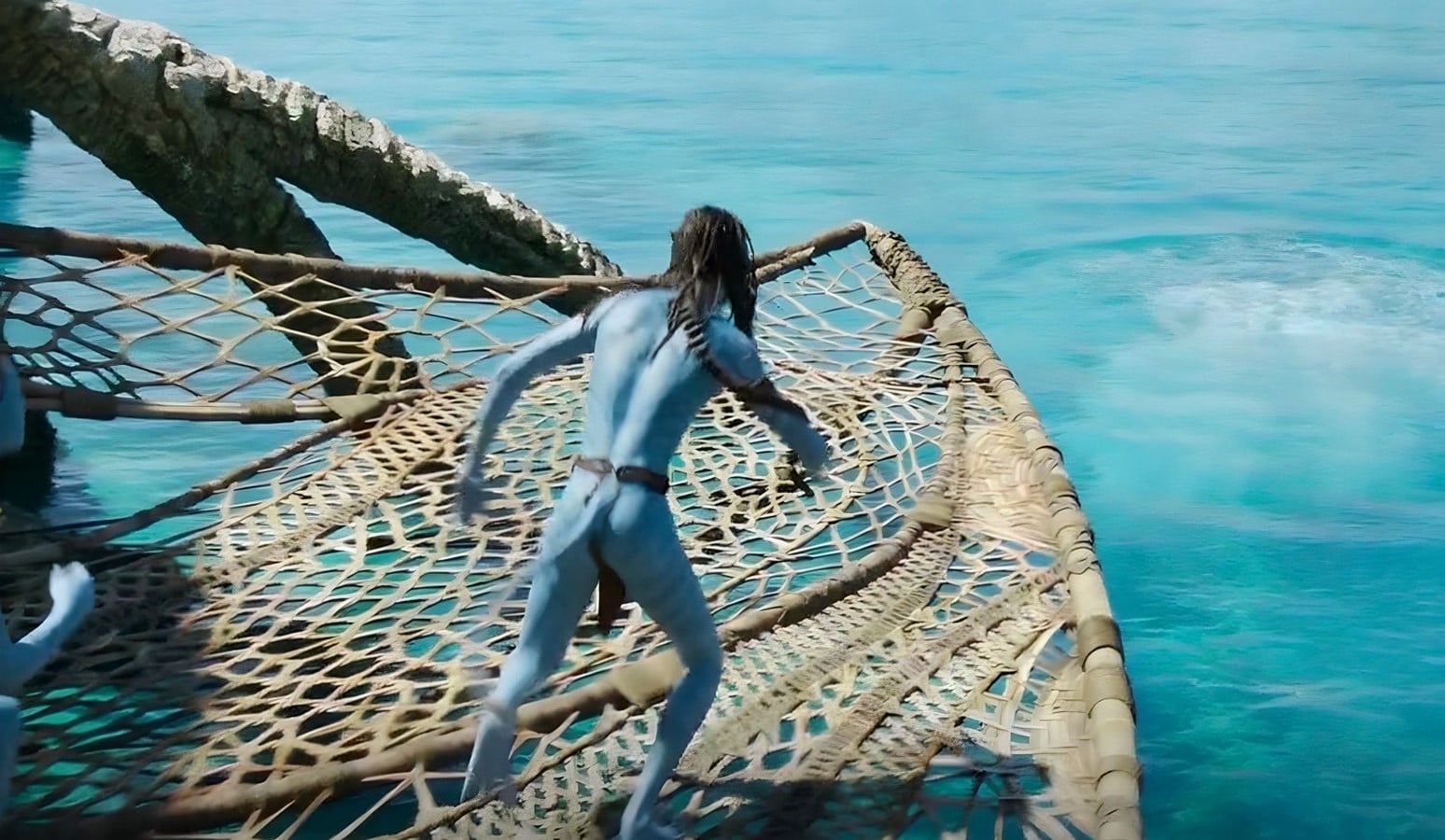
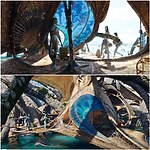
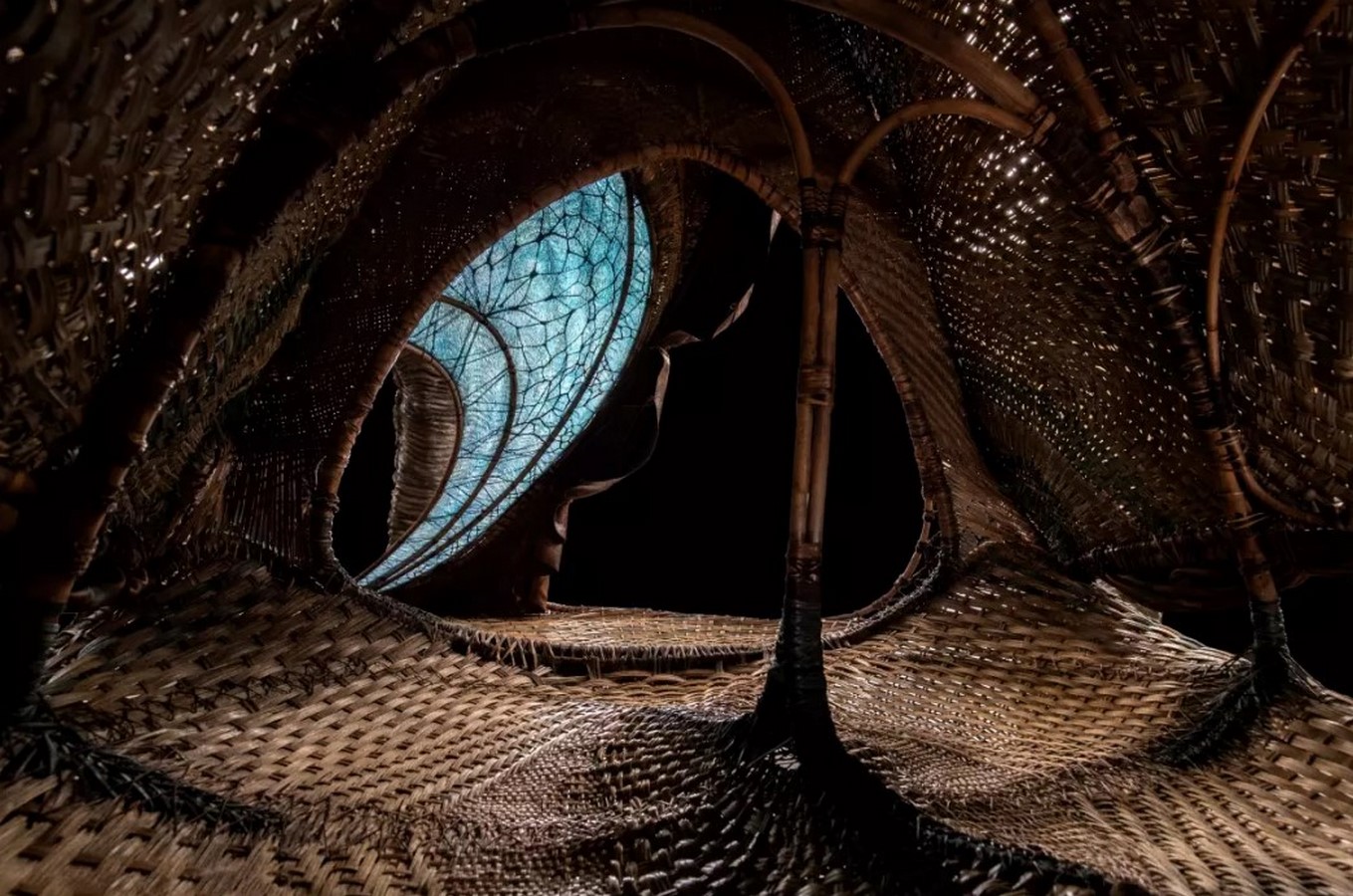
Their homes demonstrate the simplicity of Na’vi along with the adaptation of their lifestyle to the aquatic environment that is in perfect harmony with their environment. The Sully marui is a triangular woven structure with a turquoise blue sheath on the exterior, which beautifully corresponds with the ocean, an analogy of the sea welcoming them to their new home. The structure was built in scale by weavers under the direction of Dylan from bent cane, woven flax, and other natural materials at the Weta Workshop (image below) and incorporated into the film by 3D scanning.

The Earth People City- Bridgehead
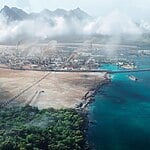
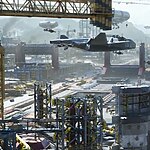
Bridgehead, also known as Bridgehead City, is a massive, city-like base established by the RDA near the Pandoran oceans. The city serves as the successor to Hell’s Gate, the RDA base featured in Avatar (2009), which is now a lab for human scientists who are Na’vi allies and are involved in studying Pandora. Bridgehead is the ground zero for human colonization of Pandora and the RDA’s aquatic operations. The city is circular with well-protected outer boundaries.
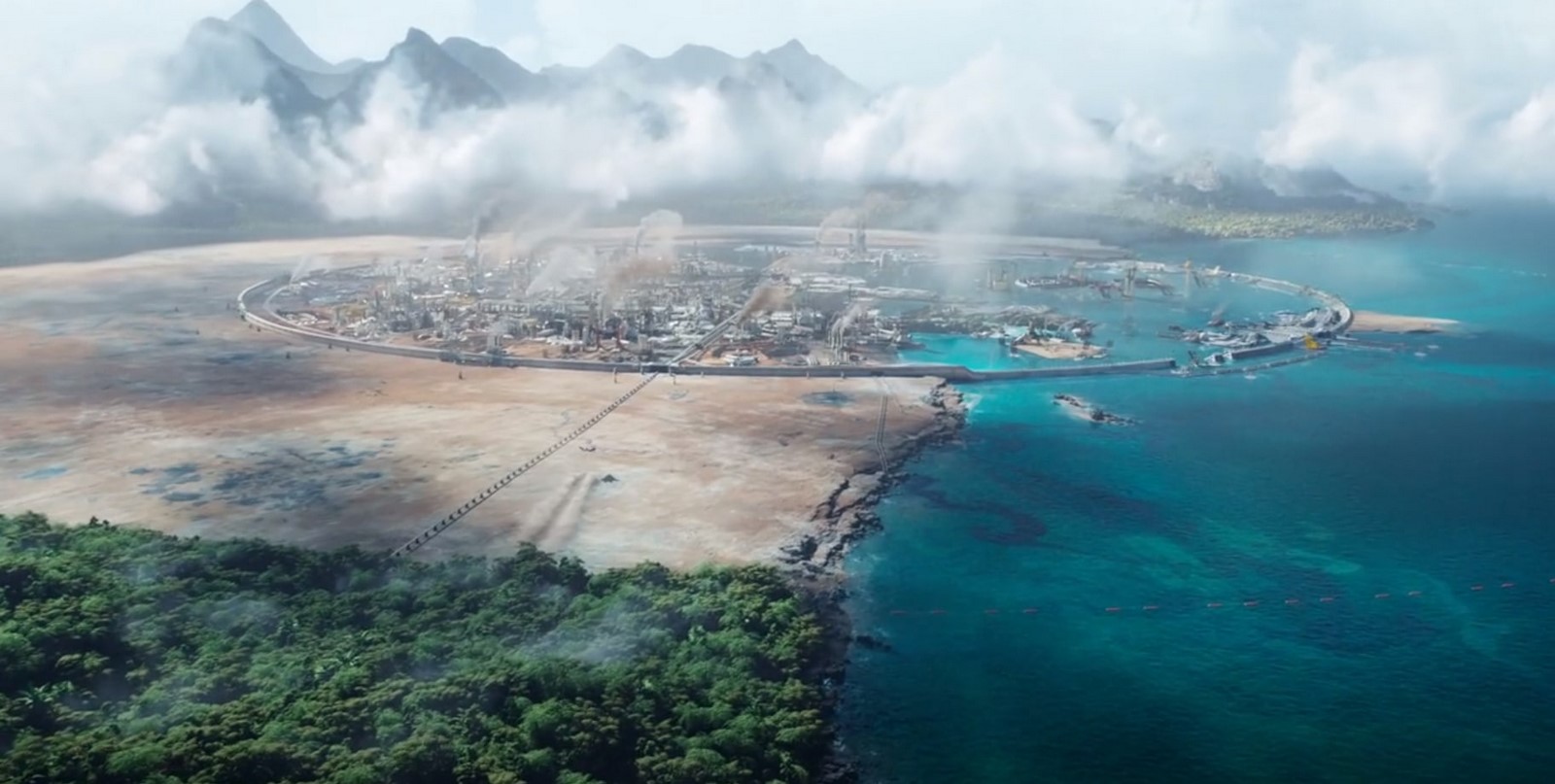
The city boasts ultra-capable large-scale 3D printing technology, by the use of which they have erected much of Bridgehead in just a year. As mentioned by General Frances Ardmore in the movie, thanks to their technology, in one year the RDA has achieved as much as they did in the last 30 years. Much of the construction work is seen to be entrusted to automatic construction robots, swarm assemblers like ‘Hexbots’, which can erect a complete building in just six days.
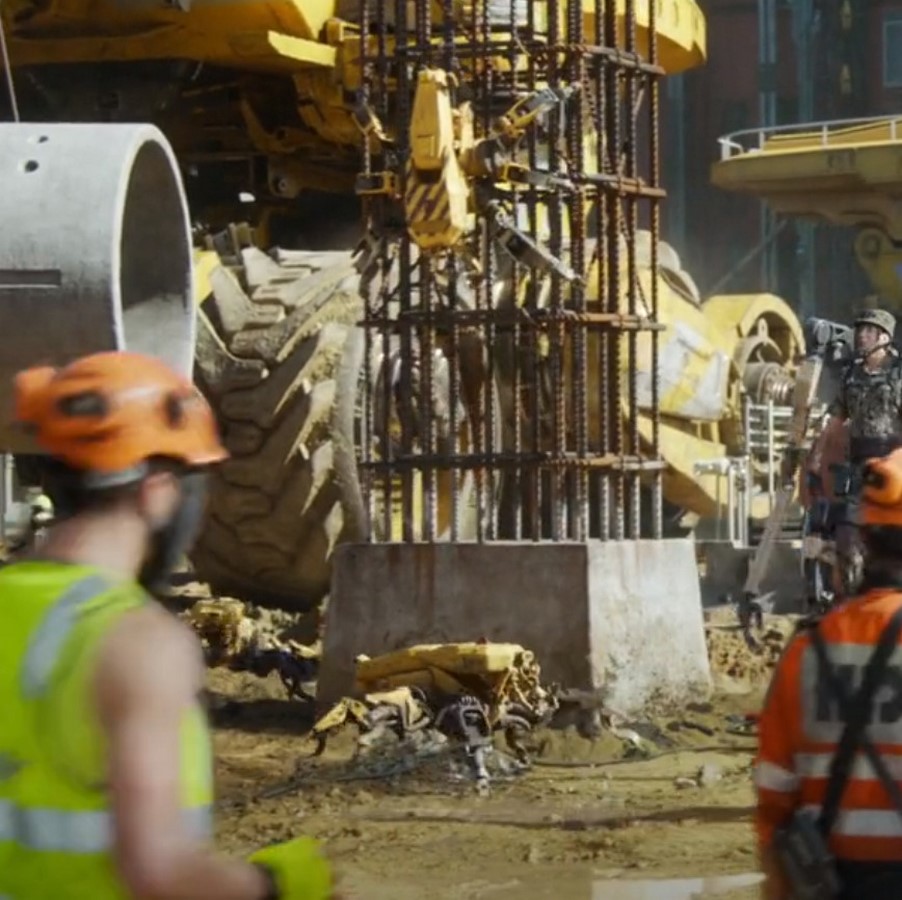

Hell’s Gate in Avatar (2009) consisted of the rugged brutalist concrete structures with container architecture we typically observe in Sci-Fi movies, emphasizing the evil interests of the dominant corporation. However, in Avatar: TWoW, it can be observed that the designer has embraced more light and incorporated it into the city layout. The streaks of bright yellow and an open sky (image below) contrary to the typical overcast sky and monotonous grey lend a more futuristic vibe to the layout.

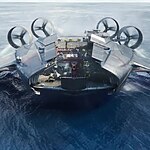
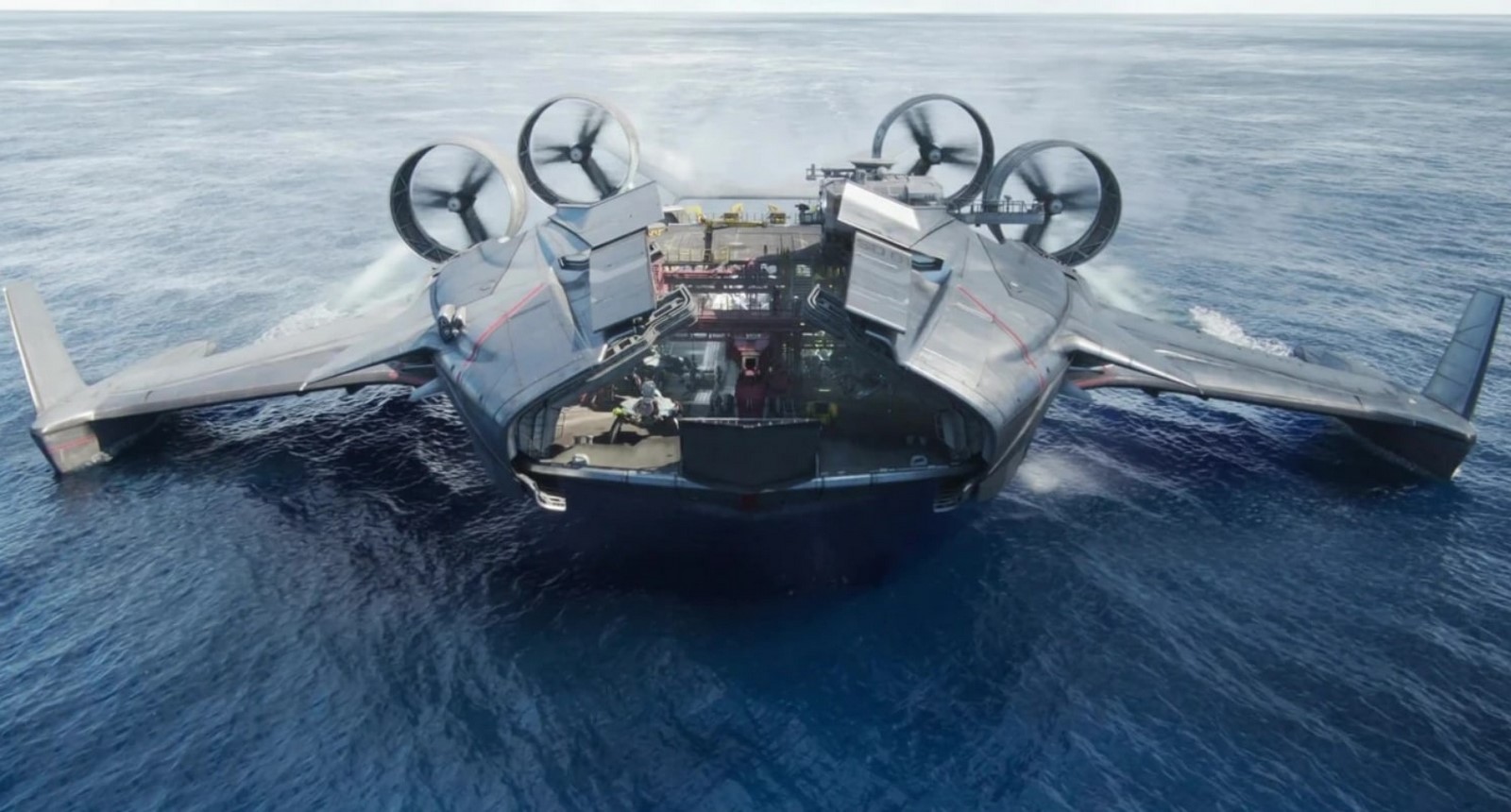
Apart from the city, another fascinating human design is that of the machines- the air, sea, and space-faring machines designed for the movie, like the Inter-Stellar Vehicle (ISV) in the first movie, which was based on sketches and studies by the director himself, and the ‘Sea Dragon’, a ship used to capture the Tulkuns- a whale-like animal in the Pandoran oceans- in The Way of Water. The level of detail in the creation and design of each of the vehicles is astounding. It can be seen that there is an added sportiness to the vehicles, which were predominantly grey and industrial in the prequel. The addition of colors and sleeker design gives a next-gen feel, stabilizing the fact that the movies take place almost two decades apart.

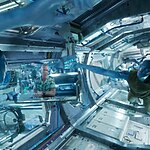
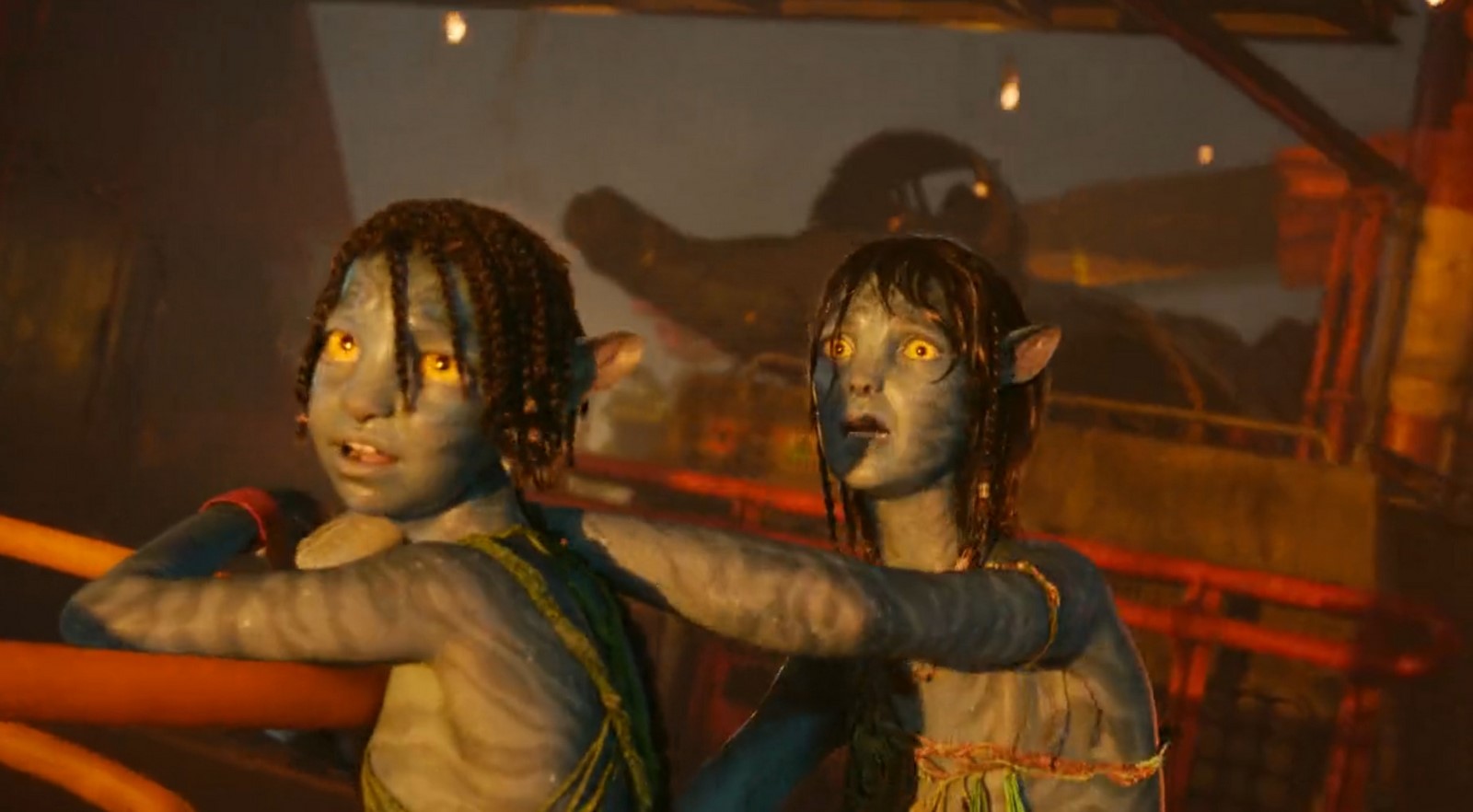
The emotional mood of a scene is achieved through the appropriate use of lighting and colors. For example, the interior of the ISV wing where ‘CryoSleep’ takes place (shown above) is a space where the characters go into a deep sleep while traveling from the Earth to Pandora. The cold neutral grey along with cerulean blue here and there gives the audience an impression of the ‘coldness’ of the space.
Conclusion: The deeper meaning
The movie ends on a slightly tragic note which is kind of predictable, but leaves the audience in anticipation for the coming parts. As stated before, the movie is a visually rejuvenating treat with each frame better than the previous one. The stunning visual effects and incredible design works provide the audience with an unforgettable experience.

The mixing of imagination with real science, which makes the movie both spectacular and relatable, is something to think about. Movies like Avatar offer an insight into the power of human imagination– the mental ability of our species to design in detail an entirely new universe with all laws of physics and biology intact is something truly awe-inspiring. Apart from the amazing visuals, the whole core of the story provokes thoughts on deeper topics. The creation of Pandora brought up issues like race, nativity, settler colonialism, environmentalism, and the alteration of planetary ecology on an alien planet initiated by humans. It is a portal to reflect on the events on our own planet- initiated by humans, harming humans and our planet. The harmony within their nature and the divine interconnectedness are all reminiscent of that on our planet, which is often overlooked. The Na’vi’s inherent harmony with and adaptation to their nature inspires deeper contemplation into our ways of living. Like all great works of science fiction, Avatar imagines our future in a way that spotlights our present and our past.
References
Ahuja, A. (2023, March 13). Books and Movies. Retrieved November 23, 2023, from StirWorld: https://www.stirworld.com/think-books-and-movies-dylan-cole-and-ben-procter-on-designing-the-world-of-avatar-the-way-of-water
Avatar Wiki. (n.d.). Retrieved from James Cameroon’s Avatar Fandom: https://james-camerons-avatar.fandom.com/wiki/Avatar_Wiki
Cameron, J. (Director). (2022). Avatar: The Way of Water [Motion Picture]. Retrieved November 22, 2023
Căplescu, O. A. (2015). Architecture in Science Fiction Movies. ICAR2015 Conference Proceedings (p. 10). Romania: “ION MINCU” – UNIVERSITY PRESS. Retrieved 11 24, 2023, from https://www.academia.edu/11672078/ARCHITECTURE_IN_SCIENCE_FICTION_MOVIES
Hart, H. (2023, February 27). Awards: Entertainment Arts. Retrieved November 23, 2023, from Los Angeles Times: https://www.latimes.com/entertainment-arts/awards/story/2023-02-27/prduction-design-2023-oscar-nominees-avatar-elvis-fabelmans-all-quiet-babylon#:~:text=’Avatar%3A%20The%20Way%20of%20Water’&text=Designer%20Cole%20says%2C%20%E2%80%9CWe%20explored,woven%20w
Niola, G. (2023, March 06). Domus for Design. Retrieved November 24, 2023, from Domus: https://www.domusweb.it/en/design/2023/03/06/the-world-of-avatar-is-an-incredible-design-work-applied-to-nature.html
Procter, B. (2023, June 30). Avatar The Way of Water Production Designer On Melding Reality & Fantasy. (J. Deckelmeier, Interviewer) Retrieved November 23, 2023, from https://screenrant.com/avatar-way-water-production-designer-ben-procter-interview/
Shone, T. (2022, 11 4). Films. Retrieved from The Guardian: https://www.theguardian.com/film/2022/nov/04/storytelling-has-become-the-art-of-world-building-avatar-and-the-rise-of-the-paracosm
Images
- Some of the fantasy worlds in movies: ‘Middle-earth’ from ‘Lord of the Rings’, ‘Oz’ from ‘The Wizard of Oz’ and the ‘Wizarding World’ from The Harry Potter Series_ © collider.com
- Pandora at night_© Dylan Cole Studio
- Sunset in the Metkayina Village of Awa’tlu_ © 20th Century Studios/Disney
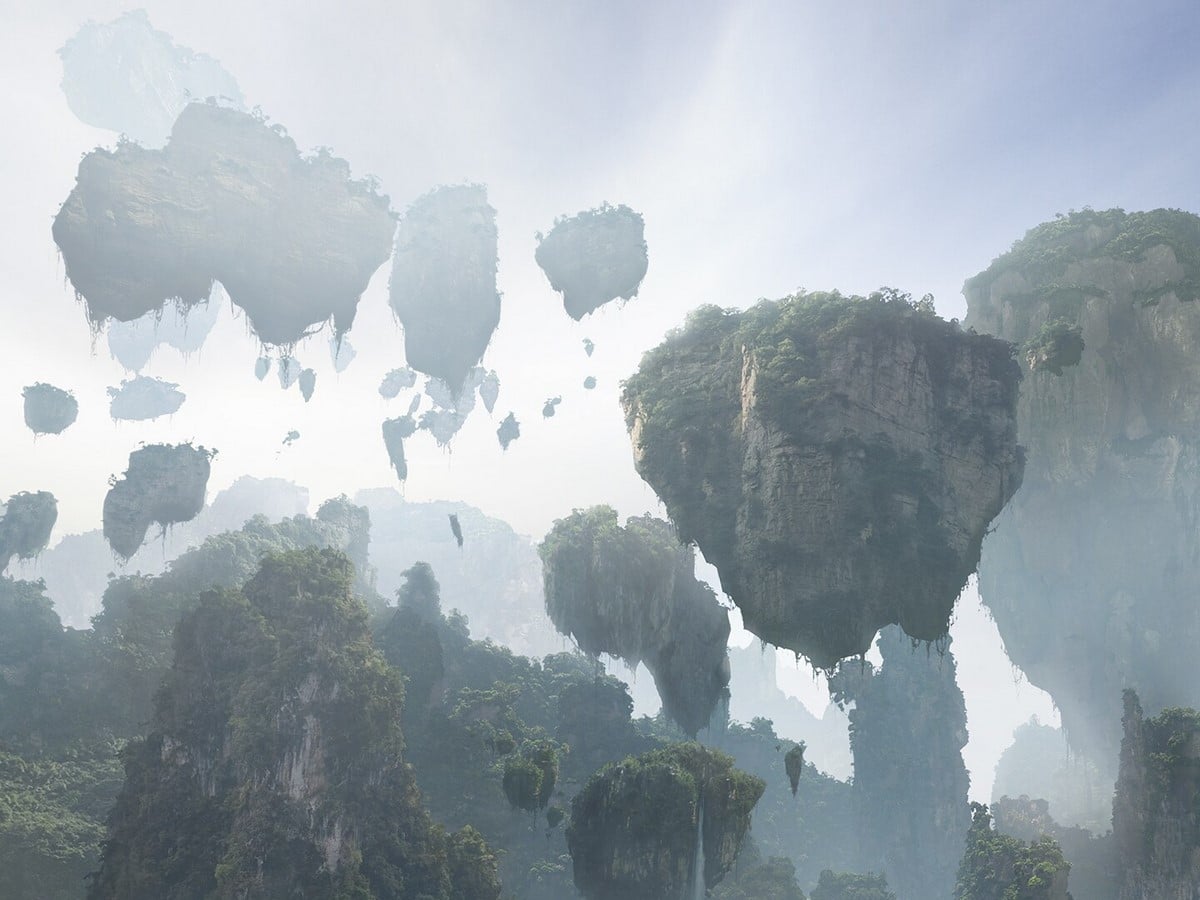
- Hallelujah Mountains or the floating mountains of Pandora, one of the environments of the Omatikaya clan_© Avatar.com
- Concept art of Awa’tlu – Village of the Reef people_© Dylan Cole Studio
- First look of Awa’tlu in the movie_ © 20th Century Studios/Disney
- Still from the movie showing the woven walkways of the Metkayina_ © 20th Century Studios/Disney
- intricately woven deck-like spaces_© 20th Century Studios/Disney
- Real model of Sully’s Marui built by weavers under the direction of Dylan Cole_© 20th Century Studios
- Sully house in the movie- interior (above) and exterior (below)_ © 20th Century Studios/Disney
- Aerial view of Bridgehead city in the movie_© 20th Century Studios/Disney
- Hexbots in construction_© 20th Century Studios/Disney
- Building with 3D printing in Bridgehead_© 20th Century Studios/Disney
- An internal aerial view of the city_© 20th Century Studios/Disney
- Sea Dragon_ © 20th Century Studios/Disney, from www.james-camerons-avatar.fandom.com
- Interior of the ISV, where Cryo Sleep takes place_ © 20th Century Studios/Disney
- The use of red in the design adding to the emotion of the scene in the climax_© 20th Century Studios/Disney
- Incredibly realistic visual effects: the ocean at night in Avatar: The Way of Water_ © 20th Century Studios/Disney