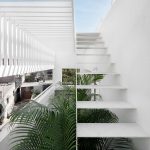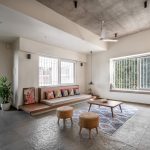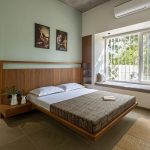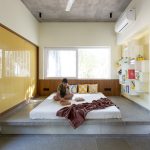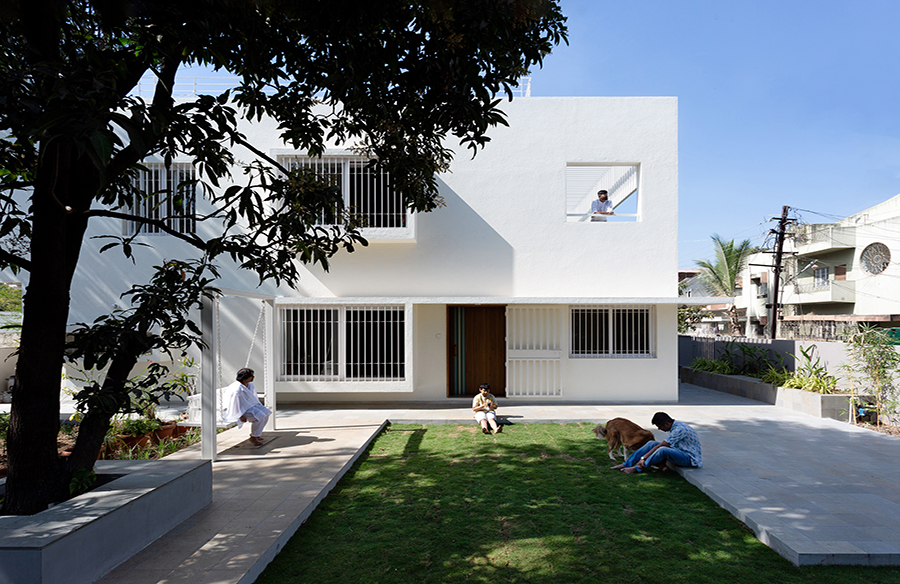
Set within a canopy of mature trees, The Nook House unfolds as an exemplar of quiet elegance, where thoughtful design meets the essence of affordable luxury. Conceived for a family of three with a pet, the home is rooted in Vastu principles and crafted with care, proving that modest budgets need not preclude spatial richness or a sense of refinement.
Project Name: The Nook House
Studio Name: Z- Design Studio
Project location: Solapur, India
Completion Year: 2022
Gross Built Area: 2650 sqft.
Site area: 4000 sqft.
Photo credits: Pranit Bora
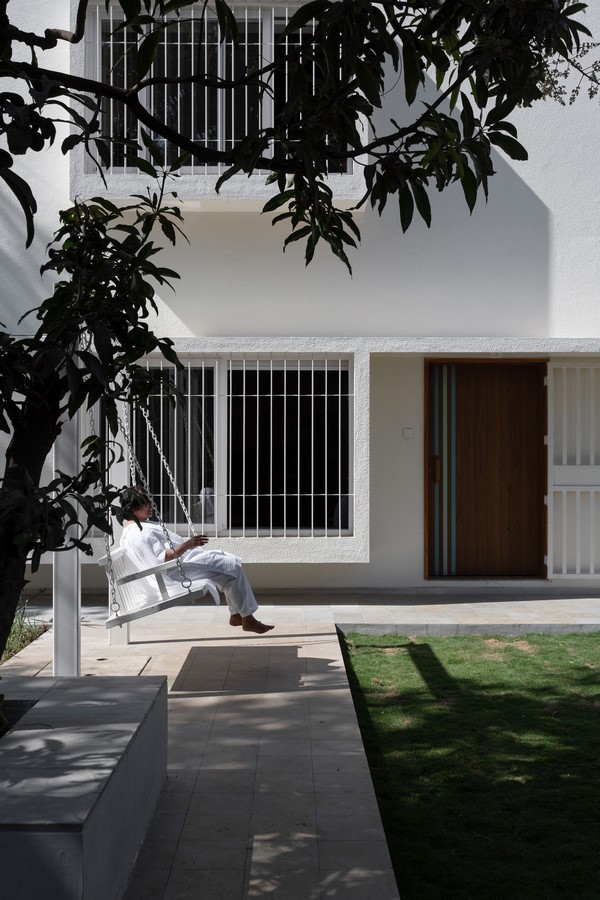
At the heart of the design was a clear, uncompromising decision: every tree on the site would remain untouched. This commitment shaped the home’s orientation along the western edge, releasing the north and east to gardens, breeze corridors, and filtered daylight. Rather than assert itself, the architecture yields to its surroundings and embraces the land and its rhythms.
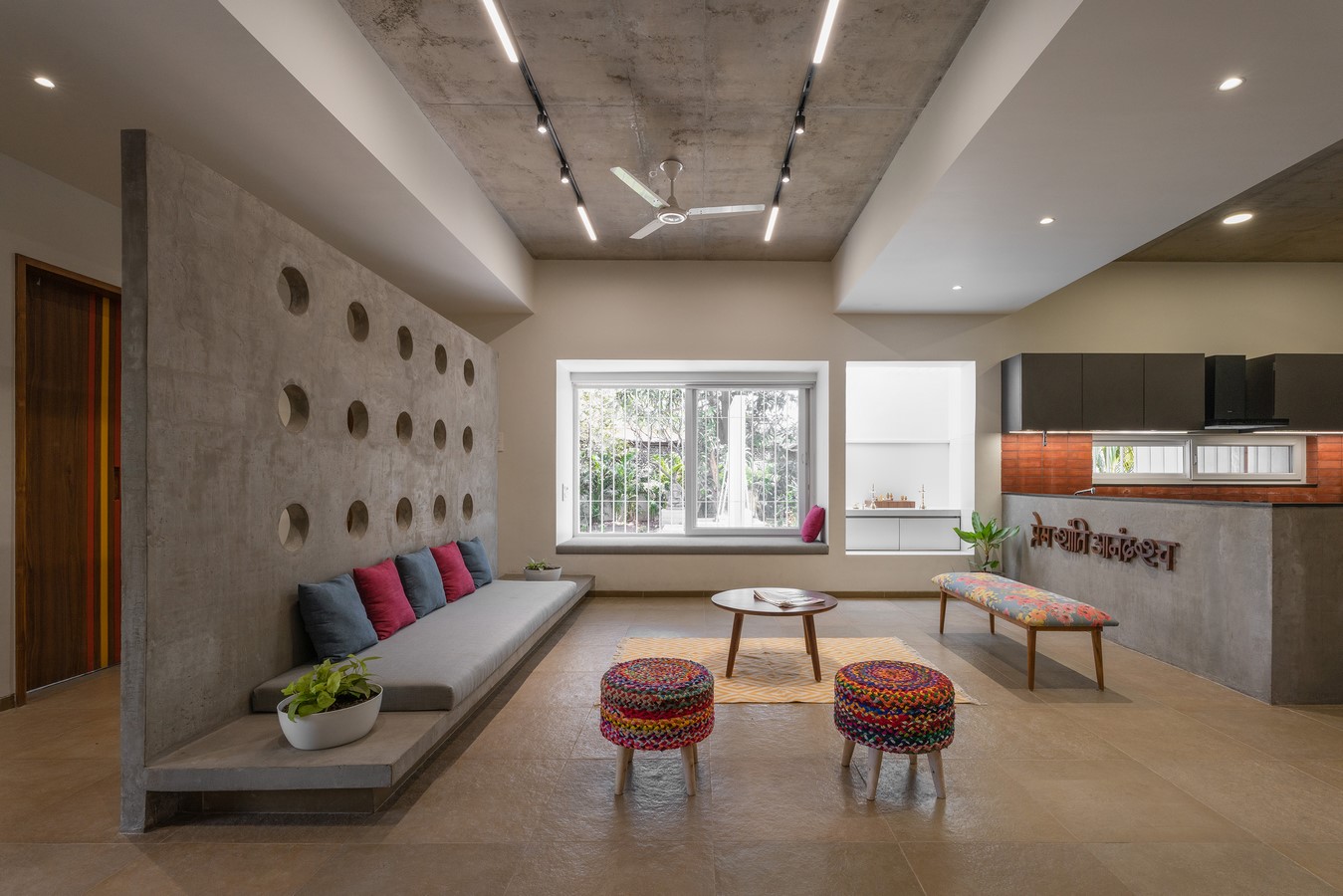
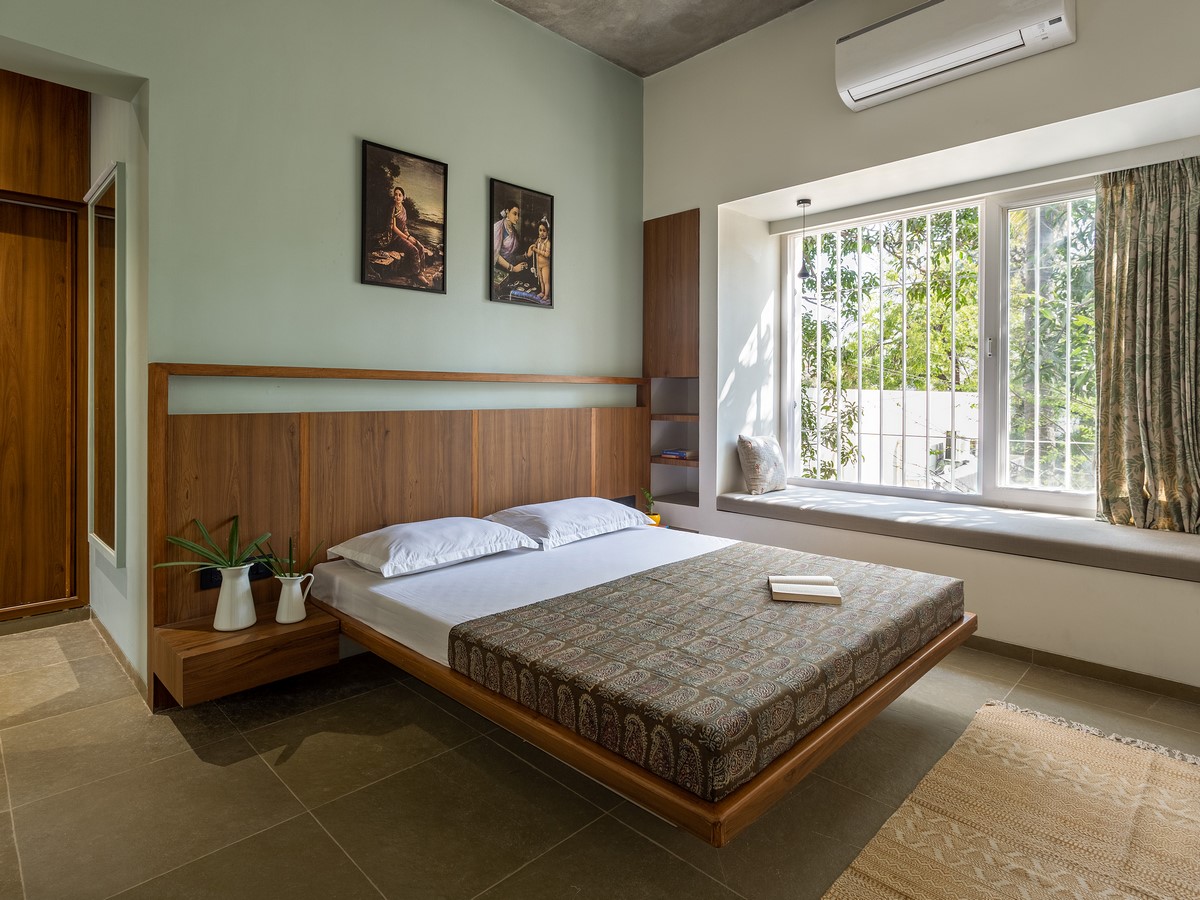
Occupying a compact 1200 square feet ground floor and a built-up area of 2650 square feet, the house is layered with spatial generosity. A tactile, locally grounded material palette including exposed RCC pardi, Shahabad stone, and reclaimed wood offers quiet richness without excess. Passive cooling strategies, such as a wind-assisted ventilation shaft and shaded voids, reduce dependency on mechanical systems while enhancing comfort.
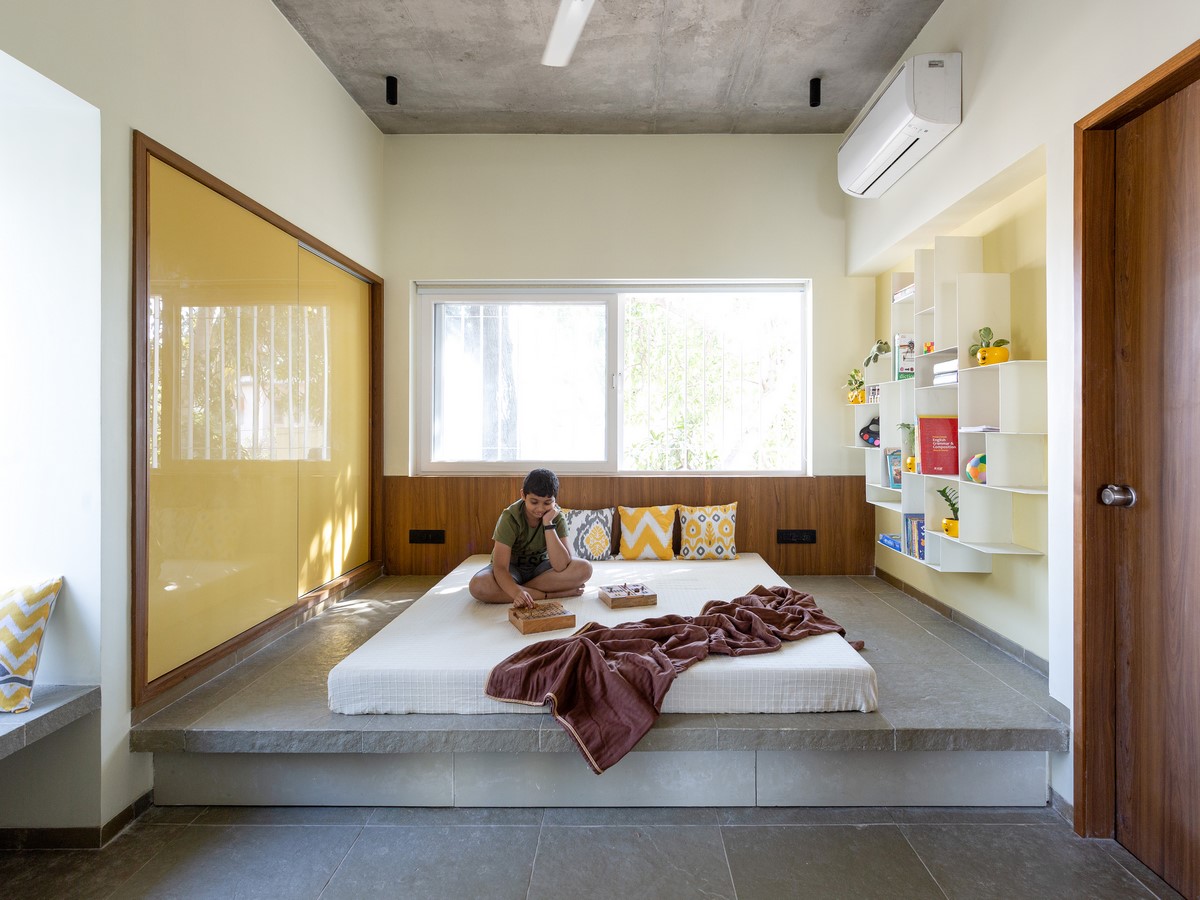
Programmatically, the home flows from outside in. At ground level, the house is a social and guest space that spills into the landscape, while the upper floor is organized around an informal lounge and terrace that encourage movement and pause. Custom-crafted furniture, native planting, and a restrained interior palette create an atmosphere that is both composed and deeply lived in.
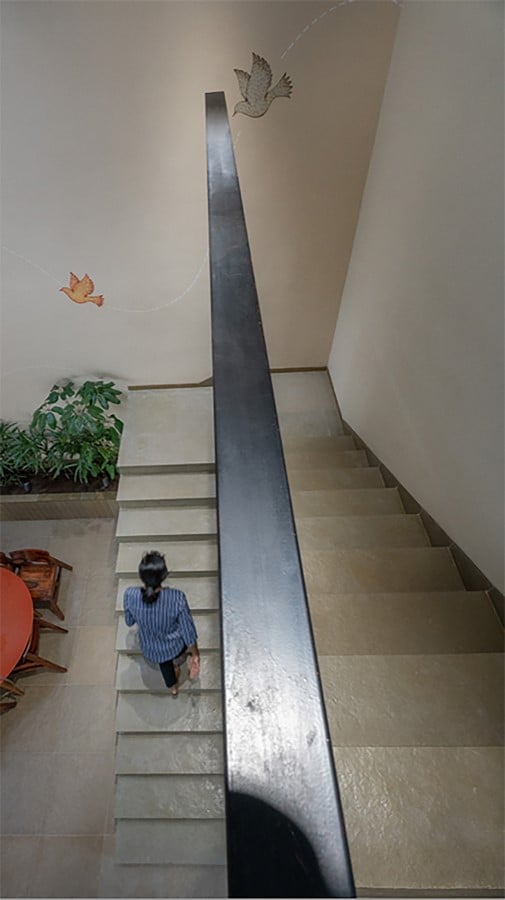
The Nook House reframes luxury as something experiential rather than ornamental. It finds depth in simplicity and richness in restraint, reminding us that a well-considered home, when rooted in context and shaped by nature, can offer a kind of luxury that money alone cannot buy.