Architects, more often than not, proactively claim that they view and experience spaces and buildings around them differently; something a layman to the field might not be able to observe or understand. They tend to talk about the intangibles associated with a space, the concept behind a certain built mass, or the deeper intent behind creating them. All of this may seem a bit too much for the people around them with no background in the field.
But this article puts forth the author’s view on this ‘habit’ that all architects seem to have around you. As an architect himself, the author has noticed that people around him, even family members (if they aren’t from a similar background), may tend to find you very ‘philosophical’ or a ‘deep thinker’ just because you are able to observe the characteristics of a built mass and the surrounding spaces.
Before studying Architecture, a city, a street, a park, a tall apartment building, and such are just what they are. A layman to the field might not even think twice about the aforementioned built or unbuilt elements around them, even though these elements shape their everyday lives unknowingly.
But for Architects, somewhere between sketchbooks, site visits, sleepless studio nights, and endless critiques, a shift in perception occurs. The world outside stops being ordinary through their perspective. They begin to notice things that they just passed by before. Now, a wall is no longer just a room separator, a bungalow is no longer just a structure for residence, and a roof is no longer just a covering. They all carry deeper meaning to them, an intent behind their usage, and a silent impact they have on our lives.

The Moment when Spaces begin to Speak
Most architecture students encounter experiences in their formative years, wherein they begin to realize that built and unbuilt elements carry a certain depth and meaning to themselves. And once you start realizing this, there is almost no going back. For example, you start observing movement or circulation inside an apartment or institution and correlate it with how the walls have been placed, which assists this movement through the building. Similarly, openings aren’t just cut-outs in the wall now, because you understand that the architect might have wanted to frame views through this opening, or bring in adequate light and provide ventilation. You understand just by looking at the size of the opening which of these might have been the most important to the architect. This is because, for good architects, every detail matters, and these must be intentionally executed in the right way.
Once these realizations come, your perception has changed forever. What changes as you study further and gain experience in the field is the further refinement of this perspective wherein you are able to understand questions like; what has the architect tried to achieve through his intervention, what were the concerns of the context that he has addressed, how does a certain space seem very comfortable and intentional while some are just leftover dead spaces and many more.
There is a realization that good architecture, when understood correctly, reveals itself not as an object but as a series of experiences carefully shaped by intention and decision.
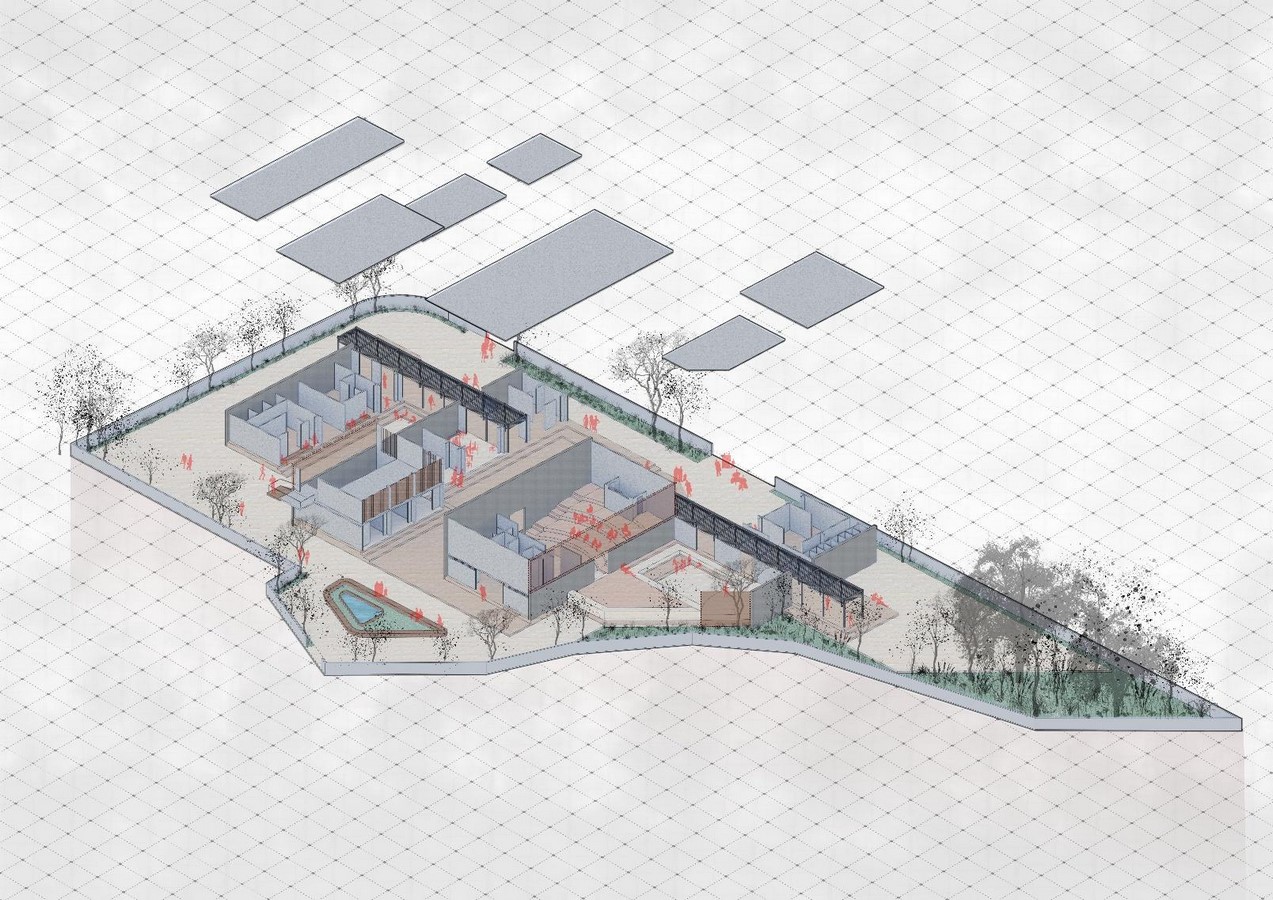
Discovering the power of the Unbuilt
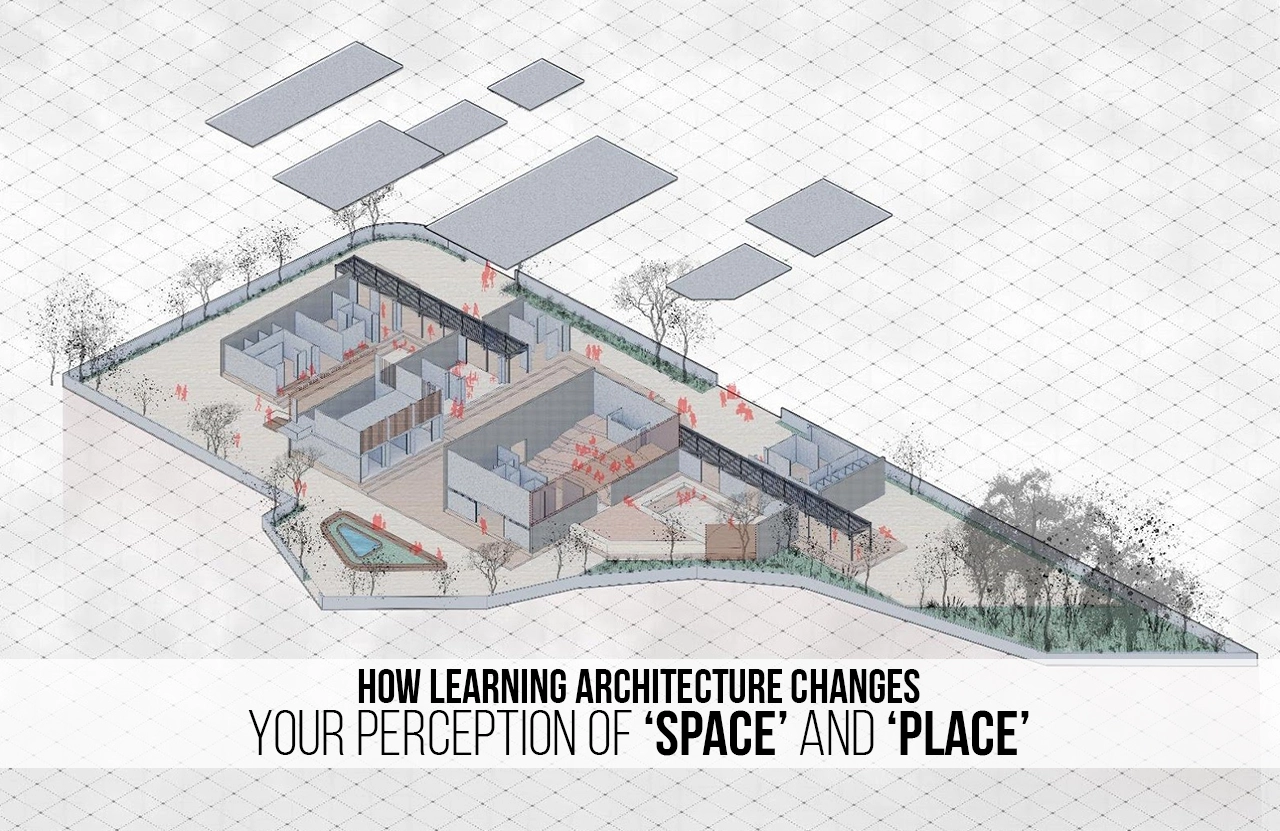
One of the most surprising lessons in architecture is realizing that what is not built (space) is just as powerful as what is built and right in front of you. In fact, these spaces, if designed intentionally and put to good use, often become the characteristic feature of the adjoining built mass, making it more livable, user-friendly, and contextually appropriate. For example, spaces like a courtyard or a public plaza in an urban context are spaces that uplift the surrounding programmatic spaces, enhancing their functionality and even aesthetics.
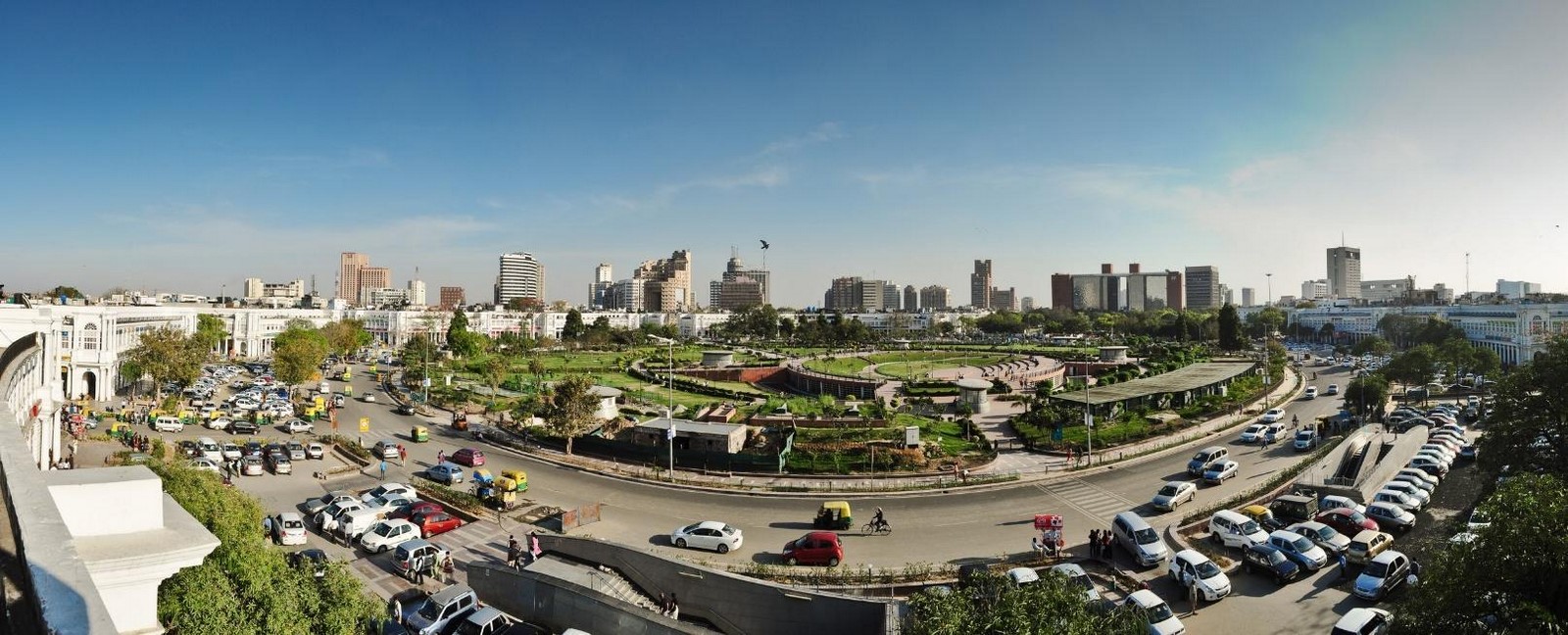
Architecture teaches you that spaces aren’t just created as something leftover after designing the entire built mass. Instead, even these voids need to be intentionally designed and incorporated such that they support the built mass. To take this a step ahead, if these spaces are analyzed carefully, they always reflect the ideology of the architect and the concept or deeper intent that they might have had behind making the built mass. This is because when an architect designs a structure, they usually have a brief about the required programmatic spaces from the client, but the ‘non-programmatic spaces’ they incorporate in their built form are completely at their own discretion and intention. Hence, an architect’s vision can be observed or felt through these spaces more naturally.
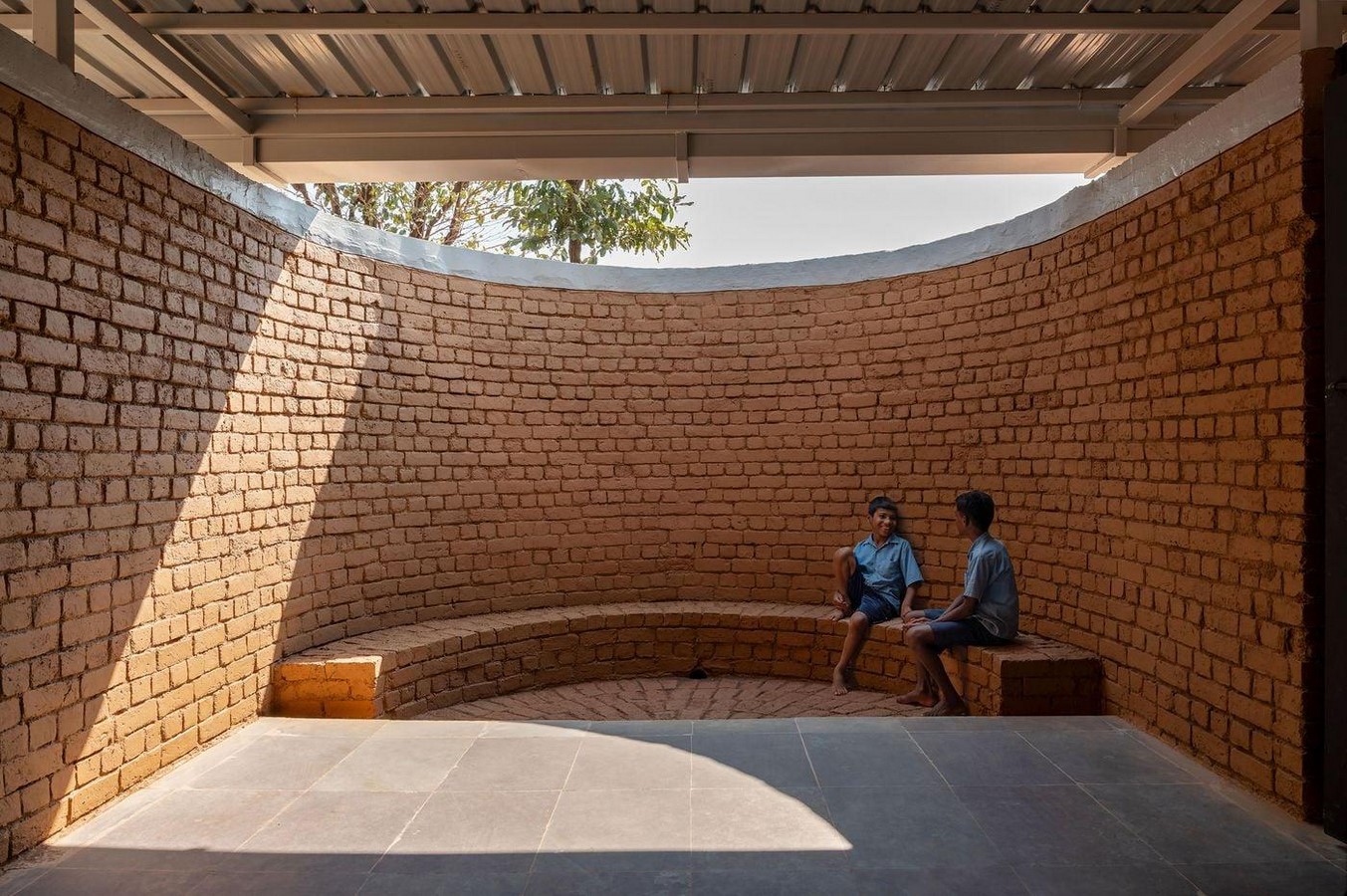
Learning to Read the Invisible
To learn to read spaces and the built environment around you, it is important to first start noticing these around you. If you change the perspective with which you view the architecture present around you, you are bound to observe and notice things like an architect would. It wouldn’t be a spontaneous change but it’s more like acquiring a new skill. One needs to have the curiosity to know what a space tends to do other than just serve its programmatic intent for which it was designed. What could be the intangibles associated with these spaces? How does it make its users feel? Or something like how does a certain building you like meet the ground? How does it respond to its immediate context? The examples could be endless.
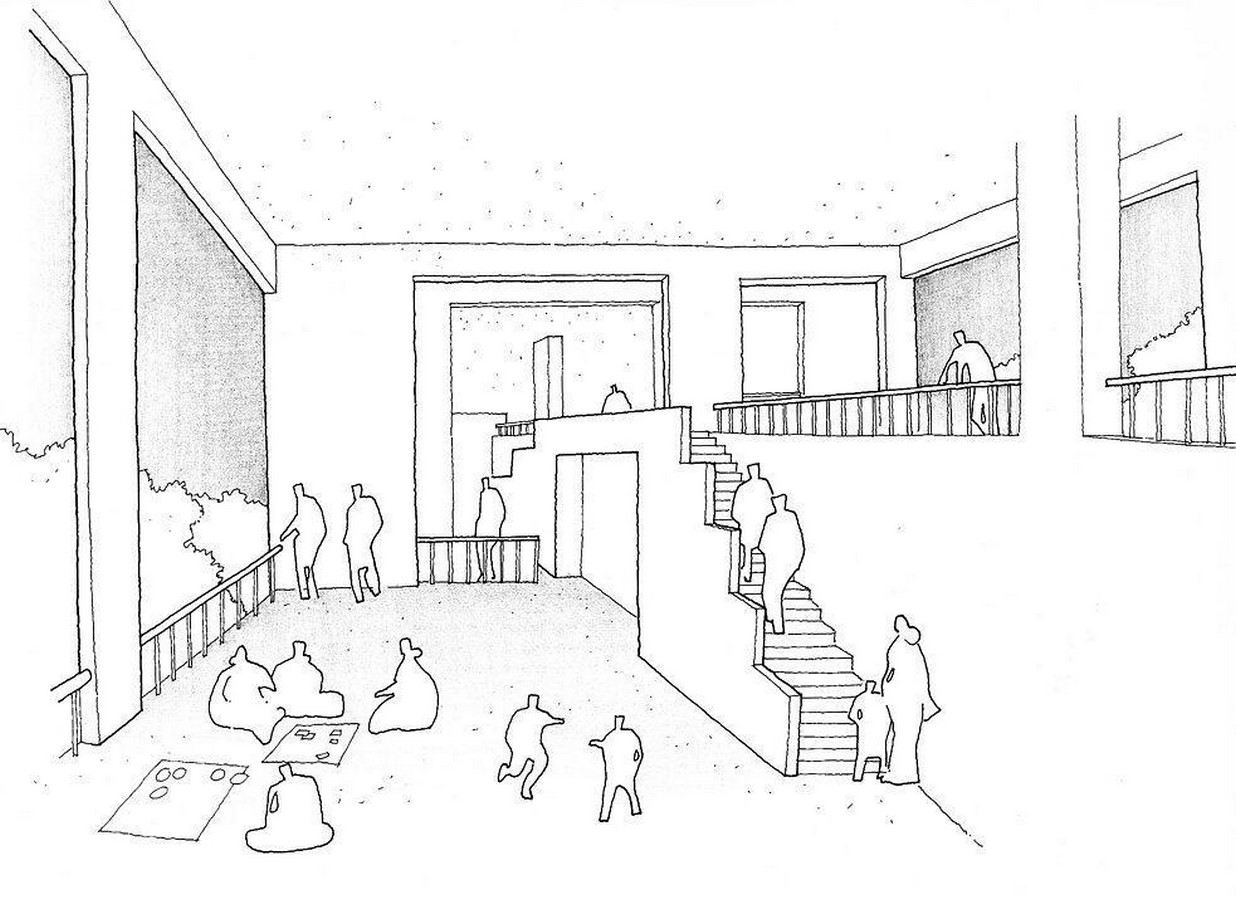
The shift really occurs when one begins to understand buildings as processes, not objects. The buildings around us are an outcome of multiple iterations of thought and action, of not only the architect but the entire construction crew as well, that come together to realize an architect’s dream. Behind every executed detail lies a negotiation between multiple factors like climate, material expression, economics, labour skillfulness, time, and the list goes on.
This awareness within people deepens respect for the built environment and those planning for it. Even ordinary buildings begin to carry traces of ideas and learnings, and thus have the potential to become an inspiration for your work. This is how asking the right questions, observing the world around you through a keen yet curious eye, can lead you to develop a permanent shift in the perspective through which you view the world around you. This wouldn’t just change the way you think but will help you in your designs, your work, provide clarity during moments of negotiation, and an opportunity to learn from mistakes already committed in the built environment around, so that they aren’t repeated further by you. If only you care to look around and observe.
And perhaps the biggest realization would be that the environments we inhabit aren’t neutral. They shape how we move, interact, gather, and remember. Architecture rarely announces these effects loudly, yet they shape the human experience in more ways than we can comprehend.
Learning Architecture simply opens up one’s eyes to this reality.
Note: This is a completely self-written article. NO particular references used.