Buildings and their architecture have always reflected the values, fears, and aspirations of their time. From hunting animals to use their remains in constructing huts to today’s glass giants skyscrapers, evolution truly has enabled architecture to travel through various ecological timelines. The future of architecture is inseparable from its past. Traditional practices across cultures were deeply responsible for climate, material, and social structures. Before modernization, buildings were inherently sustainable, using locally available resources and passive design strategies.
In the present context, they are mostly associated with standardization, expansion, and consumption. Yet in an era defined by climate instability and ecological degradation, the future of this discipline is compelled to reconsider its foundational purpose. In this framework for the future, buildings act not only as isolated objects but as active participants in the ecological system. From regenerating the urban landscape to restoring biodiversity within urban settings, the future focuses on creating spaces that foster belonging.
Moving Beyond Sustainability
Sustainable design emerged as a response to today’s crisis, advocating for consumption, repetition, and biodiversity loss. It aims to lower energy use, reduce waste, and cut carbon emissions. These efforts are important, but they often focus on minimising damage rather than fixing what has already been harmed. It’s about recognizing that buildings and the built environment do not simply exist for the visual construct, but are living and breathing entities that communicate with us on a much deeper level.
The future of architecture will likely focus on reducing environmental impact while enhancing ecological values. For that, sustainability must go beyond maintenance. The concept of ecological remediation proposes a more urgent and transformative discipline that fixes what has already been harmed.
Restoring the urban landscape
In practice, architecture as ecological remediation addresses buildings as ecological infrastructure. Instead of them being separate, it integrates them, nature and structure.
Dr.Ken Yeang believes that through distinctive green aesthetics and ecology-based approach, we can integrate nature in every modern structure, making it not only eco-friendly, but also elegant, which will lead the way to bring out the perfect balance between nature and design.
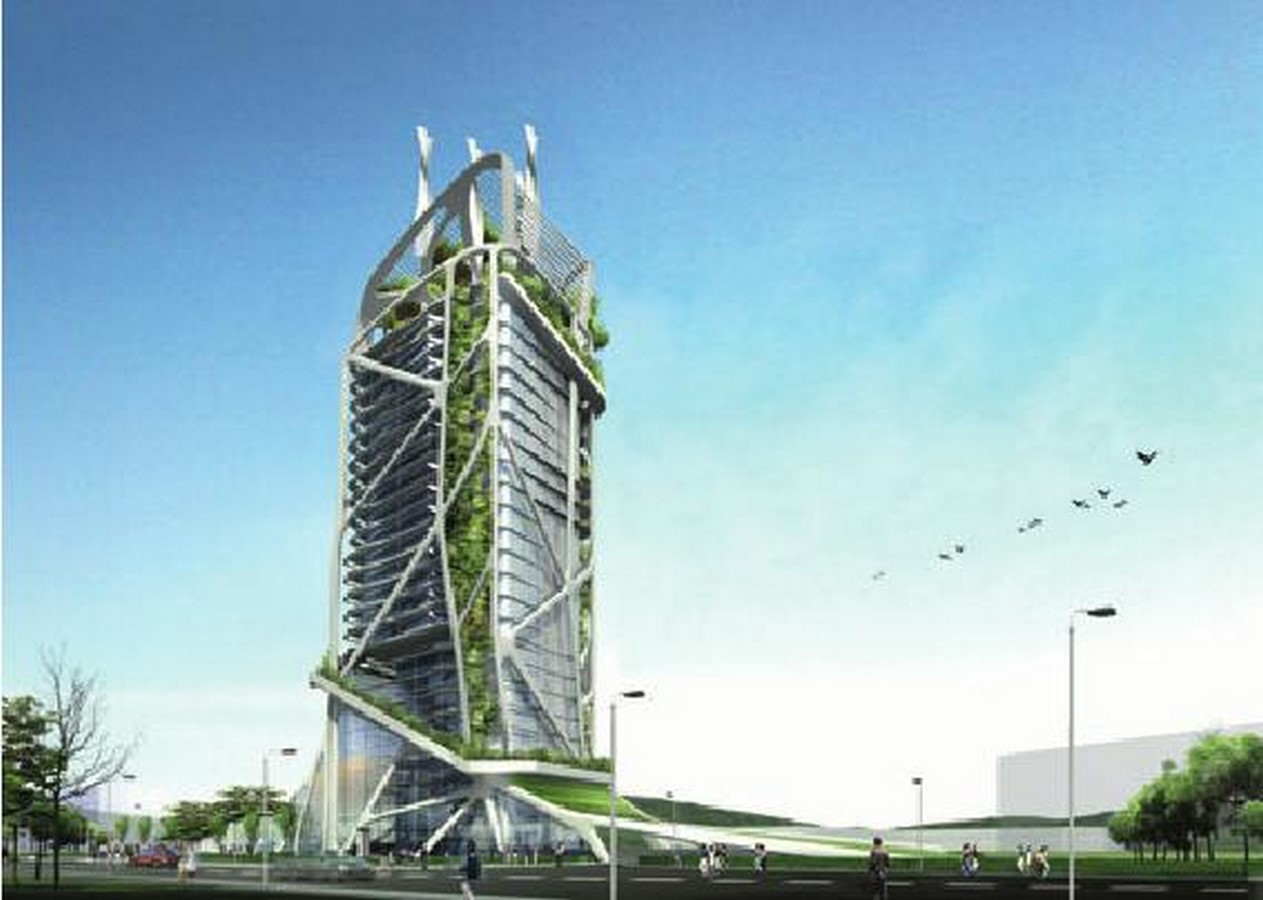
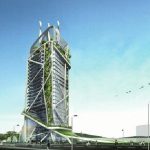
This project by Dr. Yeang, the site edge is planted with hardy trees and plant species indigenous to Chongqing, with the landscaping continuous from street level to the base of the office tower, which is conceived as a vertical extension of the roof garden above the exhibition hall. A spiral planter system encircles the tower, bringing vegetation to the summit where there are four wind turbines. These examples show how architecture can repair ecological systems while also serving communities.
In South Asia, ecological remediation is increasingly visible in river and wetland restoration projects. Abandoned industrial sites, polluted land, and unused infrastructure are being transformed into green spaces.
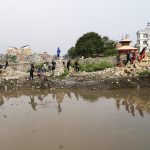
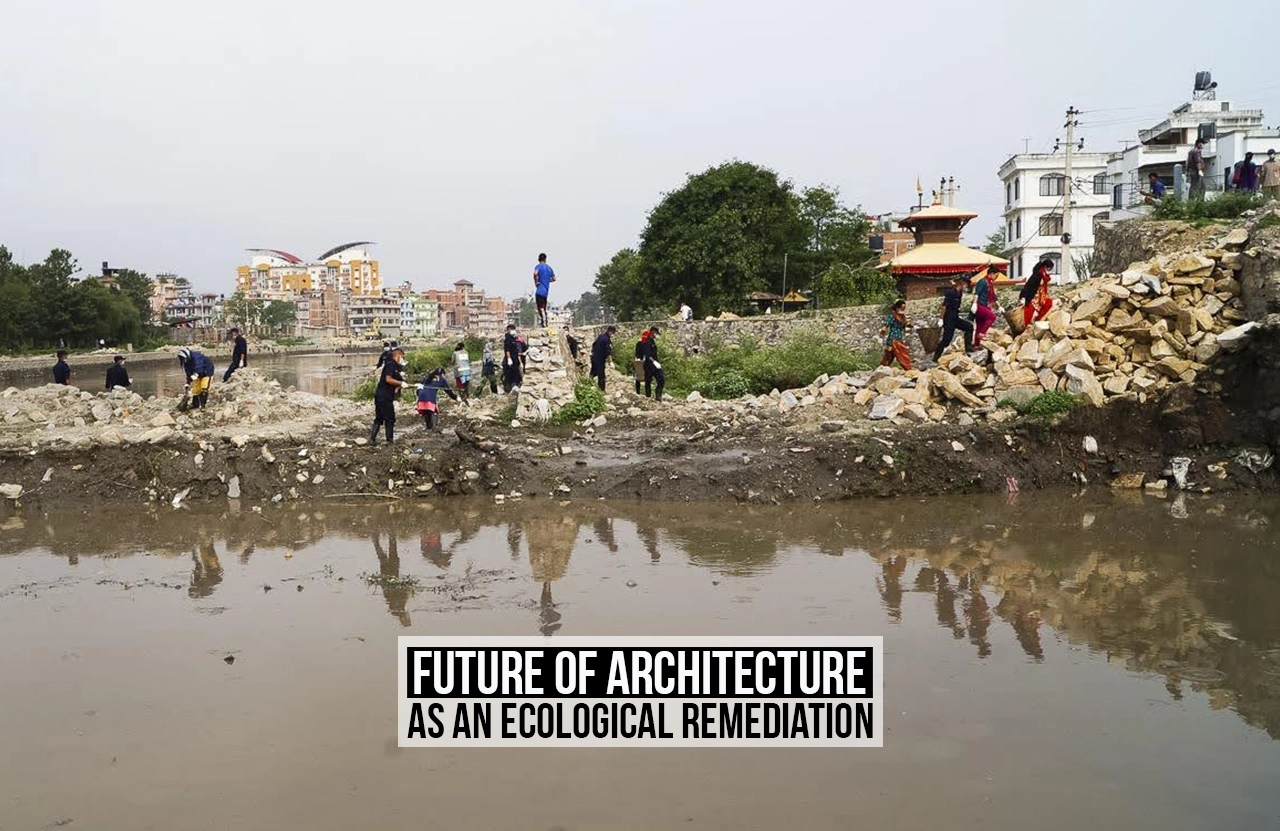
Nepal‘s Kathmandu Valley, home to three million people in the districts of Kathmandu, Lalitpur, and Bhaktapur, is well-known for its cultural legacy and gorgeous scenery. However, rapid and uncontrolled urbanization has posed significant environmental and urban development issues. Various assessments showed the urgency to revitalize the Bagmati River, a major artery flowing through the valley, which suffers intense pollution, irregular development, and encroachment. Almost 75% of Kathmandu’s wastewater is discharged untreated to the rivers.
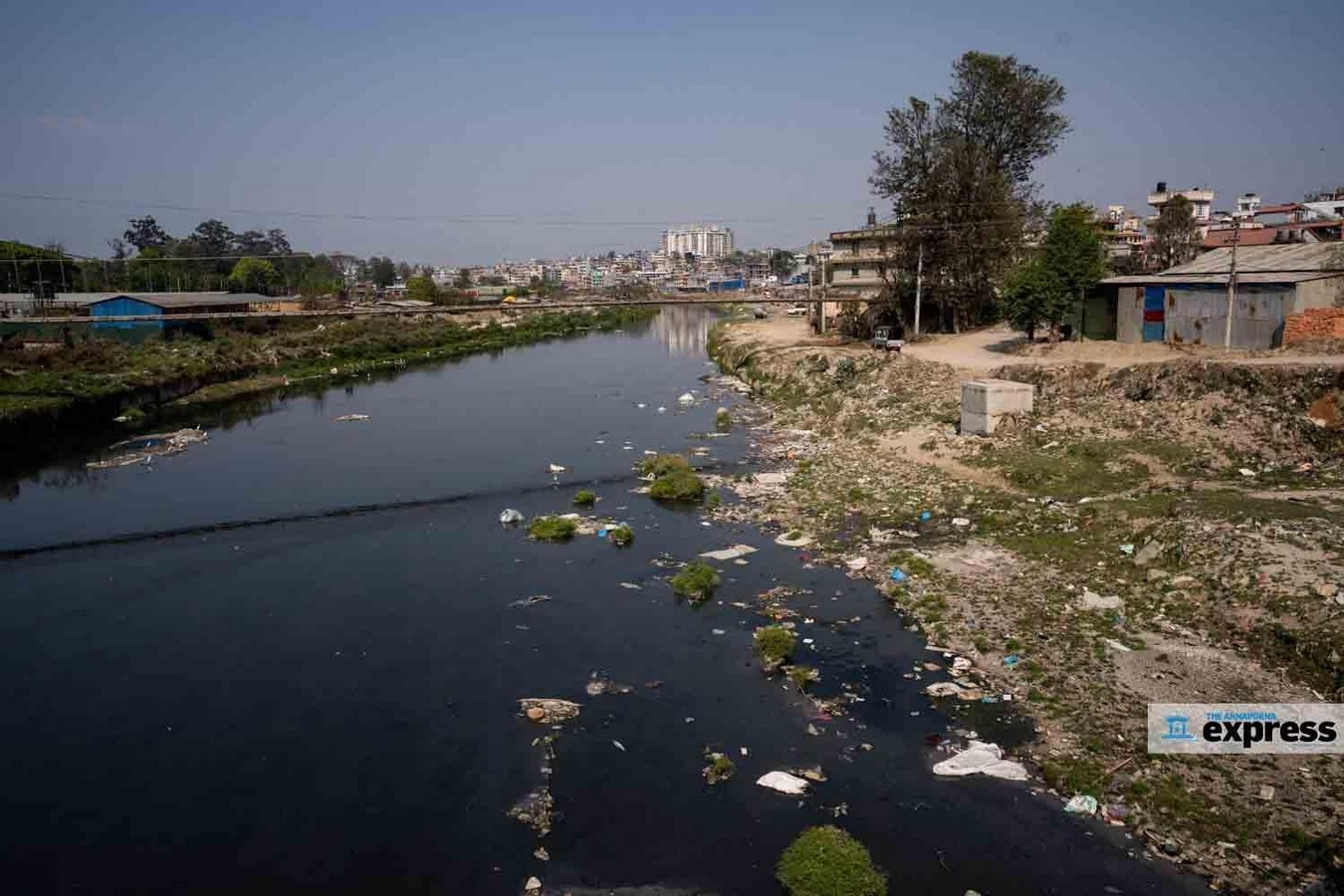
To address these difficulties, Asian Development Bank + Cities development initiative for Asia proposed a “sponge city” plan that focuses on natural water retention and wetland restoration, as well as the development of green-blue corridors along the Bagmati River system and its tributaries.
These natural solutions will assist in reducing flooding, increasing biodiversity, improving air and water quality, and providing vital public areas. The Bagmati River restoration in Kathmandu aims to repair decades of pollution while linking urban people to a sacred ecological corridor which also shows how ecological rehabilitation may reconnect urban communities with both the environmental and cultural landscape.
Social Responsibility and Ecological Care
Environmental concerns are directly related to societal issues. Marginalised communitiesfrequently experience higher levels of pollution, flooding and have less access to green infrastructure. As a result, justice and inclusiveness must be considered when undertaking ecological rehabilitation efforts. Restoring ecosystems without addressing social gaps risks enhancing sustainability and maintaining exclusion.
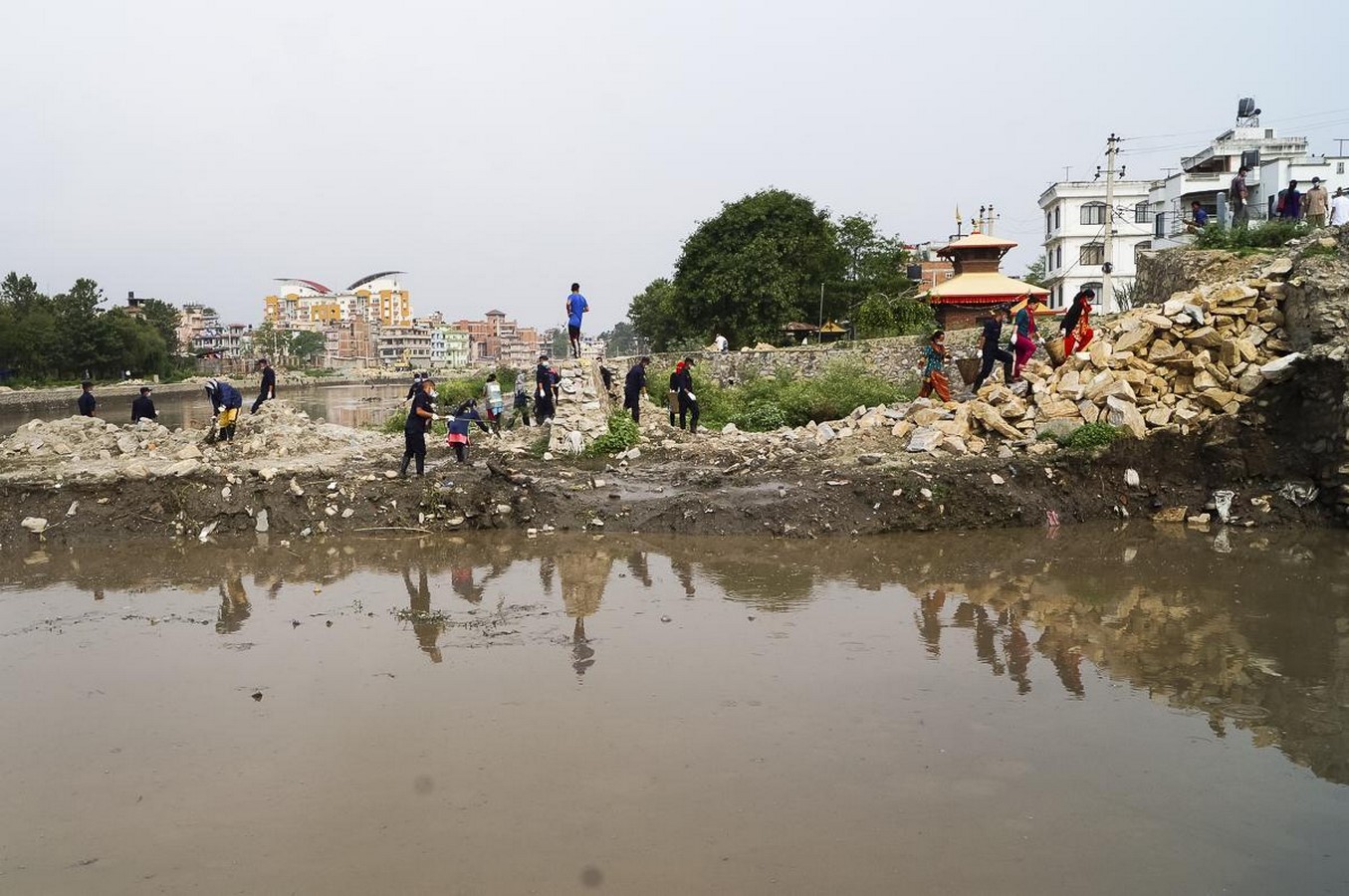
Inclusive design methods, community-led regeneration, and equal access to green space are essential for truly restorative practice. Public spaces, housing, and community infrastructure must prioritize well-being, accessibility, and cultural expression. While data-driven design can optimize performance, it cannot replace empathy. The future of architecture should focus on creating spaces that foster connection, resilience, and belonging.
Creating parks, repairing rivers, and improving air quality should benefit everyone, not just the elites. Architecture has the potential to build healthier, more equitable settings.
Material Values and Circular Ecologies
Material reconsideration is another aspect of ecological remediation. Modern buildings make extensive use of concrete, which alone emits 8% of global CO₂ emissions. Designing with care also entails considering a building’s complete life cycle.
Can the materials be reused?
Can pieces be disassembled rather than demolished?
These questions encourage a circular approach that reduces waste and reuses resources, where
Circular model = Reuse – Recycle – Adapt – Regenerate
Architects are looking into timber construction, recyclable materials, and low-carbon alternatives. When materials are chosen properly, architecture becomes part of a larger ecological cycle.
The urgency of environmental degradation has exposed the limitations of sustainable design. Reducing harm is no longer sufficient in a world facing a crisis. Architecture as ecological remediation reframes the discipline as an agent of repair—capable of restoring landscapes, supporting biodiversity, and strengthening communities.
It must become an agent of ecological healing, restoring land, water, biodiversity, and social balance via intentional and regenerative design practice. The future of architecture cannot be defined just by its sustainability. Architecture as ecological repair demands a deeper shift. Buildings should not only coexist with the environment, but also actively contribute to its rehabilitation. In doing so, it redefines architecture not as a symbol of human dominance over nature, but as a collaborative partner within it.
References:
- CDIA Moderator (2025). Kathmandu Unveils Integrated Solutions for Urban Ecological Transformation – Cities Development Initiative For Asia. [online] Cities Development Initiative For Asia – Investing in Asia’s urban future. Available at: https://cdia.asia/2025/06/26/kathmandu-unveils-integrated-solutions-for-urban-ecological-transformation/ [Accessed 22 Feb. 2026].
- Yeang, K. and Powell, R. (2007). Designing the ecoskyscraper: premises for tall building design. The Structural Design of Tall and Special Buildings, 16(4), pp.411–427. doi:https://doi.org/10.1002/tal.414.
- Allplan.com. (2025). Climate-Responsive & Resilient Design for the Future. https://www.allplan.com/blog/climate-responsive-and-resilient-design/.