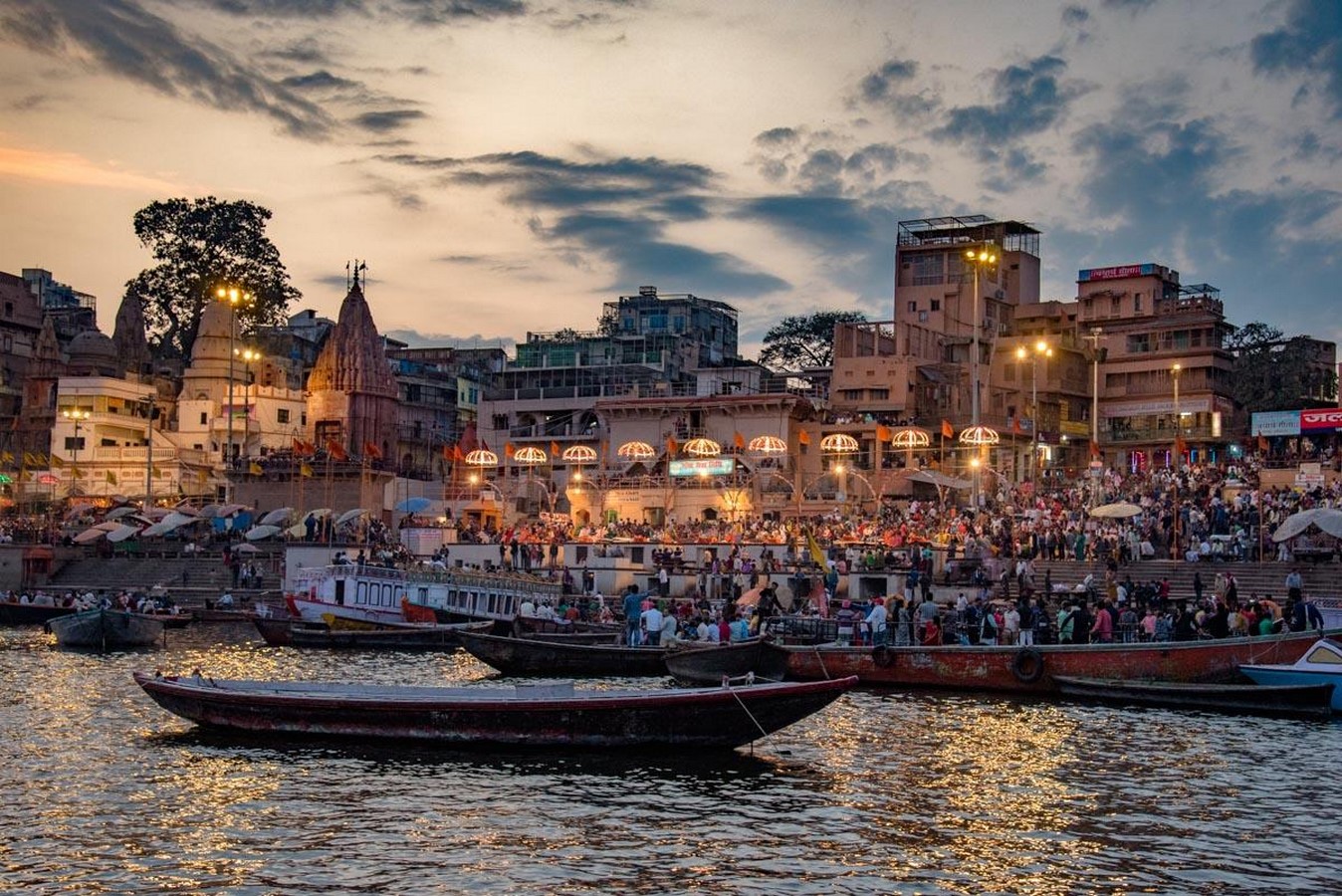
Buildings are like music to our memory lane. Just as music can trigger a certain memory from the past, so can the architecture of a city or a building too. Especially childhood memories are mostly connected to a place or building that can trigger a certain emotion of nostalgia. In the Vedic times and during the different previous dynasties of the world when the script was not that evolved and developed, the most common way of depicting the stories or capturing the important events of history was through architecture and design of a building. Building a structure or any temple or community space, back in the golden era from Vedic to neo- classical timelines, every element of a building would speak a certain story like the material spoke of the technological advancement of that timeline. The cities or urban fabric represent culture. Cities are layered like manuscripts. For millennia, ghats in Varanasi have descended into sacred waters. The grid in Chandigarh represents Le Corbusier’s post-independence ideals. Political movements, spiritual beliefs, economic transformations, and social hierarchies are all reflected in urban form and landscape.
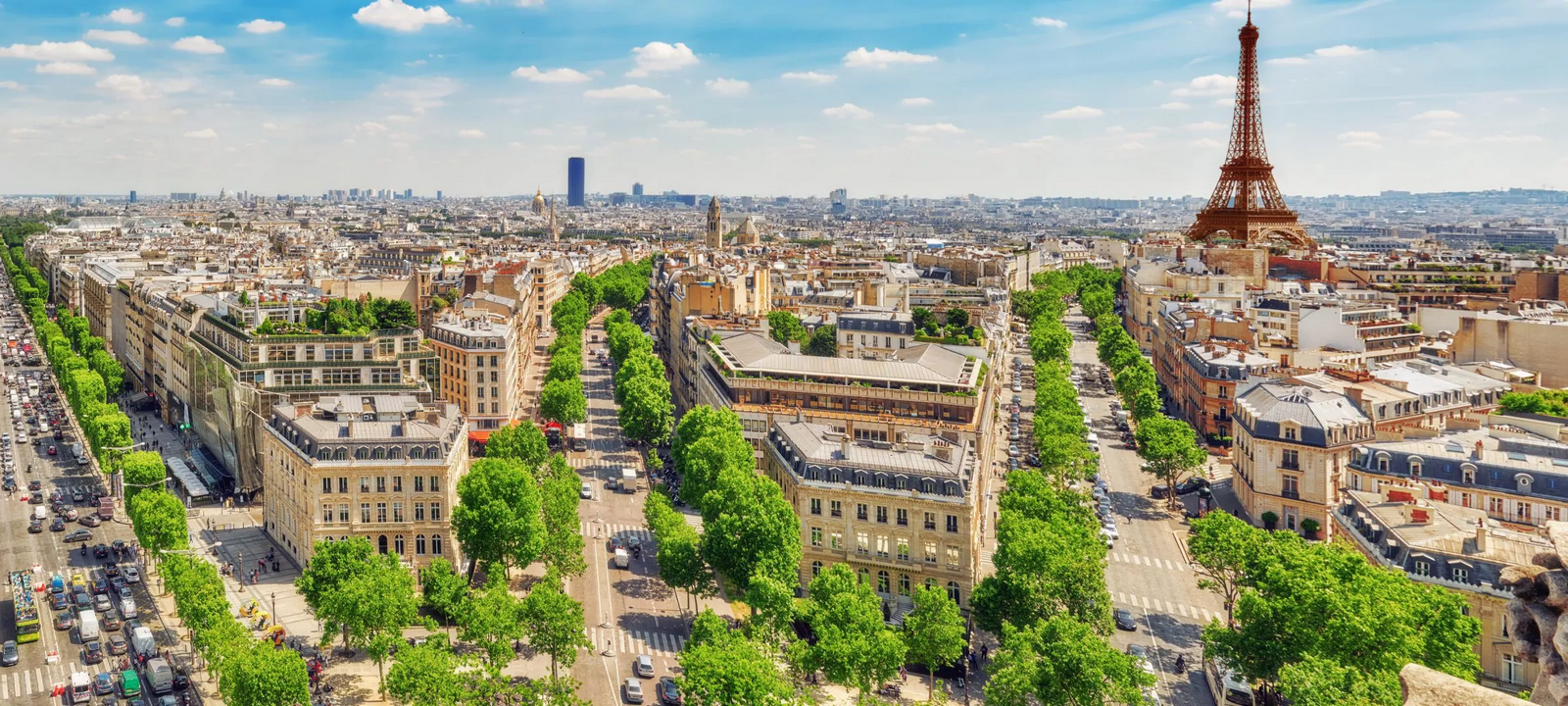
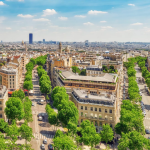
Paris: A transforming urban fabric as a living time capsule
Preserving culture was one of the prime concerns from the homo-sapiens timeline. Every city no matter which timelines had a role to play in preserving culture and ideology of that timeline. Some of the world’s cities even today, in the era of the 21st century, still reflect the architecture of the classical era of the earlier timelines. Likewise, when we mention Paris, we are not just naming a place; we are referring to a multifaceted urban history. Paris represents the meticulously regulated evolution of power, revolution, modernity, culture, and, most recently, sustainability. Its urban fabric is one of the most intentional architectural narratives in the world. During the time zone of the twelfth to fifteenth century, the typical Paris focused on faith as an organizing force, compact settlements and organic growth. The medieval urban landscape was distinguished by narrow streets, packed plots, and interior courtyards.
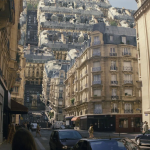
Paris exemplifies how urban planning may progress while remaining culturally consistent. From medieval street patterns around sites like Notre-Dame Cathedral to Georges-Eugène Haussmann’s nineteenth century boulevards, Paris developed a cohesive urban fabric that balanced infrastructure, monumentality, and human size. Haussmann’s initiatives brought in sanitary systems, public parks, and visual axes that updated the city while retaining architectural harmony through constant façade requirements. In the twentieth century, contemporary insertions like the Centre Pompidou demonstrated that innovation and heritage could coexist. Today, sustainability policies and adaptive reuse initiatives continue this trend, boosting walkability and community identity. Paris has layered change over the centuries, rather than erasing it. Its urban fabric retains collective memory through continuity of scale, material, and public life, transforming the city into an unfolding narrative.An architectural archive that documents progress while remaining true to its historical roots.
In the perspective of Architecture as a Time Capsule, Chris Paris’ Critical Readings in Planning Theory reframes architecture as a record of power rather than a neutral vessel of memory. Planning theory explains how urban shape reflects political power, economic systems, and social hierarchies. This dynamic is shown by Georges-Eugène Haussmann’s 19th-century renovation of Paris, which, although acclaimed for modernization and infrastructure, also encouraged displacement and entrenched class segregation. What cities keep in built form is so selective, determined by those in control of planning procedures.
Architecture evolves into a political archive that encodes inclusion and exclusion, visibility and erasure. This critical viewpoint transforms architecture from a passive container of cultural continuity to an active tool in structuring social reality. It forces designers to consider whose histories are institutionalized in space and to pursue more egalitarian and democratic approaches to influencing the built environment.
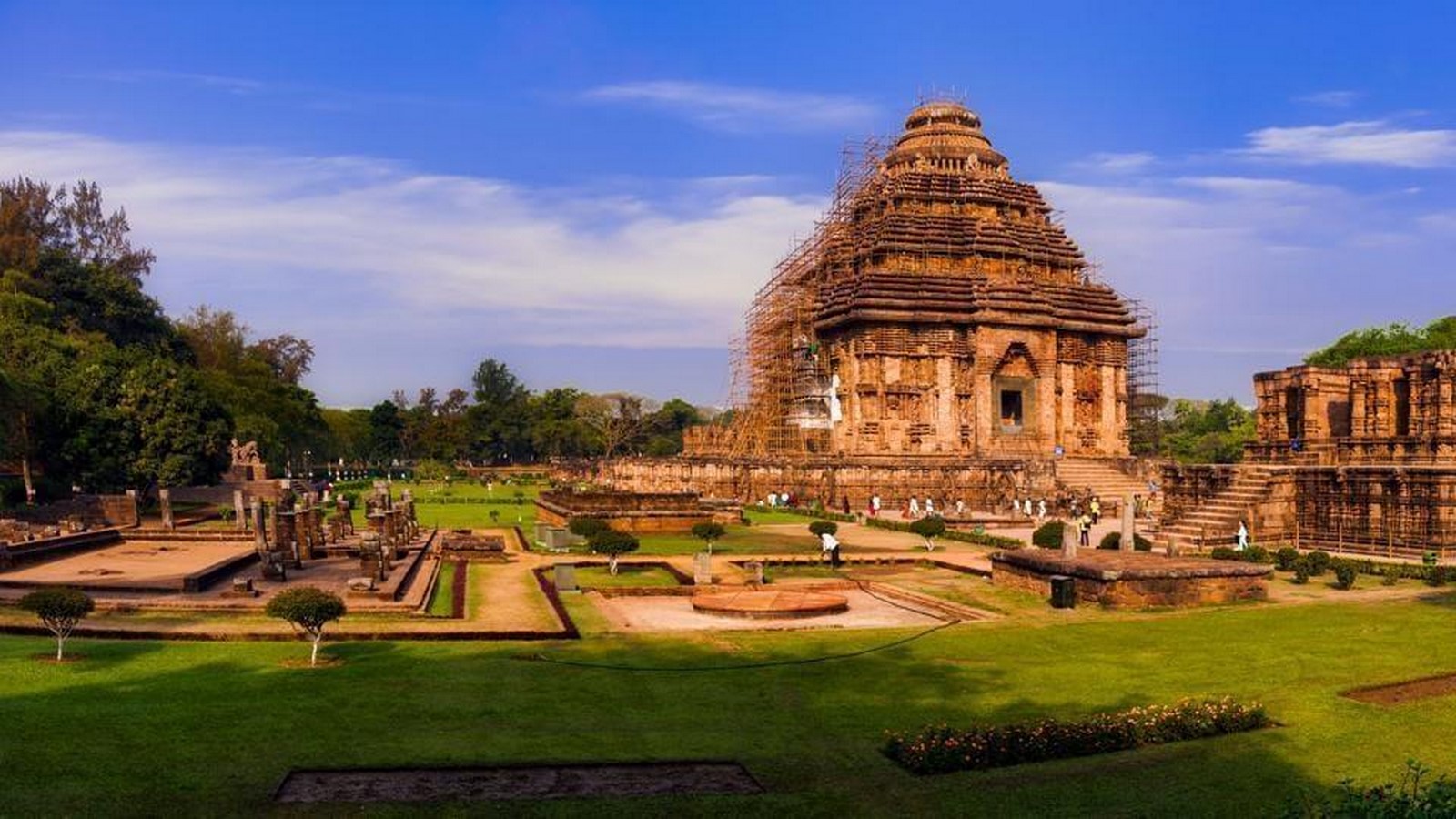
The Konark Sun Temple: A Cosmic and Cultural Time Capsule
In the concept of Architecture as a Time Capsule, the Konark Sun Temple demonstrates how architecture can intentionally encode a civilization’s ideology. Built in the 13th century by the Eastern Ganga dynasty, the temple depicts the Sun God’s cosmic chariot, underlining the importance of time, solar movement, and cosmic order in medieval Indian thinking. Its twelve monumental wheels serve as both symbolic and functional sun dials, demonstrating scientific precision and astronomical knowledge.
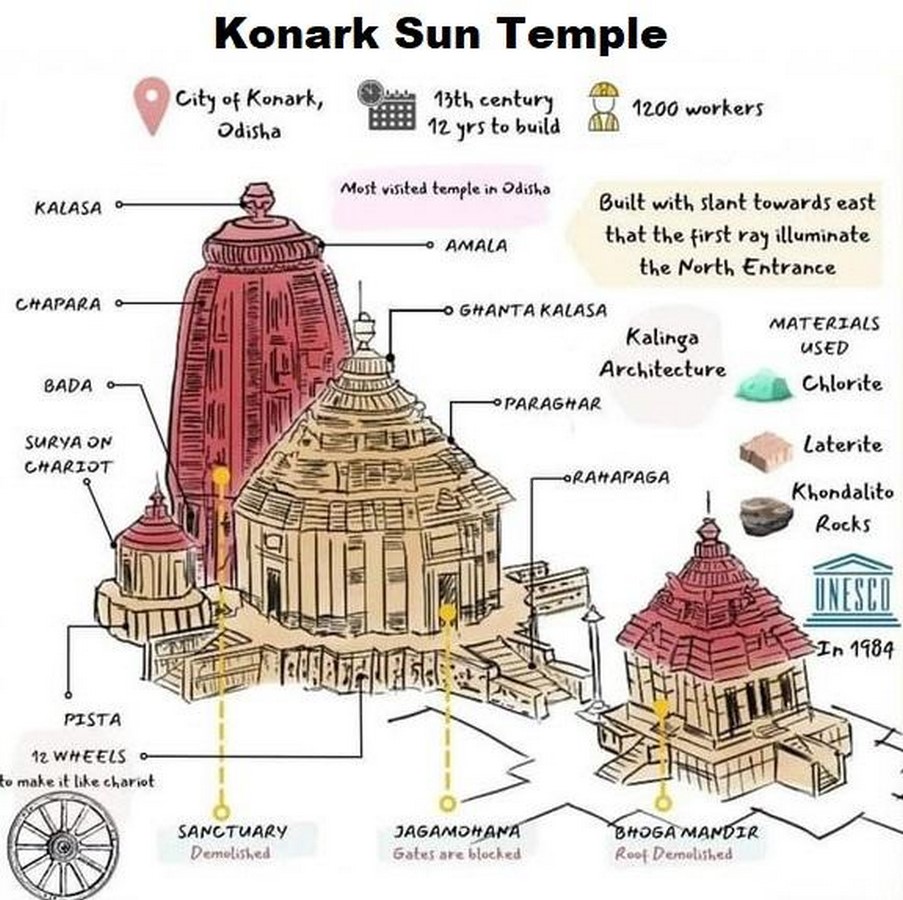
The temple’s eastward orientation to the rising sun emphasizes respect for natural cycles. Beyond cosmology, its sculpted panels depict maritime might, courtly life, music, dance, and social conventions, all of which portray political power and cultural affluence. The vast magnitude and mechanical sophistication highlight imperial ambition and technological superiority. In this context, Konark does more than just preserve memory; it actively promotes the convergence of science, theology, governance, and everyday life, presenting architecture as a comprehensive record of a society’s intellectual and cultural character.
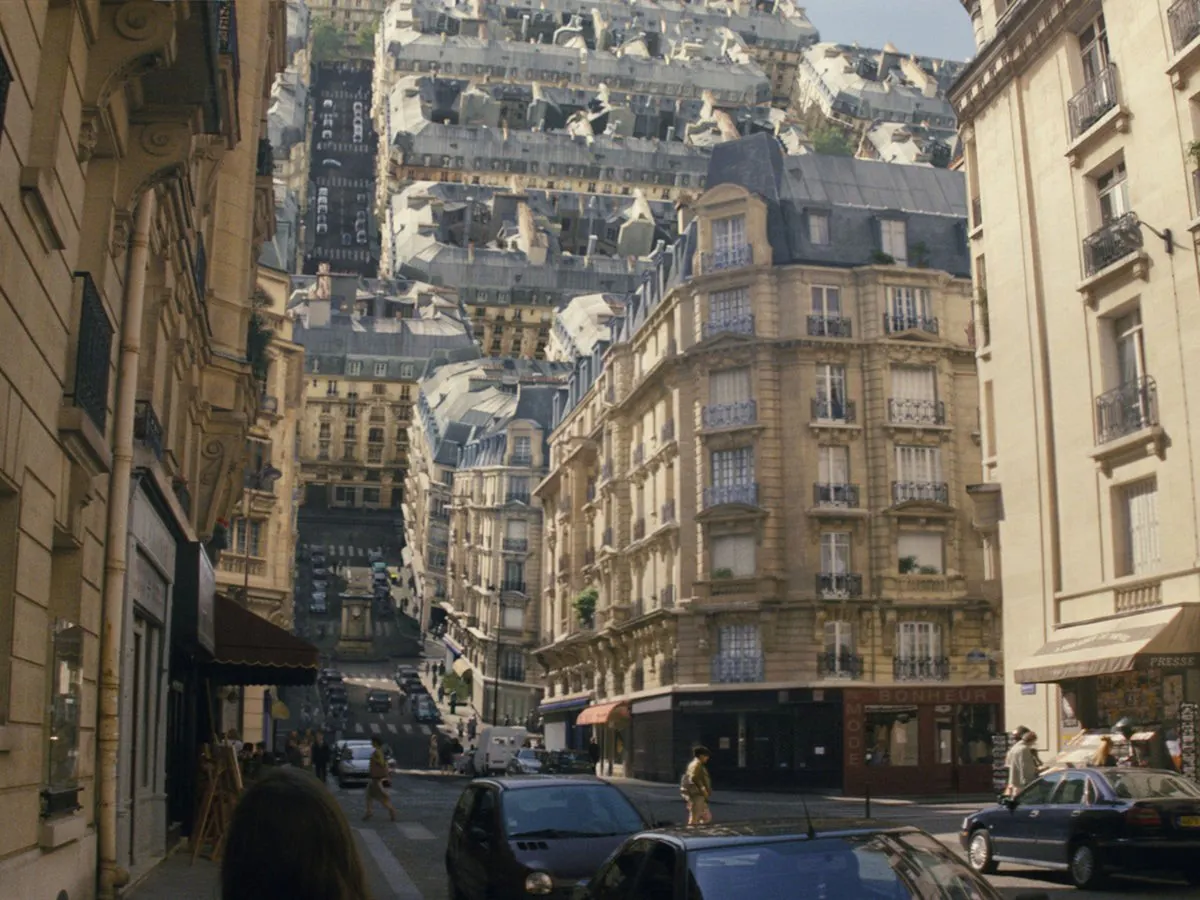
Cinema and Architecture: Time Capsules for Urban Memory and storytelling
Contemporary cinema alters the way architecture is captured and understood. Instead of treating structures as passive backdrops, film transforms cities into narrative tools that maintain cultural memory. Places like Paris and Mumbai become visual archives of distinct historical moments thanks to recurrent film framings. Streets, skylines, and communities shot on film to capture urban features that may subsequently change or disappear.
Architecture takes on emotional and symbolic meaning in cinema. In Inception, changing cityscapes depict psychological instability, whereas in Midnight in Paris, architecture serves as a portal to nostalgia and layered time. Space acts as a character, influencing mood, identity, and narrative advancement. Thus, while architecture physically keeps time in stone and structure, films visually preserve and interpret it. They work together to construct two archives, one physical and one mediated, that will shape future generation’s understanding of cities, memory, and cultural identity.
Architecture serves as a living record of civilization. From Paris urban fabric to the Konark Sun Temple’s symbolic design, architectural form retains culture, power, and knowledge. Critical Readings in Planning Theory points out that architecture selectively records societal values. It influences how future generations see memory, identity, and transformation as it is layered throughout time and reinterpreted through cinema.