“Architecture is the art of reconciliation between ourselves and the world.”
- Juhani Pallasmaa
Architecture was the way to express or tell a story; the future may depend on the ability to make it speak again.
The modern age of rapid urbanization, growing population, and globalized skylines has led to the need to address overcrowding, poverty, and land usage. This has, in turn, necessitated the proper utilization of resources to avoid their exploitation. Newer architectural technologies have indeed played a major role in helping and enabling humans to survive the coming years on the earth. But this has raised a question,” Has rapid urbanization led to a point where our cities are losing their soul”?
The role of architecture is proficient and is changing expeditiously, where cities are becoming visually interchangeable and monotonous. Architecture today is evidently enhanced with greener cities, sustainability, and adaptive usage of AI-driven technologies, but is emotionally diluted.
The question is no longer whether architecture will change, but how it lies in how it will redefine itself for the years to come.
Architecture as a narrative: when spaces told stories
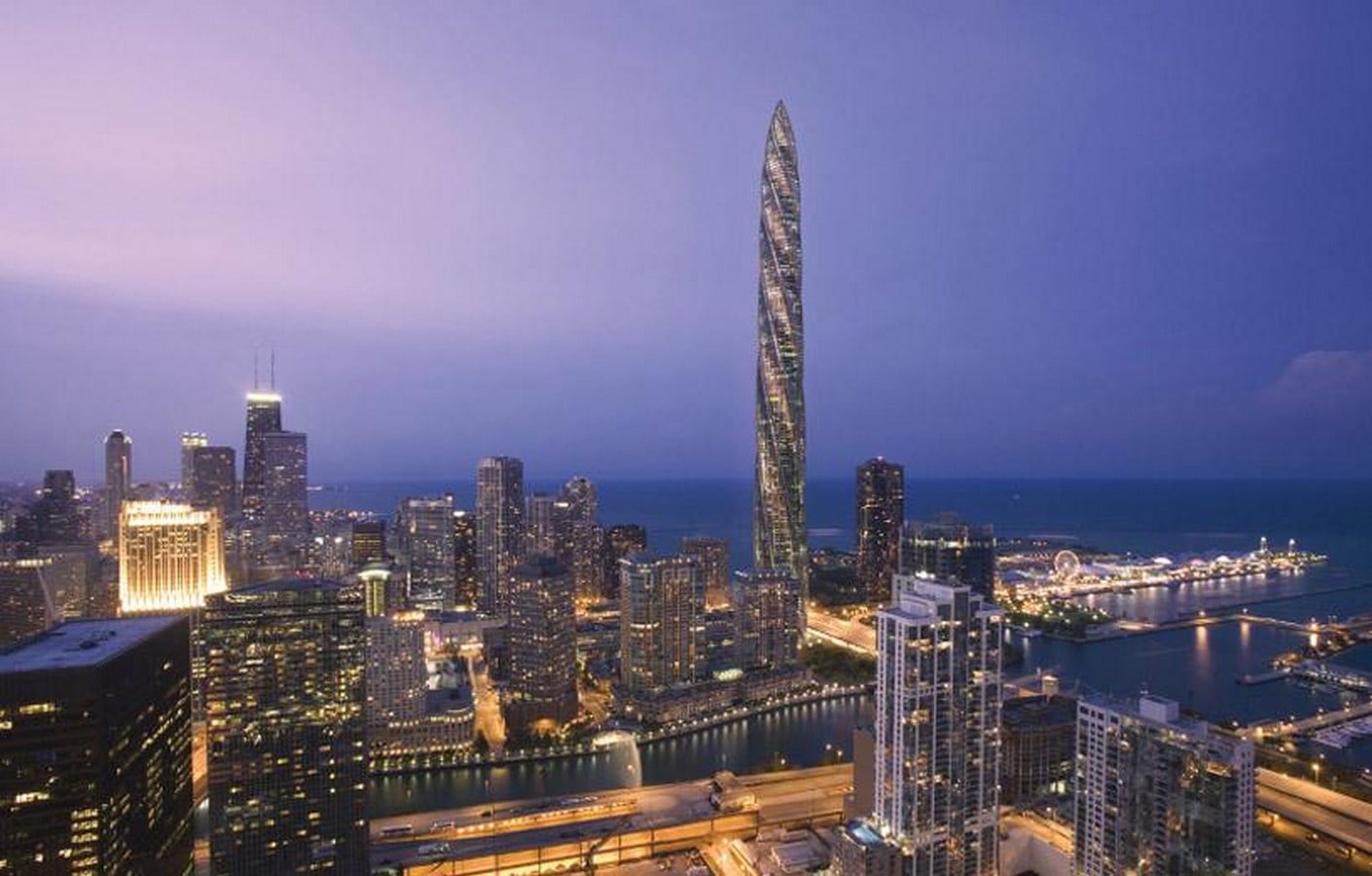
In the earlier context , architecture was told as a narrative rather than the now monotonous city skylines , or the standardized buildings or office typologies. Every space or wall built had a significance that told a story, brought an expression, significance, and a cultural identity. Courtyards, for example, were more than just spaces; they orchestrated light, airflow, and social interaction. Architects considered all the different perspectives and designed spaces that were inclusive and accessible for all. This reflected the ideologies and opinions of the architects and showcased an emotional outlook that made people more engaged and made a memory of the space.
Beyond spatial sequencing, architecture expressed a system of belief and memories. Materials and textures are reflected in creating a spatial sense of belonging to the people. This enabled the architecture of the past to make an archive of stories and made imparting memories of spaces not merely functional but also very meaningful.
Sustainable imperative to the sci-fi temptation: the design for today and tomorrow
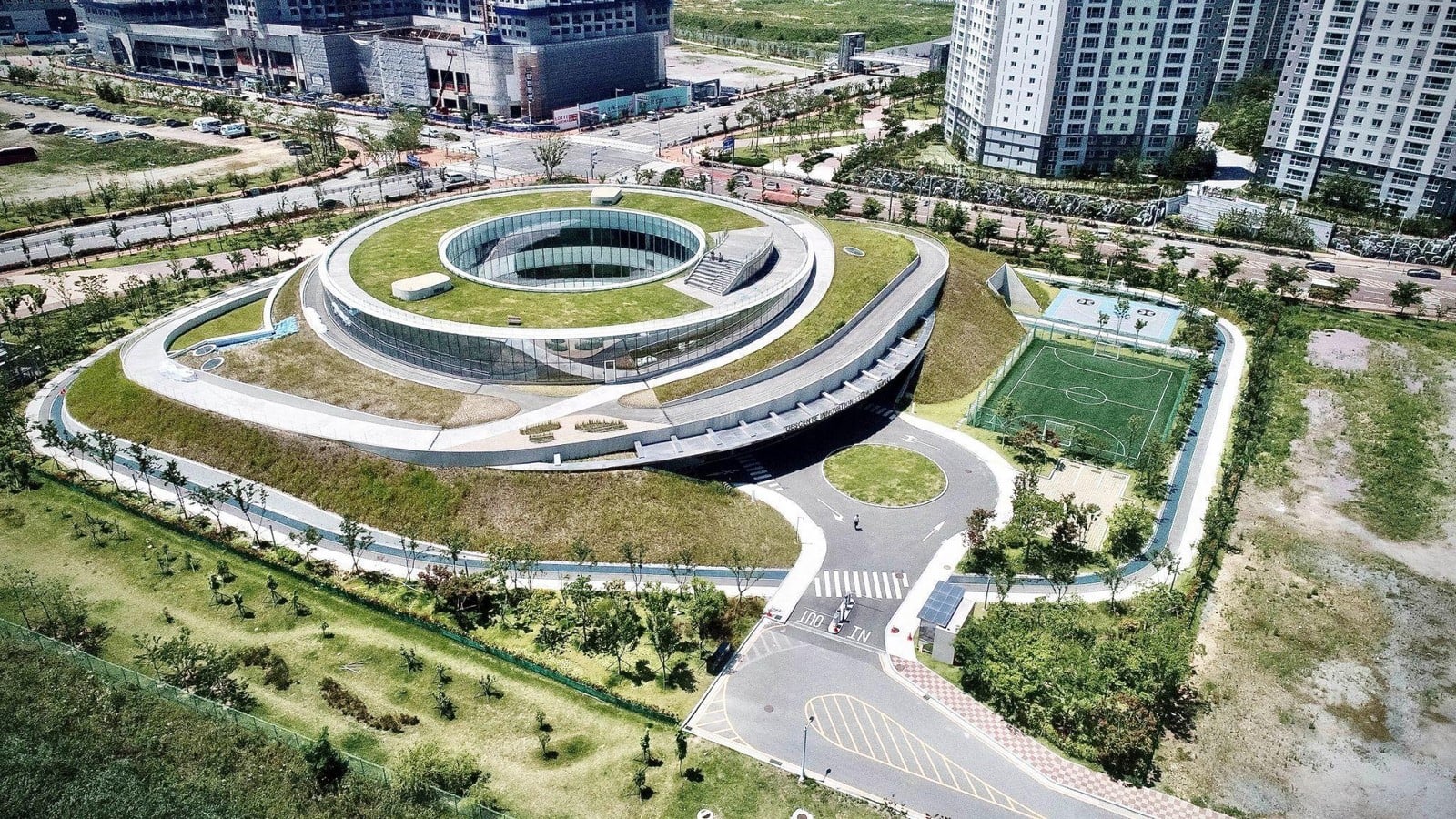
But in this era of over-congestion, architecture has led to spaces that are climatically responsive ,the ones that save the world from degradation and make a good living environment for everyone. Focus on net zero building, adaptive usage of materials, biomimicry of the nature to enhance the lifespan of a building, promoting long-term survival. In recent times ,the concept of sustainability imperative has combined with the fast growing sector of AI and smart technologies.
The usage of AI-assisted design, robotics in construction , smart buildings, usage of leading smart innovations, and automations makes us wonder that the future of architecture that beholds us is full of parametric skyscrapers, flying cars, and smart cities in the air.
Admittedly, that is likely not very valid. Technology in the future might expand more rapidly than ever, newer ideologies and innovations might be very prominent,but it might risk spectacle over meaning.
When Architecture Adapts to People
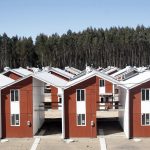
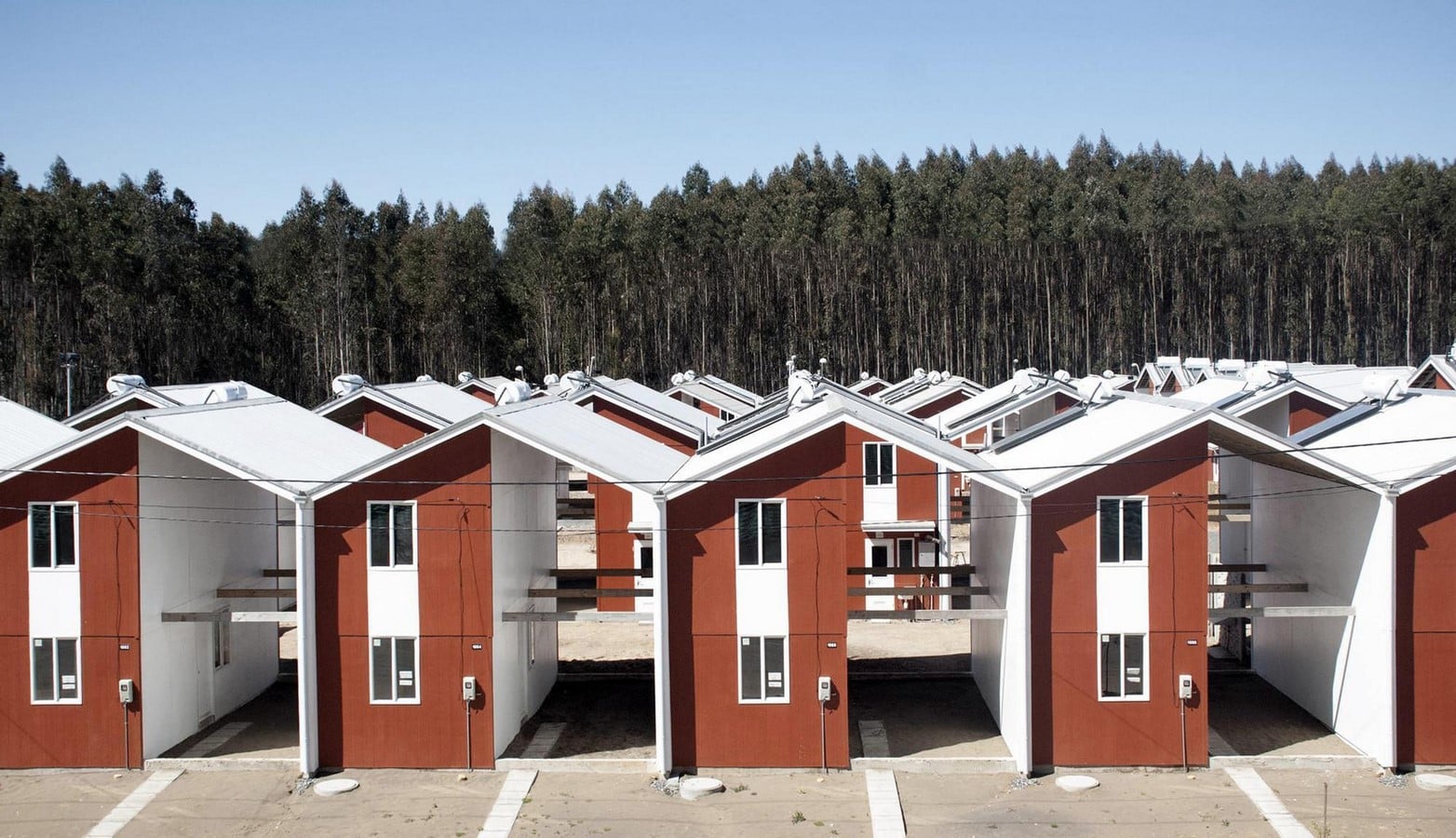
The architecture of the future may not arrive fully from the moment it’s built. Instead, it grows with the people who inhabit it. Flexible layouts, modular designs, and community-built spaces let buildings breathe and evolve, adapting to the rhythms of life. In Alejandro Aravena’s incremental housing projects, for example, the basic structure is just the beginning. Families shape the rest, adding rooms, walls, or features as their needs change. Architecture, in this sense, becomes a living companion rather than a static object, giving meaning to the space.
When communities are invited to shape their spaces, buildings acquire stories that no architect could write alone. Every furniture arrangement, every small partition, every gathering in a courtyard brings meaning to the space. It is in these ordinary moments that architecture truly lives. Such participatory design ensures that buildings remain not only useful but resonant, flexible, and deeply human.
Move Beyond Standardization to True Resonance?
Humans, and especially architects of today, have realized that a pure emotion or a memory can never fade from the brain. People want stories to be heard out, they want to feel spaces personally rather than see a bunch of similar looking facades, they want distinctive choices and stories. Focus on architecture as a narrative , used in our past, will emerge again this time, only stronger and more efficient. Each space tells a story while using newer technologies and sustainable techniques to make it a spectacular combination. Architecture becomes a mediator between humans,emotions, and the surroundings. Will all this be possible with the way our world is moving forward in their perspective on architecture?
The future of architecture may not be definite, but if cities spoke once with stones and bricks, they will possibly speak through codes and cognition. It might no longer remain static and monotonous or repetitive like this current decade, humans change ideologies and perspectives change , but we may never anticipate the way architecture molds in for the betterment of the earth. The question is no longer whether the buildings will become smarter or more efficient, but whether they will it be more empathetic and environment-driven.
In the future, will we simply inhabit architecture, or will we converse with it?
REFERENCES:
- Jacobs, J., 1961. The Death and Life of Great American Cities. New York: Random House.
- Benyus, J.M., 1997. Biomimicry: Innovation Inspired by Nature. New York: Harper Perennial.
- ArchDaily. (2025) Future Architecture: The Latest Architecture and News [online] Available at: https://www.archdaily.com/tag/future-architecture
- MIT Media Lab, 2026. Responsive Environments. [online] Available at: https://www.media.mit.edu/research/groups/responsive-environments/
- Elemental, 2026. Elemental Housing Projects – Alejandro Aravena. [online] Available at: https://www.elementalchile.cl/projects/