In a world increasingly dominated by digital noise and busy schedules, the concept of “mindfulness” is often relegated to the domain of meditation software and yoga retreats. However, in the enlightening lecture “Designing Mindfulness: Spatial Concepts in Traditional Japanese Architecture,” practicing architect and consultant Dr. Yoko Kawai demonstrates that mindfulness is not merely an idea, but a physical phenomenon that is shaped by the spaces we inhabit. This presentation, given at the Japan Society in New York, is a masterclass for designers, architects, and anyone interested in how the built environment can create a sense of presence and tranquility.
Rather than architecture as a spectacle of size, technology, or shape, it presents a completely different philosophy of design—one in which space is experienced, not simply occupied. The very rhythm of the presentation already conveys what the message is trying to get across: you are not watching the architecture; you are trying to slow down enough to see it.
Blurring Boundaries: Philosophy in Japanese Architecture
Dr. Kawai starts her book by defying our common understanding of space. We all understand space as something we observe, but she argues that our mind, body, and space form a unitary loop. The most important thing for designers is the definition of mindfulness in space, which is the removal of boundaries between the self and space. When a space is well-designed, the person inside “feels separated but connected at the same time.”
To explain this, Kawai gives a very interesting example of what it is like to be underwater. When you are in water, your sight is not clear, the space around you is constantly moving, and you have to move according to the currents. This removal of a hard “self-space boundary” is what traditional Japanese architecture tries to create through certain design principles.
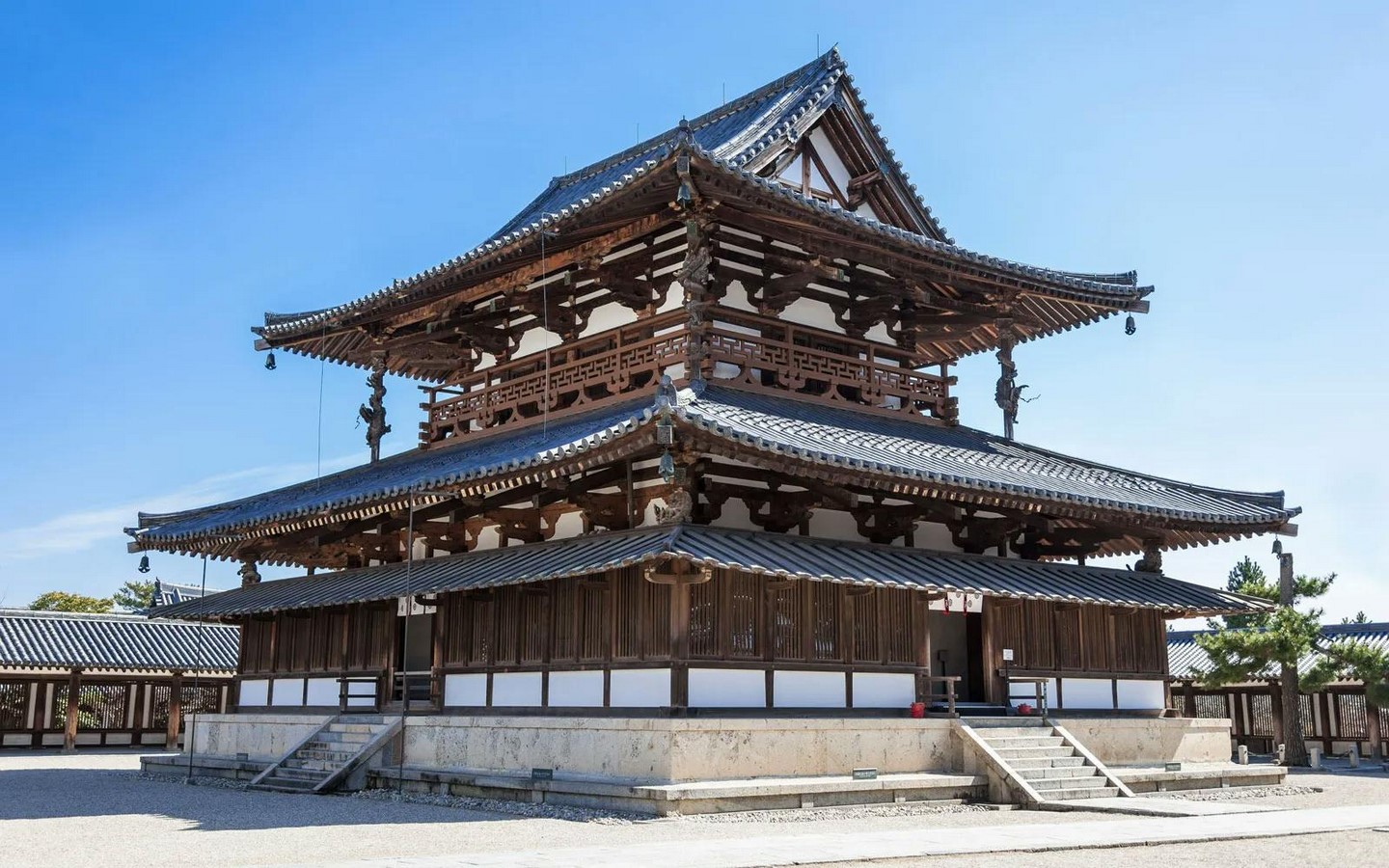
Key Concepts of Japanese Architecture
The lecture applies these intricate philosophical concepts to “buildable philosophy,” a toolkit for designers to apply in modern projects.
- Yūgen: The Art of the Unknown
Designers always aim for complete understanding, but Yūgen proposes the strength of the unknown. Kawai cites 12th-century monk Kamo no Chōmei, who observed that a mountain hidden in mist feels more profound and precious than one laid bare. In design, this means the intentional use of darkness and concealment. By not showing everything at once, a designer directs the user’s imagination towards the unknown, which has been scientifically proven to enhance perceptions of healing and happiness.
- Ma and Hashi: Boundaries in Motion
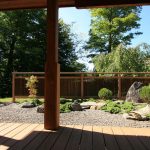
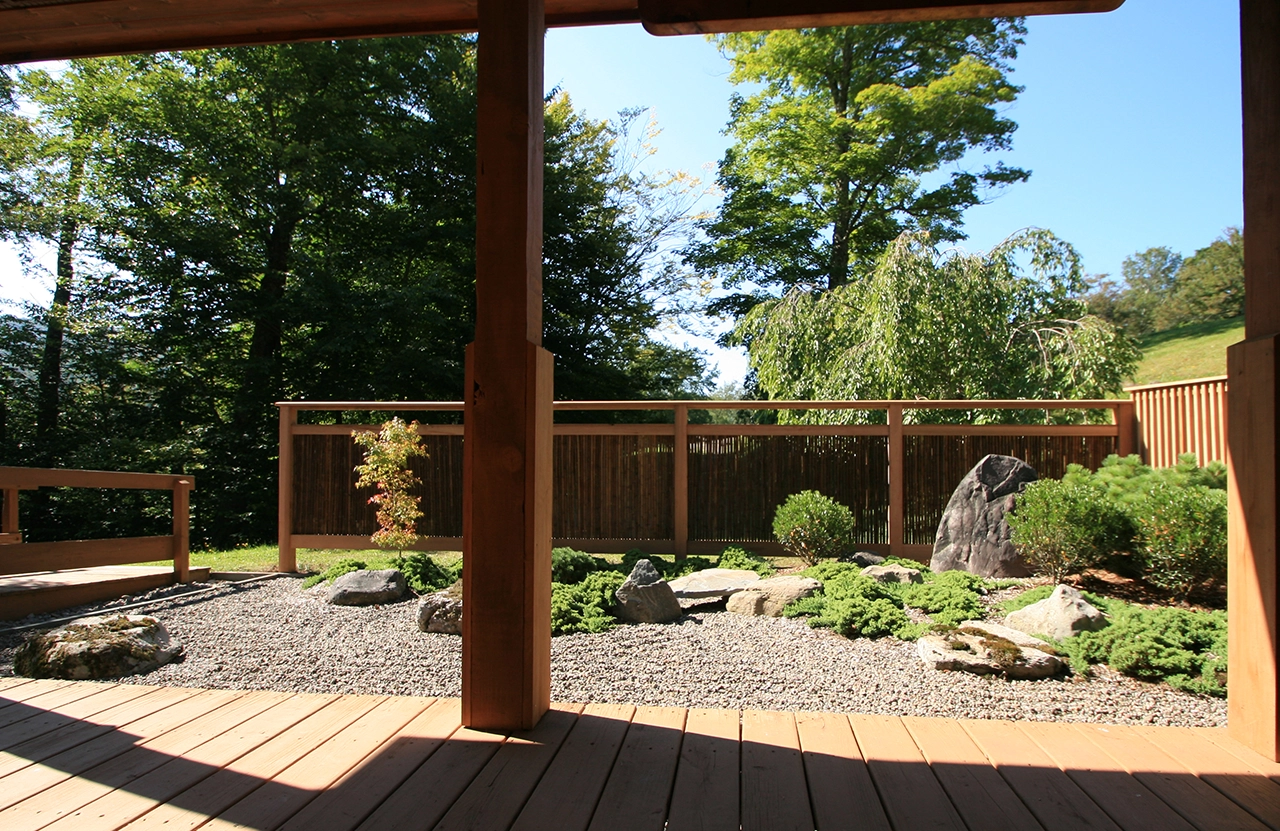
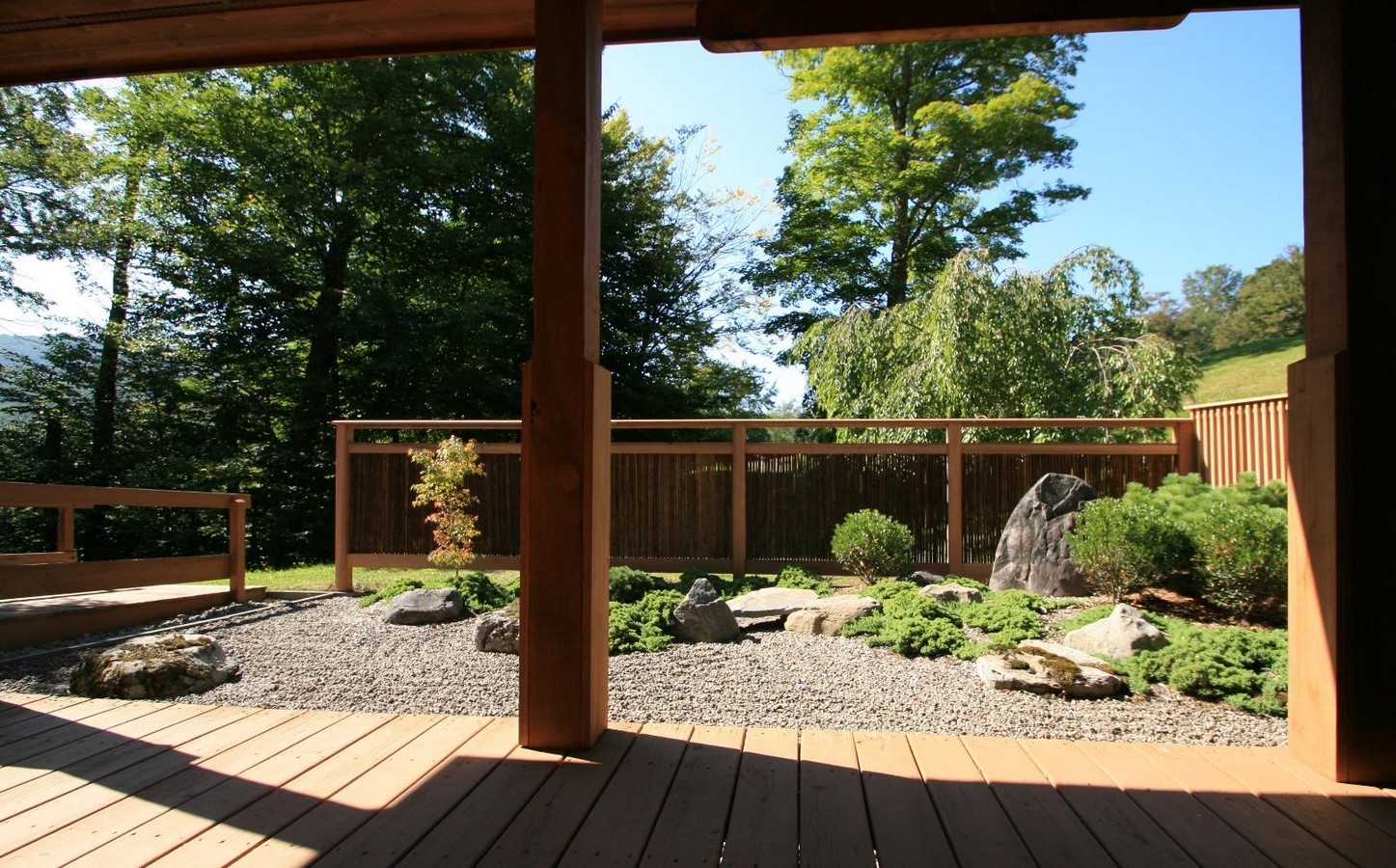
Perhaps the most popular concept presented is Ma, which can be defined as “gap” or “space.” But Kawai defines it more as “boundaries in motion”. For a designer, this means understanding boundaries as non-static walls. She illustrates this by explaining Hashi, which can be defined as “edge,” “bridge,” or “veranda.” In Japanese design, a veranda (Engawa) is more than just a porch; it is an invisible boundary that simultaneously bridges the inside and outside spaces.
- Utsuroi: Embracing the Ephemeral
Utsuroi is the concept of the gradual, inevitable change of things—the peak of a moment passing. Designers can learn from how Japanese architecture incorporates temporal concepts. For example, gardens are designed so that some trees are highlighted by the rising sun in spring and others by the setting sun in autumn. Even the “dry” Zen gardens utilize white sand to symbolize the movement of water, engaging the observer’s imagination in a cycle of change.
- Michiyuki: The Journey of the Self
Finally, Michiyuki is concerned with the experience of traveling through space. In the Katsura Imperial Villa, the route is never straight. It demands constant attention, shifting from earth to pebbles to large stones, which automatically slows the observer down. For modern designers, this is a lesson in “wayfinding” as an experiential method. By designing a route that winds about with no clear view, you compel the user to be in the moment, rather than moving toward a destination.
Viewer’s guide: What to watch for Japanese Architecture
While viewing this video, one thing that the viewer should focus on is the Q&A session at the end of the video. Kawai addresses very practical questions about how one can apply these ancient principles to modern, “non-mindful” environments such as corporate offices [41:41]. She makes it clear that the aim is not to make the “tricks” of the design visible but to nudge people in a certain way—to slow them down or to entice them into a space without forcing them to do so.
The description of the Genkan (Japanese entrance) is also very interesting. Kawai explains that it is “a series of layers rather than a single door, so that one can gradually become a part of the house” [45:42]. This is a very important takeaway for residential designers about how to transition from the outside world to the inside sanctuary.
In my view, “Designing Mindfulness” is a must-watch for all creative individuals who feel that the “soul” is absent from today’s minimalist architecture. Though modern architecture is all about “transparency” achieved through large glass walls, Kawai shows us that the essence of connection with a space lies not in transparency but in depth and mystery.
What makes this lecture so special is that Dr. Kawai has managed to connect the dots between abstract Zen philosophy and the realities of an architect’s drafting board. She shows us that these ideas are not mere 17th-century relics but “buildable philosophies” that can help us overcome the stress of modern living. My only complaint is that I would have loved to see more examples of Dr. Kawai’s own contemporary architecture and how she has managed to incorporate these traditional notions of “shadows” into a world that is so enamored with “light” [51:04].
Overall, the video ends with a very empowering message: you don’t have to go to some remote island to find your peace. With an understanding of the spatial concepts of Ma, Yūgen, and Michiyuki, we can all begin to design and live in spaces that bring us back to ourselves.