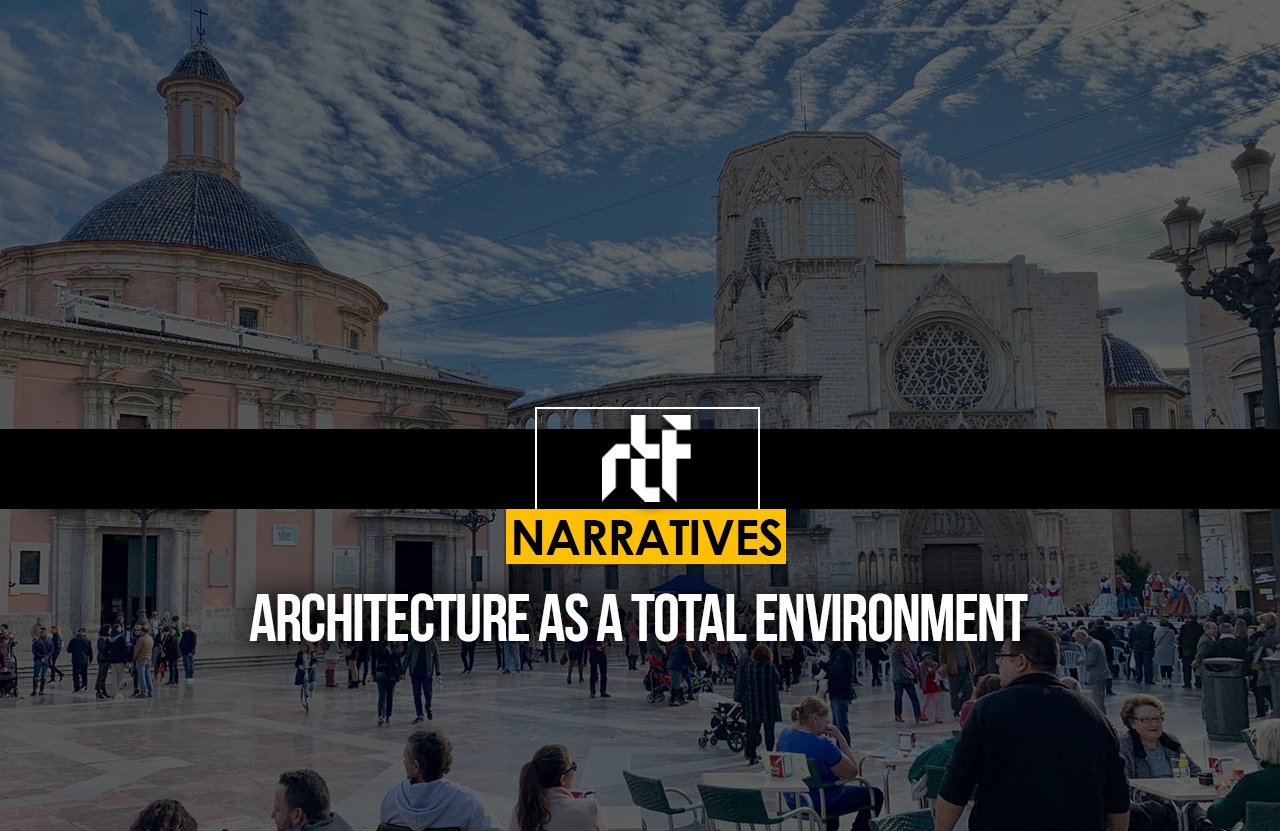
Architecture is often understood as something intentional, authored, and deliberate. Yet the environments we inhabit extend far beyond the professional architect’s drawing. There is the organic world of topography, shade, light, and terrain. There are the informal structures produced through need, habit, or improvisation. There are the vernacular forms shaped by collective memory rather than individual authors. When seen in this wider sense, architecture becomes the total spatial condition that surrounds human life. We are born into architecture, we live in architecture, and we die in architecture. It becomes the constant background that supports, shapes, and directs the most ordinary patterns of our days.
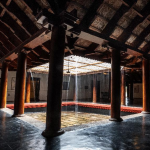
Long before people built formal structures, natural formations acted as the earliest architectures. Caves, trees, and the orientation of sunlight created the first shelters and the first routines. Over time, societies translated these natural patterns into cultural forms. The courtyard, the veranda, the otla, the stoop, and the shaded bazaar are not arbitrary typologies. They are responses to climate, community, and ritual. They carry expectations about how people behave within them. Built form transmits cultural instruction long before one consciously interprets it. A room, a stair, or a public square becomes familiar not only through use but through the cultural rhythms encoded in its organisation. Light, ventilation, and orientation become part of this inheritance, guiding how comfort, work, and rest naturally settle into routine.
If natural and cultural environments created the foundation of architecture, intentional design added another register. Planned architecture suggests where to move, where to pause, and where to gather. Human scale design quietly scripts the conditions of daily life. The placement of openings determines the flow of air. The position of a window shapes how time is perceived through light. The ergonomics of a work surface influences the ease with which tasks unfold. These elements seem ordinary yet they choreograph a significant portion of collective behaviour. When architecture supports comfort, visibility, and clarity, everyday routines deepen into social life. Where the environment is unresponsive, routines become fragmented or dispersed.
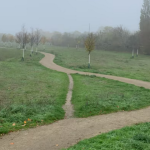
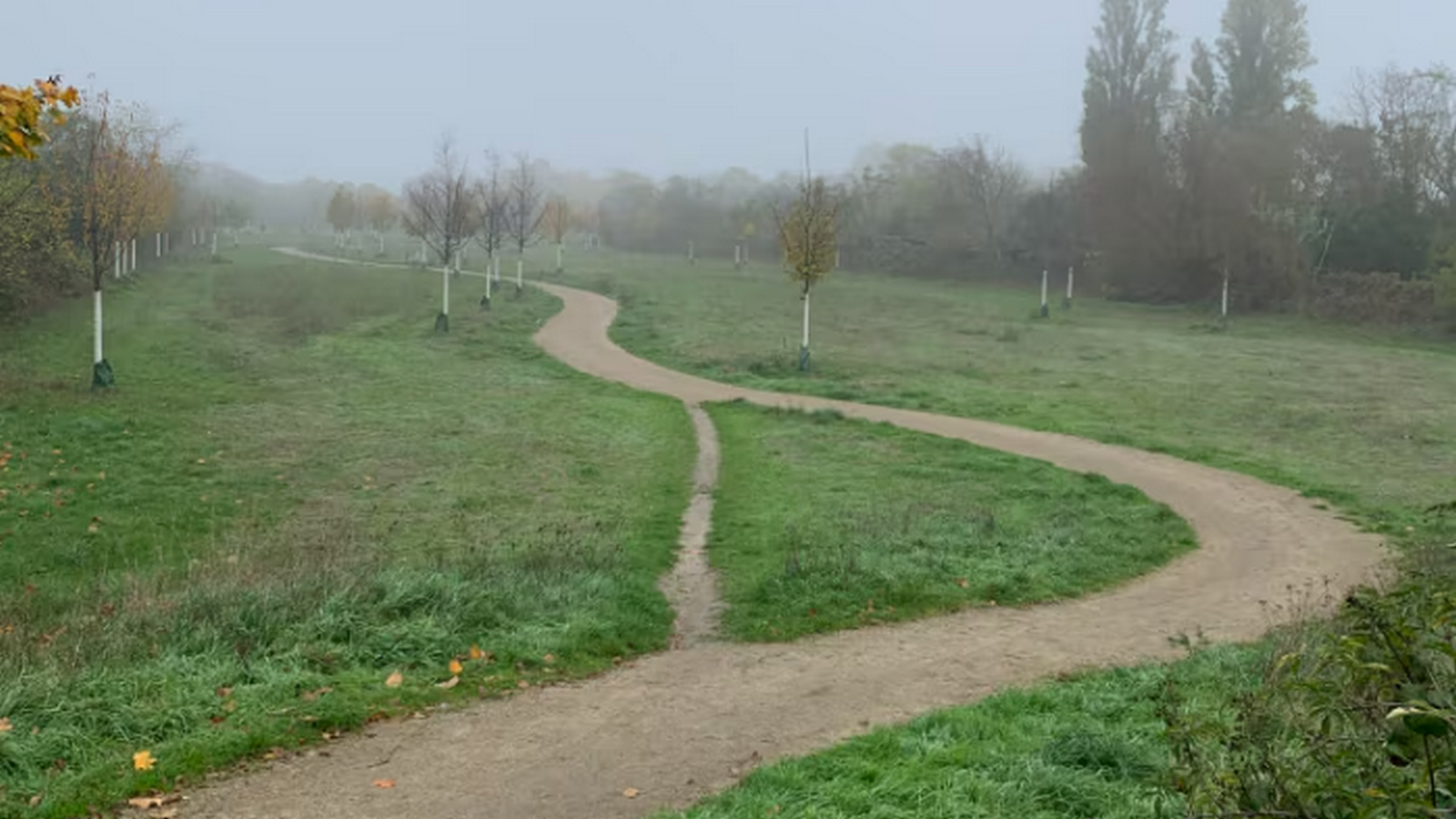
These deliberate spatial cues are only one side of the story. Daily life also unfolds through actions that lie outside design intent. People do not simply follow the instructions offered by the built form. They negotiate, bend, and rewrite them through practice. A desired path cut through grass, a shaded corner that becomes a regular meeting point, or a stair landing used as a seat reveals an architecture authored by routine itself. These spaces were not designed for these uses yet the repetition of human action gives them identity and purpose.
Unintentional architecture often reveals the most honest stories of how people wish to inhabit their surroundings. It shows where movement wants to flow, where comfort is found, and where social life naturally settles. It reflects a subtle form of agency that belongs to users rather than designers. These improvised gestures accumulate over time, slowly shaping the existing environment. They become quiet forms of storytelling, written through footsteps, pauses, and collective memory. Even here, the body instinctively seeks light, air, and surface conditions that support ease and alignment. Routine becomes a spatial choice as much as a behavioural one.
Space as a Cultural Script
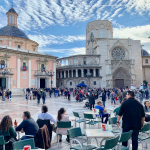
At the overlap of design and improvisation lies the idea of space as a cultural script. Every society encodes values and habits into its spatial arrangements. A courtyard does not only provide air and light. It organises domestic relationships through visibility, hierarchy, and sequence. A veranda becomes the threshold where the home meets the street, allowing sociability, climate comfort, and the informal routines of everyday exchange. A kitchen layout shapes how cooking unfolds as an individual or collective act. Ventilation patterns, orientations, and ergonomic gestures are embedded in these forms, not as separate design features but as cultural responses to climate, labour, and daily life. A bazaar layout distributes movement, negotiation, and meeting. These patterns are not universal. They differ across geography, community, and climate. They reflect the worldview of the society that produced them.
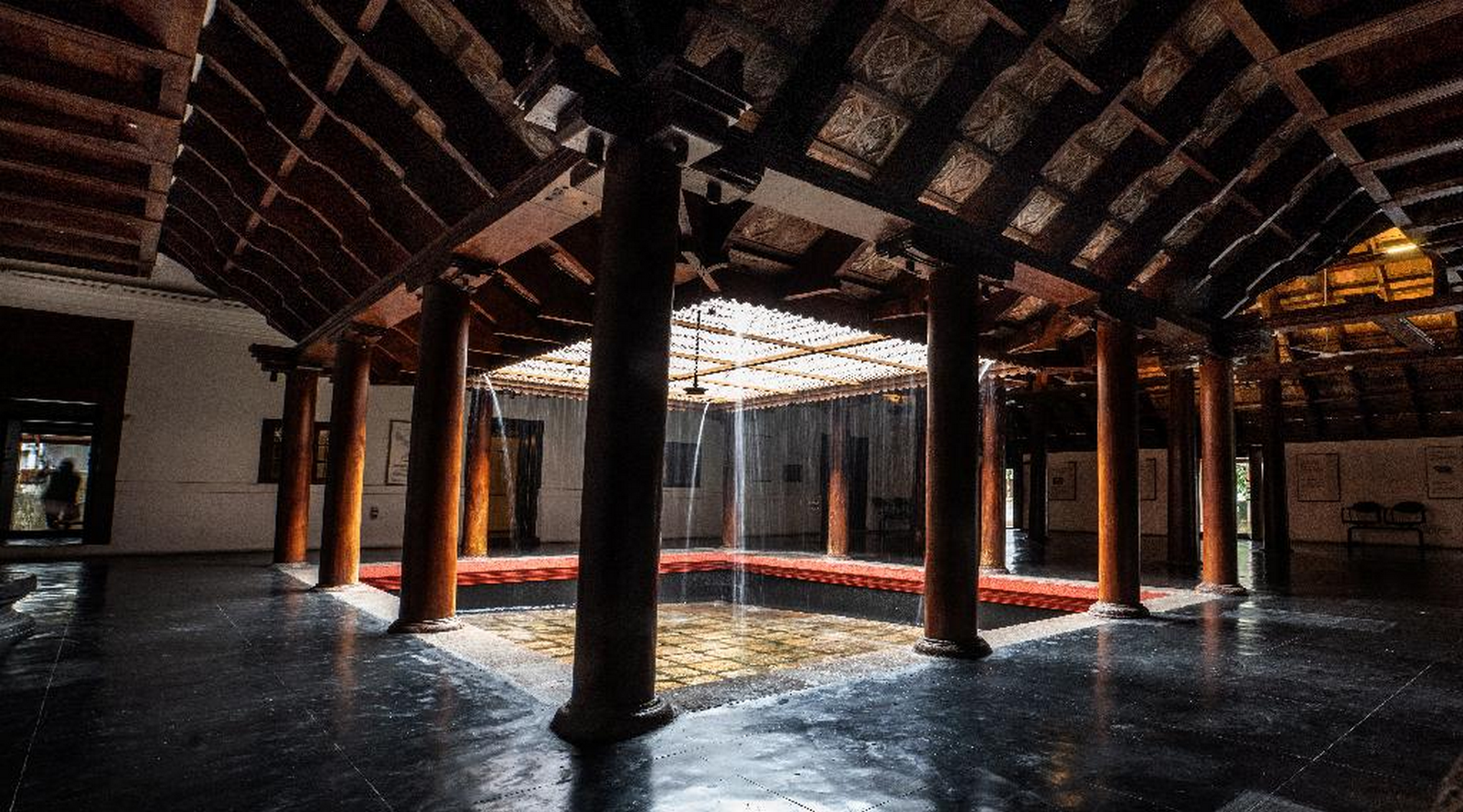
In this sense, daily routines become cultural behaviours made spatial. The built environment does not only host routine. It instructs it. It teaches where to stand, where to wait, and how to move. Through repetition, these actions become so familiar that they often go unnoticed. The more one repeats a behaviour within a particular environment, the more natural it feels. Architecture becomes culture made physical, reinforcing what a society values through form, proportion, organisation, and the environmental comforts that support clarity, rest, and alertness.
Daily routines in turn invest architecture with meaning. A repeated action transforms an anonymous space into a place. The step someone sits on every evening, the window they open each morning, or the path they take without thinking becomes part of their spatial biography. Routine is a form of emotional mapping. Through repetition, architecture becomes linked with memory and identity. This is where personal life and built form become inseparable. The ordinary is transformed into something significant because it holds the imprint of lived experience, supported by spatial qualities that allow-+ habit to settle without disruption.
New Routines, New Narratives
At times cultural routines change faster than architecture can adapt. This produces new narratives. Work from home habits emerge in layouts that were never designed for sustained productivity, and the absence of light, air, and ergonomic support becomes immediately perceptible. High rise living struggles to support routines once shaped by courtyards and extended family structures. Public transport patterns shift in ways that planned infrastructure does not anticipate. Informal vendors appear at points of maximum visibility even when regulations or pavements do not accommodate them. People carve new scripts into existing environments, showing that architecture and routine are continually negotiating with each other.
These moments of misalignment reveal an important truth. The real performance of architecture is not in iconic images or stylistic gestures. It is in the daily life it supports or constrains. Routines reveal architecture’s influence with clarity. They show where comfort is found, where friction persists, and where design has succeeded or failed. They record the social, cultural, material, and environmental dimensions of space more faithfully than any plan or photograph.
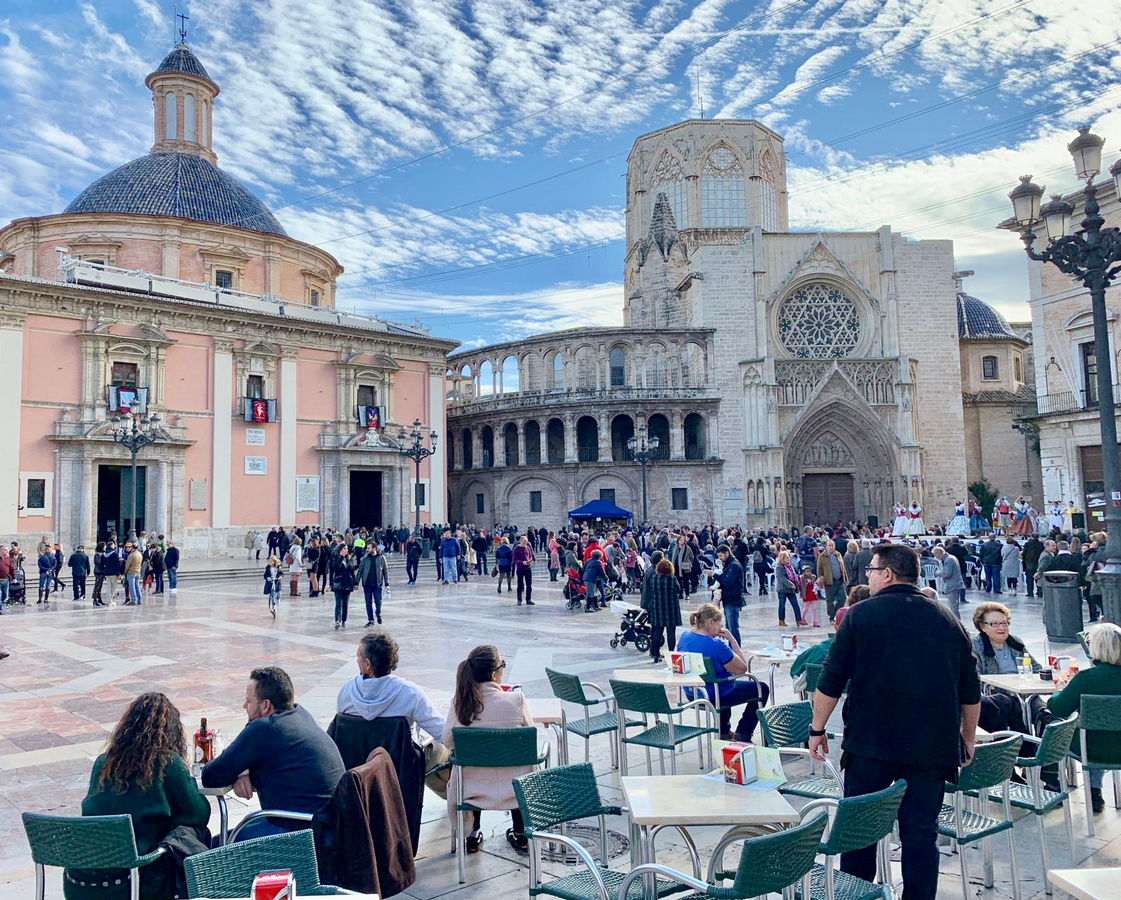
Architecture does not simply form the background of life. It shapes the foreground of habit. It influences how each day is lived, remembered, and repeated. The stories of ordinary movement, pause, work, and gathering form the most accurate archive of our built world. To understand architecture fully, one must observe the everyday. It is there that the quiet dialogue between space and routine becomes visible, and where the narrative of human life and its environments is most clearly written.