One of the most enduring chroniclers of human history, architecture uses form, materiality, craftsmanship, and spatial intent to subtly record civilisations. Understanding architecture as a time capsule means appreciating how structures serve as memory repositories, preserving social values, cultural identity, and technological advancement over many centuries. Architecture tells stories in ways that written words cannot, from historic monuments to current conservation initiatives. This article examines how historical structures serve as time capsules, highlighting how crucial restoration and preservation are to preserving humanity’s common heritage.
Architecture as a Time Capsule in Ancient Civilisations
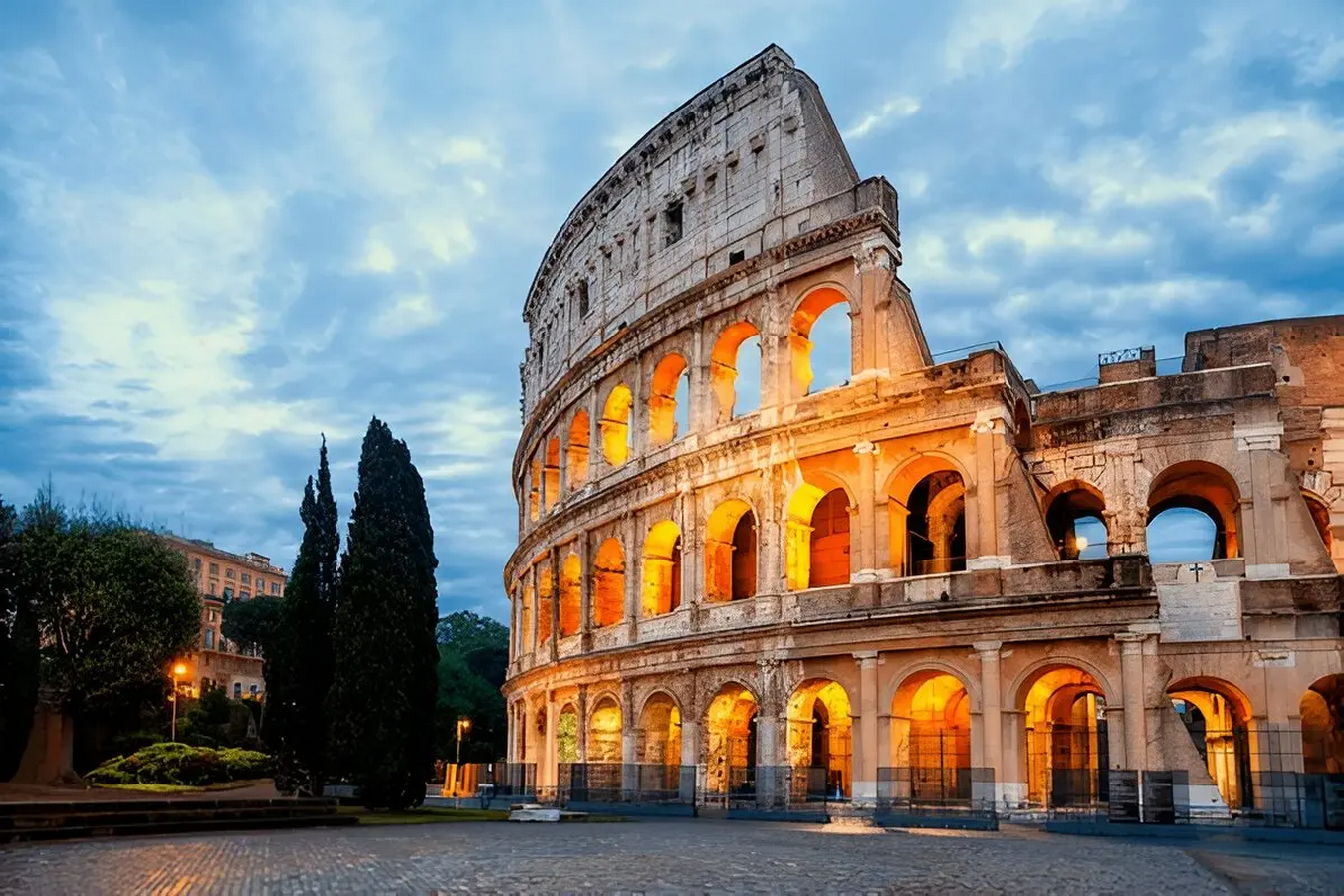
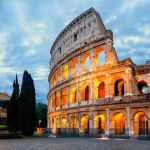
Ancient monuments all over the world provide a vivid window into the societies that constructed them. For instance, Rome‘s Colosseum is still a potent representation of imperial power, technological innovation, and popular entertainment. Its intricate vaulting systems and elliptical shape demonstrate the Romans’ proficiency with concrete and travertine. The structure provides significant insight into public life, gladiatorial traditions, and class hierarchy due to its monumental scale and spatial organisation. These structures serve as examples of architecture as a time capsule, encapsulating engineering innovation, cultural priorities, and political structure in a single form.
Another remarkable example is the Pyramids of Giza. Their flawless geometry and heavenly alignment are a reflection of the Egyptians‘ understanding of mathematics, spirituality, and social structure. The Greek pursuit of beauty, proportion, and reason is exemplified by the Parthenon in Athens; these principles still have an impact on modern architecture. These buildings continue to convey the spirit of the civilisations that shaped them, rather than just existing as artefacts.
Monuments of Love, Legacy, and Power
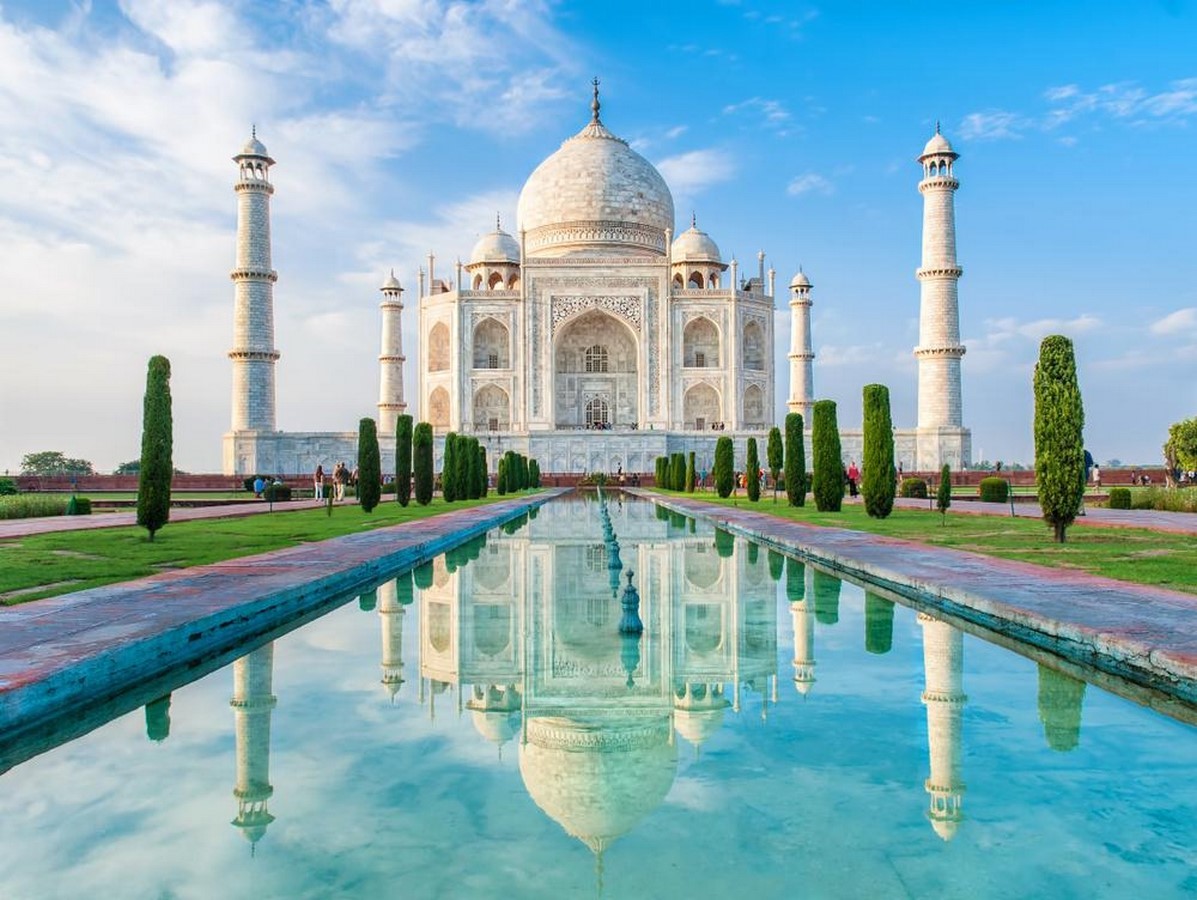
The Taj Mahal is a remarkable example of architecture as a time capsule in South Asia because of its exquisite craftsmanship and poignant story. The monument maintains the symmetry, accuracy, marble inlay, elaborate calligraphy, and balanced proportions that are hallmarks of Mughal architecture. Beyond its outward appearance, the Taj Mahal tells a tale of imperial patronage, love, and loss, providing future generations with a material link to a very intimate period of history.
Similar to this, Cambodia’s Angkor Wat is a storehouse of Khmer cultural identity, astronomical knowledge, and religious symbolism. It demonstrates how architecture preserves not only physical forms but also intangible heritage such as rituals, spiritual beliefs, and artistic sensibilities. The past is still felt in today’s cultural consciousness thanks to these recognisable buildings.
Architecture as a Repository of Cultural Identity
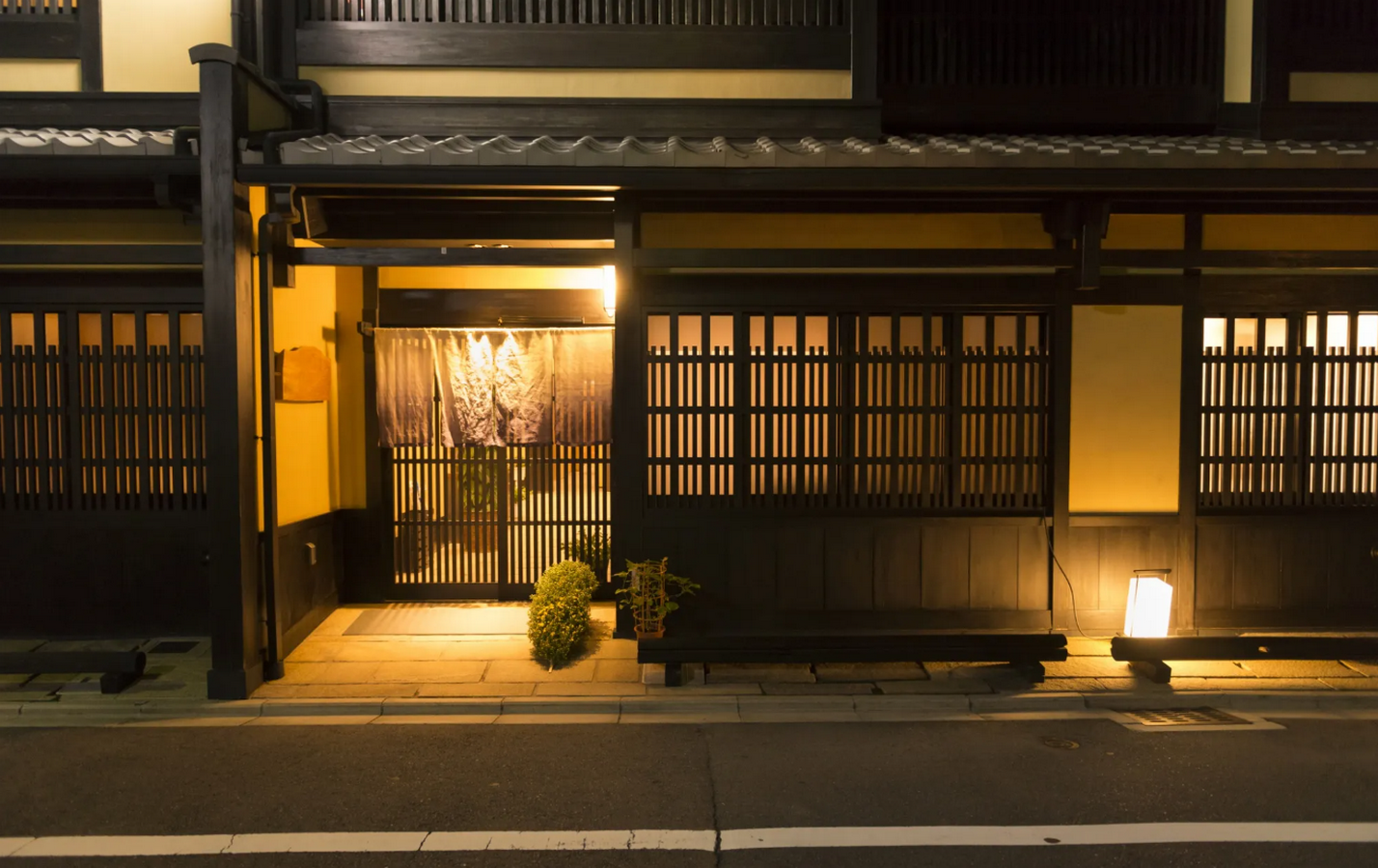
Vernacular architecture is an equally rich time capsule that goes beyond monumental heritage. With their sliding partitions, timber frames, and small street fronts, Japanese machiya townhouses record centuries of community ties, craft methods, and domestic life. Their spatial arrangement, which includes inner courtyards, deep interiors, and narrow frontages, reveals lifestyle patterns, climatic adaptations, and socioeconomic structures.
Stepwells like Rani ki Vav in India tell tales of local craftsmanship, spiritual symbolism, and water scarcity. Their intricate underground design and sculpture programs demonstrate how functionality and creativity can coexist. Similar to this, the Gothic cathedrals of Europe, with their lofty vaults, stained glass, and pointed arches, evoke the spiritual fervour and technical aspirations of the Middle Ages. These structures serve as examples of how Architecture as a Time Capsule works in both monumental and commonplace structures that represent regional customs and life experiences.
Preservation: Safeguarding the World’s Collective Memory

In order to guarantee that architectural time capsules survive for upcoming generations, preservation is crucial. Buildings are shielded by heritage conservation from damage, careless renovations, and the stresses of fast urban growth. When restoration is done properly, it strengthens structural integrity while preserving authenticity. The building’s historical, cultural, and technological significance is preserved thanks to this careful balance.
National heritage laws and international frameworks like UNESCO’s World Heritage Convention highlight the significance of conservation as a social duty. The process of preserving historic architecture involves more than just preserving wood or stones; it involves preserving collective memory. A piece of human history vanishes along with a building. Architecture as a Time Capsule continues to inform, inspire, and educate modern culture through preservation.
The Threats Facing Architectural Heritage Today
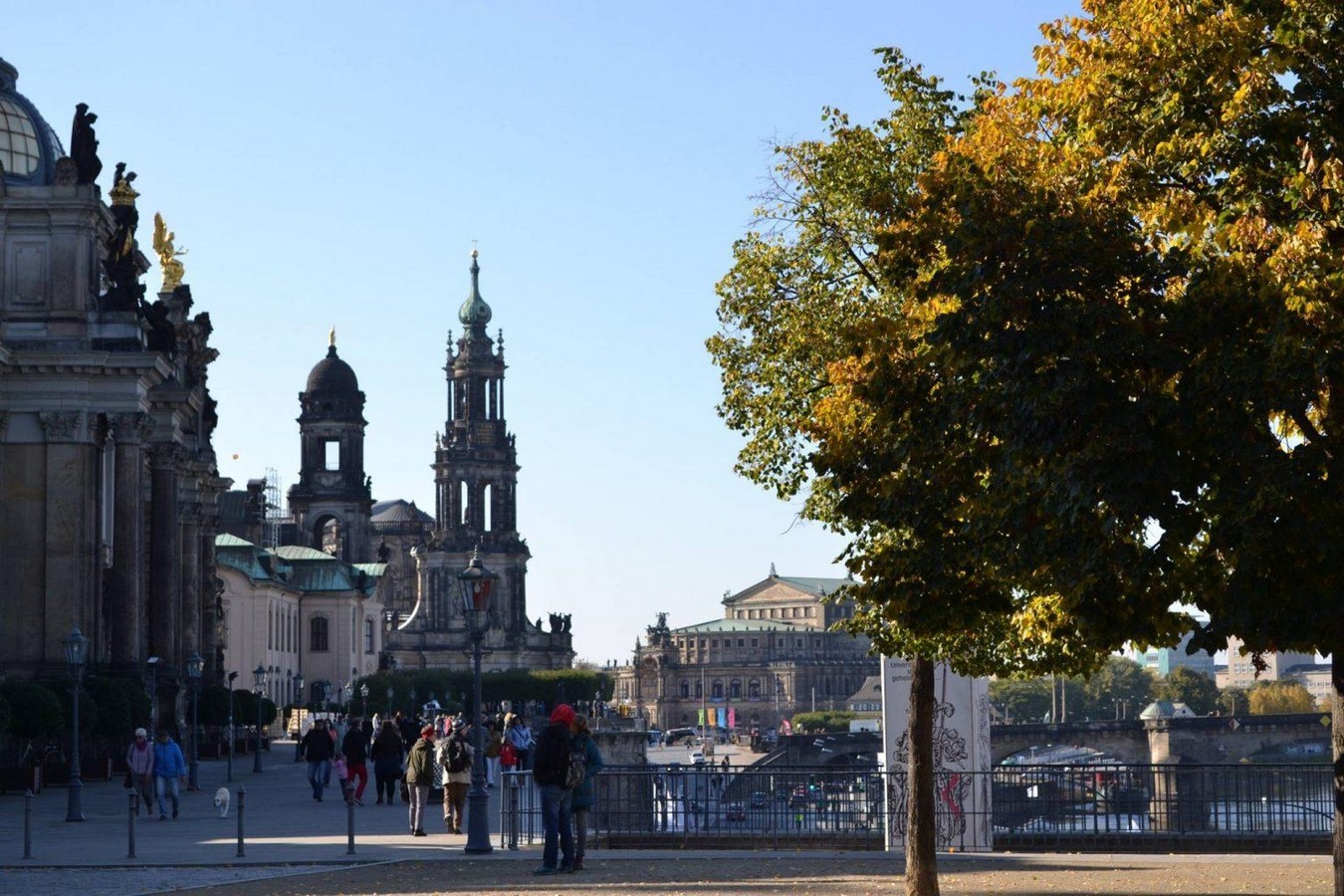
Many historic buildings are still at risk despite international efforts. Heritage sites are often under stress due to rapid urbanisation, especially in expanding metropolitan areas. Development is frequently given precedence over conservation due to commercial interests, high land values, and modern infrastructure projects.
Degradation of the environment presents further risks. Erosion, flooding, and material decay are all accelerated by climate change, especially in desert and coastal regions. The risk to architectural heritage is further increased by human neglect, the demands of tourism, and destruction brought on by conflicts. These difficulties highlight how urgently stronger preservation laws, eco-friendly travel strategies, and community involvement are needed to protect architectural time capsules.
Modern Architecture as Future Time Capsules
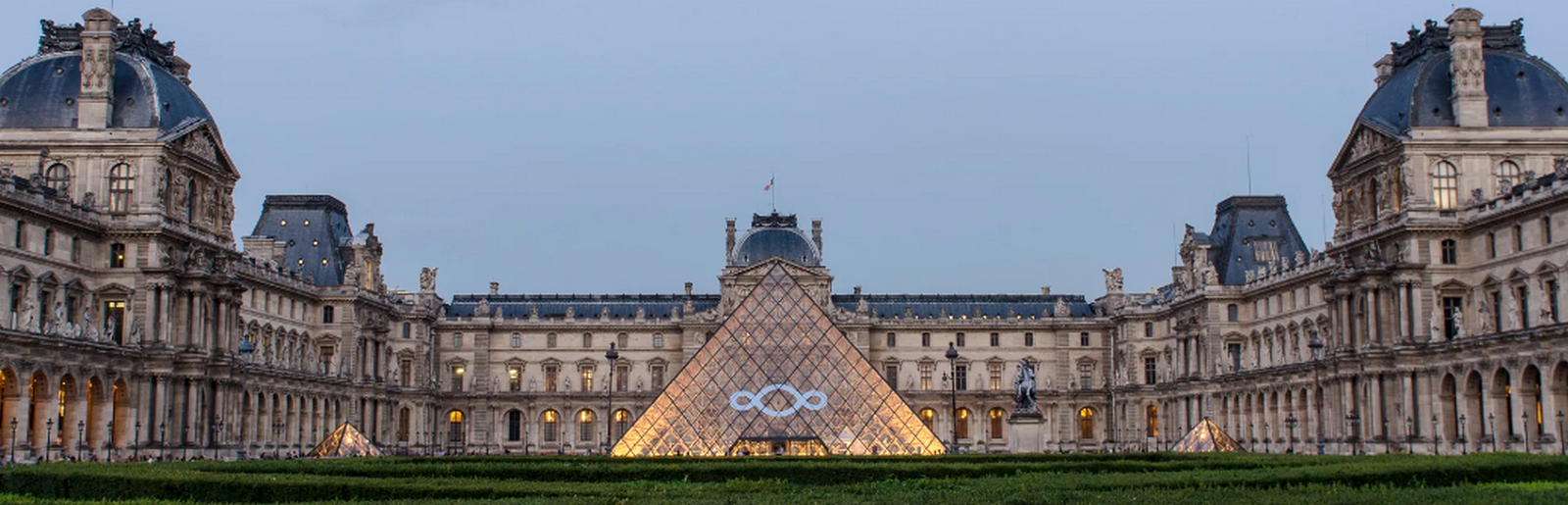
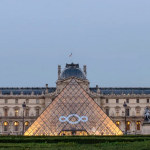
Modern architecture is slowly turning into the time capsule of the future, while historic architecture preserves centuries of memories. Current cultural values, technological developments, environmental concerns, and social goals are all reflected in modern architecture. The evolution of the global design language and society’s changing relationship with nature, materials, and technology are demonstrated by buildings like the Louvre Pyramid, Sydney Opera House, and India’s Lotus Temple.
Today’s architects consciously consider cultural continuity, sustainability, and resilience when designing. Structures that reflect today’s environmental consciousness and inventive spirit will be passed down to future generations thanks to the use of renewable materials, passive cooling strategies, and adaptive reuse. In this sense, architecture as a time capsule transcends the past and tells the present to future generations of scholars.
Architecture, in its most profound form, is a timeless storyteller. Every pillar, arch, façade, and spatial configuration carries the imprint of the society that created it. To understand Architecture as a Time Capsule is to recognise the discipline’s ability to preserve memories far beyond the lifespan of individuals. From ancient monuments to vernacular traditions and contemporary icons, buildings serve as enduring records of culture, identity, and human ingenuity. Through preservation, restoration, and responsible development, society ensures that these architectural narratives remain accessible for generations, allowing history to continue unfolding through built form.