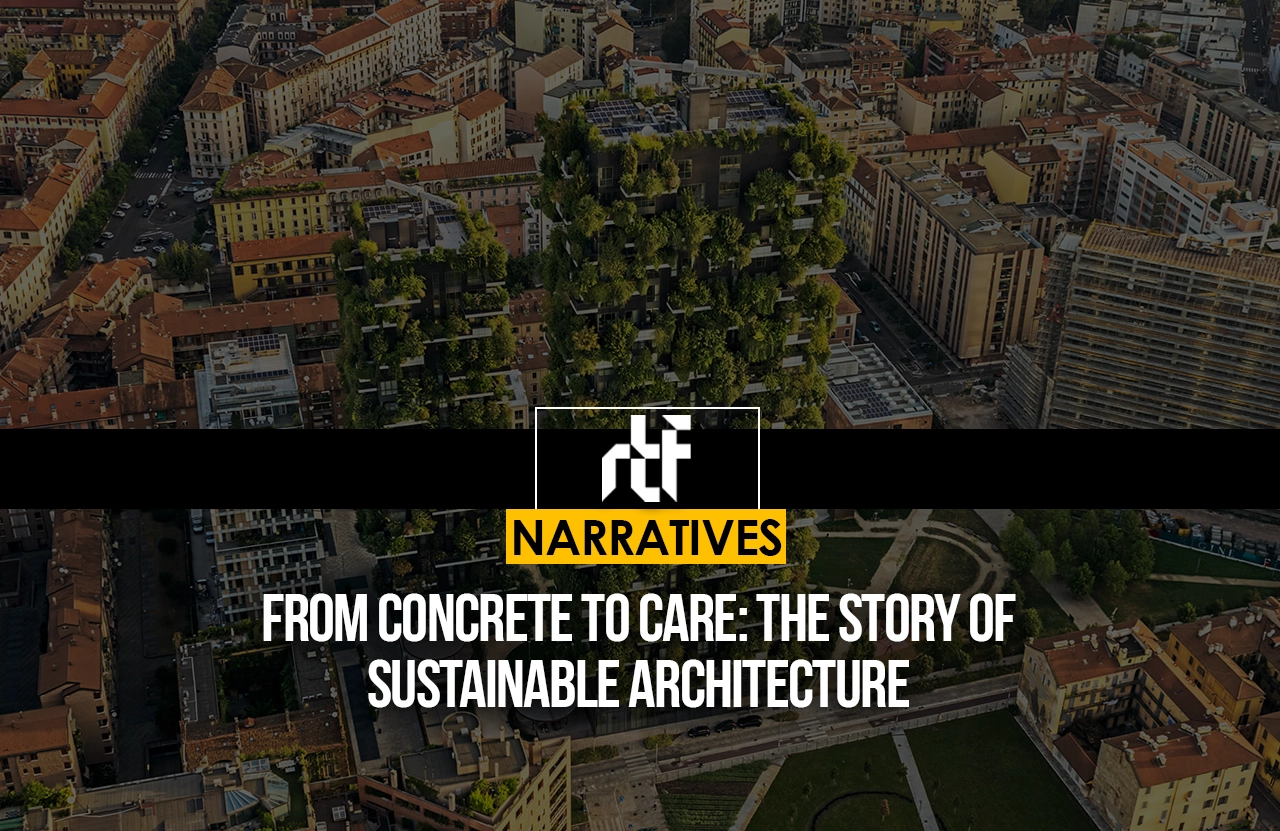
In a world where climate change, urban expression and resource scarcity dominate our headlines, architecture stands at a crossroad. The old model of construction; based on greed, carelessness and overconsumption has now been replaced by sustainable architecture, a fresh narrative that speaks of resilience, adaptability, and hope.
This new approach to building is not only about reducing damage but also about creating balance. Through regenerative design, renewable materials and innovative technologies, sustainable architecture invites us to imagine tomorrow’s cities as greener, smarter and far more humane.
Turning Point of Architecture
Architecture has always reflected our ambitions. Pyramids reached for eternity, cathedrals stretched toward heaven, skyscrapers shouted about power. Yet behind the grandeur lies a heavy cost: the building sector produces nearly 40% of global carbon emissions (UNEP, 2021).
Here is where sustainable architecture changes the plot. Instead of controlling nature, it works with it. Every project becomes a story of survival, ethics, and imagination.It asks us to build with empathy, not ego.To see buildings not as barriers, but as bridges between people and the planet.And to design spaces that don’t just stand the test of time; but help shape a better future.
Designing With The Climate, Not Against It
Good sustainable design always starts with understanding the context. Buildings stop feeling like lifeless boxes dropped onto the land and instead begin to behave like living organisms—breathing, shading, cooling, and lighting themselves naturally.
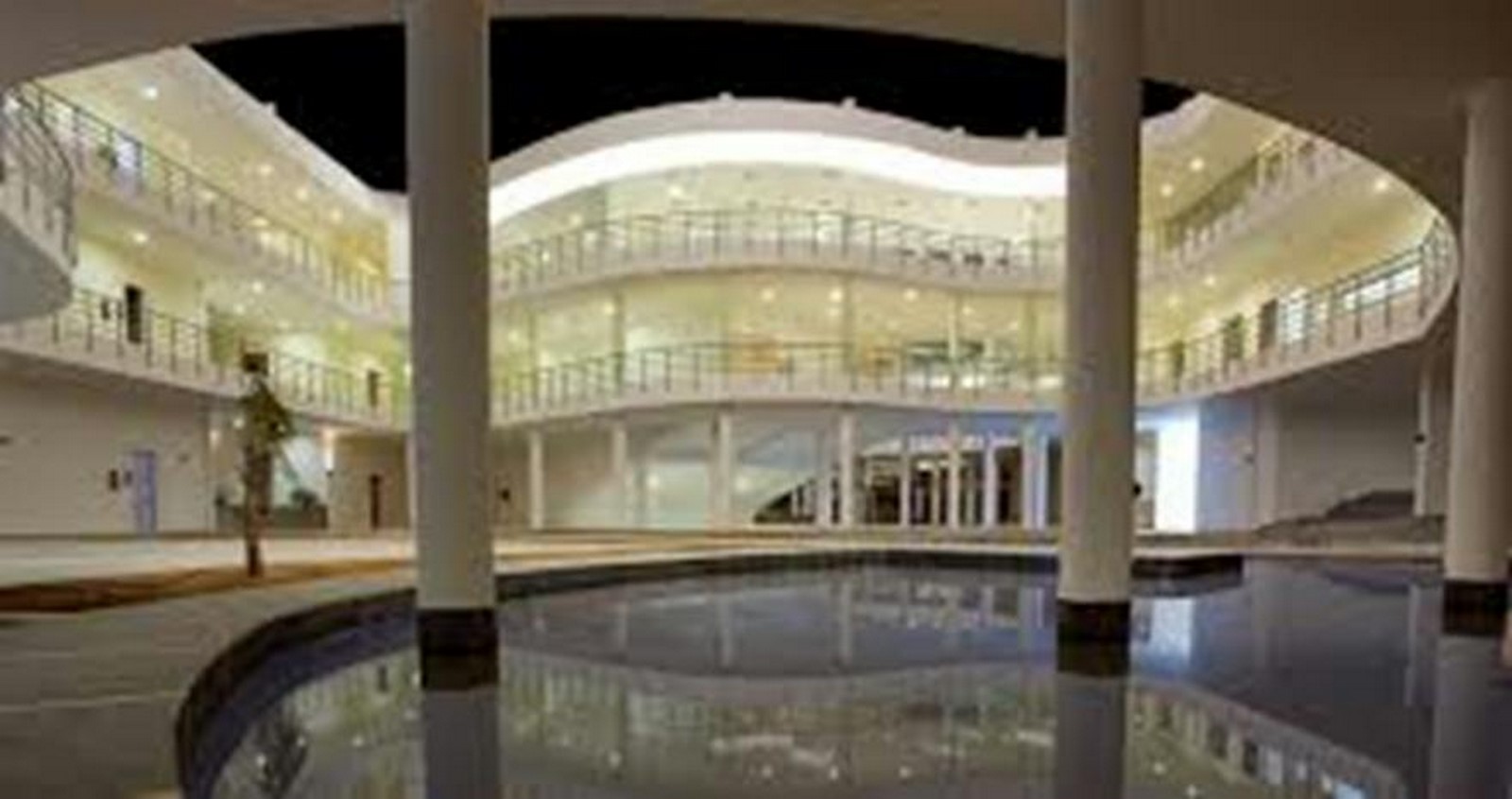
The Pearl Academy of Fashion in Jaipur, designed by Morphogenesis. Its jaali screens, courtyards, and underground spaces cut energy-use by half while bringing Rajasthani design traditions back to life. It’s more than just engineering; it’s a smart blend of heritage and innovation that fits perfectly in today’s world.
Materials That Carry Their Own Story
Once upon a time, concrete and steel were the heroes of modernity. Today, they are exposed as villains of carbon emissions. The plot twist? Architects are returning to bamboo, rammed earth and timber, while experimenting with futuristic options like mycelium composites and recycled plastic.
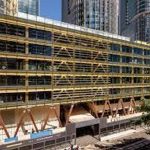
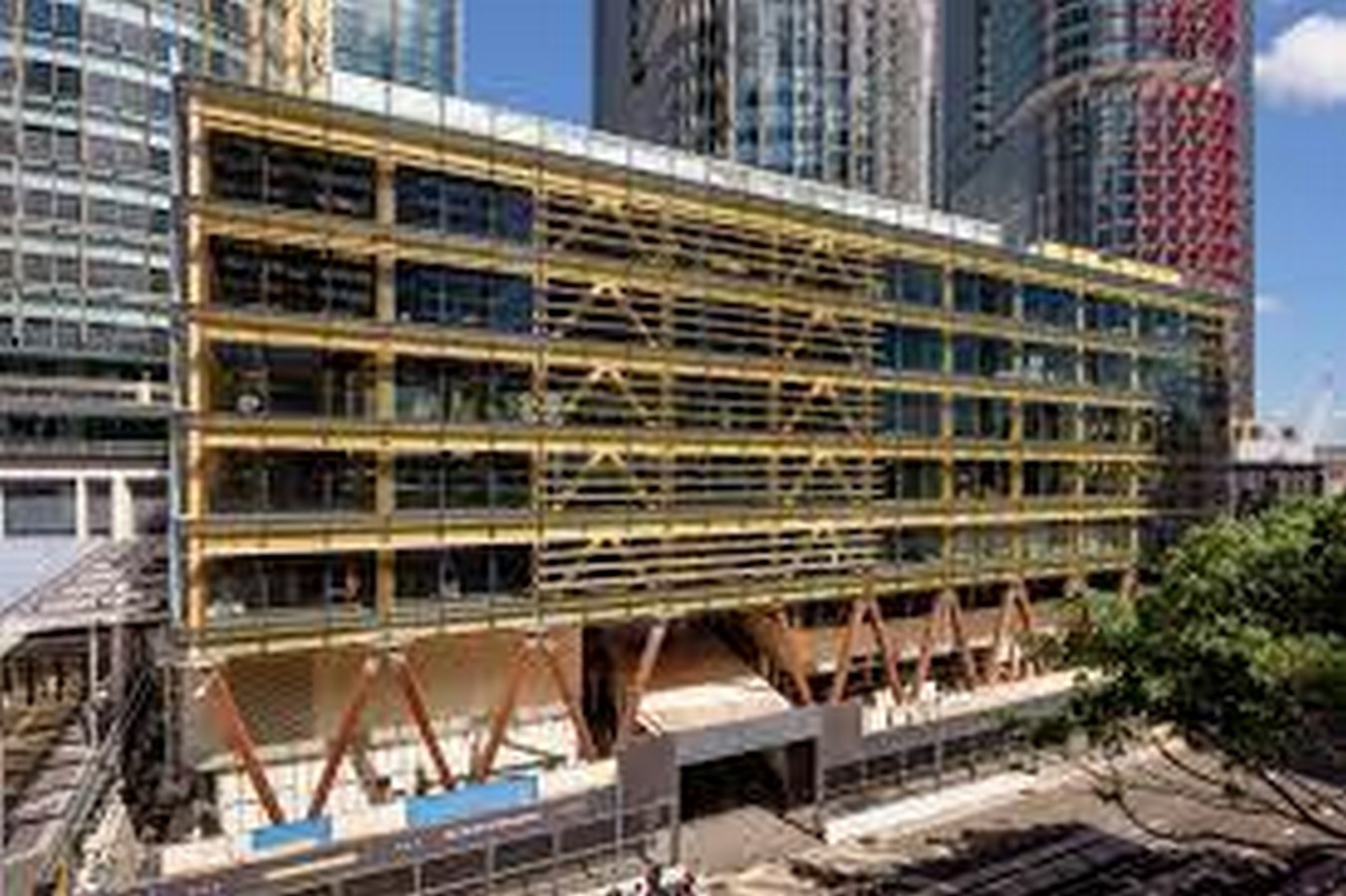
The International House in Sydney is a brilliant case. Built almost entirely from engineered timber, it stores carbon rather than releasing it, while giving interiors a warmth that concrete could never match. Here, sustainable architecture proves that material choice is not just practical but also deeply ethical.
Cities As Regenerative Landscapes
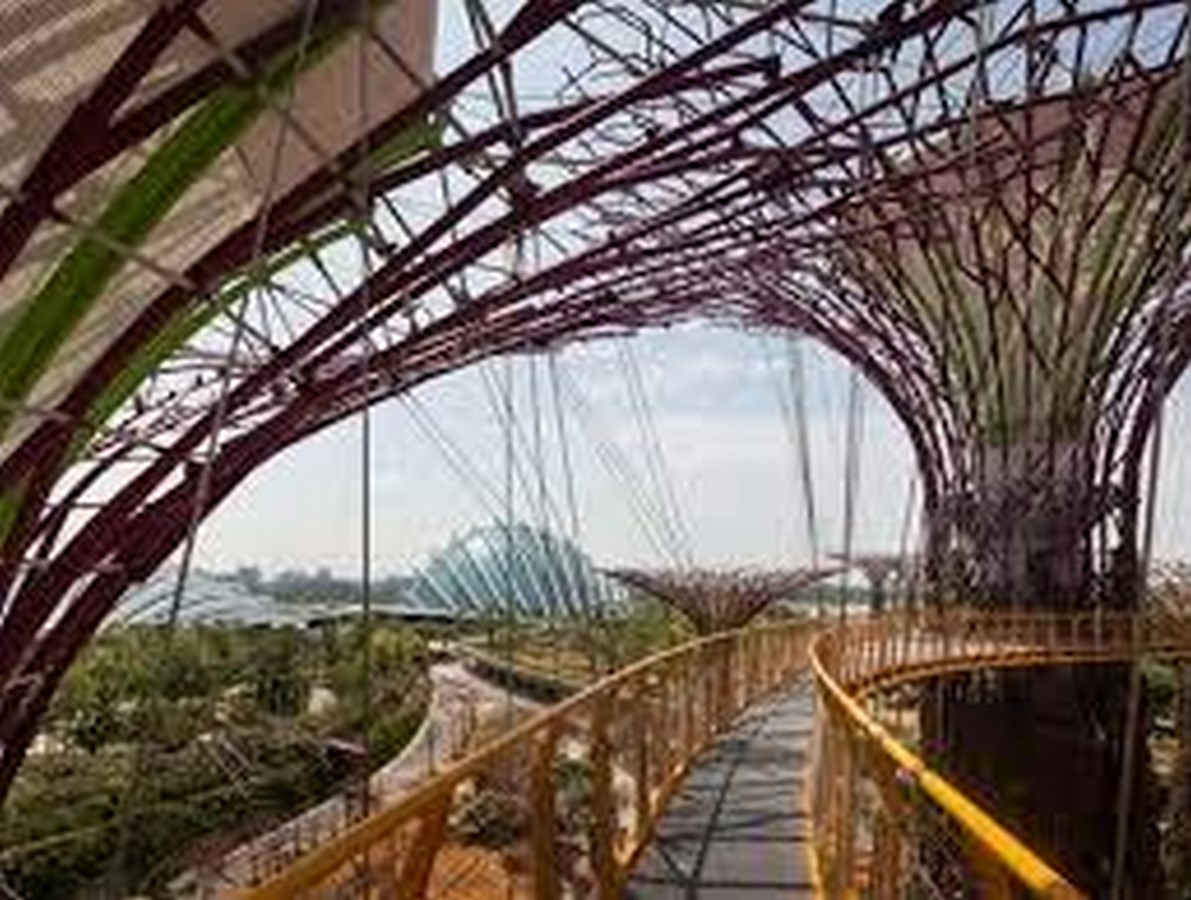
The most exciting chapter of this story is unfolding at the city scale. Imagine cities not as sources of pollution, but as vibrant ecosystems where people, plants, and wildlife coexist. Singapore’s Gardens by the Bay offers a vivid example.
Its iconic Supertrees harvest solar energy, collect rainwater, and support vertical gardens that also attract visitors. Even the conservatories run on smart, energy-efficient systems. This isn’t just design—it’s a vision of urban life reimagined. The city becomes more than infrastructure; it becomes a living system, where sustainability and beauty meet, and where humans live in harmony with the natural world
Community, Culture and Sustainability
At its core, architecture is about people, not just walls and roofs. Sustainable architecture is powerful when it builds stronger communities: affordable homes, inclusive spaces and design that honours local culture.
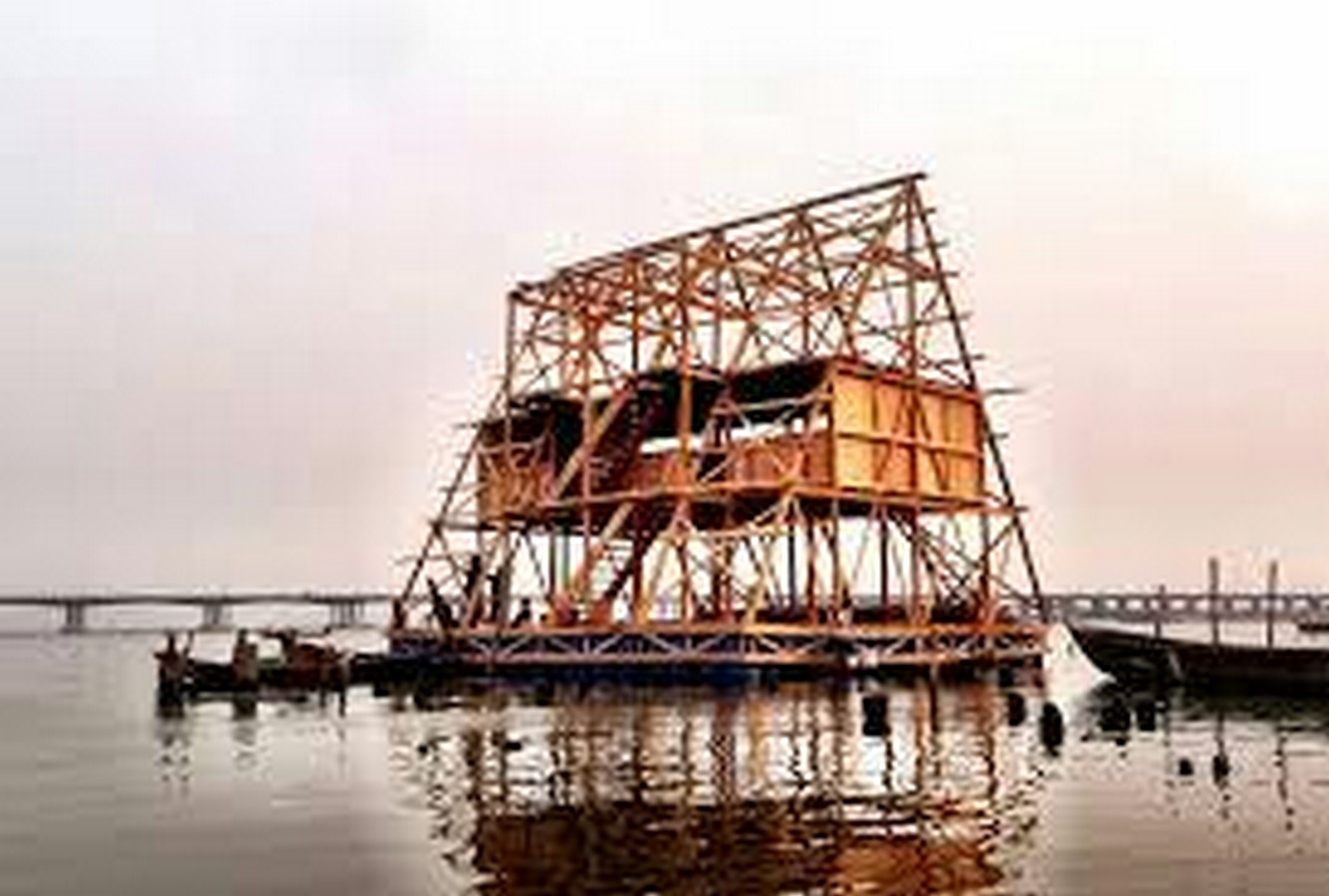
The Makoko Floating School in Lagos by NLÉ Architects is a beautiful example. It was built on water for a community that lives with constant flooding. More than a school, it symbolised resilience and pride. The message was simple: sustainability is not only technical, it is deeply human.
Technology as a storyteller’s tool
While tradition guides us, technology turbocharges the story. Sensors, parametric modelling and AI simulations are helping architects design smarter buildings that practically run themselves.
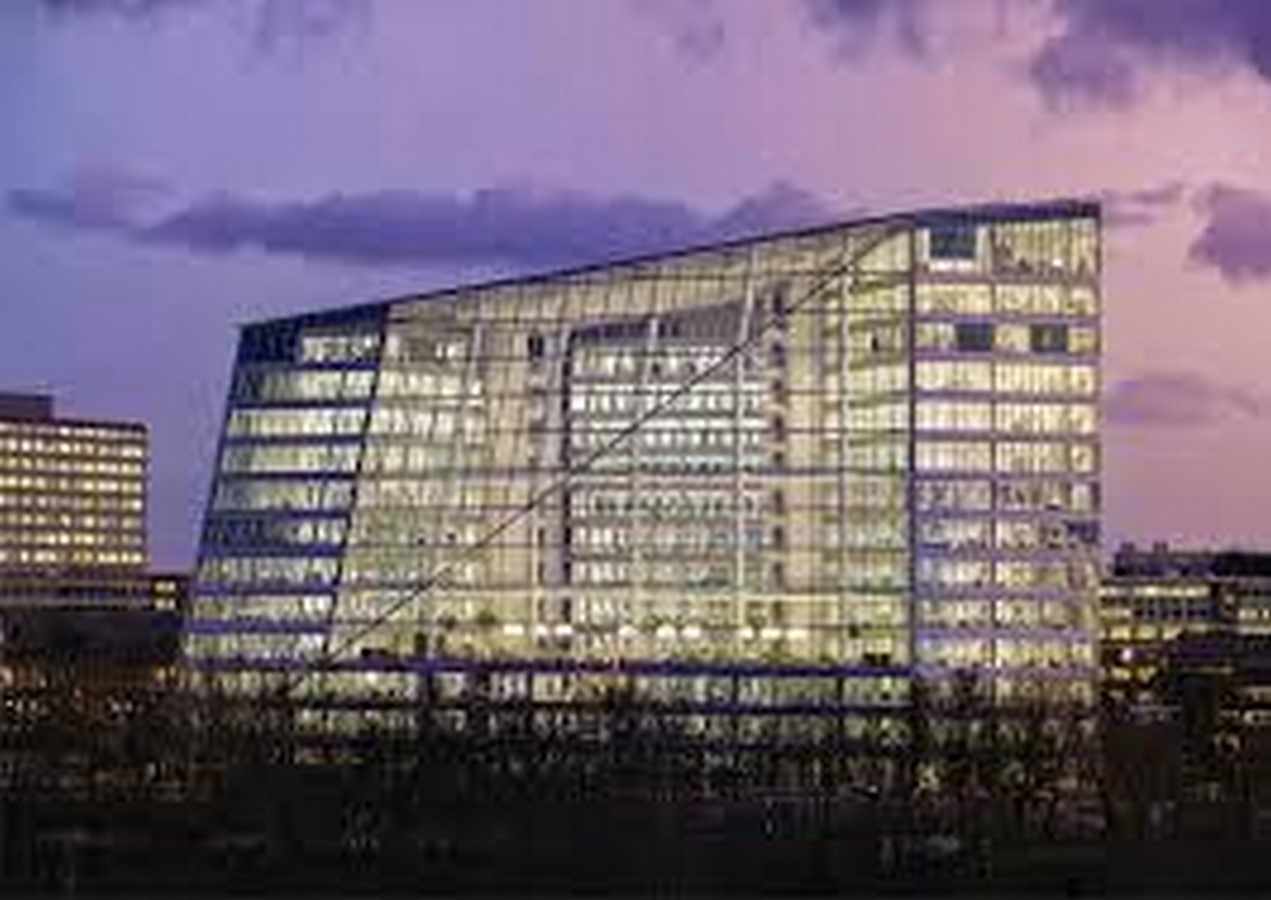
The Edge in Amsterdam is often called the world’s greenest office. It balances energy like a tightrope walker, adjusting light, heat and cooling in real time. Employees even get an app that customises comfort. Here, sustainability isn’t hidden behind the scenes—it becomes part of daily life.
Reimagining Architectural Narrative
The magic of sustainable architecture is that it rewrites the role of buildings. They are no longer static objects. They are storytellers in their own right—harvesting rain, generating power, filtering air and nurturing people.
The story is no longer about “less harm”. It is about active healing. By embracing sustainability, architecture points toward skylines full of green facades, materials that regenerate and cities that pulse like living organisms. It is a story that invites everyone; architects, policymakers and citizens—to join the cast.
Sustainable architecture reimagines our future by blending tradition, technology, ecology and culture into a single story. It is not just about surviving climate change but about thriving in spite of it. Each solar panel, each recycled brick, each breathable façade is a sentence in the world’s most important story: how we choose to live on this planet.
If architecture has always been humanity’s diary written in stone and steel, then sustainable architecture is our chance to write a chapter filled with hope, care and renewal.
References:
- UNEP (2021). 2021 Global Status Report for Buildings and Construction. [online] Available at: https://www.unep.org
- Morphogenesis (n.d.). Pearl Academy of Fashion, Jaipur. [online] Available at: https://www.morphogenesis.org
- International House Sydney – archdaily.com )
- Gardens by the Bay, Singapore – wikipedia)
- Makoko Floating School – ArchiPlan)
- The Edge, Amsterdam- ArchDaily.com)