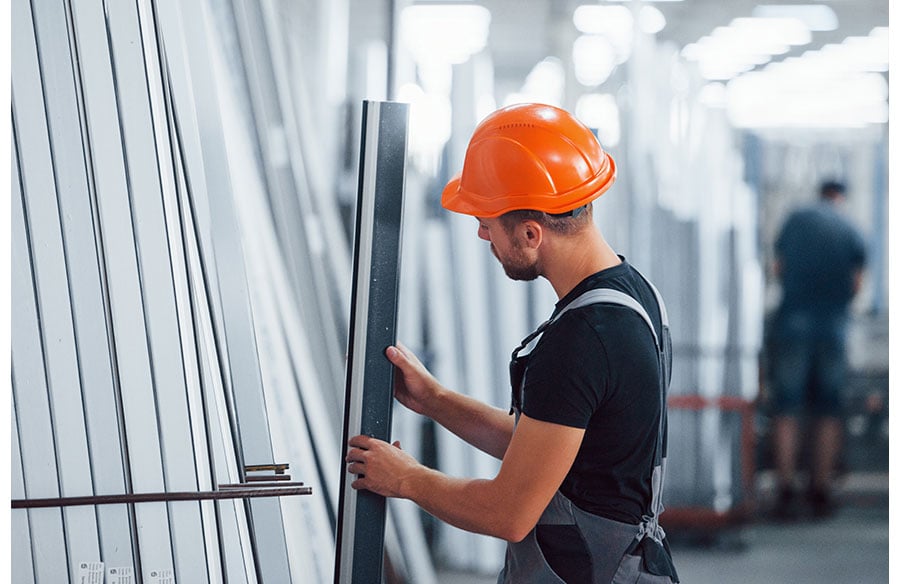
Cladding installation is one of those tasks where precision and safety can’t be compromised. Reading about techniques or watching a video isn’t enough because the work requires real practice to get right.
That’s where hands-on training proves its value, giving you the chance to develop practical skills that directly transfer to site work. If you’re serious about working safely, improving quality, and building a stronger career, keep reading to see why this type of training really makes a difference.
Building Practical Skills That Stick
You can only learn so much from theory before you need to put your knowledge into action. Cladding involves measuring, cutting, fixing, and sealing, which means accuracy is vital. By handling real tools and materials during training, you gain the confidence to do the job correctly from day one.
If you’ve been considering further development, enrolling in a Cladding installer training course is a smart move because it combines technical guidance with supervised practice. You’ll not only understand the standards but also be able to meet them under real conditions.
Meeting Safety and Compliance Standards
Cladding installation often takes place at height, close to heavy machinery, and alongside other active trades. These environments bring real risks, and without the right training, even small mistakes can lead to serious accidents or costly delays.
That’s why practical training is so important. Hands-on sessions make sure that you’re not only aware of safety rules but also know how to put them into practice confidently, protecting both yourself and those working around you.
Raising Quality and Reducing Errors
On-site mistakes cost time, money, and sometimes reputations. With practical training, you’ll know how to cut panels correctly, identify faults, and carry out precise installation. This reduces rework and helps projects run more smoothly.
Employers value installers who can deliver consistent results without needing constant oversight. By investing in your practical skills, you become a reliable part of any project team.
Supporting Career Progression
Practical competence is one of the strongest signals of your readiness for more responsibility. If you’re aiming for supervisory roles or specialist projects, demonstrating that you’ve mastered the techniques is key.
Hands-on training isn’t just about fulfilling compliance, but about showing that you can handle challenges on site. When combined with accredited qualifications, it strengthens your CV and helps open doors to new opportunities.
Why Hands-On Training Matters
The construction industry is under constant pressure to deliver projects quickly and safely. With stricter building regulations and a stronger focus on fire safety, the demand for skilled cladding installers has never been higher.
Employers need people who’ve trained properly, not just read manuals. By committing to hands-on training, you’re investing in your own safety, the quality of your work, and your long-term career. It’s a straightforward step that sets you apart in a competitive field.
Conclusion
Cladding isn’t just about fixing panels, but about doing it right every time. With hands-on training, you get the experience and confidence that books or screens can’t provide. If you’re ready to improve your safety, raise your quality, and strengthen your career prospects, practical training is the way forward.