Sleep apnea is a prevalent sleep disorder that disrupts breathing during sleep and can significantly impact overall health and quality of life. In Australia, where climate and lifestyle vary widely across regions, managing sleep apnea effectively means more than just medical treatment and using the CPAP machines Australia offers. It also requires a home environment designed for comfort, rest, and proper breathing. Australian architecture, with its focus on climate-responsive design, is crucial in supporting restful sleep for those living with sleep apnea. This article explores how ventilation, insulation, acoustics, and other indoor environmental factors within Australian homes influence sleep apnea management, highlighting why creating a well-designed sleep environment can make a meaningful difference.
Australian Architecture: Climate and Comfort as a Foundation
Australia’s diverse climate zones, from the tropical north to the cooler south and arid central deserts, have long influenced residential architecture. Australian homes are typically designed to manage heat, cold, humidity, and air movement in ways that provide year-round comfort. For people with sleep apnea, these architectural features are not only about everyday comfort; they directly impact sleep quality and symptom management.
Key architectural considerations that benefit sleep apnea sufferers include ventilation, insulation, and sound management. These elements are embedded in Australian housing styles like Queenslanders, contemporary beach homes, or suburban brick-and-tile houses, all of which take local environmental factors into account.
Ventilation: Breathing Easy in Australian Homes
Proper ventilation is pivotal for anyone managing sleep apnea because fresh, oxygen-rich air supports smoother breathing and reduces irritation of the airways. In Australian homes, ventilation strategies respond to local weather patterns, with large windows strategically placed for cross-ventilation in warmer areas, ceiling fans common in Queenslanders and tropical homes, and mechanical ventilation systems in more temperate zones.
For example, homes in northern Australia often use wide verandahs and operable windows to capture breezes and encourage airflow. This constant circulation of fresh air helps reduce indoor pollutants, allergens, and humidity that might aggravate sleep apnea symptoms. Meanwhile, homes in cooler southern regions are designed to seal in warmth during winter and promote controlled ventilation to avoid stale indoor air.
Incorporating good airflow in bedrooms, whether through openable windows, ceiling fans, or air purifiers, supports more comfortable breathing at night, which is critical for maintaining restful sleep amid apnea interruptions.
Insulation and Thermal Comfort: Maintaining Ideal Sleep Conditions
Insulation is another hallmark of Australian design that significantly affects sleep apnea management. Proper insulation helps regulate indoor temperatures, preventing overheating or excessive coldness during the night, both of which can disrupt sleep and worsen apnea symptoms.
Australian homes utilise materials and construction methods tailored to the local climate. In southern climates, thick wall insulation, double glazing, and roofing materials help retain warmth without sacrificing ventilation. In hotter climates, reflective roof coatings, shade structures, and insulated blinds protect bedrooms from overheating during sweltering days.
Maintaining a stable, comfortable temperature throughout the night supports uninterrupted sleep, reducing apnea episode frequency and improving overall restfulness. Materials used in bedding and window treatments also contribute—breathable linens, thermal curtains, and moisture-wicking fabrics balance comfort and temperature control, specifically in Australian homes.
Acoustics: Designing Quiet Sleep Spaces
Noise is a common disruptor of sleep for many Australians, whether from bustling city traffic, neighbours, or natural sounds like coastal winds or wildlife. For individuals living with sleep apnea, even minor sleep interruptions caused by noise can exacerbate breathing difficulties and reduce rest quality.
Australian architecture emphasises acoustic comfort through building methods and materials that absorb or block noise. Double-glazed windows, weather stripping, thick curtains, and carpeting are commonly used to minimise external noise. Modern suburban builds often include soundproof wall insulation and specially designed window glazing in bedrooms to create peaceful sleeping environments.
Quiet bedrooms where sound is controlled encourage longer, deeper sleep sessions, supporting better management of sleep apnea symptoms.
Integrating CPAP Therapy with the Australian Lifestyle and Homes
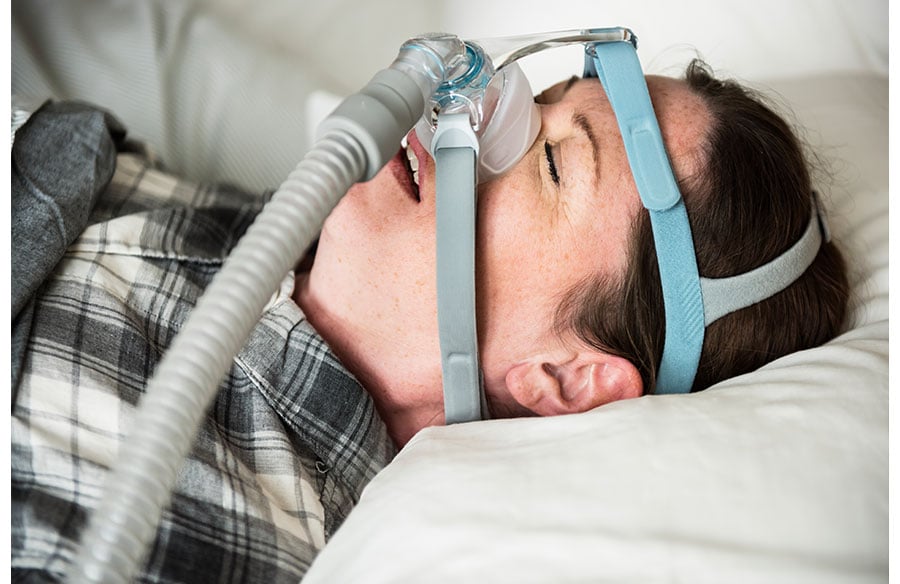
Beyond architectural and environmental considerations, managing sleep apnea in Australia frequently involves integrating medical devices like CPAP machines into daily life. The Australian climate and lifestyle influence choices in equipment, such as mask types suited to warmer or more humid environments and machines designed to operate quietly and efficiently within varied home settings.
For those seeking reliable CPAP machines, including BiPAP machines, travel CPAP machines, and more, providers such as Rockingham CPAP offer devices suited to the lifestyle and climate considerations unique to Australian homes. This ensures therapy remains comfortable and effective throughout the seasons. Choosing equipment designed with these factors in mind can improve adherence and lead to better overall outcomes for sleep apnea patients.
Practical Tips for Designing Sleep-Friendly Bedrooms in Australia
- Maximise Cross-Ventilation: Position bedroom windows to capture prevailing breezes and encourage airflow.
- Invest in Quality Insulation: Choose double-glazing, insulated walls, and thermal window treatments appropriate for your region.
- Use Soft Furnishings for Noise Absorption: Carpets, curtains, and upholstered furniture help cushion sound within the bedroom.
- Incorporate Natural Light Strategically: Morning sunlight aids regulation of sleep-wake cycles; use blackout curtains to eliminate disruptive light at night.
- Maintain Optimal Humidity: Use humidifiers or dehumidifiers to keep moisture in the ideal 40-60% range.
- Choose Breathable Bedding: Natural fabrics like cotton or linen help regulate temperature and reduce allergens.
Conclusion
In Australia, where climate considerations deeply influence home design, the architecture and indoor environment have a profound impact on managing sleep apnea. Proper ventilation, insulation, and acoustic strategies common in Australian homes help create the restful, supportive spaces necessary for effective treatment and better quality sleep. When combined with reliable CPAP machines suited to local conditions – such as those offered by Rockingham CPAP – these design principles enable individuals living with sleep apnea to breathe easier, sleep deeper, and improve their well-being long term.