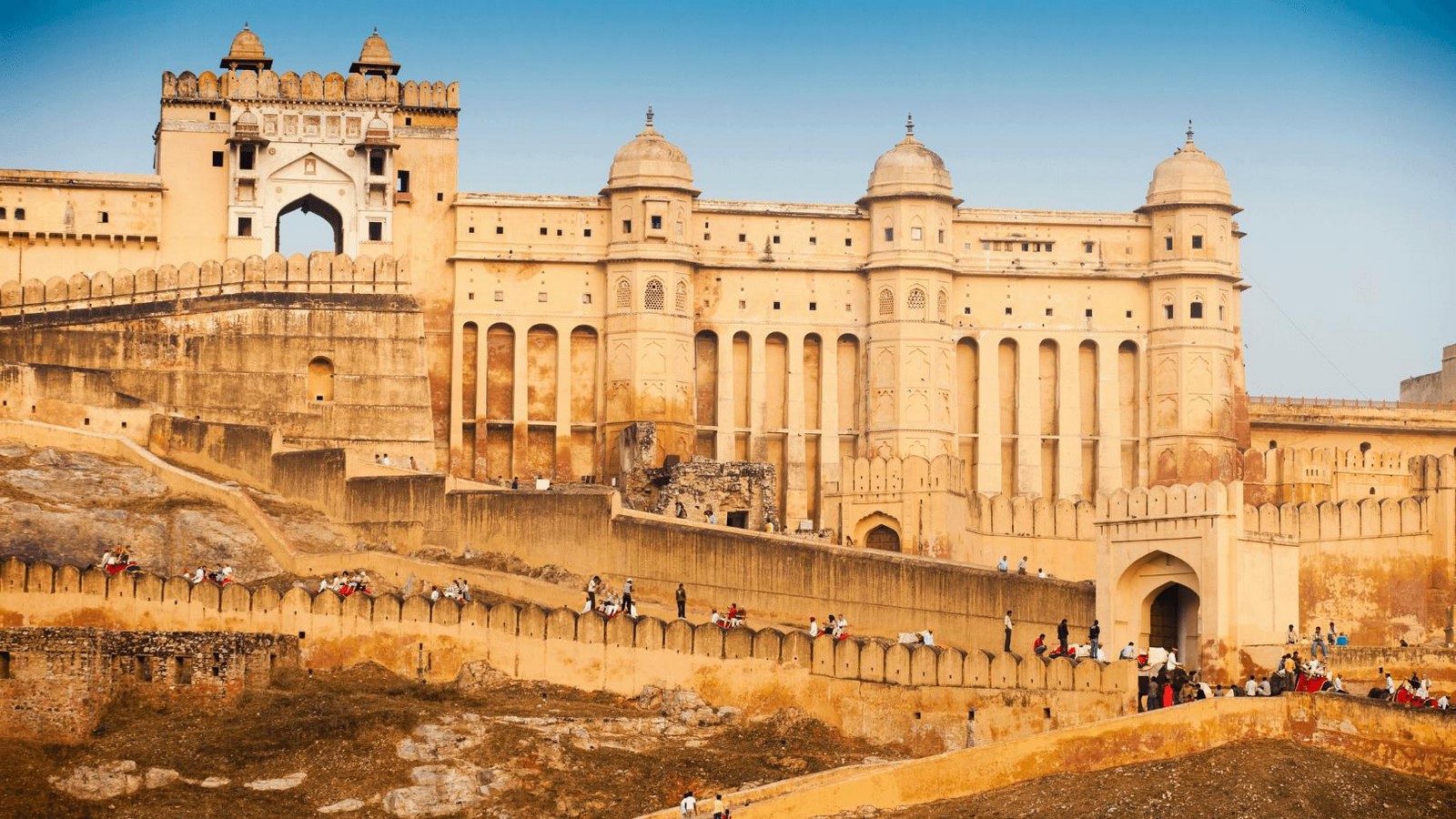
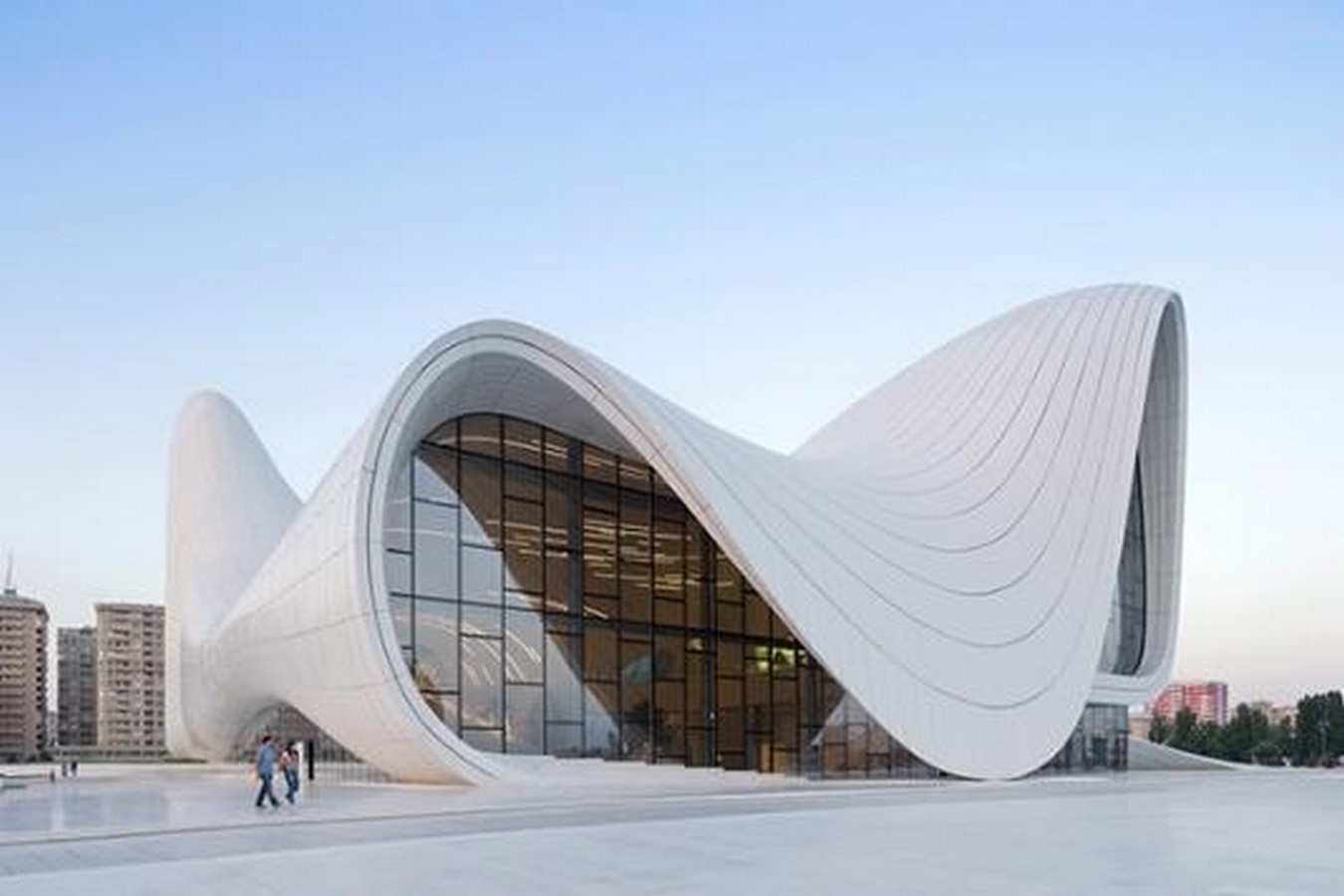
Since the beginning of time, shelter has been one of mankind’s basic necessities. From a simple hut to a towering skyscraper, architecture has evolved based on multiple factors. These are both tangible and intangible and include climate, location, materials available, construction technologies, and the political environment. Each building has witnessed its own story through time. Although some leave their mark more than others, architecture has always been a part of humanity and will continue to be so.
Sagrada Familia – The Story of an Architectural Wonder Through Time
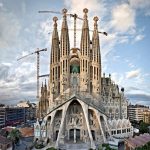
143 years ago, Antoni Gaudi, the most visionary architect of Spain, conceptualized and began the construction of the Sagrada Familia. It is a Roman Catholic Basilica in Barcelona and construction began in 1882. It remains unfinished to this day, primarily due to the complexity of the structure and loss of Gaudi’s records in the Spanish Civil War.
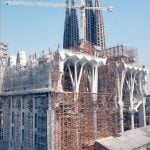
The Sagrada Familia is an excellent example of intergenerational architecture whose design has evolved through its timeline. What started as a purely gothic style church, changed to have a mix of gothic and art nouveau inspirations, and today has some contemporary elements to it as well. This can very clearly be seen in the construction technology used over time. From wooden scaffoldings to digital software used today, there has been a massive leap in how the basilica has been approached. It is a standing testament to how far humanity has come in terms of architecture and construction.
The project was originally undertaken to promote Christianity in Barcelona and was funded by the church. Gaudi was a devout Christian, which can be gauged from the planning and his contributions to the design. He designed 3 facades, The Glory, Nativity, and Passion facades, each representing an aspect of Christianity. The importance and power of the religion during that time cannot be understated and can be understood through the design and architecture of the basilica.
It has withstood the test of time and is celebrated as a cultural heritage site.
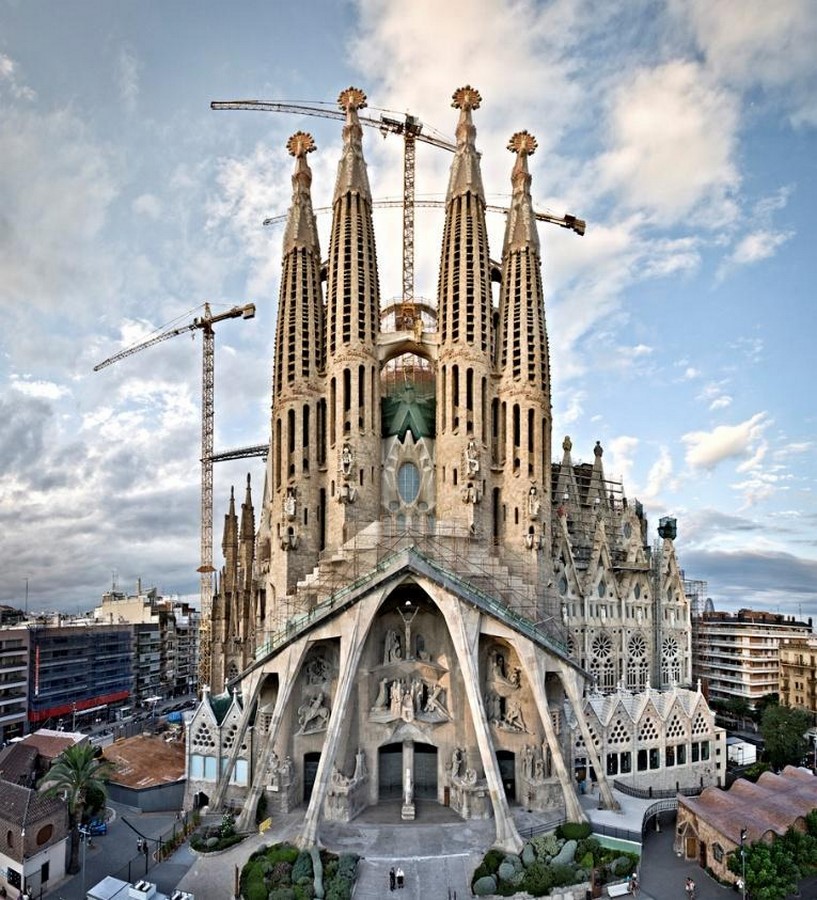
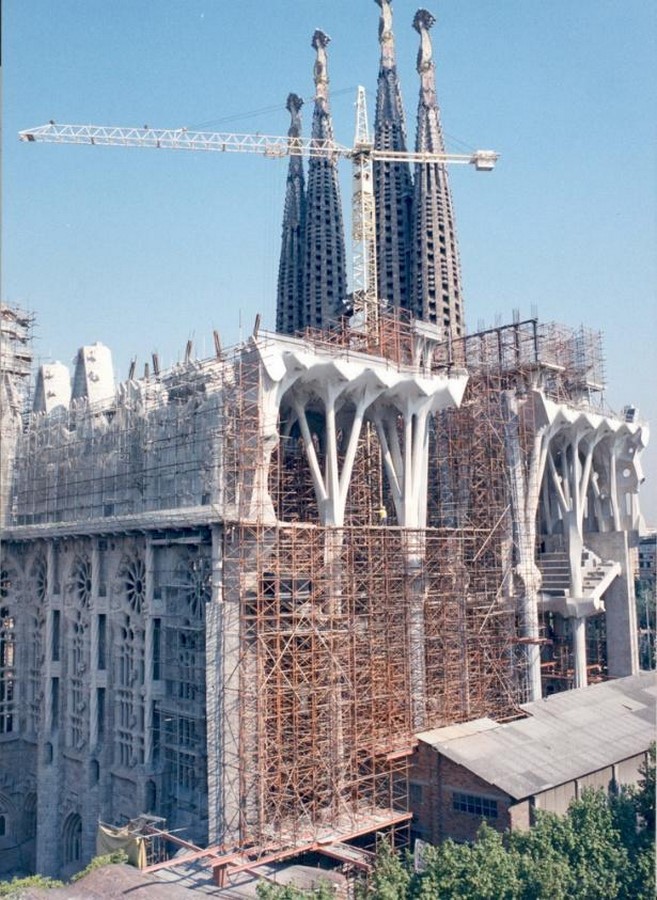
Temple of the Sagrada Familia
Preservation and its Necessity
Architecture provides us with a peek into the lifestyle, community, and cultural practices of people during a particular period of time. It is almost like a photograph, that is able to quantify these aspects. Not only is it a way of passing down generational knowledge, but also a doorway to a sense of connection with mankind before us. Thus, understanding and preserving our history is of vital importance.
There are multiple ways that architectural preservation can be undertaken. It can be through Restoration, Conservation, Urban Revitalization or Adaptive Reuse.
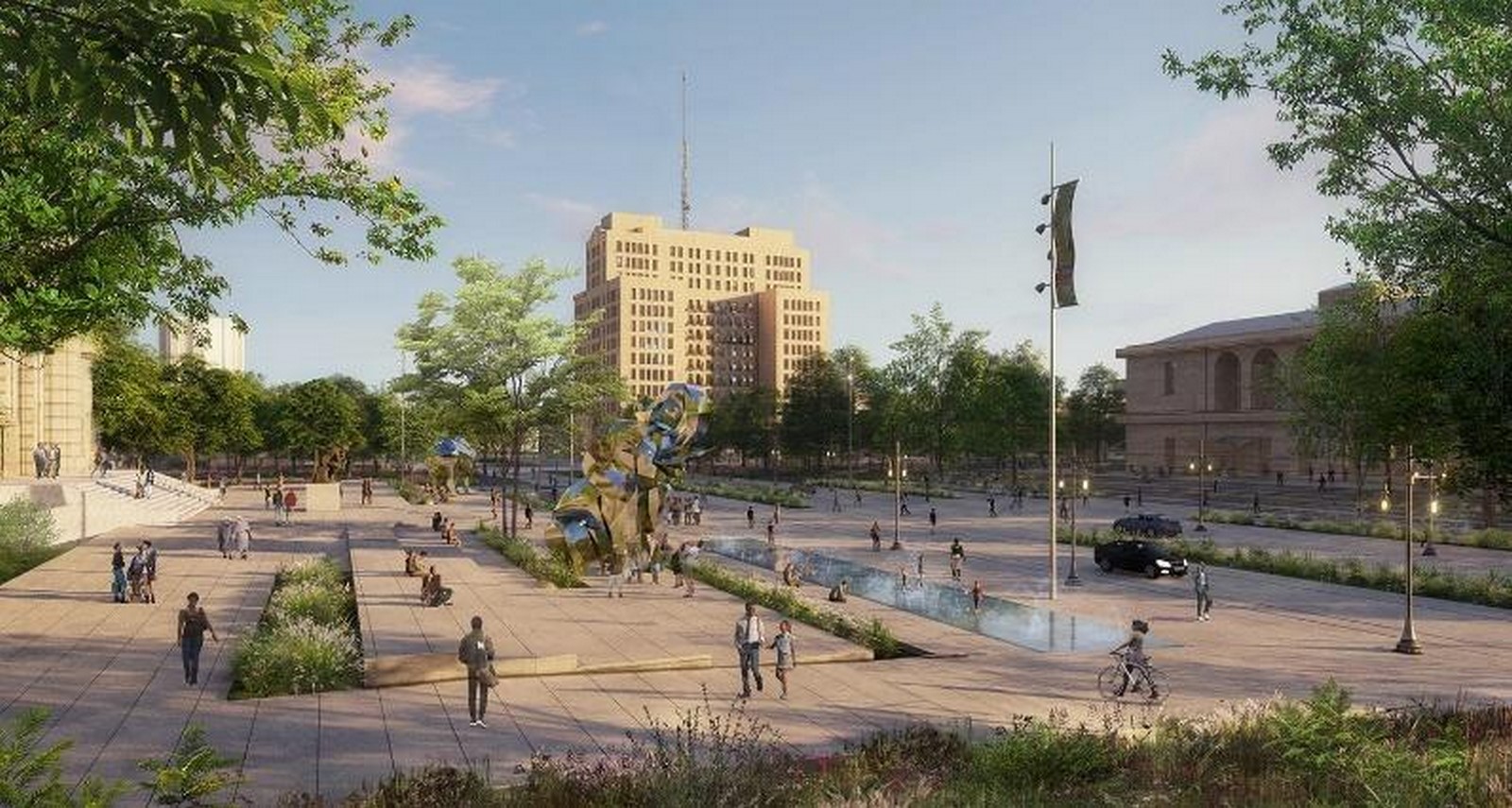
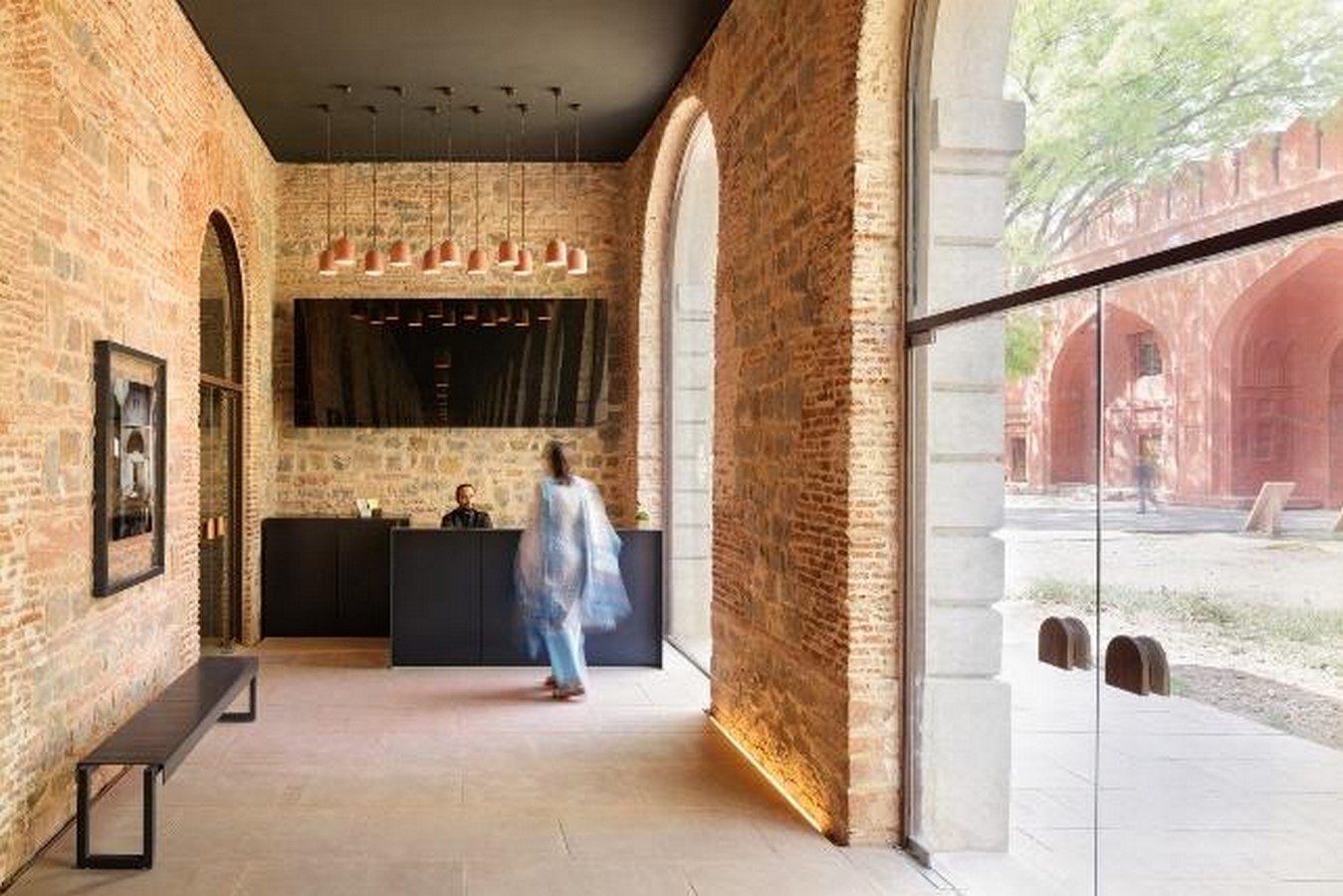
Alembic Industrial Heritage and Redevelopment – Karan Grover and Associates
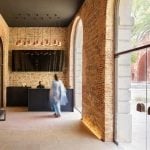
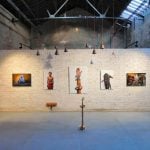
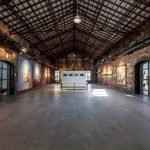
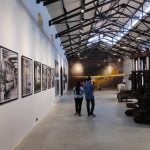
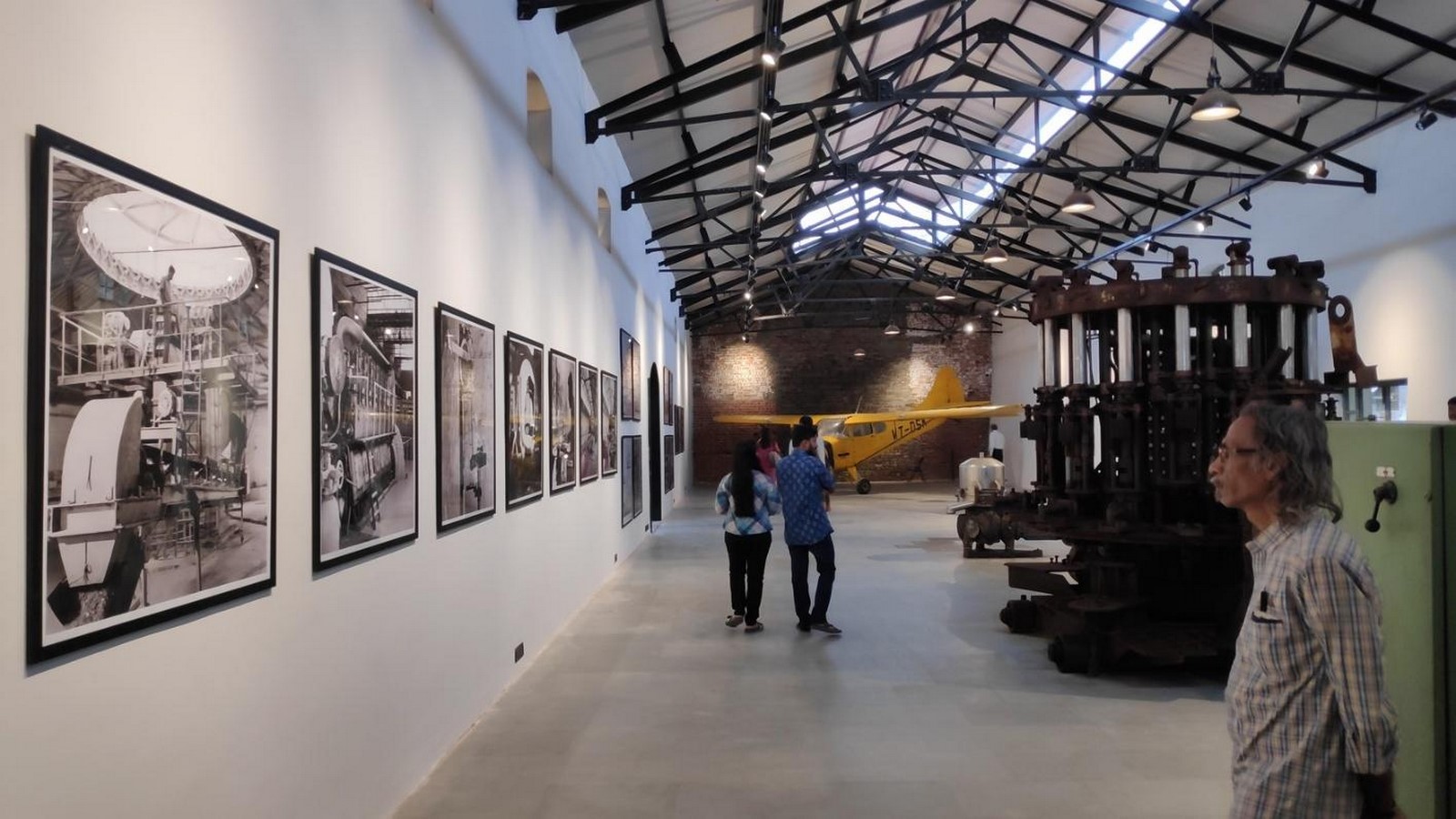
The Alembic factory is located in Baroda. Initially manufacturing Penicillin and alcohol, it now serves as the Alembic Museum with art studios, displays, and exhibition spaces. The industrial feel of the space is a large part of the intervention as well.
Most of the original structure along with the materials have been retained. The only new additions include partition walls to display art. In terms of refurbishment, plaster from the walls has been removed to expose brick. The riveted trusses of the roof have been retained, with strengthening provided only where necessary. The Mangalore tiles used for the roofing have been replaced. Additional spotlighting has also been added.
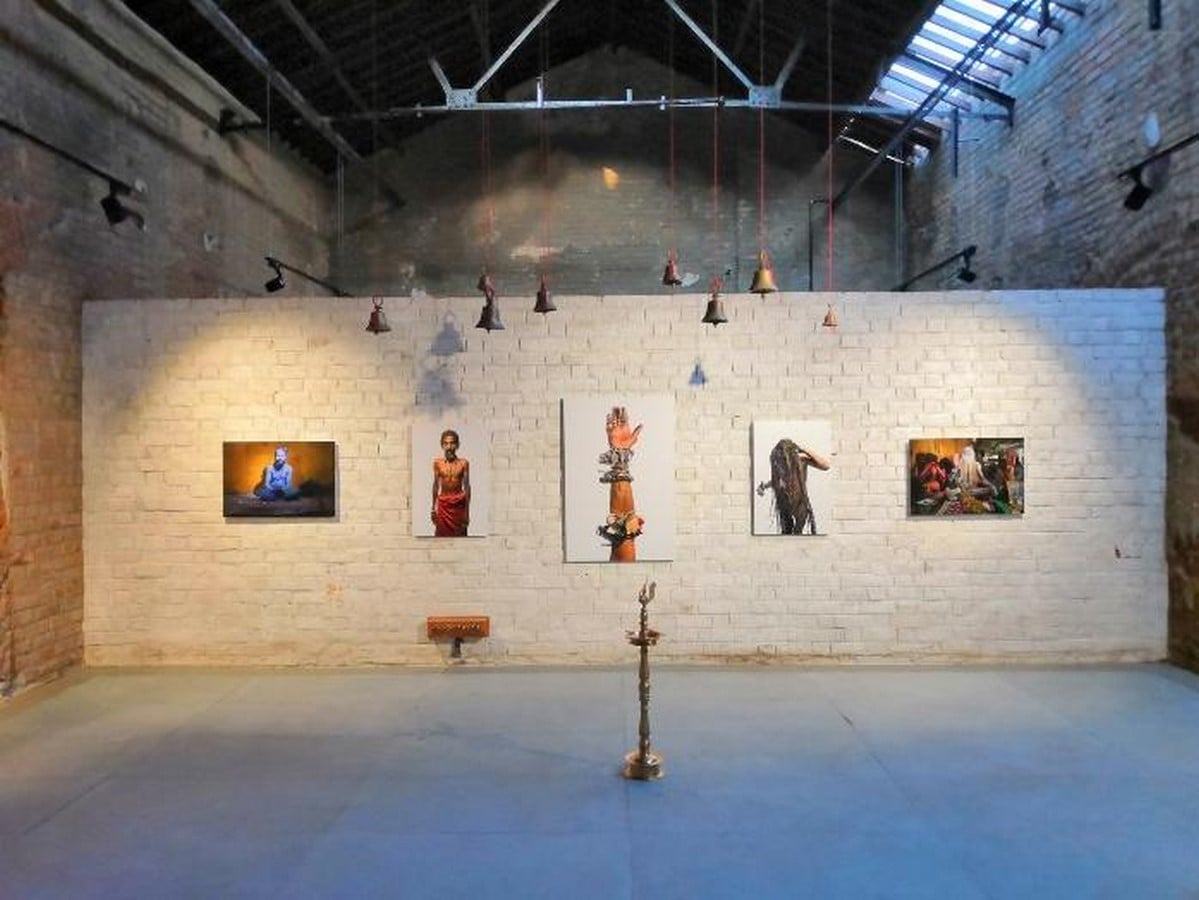
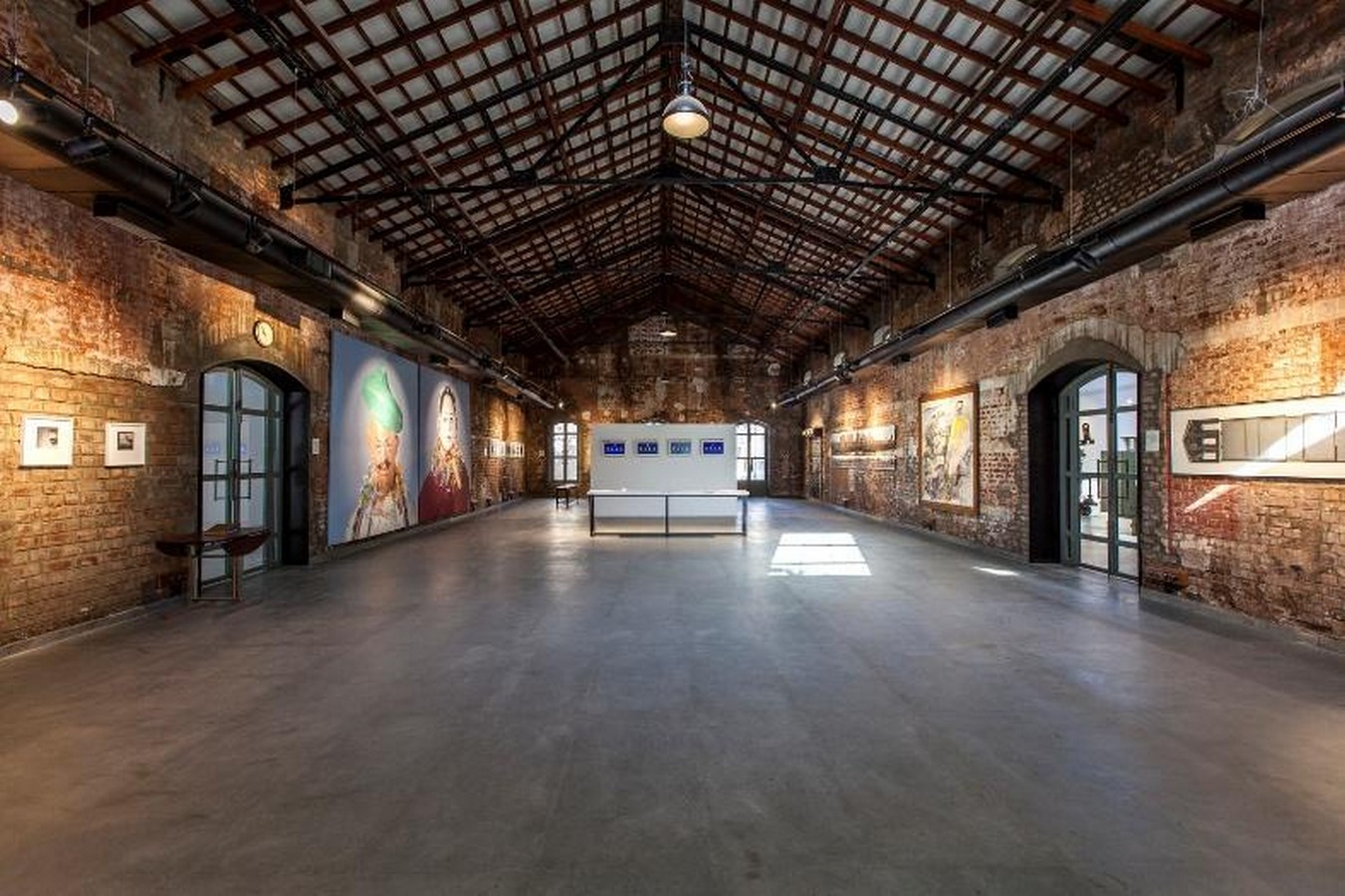
This is a method of adaptive reuse for a building, where the existing framework of the building is left untouched as much as possible. Minimal interventions are provided only wherever necessary. By doing so, the amount of raw material and energy that might be used is greatly reduced, thus making it an environmentally conscious approach. This also in turn reduces the cost.
What Does the Future Look Like?
Architectural preservation is an extremely relevant concept in today’s time. Keeping aside the historical aspect, it is also extremely important for the economy of a location. Reusing of defunct spaces ensures that a lesser amount of land is being utilized for new construction, but at the same time, these existing spaces are being revitalized. Activation of a space can bring about a sense of community among people and can add to the economy. Historic architecture sites also provide for tourism and job opportunities and increase the land value around these locations.
Conservation provides a means to respect our history and predecessors, but at the same time, ensures that these spaces are not being wasted. The evolution of a building and spaces through time is what adds to its character. A few hundred years from now the impact left by people today will be witnessed by the generations to come, and this impact is most observable in buildings and architecture because it is tangible. Thus, it becomes extremely important to treat our architecture with respect. A building is like a time capsule that consists of stories of all its users over generations, compacted into a single structure. And only when allowed to speak of these stories, one can understand them and grow.
References:
Rennie Jones (16 Oct 2013). AD Classics: La Sagrada Familia / Antoni Gaudí. [online]. Available at: https://www.archdaily.com/438992/ad-classics-la-sagrada-familia-antoni-gaudi [Accessed date: 6th April 2025].
Karan Grover and Associates (29 Aug 2019). Alembic Industrial Heritage and Re-Development. [online]. Available at: https://www.archdaily.com/923851/alembic-industrial-heritage-and-re-development-karan-grover-and-associates [Accessed date: 6th April 2025].