Architectural heritage is a form of memory. All the spaces, materials, and textures have a story to tell. Sustainability is not just about efficiently using resources but also about preserving our culture and heritage as an investment in the future.
Every built form tells a story about its respective time’s culture, tradition, people and craftsmanship. Preserving this ensures that the stories of the past continue to the present and the future.
Historical Role of Architecture
Architectural Heritage provides pieces of evidence of historical events, traditions, and craftsmanship.
Pre-Historic Architecture:
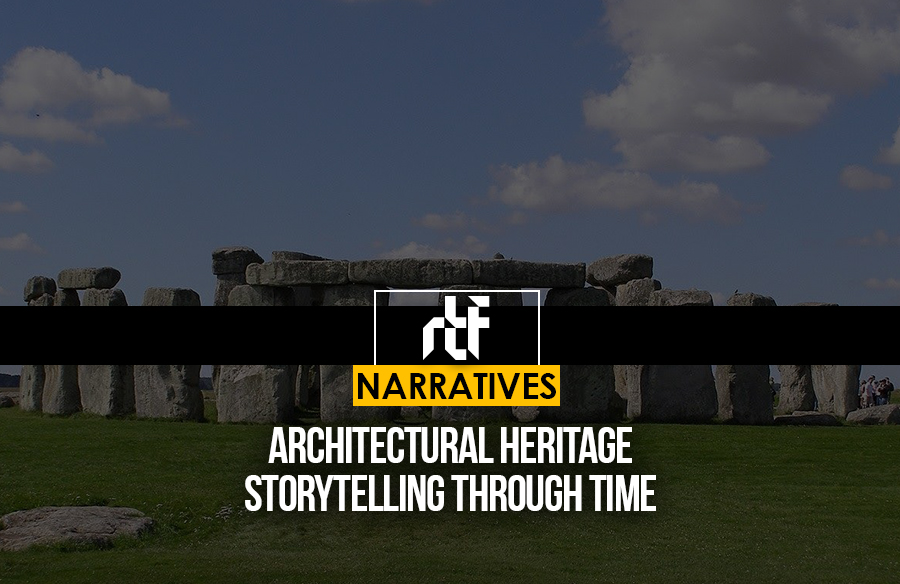
Earlier people used to build shelter from local materials like timber stone. Some of the prominent examples include Stonehenge which was used for social gatherings, the elements followed simpler geometric forms. Stonehenge’s circular shape was inspired by the sun and moon, which was also central to their religion beliefs.

Middle Ages:
During this time Christianity and the dominance of the church made a very significant impact on the architecture and heritage. The Romanesque style was simple and modest but the Gothic style was dramatic with its pointed arches and religious carvings.
Early Modern Period:
In this period, the Renaissance began in Italy and then it spread through Europe. This period began rebelling against the powerful church and placed humans at the center of his world. The Gothic style was then replaced by simpler domes and rounded arches and details that celebrated humanity. After 200 years, the Baroque Style of Architecture was found as a way for the Catholic church to bring back its religious principles.
Modernism and Other Contemporary Styles:
With the contemporary style of architecture comes more clean forms, materials like steel, and glass and the saying less is more. The built structures were bolder, with clean lines. However, in the eastern part, they rejected the motto of less is more and developed a more monumental fashion.

Examples of Architectural Storytelling
Architectural marvels, like the Taj Mahal, and Leaning Tower of Pisa highlight how architectural heritage persists, conserving the legacy and innovation of the earlier periods.
Taj Mahal
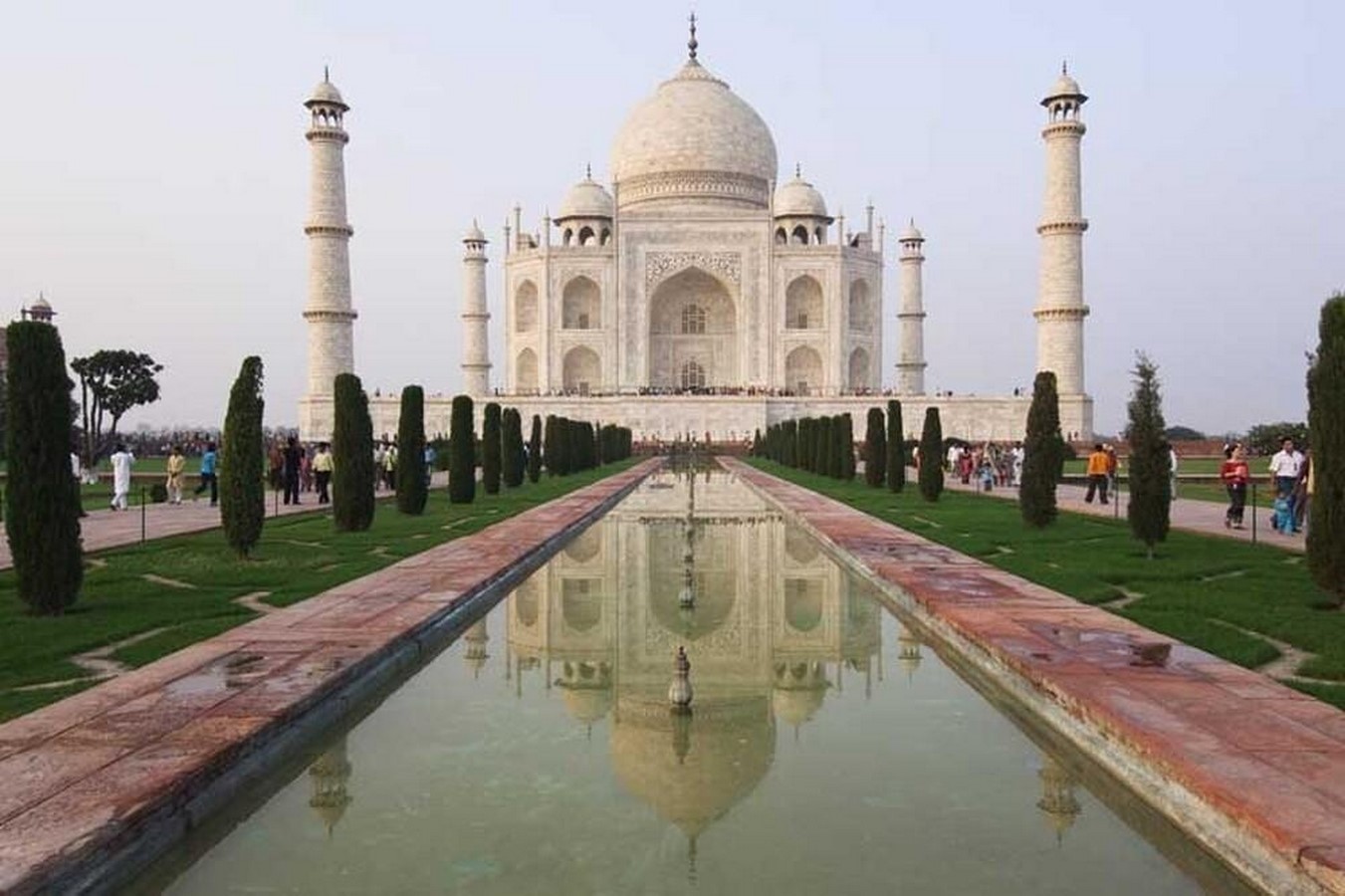
The Taj Mahal is one of the seven wonders of the world and is situated in Agra, India. It was built by order of Mughal emperor Shah Jahan in memory of his beloved wife. It not only talks about a story of love and loss but also is an excellent example of the artistic and architectural achievements of the Mughal Empire in India. Constructed in white marble, its symmetrical garden, and intricate details are a blend of Persian and Indian architectural styles. The Taj Mahal is a testament to love and one of the most important architectural heritage sites from the Mughal Empire in India.
Leaning Tower of Pisa
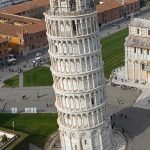
The Leaning Tower of Pisa was built as a bell tower in 1173 but the soft soil made it tilt while construction was still on. Over the years the workers tried various methods to fix it, by building higher towers and using counterweights but it kept tilting. Now it stands as a famous tourist attraction, a mistake that turned into a wonder.

Preserving Architectural Heritage
Preserving our architectural history is crucial in many ways. It uses less construction materials than building a new structure and hence is a sustainable choice. It connects communities to their roots and allows us to experience the past our ancestors have lived. It brings communities together to celebrate the larger narrative they are a part of.
Sharing stories, and conducting tours and events ensures that the stories reach a larger audience and create awareness amongst the people. Today, there needs to be a balanced approach between the preservation of history with modern needs. Adaptive Reuse strategies, community-driven, education outreach programs, and technology help in blending tradition and innovation seamlessly.
Storytelling Through Modern Architecture
The Jewish Museum, Berlin
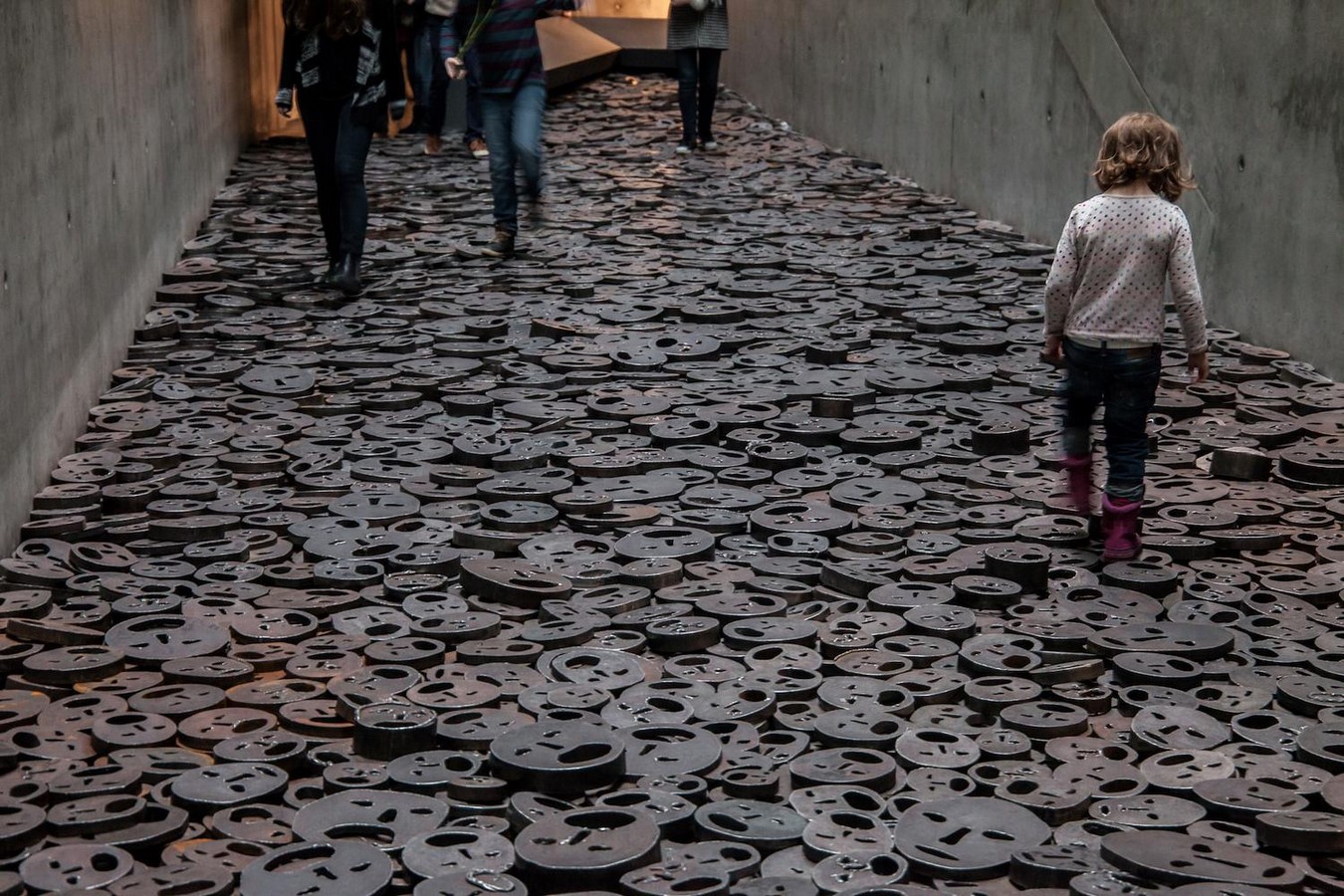
The Jewish Museum by Daniel Libeskind, represents the struggle of the Jewish community through architecture. Its emphasis on the ‘voids’ symbolizes loss. The “fallen leaves’ is an installation with metal faces that cover the floors and produce chilly sounds when stepped on it, evoking a sense of pain amongst the users when they walk on it. The holocaust tower which is a dark cold and enclosed space creates feelings of isolation and fear. This way the museum uses architecture and elements to evoke a deep sense of emotions about the past.
Machu Picchu, Peru
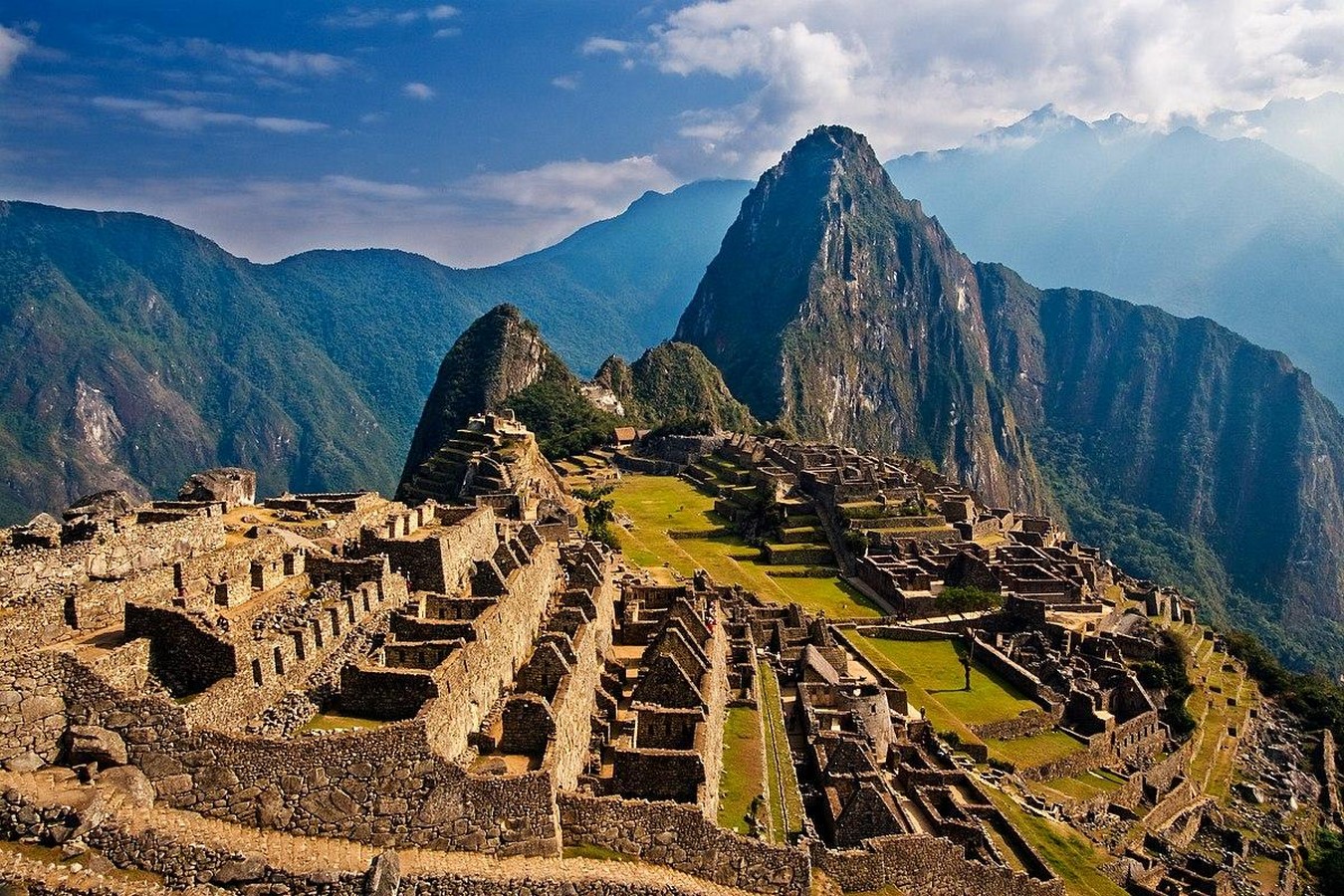
Machu Picchu, one of the seven wonders of the world, is currently facing issues from too many tourists, erosion, damage to the ruins, and littering. Recently in 2025, measures have been taken to preserve the heritage. Technologies like 3d mapping, and weather monitoring are used to prevent damage. Sustainable tourism practices are being promoted like limiting the number of visitors, waste management, and reusable materials. Measures like this aim to maintain the legacy for future generations. Digital Documentation is changing how we protect and study architectural heritages.
Architecture acts as a time capsule that bridges the past and the future making sure the past is remembered. Architectural heritage holds a story be it of power, love faith, or tragedy. Preservation is the key to ensure our history is known to the future generations. Losing our historical structures means losing our shared human story.
Reference:
Buildner (no date) 4 simple concepts of prehistoric architecture, Architecture Competitions and Awards // Organised by Buildner. Available at: https://architecturecompetitions.com/4-simple-concepts-of-prehistoric-architecture (Accessed: 27 January 2025).
Jewish museum berlin: Studio Libeskind: Architecture: Design (2021) Studio Libeskind | Architecture | Design |. Available at: https://libeskind.com/work/jewish-museum-berlin/ (Accessed: 27 January 2025).
Leaning Tower of Pisa (2024) Encyclopædia Britannica. Available at: https://www.britannica.com/topic/Leaning-Tower-of-Pisa (Accessed: 27 January 2025).
List of architectural styles (2025) Wikipedia. Available at: https://en.m.wikipedia.org/wiki/List_of_architectural_styles (Accessed: 27 January 2025).
Preserving legacies: The delicate balance of conservation and historical architecture (no date) Dualchas Architects. Available at: https://www.dualchas.com/news/preserving-legacies-the-delicate-balance-of-conservation-and-historical-architecture#:~:text=The%20Importance%20of%20Preserving%20Historical%20Architecture&text=Every%20building%20tells%20a%20story,community%20for%20generations%20to%20come (Accessed: 27 January 2025).