The Sky, the Earth and the Stories in Stone
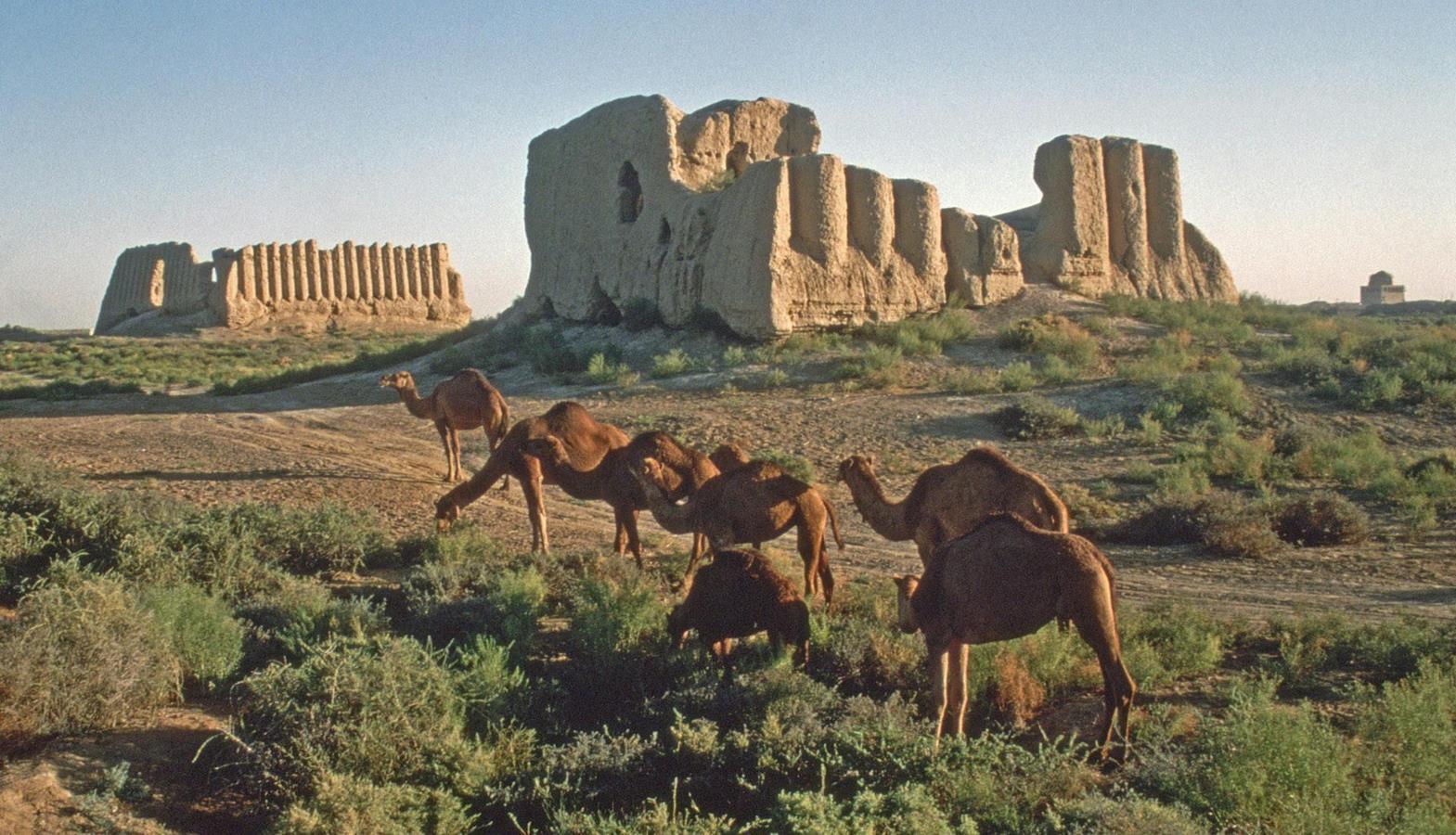
At its core, architecture is the result of planning, designing, engineering and construction. For thousands of years, man has shaped his surroundings, creating spaces to live. The earliest humans used naturally occurring structures as their shelters. Architecture emerged as humans transitioned from hunter-gatherers to members of civilizations. From stone caves and clay huts to towering steel and concrete structures, architecture has become a public display of human evolution and self-expression.
Architecture tells us the story of society, of their habits, tastes, economic conditions and even their ambitions. Buildings aren’t just structures of stones and mortars; they are time capsules that hold stories of war and peace between nations, of love and harmony in people, whispering tales of emperors and their grandeur and obsession with power and with entertainment and control. Architecture serves as a bridge connecting generations, a time capsule that holds the stories of humanity’s journey.
Throughout the centuries, the earth has witnessed many kings and queens and ambitious humans alike, who tried to put their mark in stone for generations to remember them and to have an undying moment on this earth. Sky-piercing towers, ornamented carvings, tapestries of marble and gold, and royal courtyards with ponds filled with lilies and lotus. These are testaments of power, a wish for eternity, a desire to be remembered and a longing for more than humanly possible. Places whose names are all but forgotten once dominated this earth and the only proof that history has left is these structures built by man.
Architecture a Silent Storyteller
The foundation for Notre- Dame de Paris was set centuries ago. The site was an important stop for pilgrims for a long time, as it housed a tunic worn by Mary, Mother of Jesus. A terrible fire destroyed the first structure built on site. Its replacement, a Romanesque basilica, caught fire again, which caused great damage to the west side. The replacement, borrowed from Saint-Denis, was a west facade with three portals. The stained glass was also inspired by the panels at Saint-Denis, which depicted stories such as the passion and the birth of Jesus. In yet another fire the basilica was destroyed and so was most of the surrounding city.
People were devastated taking it as a sign from God. But were thrilled to find Mary’s tunic survived the fire, under the rubble; taking that as a sign from Mary to build a bigger and better church for her. People spent the next twenty-six years rebuilding a bigger church leaving the crypt of the old structure and the west facade that survived the fire.
The basilica was designed in Gothic style with enormous clerestory windows, high ceilings, arches and spires that reach the heavens. A medieval European religious commitment inspires not only prayer for those who stroll its corridors but also awe of the architectural marvel.
Every architectural masterpiece, from small clay huts to grand palaces reflects the spirit of its time. Materials, processes and designs used reflect the ideals, problems and goals of society. Architecture is a silent witness to human history, holding untold stories that are waiting to be discovered- a time capsule that can transport us back to another time.
“A glory that was Greece and a grandeur that was Rome”
- Edger Allan Poe
Iconic Structures: Timeless Monuments
The Colosseum: ruins of the empire
“Every empire believes it is eternal until the day it falls.”
A strong reminder from an empire that believed in its eternal life. An empire that rose from seven mountains to command the world, turned to rubble in a single night. Centuries-old and spanning from Britain to North Africa and the Iberian peninsula to the Middle East. Known for its architectural marvels and legal systems, military power and cultural achievement. The empire that influenced the Western world as it is known today.
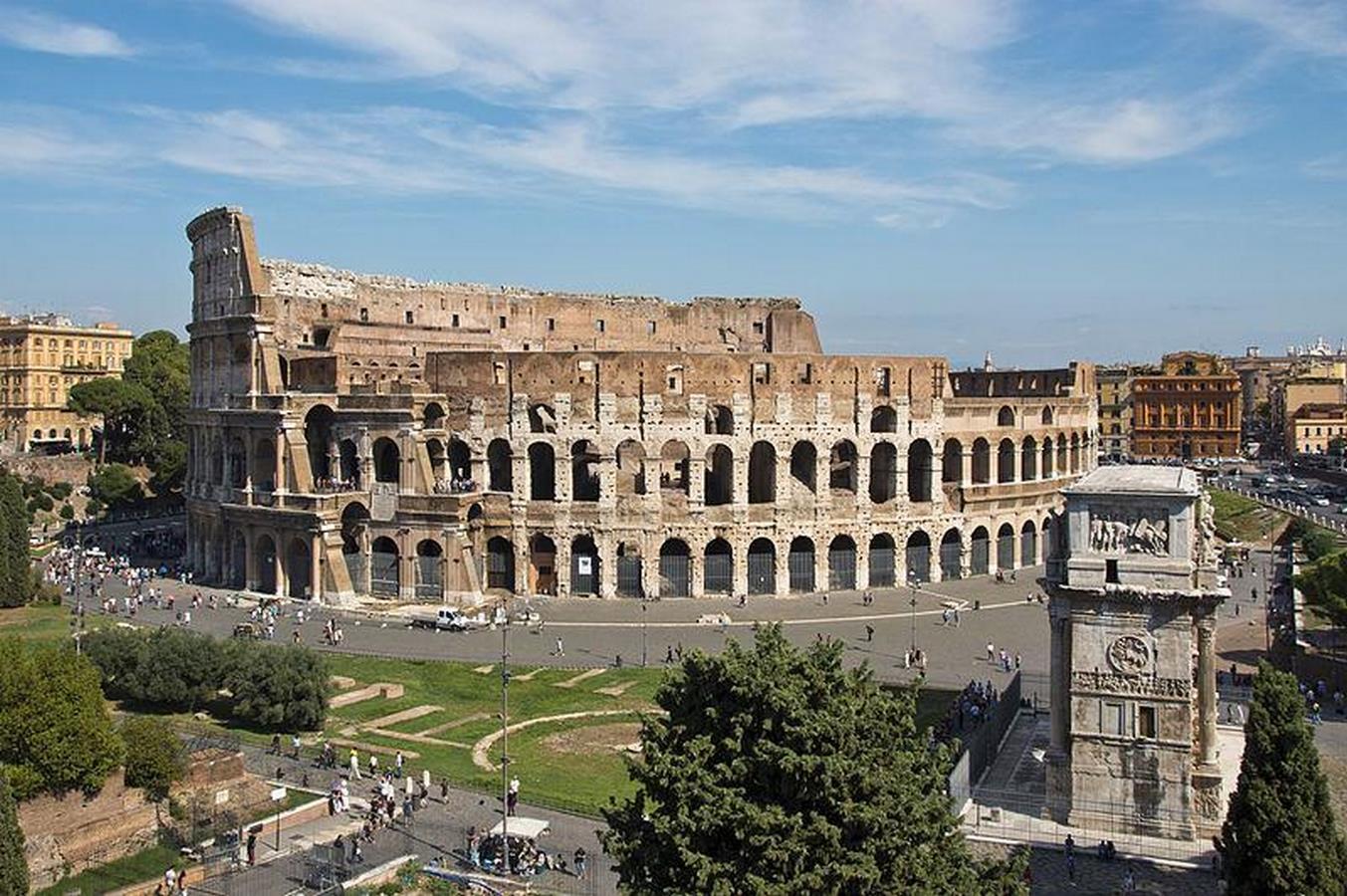
Rome. An empire that was centuries old perished for want of man. One of the most influential civilizations on earth can be seen in the remains of the Colosseum, in its weathered stones and gaping arches. A venue for gladiator combat, roaring crowds, cultural performances and political discussions. A reminder of an empire that was Rome.
Constructed around 80 AD, a credit to Roman engineering, it served as a venue for various performances. A maze of passageways and systems of tunnels where animals and gladiators waited for their turn in the spotlight. Today a symbol of resilience and one of the most visited landmarks, it is a living testament of a legacy that sought eternity in stone, a time capsule taking you back to one of the greatest civilizations on earth.
Taj Mahal: Ivory white love
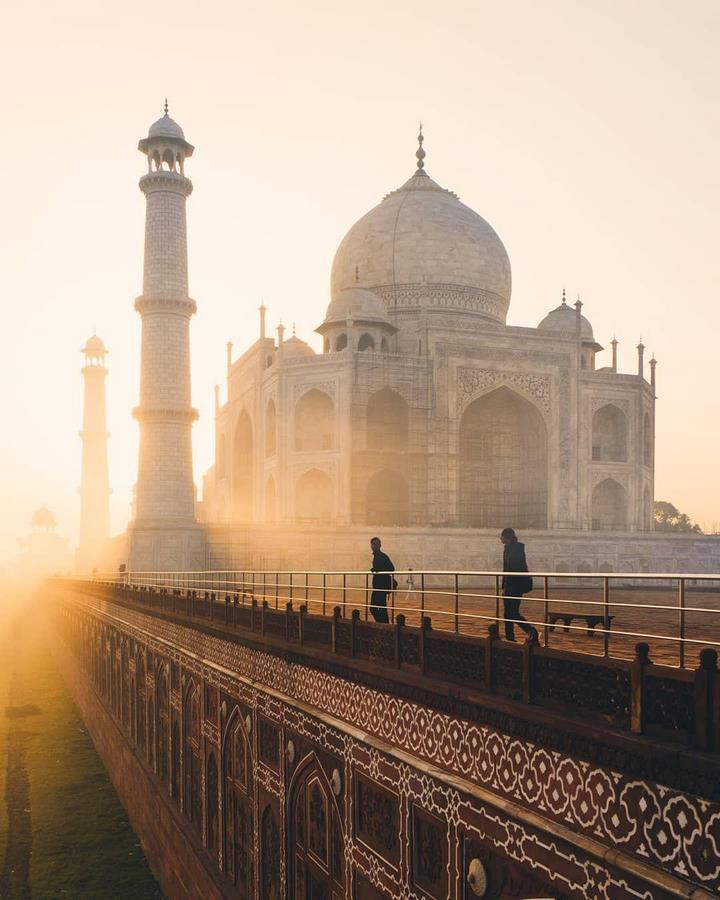
One of the greatest love stories this world has seen is carved in stone. The story of Emperor Shah Jahan and Mumtaz Mahal. Symbol of love and grief, Taj Mahal. An ivory-white marble structure that rises like a dream on the southern bank of the Yamuna.
“Tajmahal- a teardrop on cheeks of eternity.”
- Rabindranath Tagore
Commissioned in 1632 by the Mughal Emperor, Shah Jahan to house the tomb of his favourite wife, Mumtaz Mahal. It is said that her dying wish was for the Emperor to build a beautiful mausoleum in her memory. The complex includes a mosque, a guest house and formal gardens. It involved over 20000 workers and artisans under the guidance of court architect Ustad Ahmad Lahori. Build of white marble cladding with semiprecious stones, with a blend of Indian, Persian and Islamic architecture styles.
A cultural and architectural heritage in India, a legacy of an empire that builds its roots all the way from Persia. A testament not only to love but also to an empire of architectural and artistic achievements. A wonder, a time capsule, that shows you love carved in marble.
The Role of Preservation and Restoration
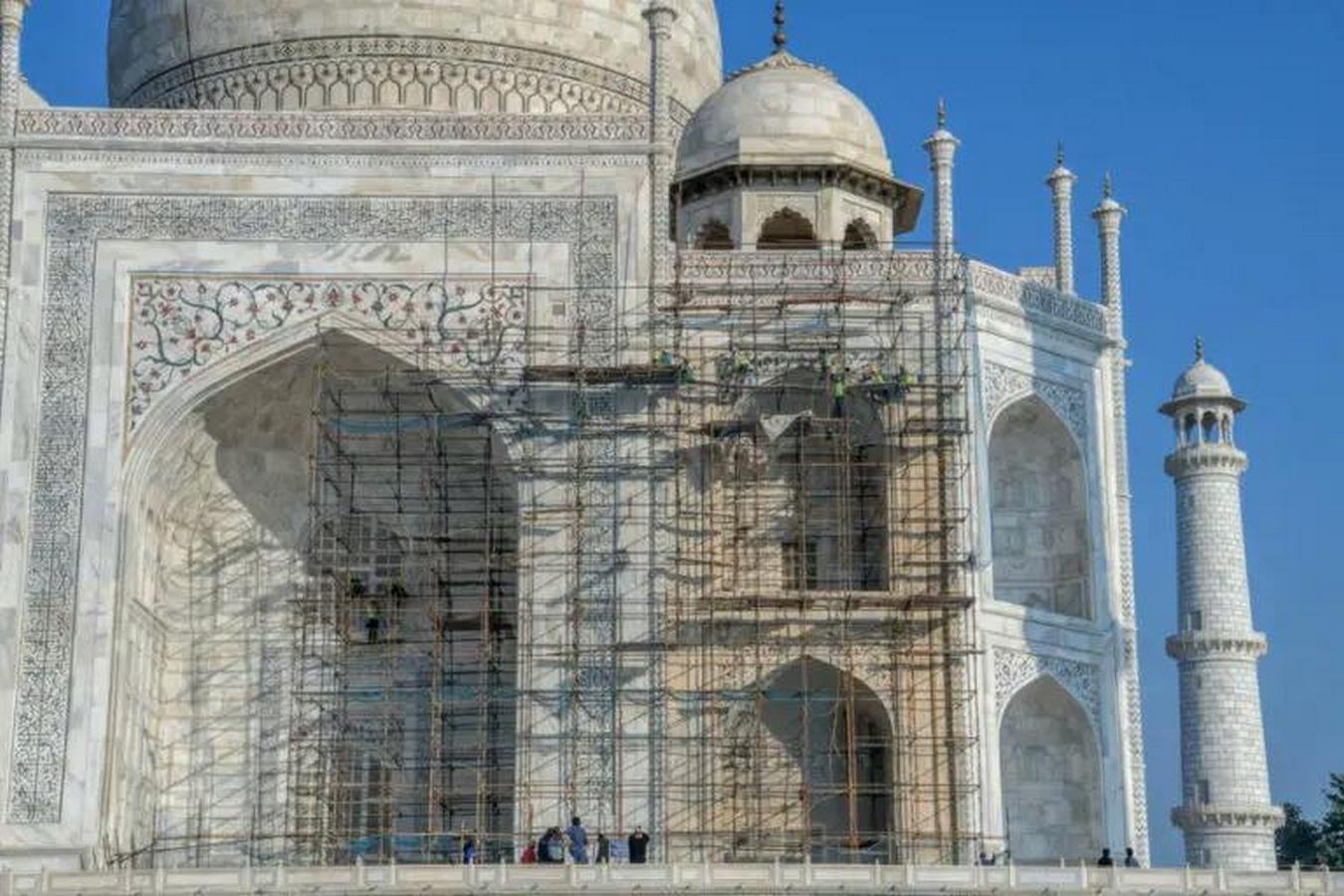
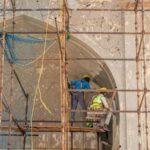
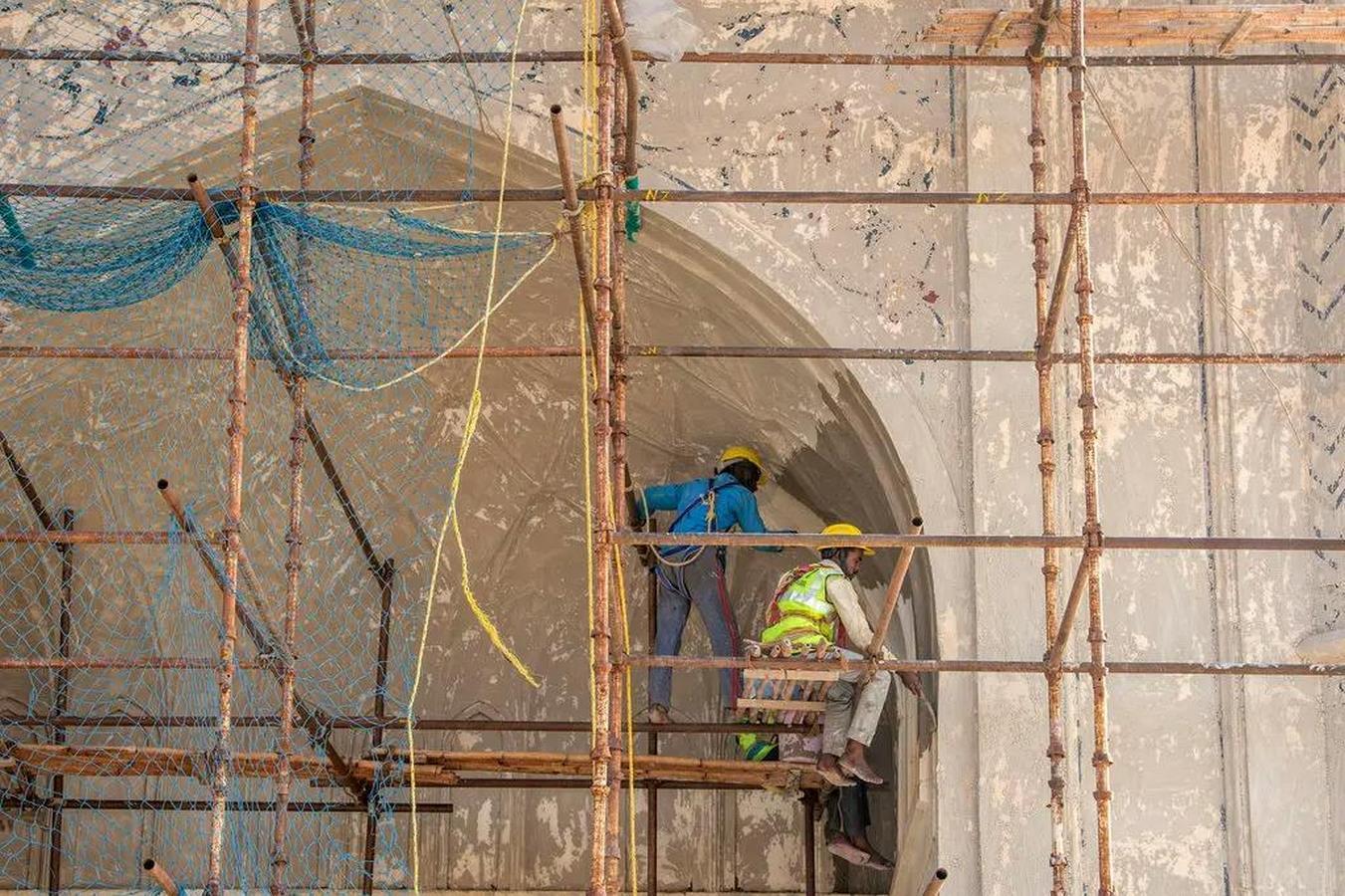
It is just as important to preserve architectural wonders as to understand their histories. The 2019 Notre Dame fire served as a reminder of how delicate these structures are. The goal of restoration is to preserve the stories that are woven throughout these structures, and not just the aesthetics. Every monument that is conserved serves as a link between the past, present, and future, serving as a reminder of our history and our future goals. Through the measures taken to preserve the look against the effects of pollution and ageing, the Taj Mahal’s story of love will continue to speak to future generations.
Modern Architecture: Shaping New Legacies
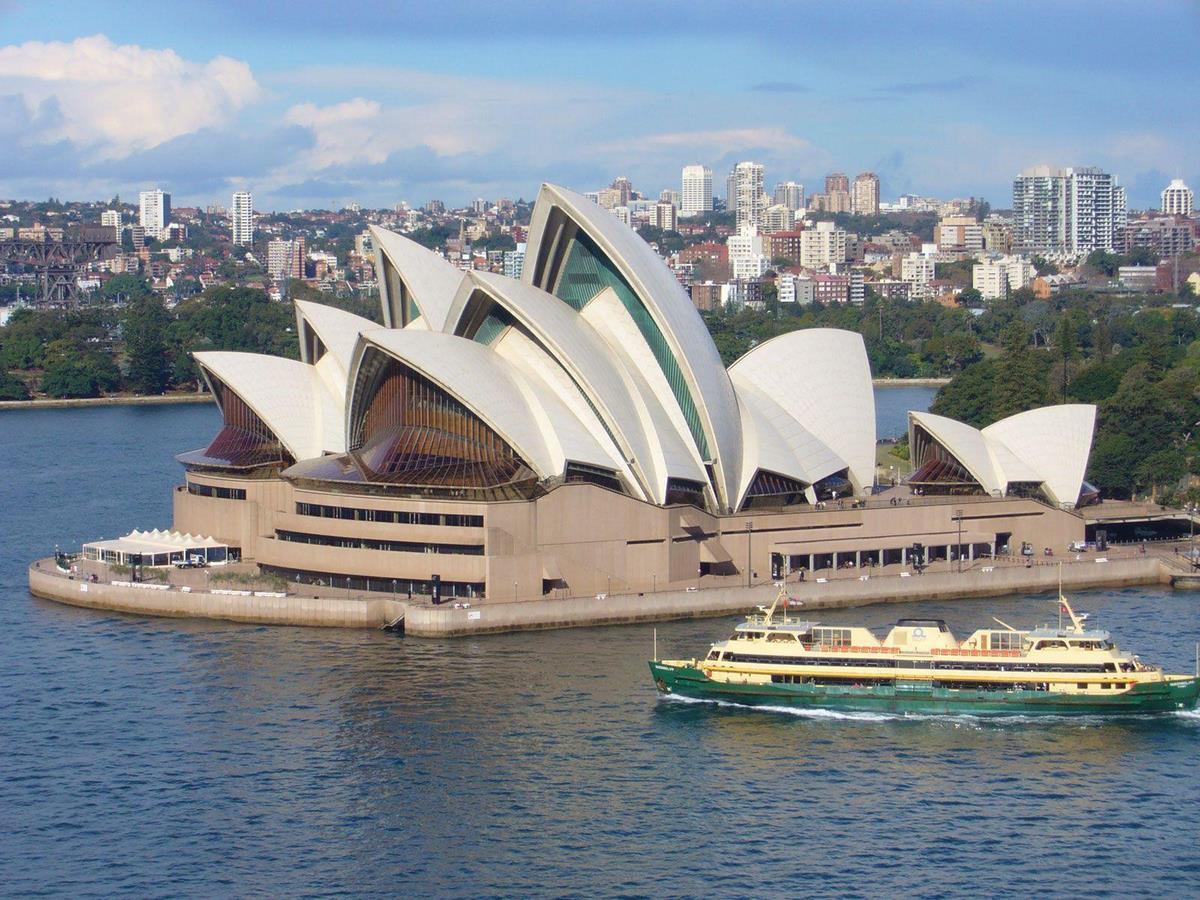
Modern architecture influences the narratives we leave for future generations., while old structures help us connect to the past, new architectural styles pave the way for the future. Dubai’s Burj Khalifa, which soars into the sky, symbolises technical innovation and human aspiration. With its sail-like shape, the Sydney Opera House is a symbol of creative creativity and cross-cultural cooperation. Like their historical predecessors, these buildings will eventually act as time capsules, providing windows into the ideals and ambitions of the twenty-first century.
Humanity’s Diary in Stone
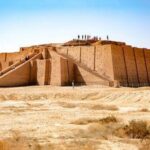
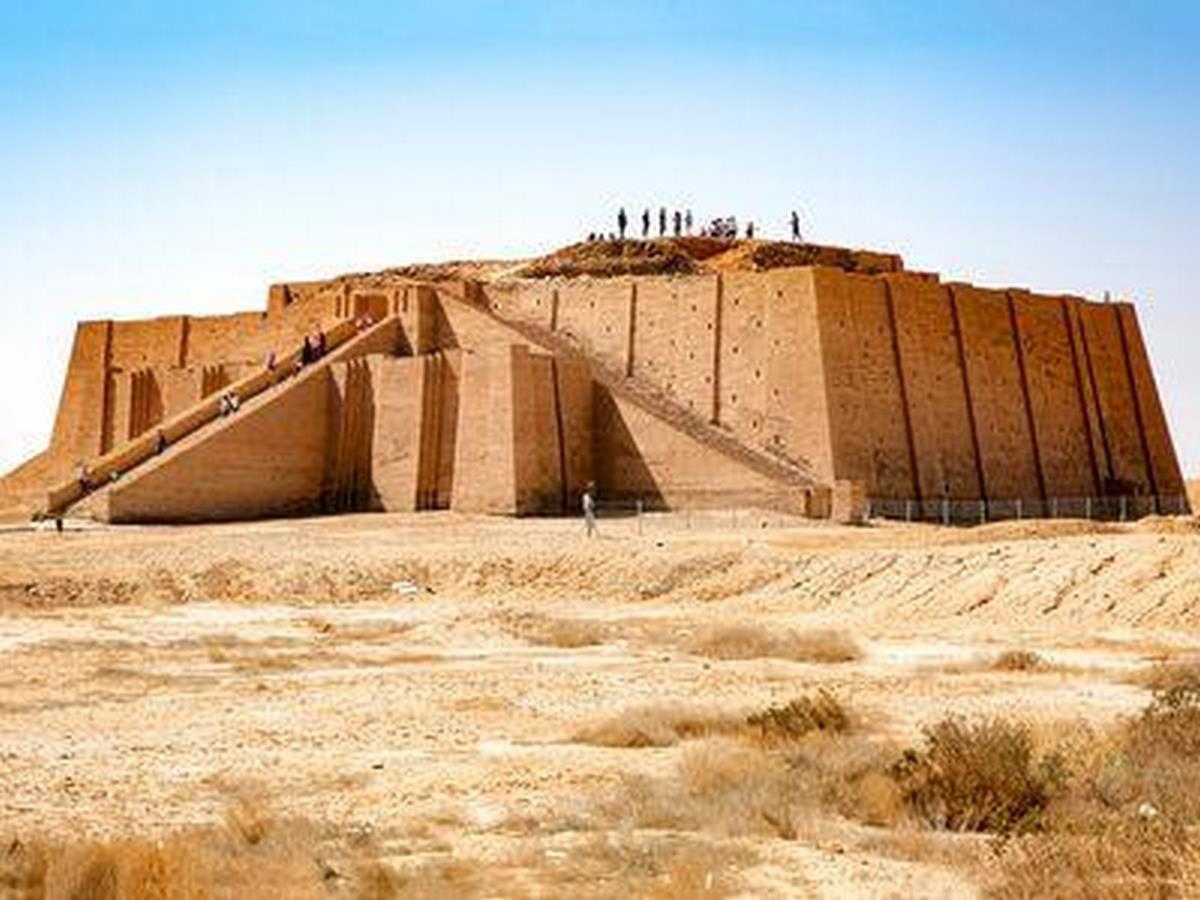
Architecture is a living journal that speaks more than just design and functionality, it is a story from the past and an emotion from the future. Every building, from the historic ziggurats to the steel skyscrapers, tells us the story of man, his evolution and his achievements. Humanity keeps writing its story via architecture, making sure that the effects of the past are felt well into the future. These silent storytellers serve as a reminder that although stone may dissolve with time, the stories they contain endure forever.
- Books
Ching, F., Jarzombek, M., and Prakash, V. (2017). A Global History of Architecture. New Jersey: John Wiley & Sons.
Frankopan, P. (2015). The Silk Roads A New History of the World. Great Britan: Bloomsbury
Bridge, N. (2015). Architecture 101. New York: Simon & Schuster
Gupta, S. (1984). Architecture and the Raj. New Delhi: B.R. Publishing Corp
- Online sources
Kai Schultz (2018). To Rid the Taj mahal of its Grime, India Prescribes a Mud Bath. Available at: To Rid the Taj Mahal of Its Grime, India Prescribes a Mud Bath – The New York Times [Accessed date:02/01/2025]
Lorraine Murray (2024). Sydney Opera House.(Last updated:Dec 3, 2024). Available at: Sydney Opera House | History, Location, Architect, Design, Uses, Interior, Materials, & Facts | Britannica [Accessed date: 26/12/2024]
thugbong (2017). thugbong [Instagram]. 31/12/2017. Available from: Instagram [Accessed: 26/12/2024].
- Images/visual mediums
Image 1- Ali, B (2002). The monuments of Merv. [Image] (Worlds Monuments Fund).
Image 2- Ali, R. (2024). Ziggurat at Ur in Iraq. [Image] (Britannica).
Image 3- Kaufmann, B. (2012). Colosseum in Rome. [Image] (Wikimedia.org).
Image 4- thybong (2017). Tajmahal. [Image] (Instagram)
Image 5-Loke, A. (2018). The cleaning has been carried out in stages; The dome could be the most complicated phase. [Image] (New York Times).
Image 6- Loke, A. (2018). Workers use clay paste that is often employed to clean impurities. [Image] (New York Times).
Image 7- Hynes, M. (2024). Sydney Opera House. [Image] (Encyclopædia Britannica).