In a world where innovation is advancing at an incredible pace, we are witnessing remarkable advancements across all domains of science, construction, and technology. The current era of AI is transforming our landscape significantly. However, it’s important to acknowledge the downside, something lurking in the shadows and causing an adverse effect on the environment. There are several causes of environmental effects, but on a wider range, the construction sector emerges as a player that contributes to higher carbon footprints.
This highlights the urgent need to adopt eco-innovative architectural methods that foster sustainability. The increasing issues of climate change and urbanization have made sustainability a key focus, in the world today’s built environment practices, are evolving to prioritize regenerative design principles This shift is not only changing how buildings are constructed but also influencing our lifestyles and relationships with the environment
sustainability has become a dynamic buzzword and a popular adaptive topic in most Domains
Sustainable architecture is no longer just a passing trend; it is leading the way in creating environmentally conscious cities emphasizing resilience, efficiency in resource use and coexistence with nature.
Sustainability?
Sustainability in architecture goes beyond just designing buildings; it’s also about creating an environment that blends with nature and caters to human needs. So, it is deeply focused on reducing energy consumption and implementing eco-friendly materials without compromising the potential for the future.
Imagining The Future.
If we dream about the future we always tend to imagine a world that is completely advanced in technology and people in current are constantly striving to find a greener way to achieve a futuristic world.Implementing sustainability in the present scenario would not only help in achieving a greener future but also make today healthier and greener.
Addressing environmental concerns
sustainable architecture deals with various problems present in the environment,
- Resource depletion: we have already used up most of our resources and sustainability is an approach that helps us to find an alternative so that the future is not compromised. mindful resource use also helps in utilizing locally available materials which reduces the strain on the global supply chain.
- Climate change: the constantly changing climate is due to rising global warming, we are facing summers in winter and rainy in winter, etc. Sustainability helps to reduce the changing effects of the use of green materials.
- Loss of biodiversity: Urban developments fragment habitats, making it harder for species to survive and thrive. So sustainability helps to prevent the loss by integrating natural elements into designs and minimizing ecological disruption.
- Health and well-being: Sustainable architecture focuses on creating healthier indoor spaces by using non-toxic materials and ensuring good ventilation for clean air. It maximizes natural light to enhance mood and productivity while incorporating energy-efficient designs for thermal comfort. Overall, it aims to support our well-being and respect the planet.
Green Innovations
CopenHill by Bjarke Ingels Group (BIG)

CopenHill is an innovative waste-to-energy plant that emphasizes sustainability. Its impressive 10,000 m² green roof doubles as a ski slope and hiking trail, promoting biodiversity while also cooling the building and improving air quality. It beautifully merges functionality with environmental consciousness.
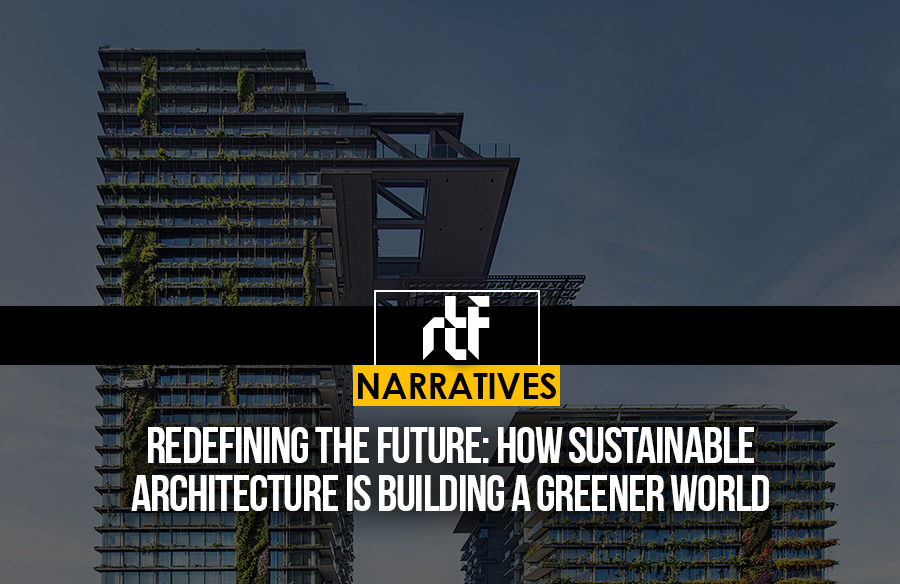
One Central Park, Sydney:

This mixed-use development incorporates green roofs, vertical gardens, and a system to collect and reuse rainwater.
In addition, it is an energy efficient building which incorporates a solar energy system and a well insulated building envelope.
Vertical forest
The residential building has its plant-based facade. This building does not reflect sunlight on its facade, whereas other buildings are made of steel or glass and are able to reflect sunlight and keep the environment cool with controlled humidity.

Build A Sustainable Future With Sustainable Materials
Sustainable design improves the effectiveness of the structure with the least possible impact on the environment with the use of green products. The non-renewable materials are concrete and steel which are very inefficient and contribute a lot to the carbon footprint in traditional architecture while renewables are fast becoming popular solutions.
Key Sustainable Materials
Cross-Laminated Timber (CLT): This is the alternative that could secure our woodsy future from steel and concrete while sequestering carbon and giving a strong supporting structure.
Hempcrete: The aim to have negative carbon footprint insulators such as hemp, lime, and water. All that provides another natural option for green building.
Mycelium: Created using the roots of fungi, mycelium is viable as a super strong and biodegradable insulating material as well as for aesthetic railings.
Recycled Materials: Convert plastics and other waste into tiles, bricks, or structural parts, giving new purpose to materials that would otherwise sit in a landfill.
Bamboo: This rapidly growing and durable source for flooring, structural support, and furniture can be sustainably harvested.
Shaping Eco-Conscious Urban Landscapes

Sustainable architecture is not limited to the building but extends to the citywide architecture. Thus, sustainable urbanism includes such concepts as the green infrastructure, efficient public transportation, and mixed-use developments as the inherent components of the sustainable, integrated, and inclusive communities
Example:
Copenhagen has an ambitious goal: The city has an aim of achieving carbon neutrality by the year 2025. The city has taken some measures which include the development of cycling infrastructure, the efficiency of the existing buildings, and the integration of renewable energy sources. Singapore on the other hand has chosen the goal of being the “Garden City” which involves integrating tropical green spaces, urban farming schemes, and sustainable drainage systems that, in turn, should enhance the city’s livability as well as increase its resilience to disasters.
Challenges And The Way Forward
While sustainable architecture promises a lot, several obstacles obstruct it, such as high capital costs, convoluted regulations, and involvement of several specialists. Below follow the ways to overcome these challenges:
1. Policy support: The government can help promote building green through subsidies, tax breaks, and effective regulation.
2. Education and awareness building: It is vital to raise awareness among architects, developers, and the public about the economic benefits of sustainable building design.
3. Technological innovation: Advances in material sciences, renewable energies, and things like that, as well as smart technology, are points that give promise to future solutions for sustainability.
Addressing the issues mentioned above will propel us forward in realizing sustainable architecture as the standard.
Sustainable architecture is an exciting vision of living in harmony with our planet. It addresses climate change and urbanization challenges with innovative designs that center on community well-being and environmental care.
Imagine buildings that are energy-efficient and constructed of renewable materials while incorporating green spaces that connect us with nature. This model shows progress, can be synonymous with care for the environment.
By adopting sustainable practices, we create resilient, green buildings today for a more sustainable legacy for the future. It’s about developing communities where people and the planet can prosper together.