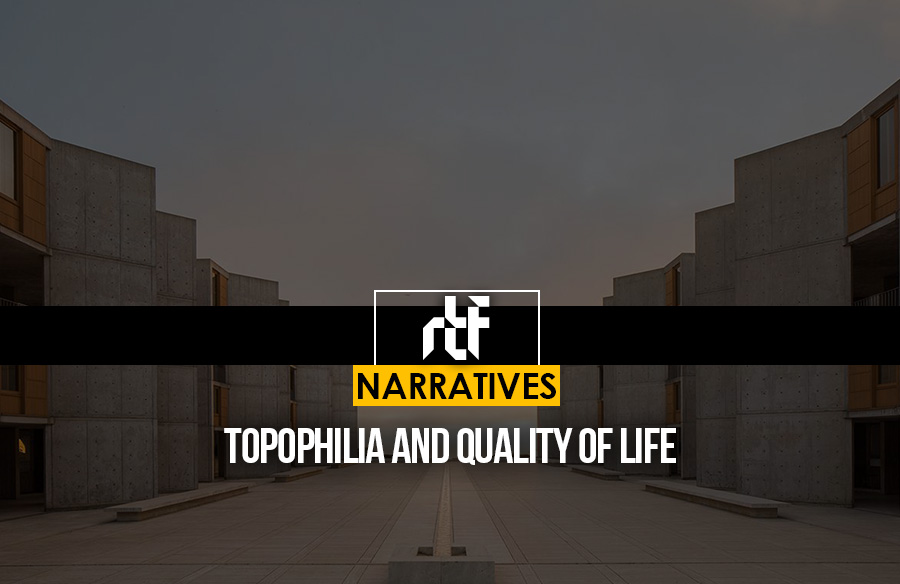
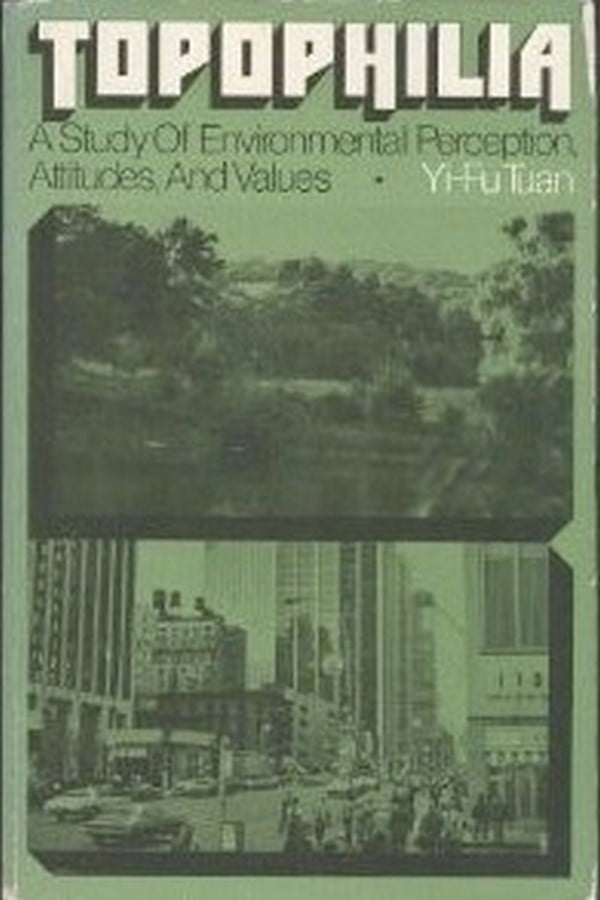
Architecture impacts your perception and mindsets on viewing public spaces, skyscrapers, community areas etc. The impact differs between an architect or designer and a common person who is just a user of structures. The impact of architecture is known as topophilia. Topophilia means a strong sense of place, it varies greatly in emotional range and intensity, including fleeting visual pleasure, the sensual delight of physical contact, the fondness for familiar places such as home, and joy because of health and vitality.
There are two ways through which you can read the architectural impacts on your perception and mindsets. Through the sense of topophilia and Advanced technology the behavioural sciences.
Here are some topophilia and expression of different architects, designers and common people..
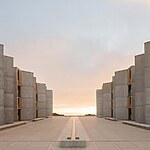
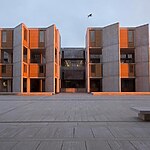
The story of polio vaccine and SALT Institute
How an architectural space realization led Jonas Sock, a virologist and medical researcher to make a positive change in architecture?
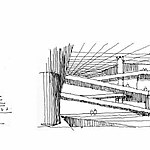
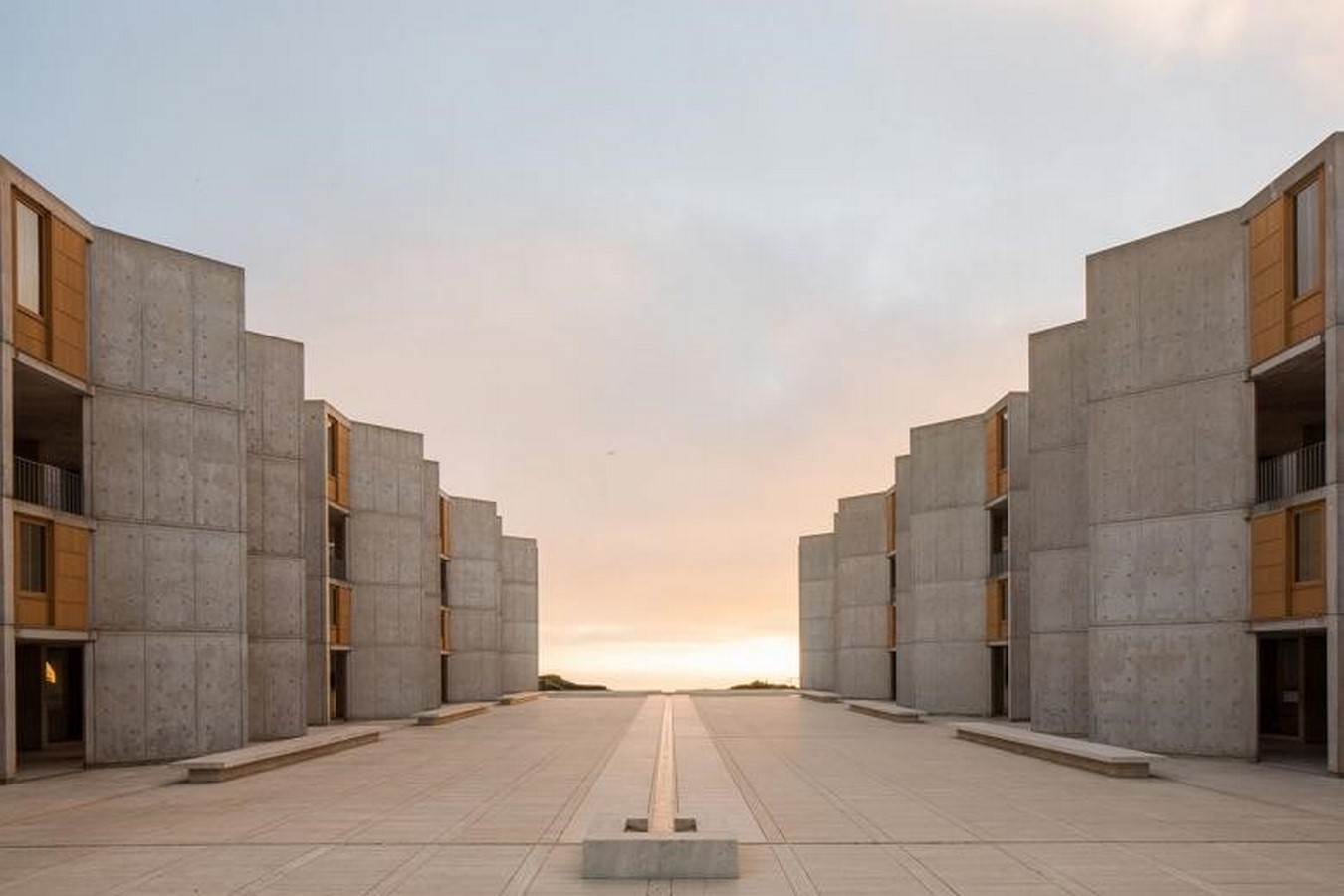
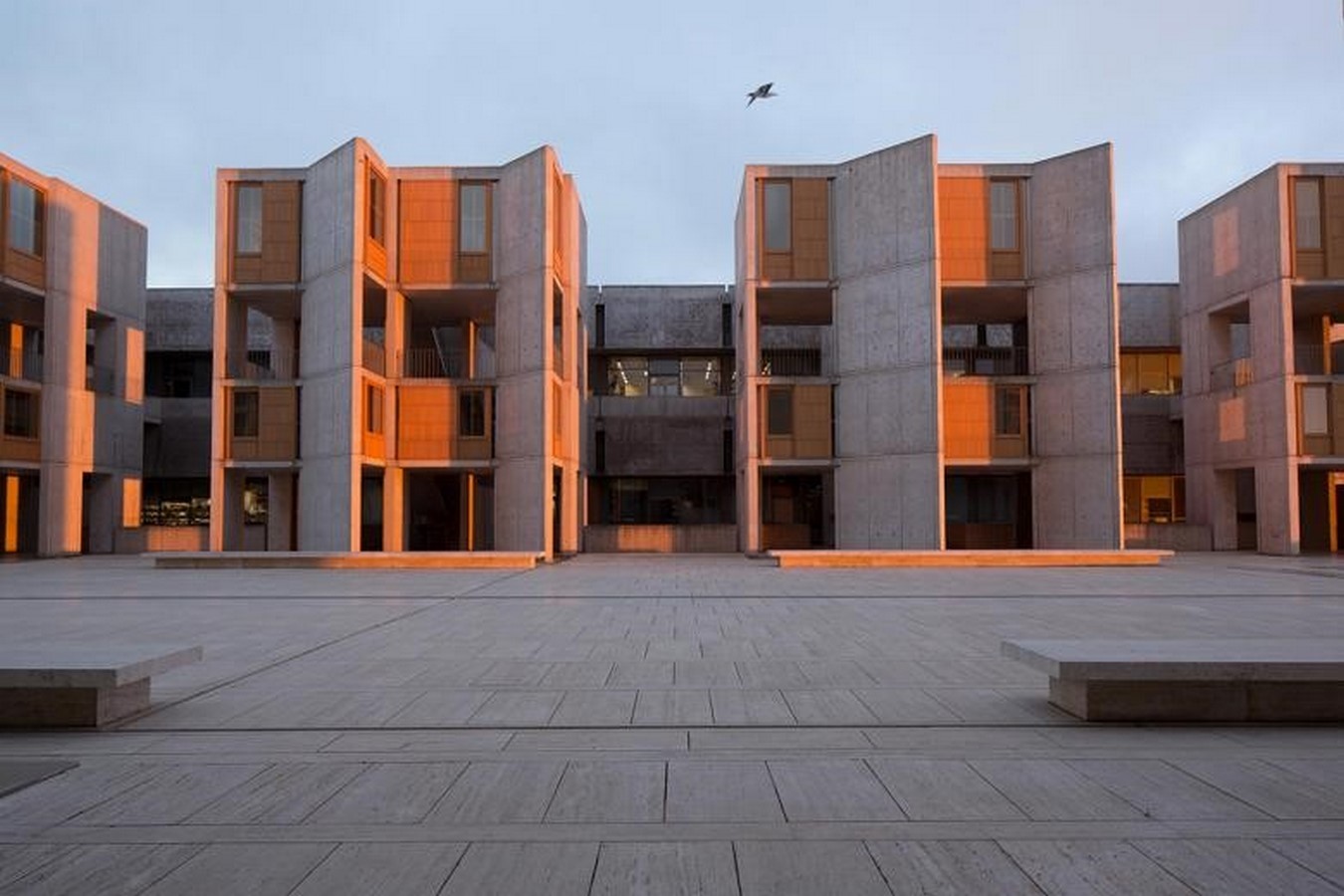
While working on the polio vaccine in a dark room, with no natural light and no ventilation, his frustration grew for not getting the work done. So he travelled to Italy, where he stayed in a monastery. The scale, quality, gardens, natural light, views and the drama of architecture created a great environment for his mind to focus on his work. It unleashed the creativity within him and became profoundly convinced that architecture impacts the perception and mindset of humans. This led him to provide a great opportunity to Louis I Kahn to build the great Institute in California the SALK Institute. A topophilia of monastery expressed in an Institute.
Architectural poet – Lionheart
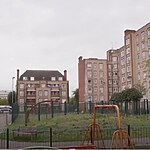
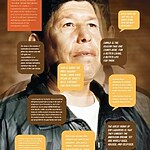
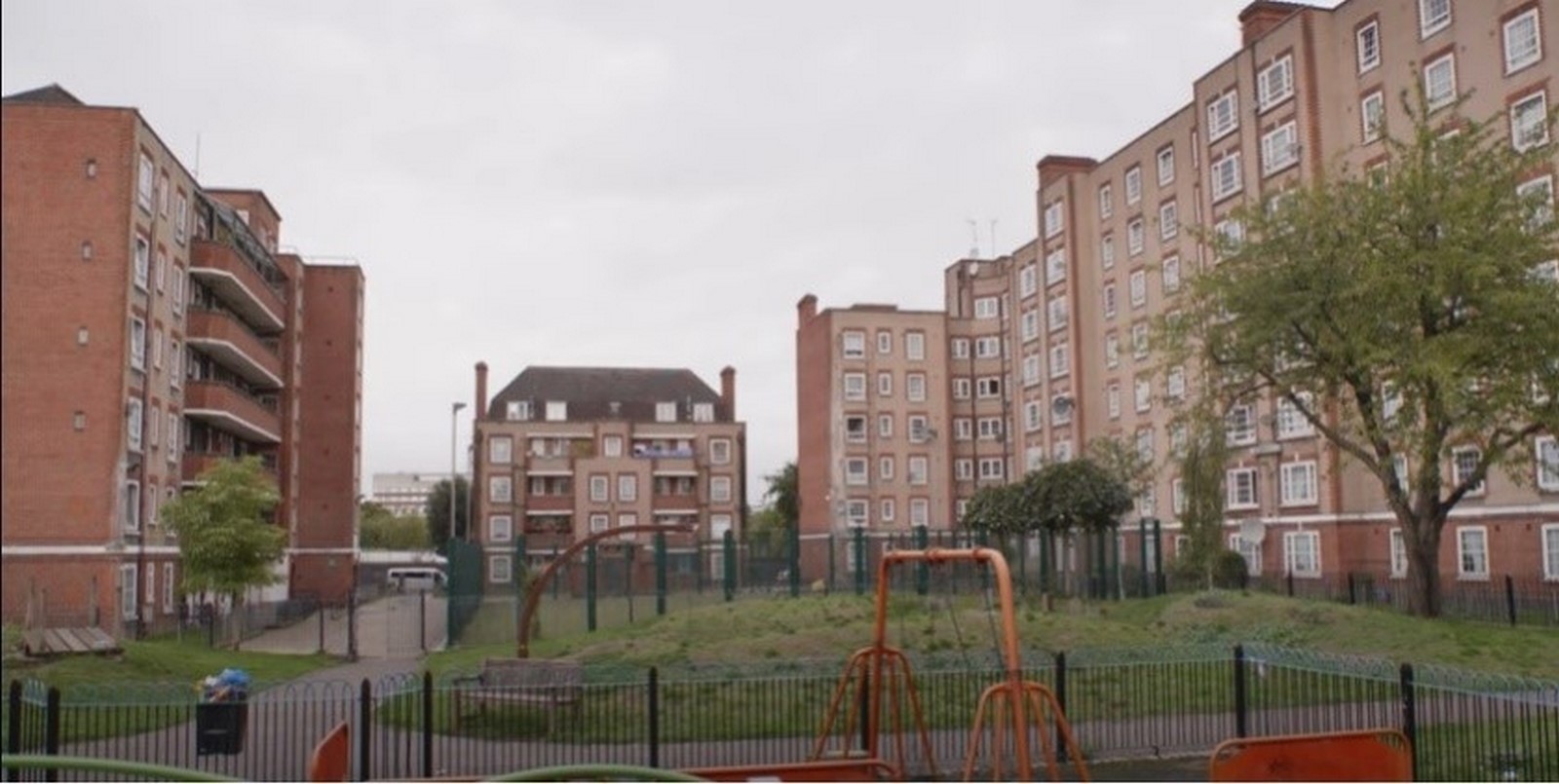
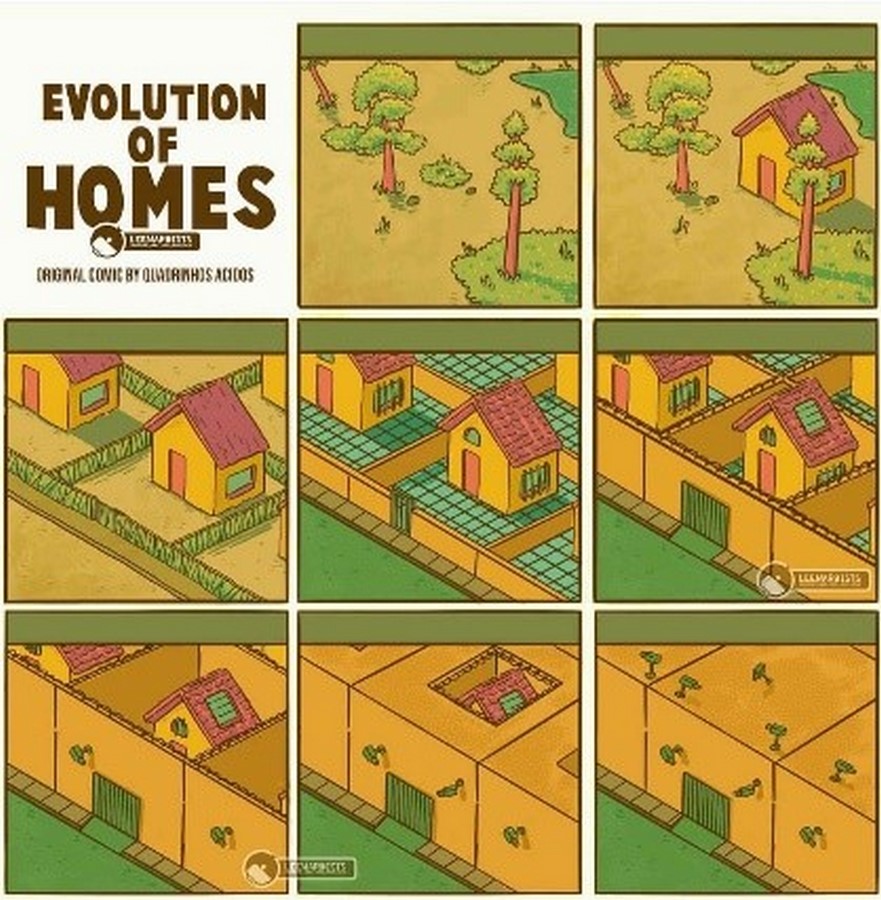
Spoken word poet Lionheart expressed, through a documentary, that the nation should start taking care of its surroundings. He has raised questions on how exactly the cities are designed. He calls space a private members club, where he is never welcomed and nor does he belong. The design of spaces of social isolation has ghosted the city, way before covid. The segregation between colour, communities and caste, lack of acceptance of all, in these isolated and gated designed cities, and a constant race of surviving in the city has affected the mental health of all.
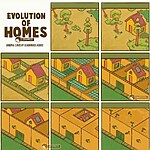
Here is his expression of Kentish town- London, where he grew up,” they made everything inward facing so they didn’t feel like they were part of the community. You create a space for people to feel home but then they’re isolated so they don’t feel like they’re integrated into the community”.
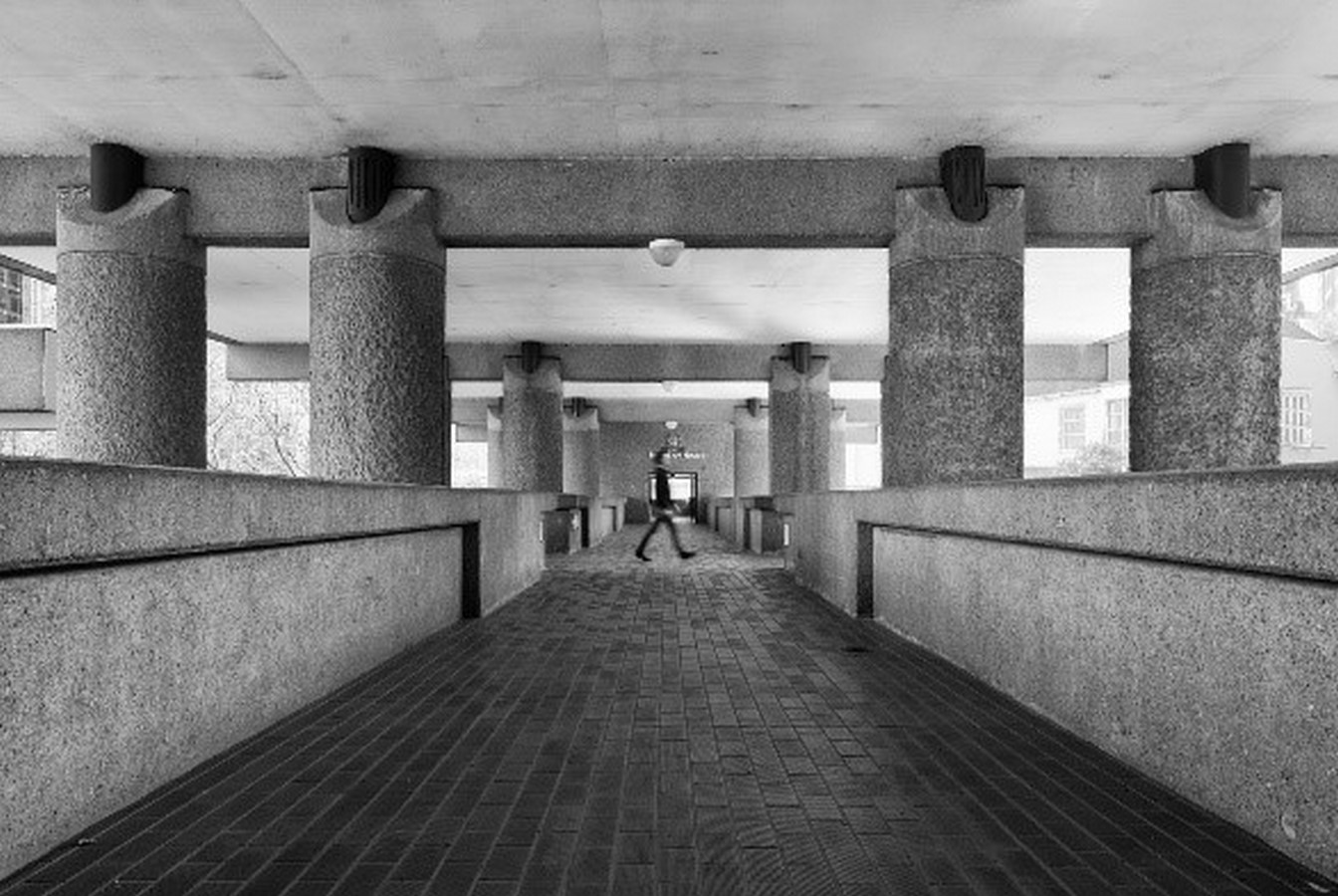
Barbican Centre
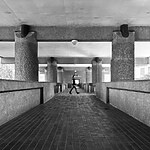
As an architecture student, his expression and topophilia for Barbican Centre – “The architectural decision was curating your emotional well-being. They made sure that the territories created were almost like a soundproof environment where you couldn’t hear the cars or the traffic outside. They are stoned cold but we should acknowledge the correlation, this isn’t about architectural defiance. It is about well being of our minds finally being your client.”
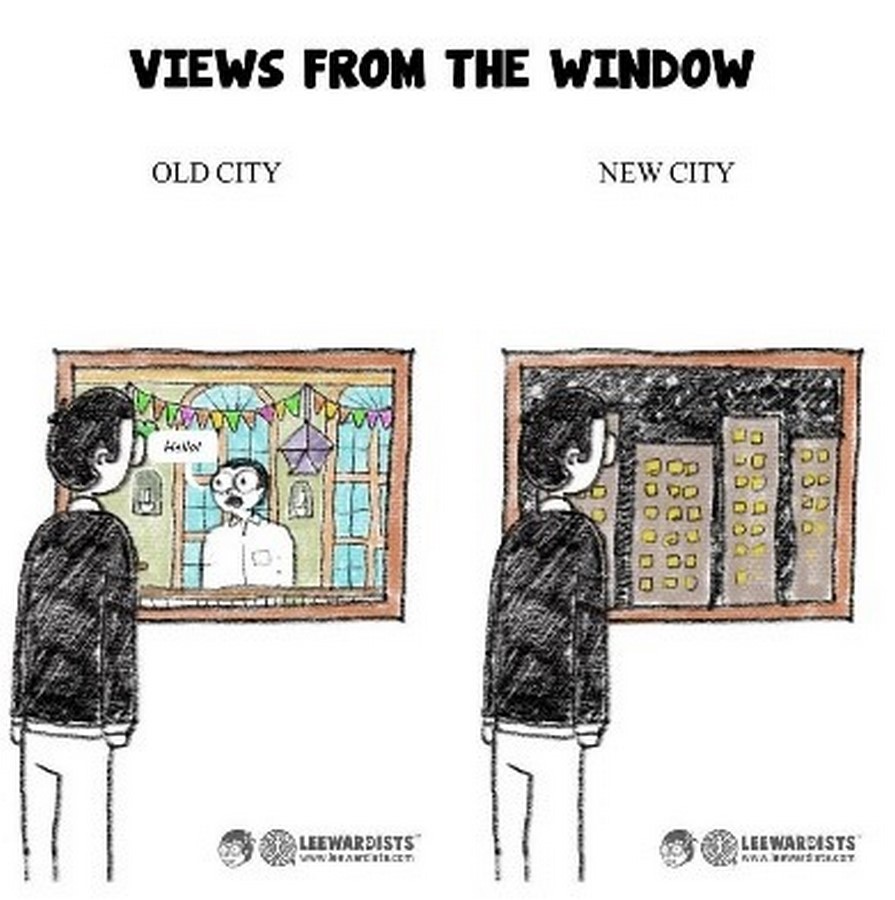
In conclusion, all the gated communities do not have a tangible gate to look at. The common men’s well being of mind is the answer to your design problem. Know your client, to provide a solution of integrated community to all at an urban level. We as architects or designers are the catalyst of the topophilia of mind and heart.
Creating interaction, creating engagement, creating community
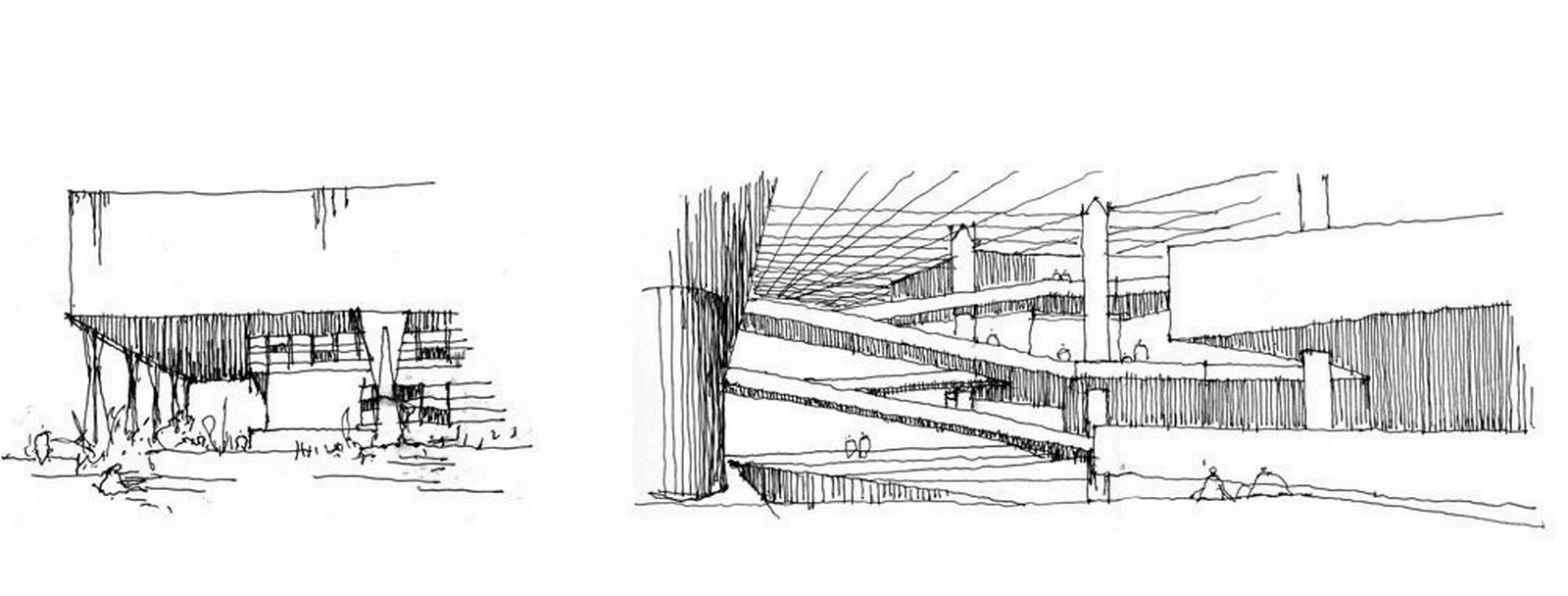
Here is the expression of inclusive architect Damaris Hollingsworth. As being from the other side of the city her beginning years in university were spent in isolation, lack of acceptance from all and constant race of surviving in the environment.
In the phase of self-isolation, one day she was sitting on the library patio trying to pretend not to care about the people around her, but she couldn’t help but overhear their conversation and they were talking about her topic of interest, the architectural places she was learning about at the universities, the privilege, she thought. She was enjoying hearing their conversation that she was forced to hear because of the design of space, and even paying attention to hear better and before she knew it, she was mingling, interacting and making friends.
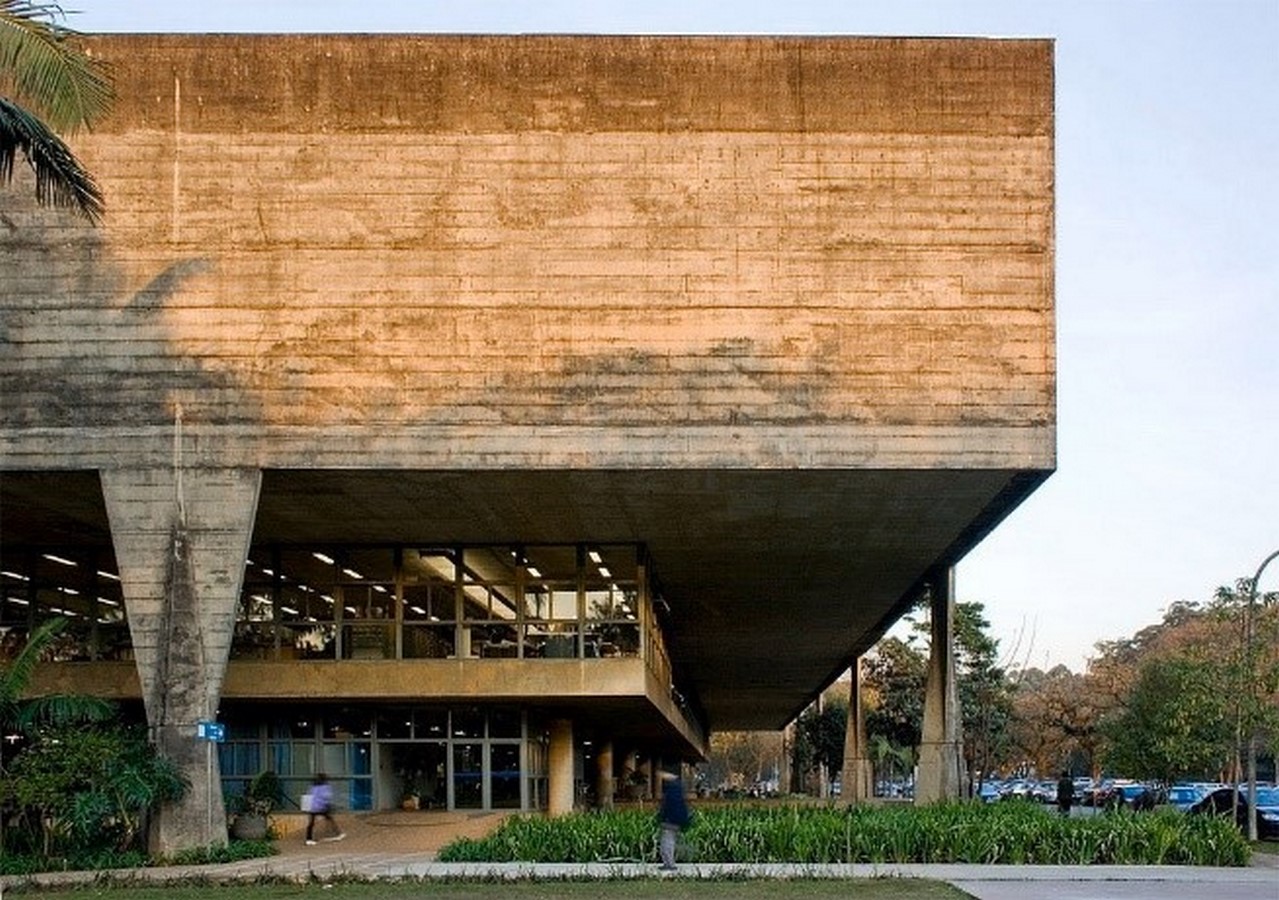
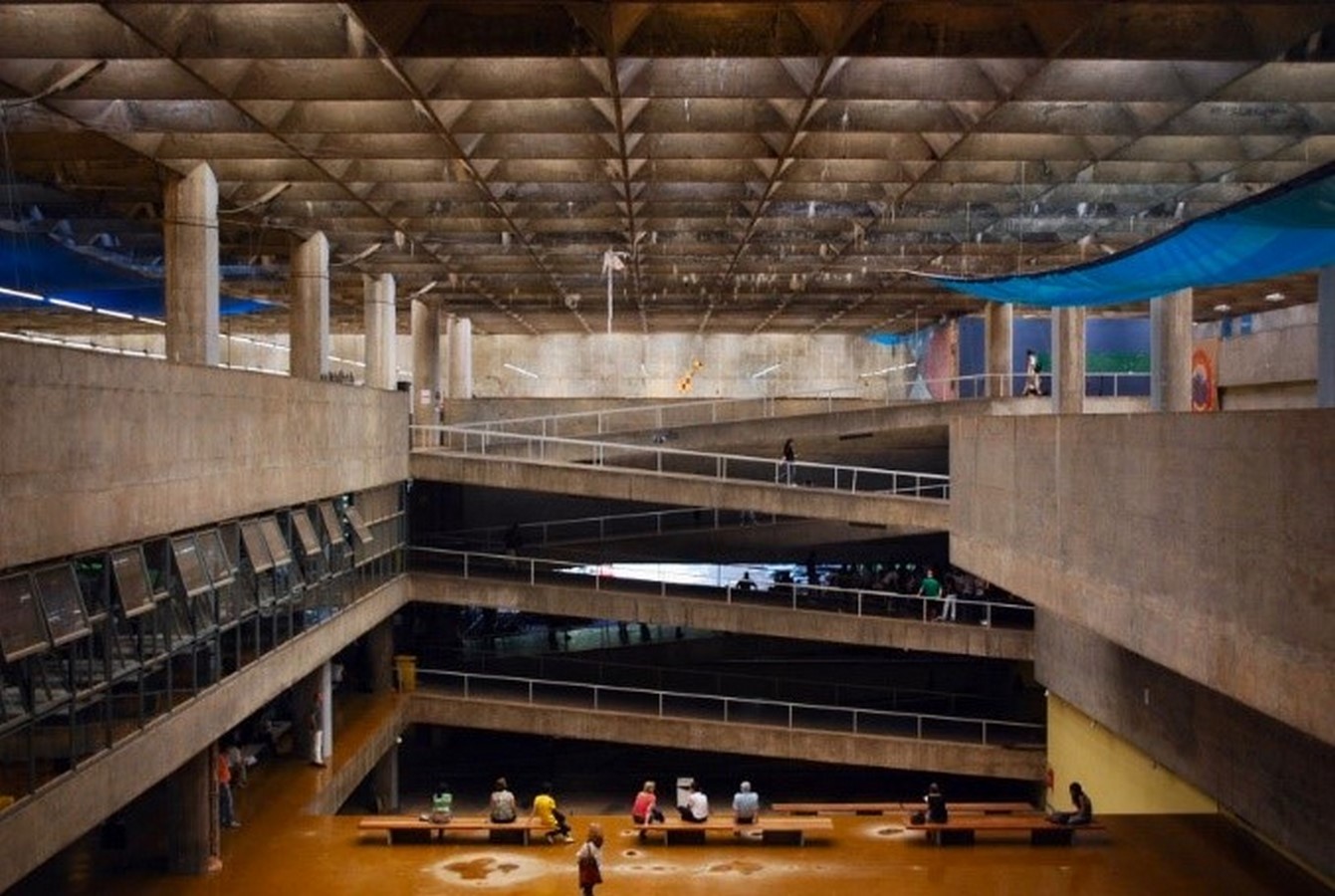
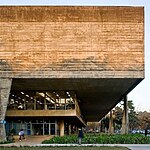
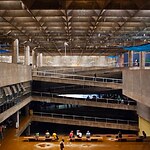
This is a beautiful building designed by Brazilian architect Vilanova Artigas. It has very few walls, it barely has any doors, anyone can walk right in and walk through the spaces in a barrier-free way. It was intentionally designed to bring people in to promote togetherness, interaction and the exchange of ideas.
While experiencing the structure, she saw all through the clutter of social economy, its ethnicity race, intellectuality. She saw human being just like her and the commonalities within them.
Designing opportunities for Impact
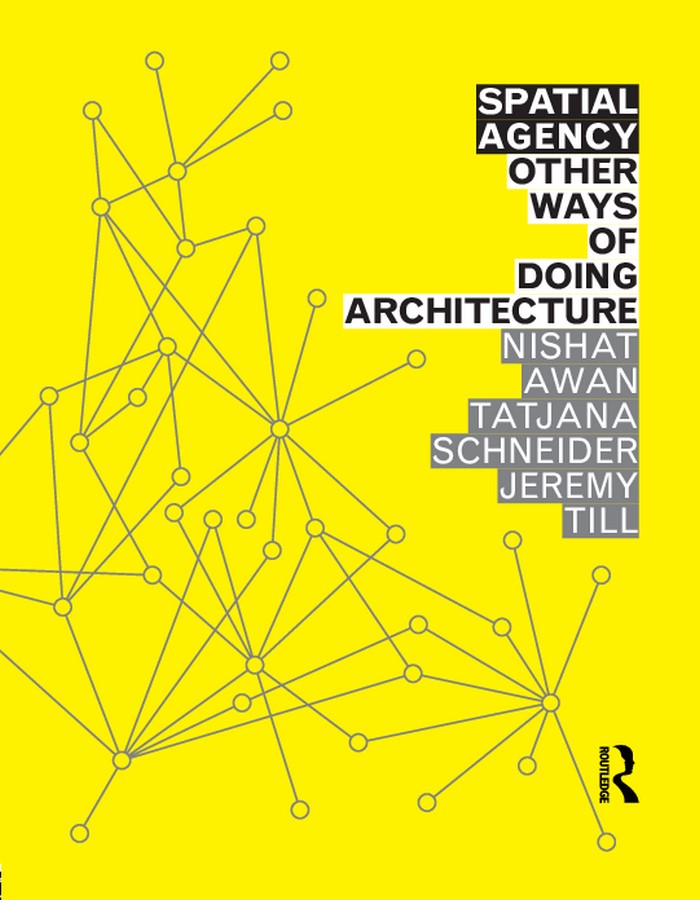
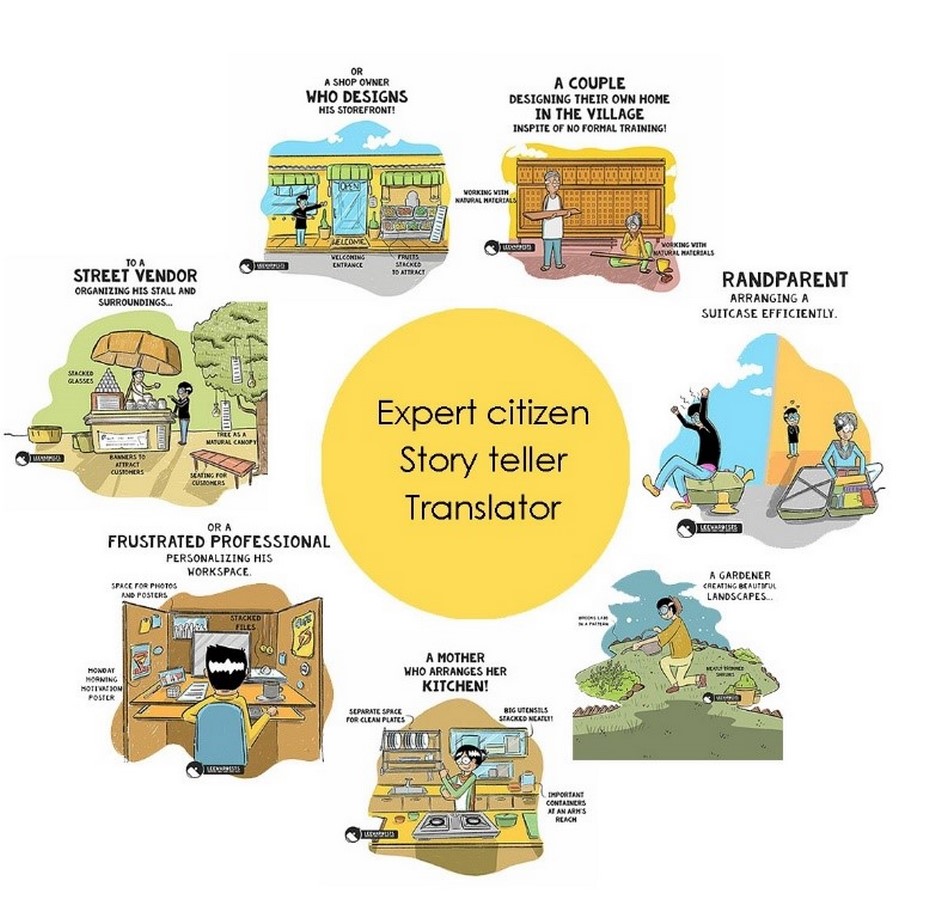
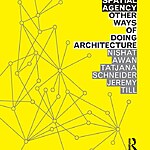
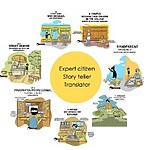
Ar. Liz Ogbu is an architect who does not design buildings. She is a special agent who is doing architecture differently. To understand and express this she wears three hats first the expert citizen, expert over here does not mean to look directly at objective or scientific way but to also add the human element to it and then it becomes a rich combination to understand the social impact. The different communities, all around the world know what it is like to live in their community than any architect ever will be. They know about their emotion, assumption and intuition. They know about their needs and aspiration, their successes and their failures. As an architect or designer, you just have to create a space at the table for them to be able to come and share that knowledge. Because oftentimes they are not to see that knowledge as expertise.
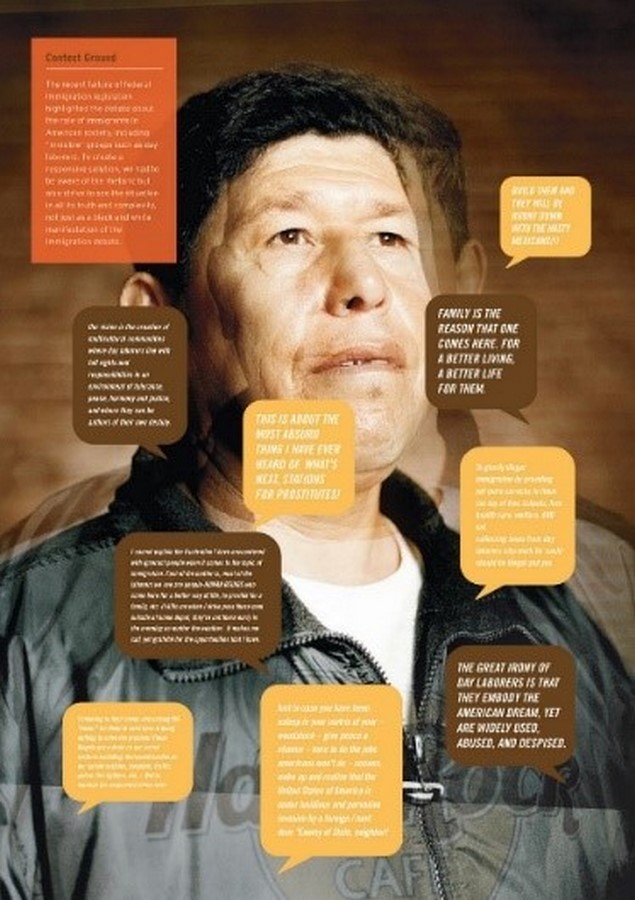
Ar. Liz ogbu tries an invitation to issues, out in which they feel comfortable doing that. The second hat is of the storyteller, the reason these expert citizen’s voice are still not at the discussion table is because of social differences, and many at times these social differences are not visible to the naked eye until we as architect don’t listen to them. So once we have heard these stories it is our duty to be a storyteller and bring it to a larger audience, as then the only action towards social differences with respect to architecture would be possible. This brings to the third hat The Translator, to bring their tangible needs and providing them with the required services of human rights.
In conclusion to the expressed topophilia of all architects, designers and common men, It seems we have concerns and emotion like a creative block, mental wellbeing of all, having acceptance and recognition in the society. Some architects expressed through spoken words of the poem, some learned the art of socializing and understanding to bring the change. While some made the social voice the medium of expression to design and social equality in the societies.
Through all these topophilia and their expressions ‘Do you think architecture can be the solution to intangible problems? And what new ways of architecture can be explored to express the topophilia to all?