In the modern age of living, where every activity requires a particular space, the space is typically designed for people, based on their comfort level, wellness, usage, and various other factors. Nearly, 80% of the person’s living is in an enclosed environment, which may be closed, semi-open or open space. Every space weather, whether open, closed, or semi-open has been partially dominated by architecture in one or the other way. From studio apartments to mega-metropolitan cities every place is an outcome of architecture and has a tremendous effect on our lifestyle and human existence.
Architecture is a pulchritudinous blend of technology and art to make both utilitarian and aesthetic ends meet. Remarkable as poetry that has a sole connection with human existence and lifestyle. Various crucial factors like the spatial relationship of the built and open space, climatic conditions, contextual analysis, historical importance, artistic style, sustainability goals, and economical targets are considered and examined thoroughly before designing and implementing the process on site. Architecture is beyond walls, or any structural elements, it creates expression and dialog between users and built mass most effectively. Not only this, it brings out human emotions and gives an experience for a lifetime to remember.
In the book “The eyes of the skin” by Juhani Pallasmaa, it has been discussed about the impact on human life of visual sense. The human touch is the sense that evokes emotions and connects an individual’s mind for time being. Understanding the user activity space relationship is where architecture brings a sense of belongingness to the occupants, develops engagement, and influences human existence. Tangibility through materials, built mass, structure, and intangible like light and shadow play, proper ventilation, etc. can be experienced in a space that has strong architectural expression.
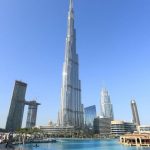
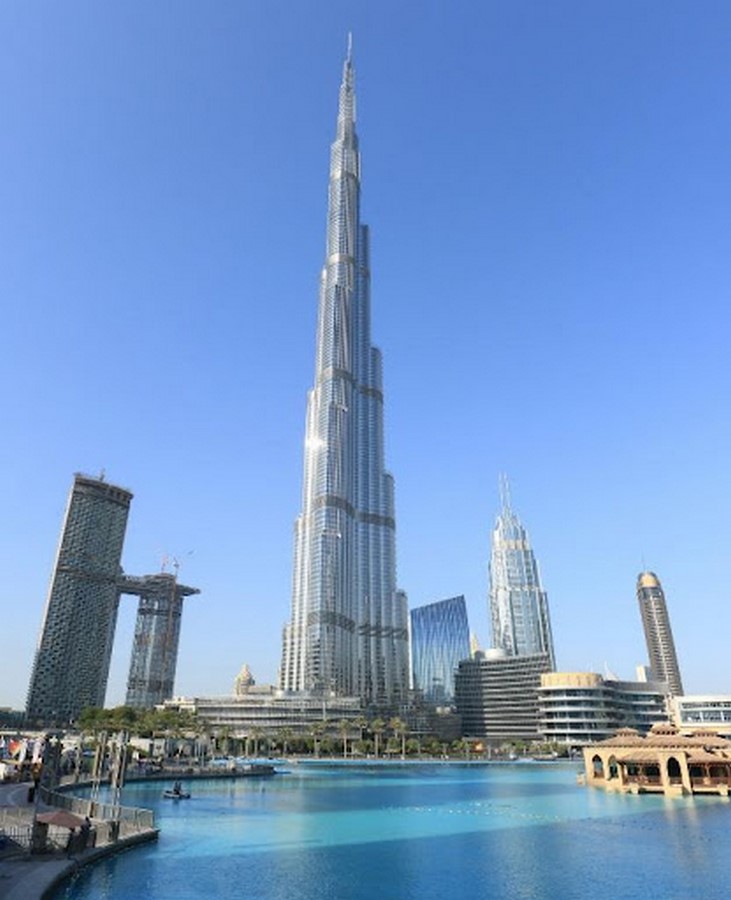
In the 21st century, where the sky is the limit for humankind. We are achieving great success in the construction industry. Burj Khalifa in Dubai, for instance, is one of the tallest buildings achieving a height of 828 mts (2,717ft), with an architectural style of Neo-futurism (a futuristic approach by rethinking the thought of aesthetics and functionality. It was designed as the centerpiece of large-scale, mixed-use development and is considered one of the most influential projects in the contemporary world.
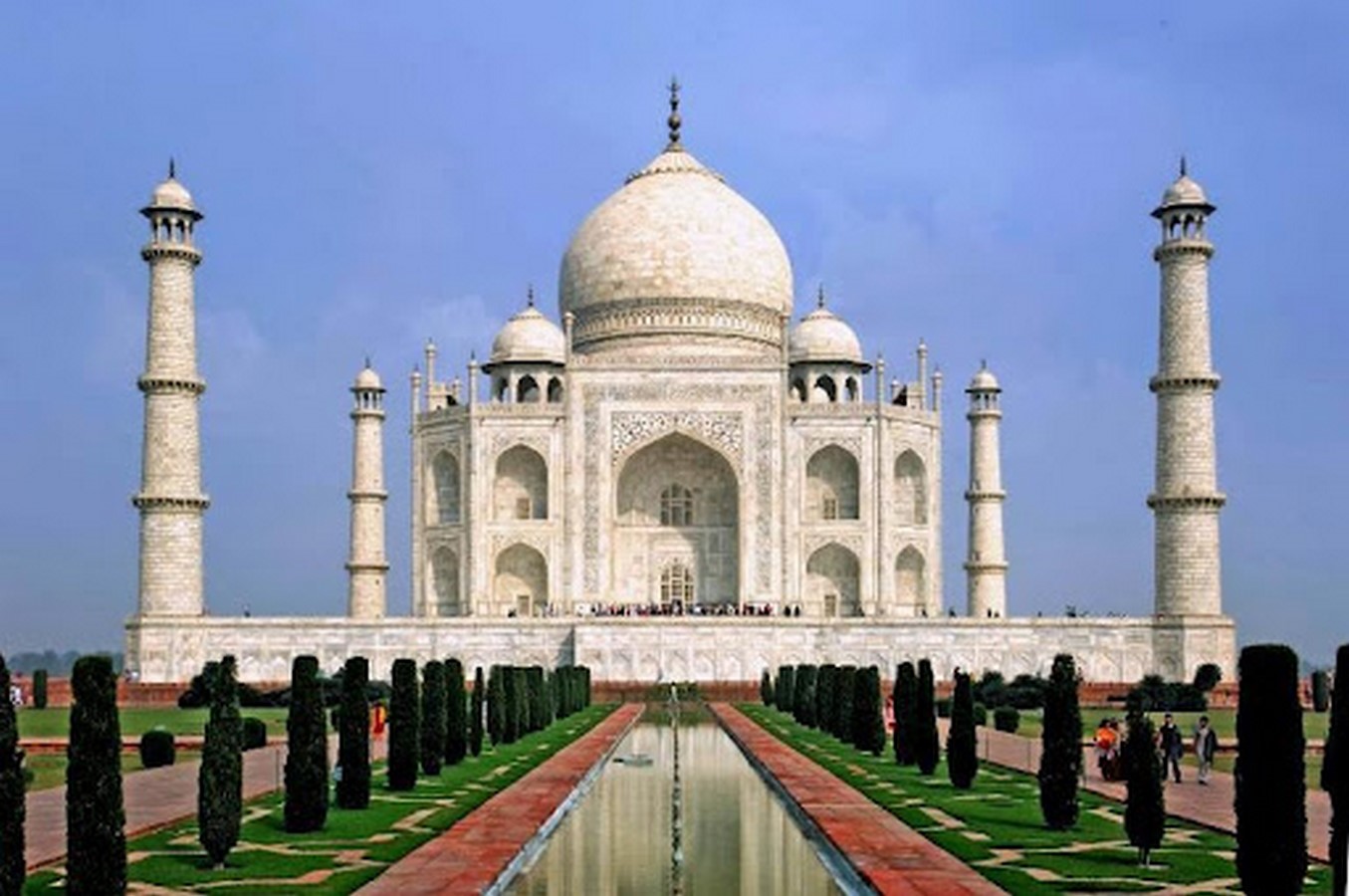
On the other hand, looking into the past, the Taj Mahal, the UNESCO world heritage site, an immense mausoleum of white marble, built by Mughal emperor Shah Jahan in memory of his beloved wife is a jewel of Muslim architecture considered a historic treasure of India.
But if architecture was not a part of human life? How will human existence have emerged? What if cities are not designed by urban planners or designers?
Taking a step back and deleting the built fabric in my mind layer by layer and considering how human existence would have emerged with some profound contemplations and serious concerns.
Clutter and confusion on an urban level
Unplanned or undersigned spaces without identities that collectively form a city will result in clutter, confusion, and chaos. Moreover, it will not create an urban fabric that is fruitful for the needs and well-being of the citizens and will give a blurred image of the city. No city will have a unique character or culture. The whole 9 yards will be mundane and boring.
Safety concerns
There will be serious problems related to safety whether from animals, climate, or even human beings from each other. As architecture provides one of the basic needs of human beings which is shelter, in the best possible way. Deleting that from the scenario will create a threat. Uneven distribution of land allotment can create a misbalance and can hamper harmony too.
Environmental concerns
Not humankind individually but the environment would get affected by the architecture. Every material has properties that are related to the environment. Various experts and professionals are sensitive and work on sustainable or eco-friendly materials. This concept helps in the circular economy nevertheless the unavailability of these expectations can be dangerous for the globe. Extensive or ruthless use of particular materials or materials whose properties or identities are unknown will create major damage.
Emotional damage
Without a spatial relationship between built and open mass, comfortable spaces that are analyzed based on anthropometrics, ventilation level, luminous intensity, and many more, will create a serious imprint on the human mindset.
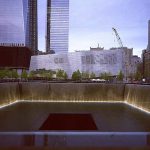
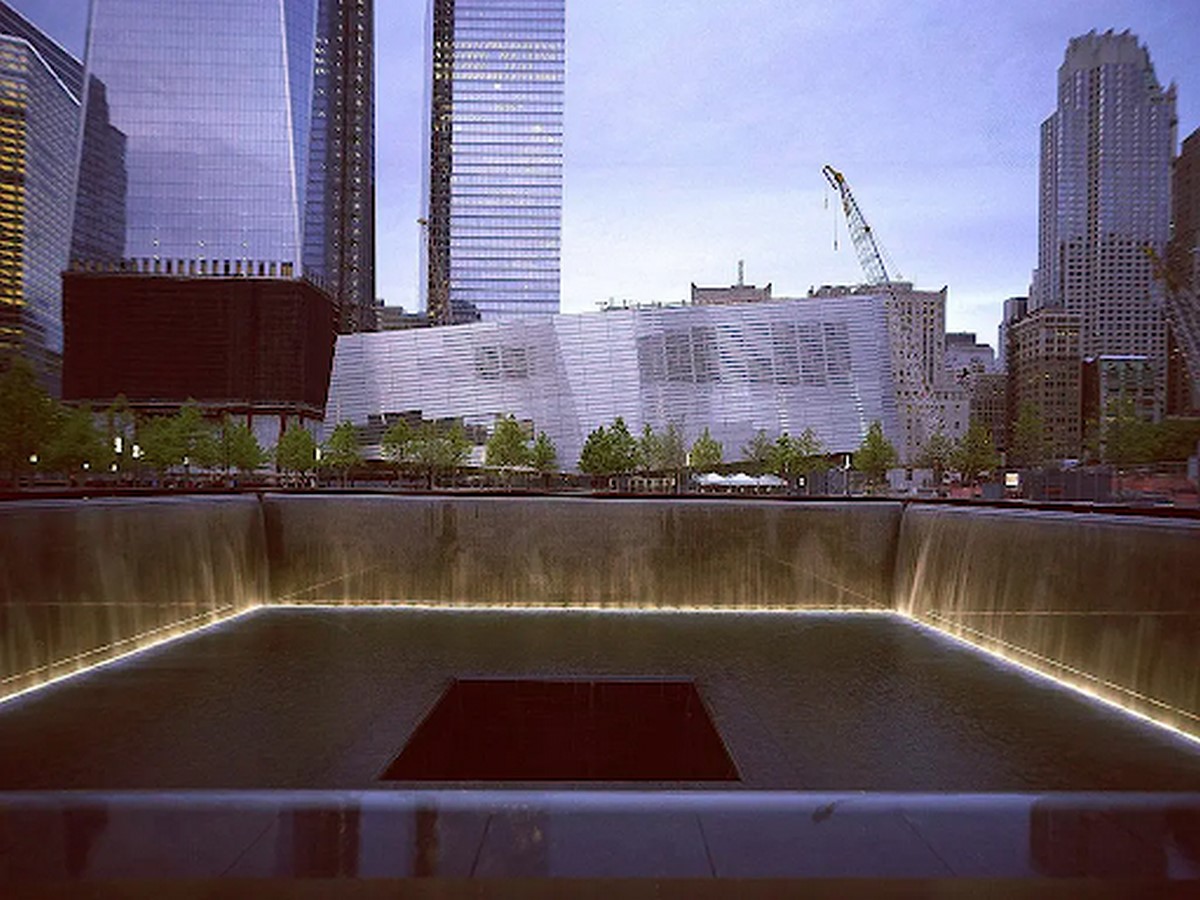
Some places have emotions associated with them which create beautiful and everlasting memories. Place-making strategies are involved in designing buildings or places like this. They involve emotions of excitement, joy, love, passion, intensity, peace, calm, soothing or relaxing, and enlightenment. One of the best cases is the 9/11 memorial museum in New York, USA, which evokes the emotions of sufferings whose close ones died or got injured on 9/11.

Subsequently, without architecture there will be no concordance with environmental factors, consequently, human life would have developed in an exceptionally upsetting and tumultuous way with more than adequate disarray which might have been settled with little plan mediation. Mess, suitable, harsh, heedless, unremarkable, these words would have been our dearest companions as opposed to quiet, solace, versatile, illuminating, or mitigating.