Now, it may feel strange, but going back in time reminds us how our journey in architecture refines every day, and it all started with reading the definition of architecture. Whenever we add or invite something new into our regular life simultaneously, we start building and broadening our perception of that area, and in our case, the day we connected ourselves with the word “architecture”, we stepped forward into the world of architecture, and here we started sinking into a deep observation in our surroundings, but how did all this happen, let’s find out how the architecture changed our perception while going deep in the whole journey?
Developing a minimal observation
When we open our window and turn our eyes to grasp a picture of our surroundings, every single thing which gets reflected within the eye bandwidth has architecture in it, maybe designed for anything and by anything. Observation is a keyword that we learn when we enter into this field, specifically observing our surrounding area, but this is regular work which we were doing earlier and since so many years then, what makes the observation as a term different from regular work?
Developing a minimal observation is that difference; from viewing a local road in front of our house to the massive structure, we develop the skill of how to observe these structures, we started understanding the purpose of every building, and how the built form speaks the purpose of the building, its context to the land on which it has been built and in context to its neighbourhood, a building always creates balance with the locality and sometimes the locality can be viewed as whole the aesthetics reflecting out of the façade eyespot the moving crowd but clicking the connectivity of each element behind the aesthetics is the minute observation.
Understanding the terminologies of space
Terminologies make us stand out from the crowd and enhance our professionalism talking about the space; we come across a lot of spaces while making a trip from origin to destination, and we have been through the well-known public spaces like parks, monuments, promenades, market places etc. Each of these spaces has its own identity; as a common visitor, anyone can define their identity but identifying details in these spaces is a different vision. A public plaza and a public park are both open spaces that serve as gatherings and relaxation for people. Hence what is the need to give different terminologies to these spaces?
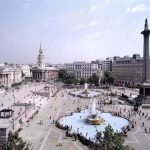
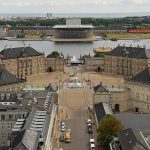
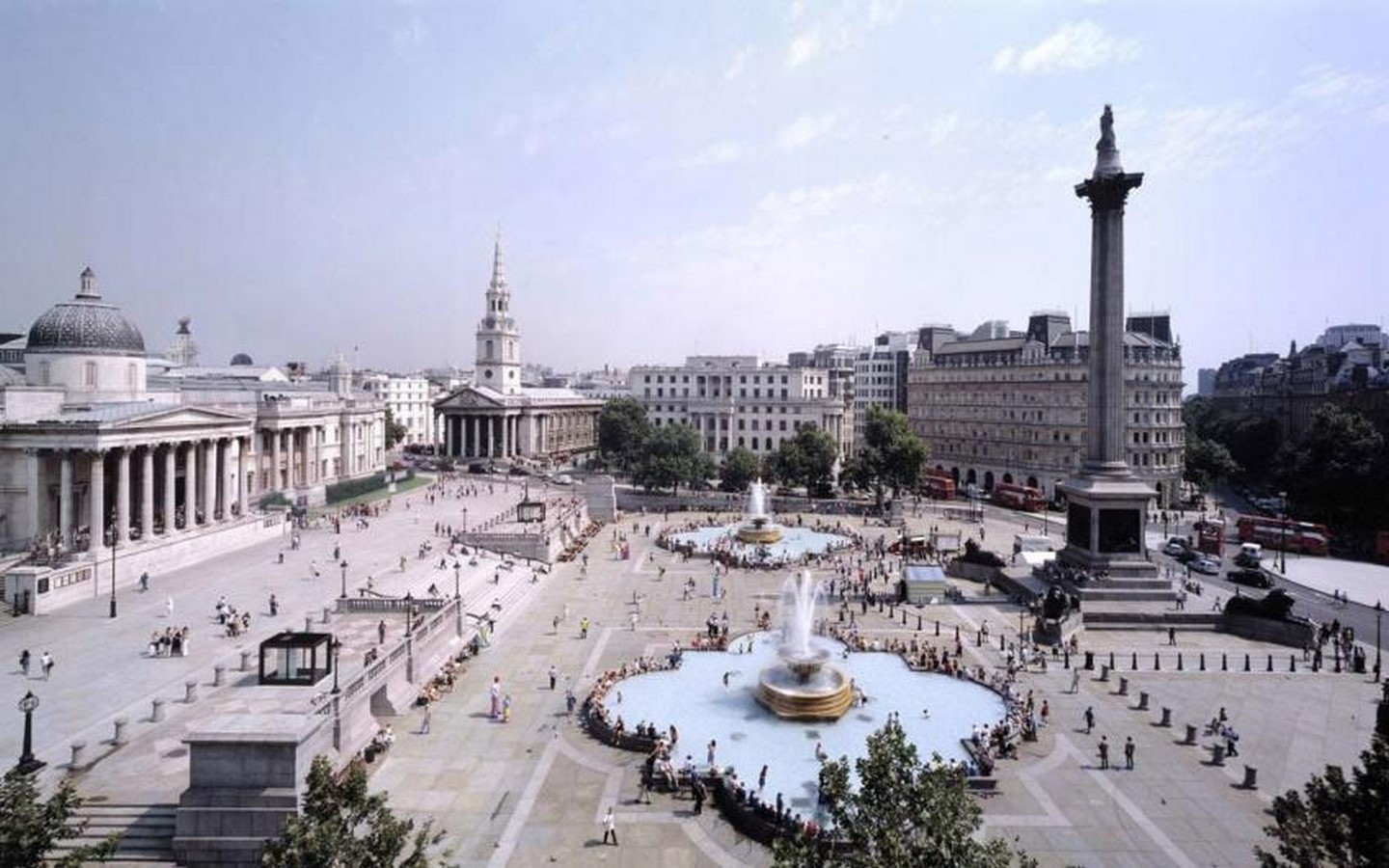
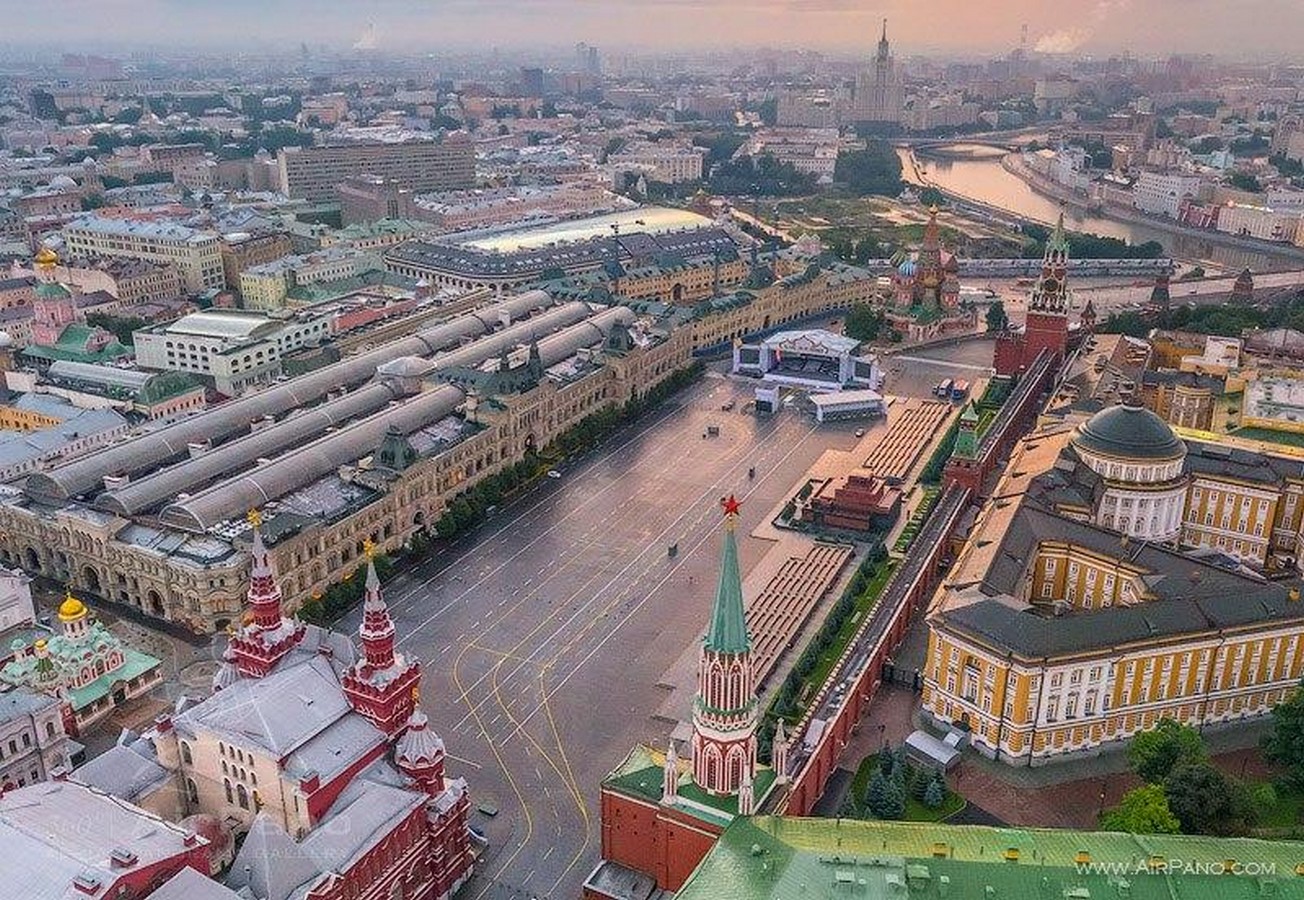
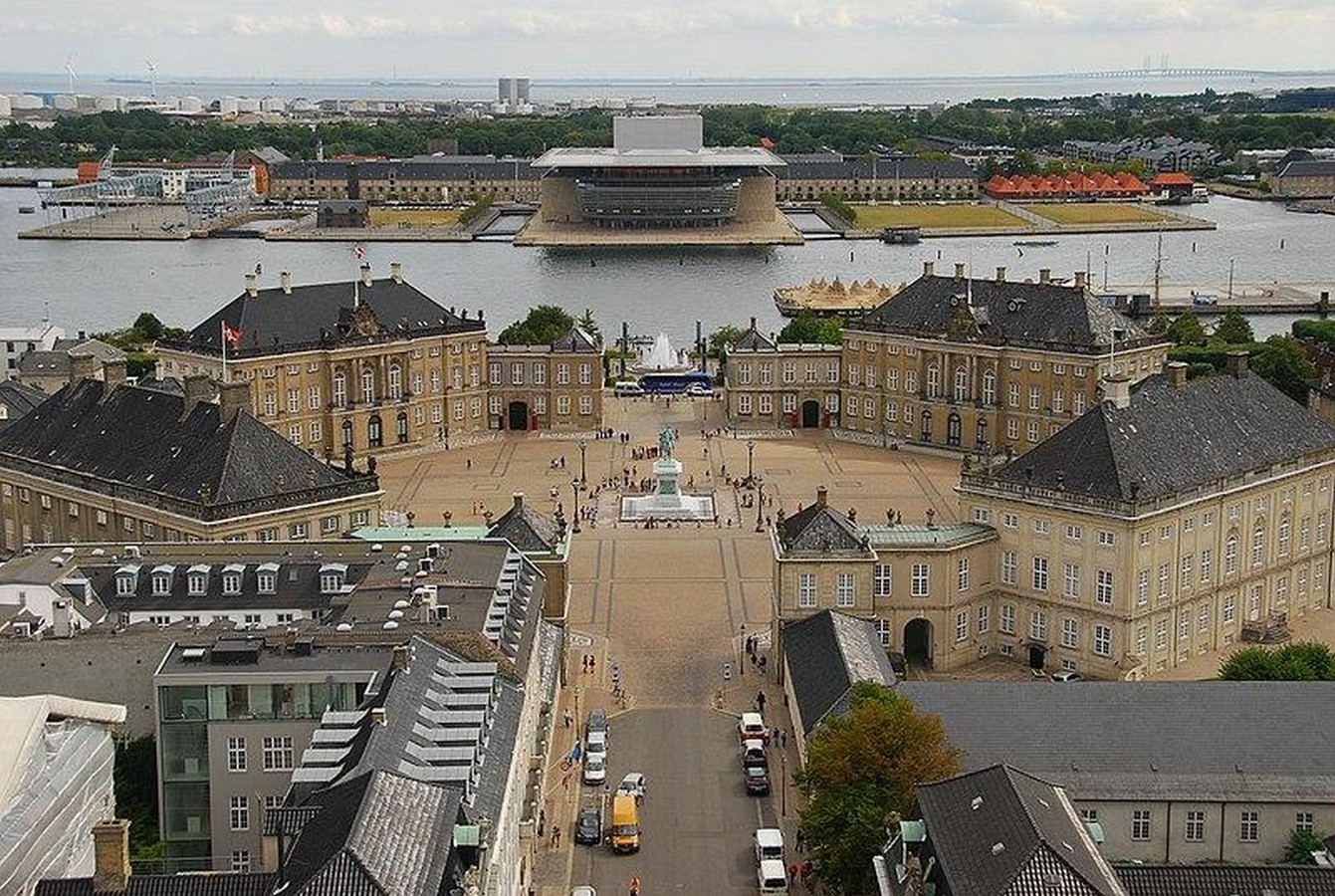
A plaza is a square which can be constructed in the centre of a city (without disturbing the city traffic), at the meeting points of two roads or can be formed as a courtyard surrounded by buildings all the side, the place is used for a gathering of people in a city, and it has elements to serve and attract the gathering such as central fountains, minimal plantation mostly small trees benches or sometimes amphitheatre to seat people for example –, Red Square in Moscow, Amalienborg Square in Copenhagen, Trafalgar Square in London, etc.
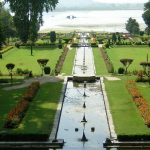
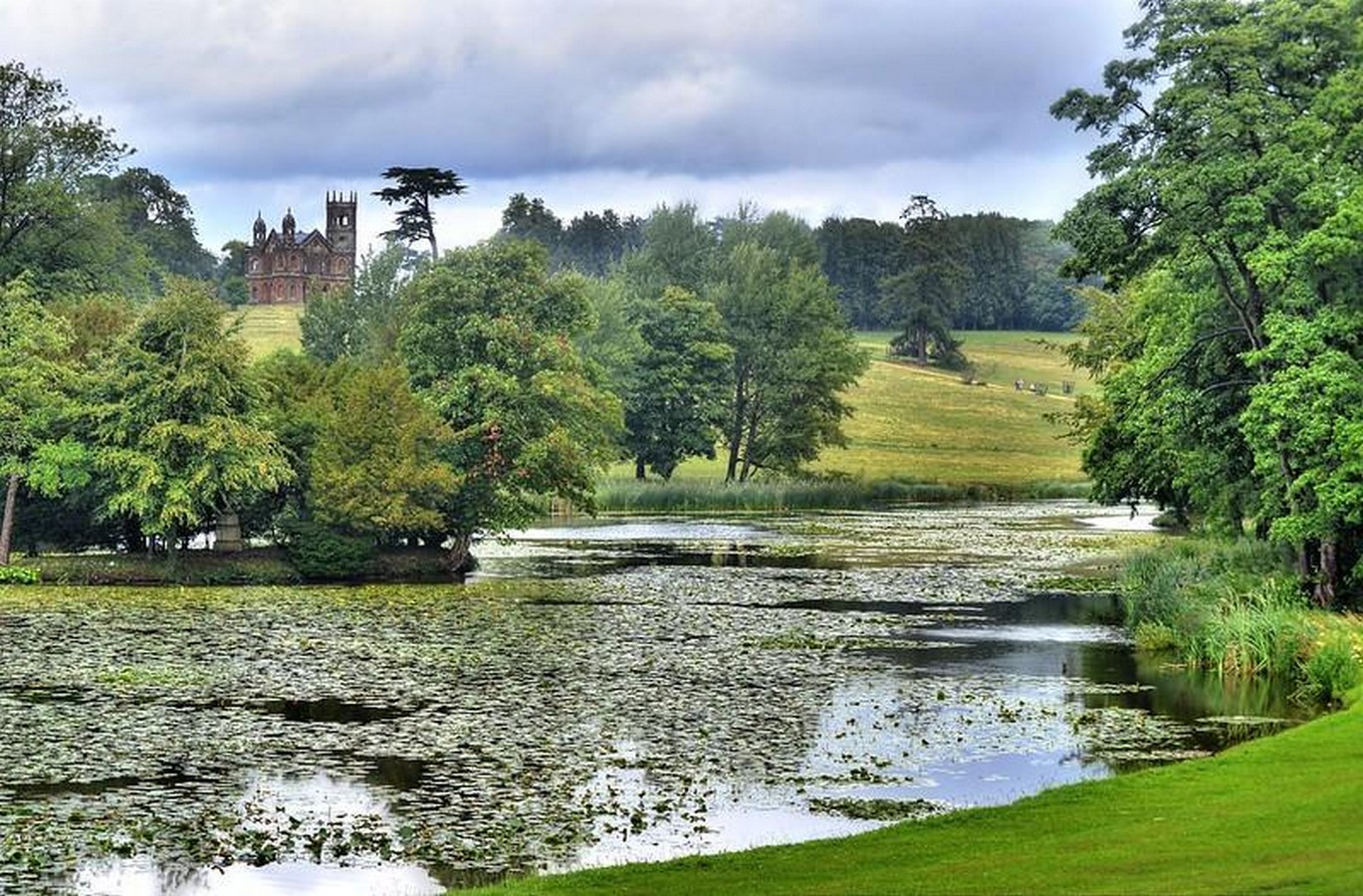
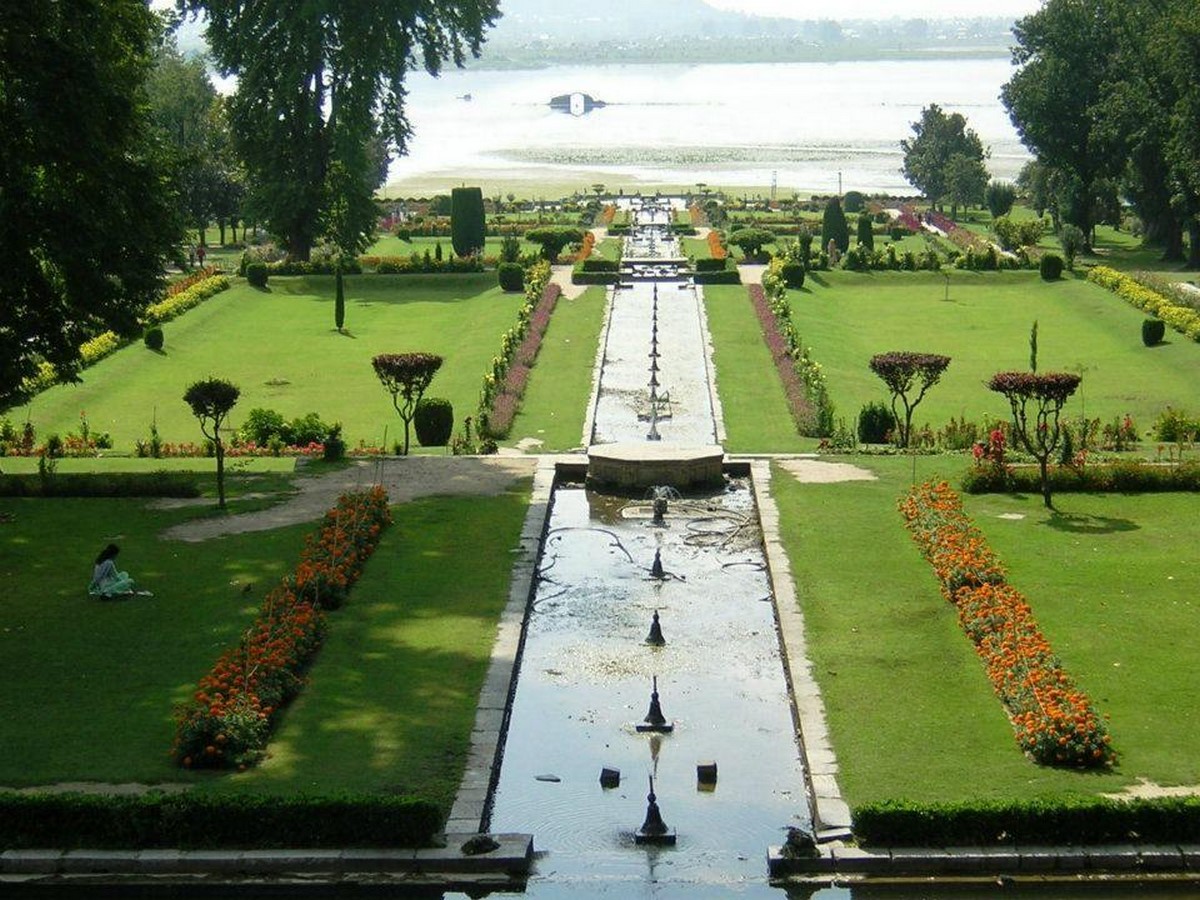
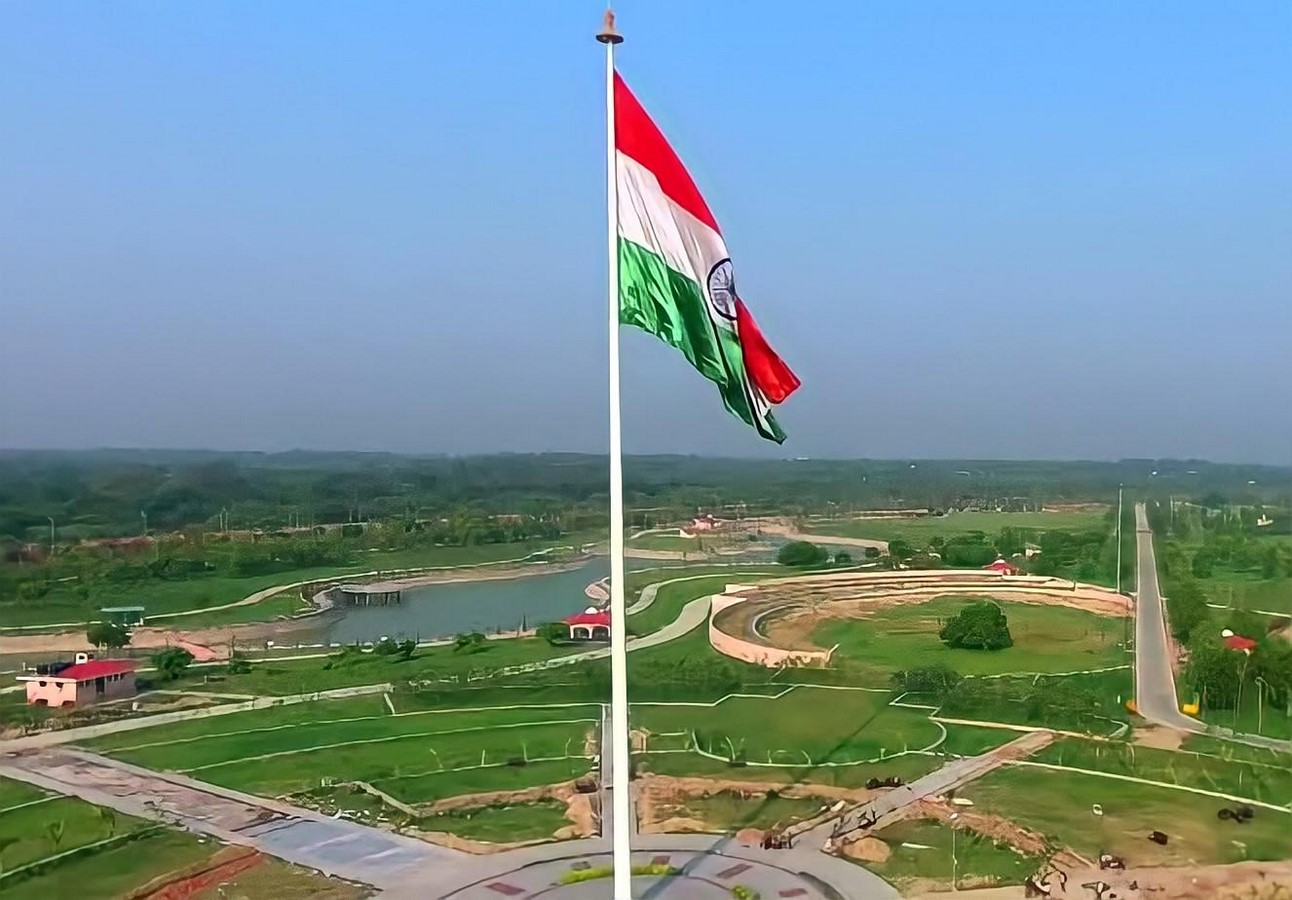
A park is a piece of ground that is built in its natural state, and sometimes it is also kept as a function to preserve the environment as well as enable a recreational space; parks have a natural or manmade landscape including massive trees, small plants, structures temporary or permanent, water bodies, benches and other serving and thematic spaces to sit, walk and relax in shooting and calm green spaces. Examples- Stowe Landscape Gardens in Buckingham, UK, Shalimar Garden Kashmir, India, and Janeshwar Mishra Park Lucknow, India etc.
Establishing the ethics of historical monuments-
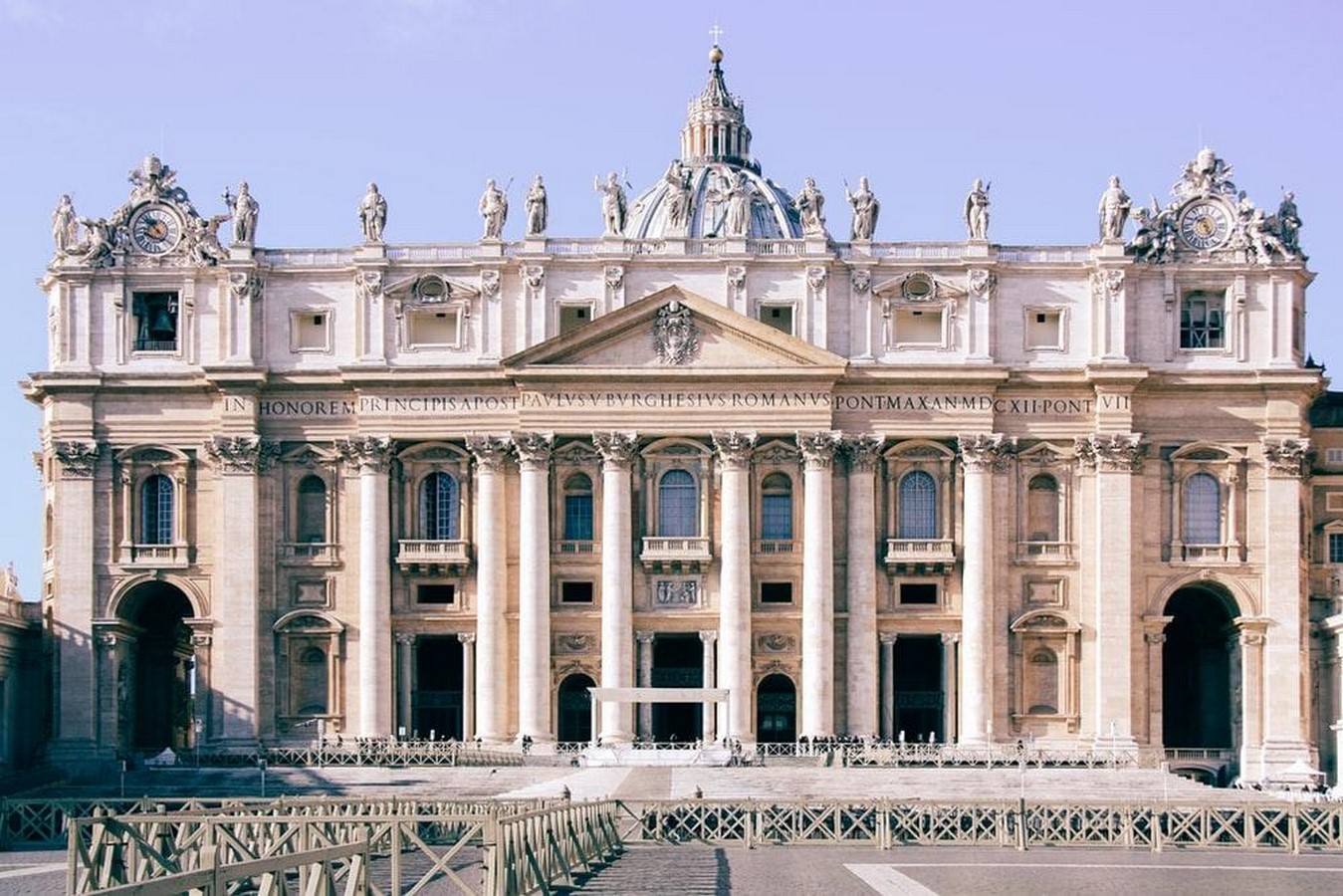
It would be fair to say that we all visited these monuments to revive ourselves from our bustling routines or our love for history resulted as a magnetic force. All these massive historical structures are not just part of history. They don’t only tell the story of the various kingdoms, but they are the evidence of an architectural era; the detailing in the building elements or even in sculptures define the need for building such structures and architectural styles of various rulers and various civilizations.
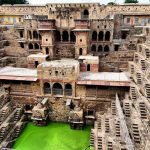
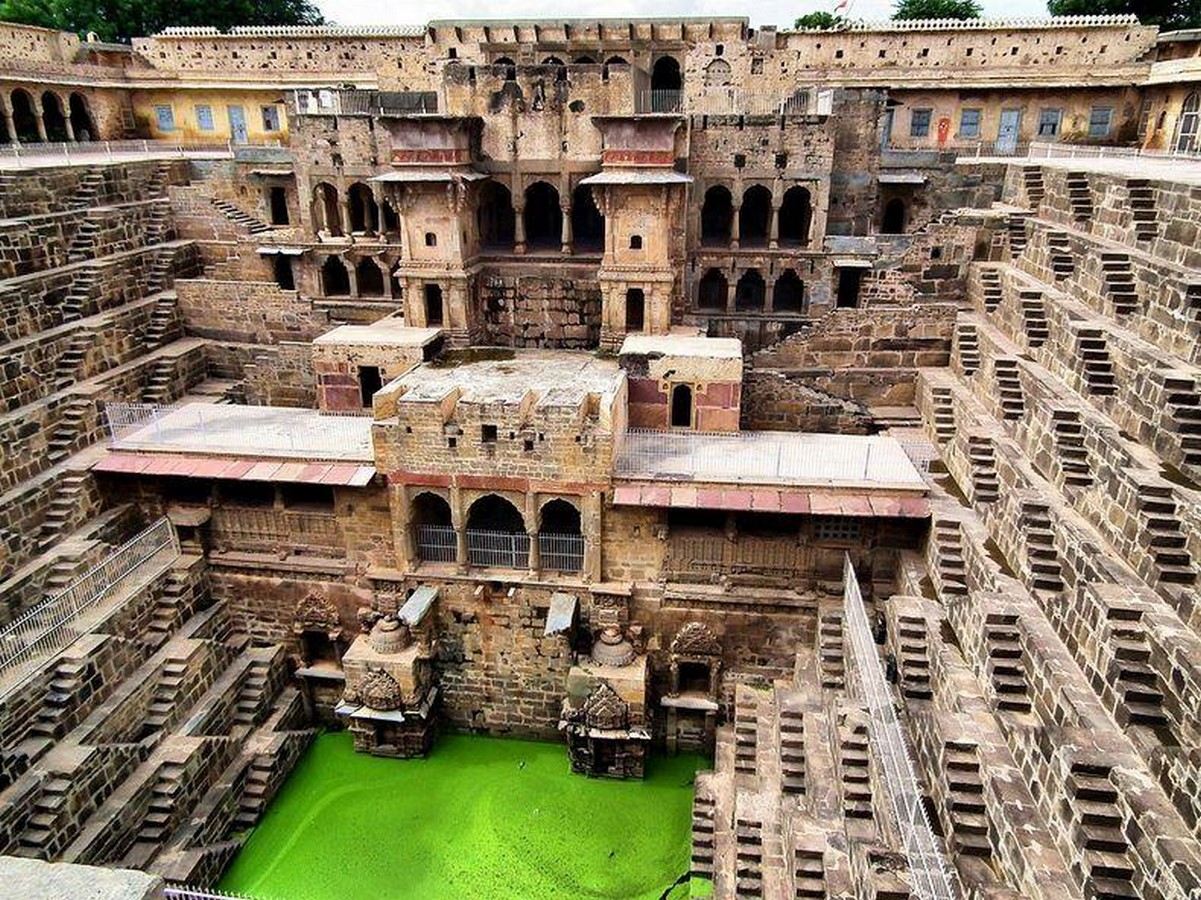
From building simpler structures to intricate detailing, we have marvellous wonders standing on the ground across the globe; some made to devote religious pietism like temples and churches; some emerged due to their need, such as massive gates and step wells, and some were the evidence to empower the kingdom and establish luxury such as Roman Basilica, Thermae, Colosseum. These historical buildings are the heritage of today’s world; they connect us with a timeline of architecture and allow us to celebrate the past.
From tall towers to skyscrapers
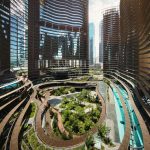
Skyscrapers have become a trend in architecture today; although the succession of building in vertical heights has been started for long, other than a fascinating vertical tower rising above the clouds; it is also a remarkable example of architecture and also a vision of building spaces when we are lacking horizontal pieces of land in highly dense cities. These skyscrapers are standing straight, dynamic and floating in the sky.
Skyscrapers are uniting and utilizing various building spaces serving different purposes, such as residences, offices, convention halls, restaurants etc., into a single vertical form and establishing these services, amenities and luxury on a huge number of floors has created a new perception of living standards.

A new perception-
Architecture evolves our perception of viewing the spaces, buildings, community and our surrounding environment; the definition of architecture is not enclosed within the four walls, but it is describing the ethics of every structure ever built on land, setting up a dimension to take inspiration from past, to enhance the present standards and interact with the future advancement.