Cities of memory. Cities of mystery. Cities of violence. Cities of love. Cities that are underwater. And Cities that have been lost. Over the years, there has been speculative fiction on how cities have evolved, offering multiple urban visions of how cities would exist in the future; some dystopian, some utopian, and most in between this spectrum. Cities have become a vital part of human progression. According to the statistics provided by WHO and UN, there is an increasing number of populations that are shifting to urban city life. By 2055, it is expected that 70% of the human population of the world will live in cities. But what makes the idea of a city so intriguing? While most may argue that utopian visions cannot work in real circumstances. Many utopian visions came up after world war two to deal with the ruins of the war and the impact it had had on the functioning of cities. A thread of ideas of self-sustaining cities attempting to redo cities came up in the 19th century. This was perhaps the base for modern city planning and the way towards modernism.
Garden City Movement: Understanding cities as social capital
The concept of city development had been introduced in the 19th and 20th century through movements such as the Garden City movement or the organic city movement. In the 1960s, physical and social problems arose in the cityscapes. As a result of rapid urbanization and industrial development, the urban fabric began to deteriorate; housing conditions became limited, the architectural quality was affected and the urban fabric began to lose its character. Historic streets could not accommodate urban issues of noise and air pollution, and could not sustain themselves through high traffic flow and parking issues. In addition to this, the social structures of these spaces had been compromised. People began to move away from the historic core, to afford a better lifestyle, which ultimately led to the abandonment of these spaces. Poverty and crime rates increased, as the population began to relocate themselves.
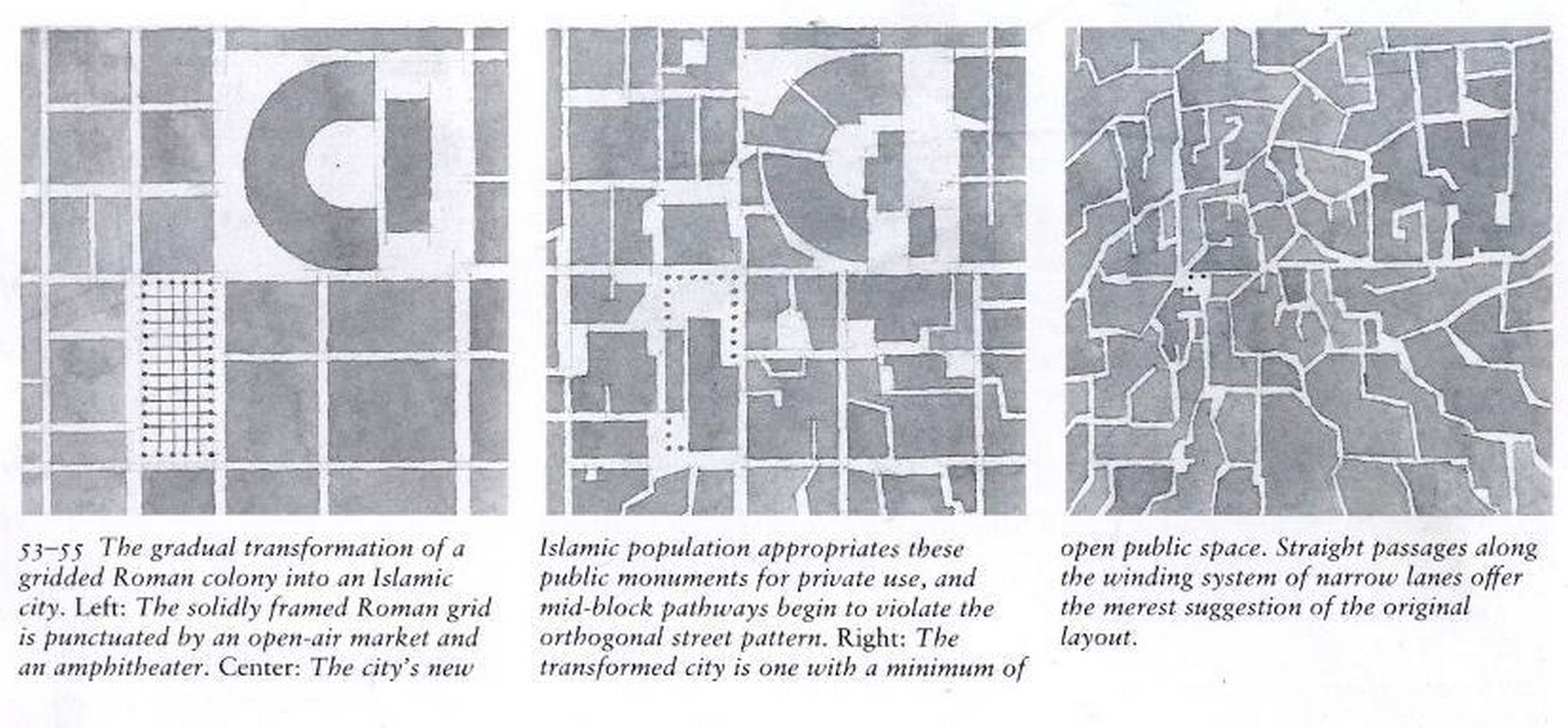 Spiro Kostoff in his book “City Assembled”, mentions the evolution of the Garden City Concept that was introduced to stop the rapid expansion of cities. The movement came into being, after the industrial revolution as there was a serious impact on the environment that was reflected in the quality of life being affected. The Garden City Movement introduced open spaces and greenbelt areas to improve relationships with nature and emphasized tackling issues of overcrowding that led to health issues. The unexpected outcome was the direct relationship between nature and the well-being of people, which was addressed through the movement to limit expansion.
 Linking social capital to sustainable development goals
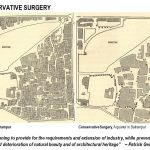
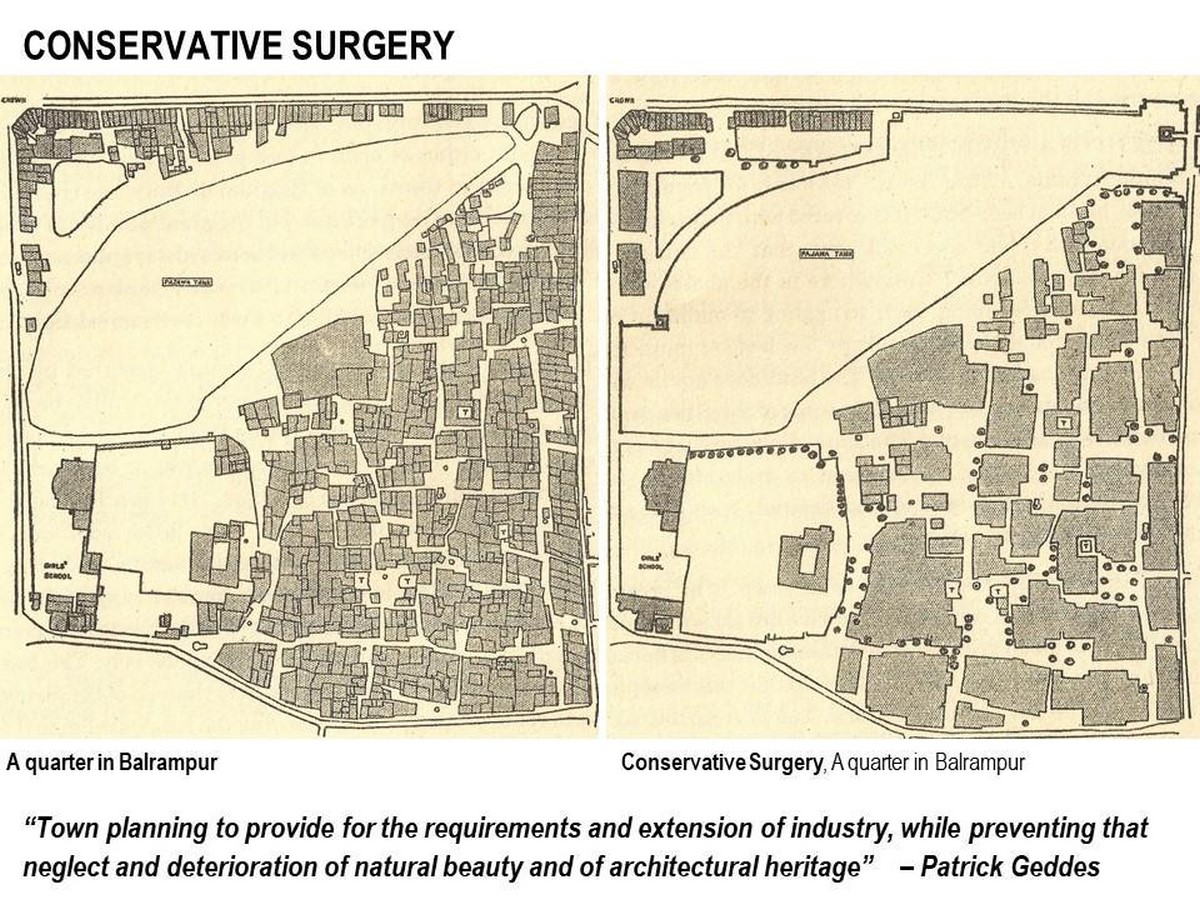
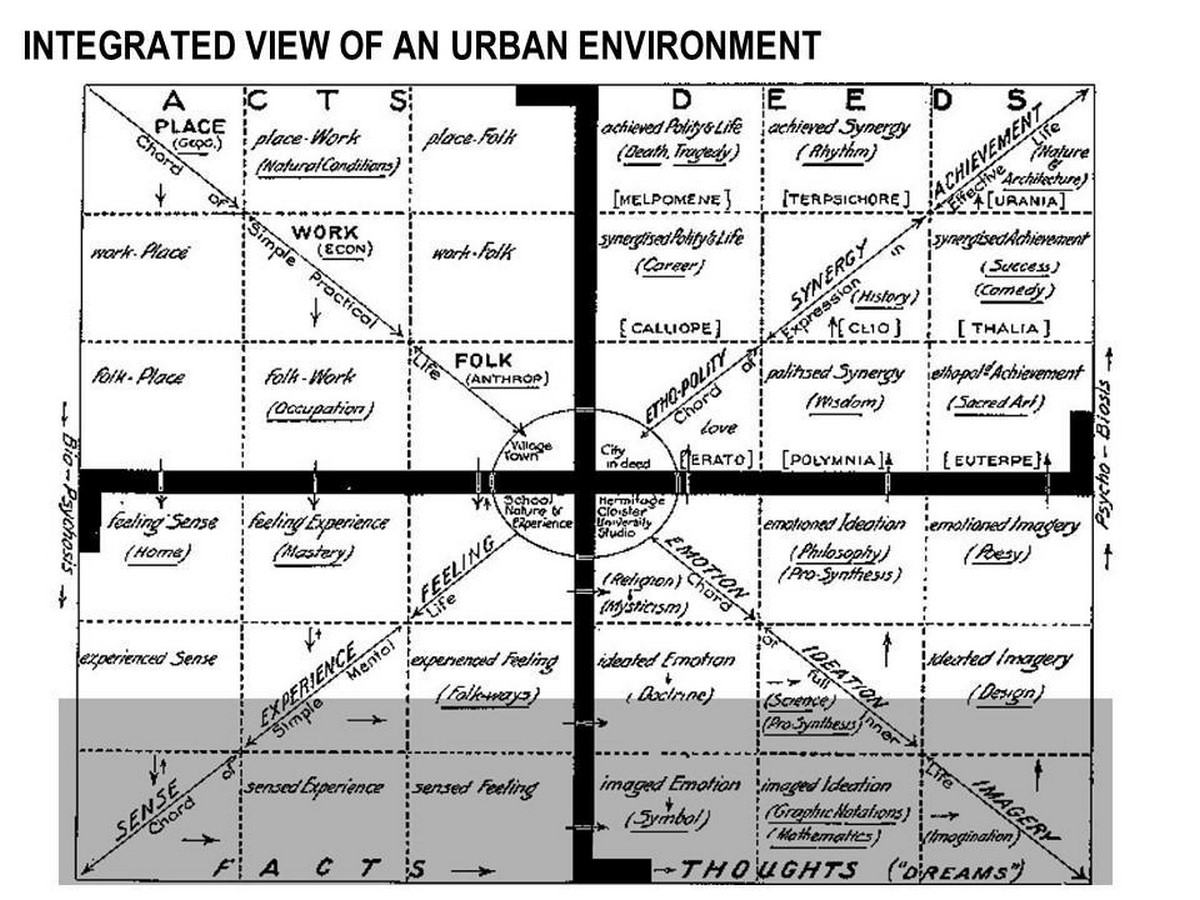
Planner Patrick Geddes recognized its value and approached this differently. He has emphasized the importance of human life within a space, from a holistic understanding of the spatial, economic, and sociological forms. Geddes’ sociological ideologies can be compared to the current SDGs; both emphasizing local solutions that impact global levels. This approach doesn’t isolate a building from its environment; it gives scope for change and growth, and as explained in the previous lectures this transformational quality is what makes culture so unique. This emphasizes the dynamic nature of space, and how space can be utilized, allowing new activities and development to occur in a city core that can improve the quality of life in the area.
Representation of a city
There began a gradual shift to understanding that people are an integral part of the built environment. Urban landscapes are not only composed of the natural and the built environment but also of the social and cultural practices as well as the values, meanings, and associations of the communities that are engaged with them. They become spaces of interaction within communities that evolve and undergo transformations for future generations. Thus, to ensure its continuity, it is important to emphasize the sustenance of the communities that interact with it.
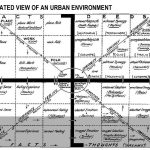
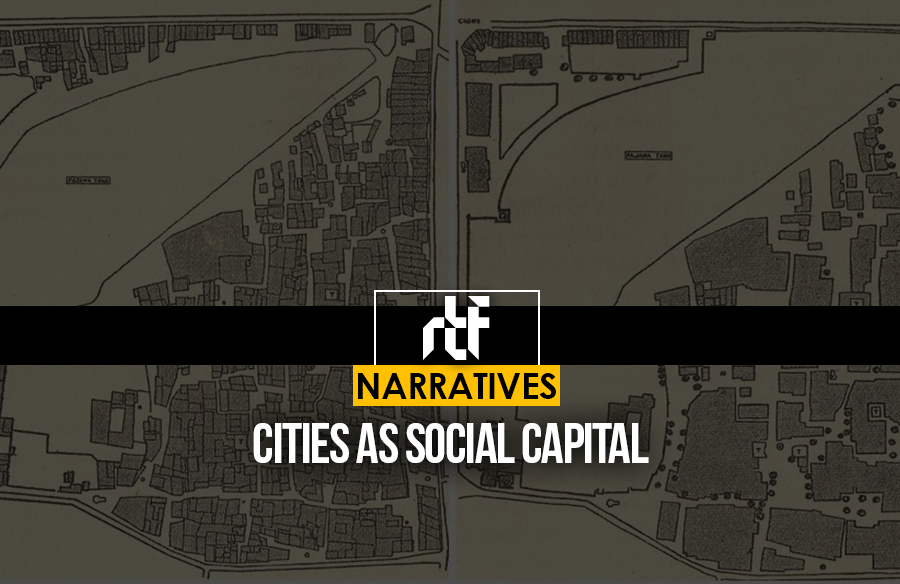
To develop an accurate representation of a city, it is important to understand the physical, functional, social, and managerial aspects of each site. The relationship of the site with its context becomes an important characteristic feature that can give insights to ensure the continuity of sites. Revealing the relationship between the community and the place is as significant as determining social character which would include economic aspirations, associations to the place etc. The community’s needs, concerns, and problems, then, become the pivotal structure for our interventions. With an innovative strategy, these values could be utilized to prompt community support and increase their willingness to participate in appropriately developing these semi-urban sites.
It is becoming increasingly evident that architecture is not just limited to four walls of a building but captures the lifestyle, cultures, and traditions, layered over time and history. Climatic conditions, availability of materials, and natural resources govern building styles and construction techniques that develop in a region. Skilled craftsmen work together to pass on their knowledge of traditional building systems, with careful attention to detail and minimal resources. It thus becomes important to acknowledge the history of interactions between people who interact with these spaces that help strengthen their social capital over time and that collective memory arises out of social capital continuing and adapting over generations.
References:
Polese, M. and Stren, R. eds., (2000). The Social Sustainability of Cities. University of Toronto Press. doi:https://doi.org/10.3138/9781442682399.
Spiro Kostof and Castillo, G. (1999). The City Assembled. Bulfinch Press.
Welter, V.M. and Lawson, J. (2000). The City after Patrick Geddes. Oxford: P. Lang.
Tyrwhitt, J. (1947). Patrick Geddes in India.